2026

Pakistan

PSO Chief Meets State Minister Fahd Haroon in Islamabad

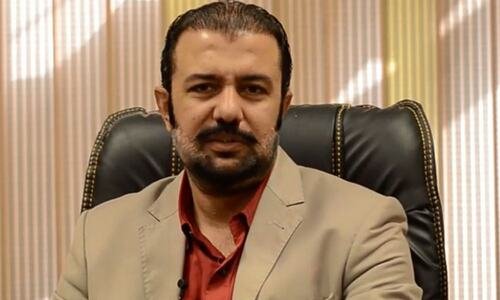
ISLAMABAD — Pakistan State Oil (PSO) Managing Director Jawwad Cheema met with Fahd Haroon, Minister of State and Special Assistant to the Prime Minister for Digital Media, this Wednesday in Islamabad. High-Level Government Engagement The meeting took place at the minister’s office in Islamabad, bringing together leaders from PSO and federal government officials. Cheema congratulated Haroon on completing Hajj, expressing his best wishes upon Haroon’s return. Focus on Energy Policy The conversation underscored ongoing collaboration between Pakistan State Oil and federal representatives on national affairs. The discussion addressed several key areas: Key Discussion Areas Implementation of the national energy policy Collaboration between state-owned enterprises and the federal government Energy sector priorities and policy initiatives Commitment to Collaborative Energy Efforts An official statement described the meeting as a courtesy call. Both leaders reaffirmed their commitment to working together on national energy issues and policy initiatives. This meeting highlights the federal government’s focus on partnering with state-owned enterprises in the energy sector. Pakistan State Oil remains a pivotal player in executing the national energy policy under the current administration.

Business

Finance Minister Aurangzeb Launches Pakistan Economic Survey 2025-26

ISLAMABAD — Finance Minister Muhammad Aurangzeb has officially launched the Pakistan Economic Survey 2025-26. The report offers a detailed review of Pakistan’s economic performance from the past fiscal year. Strategic Timing Before the Federal Budget The Pakistan Economic Survey is strategically released each year before the federal budget. This timing is crucial for policymakers, allowing integration of the latest economic data into fiscal plans. Economists consider this survey the most authoritative source on Pakistan’s financial condition. Key Economic Indicators The survey provides vital data for strategic economic planning: GDP growth rates and trends in economic expansion Inflation trends with strategies for maintaining price stability Fiscal balances and government revenue assessments Sectoral developments in agriculture, industry, and services Impact on Policy and Investment As the primary reference, the survey assists in evaluating Pakistan’s economic direction. Policymakers use this information to develop evidence-based national development strategies. Financial analysts and investors depend on this comprehensive data to understand current market conditions. The survey identifies growth opportunities and assesses investment risks across various sectors. Additionally, it offers insights into trade dynamics and reviews the effectiveness of economic policies, supporting informed decision-making in both public and private sectors.

Business

Finance Minister Aurangzeb Launches Pakistan Economic Survey 2025-26

ISLAMABAD — Finance Minister Muhammad Aurangzeb officially launched the Pakistan Economic Survey 2025-26 on Wednesday. This annual publication provides a detailed review of Pakistan’s economic performance over the past fiscal year. As a crucial component of federal budget preparation, it serves as an essential policy planning document. Key Economic Indicators and Metrics The Pakistan Economic Survey offers an in-depth analysis of vital macroeconomic indicators shaping the nation’s fiscal landscape. It is a fundamental tool for both policymakers and investors. The survey focuses on key areas such as GDP growth trends, inflation rates, and fiscal balances. These indicators are critical for evaluating Pakistan’s economic health, informing policy decisions, and guiding investment decisions. Analysis of Sectoral Performance The survey assesses performance in three major sectors driving national growth: Agricultural productivity and output Industrial growth and manufacturing trends Services sector contributions to the economy Sector performance data underscores Pakistan’s economic strengths and challenges, aiding in targeted interventions for sustainable growth. This facilitates effective resource allocation across industries. Revenue Targets and Fiscal Sustainability The survey establishes revenue targets and fiscal sustainability metrics to shape the 2025-26 federal budget. These forecasts are crucial for setting government spending priorities and tax policies. A data-driven approach ensures fiscal discipline, fostering economic expansion. Progress on Federal Budget Preparation Senior government officials and economic policymakers attended the survey’s launch, marking the start of preparations for the next fiscal year’s federal budget presentation. The Pakistan Economic Survey serves as a foundational document for budget planning and policy formulation. It provides comprehensive insights, guiding strategic economic decisions, and facilitating a transparent assessment of Pakistan’s fiscal performance and future trajectory.

Business

KP Girls’ Stipend Cut Sparks Fear Over Female School Enrolment

Khyber Pakhtunkhwa Ends Girls’ Education Stipend The Khyber Pakhtunkhwa provincial government has ended the girls’ education stipend. This crucial financial aid was instrumental in advancing female education in the province. The decision raises significant concerns among parents and students about female enrolment, retention, and completion rates. Impact on Remote Areas The withdrawal of this financial aid notably affects remote and underdeveloped regions. The stipend played a vital role in encouraging families to keep their daughters in school. Without this support, many low-income families fear they might have to withdraw their daughters, disrupting years of educational progress. Economic Impacts on Rural Families Rural households face numerous financial challenges, complicating the management of educational expenses. The stipend program eased some burdens for vulnerable families. Without financial assistance, these families may prioritize immediate economic needs over education, risking their daughters’ futures. Challenges in Female Literacy Khyber Pakhtunkhwa’s remote districts have long struggled with low female literacy rates and high dropout rates. Cultural and economic barriers continue to hinder girls’ education. Educators emphasize that targeted financial programs have effectively supported female education, with the stipend being central to these efforts. Low literacy rates High dropout rates Cultural and economic barriers Economic Consequences Financial incentives play a crucial role in boosting female enrolment in Pakistan’s underdeveloped areas. Experts warn that removing such support could negatively impact workforce development and economic growth. Promoting female education is essential for economic progress and GDP growth. A decline in literacy rates could hinder the development of a skilled workforce, critical for competitiveness in modern markets.

Pakistan

Women Comprise Over Half of PM Youth Laptop Scheme Beneficiaries

ISLAMABAD — Women now constitute over half of the beneficiaries in the Prime Minister’s Youth Programme Laptop Scheme, as noted in the Pakistan Economic Survey 2025-26. This achievement highlights a significant advancement in the federal government’s initiatives for digital inclusion and gender equity in Pakistan. Empowering Women With Technology The PM Youth Laptop Scheme plays a pivotal role in empowering young women across Pakistan by providing essential technological tools. The scheme specifically targets female students and professionals, preparing them for active roles in the rapidly expanding tech-driven economy. By addressing key barriers to young women’s digital engagement countrywide, the scheme enhances their potential to contribute to economic development more effectively. Strategic Policies for Gender Parity The notable female participation in the PM Youth Laptop Scheme is a direct result of the federal government’s strategic outreach and targeted policies aimed at closing the digital gender gap in Pakistan. These policy measures are credited with enabling better access to digital resources for young women, marking a meaningful shift towards gender equity. Promoting Educational and Technological Growth The Economic Survey 2025-26 emphasizes the scheme’s success in expanding educational and career opportunities for women, with females now leading this federal programme. This significant progress aligns with Islamabad’s national development goals, as the PM Youth Laptop Scheme continues to enhance digital literacy and economic participation among the youth of Pakistan.

World

Identity Systems Are Nation-Building Projects, Says Ex-NADRA Chief

AMSTERDAM — Tariq Malik, the former Chairman of Pakistan’s National Database and Registration Authority (NADRA), addressed international policymakers at the Identity Week Europe Conference. He emphasized viewing global identity systems as nation-building projects rather than just technical initiatives. This perspective resonated with delegates worldwide, emphasizing the need for inclusion, trust, and state ownership in effective identity frameworks. Global Leadership in Biometric Identity Recognized as a leading Pakistani IT expert, Malik shared insights from NADRA, known for its advanced biometric identity platform. Serving hundreds of millions, NADRA has set a global standard for digital transformation and governance reforms. Technology as a Governance Tool Malik’s insights hold significant value for global identity policymakers. He explained that many developing nations aim to digitize civil registration and public service systems. Malik argued that technology should support governance, challenging the technology-first mindset prevalent in digital identity initiatives. Core Pillars of Effective Identity Systems Malik identified three essential elements for successful identity systems: Inclusion of all citizens, regardless of geographic or socioeconomic barriers Fostering trust between citizens and the state during data collection Ensuring state ownership for long-term sustainability and accountability Pakistan’s Digital Identity Model Malik’s principles draw from Pakistan’s digital identity system experience, offering valuable insights to countries beginning their digital transformation. He emphasized that sustainable systems require political commitment, citizen involvement, and capacity building. At the global summit, Malik demonstrated how developing countries can leverage identity technology to drive governance reforms and promote bilateral cooperation in building digital infrastructures.

Pakistan

Pakistan Committed to Peace, Diplomacy Amid Middle East Escalation: FO

ISLAMABAD — Pakistan remains devoted to achieving a peaceful resolution to the Middle East conflict through sustained diplomatic efforts. Despite escalating hostilities and limited opportunities for dialogue, the Foreign Office spokesperson emphasized on Thursday that Pakistan’s efforts continue unabated. Engagement with Regional and International Stakeholders Pakistan is actively collaborating with both regional and international stakeholders to address the conflict in the Middle East. Although recent hostilities pose challenges, diplomatic efforts are maintained proactively. During a weekly briefing in Islamabad, the spokesperson assured that, “We remain engaged and work with a degree of optimism.” Dialogue channels are being actively maintained to build consensus among key players in the Middle East. Advocacy for De-escalation and Dialogue The Foreign Office in Pakistan consistently calls for de-escalation across the Middle East, urging all parties to prioritize dialogue over confrontation. Despite rising tensions, Pakistan maintains regular contact with regional actors and continues its international diplomatic efforts. Priority Areas in Diplomacy Promoting multilateral dialogue mechanisms Encouraging peaceful conflict resolution Supporting initiatives for regional stability Maintaining communication with all stakeholders Commitment to Peace and Regional Stability Pakistan underscores its dedication to regional stability and resolving conflicts peacefully. Advocacy for multilateral dialogue is essential to managing Middle East tensions. The Foreign Office reaffirms Pakistan’s commitment to promoting peace through diplomatic means, aligning with Islamabad’s foreign policy that favors peaceful resolutions of international disputes. Islamabad believes that sustained diplomatic engagement is the most effective path to achieving lasting peace in the region.

Pakistan

Pakistan Youth Must Embrace AI, Technology to Compete Globally: Rana Mashhood

FAISALABAD — Rana Mashhood Ahmad Khan, Chairman of the Prime Minister’s Youth Program, has highlighted the necessity of modern technology skills for young Pakistanis. On Thursday, he stressed that mastering artificial intelligence and digital skills is vital for enhancing Pakistan’s global competitiveness. During his address in Faisalabad, Rana Mashhood emphasized that education focused on innovation and merit is crucial for youth development and national progress. Government’s Focus on Youth Technology Training The chairman reaffirmed the federal government’s commitment to enhancing technological skills among the youth. He stressed that innovation driven by the youth is essential for maintaining Pakistan’s international competitiveness. AI and machine learning expertise Digital skills and technical proficiency Leadership and innovative thinking Merit-based competition Transforming Pakistan Through Youth Leadership Rana Mashhood encouraged the youth to develop leadership skills in tandem with technical expertise. The potential of the younger generation is critical for transforming Pakistan on a global scale. He noted that the country’s social and economic progress relies on empowering its youth. Rapid adaptation to technological advancements is necessary to maintain global competitiveness. Prime Minister’s Youth Program’s Role The federal government is dedicated to providing essential resources through the Prime Minister’s Youth Program, ensuring that Pakistani youth are well-prepared for the global market. This initiative aims to close the digital skills gap, preparing young Pakistanis for the global technology landscape and sustaining competitiveness in emerging sectors.

Pakistan

Asif Urges Political Parties to Uphold Parliamentary Sanctity, Backs Kashmir Cause

ISLAMABAD — Defence Minister Khawaja Muhammad Asif urged political parties on Thursday to uphold the sanctity of Parliament. He highlighted the necessity of strong democratic institutions free from external interference. Speaking in the National Assembly, Asif warned of the dangers posed by political disputes that could weaken the legislative body. Upholding Democratic Norms Asif called on leaders from major political parties, such as the Pakistan Peoples Party, to reinforce democratic norms. He stressed the significance of cross-party collaboration in maintaining the integrity of parliamentary proceedings. Respecting institutional boundaries is critical for ensuring political stability. Key Messages from the National Assembly Collaboration is essential to preserving parliamentary sanctity. Political interference in democratic institutions must be avoided. Cross-party cooperation strengthens national governance. Kashmir’s Central Role in Foreign Policy During his address, Asif outlined Pakistan’s key foreign policy priorities, reaffirming the government’s unwavering commitment to the Kashmir cause. He stressed that the disputed territory remains central to Pakistan’s international strategy. The Kashmir issue is a vital aspect of diplomatic efforts with the global community.

Pakistan

256 Electric Buses Ordered for Karachi Yellow Line BRT Project

ISLAMABAD — Pakistan has commenced the procurement of 256 electric buses for the Karachi Yellow Line Bus Rapid Transit (BRT) project. This advanced transit system aims to transport up to 300,000 passengers daily, according to project documents. Modern Transit System in Karachi The Karachi Yellow Line BRT is set to become a cutting-edge third-generation transit system. It positions itself among Pakistan’s most sophisticated public transport networks. The introduction of electric buses significantly boosts Karachi’s public transportation infrastructure, offering a sustainable solution for the growing urban population. Addressing Urban Mobility Challenges As the largest city and business hub in Pakistan, Karachi struggles with an underdeveloped mass transit framework. Residents often deal with congested roads and limited public transportation options. Traffic congestion has long plagued the city. The Yellow Line BRT is one of several corridor-based initiatives geared towards solving these urban mobility issues. These projects align with broader federal and provincial initiatives to modernize Karachi’s infrastructure, underscoring Pakistan’s dedication to sustainable urban development. Key Features of the Yellow Line BRT Procurement of 256 electric buses Capacity to serve 300,000 passengers daily Incorporation of third-generation transit technology Environmentally friendly mass transit system Part of Pakistan’s national infrastructure strategy Project Timeline Uncertain The timeline for the procurement and completion of the project remains undisclosed. Federal authorities have not yet announced the arrival of the electric buses in Pakistan. Additionally, the start date for the operation of the Karachi Yellow Line BRT is still uncertain. Further updates will follow as the procurement process continues through federal channels.

Scroll to Top