

2026

Pakistan

CDA Reclaims 16 Kanals in E-12, Resumes Development Work

ISLAMABAD — The Capital Development Authority (CDA) announced on Tuesday that it has successfully reclaimed approximately 16 kanals of land in Sector E-12, which had been under unauthorized occupation. This recovery has paved the way for the resumption of development work in the area, according to an official statement from the authority. What Happened The CDA’s operation to reclaim the land in Sector E-12 was conducted recently, targeting areas that had been occupied without official authorization. The recovered land, which spans about 16 kanals, was reportedly being used for private accommodation purposes. The authority’s swift action has now enabled development activities to proceed, which had been stalled due to the encroachment. In a statement, the CDA emphasized its commitment to reclaiming public land and ensuring that development projects are completed on schedule. “The recovery of this land is a significant step towards the timely completion of development work in Sector E-12,” the statement read. The CDA also noted that the reclaimed land will be utilized for its intended development purposes, benefiting the broader community. The resumption of development work in Sector E-12 is expected to bring about infrastructural improvements, including the construction of roads, drainage systems, and other essential facilities. These developments are part of the CDA’s broader efforts to enhance urban infrastructure and provide better living conditions for residents. Background Sector E-12 has been a focal point for the CDA’s development plans for several years. However, progress has been hindered by various challenges, including unauthorized land occupation. The CDA has been actively working to address these issues, employing legal and administrative measures to reclaim public land and ensure that development projects proceed as planned. The issue of land encroachment is not new to Islamabad, with several sectors facing similar challenges. The CDA has been engaged in ongoing efforts to tackle unauthorized occupations, which often delay critical infrastructure projects and impact urban planning. The authority’s recent success in reclaiming land in E-12 is part of a broader strategy to enforce land use regulations and promote orderly development. Why It Matters The recovery of land in Sector E-12 and the resumption of development work hold significant implications for Islamabad’s urban landscape. As the capital city continues to grow, the demand for residential and commercial spaces has increased, necessitating well-planned urban development. The CDA’s actions are crucial in ensuring that development keeps pace with the city’s needs. Economically, the resumption of development work in E-12 is likely to boost local construction activities, create jobs, and stimulate economic growth. Improved infrastructure will also enhance property values in the area, benefiting both current and prospective residents. Socially, the completion of development projects will provide residents with better access to essential services and amenities, improving their quality of life. Politically, the CDA’s efforts to reclaim land and enforce development plans demonstrate the government’s commitment to upholding the rule of law and ensuring that public resources are used effectively. This move is likely to bolster public confidence in the authority’s ability to manage urban development and address longstanding issues related to land encroachment. Key Takeaways The CDA has reclaimed 16 kanals of land in Sector E-12, previously under unauthorized occupation. Development work in the sector has resumed, focusing on infrastructure improvements. The recovery is part of the CDA’s broader strategy to enforce land use regulations. Resumed development is expected to boost economic growth and improve living conditions. The CDA’s actions reinforce government commitment to lawful urban development. Source Attribution This article is based on official statements and public communications from the Capital Development Authority. Author: NEN Editorial Desk | Editor: NEN Newsroom | Fact Checked By: NEN Editorial Team Author: NEN Editorial Desk  |  Editor: NEN Newsroom  |  Last Updated: September 15, 2026  |  Source: Press Release from Government of Pakistan This article was produced by the NEN Editorial Desk in accordance with NEN Agency’s Editorial Policy and Fact-Checking Policy.
Pakistan

Pakistan Increases Petrol Price by Rs4.10, Diesel by Rs6.41 Per Litre

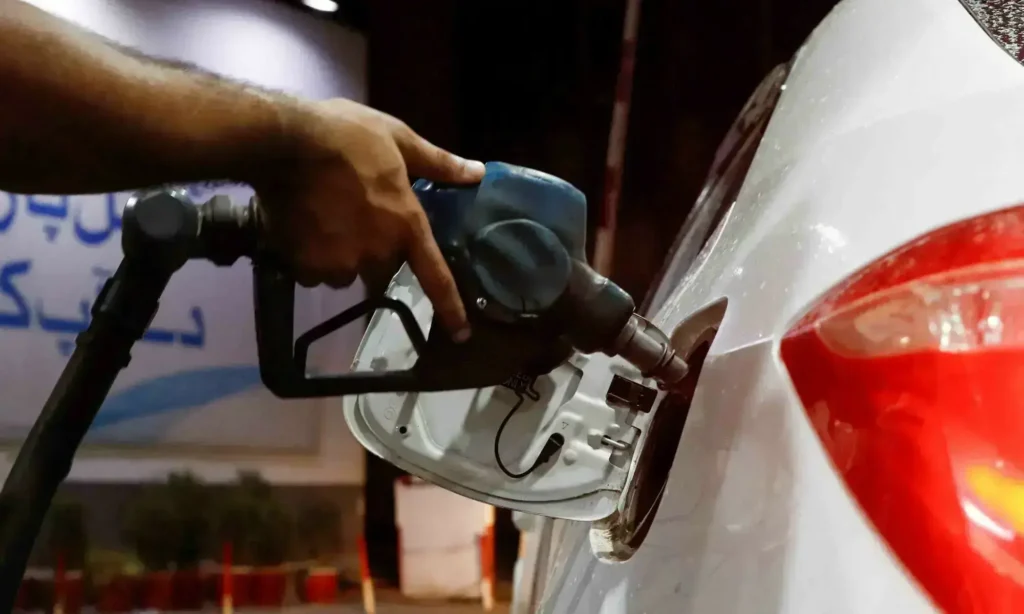
ISLAMABAD — The federal government of Pakistan has announced an increase in the prices of petroleum products, with petrol rising by Rs4.10 per litre and high-speed diesel (HSD) by Rs6.41 per litre. This revision will take effect from September 16, 2026, as per the Ministry of Energy’s latest directive. What Happened The Ministry of Energy (Petroleum Division) released a statement confirming the new ex-depot prices for petroleum products. The adjustment comes amid fluctuating global oil prices and aims to align domestic prices with international market trends. The Oil and Gas Regulatory Authority (OGRA) has been instrumental in advising the government on these adjustments, taking into account the current economic conditions and the need to maintain fiscal stability. The price hike has been implemented to ensure that the government can manage its fiscal responsibilities while also addressing the needs of the petroleum sector. The Ministry emphasized that the decision was made after careful consideration of the international oil market dynamics and the country’s economic situation. The increase in prices is expected to have a ripple effect on various sectors, particularly transportation and goods distribution, which are heavily reliant on diesel. In a statement, the Ministry of Energy noted, “The revision of petroleum prices is a necessary measure to ensure that the fiscal budget remains balanced and that the petroleum sector can continue to operate effectively.” The Ministry also highlighted that these adjustments are part of a broader strategy to stabilize the economy and manage the national budget. Background Pakistan’s petroleum pricing is heavily influenced by global oil prices, which have been volatile due to geopolitical tensions and fluctuating demand. Historically, the government has adjusted fuel prices to reflect changes in the international market, a practice that aims to prevent significant fiscal imbalances. The Oil and Gas Regulatory Authority (OGRA) plays a crucial role in advising the government on appropriate price adjustments, considering both global trends and domestic economic conditions. Previous adjustments in petroleum prices have often sparked public debate and concern, given their direct impact on the cost of living and inflation. The government has occasionally provided subsidies to mitigate the impact on consumers, although such measures can strain the national budget. Why It Matters The increase in petrol and diesel prices is likely to have significant economic and social implications. For consumers, the rise in fuel costs will directly affect transportation expenses, leading to higher costs for commuting and goods transportation. This, in turn, could contribute to an increase in the overall cost of living, as transportation costs are a major component of the pricing of goods and services. Economically, the government faces the challenge of balancing fiscal responsibility with public welfare. The increased revenue from higher fuel prices can help reduce budget deficits and fund essential public services. However, it also risks exacerbating inflationary pressures, which can undermine economic stability and growth. Politically, the decision to raise fuel prices may be contentious, as it could lead to public dissatisfaction and protests. The government will need to manage public perception carefully and possibly consider measures to cushion the impact on the most vulnerable populations. Key Takeaways The government has increased petrol prices by Rs4.10 and diesel by Rs6.41 per litre, effective September 16, 2026. The decision aligns domestic fuel prices with international market trends and aims to maintain fiscal stability. The price hike is expected to impact transportation costs and contribute to inflationary pressures. The government faces the challenge of balancing fiscal needs with public welfare concerns. Public response to the price increase may influence future policy decisions. Source Attribution This article is based on official government statements, press releases, and public communications from relevant authorities. Author: NEN Editorial Desk | Editor: NEN Newsroom | Fact Checked By: NEN Editorial Team Author: NEN Editorial Desk  |  Editor: NEN Newsroom  |  Last Updated: September 15, 2026  |  Source: Press Release from Ministry of Energy This article was produced by the NEN Editorial Desk in accordance with NEN Agency’s Editorial Policy and Fact-Checking Policy.
Pakistan

Street Vendor Markets Mobile Accessories in Lahore’s Bustling Streets

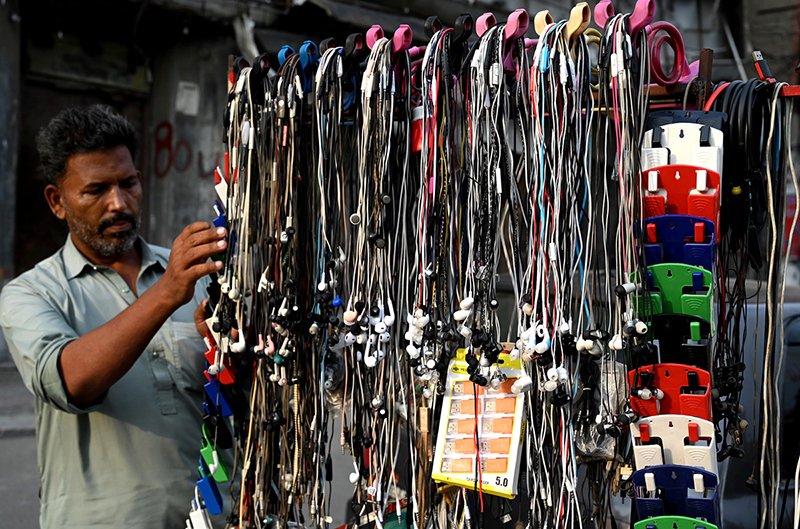
LAHORE — A street vendor in Lahore has taken to the bustling streets of the provincial capital to market mobile handsfree devices, aiming to attract the attention of passersby amid the city’s vibrant commercial activity. This initiative, witnessed on a typical weekday, highlights the entrepreneurial spirit prevalent among small-scale vendors in Pakistan’s urban centers. What Happened The vendor, strategically positioned in a high-traffic area of Lahore, meticulously arranged an array of mobile handsfree accessories on a makeshift stall. The display, designed to catch the eye of potential customers, featured a variety of products catering to the growing demand for mobile accessories in the city. According to onlookers, the vendor’s efforts are part of a broader trend where small businesses leverage street-side sales to reach consumers directly. In a conversation with NEN Agency, the vendor explained, “I set up my stall here every day because it is a busy area. Many people pass by, and some stop to look at my products. It’s a good way to make a living.” The vendor’s approach underscores the reliance on direct customer engagement and the importance of location in street vending success. Observers noted that such vendors often operate in informal settings, without the overhead costs associated with permanent retail spaces. This allows them to offer competitive prices, appealing to budget-conscious consumers. The vendor’s presence is a testament to the adaptability and resilience of small entrepreneurs in the face of economic challenges. Background Street vending has long been a staple of Pakistan’s urban economy, providing livelihoods for thousands who might otherwise struggle to find employment in the formal sector. In cities like Lahore, Karachi, and Islamabad, vendors selling everything from food to electronics are a common sight. This informal sector plays a crucial role in the economy, offering goods and services at accessible prices. The mobile accessory market, in particular, has seen significant growth in recent years, driven by the widespread adoption of smartphones. As more Pakistanis use mobile devices, the demand for affordable accessories like handsfree sets, chargers, and cases has surged. Vendors have capitalized on this trend, offering products that cater to a tech-savvy population. Why It Matters The presence of street vendors selling mobile accessories in Lahore is indicative of broader economic patterns in Pakistan. As the country navigates economic challenges, including inflation and unemployment, informal sector activities like street vending provide essential income opportunities. These vendors contribute to the local economy by creating jobs and offering affordable products to consumers. Furthermore, the growth of the mobile accessory market reflects changing consumer preferences and technological advancements. As more people rely on smartphones for communication, work, and entertainment, the demand for related accessories is likely to continue rising. This trend presents opportunities for small businesses to thrive, even amidst economic uncertainty. On a social level, street vending fosters community interactions and supports a vibrant urban culture. Vendors often become familiar faces in their neighborhoods, contributing to the social fabric of the city. Their presence enhances the sense of community and accessibility in urban areas. Key Takeaways Street vendors in Lahore are leveraging high-traffic areas to market mobile accessories directly to consumers. The informal sector, including street vending, plays a vital role in Pakistan’s urban economy. Demand for mobile accessories is rising due to increased smartphone usage across the country. Street vending provides essential income opportunities amid economic challenges like inflation and unemployment. The presence of vendors contributes to the social fabric and vibrancy of urban communities. Source Attribution This article is based on official government statements, press releases, and public communications from relevant authorities. Author: NEN Editorial Desk | Editor: NEN Newsroom | Fact Checked By: NEN Editorial Team Author: NEN Editorial Desk  |  Editor: NEN Newsroom  |  Last Updated: September 15, 2026  |  Source: NEN Reporter This article was produced by the NEN Editorial Desk in accordance with NEN Agency’s Editorial Policy and Fact-Checking Policy.

Pakistan

NA Committee Urges PFF to Update Constitution to Meet FIFA Standards

ISLAMABAD — The National Assembly Standing Committee on Inter Provincial Coordination (IPC) has advised the Pakistan Football Federation (PFF) to revise its constitution and regulations to align with FIFA’s requirements. This recommendation aims to foster the development of football within the country. The committee meeting took place under the temporary leadership of Dr. Mahreen Razzaq Bhutto. What Happened During the meeting held in Islamabad, the IPC Committee emphasized the importance of aligning the PFF’s constitution with FIFA’s guidelines to ensure the effective governance and growth of football in Pakistan. Dr. Mahreen Razzaq Bhutto, serving as the acting chairperson, led the discussions that highlighted the need for structural reforms within the PFF. The committee underscored that adherence to international standards is crucial for the PFF to function optimally and to enhance the country’s footballing capabilities. The committee’s recommendation comes in the wake of ongoing challenges faced by the PFF, which include governance issues and a lack of consistent development programs. By aligning with FIFA’s rules, the PFF is expected to improve its governance structure, making it more transparent and accountable. This alignment is also seen as a step towards regaining FIFA’s confidence, which is essential for Pakistan to participate in international competitions and receive developmental support. Dr. Bhutto expressed the committee’s commitment to supporting the PFF in this transition. “It is imperative that the PFF adheres to international standards to ensure the growth and development of football in Pakistan,” she stated. The committee also discussed potential strategies to support the PFF in implementing these changes effectively. Background The PFF has faced numerous challenges over the years, including internal conflicts and administrative issues that have hindered the development of football in Pakistan. In the past, FIFA has suspended the PFF due to third-party interference, which violated FIFA’s statutes. These suspensions have adversely affected the country’s ability to participate in international tournaments and access FIFA’s developmental programs. FIFA’s regulations require national football associations to operate independently, free from government interference, and to maintain a governance structure that promotes transparency and accountability. The PFF’s alignment with these regulations is seen as a critical step towards resolving past issues and moving forward with a clear vision for the future of football in Pakistan. Why It Matters The recommendation by the NA Standing Committee is significant as it addresses the fundamental governance issues that have plagued the PFF for years. By aligning its constitution with FIFA’s standards, the PFF can potentially restore its reputation on the international stage. This alignment is expected to lead to improved governance, increased transparency, and enhanced accountability within the federation. For Pakistani footballers and fans, these changes could mean better opportunities to participate in international competitions and access to improved training and development programs. The alignment could also attract international partnerships and investments, further boosting the sport’s growth in the country. Moreover, the successful implementation of these recommendations could serve as a model for other sports federations in Pakistan, encouraging them to adopt similar reforms to enhance their governance structures. This could lead to a broader improvement in the management and development of sports across the country, contributing to Pakistan’s overall sporting success. Key Takeaways The NA Standing Committee on IPC recommends the PFF align its constitution with FIFA standards. Dr. Mahreen Razzaq Bhutto chaired the committee meeting, emphasizing the need for reform. Aligning with FIFA’s rules is crucial for regaining international confidence and support. The PFF’s past governance issues have hindered football development in Pakistan. Successful alignment could lead to improved opportunities and international partnerships. Source Attribution This article is based on official government statements and public communications from relevant authorities. Author: NEN Editorial Desk | Editor: NEN Newsroom | Fact Checked By: NEN Editorial Team Author: NEN Editorial Desk  |  Editor: NEN Newsroom  |  Last Updated: September 15, 2026  |  Source: NEN Reporter This article was produced by the NEN Editorial Desk in accordance with NEN Agency’s Editorial Policy and Fact-Checking Policy.
World

SMEDA Partners with Japan to Connect Pakistani SMEs to B2B Platform

LAHORE — The Small and Medium Enterprises Development Authority (SMEDA) has announced a strategic partnership with Japan’s Organization for Small & Medium Enterprises and Regional Innovation (SMRJ) to facilitate the integration of Pakistani small and medium enterprises (SMEs) into the ‘J-GoodTech’ online B2B platform. This initiative aims to enhance the global reach and competitiveness of Pakistani SMEs. What Happened On September 15, SMEDA revealed its collaboration with SMRJ, a significant move to support Pakistani SMEs by providing them access to ‘J-GoodTech’, a Japanese business-to-business platform designed to foster international trade and business connections. The platform is renowned for connecting SMEs with potential business partners globally, thus offering a valuable opportunity for Pakistani enterprises to expand their market presence. According to SMEDA officials, this collaboration is a part of the authority’s broader strategy to internationalize Pakistani SMEs and help them tap into new markets. The partnership will enable these enterprises to showcase their products and services to a wider audience, potentially leading to increased trade and investment opportunities. SMEDA’s Chief Executive Officer emphasized the importance of this initiative, stating, “This partnership with SMRJ is a crucial step in our efforts to empower Pakistani SMEs by providing them with the tools and platforms necessary to compete on a global scale.” He further added that the collaboration is expected to open new avenues for business growth and development for SMEs in Pakistan. Background SMEDA, established in 1998, has been instrumental in promoting and supporting the development of small and medium enterprises in Pakistan. The authority provides a range of services, including business development, training, and advisory services, aimed at enhancing the productivity and competitiveness of SMEs. Japan’s SMRJ, on the other hand, is a governmental organization dedicated to supporting SMEs and regional innovation. The ‘J-GoodTech’ platform, launched by SMRJ, serves as a digital marketplace where SMEs can connect with potential business partners worldwide, facilitating cross-border trade and collaboration. Why It Matters The collaboration between SMEDA and SMRJ is significant for several reasons. Economically, it provides Pakistani SMEs with access to international markets, which can lead to increased exports and foreign investment. This is particularly important for a country like Pakistan, where SMEs constitute a significant portion of the economy and play a vital role in employment generation and economic growth. Socially, the initiative can contribute to job creation and skill development within the SME sector, as businesses expand and require a more skilled workforce to manage increased demand. This can have a positive impact on local communities by reducing unemployment and improving living standards. Politically, strengthening economic ties with Japan through such collaborations can enhance bilateral relations between the two countries. It aligns with Pakistan’s broader foreign policy objectives of fostering economic diplomacy and building strategic partnerships with key global economies. Internationally, the integration of Pakistani SMEs into a global platform like ‘J-GoodTech’ can improve the country’s image as a viable business partner and investment destination. It showcases the potential of Pakistani enterprises to compete and collaborate on an international stage, thereby attracting further interest from global investors and businesses. Key Takeaways SMEDA has partnered with Japan’s SMRJ to connect Pakistani SMEs to the ‘J-GoodTech’ B2B platform. The initiative aims to enhance the global competitiveness of Pakistani SMEs by providing access to international markets. This collaboration supports SMEDA’s strategy of internationalizing Pakistani SMEs and expanding their market presence. The partnership can lead to increased exports, foreign investment, and job creation in Pakistan. Strengthening economic ties with Japan aligns with Pakistan’s broader foreign policy objectives. Source Attribution This article is based on official government statements and public communications from relevant authorities. Author: NEN Editorial Desk | Editor: NEN Newsroom | Fact Checked By: NEN Editorial Team Author: NEN Editorial Desk  |  Editor: NEN Newsroom  |  Last Updated: September 15, 2026  |  Source: NEN Reporter This article was produced by the NEN Editorial Desk in accordance with NEN Agency’s Editorial Policy and Fact-Checking Policy.
Pakistan

Constitutional Supremacy Essential for Stability, Says Chief Justice FCCP

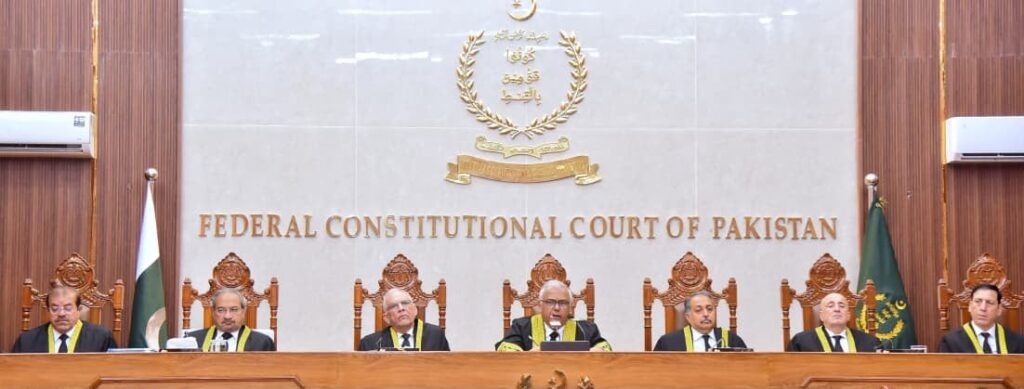
ISLAMABAD — Chief Justice of the Federal Constitutional Court of Pakistan (FCCP), Justice Aminuddin Khan, emphasized the paramount importance of upholding the Constitution in the exercise of governmental powers during a ceremony in Islamabad on Tuesday. His remarks were made at the inauguration of the new judicial year, where he underscored the necessity of constitutional adherence to maintain societal stability. What Happened Justice Aminuddin Khan, addressing a gathering at the Federal Constitutional Court, highlighted the critical role of the Constitution as the supreme law of Pakistan. He stated, “The Constitution must remain supreme in the exercise of powers,” indicating that all branches of government must operate within the framework established by the Constitution. Justice Khan’s comments come at a time when the judiciary is increasingly called upon to interpret constitutional provisions in light of complex political and social challenges. The ceremony, attended by prominent members of the judiciary and legal fraternity, marked the official commencement of the judicial year. Justice Khan’s speech focused on the need for unwavering commitment to constitutional principles, which he described as essential for the rule of law and the protection of citizens’ rights. “Adherence to the Constitution is essential for ensuring stability in society,” he added, reflecting on the judiciary’s role in safeguarding democratic values. Justice Khan also addressed the judiciary’s responsibility to act as a guardian of the Constitution, ensuring that all state organs function within their constitutional limits. He noted that judicial independence is vital for maintaining public confidence in the legal system and for the effective administration of justice. Background The Federal Constitutional Court of Pakistan plays a pivotal role in interpreting the Constitution and resolving constitutional disputes. Established to ensure that the Constitution remains the guiding document for the country’s governance, the FCCP has historically been involved in landmark decisions that have shaped Pakistan’s legal and political landscape. The court’s authority to review the constitutionality of legislative and executive actions underscores its importance in maintaining the balance of power among state institutions. In recent years, Pakistan has witnessed several high-profile cases where the judiciary has intervened to uphold constitutional principles, reflecting its active role in the country’s governance. The judiciary’s independence and its commitment to constitutional supremacy have often been tested, particularly during periods of political instability. Why It Matters The emphasis on constitutional supremacy by Justice Aminuddin Khan is significant in the context of Pakistan’s ongoing political and legal challenges. The judiciary’s role in interpreting and upholding the Constitution is crucial for ensuring that democratic processes are respected and that the rights of citizens are protected. This commitment to constitutional principles is particularly important in a country where political tensions and institutional conflicts can threaten democratic governance. Justice Khan’s remarks also highlight the judiciary’s responsibility to act as a check on the powers of the executive and legislative branches. By ensuring that all government actions are in line with constitutional mandates, the judiciary helps prevent abuses of power and protects the democratic framework. This is vital for maintaining public trust in state institutions and for fostering a stable political environment. Furthermore, the judiciary’s role in upholding constitutional supremacy has implications for Pakistan’s international reputation. As a country striving to strengthen its democratic institutions, adherence to constitutional principles is critical for attracting foreign investment and fostering economic development. A stable legal environment where the rule of law is respected can enhance Pakistan’s standing in the global community. Key Takeaways Chief Justice Aminuddin Khan emphasized the importance of constitutional supremacy in Pakistan. The judiciary plays a critical role in maintaining the balance of power among state institutions. Adherence to the Constitution is essential for societal stability and the protection of citizens’ rights. The judiciary’s independence is vital for public confidence and effective justice administration. Upholding constitutional principles is crucial for Pakistan’s democratic governance and international reputation. Source Attribution This article is based on official statements and public communications from the Federal Constitutional Court and relevant authorities. Author: NEN Editorial Desk | Editor: NEN Newsroom | Fact Checked By: NEN Editorial Team Author: NEN Editorial Desk  |  Editor: NEN Newsroom  |  Last Updated: September 15, 2026  |  Source: NEN Reporter This article was produced by the NEN Editorial Desk in accordance with NEN Agency’s Editorial Policy and Fact-Checking Policy.
World

China-Pakistan-Africa Cooperation Promises New Trade, Investment Opportunities

ISLAMABAD — Feng Qiang, President of the Shenzhen Government Procurement Association and Chairman of the Industrial Globalization Alliance, has emphasized the potential of enhanced digital connectivity and industrial cooperation among China, Pakistan, and Africa. Speaking on September 15, he highlighted that the three regions offer complementary resources, markets, and industrial capabilities, which could pave the way for significant trade and investment opportunities. What Happened Feng Qiang addressed the potential for trilateral cooperation during a recent forum focused on fostering economic ties between China, Pakistan, and Africa. He pointed out that the regions have distinct yet complementary strengths that, if leveraged effectively, could lead to substantial economic benefits. According to Feng, China’s advanced technological capabilities, Pakistan’s strategic location, and Africa’s vast resource base and growing markets form a robust foundation for industrial collaboration. Feng advocated for stronger digital connectivity as a cornerstone of this cooperation. He suggested that by enhancing digital infrastructure, these regions could improve communication and efficiency in trade and investment processes. “Digital connectivity is not just about technology; it’s about creating a seamless environment for business operations across borders,” Feng stated. The forum also discussed the potential for joint ventures and partnerships in sectors such as manufacturing, technology, and agriculture. Participants agreed that such collaborations could lead to job creation, technology transfer, and sustainable economic growth across the involved regions. Background The idea of trilateral cooperation among China, Pakistan, and Africa is not entirely new. China has been actively involved in Africa for decades, investing in infrastructure projects and resource extraction. Similarly, Pakistan has historical ties with African nations through trade and diplomatic channels. The China-Pakistan Economic Corridor (CPEC), a flagship project under China’s Belt and Road Initiative, has already established a framework for economic collaboration between China and Pakistan. In recent years, there has been a growing recognition of Africa’s potential as a major player in the global economy. With its abundant natural resources and a young, rapidly growing population, Africa presents numerous opportunities for investment and development. The proposed trilateral cooperation aims to build on these existing relationships and explore new avenues for mutual benefit. Why It Matters The potential cooperation between China, Pakistan, and Africa could have significant implications for the global economic landscape. For Pakistan, this partnership offers an opportunity to diversify its trade and investment portfolio, reducing reliance on traditional markets. It could also enhance Pakistan’s role as a regional hub, leveraging its strategic location to facilitate trade between Asia and Africa. For China, the cooperation aligns with its broader Belt and Road Initiative goals, seeking to expand its influence and economic ties across continents. Africa, with its vast resources and growing consumer base, is a key area of interest for China. By collaborating with Pakistan, China can strengthen its foothold in the region and gain access to new markets. African countries stand to benefit from increased investment and technology transfer, which could drive industrialization and economic development. The cooperation could also help address infrastructure gaps and improve connectivity within the continent, fostering intra-African trade and integration. Key Takeaways Feng Qiang advocates for enhanced digital connectivity among China, Pakistan, and Africa to boost trade and investment. The regions have complementary strengths, including China’s technology, Pakistan’s strategic location, and Africa’s resources. Trilateral cooperation could lead to job creation, technology transfer, and sustainable economic growth. The initiative aligns with China’s Belt and Road goals and offers Pakistan a chance to diversify its economic partnerships. African nations could benefit from increased investment and improved infrastructure. Source Attribution This article is based on official statements and public communications from relevant authorities. Author: NEN Editorial Desk | Editor: NEN Newsroom | Fact Checked By: NEN Editorial Team Author: NEN Editorial Desk  |  Editor: NEN Newsroom  |  Last Updated: September 15, 2026  |  Source: NEN Reporter This article was produced by the NEN Editorial Desk in accordance with NEN Agency’s Editorial Policy and Fact-Checking Policy.
World

Pakistan, China, Africa Explore Trilateral Economic Cooperation Framework

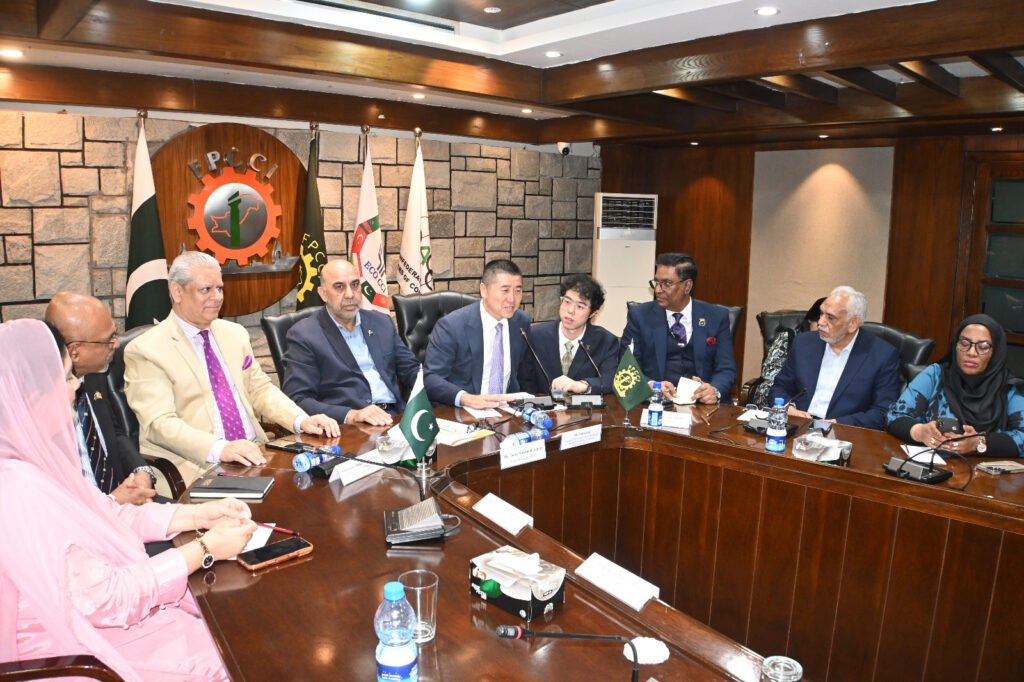
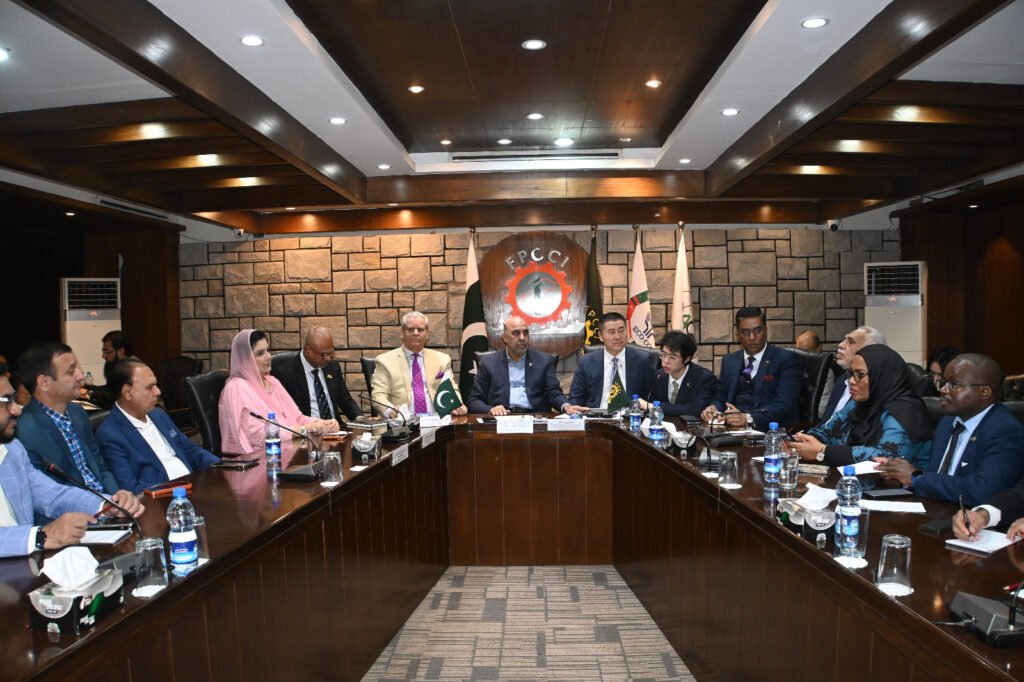
ISLAMABAD — At a recent event held at the Federation of Pakistan Chambers of Commerce and Industry (FPCCI) in Islamabad, experts highlighted the potential for a trilateral economic cooperation framework between Pakistan, China, and the African region. The Pakistan Africa Economic Council (PAEC) was identified as a key player in facilitating this initiative, aiming to bolster trade and investment ties across these regions. What Happened The event, organized at the FPCCI Capital House, brought together business leaders, policymakers, and economic experts to discuss the prospects of enhancing economic collaboration between Pakistan, China, and African markets. The speakers underscored the strategic importance of this trilateral framework, emphasizing the role of the PAEC in bridging gaps and fostering mutual economic interests. According to the participants, the initiative seeks to leverage Pakistan’s geographical position and its economic ties with China, particularly through the China-Pakistan Economic Corridor (CPEC), to access and expand into African markets. The collaboration aims to create new avenues for trade, investment, and economic growth, benefiting all parties involved. One of the speakers noted, “The trilateral cooperation framework can serve as a catalyst for economic growth, providing opportunities for businesses in Pakistan, China, and Africa to collaborate on various projects, ranging from infrastructure development to technology transfer.” The discussions also highlighted the need for establishing a formal mechanism to facilitate dialogue and cooperation among the three regions. This could include regular trade missions, joint ventures, and exchange programs to enhance understanding and build trust among business communities. Background Historically, Pakistan has maintained strong bilateral relations with China, primarily through the CPEC, which is a flagship project under China’s Belt and Road Initiative (BRI). CPEC has been instrumental in enhancing infrastructure, energy, and trade connectivity between the two countries. Africa, on the other hand, represents a burgeoning market with immense potential for trade and investment. In recent years, China has significantly increased its economic footprint in Africa, becoming one of the continent’s largest trading partners and investors. Pakistan, recognizing the opportunities in Africa, has been working to strengthen its economic ties with various African nations through initiatives like the ‘Look Africa Policy’. Why It Matters The proposed trilateral economic cooperation framework could have far-reaching implications for the involved regions. Economically, it offers a platform for diversifying trade and investment portfolios, reducing dependency on traditional markets, and tapping into the vast potential of African economies. For Pakistan, this framework could open new markets for its products, enhance export revenues, and attract foreign direct investment. Politically, the initiative could strengthen Pakistan’s diplomatic ties with both China and African nations, positioning it as a pivotal player in regional and international economic affairs. It also aligns with China’s broader BRI strategy, which seeks to enhance global trade connectivity and economic integration. Socially, increased economic cooperation could lead to job creation, skill development, and technology transfer, contributing to poverty alleviation and improved living standards in the participating regions. It could also foster cultural exchanges and enhance people-to-people contacts, promoting mutual understanding and cooperation. Key Takeaways The FPCCI event highlighted the potential for a trilateral economic cooperation framework between Pakistan, China, and Africa. The Pakistan Africa Economic Council (PAEC) is poised to play a crucial role in facilitating this initiative. The framework aims to leverage CPEC and China’s BRI to access African markets. Enhanced cooperation could diversify trade, attract investment, and create economic growth opportunities. The initiative could strengthen diplomatic ties and contribute to social development in the regions. Source Attribution This article is based on official statements and public communications from relevant authorities. Author: NEN Editorial Desk | Editor: NEN Newsroom | Fact Checked By: NEN Editorial Team Author: NEN Editorial Desk  |  Editor: NEN Newsroom  |  Last Updated: September 15, 2026  |  Source: NEN Reporter This article was produced by the NEN Editorial Desk in accordance with NEN Agency’s Editorial Policy and Fact-Checking Policy.
Pakistan

Chief Justice Stresses Constitutional Supremacy in Power Exercise

ISLAMABAD — Chief Justice of the Federal Constitutional Court of Pakistan (FCCP), Justice Aminuddin Khan, emphasized the essential role of the Constitution in the exercise of powers during a ceremony on Tuesday. Speaking at the opening of the new judicial year, he highlighted the necessity of constitutional adherence for societal stability. What Happened During a ceremony held in Islamabad on September 15, Chief Justice Aminuddin Khan addressed the importance of maintaining the supremacy of the Constitution in Pakistan. He asserted that the Constitution serves as the cornerstone for the nation’s legal and governance framework, and its principles should guide all exercises of power within the country. Justice Khan remarked, “Adherence to the Constitution is essential for ensuring stability in society.” His comments came as the judicial community gathered to mark the commencement of the new judicial year, a significant event in the legal calendar. The Chief Justice’s remarks underscored the ongoing commitment of the judiciary to uphold constitutional values amidst various challenges faced by the legal system. Justice Khan’s speech was a call to action for all branches of government to respect and follow the constitutional framework, which he described as vital for the rule of law and the protection of citizens’ rights. Background The Federal Constitutional Court of Pakistan plays a critical role in interpreting the Constitution and ensuring that all laws and government actions comply with constitutional mandates. Historically, Pakistan has faced periods of constitutional crises, including military coups and political instability, which have tested the resilience of its democratic institutions. The judiciary, particularly the FCCP, has been instrumental in navigating these challenges by reinforcing the rule of law and constitutional governance. In recent years, the judiciary has been at the forefront of significant legal and constitutional debates, including issues of judicial independence, the separation of powers, and the protection of fundamental rights. The emphasis on constitutional supremacy by Justice Khan reflects a broader judicial perspective that seeks to fortify democratic norms and processes. Why It Matters The Chief Justice’s emphasis on constitutional supremacy is crucial in the context of Pakistan’s ongoing political and social dynamics. The Constitution is not only a legal document but also a symbol of national unity and democratic governance. By reinforcing the importance of constitutional adherence, Justice Khan is advocating for a stable and predictable legal environment, which is essential for economic growth, foreign investment, and the protection of individual freedoms. In a country where political tensions and governance challenges are prevalent, the judiciary’s role in upholding constitutional norms becomes even more significant. The Chief Justice’s remarks serve as a reminder to political leaders and government officials of their duty to operate within the constitutional framework, thereby preventing arbitrary use of power and ensuring accountability. Furthermore, the emphasis on constitutional supremacy has international implications. For Pakistan to strengthen its diplomatic ties and enhance its global standing, adherence to democratic principles and the rule of law is imperative. This commitment reassures international partners of Pakistan’s dedication to maintaining a stable and just society. Key Takeaways Chief Justice Aminuddin Khan highlighted the importance of constitutional supremacy during the new judicial year’s opening ceremony. The Constitution is vital for ensuring stability and guiding the exercise of power in Pakistan. The judiciary plays a critical role in upholding constitutional values amidst political and social challenges. Emphasizing constitutional adherence is essential for economic growth and international relations. The Chief Justice’s remarks underscore the need for all government branches to respect the constitutional framework. Source Attribution This article is based on official government statements, press releases, and public communications from relevant authorities. Author: NEN Editorial Desk | Editor: NEN Newsroom | Fact Checked By: NEN Editorial Team Author: NEN Editorial Desk  |  Editor: NEN Newsroom  |  Last Updated: September 15, 2026  |  Source: NEN Reporter This article was produced by the NEN Editorial Desk in accordance with NEN Agency’s Editorial Policy and Fact-Checking Policy.

Pakistan

Exhibition Showcases ‘The Too-Young Monsoon Brides’ by French Photographer

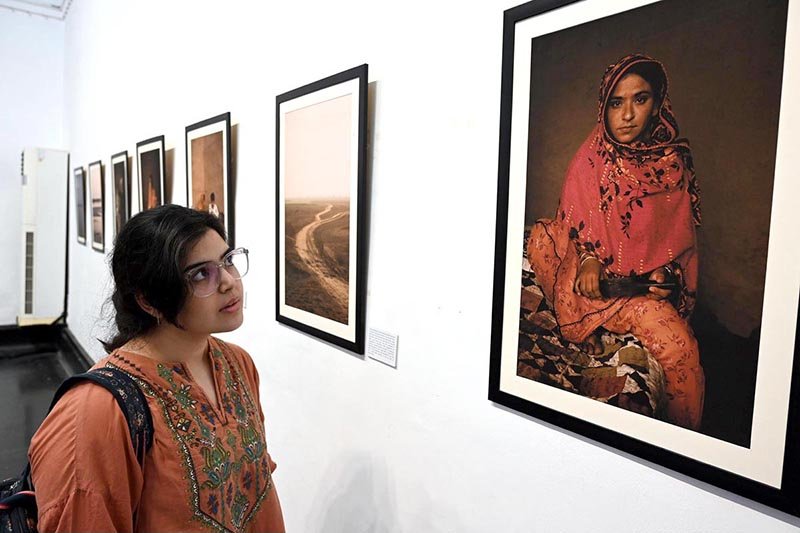
LAHORE — A recent exhibition titled ‘The Too-Young Monsoon Brides’ by French photographer Isabeau de Rouffignac has captured the attention of art enthusiasts at the Zahoor-ul-Akhlaq Art Gallery. Organized by Alliance Française Lahore, in collaboration with the French Embassy in Pakistan and the National College of Arts, the exhibition aims to shed light on the cultural and social dimensions of early marriages in South Asia. What Happened The exhibition, which opened its doors to the public this week, features a collection of poignant photographs that explore the lives and stories of young brides in the monsoon regions. According to the organizers, the purpose of the exhibition is to provoke thought and discussion around the issue of child marriages, a practice still prevalent in various parts of the world, including Pakistan. Isabeau de Rouffignac, the artist behind the exhibition, has spent years documenting the lives of these young brides. Her work provides a visual narrative that is both compelling and heart-wrenching, capturing the innocence and challenges faced by these girls. “Photography has the power to convey emotions and stories that words sometimes cannot,” said de Rouffignac during the exhibition’s opening ceremony. The Zahoor-ul-Akhlaq Art Gallery, known for hosting culturally significant exhibitions, provided an apt venue for this event. Visitors, including students, art critics, and members of the diplomatic community, have shown keen interest in the exhibition, with many engaging in discussions about the implications of the photographs on display. Background Child marriage remains a critical issue in many parts of South Asia. Despite legal frameworks aimed at curbing the practice, socio-economic factors and cultural traditions continue to perpetuate early marriages. In Pakistan, the legal age for marriage is 18 for males and 16 for females, but enforcement of these laws is inconsistent, particularly in rural areas. Efforts by various NGOs and international organizations have been ongoing to address this issue, focusing on education and empowerment of young girls as a means to combat the practice. The collaboration between the French Embassy, Alliance Française Lahore, and the National College of Arts reflects a broader international effort to bring attention to and address the challenges faced by young brides. Why It Matters The exhibition is significant as it brings a global issue into local focus, encouraging dialogue and awareness among Pakistani audiences. By highlighting the personal stories of young brides, the exhibition aims to foster empathy and understanding, potentially influencing public opinion and policy. Economically, child marriages often result in limited opportunities for education and employment for young girls, perpetuating cycles of poverty. Socially, these marriages can lead to health complications and a lack of autonomy for young women. The exhibition serves as a reminder of the urgent need for societal change and the empowerment of women and girls. On an international level, the exhibition strengthens cultural ties between Pakistan and France, showcasing how art can be a powerful tool for social change. It also aligns with global initiatives such as the United Nations Sustainable Development Goals, which aim to eliminate child marriage by 2030. Key Takeaways The exhibition ‘The Too-Young Monsoon Brides’ highlights the issue of child marriage through photography. Organized by Alliance Française Lahore, it is supported by the French Embassy and the National College of Arts. Child marriage remains a significant issue in South Asia, despite legal frameworks. The exhibition aims to raise awareness and foster dialogue on the socio-economic impacts of early marriages. It strengthens cultural ties between Pakistan and France while promoting global social change initiatives. Source Attribution This article is based on official government statements, press releases, and public communications from relevant authorities. Author: NEN Editorial Desk | Editor: NEN Newsroom | Fact Checked By: NEN Editorial Team Author: NEN Editorial Desk  |  Editor: NEN Newsroom  |  Last Updated: September 15, 2026  |  Source: NEN Reporter This article was produced by the NEN Editorial Desk in accordance with NEN Agency’s Editorial Policy and Fact-Checking Policy.

Scroll to Top