
2026

World

Minister Reviews Sugar Supply and Stocks in Advisory Board Meeting

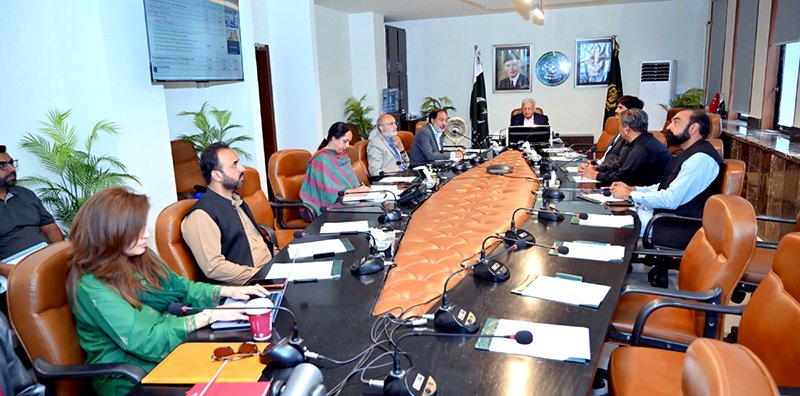
ISLAMABAD — Federal Minister for National Food Security and Research, Rana Tanveer Hussain, chaired a high-level meeting of the Sugar Advisory Board on Tuesday to assess the current sugar supply situation, domestic requirements, and available stocks across Pakistan. The meeting, held in Islamabad, aimed to ensure the stability of sugar supplies and address any potential shortages in the market. What Happened The meeting, led by Minister Rana Tanveer Hussain, brought together key stakeholders from the sugar industry, including representatives from sugar mills, government officials, and market analysts. The primary focus was to evaluate the current stock levels and forecast future supply needs to prevent any disruptions in the market. The minister emphasized the importance of maintaining a stable supply chain to avoid price hikes and ensure affordability for consumers. During the discussions, the Sugar Advisory Board reviewed data on sugar production, consumption trends, and import requirements. Minister Hussain highlighted the need for accurate data collection and timely interventions to manage the sugar supply effectively. He stated, “Our priority is to ensure that there is no shortage of sugar in the country and that prices remain stable for the benefit of consumers.” The board also discussed strategies to enhance domestic production and reduce dependency on imports. Participants explored ways to support local farmers and improve yield through modern agricultural practices and technology. The minister assured stakeholders of the government’s commitment to facilitating the sugar industry and addressing any challenges they face. Background Pakistan’s sugar industry has faced numerous challenges over the years, including fluctuating production levels, pricing disputes, and regulatory hurdles. Historically, the country has experienced periodic sugar shortages, leading to price volatility and public discontent. The government has often intervened through imports or subsidies to stabilize the market. The Sugar Advisory Board, established to oversee the sector, plays a crucial role in monitoring supply and demand dynamics. It provides recommendations to the government on policy measures and strategic interventions to ensure a balanced market. The board’s meetings are pivotal in aligning industry stakeholders and government efforts towards sustainable sugar production and distribution. Why It Matters The sugar industry is a significant component of Pakistan’s agricultural economy, impacting millions of livelihoods, from farmers to factory workers. Ensuring a stable sugar supply is vital not only for economic reasons but also for social stability. Sugar is a staple commodity in Pakistani households, and any disruption in its supply can lead to public discontent and economic strain. Economically, the sugar sector contributes to export revenues and job creation. By enhancing domestic production and reducing import reliance, Pakistan can improve its trade balance and strengthen its agricultural sector. The meeting’s focus on supporting local farmers and improving yields aligns with broader government objectives of agricultural self-sufficiency and rural development. Politically, managing sugar supply effectively is crucial for the government to maintain public trust and avoid criticism related to inflation and commodity shortages. The Sugar Advisory Board’s proactive approach in addressing potential supply issues reflects the government’s commitment to economic stability and consumer protection. Key Takeaways Federal Minister Rana Tanveer Hussain chaired a Sugar Advisory Board meeting to review sugar supply and stocks. The meeting focused on ensuring stable sugar supplies and preventing market disruptions. Strategies to enhance domestic production and reduce import dependency were discussed. The sugar industry is vital for Pakistan’s economy, impacting livelihoods and export revenues. Effective management of sugar supply is crucial for economic and social stability in Pakistan. Source Attribution This article is based on official government statements, press releases, and public communications from relevant authorities. Author: NEN Editorial Desk | Editor: NEN Newsroom | Fact Checked By: NEN Editorial Team Author: NEN Editorial Desk  |  Editor: NEN Newsroom  |  Last Updated: September 15, 2026  |  Source: Press Release from Government of Pakistan This article was produced by the NEN Editorial Desk in accordance with NEN Agency’s Editorial Policy and Fact-Checking Policy.
Pakistan

Jamaat-e-Islami Delegation Meets Key Federal Ministers in Islamabad

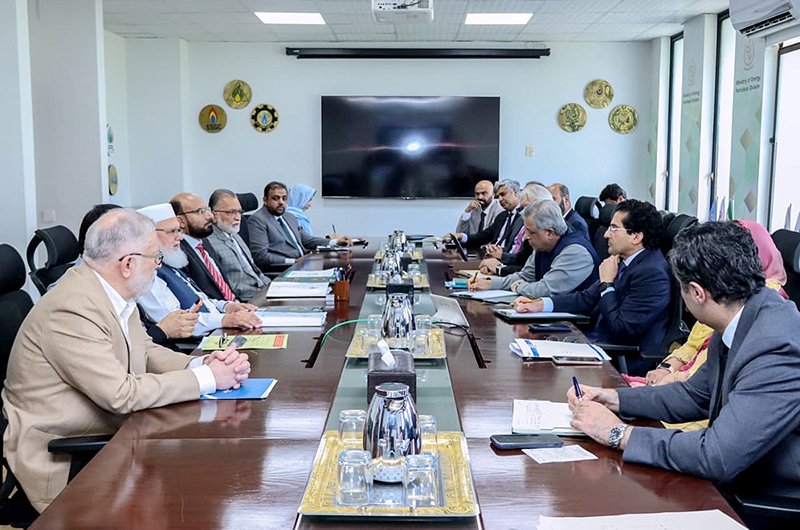
ISLAMABAD — A delegation from Jamaat-e-Islami (JI) held a meeting with Federal Minister for Petroleum Ali Pervaiz Malik, Federal Minister for Law and Justice Azam Nazeer Tarar, and Minister of State for Finance Bilal Azhar Kiani at the Petroleum Division on Monday. The discussions centered around various national issues, including energy policy, legal reforms, and economic challenges facing the nation. What Happened The meeting, which took place at the Petroleum Division’s headquarters, was aimed at addressing pressing concerns raised by Jamaat-e-Islami regarding Pakistan’s current socio-economic landscape. The delegation, led by a senior JI official, engaged with the ministers to discuss strategies for improving energy efficiency, enhancing legal frameworks, and stabilizing the nation’s economy. Federal Minister for Petroleum Ali Pervaiz Malik emphasized the government’s commitment to ensuring energy security and sustainability. He stated, “Our focus is on enhancing domestic energy production to reduce dependency on imports and stabilize prices.” The minister also highlighted ongoing projects aimed at increasing the efficiency of the energy sector. Meanwhile, Federal Minister for Law and Justice Azam Nazeer Tarar discussed recent legal reforms and the government’s efforts to strengthen the judicial system. He assured the delegation of the government’s dedication to upholding the rule of law and enhancing the legal infrastructure to support economic growth. Minister of State for Finance Bilal Azhar Kiani addressed economic concerns, outlining the government’s fiscal policies designed to boost economic resilience. He noted, “We are working on comprehensive financial strategies to address inflation and support sustainable economic development.” Background Jamaat-e-Islami, a prominent political and religious party in Pakistan, has been actively engaging with government officials to advocate for policies that align with its vision of socio-economic justice and Islamic governance. The party has historically focused on issues such as economic inequality, educational reforms, and energy sustainability. The meeting comes at a time when Pakistan is grappling with significant economic challenges, including high inflation rates, energy shortages, and a need for legal reforms to support business and investment. The government’s engagement with political parties like Jamaat-e-Islami reflects its broader strategy to build consensus and address these multifaceted challenges. Why It Matters The meeting between Jamaat-e-Islami and key federal ministers is significant as it underscores the importance of collaborative governance in addressing Pakistan’s complex challenges. By engaging with political parties, the government seeks to foster a more inclusive approach to policy-making, which is crucial for achieving sustainable development. Economically, the discussions on energy policy are vital as Pakistan faces a persistent energy crisis that affects industrial productivity and overall economic stability. Enhancing domestic energy production and efficiency can lead to reduced import bills and lower energy costs for consumers, thereby alleviating some of the financial pressures on households and businesses. On the legal front, reforms are necessary to create a more conducive environment for investment and economic activity. Strengthening the rule of law and judicial infrastructure can enhance investor confidence and attract foreign direct investment, contributing to economic growth. Politically, the engagement with Jamaat-e-Islami demonstrates the government’s willingness to incorporate diverse perspectives into its policy framework, which can lead to more balanced and effective governance. This approach can also help mitigate political tensions and foster national unity. Key Takeaways Jamaat-e-Islami delegation met with key federal ministers to discuss energy, legal, and economic issues. The government emphasized its commitment to energy security and legal reforms to support economic growth. The meeting highlights the importance of collaborative governance in addressing Pakistan’s challenges. Energy policy discussions are crucial for reducing dependency on imports and stabilizing prices. Legal reforms aim to strengthen the judicial system and enhance investor confidence. Source Attribution This article is based on official government statements, press releases, and public communications from relevant authorities. Author: NEN Editorial Desk | Editor: NEN Newsroom | Fact Checked By: NEN Editorial Team Author: NEN Editorial Desk  |  Editor: NEN Newsroom  |  Last Updated: September 15, 2026  |  Source: Press Release from Government of Pakistan This article was produced by the NEN Editorial Desk in accordance with NEN Agency’s Editorial Policy and Fact-Checking Policy.

Pakistan

National Savings Mobilizes Rs325 Billion, Targets Rs1.53 Trillion Annually

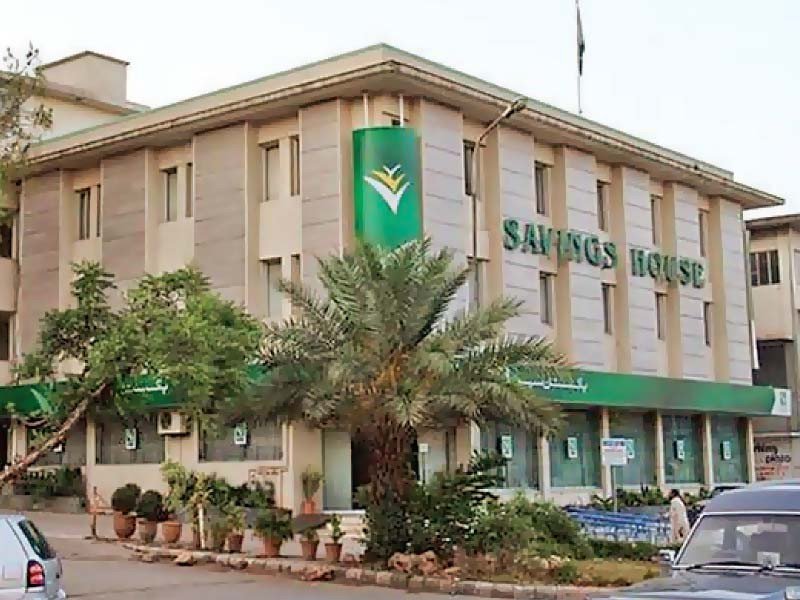
ISLAMABAD — The Central Directorate of National Savings (CDNS) has successfully mobilized Rs325 billion from July 1 to September 10, achieving its savings target for the period. This accomplishment reflects sustained public confidence in the government-backed investment schemes and sets the stage for meeting the annual target of Rs1.53 trillion. What Happened The CDNS has reported a significant mobilization of Rs325 billion within the initial months of the fiscal year, from July 1 to September 10. This achievement is a crucial step towards meeting their ambitious annual target of Rs1.53 trillion. The mobilization of these funds is indicative of the public’s continued trust in the savings schemes offered by the government, which are designed to provide secure investment opportunities with competitive returns. Officials from the CDNS have expressed optimism about reaching the annual target, citing the current trends in savings and the attractiveness of the schemes on offer. “The response from the public has been encouraging, and we are confident that we will achieve our annual target,” a senior official stated. The schemes offered by CDNS include a variety of savings certificates and accounts that cater to different segments of the population, providing options for both short-term and long-term investments. The CDNS’s performance in the first quarter of the fiscal year is a positive indicator for the remaining months. With a clear strategy and a range of appealing products, the directorate is well-positioned to continue its upward trajectory in savings mobilization. Background The Central Directorate of National Savings is a government-run entity tasked with promoting savings among the Pakistani populace through various financial instruments. Established in 1873, the organization has evolved to become a key player in the nation’s financial landscape, offering a range of products such as Defence Savings Certificates, Regular Income Certificates, and Pensioners’ Benefit Accounts. Historically, the CDNS has played a pivotal role in channeling public savings into government securities, thus providing a stable source of funding for government projects and initiatives. The organization’s offerings are particularly attractive to risk-averse investors seeking secure and guaranteed returns. In recent years, the CDNS has faced challenges due to fluctuating interest rates and economic uncertainty. However, it has consistently adapted its strategies to maintain its appeal to investors, including adjustments in profit rates to remain competitive with other financial instruments available in the market. Why It Matters The achievement of the Rs325 billion mobilization mark is significant for several reasons. Economically, it indicates a robust flow of funds into government-backed securities, providing the government with a reliable source of funding for development projects. This is particularly crucial in a time when fiscal deficits and economic challenges are pressing concerns for the country. Socially, the success of the CDNS in attracting savings reflects a level of financial literacy and trust among the populace in government schemes. It suggests that citizens are increasingly aware of the benefits of saving and investing in secure avenues, which is a positive trend for the overall economic health of the nation. Politically, the ability of the CDNS to meet its targets can be seen as a vote of confidence in the current administration’s economic policies. It underscores the government’s commitment to providing stable and reliable investment options for its citizens. On an international level, the performance of the CDNS could enhance investor confidence in Pakistan’s financial stability, potentially attracting foreign investment and boosting the country’s economic profile. Key Takeaways The CDNS has mobilized Rs325 billion from July 1 to September 10, meeting its quarterly target. The annual target for savings mobilization is set at Rs1.53 trillion. Public confidence in government-backed savings schemes remains strong. The CDNS offers a variety of savings instruments catering to different investor needs. The success of the CDNS has implications for economic stability and investor confidence in Pakistan. Source Attribution This article is based on official statements and public communications from the Central Directorate of National Savings and relevant authorities. Author: NEN Editorial Desk | Editor: NEN Newsroom | Fact Checked By: NEN Editorial Team Author: NEN Editorial Desk  |  Editor: NEN Newsroom  |  Last Updated: September 15, 2026  |  Source: NEN Reporter This article was produced by the NEN Editorial Desk in accordance with NEN Agency’s Editorial Policy and Fact-Checking Policy.

World

Pakistan’s UGDC Seeks Foreign Investment at Gastech 2026 in Bangkok

ISLAMABAD — Pakistan’s Universal Gas Distribution Company (UGDC), the nation’s first private gas distributor, has made a notable appearance at the Gastech 2026 event in Bangkok, Thailand. The company is actively seeking to attract international investors to Pakistan’s burgeoning private gas distribution market. What Happened UGDC, a pioneering entity in Pakistan’s energy sector, has established a presence at the Gastech 2026 conference, a leading global platform for the gas, LNG, hydrogen, and energy industries. This marks the first time a Pakistani private gas company has set up a stall at this prestigious event. UGDC’s participation underscores its ambition to draw foreign investment into Pakistan’s private gas distribution sector, which is poised for growth amid the country’s energy transition efforts. The company’s representatives engaged with potential investors, highlighting the opportunities within Pakistan’s energy market. UGDC emphasized the strategic advantages of investing in Pakistan, including its growing energy needs and government support for private sector involvement in energy distribution. The company’s participation at Gastech is part of a broader strategy to integrate international expertise and capital into Pakistan’s energy infrastructure. UGDC’s CEO, addressing the attendees, stated, “Our presence at Gastech 2026 is a testament to the potential we see in Pakistan’s energy market. We are here to build partnerships that will not only benefit our company but also contribute to Pakistan’s energy security and economic growth.” The CEO’s remarks reflect UGDC’s commitment to leveraging international collaboration to enhance its operational capabilities and market reach. Background Pakistan’s energy sector has historically been dominated by state-owned entities, with limited private sector participation. However, recent policy shifts have opened the door for private companies to enter the market, particularly in gas distribution. UGDC, established as the first private gas distributor in the country, has been at the forefront of this transformation. The government’s energy policies aim to diversify energy sources and improve distribution efficiency, creating a conducive environment for private sector involvement. UGDC’s establishment and its participation in international forums like Gastech are indicative of the changing landscape of Pakistan’s energy sector. Why It Matters The participation of UGDC at Gastech 2026 is significant for several reasons. Economically, attracting foreign investment into Pakistan’s energy sector can lead to improved infrastructure, job creation, and enhanced energy security. As Pakistan seeks to meet its growing energy demands, the involvement of private companies like UGDC can help bridge the gap between supply and demand. Socially, the development of a robust private gas distribution network can lead to more reliable energy access for consumers, reducing the frequency of energy shortages that have historically plagued the country. This can improve the quality of life for many Pakistanis and support industrial growth. Politically, UGDC’s efforts align with the government’s broader strategy to modernize the energy sector and reduce reliance on state-owned enterprises. By fostering a competitive environment, the government aims to enhance efficiency and service quality, ultimately benefiting consumers. Internationally, UGDC’s engagement with global investors at Gastech highlights Pakistan’s potential as a viable investment destination in the energy sector. Successful foreign partnerships can bolster Pakistan’s reputation as a country open to international business and collaboration. Key Takeaways UGDC is the first Pakistani private gas company to participate in Gastech 2026, seeking foreign investment. The company aims to attract international expertise and capital to Pakistan’s energy market. UGDC’s participation aligns with government policies promoting private sector involvement in energy distribution. Foreign investment in Pakistan’s energy sector can enhance infrastructure, job creation, and energy security. UGDC’s efforts support Pakistan’s strategy to modernize its energy sector and improve service quality. Source Attribution This article is based on official government statements, press releases, and public communications from relevant authorities. Author: NEN Editorial Desk | Editor: NEN Newsroom | Fact Checked By: NEN Editorial Team Author: NEN Editorial Desk  |  Editor: NEN Newsroom  |  Last Updated: September 15, 2026  |  Source: NEN Reporter This article was produced by the NEN Editorial Desk in accordance with NEN Agency’s Editorial Policy and Fact-Checking Policy.

Pakistan

PSX Sees Bullish Surge, Gains 1,421 Points in Trading

ISLAMABAD — The Pakistan Stock Exchange (PSX) witnessed a significant upward trend on Tuesday, with the benchmark KSE-100 Index gaining 1,421.67 points. This increase represents a positive change of 0.85 percent, bringing the index to close at 169,392.33 points, compared to 167,970.66 points in the previous session. What Happened The PSX experienced a bullish session, marked by a substantial rise in the KSE-100 Index. The index’s closing at 169,392.33 points marks a notable recovery from its previous position of 167,970.66 points. The trading session saw a ready market volume of 372.016 million shares, which, although lower than the previous session’s 570.472 million shares, indicates a robust level of investor activity. Market analysts attributed the bullish trend to a combination of factors, including positive investor sentiment and favorable economic indicators. The rise in the index was driven by gains in key sectors such as banking, cement, and oil and gas, which collectively contributed to the overall positive performance of the market. According to market experts, the banking sector led the rally, buoyed by expectations of improved profitability amid rising interest rates. Additionally, the cement sector showed strength due to anticipated growth in construction activity, while the oil and gas sector benefited from stable international oil prices. In a statement, a senior market analyst noted, “The PSX’s performance today reflects a positive outlook among investors, driven by both domestic and international economic factors. We are seeing a renewed interest in equities, particularly in sectors that are poised for growth.” Background The Pakistan Stock Exchange has been experiencing fluctuations in recent months, influenced by both internal and external economic conditions. Historically, the PSX has been sensitive to changes in government policies, economic reforms, and global market trends. The recent bullish trend follows a period of volatility, where the market faced challenges due to political uncertainty and economic adjustments. In the past, the PSX has responded positively to measures aimed at economic stabilization, such as fiscal reforms and monetary policy adjustments. The government’s efforts to attract foreign investment and improve the business climate have also played a role in shaping market dynamics. Why It Matters The recent surge in the PSX is significant for several reasons. Economically, a bullish stock market can boost investor confidence, encouraging both domestic and foreign investments. This, in turn, can lead to increased capital flows into the economy, supporting growth and development initiatives. Socially, a thriving stock market can have positive implications for individual investors and businesses. As stock values rise, investors may see an increase in their wealth, which can lead to greater consumer spending and economic activity. For businesses, higher stock prices can facilitate access to capital, enabling expansion and job creation. Politically, the performance of the stock market can influence public perception of the government’s economic management. A strong market performance may be seen as an endorsement of the government’s policies, while a downturn could lead to criticism and calls for policy changes. Internationally, the PSX’s performance can affect Pakistan’s standing in global financial markets. A robust stock exchange can attract foreign investors, enhancing Pakistan’s reputation as a viable investment destination. This can lead to increased foreign direct investment, contributing to economic growth and stability. Key Takeaways The PSX’s KSE-100 Index gained 1,421.67 points, closing at 169,392.33. Key sectors driving the bullish trend include banking, cement, and oil and gas. The trading volume was 372.016 million shares, indicating strong investor activity. The market’s positive performance reflects improved investor sentiment and economic indicators. A robust stock market can boost investor confidence and attract foreign investment. Source Attribution This article is based on official government statements, press releases, and public communications from relevant authorities. Author: NEN Editorial Desk | Editor: NEN Newsroom | Fact Checked By: NEN Editorial Team Author: NEN Editorial Desk  |  Editor: NEN Newsroom  |  Last Updated: September 15, 2026  |  Source: NEN Reporter This article was produced by the NEN Editorial Desk in accordance with NEN Agency’s Editorial Policy and Fact-Checking Policy.
Pakistan

Sarwar, Siddique, Abbas Elected Unopposed to PGMEA Leadership

SIALKOT — Mian Muhammad Sarwar, Chaudhry Muhammad Siddique, and Muhammad Abbas have been elected unopposed to key positions within the Pakistan Gloves Manufacturers & Exporters Association (PGMEA), as announced on September 15. The elections saw the Gloves Association Ittehad Founder Group, led by Haji Aftab Ahmed Barlas, secure a decisive victory, further consolidating their influence in the industry. What Happened The Gloves Association Ittehad Founder Group, known for its stronghold in the PGMEA, achieved another significant win as their candidates were elected unopposed. Mian Muhammad Sarwar of the Starla Group was nominated as Chairman of the PGMEA, with Chaudhry Muhammad Siddique and Muhammad Abbas also taking on leadership roles. The election process, which concluded on September 15, highlighted the group’s continued dominance in the association’s affairs. Haji Aftab Ahmed Barlas, a prominent figure in the business community, and Riaz-ud-Din Sheikh played pivotal roles in nominating the successful candidates. Their strategic planning and influence were instrumental in ensuring the unopposed election of their nominees. The absence of opposition candidates underscores the confidence and support the group enjoys among PGMEA members. The PGMEA, a key organization representing the interests of glove manufacturers and exporters in Pakistan, plays a crucial role in advocating for the industry at both national and international levels. The newly elected leadership is expected to continue the group’s agenda of promoting the industry and addressing challenges faced by its members. Background The Pakistan Gloves Manufacturers & Exporters Association (PGMEA) has been a significant body in the textile and manufacturing sector, particularly in Sialkot, a hub for sports goods and apparel manufacturing. The association has historically been involved in negotiating better trade terms, addressing industry challenges, and promoting Pakistani gloves in international markets. The Gloves Association Ittehad Founder Group has been a dominant force within the PGMEA for several years. Their leadership has been characterized by efforts to enhance export opportunities and improve production standards. The group’s influence is reflected in their ability to secure key positions within the association repeatedly. In recent years, the PGMEA has focused on expanding market access and improving the quality of Pakistani gloves to meet international standards. The association’s leadership has been proactive in engaging with government bodies to secure favorable policies for the industry. Why It Matters The unopposed election of Sarwar, Siddique, and Abbas to the PGMEA’s leadership positions is significant for several reasons. Firstly, it highlights the stability and continuity within the association, which is crucial for maintaining momentum in ongoing projects and initiatives aimed at boosting the glove manufacturing sector. The PGMEA plays a vital role in Pakistan’s economy, particularly in Sialkot, where glove manufacturing is a major industry. The association’s leadership is tasked with addressing challenges such as rising production costs, competition from international markets, and the need for technological advancements in manufacturing processes. By securing unopposed leadership positions, the Gloves Association Ittehad Founder Group can continue its strategic initiatives without the disruption of contested elections. This stability is expected to benefit the broader industry, as consistent leadership can focus on long-term goals such as increasing exports, improving product quality, and advocating for supportive government policies. Moreover, the PGMEA’s leadership has a direct impact on the livelihoods of thousands of workers employed in the glove manufacturing sector. Effective leadership can lead to increased job security and potential job growth as the industry expands its international reach. Key Takeaways Mian Muhammad Sarwar, Chaudhry Muhammad Siddique, and Muhammad Abbas were elected unopposed to PGMEA leadership positions. The Gloves Association Ittehad Founder Group continues to dominate the PGMEA elections, highlighting their strong influence. The PGMEA is crucial for advocating the interests of glove manufacturers and exporters in Pakistan. Stability in PGMEA leadership is expected to benefit the industry by focusing on long-term strategic goals. The association’s leadership impacts the economic well-being of workers in the glove manufacturing sector. Source Attribution This article is based on official statements and public communications from relevant authorities. Author: NEN Editorial Desk | Editor: NEN Newsroom | Fact Checked By: NEN Editorial Team Author: NEN Editorial Desk  |  Editor: NEN Newsroom  |  Last Updated: September 15, 2026  |  Source: NEN Reporter This article was produced by the NEN Editorial Desk in accordance with NEN Agency’s Editorial Policy and Fact-Checking Policy.
Pakistan

Street Vendors Thrive Amid Islamabad’s Bustling Greenbelts

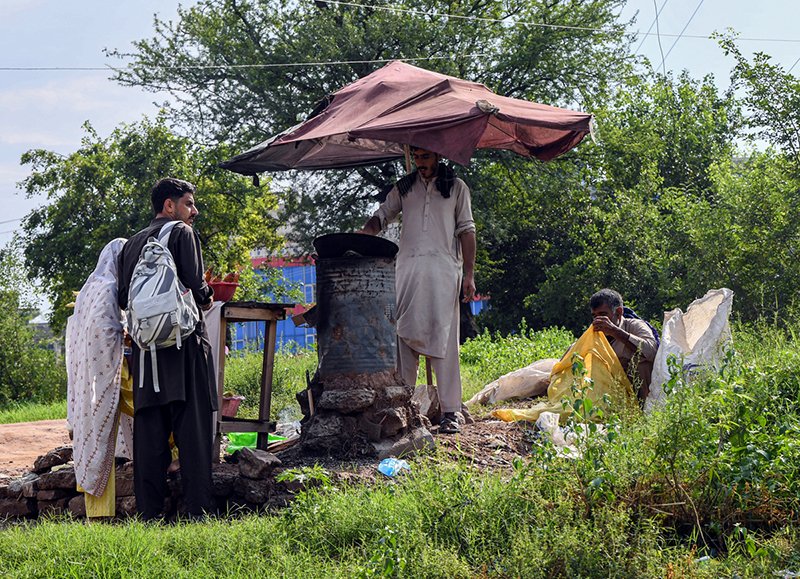
ISLAMABAD — Street vendors continue to be a vibrant part of the local economy in Islamabad, as evidenced by the bustling trade at a corn stall along a greenbelt in the federal capital. On September 15, a couple was seen purchasing roasted corn from a roadside vendor, highlighting the ongoing popularity of these small businesses. What Happened On a typical day in Islamabad, the greenbelts that line the city’s roads become hubs of activity. One such greenbelt was the site of a small yet bustling corn stall, where a couple stopped to buy roasted corn. This scene is a common sight in the federal capital, where street vendors offer a variety of snacks and goods to passersby. The vendor, operating from a modest setup, serves freshly roasted corn, a popular snack among locals and visitors alike. The aroma of roasting corn draws in customers, providing a simple yet satisfying culinary experience. The couple’s purchase underscores the enduring appeal of street food in Islamabad, where vendors contribute significantly to the city’s informal economy. Street vendors like this corn seller play a crucial role in providing affordable food options and supporting livelihoods. Despite the challenges posed by urban development and regulatory measures, these vendors continue to thrive, adapting to changing consumer preferences and economic conditions. Background Street vending has a long history in Pakistan, particularly in urban areas like Islamabad. Vendors offer a wide range of products, from food items to everyday necessities. This informal sector is vital for the economy, providing employment opportunities and serving as a source of income for many families. In Islamabad, street vendors often operate in designated areas such as greenbelts and markets. While they face challenges such as regulatory restrictions and competition from formal businesses, their resilience and adaptability have allowed them to remain a staple of urban life. In recent years, there have been efforts to regulate street vending through policies aimed at ensuring hygiene and safety standards. These measures are intended to support vendors while also addressing public health concerns. Why It Matters The presence of street vendors in Islamabad is significant both economically and socially. Economically, they contribute to the city’s informal sector, which is a crucial component of Pakistan’s overall economy. By providing affordable goods and services, vendors help meet the needs of a diverse population, including low-income individuals who might not afford higher-priced alternatives. Socially, street vendors add to the vibrancy and character of urban spaces. They create informal social hubs where people from different walks of life can interact. This interaction fosters community ties and enhances the cultural fabric of the city. Moreover, street vending offers a pathway for entrepreneurship, allowing individuals to start and grow their businesses with minimal capital investment. This aspect is particularly important in a country like Pakistan, where formal employment opportunities can be limited. The continued success of street vendors in Islamabad reflects broader trends in urban development and economic resilience. As cities grow and evolve, the ability of informal sectors to adapt and thrive will be crucial in ensuring inclusive and sustainable urban environments. Key Takeaways Street vendors are a vital part of Islamabad’s economy, offering affordable food and goods. The informal sector provides significant employment and income opportunities. Efforts to regulate street vending focus on hygiene and safety standards. Street vendors contribute to the social and cultural vibrancy of urban spaces. Entrepreneurship through street vending supports economic resilience in Pakistan. Source Attribution This article is based on official government statements, press releases, and public communications from relevant authorities. Author: NEN Editorial Desk | Editor: NEN Newsroom | Fact Checked By: NEN Editorial Team Author: NEN Editorial Desk  |  Editor: NEN Newsroom  |  Last Updated: September 15, 2026  |  Source: NEN Reporter This article was produced by the NEN Editorial Desk in accordance with NEN Agency’s Editorial Policy and Fact-Checking Policy.
Pakistan

Commerce Minister Meets Canadian High Commissioner in Islamabad

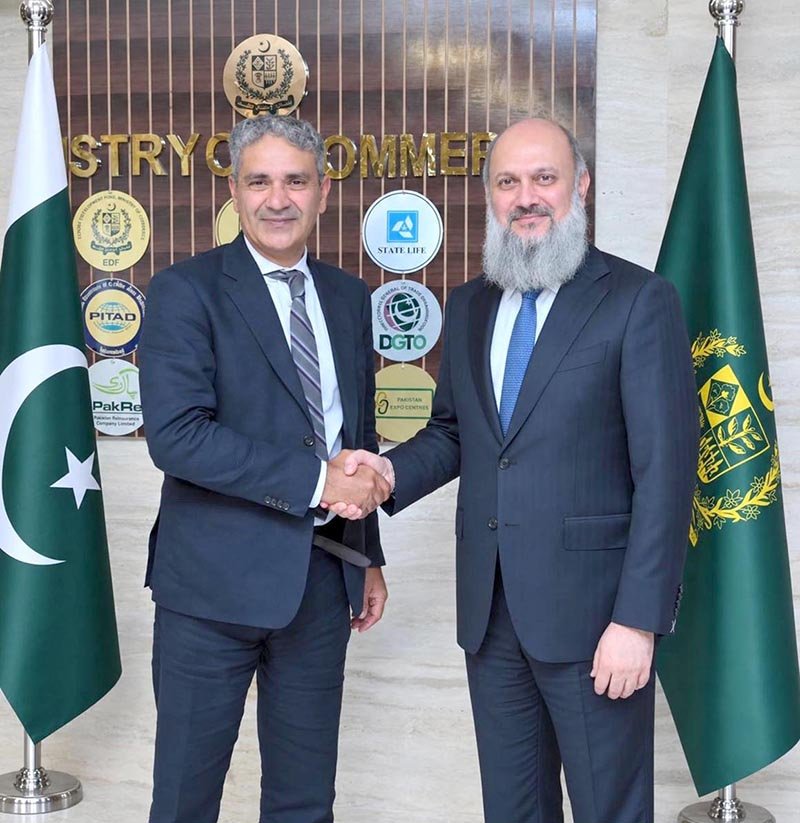
ISLAMABAD — Federal Minister for Commerce Jam Kamal Khan met with Tarik Ali Khan, the High Commissioner of Canada to Pakistan, at the Ministry of Commerce in Islamabad. The meeting, held on Thursday, focused on enhancing bilateral trade and exploring new avenues for economic cooperation between the two countries. What Happened During the meeting, Federal Minister Jam Kamal Khan and High Commissioner Tarik Ali Khan discussed various aspects of trade relations between Pakistan and Canada. The discussions aimed to identify opportunities for increasing trade volumes and diversifying the range of goods exchanged between the two nations. The meeting was part of ongoing efforts to strengthen economic ties and foster mutual understanding. Minister Khan emphasized the importance of Canadian investment in Pakistan, highlighting sectors such as agriculture, technology, and renewable energy as potential areas for collaboration. He noted that Pakistan’s strategic location and growing market offer significant opportunities for Canadian businesses. High Commissioner Tarik Ali Khan expressed Canada’s interest in deepening economic ties with Pakistan. He acknowledged the potential for increased trade and investment, particularly in the context of Pakistan’s emerging economic landscape. The High Commissioner also highlighted Canada’s expertise in various sectors that could contribute to Pakistan’s development goals. Both parties agreed to continue dialogue and explore specific initiatives that could facilitate trade and investment. They also discussed the possibility of organizing trade delegations and business forums to promote direct interactions between Pakistani and Canadian enterprises. Background Pakistan and Canada have maintained diplomatic relations since 1947, with trade being a significant component of their bilateral ties. Over the years, both countries have engaged in various trade agreements and initiatives to boost economic cooperation. In recent years, Pakistan has been seeking to diversify its trade partners and enhance its export portfolio, while Canada has been exploring new markets for its products and services. The meeting between the Commerce Minister and the Canadian High Commissioner is part of a broader strategy by the Pakistani government to attract foreign investment and strengthen economic partnerships. This approach aligns with Pakistan’s efforts to improve its economic indicators and achieve sustainable growth. Why It Matters The meeting between the Commerce Minister and the Canadian High Commissioner holds significant implications for both countries. For Pakistan, enhancing trade relations with Canada could lead to increased foreign investment, job creation, and access to new technologies. Such developments are crucial for Pakistan’s economic growth and stability, particularly in light of the challenges posed by global economic uncertainties. For Canada, expanding trade with Pakistan offers an opportunity to tap into a growing market with a population of over 220 million people. Strengthening economic ties with Pakistan could also provide Canadian businesses with a strategic foothold in South Asia, a region with immense economic potential. The discussions also underscore the importance of international cooperation in addressing global challenges such as climate change and sustainable development. By exploring joint initiatives in renewable energy and technology, both countries can contribute to global efforts aimed at achieving environmental sustainability and economic resilience. Key Takeaways Federal Minister for Commerce Jam Kamal Khan met with Canadian High Commissioner Tarik Ali Khan in Islamabad to discuss trade relations. The meeting focused on enhancing bilateral trade and exploring new areas for economic cooperation. Both parties emphasized the importance of investment in sectors like agriculture, technology, and renewable energy. The discussions are part of Pakistan’s broader strategy to attract foreign investment and strengthen economic partnerships. Strengthening trade ties with Canada offers economic benefits for both countries, including job creation and access to new markets. Source Attribution This article is based on official government statements, press releases, and public communications from relevant authorities. Author: NEN Editorial Desk | Editor: NEN Newsroom | Fact Checked By: NEN Editorial Team Author: NEN Editorial Desk  |  Editor: NEN Newsroom  |  Last Updated: September 15, 2026  |  Source: Press Release from Ministry of Commerce This article was produced by the NEN Editorial Desk in accordance with NEN Agency’s Editorial Policy and Fact-Checking Policy.

Pakistan

Uzbek Media Delegation Visits Pakistan to Enhance Bilateral Relations

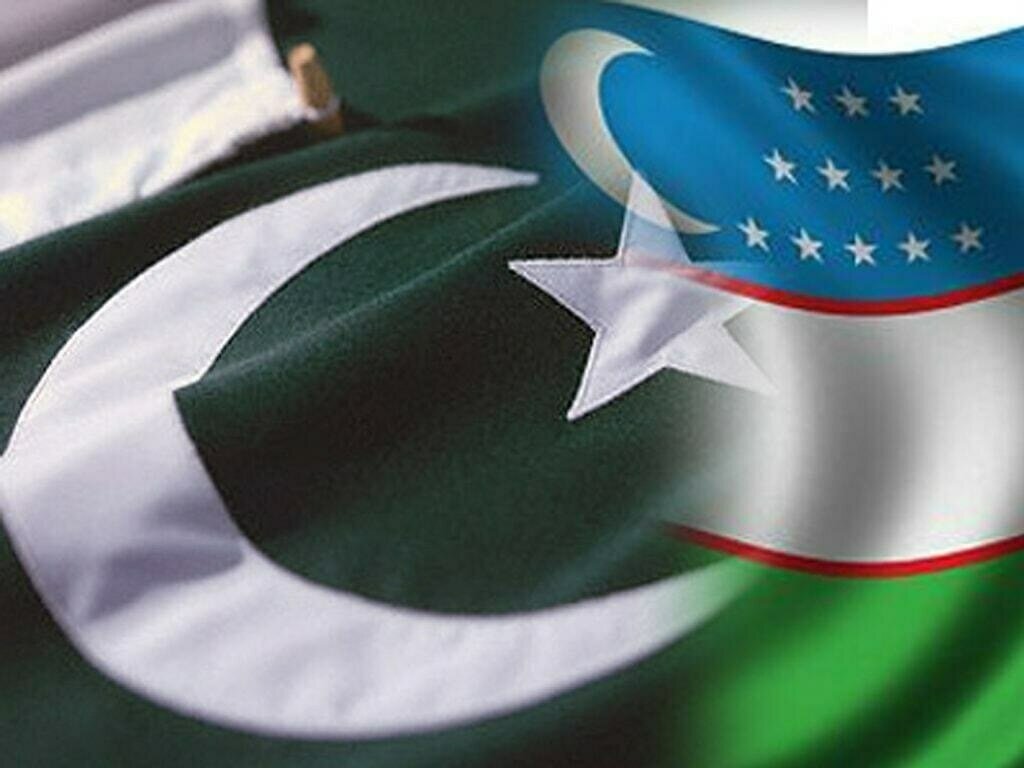
ISLAMABAD — A delegation of 10 Uzbek media professionals arrived in Pakistan on Tuesday for a week-long visit aimed at strengthening bilateral ties and fostering media and cultural exchanges between the two nations. This visit, organized at the invitation of the Government of Pakistan, seeks to provide the delegation with a comprehensive understanding of Pakistan’s media landscape, cultural heritage, tourism potential, and developmental progress. What Happened The Uzbek media delegation, comprising journalists and media experts, is set to engage in a series of activities designed to enhance mutual understanding and cooperation. The visit includes meetings with key figures in Pakistan’s media industry, tours of prominent cultural and historical sites, and discussions on potential collaboration in media and cultural sectors. During their stay, the delegation will visit Islamabad, Lahore, and Karachi, where they will interact with local media houses, government officials, and cultural institutions. These interactions are expected to facilitate the exchange of ideas and experiences, contributing to a deeper understanding of each country’s media practices and cultural narratives. According to a statement from the Ministry of Information and Broadcasting, the visit is part of a broader initiative to strengthen people-to-people contacts and enhance bilateral relations between Pakistan and Uzbekistan. The ministry emphasized the importance of media as a bridge for fostering mutual understanding and cooperation between nations. “This visit is a significant step towards building stronger ties between our two countries, not only in the media sector but across various cultural and economic domains,” said a spokesperson from the Ministry of Information and Broadcasting. Background Pakistan and Uzbekistan have historically maintained cordial relations, with both countries sharing cultural and historical ties that date back centuries. In recent years, there has been a concerted effort by both governments to strengthen these ties through increased economic cooperation, cultural exchanges, and diplomatic engagements. In 2021, Pakistan and Uzbekistan signed several memorandums of understanding (MoUs) to enhance cooperation in trade, investment, and cultural exchanges. These agreements have laid the groundwork for increased collaboration in various sectors, including media, tourism, and education. The current visit by the Uzbek media delegation is part of ongoing efforts to implement these agreements and explore new avenues for cooperation. By facilitating direct interactions between media professionals from both countries, the visit aims to create opportunities for collaborative projects and joint ventures in the media sector. Why It Matters The visit of the Uzbek media delegation holds significant implications for both Pakistan and Uzbekistan. For Pakistan, it represents an opportunity to showcase its media industry, cultural heritage, and tourism potential to an international audience. By building stronger media ties with Uzbekistan, Pakistan can enhance its soft power and promote a positive image on the global stage. For Uzbekistan, the visit provides a chance to learn from Pakistan’s media practices and explore potential collaborations that can benefit both countries. The exchange of ideas and experiences can lead to the development of joint media projects, which can further strengthen bilateral relations and promote cultural understanding. Economically, the visit could pave the way for increased tourism between the two countries. By highlighting Pakistan’s rich cultural heritage and diverse tourism offerings, the visit may encourage more Uzbek tourists to explore Pakistan, boosting the local tourism industry and contributing to economic growth. Politically, the visit underscores the commitment of both governments to deepen their bilateral relations and explore new areas of cooperation. It reflects a shared vision for a more interconnected and collaborative future, where media and cultural exchanges play a pivotal role in fostering mutual understanding and cooperation. Key Takeaways A 10-member Uzbek media delegation is visiting Pakistan to strengthen bilateral ties and explore media collaboration. The visit includes meetings with Pakistani media professionals and tours of cultural sites in Islamabad, Lahore, and Karachi. This initiative is part of broader efforts to enhance people-to-people contacts and bilateral relations between Pakistan and Uzbekistan. The visit could lead to increased tourism and economic cooperation between the two countries. Both governments are committed to fostering mutual understanding through media and cultural exchanges. Source Attribution This article is based on official government statements, press releases, and public communications from relevant authorities. Author: NEN Editorial Desk | Editor: NEN Newsroom | Fact Checked By: NEN Editorial Team Author: NEN Editorial Desk  |  Editor: NEN Newsroom  |  Last Updated: September 15, 2026  |  Source: NEN Reporter This article was produced by the NEN Editorial Desk in accordance with NEN Agency’s Editorial Policy and Fact-Checking Policy.

World

Pakistan’s Exchange Rates Bulletin Released by Financial Markets Association

KARACHI — The Financial Markets Association of Pakistan’s Exchange Rates Committee has issued the latest foreign exchange rates bulletin as of September 15, 2026. This bulletin provides key insights into the conversion rates for various foreign currencies, crucial for forward cover and deposit transactions, excluding FE-25 deposits. What Happened The Exchange Rates Committee of the Financial Markets Association of Pakistan released its foreign exchange rates bulletin on Tuesday, highlighting the conversion rates applicable for September 15, 2026. These rates are essential for financial institutions and businesses engaging in foreign exchange transactions. The State Bank of Pakistan (SBP) has set the settlement value date for these rates on September 17, 2026. According to the bulletin, the conversion rate for the US dollar (USD) stands at 277.2766 Pakistani rupees. The British pound (GBP) is valued at 373.7688 rupees, while the euro (EUR) is priced at 319.8663 rupees. The Japanese yen (JPY) is quoted at 1.7941 rupees. These rates are critical for entities involved in international trade and finance, providing a benchmark for currency conversion and risk management. The issuance of this bulletin is a routine yet vital function of the Financial Markets Association, ensuring transparency and consistency in the foreign exchange market. The rates are determined based on market conditions and are subject to fluctuations influenced by global economic factors. Background The Financial Markets Association of Pakistan plays a pivotal role in the country’s financial sector, particularly in the foreign exchange market. The association’s Exchange Rates Committee is responsible for setting and disseminating foreign exchange rates, which serve as a reference for financial institutions, businesses, and government entities. Historically, Pakistan’s foreign exchange market has been influenced by various factors, including trade balances, foreign direct investment, remittances, and geopolitical developments. The State Bank of Pakistan, as the central regulatory authority, oversees the foreign exchange market to ensure stability and prevent excessive volatility. In recent years, Pakistan has faced challenges in maintaining foreign exchange reserves, impacting the stability of the rupee. The government and financial regulators have implemented measures to stabilize the currency and promote economic growth, including monetary policies and foreign exchange regulations. Why It Matters The release of the foreign exchange rates bulletin holds significant implications for Pakistan’s economy and its stakeholders. Accurate and timely exchange rate information is crucial for businesses engaged in international trade, as it directly affects the cost of imports and exports. Fluctuations in exchange rates can impact profit margins, pricing strategies, and overall competitiveness in global markets. For financial institutions, these rates are essential for managing foreign exchange risk and providing accurate pricing for currency-related products and services. The rates also influence investment decisions, as investors assess the potential returns and risks associated with currency fluctuations. On a broader scale, exchange rates impact inflation, purchasing power, and overall economic stability. A depreciating rupee can lead to higher import costs, contributing to inflationary pressures. Conversely, a stable or appreciating rupee can enhance purchasing power and support economic growth. Internationally, exchange rates reflect a country’s economic health and influence foreign investment decisions. A stable and transparent foreign exchange market can attract foreign investors, boosting capital inflows and supporting economic development. Key Takeaways The Financial Markets Association of Pakistan released the latest foreign exchange rates bulletin for September 15, 2026. Key conversion rates include USD at 277.2766 PKR, GBP at 373.7688 PKR, EUR at 319.8663 PKR, and JPY at 1.7941 PKR. The bulletin provides essential information for businesses, financial institutions, and investors engaged in foreign exchange transactions. Exchange rates impact import/export costs, inflation, and economic stability in Pakistan. Stable exchange rates can attract foreign investment and support economic growth. Source Attribution This article is based on official government statements, press releases, and public communications from relevant authorities. Author: NEN Editorial Desk | Editor: NEN Newsroom | Fact Checked By: NEN Editorial Team Author: NEN Editorial Desk  |  Editor: NEN Newsroom  |  Last Updated: September 15, 2026  |  Source: NEN Reporter This article was produced by the NEN Editorial Desk in accordance with NEN Agency’s Editorial Policy and Fact-Checking Policy.

Scroll to Top