Tank District Enhances Education, Infrastructure, and Public Services
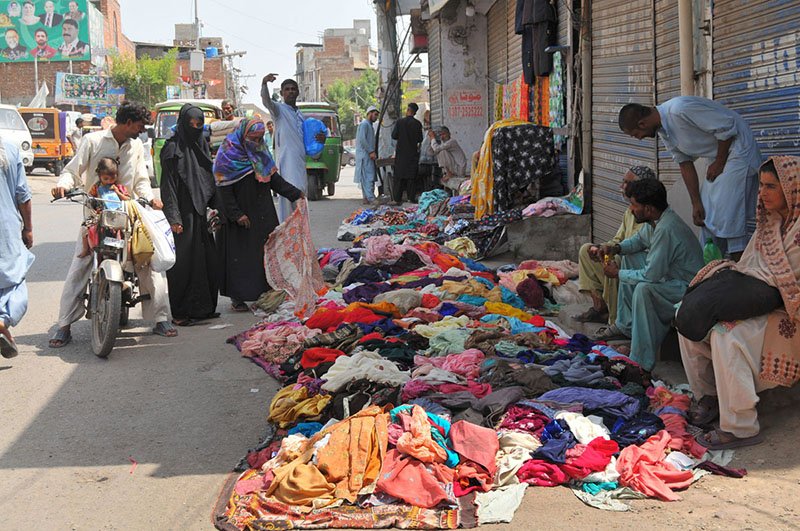
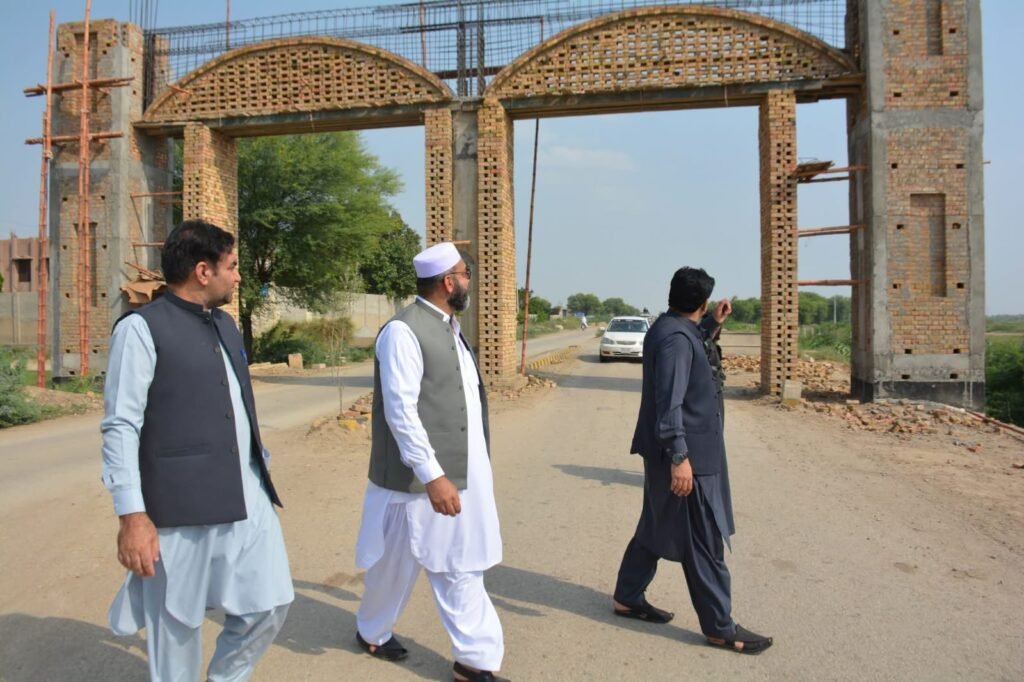
ISLAMABAD — The administration of Tank district has launched a comprehensive initiative to address key public issues, with a focus on education, infrastructure, and cleanliness. Deputy Commissioner Jamshed Khan is leading efforts to resolve education-related complaints, restore mobile network services, and improve civic infrastructure. What Happened Deputy Commissioner Jamshed Khan has ramped up administrative activities in Tank district, targeting several critical areas that impact daily life. The district administration is actively working on resolving complaints related to the education sector, which have been a persistent concern for residents. Efforts are underway to ensure that educational institutions are functioning optimally and that any grievances from students, parents, or staff are promptly addressed. In addition to education, the district administration is focused on restoring mobile network services, which have been disrupted in some areas. This restoration is crucial for ensuring that residents have access to communication services, which are vital for both personal and professional purposes. The improvement of civic infrastructure is also a priority. The administration is working on upgrading roads and public facilities to enhance the quality of life for residents. This includes the removal of encroachments that have hindered access to public spaces and the cleanliness of these areas. By addressing these issues, the administration aims to create a more organized and hygienic environment for the community. Deputy Commissioner Khan stated, “Our goal is to ensure that the people of Tank district have access to the services they need and that their concerns are heard and addressed promptly.” Background Tank district, located in the Khyber Pakhtunkhwa province, has faced numerous challenges over the years, particularly in terms of infrastructure and public service delivery. The region’s education sector has struggled with inadequate facilities and resources, leading to frequent complaints from the community. Additionally, the disruption of mobile network services has been a recurring issue, affecting communication and access to information. Encroachments and poor cleanliness have further compounded the district’s problems, making it difficult for residents to navigate public spaces and maintain a healthy living environment. These issues have prompted the district administration to take decisive action to improve conditions and meet the needs of the population. Why It Matters The initiatives undertaken by the Tank district administration are significant for several reasons. First, addressing education-related complaints is crucial for the future of the region. By ensuring that educational institutions are well-equipped and responsive to the needs of students and teachers, the administration is laying the groundwork for a more educated and skilled population. This, in turn, can lead to greater economic opportunities and development for the district. Restoring mobile network services is another critical aspect of the administration’s efforts. In today’s digital age, reliable communication services are essential for personal, educational, and business activities. By prioritizing the restoration of these services, the administration is helping residents stay connected and informed, which is vital for their overall well-being and economic productivity. Improving civic infrastructure and cleanliness has a direct impact on the quality of life for Tank district residents. Well-maintained roads and public spaces facilitate easier movement and access to essential services. Removing encroachments and ensuring cleanliness also contribute to a healthier environment, reducing the risk of disease and promoting public health. Overall, these efforts reflect a commitment to addressing the immediate needs of the community while also planning for long-term development and sustainability. The actions taken by the district administration are likely to have a positive ripple effect, improving the socio-economic conditions of the region and enhancing the overall quality of life for its residents. Key Takeaways Tank district administration is actively addressing education-related complaints and infrastructure issues. Restoration of mobile network services is a priority to improve communication access. Efforts are being made to enhance civic infrastructure and remove encroachments. Cleanliness initiatives aim to create a healthier environment for residents. These actions are expected to improve the socio-economic conditions in the district. Source Attribution This article is based on official government statements and public communications from relevant authorities. Author: NEN Editorial Desk | Editor: NEN Newsroom | Fact Checked By: NEN Editorial Team Author: NEN Editorial Desk | Editor: NEN Newsroom | Last Updated: September 13, 2026 | Source: NEN Reporter This article was produced by the NEN Editorial Desk in accordance with NEN Agency’s Editorial Policy and Fact-Checking Policy.