
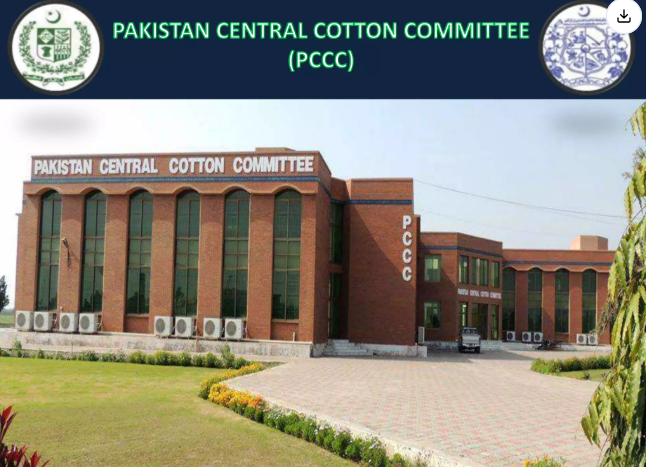
MULTAN — Dr Khadim Hussain, CEO of the Pakistan Central Cotton Committee (PCCC) and Cotton Commissioner, inspected research trials at the Cotton Research Institute (CRI) in Multan. His visit on June 24 focused on assessing the National Coordinated Varietal Trials (NCVT) and ongoing research projects.
Inspection of Research Trials
Dr Khadim meticulously reviewed the trial planning and experimental plots at CRI. He evaluated the current crop’s performance and examined preliminary data. This inspection is part of a broader initiative to ensure research aligns with national agricultural goals, enhancing cotton production.
During his walkthrough, Dr Khadim engaged with the research staff, discussing methodologies and the potential implications of their findings. He emphasized the trials’ role in developing cotton varieties that withstand local climatic and pest challenges.
Research Activities and Goals
The inspection covered research activities such as developing pest-resistant cotton strains and improving yield and fiber quality. Dr Khadim highlighted these experiments’ significance in addressing cotton growers’ challenges, especially with changing weather patterns and pest infestations in Pakistan.
The Role of the Cotton Research Institute
The CRI in Multan is crucial for developing high-yield, pest-resistant cotton varieties. The NCVT is a key component of its research agenda, evaluating and improving cotton strains across Pakistan’s agro-climatic zones.
Pakistan’s cotton industry is vital for the national economy, significantly contributing to exports and employment. However, it faces challenges like pest attacks, water scarcity, and global market fluctuations. Initiatives like those at CRI are essential for sustaining and enhancing the sector’s productivity.
Importance of the Research
Dr Khadim’s inspection underscores research and development’s crucial role in bolstering Pakistan’s cotton industry. As a major cash crop, advancements in research impact farmers’ livelihoods and the broader textile industry, a significant contributor to the GDP.
Developing new cotton varieties is essential for maintaining global market competitiveness. As climate change affects agriculture, creating resilient crops becomes vital. CRI’s research aims to improve yield and quality while mitigating environmental impacts.
Moreover, these initiatives impact food security and rural development in Pakistan. Enhancing cotton productivity ensures a stable raw material supply for the textile industry, supporting economic stability and growth.
Key Takeaways
- Dr Khadim Hussain inspected research trials at the Cotton Research Institute in Multan.
- Focus areas included National Coordinated Varietal Trials and ongoing research experiments.
- Research aims to develop pest-resistant and high-yield cotton varieties.
- These trials are vital for addressing challenges in Pakistan’s cotton industry.
- Advancements in cotton research are crucial for economic growth and stability.














