2026

Sports

Sahil, Hamza, Larib, Jashwa, Sara Win PGF National Golf Championships

ISLAMABAD — The 8th PGF Jinnah Development Tour 2026 and the PGF Hazara Junior Amateur Golf Championship 2026 concluded successfully at the PIFFERS Golf & Country Club in Abbottabad. Muhammad Sahil, Hamza, Larib, Jashwa, and Sara emerged as national champions in their categories. Event Highlights The Pakistan Golf Federation (PGF) hosted two prominent events: the 8th PGF Jinnah Development Tour and the PGF Hazara Junior Amateur Golf Championship at the PIFFERS Golf & Country Club in Abbottabad. These tournaments attracted the country’s top golfing talent, competing for national titles across various categories. Muhammad Sahil secured the men’s title with exceptional skill and composure. Hamza, an up-and-coming golfer, won the junior category, showcasing Pakistan’s golfing future. Larib, Jashwa, and Sara also achieved outstanding victories in their categories. These tournaments are part of PGF’s efforts to advance golf in Pakistan, offering a platform for young and rising golfers to showcase their abilities. The events drew significant participation, reflecting the growing interest in golf nationwide. Development Goals The Pakistan Golf Federation actively promotes golf development across the nation. The PGF Jinnah Development Tour is an annual event aimed at nurturing local talent through competitive opportunities. It serves as a vital step for aspiring young golfers on the national and international stages. The PGF Hazara Junior Amateur Golf Championship specifically targets junior players, focusing on identifying and nurturing young talent. These championships are essential for the growth of golf in Pakistan, offering structured environments for young athletes to hone skills and gain experience. Significance and Impact The success of these championships is significant for multiple reasons. Firstly, they highlight golf’s rising popularity in Pakistan, a sport traditionally overshadowed by cricket and hockey. This growing interest signifies a positive diversification of sports in the country, providing more avenues for young athletes. Economically, golf development positively impacts local communities, especially in places like Abbottabad, where the championships occurred. Golf courses and related facilities can boost tourism and create job opportunities, benefiting the local economy. On a larger scale, the achievements of young golfers like Sahil, Hamza, Larib, Jashwa, and Sara inspire new generations of athletes. Their accomplishments show that with proper support and opportunities, Pakistani athletes can compete at high levels and achieve national recognition. Furthermore, these events align with Pakistan’s efforts to elevate its international sporting profile. As Pakistani golfers gain exposure and experience through such championships, they are better prepared for international competitions, potentially bringing awards and enhancing the nation’s standing globally. Key Takeaways Muhammad Sahil, Hamza, Larib, Jashwa, and Sara won titles at the PGF National Golf Championships. The events took place at the PIFFERS Golf & Country Club in Abbottabad. The championships are part of PGF’s initiatives to promote golf in Pakistan. These events provide a platform for emerging golfers to showcase their talents. The championships contribute to the diversification of sports in Pakistan.

Sports

FDE Summer Sports Camp 2026 Opens at Pakistan Sports Complex

ISLAMABAD — The Federal Directorate of Education (FDE) has launched the Summer Sports Camp 2026 at the Pakistan Sports Complex. This initiative focuses on fostering physical fitness and sportsmanship among students from federal government educational institutions. Led by the Director General of FDE, the camp aims to promote healthy lifestyles and develop sporting talent among young participants. Camp Highlights The Summer Sports Camp 2026 began at the Pakistan Sports Complex in Islamabad, involving students from various federal government schools. This initiative encourages physical activity and sportsmanship, providing ample opportunities for students to engage in a variety of sports and physical exercises. The camp runs for several weeks, offering structured programs including cricket, football, athletics, and badminton training sessions. Participants benefit from coaching by experienced trainers and sports professionals, aiming to refine their skills and instill discipline and teamwork. The camp is also expected to identify and nurture young talent, potentially paving the way for future representation in national and international sports events. “Our objective is to create an environment where students learn sportsmanship and teamwork while improving physical fitness,” stated the Director General. FDE’s History in Sports The FDE has a long-standing tradition of organizing sports camps and events to promote physical education. These initiatives align with the government’s broader educational policies, emphasizing extracurricular activities for holistic student development. Growing recognition of sports’ role in education has led to increased investment in infrastructure and training programs across Pakistan. The Pakistan Sports Complex, where the camp is held, is a premier sports facility hosting both national and international events. It offers state-of-the-art facilities essential for conducting large-scale sports camps and events. Significance of the Camp The FDE Summer Sports Camp 2026 addresses concerns over sedentary lifestyles among students, exacerbated by increasing digital device usage. By promoting physical activity, the camp aims to combat health issues such as obesity, encouraging healthier lifestyles. Moreover, the camp plays a crucial role in talent identification and development, potentially discovering future sports stars who may represent Pakistan at higher levels. This aligns with national sports development goals to enhance the country’s international sports presence. The camp also fosters social interaction and teamwork among students from diverse backgrounds, contributing to social cohesion and community building. Through sports, students learn valuable life skills such as leadership, perseverance, and resilience, essential for personal and professional success. Key Takeaways The FDE Summer Sports Camp 2026 is underway at the Pakistan Sports Complex in Islamabad. The camp aims to promote physical fitness, sportsmanship, and talent development among students. Participants engage in various sports and receive coaching from experienced trainers. The initiative supports national goals of enhancing sports participation and talent identification. The camp contributes to healthier lifestyles and social interaction among students.

Business

Gold Prices Increase by Rs4,643, Reaching Rs442,636 Per Tola

ISLAMABAD — Gold prices in Pakistan soared on Monday, with the per tola rate increasing by Rs4,643 to Rs442,636. This rise follows the previous trading day’s rate of Rs437,993, reported by the All Pakistan Sarafa Gems and Jewellers Association. Gold Price Surge Explained The local gold market in Pakistan witnessed a significant price surge at the week’s start. The price per tola, a traditional South Asian weight for precious metals, jumped by Rs4,643, reaching Rs442,636. This is a notable hike from the prior rate of Rs437,993. Several factors contribute to the gold price increase, including international market fluctuations, exchange rate changes, and local demand-supply dynamics. The global gold market heavily influences local prices. Moreover, the depreciation of the Pakistani rupee against the US dollar further accelerates the rise in local gold prices. Market analysts highlight that ongoing geopolitical tensions and economic uncertainties globally have spurred investors to flock to gold as a safe-haven asset, boosting prices. Increased international demand impacts local prices, including those in Pakistan. Historical and Economic Context Gold remains a favored investment in Pakistan, acting as a hedge against inflation and currency devaluation. The local gold market is sensitive to both domestic and international economic conditions. The All Pakistan Sarafa Gems and Jewellers Association provides crucial price insights for traders and consumers. In recent times, Pakistan’s economy has faced inflation, currency devaluation, and fiscal deficits. Such conditions often steer investors towards gold as a stable option. Cultural traditions, such as using gold in weddings, further influence market dynamics. Impact on Economy and Consumers The gold price rise has several implications for Pakistan’s economy and its citizens. Those planning weddings or events where gold is customary face higher costs, affecting household budgets, especially for middle and lower-income families. Investors might see profitable opportunities with rising prices, particularly if they bought gold earlier at lower rates. However, the surge makes new investments costly, leading to uncertainty in investment strategies and affecting financial planning. Key Takeaways Gold prices in Pakistan rose by Rs4,643 to Rs442,636 per tola. International market trends and local economic conditions influence the increase. Consumers encounter higher costs for gold, affecting household finances. Investor profits may grow, but new investments face higher barriers. The price surge reflects broader economic challenges like inflation and currency devaluation. Source Attribution The details about the gold price increase were provided by the All Pakistan Sarafa Gems and Jewellers Association.

Business

Petroleum Imports Rise by 2.2% to $14.953 Billion in 11 Months

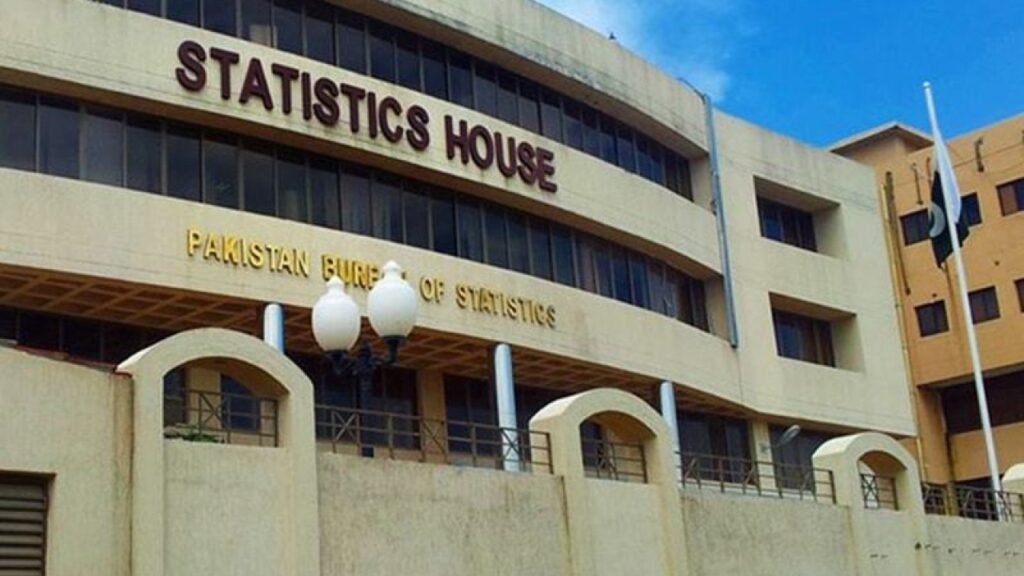
ISLAMABAD — Pakistan’s petroleum imports increased by 2.2 percent, reaching $14.953 billion during the first eleven months of the fiscal year 2025-26, according to the Pakistan Bureau of Statistics (PBS). This rise is compared to the same period in the previous fiscal year. Import Growth Factors The PBS reported a 2.23 percent increase in petroleum group imports during this period. The total imports reached $14.953 billion, marking a significant rise from the previous year amid global oil price fluctuations and changing local demands. The increase in petroleum imports reflects the country’s growing energy needs. The petroleum group comprises crude oil, petroleum products, and liquefied natural gas (LNG), each showing varied import activities. The surge in imports might result from increased industrial activity and transportation demands. Crude Oil and Petroleum Products The import of crude oil alone saw a notable increase, significantly contributing to the overall rise. Additionally, the demand for refined petroleum products showed an upward trend, aligning with broader economic activities. Economic Context Pakistan’s reliance on imported petroleum products is long-standing due to limited domestic production capabilities. Historically, the energy sector plays a crucial role in Pakistan’s economy, with imports critical for meeting energy demands. Over the years, balancing energy imports with economic growth has posed challenges for Pakistan. Fluctuations in global oil prices affect the import bill, trade balances, and foreign exchange reserves. The government’s policies periodically aim to reduce import dependency by exploring alternative energy sources and boosting domestic production. Significance of Rising Imports The increase in petroleum imports holds several implications. Economically, it highlights ongoing energy demand as Pakistan’s industrial and transportation sectors expand. This trend suggests economic activity growth in energy-reliant sectors. However, a higher import bill can strain foreign exchange reserves and widen the trade deficit. This situation underscores the need for strategic energy procurement and consumption planning for sustainable economic growth. Energy Policy Considerations The reliance on imported petroleum underscores the need to diversify energy sources. Pakistan’s policies must balance imports and domestic production, while also exploring renewable energy options to mitigate global oil price risks. Key Takeaways Petroleum imports increased by 2.2% to $14.953 billion during fiscal years 2025-26. The rise reflects higher energy demands from industrial and transportation needs. Higher imports could impact foreign exchange reserves and trade deficit. Strategic energy policies are needed to balance imports and domestic production. Pakistan’s energy demands influence regional and international trade dynamics.

Business

Pakistan Stock Exchange Sees Decline, KSE-100 Index Drops Over 450 Points

ISLAMABAD — The Pakistan Stock Exchange (PSX) faced a downturn on Monday as the KSE-100 Index fell by 450.89 points. This 0.25 percent decline led to a closing figure of 178,471.87 points, compared to the previous session’s close of 178,922.76 points. Market Dynamics The session on Monday saw a bearish trend with the KSE-100 Index’s significant drop. As a measure of Pakistan’s economic condition, the index reflects investor apprehensions over ongoing economic indicators and sentiments. During this trading period, market volume reached 807.467 million shares. Influencing factors included shifts in global oil prices, political uncertainties, and reactions to recent economic policies. Analysts pointed out contributions to the decline from banking, cement, and oil and gas sectors due to substantial sell-offs. Investors highlighted a lack of positive market catalysts and persistent economic challenges. Inflation and currency depreciation have further eroded investor confidence. “The market is reacting to both domestic and international pressures,” a senior market analyst noted, emphasizing the cautious trading volumes and overall bearish sentiment. Volatile Market Background Recently, the Pakistan Stock Exchange has been volatile, shaped by both internal and external factors. The KSE-100 Index has been particularly sensitive to political shifts, fiscal policies, and global economic trends. Economic instability, marked by high inflation rates, fiscal deficits, and unpredictable foreign exchange reserves, presents notable challenges. Moreover, investor sentiment in Pakistan remains affected by global economic environments, particularly oil price fluctuations and geopolitical tensions. The government’s economic stabilization attempts, such as seeking IMF support, have critically influenced market dynamics. Impact and Significance The decline in the KSE-100 Index mirrors larger economic challenges for Pakistan. This stock market is a key indicator of economic health, and persistent bearish trends can undermine investor confidence and foreign investment. A declining index might discourage domestic and international investors, thereby impacting growth prospects. Economically, stock market performance affects various stakeholders, including individual investors, businesses, and financial institutions. A prolonged bearish period may curb capital inflows, limiting business expansion and job creation opportunities. Furthermore, market performance can dictate government fiscal policies aimed at balancing growth with financial stability. On a societal level, stock market trends can affect public sentiment regarding the government’s economic management. Prolonged downturns heighten public scrutiny of government economic strategies and policies. Key Takeaways The KSE-100 Index declined by 450.89 points, a 0.25 percent decrease, closing at 178,471.87 points. Trading volume hit 807.467 million shares, reflecting cautious investor behavior. Inflation, currency depreciation, and lack of positive stimuli challenged investor confidence. Economic sectors like banking, cement, and oil experienced significant sell-offs. Domestic and international pressures continue to influence market sentiments.

Business

Rupee Appreciates Slightly Against US Dollar in Interbank Market

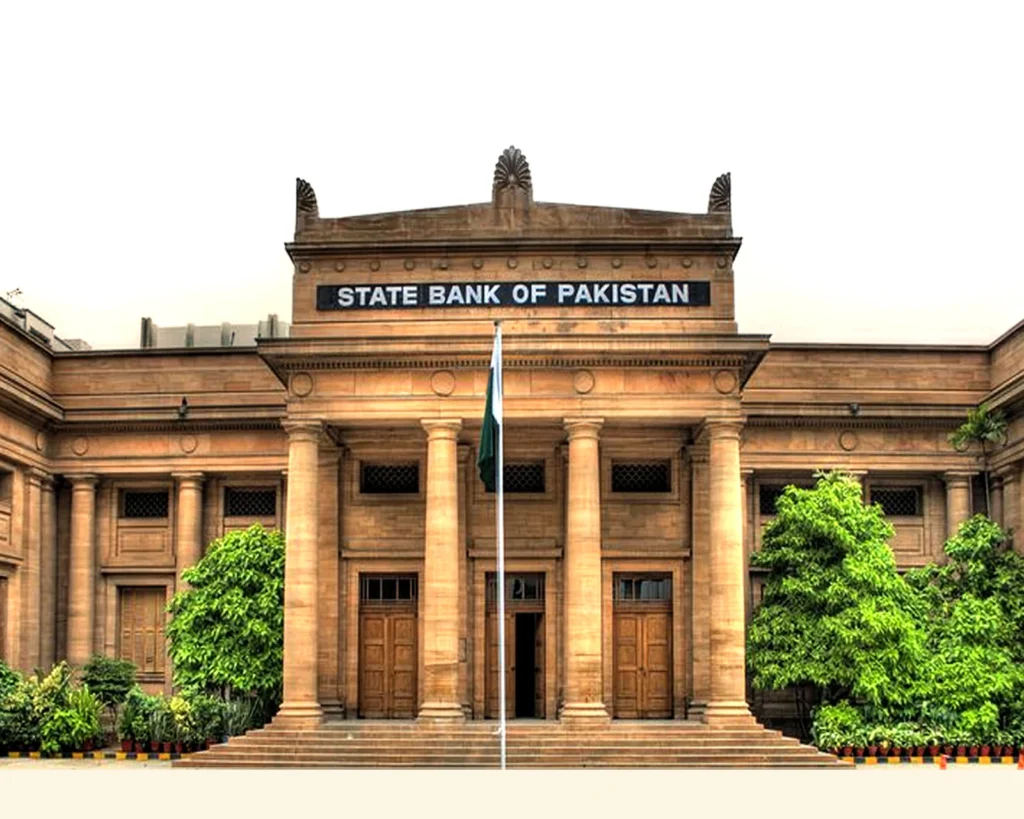
ISLAMABAD — The Pakistani Rupee experienced a modest appreciation of 0.3 paisa against the US Dollar in interbank trading on Friday. It closed at Rs 278.22, compared to the previous day’s rate of Rs 278.25, according to the Associated Press of Pakistan. Recent Developments in Interbank Market This slight gain in the Rupee against the US Dollar in the interbank market reflects ongoing currency fluctuations influenced by various economic factors. The Forex Association of Pakistan reported open market dollar buying and selling rates at Rs 277.50 and Rs 280.00, respectively. This appreciation occurs amid economic challenges and efforts by the State Bank of Pakistan to stabilize the currency. Currency traders and analysts note that the Rupee’s value is pressured by external debt obligations, import payments, and foreign exchange reserves. The central bank’s monetary policies and interventions are crucial in managing these pressures and maintaining currency stability. Influence of Global Economic Factors The Rupee’s performance is also linked to the global economic environment, including the strength of the US Dollar, oil prices, and geopolitical developments. These factors collectively influence Pakistan’s foreign exchange demand and supply dynamics. Challenges and Measures for Stabilization The Pakistani Rupee has faced significant volatility recently, driven by both domestic and international factors. Historically, depreciation against the US Dollar has resulted from trade imbalances, inflation, and fiscal deficits. To combat this, the Pakistani government and the State Bank of Pakistan have implemented several measures. These include monetary tightening, foreign exchange interventions, and seeking financial assistance from the International Monetary Fund (IMF). These efforts aim to bolster foreign exchange reserves, reduce inflation, and restore investor confidence. Nonetheless, long-term currency stability requires extensive economic reforms and fiscal discipline. Impact on Economy and Businesses The Rupee’s performance against the US Dollar significantly impacts Pakistan’s economy and its citizens. A stable or appreciating Rupee helps reduce import costs, including essential goods and energy supplies, easing inflationary pressures on consumers. For businesses, a stronger Rupee can lower the cost of imported raw materials and intermediate goods, enhancing competitiveness and profitability. This can contribute to economic growth and job creation. Conversely, a depreciating Rupee can lead to higher import costs, increased inflation, and a widening trade deficit, challenging economic policymakers. It can also affect Pakistan’s ability to service its external debt, as repayments become more expensive in local currency terms. Overall, currency stability is crucial for attracting foreign investment and maintaining investor confidence. A volatile currency can deter investment and hinder economic development, making it imperative for policymakers to address structural issues and pursue sustainable economic policies. Key Highlights The Pakistani Rupee appreciated by 0.3 paisa against the US Dollar in interbank trading, closing at Rs 278.22. The Forex Association reported open market dollar buying and selling rates at Rs 277.50 and Rs 280.00, respectively. Currency fluctuations are influenced by external debt, import payments, and foreign exchange reserves. A stable Rupee can reduce import costs and inflation, benefiting consumers.

Business

Lahore Development Authority Seals 109 Illegal Properties

LAHORE — The Lahore Development Authority (LDA) has sealed 109 illegal properties across various neighborhoods to curb unauthorized commercial activities and fee defaulters. This operation, conducted on Monday, was under the directives of Director General Tahir Farooq. Targeted Areas The LDA enforcement teams targeted properties in Samanabad, Shad Bagh, Gulshan Ravi, Gulberg, Faisal Town, and Allama Iqbal Town. Their goal is to regulate commercial activities violating zoning laws and recover outstanding fees. Operation Details LDA officials coordinated efforts to inspect properties, sealing those in violation. These properties engaged in commercial activities without approvals or owed dues to the LDA. Director General Tahir Farooq stated, “The LDA is committed to enforcing the law and ensuring all commercial activities operate legally.” Background of LDA’s Initiative The Lahore Development Authority oversees the planning and development of Lahore, one of Pakistan’s largest cities. Rapid urbanization has led to illegal constructions, increased congestion, and infrastructure strain. Legal Framework The LDA implements operations to regulate land use and ensure zoning law compliance. Legal frameworks empower the LDA to seal properties and impose fines on violators. Significance of the Crackdown The sealing of 109 properties is economically important, highlighting the LDA’s effort to recover lost revenue from fee defaulters. This funding is vital for urban projects and infrastructure maintenance. Social and Political Impacts Socially, it addresses resident concerns about unauthorized commercial activities disrupting residential areas. Politically, it supports the government’s enforcement of orderly urban development, setting a precedent to deter future violations. Internationally, such actions align with global urban planning for sustainable development, emphasizing the importance of adhering to zoning laws. For Lahore, legal and sustainable development is crucial for long-term viability and attracting investors. Key Takeaways The LDA sealed 109 properties in Lahore for illegal commercial activities and fee defaults. Operations covered areas like Samanabad, Shad Bagh, and Gulberg. This action supports ongoing efforts to enforce zoning laws and recover dues. The crackdown aims to better urban order and compliance with building regulations. The initiative bolsters sustainable urban development.

Business

Section 144 Enforced in Haripur to Ensure Safety During Muharram

HARIPUR — The district administration has enforced Section 144 across Haripur to maintain law and order during the sacred month of Muharram-ul-Haram. Announced on June 22, the decision aims to promote inter-sectarian harmony and public safety by limiting certain activities. Enforcement Details The enforcement includes several measures to prevent disturbances during Muharram, a month significant to Muslims worldwide. Official notifications detail restrictions, such as a ban on public gatherings and processions that might ignite sectarian tensions. Furthermore, movement and participation of 13 influential individuals, including religious scholars and speakers, have been restricted. These individuals are monitored as potential sources of sectarian incitement during sensitive periods like Muharram. The measures form part of a broad strategy to ensure peace during the month, marked by religious observances and processions, especially by the Shia community. This proactive approach aims to prevent any disturbances to communal harmony in Haripur. Muharram Significance Muharram, the first month of the Islamic lunar calendar, is profoundly significant, especially for Shia Muslims who commemorate the martyrdom of Imam Hussain. This period includes processions and gatherings, which can sometimes heighten sectarian tensions. Section 144 of the Code of Criminal Procedure allows authorities to restrict activities in specified areas to prevent unrest. It is often deployed during potential periods of unrest, including religious events, political rallies, and public gatherings. In previous years, heightened security measures have been observed across Pakistan during Muharram to prevent sectarian violence. The imposition of Section 144 continues efforts to ensure peace. Importance of Section 144 Enforcing Section 144 in Haripur is crucial for maintaining peace and order during Muharram, a historically sensitive period. Restricting certain activities prevents incidents that could lead to broader conflicts. Economically, a peaceful Muharram ensures that local businesses and daily life are not disrupted, particularly in procession areas. The administration aims to minimize potential disruptions and support the district’s economic stability. Politically, this move underscores the government’s commitment to safeguarding public order while respecting religious freedoms. It highlights challenges authorities face in balancing freedoms with the need for security. Internationally, Pakistan’s management of sectarian issues during Muharram is observed closely. Successful handling of these events can bolster the country’s image as capable of maintaining harmony among its diverse religious communities. Key Points Section 144 imposed in Haripur for safety during Muharram. Bans on public gatherings and restrictions on 13 individuals are in place. The initiative focuses on maintaining peace and supporting local commerce.

Pakistan

Advisor Evaluates Child Protection Efforts, Supports Reforms in Khyber Pakhtunkhwa

PESHAWAR — On June 22, Advisor to the Chief Minister on Social Welfare, Special Education, and Women Empowerment, Malak Liaqat Ali Khan, evaluated child protection initiatives during a visit to the Khyber Pakhtunkhwa Child Protection and Welfare Commission (KPCPWC). The visit focused on assessing current efforts and planning future strategies to enhance child welfare in the province. Review of Child Protection Measures During his visit to the KPCPWC office, Malak Liaqat Ali Khan reviewed ongoing child protection programs and discussed potential reforms. He was accompanied by Secretary of Social Welfare Sharif Hussain. They examined the effectiveness of existing measures and identified areas needing improvement. This visit highlighted the provincial government’s commitment to safeguarding children’s rights and welfare. Malak Liaqat Ali Khan stressed the need for comprehensive reforms to address the challenges faced by vulnerable children in Khyber Pakhtunkhwa. He reiterated the government’s dedication to enhancing child protection frameworks and ensuring safe, nurturing environments for all children. Collaborative efforts among various stakeholders are crucial to achieving these goals. Current Initiatives and Future Plans Secretary Sharif Hussain provided insights into ongoing initiatives and shared updates on the commission’s achievements. The KPCPWC is actively working to strengthen child protection mechanisms and improve service delivery across the province. Expansion of child protection units Introduction of new programs to prevent child abuse Efforts to enhance service delivery for affected children These discussions included future plans directed at further safeguarding children from harm. Background on the KPCPWC The Khyber Pakhtunkhwa Child Protection and Welfare Commission was established to tackle rising concerns about child safety and welfare. It implements policies and programs to protect children from abuse, neglect, and exploitation. Several initiatives have been launched to raise awareness about child rights and provide support services to affected children and their families. The provincial government has made child protection a priority within its broader social welfare agenda. Legislative measures like the Khyber Pakhtunkhwa Child Protection and Welfare Act provide a legal framework for safeguarding children’s rights, aligning with national and international commitments. Importance of the Evaluation The evaluation of child protection efforts in Khyber Pakhtunkhwa underscores several critical issues. Firstly, it brings attention to the challenges faced by vulnerable children in the province, such as abuse, neglect, and exploitation. Assessing program effectiveness allows the government to identify gaps and implement necessary reforms to enhance child welfare. Secondly, it demonstrates the provincial government’s commitment to social welfare through improved child protection. Ensuring children’s safety and well-being is essential for building a fair and just society. Furthermore, the focus on child protection is in line with Pakistan’s obligations under international conventions, such as the United Nations Convention on the Rights of the Child. By prioritizing child welfare, Khyber Pakhtunkhwa contributes to national efforts to meet global standards for child rights and protection. Advisor Malak Liaqat Ali Khan reviews child protection initiatives at the KPCPWC. The visit highlights the need for reforms to improve child welfare. Ongoing efforts are aligned with international child rights conventions.

Business

Khyber Pakhtunkhwa Approves Rs 875 Million Goat Breeding Farm in Kohat

PESHAWAR — The Khyber Pakhtunkhwa government has approved the establishment of a state-of-the-art goat breeding farm in Kohat, with an investment of Rs 875 million. This initiative, sanctioned on June 22, aims to modernize the livestock sector and bolster the rural economy in the province’s southern districts. Project Approval and Goals The provincial government has taken a significant step forward by approving the modern goat breeding farm project in the PK-90 constituency of Kohat, a region with strong agricultural potential. The project, with an estimated budget of Rs 875 million, is designed to introduce advanced breeding techniques and infrastructure to enhance goat production quality and quantity. This decision is part of a larger governmental strategy to leverage the livestock sector for strengthening rural economies. Beyond breeding, the farm will offer training in modern livestock management to local farmers, aiming to boost productivity and income levels in the region. Technological Advancements Officials highlight that the farm will incorporate the latest technologies in animal husbandry. This includes genetic improvement programs and disease management systems. The project is envisioned as a model for similar initiatives across other parts of the province. Economic and Social Impact The new goat breeding farm in Kohat is economically vital, poised to increase livestock productivity—a crucial element of the rural economy in Khyber Pakhtunkhwa. Advanced breeding techniques and infrastructure aim to enhance goat production, thus increasing farmers’ incomes. Socially, the project is likely to create job opportunities both directly and indirectly. The farm’s construction and operation will require a skilled workforce, and increased livestock production can lead to jobs in sectors like feed supply, veterinary services, and meat processing. Further, the initiative demonstrates the provincial government’s dedication to rural development and poverty alleviation, addressing the needs of the rural communities which make up a significant part of the province’s population. Broader Context and International Trends Khyber Pakhtunkhwa has been focusing on agricultural and livestock development as part of its growth strategy, due to the economy’s heavy reliance on agriculture. Historically, challenges have included outdated farming practices and insufficient market access. In recent years, several modernization initiatives have been introduced, such as farm equipment subsidies, improved irrigation systems, and farmer training programs. The goat breeding farm reflects ongoing efforts for sustainable rural development. Internationally, this project aligns with global trends toward sustainable agriculture and food security. With climate change and population growth pressuring global food systems, such initiatives are crucial for ensuring long-term agricultural sustainability. Key Takeaways Khyber Pakhtunkhwa government approves an Rs 875 million goat breeding farm in Kohat. The project aims to modernize the livestock sector and boost the rural economy. Advanced breeding techniques and technologies will be introduced. This initiative underscores the government’s commitment to rural development and poverty alleviation. It aligns with international trends towards sustainable agriculture.

Scroll to Top