2026

Business

WSSC Dera Ismail Khan Launches Cleanliness Drive for Muharram Processions

DERA ISMAIL KHAN — The Water and Sanitation Services Company (WSSC) in Dera Ismail Khan has launched a city-wide cleanliness drive. This effort focuses on the routes of Muharram-ul-Haram mourning processions and Imambargahs. It aims to provide a clean and safe environment for participants and mourners. Sanitation Efforts for Muharram The WSSC has deployed resources to boost sanitation for the upcoming Muharram processions. Sanitation teams are conducting special cleaning operations along the designated routes. This initiative is part of a wider strategy to maintain hygiene and safety during religious observances. Teams are tasked with waste removal, street cleaning, and ensuring debris-free areas. Additional waste bins have been placed along the routes to help the public dispose of waste properly. The WSSC works with local authorities to ensure that efforts are effectively implemented and any issues promptly addressed. Community Involvement An official stated, “We are committed to providing a clean, safe environment during Muharram. Our teams work round the clock to maintain the routes.” The official highlighted the need for community cooperation and encouraged residents to use the waste bins provided. Significance of Muharram Muharram, the first month of the Islamic calendar, holds significant importance for Muslims, especially Shiite communities. They commemorate Imam Hussain’s martyrdom, Prophet Muhammad’s grandson, through processions and gatherings, known as Majalis. In Pakistan, these attract large crowds, necessitating extensive preparations for public safety and cleanliness. Impact of the Cleanliness Drive The cleanliness drive is crucial for several reasons. It emphasizes the importance of public health and safety during large gatherings. A clean environment prevents the spread of diseases, contributing to community well-being. Maintaining cleanliness during events can positively impact the local economy. Clean environments attract visitors, benefiting local businesses and vendors, especially during Muharram. Community and Governance Socially, the initiative highlights community service and cooperation. Encouraging locals to help maintain cleanliness fosters communal responsibility and pride. This can strengthen community cohesion and civic engagement. Politically, effective public service management during religious events can enhance the credibility of local authorities. Demonstrating competence builds government trust, crucial for governance and public administration. Key Takeaways The WSSC has intensified cleanliness efforts for Muharram processions. Sanitation teams are deployed along the procession routes to ensure cleanliness and safety. Muharram’s significance draws large crowds, highlighting the need for meticulous preparation.

Pakistan

Sindhi Language Authority Mourns Passing Of Lal Bux Mangi

HYDERABAD — Dr. Sher Mehrani, Chairman of the Sindhi Language Authority (SLA), expressed deep sorrow over the passing of Lal Bux Mangi, a renowned writer and former SLA Board of Governors member. Mangi’s significant contributions to Sindhi literature and culture make his death a considerable loss to the literary community. What Happened Lal Bux Mangi, an esteemed figure in Sindhi literature, has passed away, sparking condolences from literary and cultural institutions. Dr. Sher Mehrani highlighted Mangi’s impactful role in promoting the Sindhi language and literature. He described Mangi as a knowledge beacon and dedicated cultural heritage advocate, stressing the void left by his demise. Known for his extensive work, Mangi authored numerous books and articles on various facets of Sindhi culture and history. His tenure on the SLA Board of Governors marked his unwavering dedication to preserving and promoting the Sindhi language. Background Lal Bux Mangi’s pivotal contributions to the Sindhi Language Authority and literature helped preserve Sindhi culture. Established to safeguard and promote the Sindhi language, the SLA has been a cornerstone in the region. Mangi’s role in advancing its mission was instrumental throughout his career. He authored influential works on Sindhi culture’s history, traditions, and linguistic nuances, celebrated for their depth. His passing follows a legacy of excellence and advocacy that inspired many in the community. Why It Matters Lal Bux Mangi’s death is significant for the Sindhi literary community and Pakistan’s cultural landscape. His work enriched Sindhi literature and preserved its linguistic heritage. In a diverse country like Pakistan, preserving regional languages and cultures is crucial for maintaining its rich cultural tapestry. Mangi’s contributions remind regional languages’ importance of support and nurturing. His passing underscores the need for continued investment in cultural institutions like the SLA, which protect linguistic diversity. Mangi’s life and work highlight regional languages’ challenges in a globalized world. His dedication to Sindhi literature inspires future generations to continue advocating for cultural and linguistic preservation. Key Takeaways Lal Bux Mangi, a renowned Sindhi writer and cultural advocate, has passed away. Dr. Sher Mehrani, Chairman of the Sindhi Language Authority, expressed deep sorrow over Mangi’s death. Mangi’s contributions to Sindhi literature and his role in the SLA were significant in promoting the Sindhi language. His passing highlights the importance of preserving regional languages and cultures in Pakistan. The Sindhi Language Authority, under Mehrani’s leadership, continues Mangi’s vision of cultural preservation.

Business

Khorasan Trade Delegation Engages with KATI to Boost Bilateral Ties

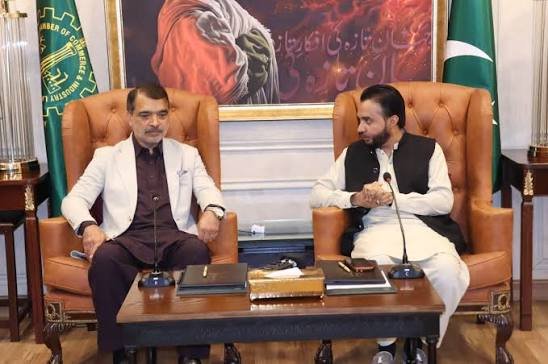
KARACHI — A high-level trade delegation from Iran’s Khorasan Province met with officials from the Korangi Association of Trade and Industry (KATI) on June 22. The focus was on enhancing industrial, trade, and investment relations between Pakistan and Iran. The meeting, attended by the Commercial Attaché of the Consulate of the Islamic Republic of Iran, aimed to boost business-to-business linkages and increase bilateral trade. Highlights of the Meeting The Iranian delegation, representing various sectors of Khorasan’s economy, explored opportunities for mutual cooperation with KATI officials. Both parties expressed a strong commitment to strengthening economic ties, particularly through industrial collaboration and investment ventures. The meeting underscored the potential for increased trade between the two neighboring countries, which share a long history of economic and cultural exchanges. The Commercial Attaché emphasized the strategic importance of fostering closer economic relations, citing significant benefits for both economies. “The collaboration between Khorasan and KATI can serve as a model for regional economic integration,” he stated, highlighting the need for sustained dialogue and partnership. Investment Opportunities During the discussions, KATI officials presented various investment opportunities within Pakistan’s industrial sectors, inviting Iranian businesses to explore joint ventures and partnerships. The Iranian delegation outlined potential areas for collaboration in Khorasan, particularly in agriculture, manufacturing, and technology. The meeting concluded with both sides agreeing to establish a framework for regular communication and cooperation. This is aimed at overcoming existing trade barriers and facilitating smoother business transactions. Background Pakistan and Iran have historically maintained cordial relations, with trade being a significant component of their bilateral ties. Despite political challenges and regional instability, both countries have consistently sought to enhance economic cooperation. In recent years, several initiatives have aimed to boost trade, including the establishment of joint chambers of commerce and trade fairs. Khorasan Province, in northeastern Iran, is a key economic region with a diverse industrial base. It shares borders with Afghanistan and Turkmenistan, serving as a strategic trade hub in the region. The province’s economy is driven by agriculture, mining, and manufacturing, offering considerable collaboration opportunities with Pakistani industries. Significance of the Meeting The meeting between the Khorasan trade delegation and KATI is significant for several reasons. Economically, it represents a proactive step towards diversifying and strengthening trade relations between Pakistan and Iran, which have been hampered by geopolitical tensions and international sanctions. By focusing on industrial collaboration and investment, both countries can leverage their strengths to foster economic growth. Socially, enhanced trade ties can lead to job creation and improved livelihoods in both regions. For Pakistan, increased Iranian investment could bolster the industrial sector, leading to technological advancements and increased productivity. Similarly, Iranian businesses stand to benefit from access to Pakistan’s large consumer market and its strategic location as a gateway to South Asia. Politically, the strengthening of economic ties can serve as a stabilizing factor in the region, promoting peace and cooperation. By building robust economic linkages, Pakistan and Iran can mitigate the impact of external pressures and work towards a more integrated regional economy.

Business

APCDA Calls for Reversal of Increased Turnover Tax on Cement Distributors

LAHORE — The All Pakistan Cement Distributors Association (APCDA) calls on the government to reverse the turnover tax increase affecting cement distributors. The recent tax hike from 0.25% to 1.25% is placing a significant burden on the business community. Current Situation The APCDA’s appeal follows the decision to increase the turnover tax rate for cement distributors, stirring concern within the industry. The association reports rising operational costs and threats to business feasibility due to this increase. Representatives argue the hike is disproportionate, potentially causing job losses and reducing market competitiveness. An APCDA spokesperson called the tax increase unbearable, urging the government to reconsider to prevent further industry strain. This plea is part of broader efforts by business groups to secure more favorable tax conditions, especially amid the current global financial challenges. Understanding the Turnover Tax The turnover tax is based on gross revenue, not net profit, ensuring business contributions to national revenue irrespective of profit. Previously, Pakistan’s cement distributors faced a 0.25% rate; however, the government recently increased it to 1.25% to boost fiscal revenues. This increase is among several fiscal measures to address budget constraints and enhance revenue collection. The cement industry, a critical economic contributor, voices strong concerns about the tax hike’s potential negative impacts. Implications of the Tax Increase The higher turnover tax affects both the cement distribution sector and the broader economy. As cement is vital to construction, a major economic growth and employment driver, increased costs can disrupt supply chains and slow projects. Higher tax rates mean financial pressure for distributors leading to possible price hikes for consumers, dampening construction material demand, and slowing infrastructure and housing development nationwide. APCDA’s concerns reflect the need to balance revenue generation and business-friendly environments. Impact on Competitiveness This tax increase could harm Pakistan’s regional market competitiveness. Neighboring countries with more favorable tax regimes might attract businesses to relocate, risking job creation and economic stability locally. Key Takeaways The APCDA urges reversing the turnover tax hike from 0.25% to 1.25%. The increased rate burdens cement distributors, threatening business viability. The turnover tax ensures revenue from gross income. The cement industry’s key economic role may face ripple effects from the tax increase.

Business

Gold Prices Climb by Rs4,643 to Rs442,636 Per Tola in Pakistan

ISLAMABAD — Gold prices in Pakistan saw a significant increase on Monday, with the rate per tola rising by Rs4,643 to reach Rs442,636, according to the All Pakistan Sarafa Gems and Jewellers Association. This increase follows the previous trading day’s rate of Rs437,993. Factors Behind the Price Hike On June 22, 2023, the cost of one tola of gold increased significantly to Rs442,636 in the local market. This rise, reported by the All Pakistan Sarafa Gems and Jewellers Association, marks a substantial Rs4,643 jump from Rs437,993 the day before. Similarly, the price of 10 grams of 24-karat gold increased, following the general market trend. This surge is attributed to several factors, such as fluctuations in the international market and changes in the local currency’s value. Shifts in global demand or supply often influence local prices in Pakistan. Economic Context Local traders link the rise in gold prices to Pakistan’s economic conditions, where inflationary pressures and currency depreciation impact commodity prices. Gold is considered a safe-haven investment, attracting more demand during economic uncertainty, further driving up its price. Gold has a dual role in Pakistan as both an investment and a cultural asset. It’s traditionally used in jewelry for weddings and significant events, making it a staple in households. The All Pakistan Sarafa Gems and Jewellers Association sets daily prices, affected by international trends and local economics. Implications of Rising Gold Prices The increase in gold prices has notable implications for consumers and Pakistan’s economy. For individuals planning weddings or cultural events, the higher cost can lead to increased expenses and potentially lower demand for jewelry. Economically, higher gold prices may indicate broader inflation trends. As a hedge against inflation, rising gold prices could show concerns about economic stability and currency value, leading to increased investment in gold. The price hike can impact Pakistan’s trade balance. As a net importer of gold, higher prices might increase import bills, affecting foreign exchange reserves and the trade deficit. This situation highlights the need for strategic economic management to lessen negative impacts. Key Takeaways The gold price per tola in Pakistan increased by Rs4,643, reaching Rs442,636. Price changes were driven by international market fluctuations and local economic factors. Gold’s investment appeal grows during economic uncertainty, boosting demand. Rising prices affect consumer purchasing decisions, notably for weddings. Higher gold prices can influence Pakistan’s trade balance and foreign reserves.

Pakistan

Chiniot Authorities Conduct Joint Flag March for Muharram Security

CHINIOT — The district administration, police, and Pakistan Army conducted a joint flag march in Chiniot on Monday. This effort was made to strengthen security measures in preparation for Muharram-ul-Haram. The initiative aims to build confidence among residents and ensure peaceful observances during this important religious period. Joint Flag March Details The flag march covered various areas within the Chiniot district. It involved a coordinated effort by local authorities and military personnel. Key participants included Deputy Commissioner Ayesha Rizwan, District Police Officer (DPO) Dr. Naveed Atif, senior police officials, and Pakistan Army members. This event fortified the security framework needed for Muharram, a month marked by mourning and remembrance for Muslims. Officials emphasized the need for maintaining peace and order throughout Muharram. Having the Pakistan Army present alongside local police demonstrated a unified stance against potential security threats. This collaboration is part of a broader strategy to prevent any incidents that could disrupt Muharram observances. Statements from Officials Deputy Commissioner Ayesha Rizwan underscored the joint effort’s significance, stating, “The flag march is a proactive measure to ensure that the residents of Chiniot feel secure and can observe Muharram in a peaceful environment.” DPO Dr. Naveed Atif assured that law enforcement agencies are committed to upholding security, and all necessary precautions are being taken to address potential challenges. Importance of Muharram Muharram-ul-Haram, the first month of the Islamic calendar, is of profound significance to Muslims globally. It is a period for reflection and mourning, particularly for Shia Muslims who commemorate the martyrdom of Imam Hussain, Prophet Muhammad’s grandson, at the Battle of Karbala. In Pakistan, Muharram involves religious processions and gatherings, requiring heightened security due to sectarian tensions and large crowds. Historically, Muharram has witnessed sectarian violence in several parts of Pakistan, prompting the authorities to enforce rigorous security measures. The government usually deploys additional police and, occasionally, military forces to safeguard participants and prevent incidents. Significance of Security Measures The joint flag march in Chiniot is an essential part of the broader security strategy during Muharram. By visibly showcasing the presence of security forces, the initiative aims to deter potential threats and reassure the public of their safety. This is particularly crucial in areas with a history of sectarian tensions, where the risk of violence during religious commemorations is high. The joint flag march in Chiniot involved the district administration, police, and Pakistan Army. It aims to ensure peaceful Muharram observances and instill public confidence. Muharram is a month of significant religious importance, necessitating heightened security. Authorities are committed to preventing sectarian violence and ensuring public safety. The march fosters economic stability by preventing disruptions from security incidents. Socially, it promotes unity and cooperation among different societal segments.

Sports

Sahil, Hamza, Larib, Jashwa, Sara Win PGF National Golf Championships

ISLAMABAD — The 8th PGF Jinnah Development Tour 2026 and the PGF Hazara Junior Amateur Golf Championship 2026 concluded successfully at the PIFFERS Golf & Country Club in Abbottabad. Muhammad Sahil, Hamza, Larib, Jashwa, and Sara emerged as national champions in their categories. Event Highlights The Pakistan Golf Federation (PGF) hosted two prominent events: the 8th PGF Jinnah Development Tour and the PGF Hazara Junior Amateur Golf Championship at the PIFFERS Golf & Country Club in Abbottabad. These tournaments attracted the country’s top golfing talent, competing for national titles across various categories. Muhammad Sahil secured the men’s title with exceptional skill and composure. Hamza, an up-and-coming golfer, won the junior category, showcasing Pakistan’s golfing future. Larib, Jashwa, and Sara also achieved outstanding victories in their categories. These tournaments are part of PGF’s efforts to advance golf in Pakistan, offering a platform for young and rising golfers to showcase their abilities. The events drew significant participation, reflecting the growing interest in golf nationwide. Development Goals The Pakistan Golf Federation actively promotes golf development across the nation. The PGF Jinnah Development Tour is an annual event aimed at nurturing local talent through competitive opportunities. It serves as a vital step for aspiring young golfers on the national and international stages. The PGF Hazara Junior Amateur Golf Championship specifically targets junior players, focusing on identifying and nurturing young talent. These championships are essential for the growth of golf in Pakistan, offering structured environments for young athletes to hone skills and gain experience. Significance and Impact The success of these championships is significant for multiple reasons. Firstly, they highlight golf’s rising popularity in Pakistan, a sport traditionally overshadowed by cricket and hockey. This growing interest signifies a positive diversification of sports in the country, providing more avenues for young athletes. Economically, golf development positively impacts local communities, especially in places like Abbottabad, where the championships occurred. Golf courses and related facilities can boost tourism and create job opportunities, benefiting the local economy. On a larger scale, the achievements of young golfers like Sahil, Hamza, Larib, Jashwa, and Sara inspire new generations of athletes. Their accomplishments show that with proper support and opportunities, Pakistani athletes can compete at high levels and achieve national recognition. Furthermore, these events align with Pakistan’s efforts to elevate its international sporting profile. As Pakistani golfers gain exposure and experience through such championships, they are better prepared for international competitions, potentially bringing awards and enhancing the nation’s standing globally. Key Takeaways Muhammad Sahil, Hamza, Larib, Jashwa, and Sara won titles at the PGF National Golf Championships. The events took place at the PIFFERS Golf & Country Club in Abbottabad. The championships are part of PGF’s initiatives to promote golf in Pakistan. These events provide a platform for emerging golfers to showcase their talents. The championships contribute to the diversification of sports in Pakistan.

Sports

FDE Summer Sports Camp 2026 Opens at Pakistan Sports Complex

ISLAMABAD — The Federal Directorate of Education (FDE) has launched the Summer Sports Camp 2026 at the Pakistan Sports Complex. This initiative focuses on fostering physical fitness and sportsmanship among students from federal government educational institutions. Led by the Director General of FDE, the camp aims to promote healthy lifestyles and develop sporting talent among young participants. Camp Highlights The Summer Sports Camp 2026 began at the Pakistan Sports Complex in Islamabad, involving students from various federal government schools. This initiative encourages physical activity and sportsmanship, providing ample opportunities for students to engage in a variety of sports and physical exercises. The camp runs for several weeks, offering structured programs including cricket, football, athletics, and badminton training sessions. Participants benefit from coaching by experienced trainers and sports professionals, aiming to refine their skills and instill discipline and teamwork. The camp is also expected to identify and nurture young talent, potentially paving the way for future representation in national and international sports events. “Our objective is to create an environment where students learn sportsmanship and teamwork while improving physical fitness,” stated the Director General. FDE’s History in Sports The FDE has a long-standing tradition of organizing sports camps and events to promote physical education. These initiatives align with the government’s broader educational policies, emphasizing extracurricular activities for holistic student development. Growing recognition of sports’ role in education has led to increased investment in infrastructure and training programs across Pakistan. The Pakistan Sports Complex, where the camp is held, is a premier sports facility hosting both national and international events. It offers state-of-the-art facilities essential for conducting large-scale sports camps and events. Significance of the Camp The FDE Summer Sports Camp 2026 addresses concerns over sedentary lifestyles among students, exacerbated by increasing digital device usage. By promoting physical activity, the camp aims to combat health issues such as obesity, encouraging healthier lifestyles. Moreover, the camp plays a crucial role in talent identification and development, potentially discovering future sports stars who may represent Pakistan at higher levels. This aligns with national sports development goals to enhance the country’s international sports presence. The camp also fosters social interaction and teamwork among students from diverse backgrounds, contributing to social cohesion and community building. Through sports, students learn valuable life skills such as leadership, perseverance, and resilience, essential for personal and professional success. Key Takeaways The FDE Summer Sports Camp 2026 is underway at the Pakistan Sports Complex in Islamabad. The camp aims to promote physical fitness, sportsmanship, and talent development among students. Participants engage in various sports and receive coaching from experienced trainers. The initiative supports national goals of enhancing sports participation and talent identification. The camp contributes to healthier lifestyles and social interaction among students.

Business

Gold Prices Increase by Rs4,643, Reaching Rs442,636 Per Tola

ISLAMABAD — Gold prices in Pakistan soared on Monday, with the per tola rate increasing by Rs4,643 to Rs442,636. This rise follows the previous trading day’s rate of Rs437,993, reported by the All Pakistan Sarafa Gems and Jewellers Association. Gold Price Surge Explained The local gold market in Pakistan witnessed a significant price surge at the week’s start. The price per tola, a traditional South Asian weight for precious metals, jumped by Rs4,643, reaching Rs442,636. This is a notable hike from the prior rate of Rs437,993. Several factors contribute to the gold price increase, including international market fluctuations, exchange rate changes, and local demand-supply dynamics. The global gold market heavily influences local prices. Moreover, the depreciation of the Pakistani rupee against the US dollar further accelerates the rise in local gold prices. Market analysts highlight that ongoing geopolitical tensions and economic uncertainties globally have spurred investors to flock to gold as a safe-haven asset, boosting prices. Increased international demand impacts local prices, including those in Pakistan. Historical and Economic Context Gold remains a favored investment in Pakistan, acting as a hedge against inflation and currency devaluation. The local gold market is sensitive to both domestic and international economic conditions. The All Pakistan Sarafa Gems and Jewellers Association provides crucial price insights for traders and consumers. In recent times, Pakistan’s economy has faced inflation, currency devaluation, and fiscal deficits. Such conditions often steer investors towards gold as a stable option. Cultural traditions, such as using gold in weddings, further influence market dynamics. Impact on Economy and Consumers The gold price rise has several implications for Pakistan’s economy and its citizens. Those planning weddings or events where gold is customary face higher costs, affecting household budgets, especially for middle and lower-income families. Investors might see profitable opportunities with rising prices, particularly if they bought gold earlier at lower rates. However, the surge makes new investments costly, leading to uncertainty in investment strategies and affecting financial planning. Key Takeaways Gold prices in Pakistan rose by Rs4,643 to Rs442,636 per tola. International market trends and local economic conditions influence the increase. Consumers encounter higher costs for gold, affecting household finances. Investor profits may grow, but new investments face higher barriers. The price surge reflects broader economic challenges like inflation and currency devaluation. Source Attribution The details about the gold price increase were provided by the All Pakistan Sarafa Gems and Jewellers Association.

Business

Petroleum Imports Rise by 2.2% to $14.953 Billion in 11 Months

ISLAMABAD — Pakistan’s petroleum imports increased by 2.2 percent, reaching $14.953 billion during the first eleven months of the fiscal year 2025-26, according to the Pakistan Bureau of Statistics (PBS). This rise is compared to the same period in the previous fiscal year. Import Growth Factors The PBS reported a 2.23 percent increase in petroleum group imports during this period. The total imports reached $14.953 billion, marking a significant rise from the previous year amid global oil price fluctuations and changing local demands. The increase in petroleum imports reflects the country’s growing energy needs. The petroleum group comprises crude oil, petroleum products, and liquefied natural gas (LNG), each showing varied import activities. The surge in imports might result from increased industrial activity and transportation demands. Crude Oil and Petroleum Products The import of crude oil alone saw a notable increase, significantly contributing to the overall rise. Additionally, the demand for refined petroleum products showed an upward trend, aligning with broader economic activities. Economic Context Pakistan’s reliance on imported petroleum products is long-standing due to limited domestic production capabilities. Historically, the energy sector plays a crucial role in Pakistan’s economy, with imports critical for meeting energy demands. Over the years, balancing energy imports with economic growth has posed challenges for Pakistan. Fluctuations in global oil prices affect the import bill, trade balances, and foreign exchange reserves. The government’s policies periodically aim to reduce import dependency by exploring alternative energy sources and boosting domestic production. Significance of Rising Imports The increase in petroleum imports holds several implications. Economically, it highlights ongoing energy demand as Pakistan’s industrial and transportation sectors expand. This trend suggests economic activity growth in energy-reliant sectors. However, a higher import bill can strain foreign exchange reserves and widen the trade deficit. This situation underscores the need for strategic energy procurement and consumption planning for sustainable economic growth. Energy Policy Considerations The reliance on imported petroleum underscores the need to diversify energy sources. Pakistan’s policies must balance imports and domestic production, while also exploring renewable energy options to mitigate global oil price risks. Key Takeaways Petroleum imports increased by 2.2% to $14.953 billion during fiscal years 2025-26. The rise reflects higher energy demands from industrial and transportation needs. Higher imports could impact foreign exchange reserves and trade deficit. Strategic energy policies are needed to balance imports and domestic production. Pakistan’s energy demands influence regional and international trade dynamics.

Scroll to Top