
2026

Pakistan

FBR Engages KTBA on Enhancing Income Tax Return Design

ISLAMABAD — The Federal Board of Revenue (FBR) conducted an online meeting with the Karachi Tax Bar Association (KTBA) on Monday to discuss improvements to the income tax return design and enhance the taxpayer experience. This meeting is part of FBR’s ongoing efforts to engage stakeholders in refining tax processes. What Happened The FBR’s Domain Team met with KTBA leadership and members to explore potential enhancements to the income tax return framework. The discussion focused on identifying areas for improvement in the current design and processes, aiming to streamline the filing experience for taxpayers across Pakistan. The meeting underscored FBR’s commitment to incorporating feedback from key stakeholders to make tax compliance more efficient and user-friendly. During the session, various suggestions were put forward to simplify the tax return forms, making them more accessible to the general public. The KTBA, representing a significant body of tax professionals, provided insights based on their experiences and challenges faced by taxpayers. An FBR official stated, “Our goal is to make the tax system more transparent and easier to navigate for all taxpayers.” This consultation is part of a broader initiative by the FBR to ensure that tax policy and administration are aligned with the needs of taxpayers, thereby increasing compliance and reducing the burden of tax filing. The FBR has been actively seeking input from various stakeholders, including tax professionals, businesses, and individual taxpayers, to achieve these objectives. Background The Federal Board of Revenue is Pakistan’s premier tax collection agency, tasked with enforcing tax laws and collecting revenue for the government. Over the years, the FBR has faced criticism for its complex tax filing procedures, which many believe contribute to low compliance rates. In response, the FBR has launched several initiatives aimed at reforming the tax system, including digitalization and stakeholder consultations. The Karachi Tax Bar Association, a professional body of tax lawyers and consultants, plays a pivotal role in advising on tax policy and representing taxpayer interests. The KTBA has been actively involved in discussions with the FBR to address systemic issues and improve the overall tax environment in Pakistan. Why It Matters The collaboration between the FBR and KTBA is crucial for several reasons. Firstly, simplifying the income tax return process can significantly increase the compliance rate among taxpayers, which is essential for boosting national revenue. A more straightforward tax system encourages voluntary compliance and reduces the administrative burden on both taxpayers and the FBR. Moreover, improving the taxpayer experience is likely to foster a more positive relationship between the government and citizens. When taxpayers find the process less cumbersome, it can lead to greater trust in the tax system and, by extension, the government. This trust is vital for the socio-economic stability of the country, as it ensures a steady flow of revenue necessary for public services and infrastructure development. On an economic level, a more efficient tax system can enhance Pakistan’s business environment, making it more attractive to investors. By reducing bureaucratic hurdles and ensuring transparency, the country can improve its standing in global ease-of-doing-business rankings, potentially leading to increased foreign investment. Key Takeaways The FBR and KTBA are collaborating to improve the income tax return design. The meeting focused on simplifying tax forms to enhance taxpayer experience. This initiative is part of FBR’s broader effort to reform the tax system. Improved tax processes can boost compliance and national revenue. A more efficient tax system can enhance Pakistan’s business environment. Source Attribution This article is based on official government statements, press releases, and public communications from relevant authorities. Author: NEN Editorial Desk | Editor: NEN Newsroom | Fact Checked By: NEN Editorial Team Author: NEN Editorial Desk  |  Editor: NEN Newsroom  |  Last Updated: August 18, 2026  |  Source: NEN Reporter This article was produced by the NEN Editorial Desk in accordance with NEN Agency’s Editorial Policy and Fact-Checking Policy.


World

ISPR Warns Against Future Indian Military Misadventures

ISLAMABAD — The Inter Services Public Relations (ISPR) has issued a stern warning that any future military misadventure by India will be met with a firm and decisive response. This announcement comes amid ongoing tensions between the two nuclear-armed neighbors. What Happened The ISPR, the media wing of the Pakistan Armed Forces, released a statement on Wednesday cautioning India against any potential military actions that could escalate tensions in the region. The statement emphasized that any such misadventure would be met with a response that is not only firm and decisive but also disproportionate. The ISPR further noted that no amount of cinematic perjury would provide face-saving measures for India in the aftermath of such actions. The statement by ISPR is seen as a reaction to recent developments along the Line of Control (LoC) and other sensitive areas where both countries have had skirmishes in the past. The ISPR’s warning underscores the volatile nature of the relationship between Pakistan and India, which has been marked by periodic military confrontations and diplomatic standoffs. Direct quotes from the ISPR statement highlighted the military’s readiness to defend Pakistan’s sovereignty and territorial integrity. “Any future military misadventure will be met with a firm, decisive and disproportionate response,” the ISPR stated, reaffirming its commitment to safeguarding national security. Background The relationship between Pakistan and India has been fraught with tension since their independence in 1947. The two countries have fought three major wars, primarily over the disputed region of Kashmir. The LoC, which serves as the de facto border in Kashmir, has been a flashpoint for military engagements. In recent years, both countries have accused each other of violating ceasefire agreements, leading to casualties on both sides. In February 2019, tensions escalated dramatically following a suicide attack in Indian-administered Kashmir, which India blamed on a Pakistan-based militant group. This led to aerial skirmishes and the capture of an Indian pilot by Pakistan, who was later released as a gesture of goodwill. Despite diplomatic efforts, the relationship remains strained, with both sides maintaining a heavy military presence along the LoC. Why It Matters The ISPR’s warning is significant as it highlights the ongoing military tension between two countries that possess nuclear weapons. Any military misadventure could potentially escalate into a larger conflict, with severe implications for regional and global security. The international community has often expressed concern over the potential for conflict between Pakistan and India, urging both sides to engage in dialogue and resolve their differences peacefully. For Pakistan, maintaining a strong defensive posture is crucial for national security, especially in light of India’s growing military capabilities and strategic partnerships. The ISPR’s statement serves as a message to both domestic and international audiences that Pakistan is prepared to defend itself against any aggressive actions. The economic implications of heightened military tensions are also significant. Both countries allocate substantial portions of their national budgets to defense spending, which could otherwise be used for development and poverty alleviation. Prolonged military standoffs can deter foreign investment and affect economic growth in the region. Key Takeaways The ISPR has warned India against future military misadventures, promising a firm and decisive response. The statement highlights ongoing tensions along the Line of Control between Pakistan and India. The historical context of the Kashmir conflict continues to influence military and diplomatic relations. Potential military conflicts pose significant risks to regional and global security. Economic implications of military tensions include increased defense spending and potential deterrents to foreign investment. Source Attribution This article is based on official statements from the Inter Services Public Relations (ISPR) and public communications from relevant authorities. Author: NEN Editorial Desk | Editor: NEN Newsroom | Fact Checked By: NEN Editorial Team Author: NEN Editorial Desk  |  Editor: NEN Newsroom  |  Last Updated: August 18, 2026  |  Source: NEN Reporter This article was produced by the NEN Editorial Desk in accordance with NEN Agency’s Editorial Policy and Fact-Checking Policy.

Pakistan

Punjab Introduces Concept-Based Curriculum for Primary Schools

LAHORE — A new concept-based curriculum is set to be introduced for primary school students in Punjab, aiming to enhance their academic skills and creativity, according to District Education Officer (Primary Women) Dr Hajra Shaheen. This initiative targets students from Grades 1 to 5 and is part of a broader effort to improve educational outcomes in the province. What Happened The Punjab government has announced the development of a concept-based curriculum designed to foster better academic abilities and practical understanding among primary school students. Dr Hajra Shaheen, the District Education Officer for Primary Women, revealed that this curriculum is being meticulously crafted to address the educational needs of young learners in the region. The initiative is expected to roll out in the coming academic year, impacting thousands of students across the province. Dr Shaheen emphasized that the new curriculum would focus on enhancing creativity and critical thinking skills, moving away from rote learning methods that have traditionally dominated the educational landscape in Pakistan. “Our goal is to equip students with the skills they need to succeed in a rapidly changing world,” she stated. The curriculum will include interactive and practical learning modules, aiming to make education more engaging and effective. Education experts and curriculum developers are actively involved in the design process to ensure that the new curriculum meets international educational standards while being tailored to the local context. This approach is expected to provide a more holistic education to students, preparing them for future academic and professional challenges. Background Education reform has been a significant focus for the Punjab government in recent years, with various initiatives aimed at improving the quality of education across the province. The introduction of a concept-based curriculum is part of these ongoing efforts to modernize the educational system and align it with global standards. Historically, the education system in Pakistan has been criticized for its reliance on memorization and lack of emphasis on critical thinking and problem-solving skills. Previous attempts to reform the curriculum have faced challenges, including resource constraints and resistance to change. However, recent policy shifts have demonstrated a commitment to overcoming these obstacles and providing quality education to all students. Why It Matters The introduction of a concept-based curriculum in Punjab’s primary schools is a significant step towards modernizing the education system and improving learning outcomes for students. By focusing on concept-based learning, the curriculum aims to foster critical thinking, creativity, and practical skills, which are essential for success in the 21st century. This initiative has the potential to transform the educational landscape in Punjab, setting a precedent for other provinces to follow. By moving away from rote learning, students will be better equipped to understand and apply knowledge in real-world situations, ultimately contributing to a more skilled and innovative workforce. The economic implications of this educational reform are substantial. A better-educated population can drive economic growth by attracting foreign investment and improving productivity. Furthermore, the emphasis on creativity and critical thinking aligns with global trends in education, ensuring that Pakistani students are competitive on the international stage. Key Takeaways The Punjab government is introducing a concept-based curriculum for Grades 1 to 5. The initiative aims to enhance creativity, critical thinking, and practical understanding among students. Education experts are involved in designing the curriculum to meet international standards. This reform is part of broader efforts to modernize education in Punjab. The initiative could have significant economic and social impacts by improving educational outcomes. Source Attribution This article is based on official statements and public communications from the Punjab Education Department. Author: NEN Editorial Desk | Editor: NEN Newsroom | Fact Checked By: NEN Editorial Team Author: NEN Editorial Desk  |  Editor: NEN Newsroom  |  Last Updated: August 18, 2026  |  Source: NEN Reporter This article was produced by the NEN Editorial Desk in accordance with NEN Agency’s Editorial Policy and Fact-Checking Policy.
World

Australia Supports Community-Led Climate Initiatives in Sindh

ISLAMABAD — Australia has expressed its support for community-led climate solutions in rural Sindh, with Australian High Commissioner to Pakistan Timothy Kane emphasizing the effectiveness of locally driven initiatives. On August 18, Kane highlighted the importance of community involvement in climate action, stating, “When communities lead, climate solutions work better.” What Happened The Australian High Commissioner to Pakistan, Timothy Kane, announced Australia’s backing for climate resilience projects in rural Sindh. These projects are designed to empower local communities to adapt to climate change by building more resilient livelihoods. Kane underscored the significance of community-centered approaches in addressing climate challenges, noting that such strategies lead to more effective outcomes. During his remarks, Kane detailed ongoing research efforts in Sindh, which focus on adapting farming practices and exploring new economic opportunities for local populations. “From adapting farming practices to exploring new economic opportunities, these projects are designed with communities at the center,” Kane stated. He further emphasized Australia’s commitment to partnerships in Pakistan that prioritize listening, learning, and delivering tangible impacts in the face of climate challenges. Australia has been actively supporting climate resilience and sustainable agriculture programs in Sindh. These initiatives aim to help rural communities cope with changing weather patterns and enhance food security. The Australian government’s involvement reflects a broader strategy to address the global climate crisis through localized, community-driven solutions. Background Sindh, a province in southern Pakistan, has been significantly affected by climate change, experiencing erratic weather patterns, including floods and droughts. These changes have posed severe challenges to agriculture, which is a primary source of livelihood for many rural communities in the region. Historically, Sindh has been vulnerable to climate-induced disasters, necessitating adaptive measures to safeguard its population and economy. In recent years, international cooperation has become crucial in addressing these challenges. Australia has been a key partner in supporting Pakistan’s efforts to enhance climate resilience. The focus on community-led initiatives aligns with global trends emphasizing local empowerment and sustainable development. Why It Matters The support from Australia for community-led climate initiatives in Sindh is significant for several reasons. Firstly, it highlights the importance of international collaboration in tackling climate change, a global issue that transcends borders. By investing in local solutions, Australia is contributing to the development of sustainable practices that can be replicated in other regions facing similar challenges. Economically, these initiatives aim to stabilize and strengthen the livelihoods of rural communities in Sindh. By adapting farming practices and exploring new economic opportunities, the projects seek to ensure food security and economic resilience in the face of climate variability. This is crucial for a region heavily reliant on agriculture, where climate change poses a direct threat to productivity and income. Socially, the focus on community-led solutions empowers local populations, giving them a voice in the decision-making processes that affect their lives. This approach fosters a sense of ownership and responsibility, which is essential for the long-term success of climate adaptation strategies. Politically, Australia’s support reinforces the bilateral relations between Pakistan and Australia, showcasing a shared commitment to addressing global challenges through partnership and cooperation. It also sets a precedent for other nations to engage in similar collaborative efforts, promoting a collective response to the climate crisis. Key Takeaways Australia is supporting community-led climate initiatives in rural Sindh, emphasizing local involvement for effective solutions. The initiatives focus on adapting farming practices and exploring new economic opportunities to enhance climate resilience. Sindh’s vulnerability to climate change necessitates adaptive measures to protect agriculture and livelihoods. Australia’s involvement highlights the importance of international collaboration in addressing global climate challenges. The support strengthens bilateral relations between Pakistan and Australia, promoting shared commitments to sustainable development. Source Attribution This article is based on official government statements, press releases, and public communications from relevant authorities. Author: NEN Editorial Desk | Editor: NEN Newsroom | Fact Checked By: NEN Editorial Team Author: NEN Editorial Desk  |  Editor: NEN Newsroom  |  Last Updated: August 18, 2026  |  Source: NEN Reporter This article was produced by the NEN Editorial Desk in accordance with NEN Agency’s Editorial Policy and Fact-Checking Policy.
World

China-Pakistan Educational Ties Strengthen with New Sister-School Agreement

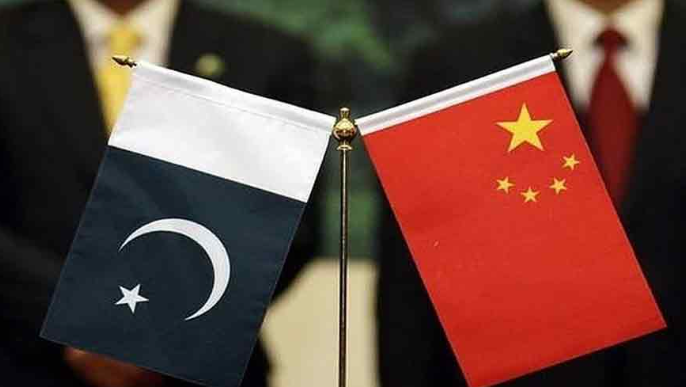
ISLAMABAD — Jiangyin Tianhua Art School in Jiangsu, China, and the China-Pakistan Educational Cultural Institute in Islamabad have formalized a sister-school agreement, further solidifying educational cooperation between the two nations. The agreement was signed recently in Jiangyin, marking a significant step in enhancing bilateral educational and cultural exchanges. What Happened The sister-school agreement between Jiangyin Tianhua Art School and the China-Pakistan Educational Cultural Institute was officially signed in Jiangyin, China. This partnership aims to foster mutual understanding and collaboration in educational and cultural fields. The agreement highlights the commitment of both institutions to promote educational excellence and cultural exchange. Jiangyin Tianhua Art School is renowned for its focus on arts education, offering a diverse curriculum that emphasizes creativity and artistic skills. The China-Pakistan Educational Cultural Institute, based in Islamabad, is dedicated to strengthening educational ties between China and Pakistan through various programs and initiatives. Representatives from both institutions expressed optimism about the collaboration. A spokesperson from Jiangyin Tianhua Art School stated, “This agreement will open new avenues for students and educators to engage in meaningful exchanges, enhancing their educational experiences and cultural understanding.” The partnership is expected to facilitate student and faculty exchanges, joint research projects, and cultural activities that will benefit both institutions. It aligns with the broader objectives of the China-Pakistan Economic Corridor (CPEC) to enhance people-to-people connections and educational cooperation. Background The China-Pakistan educational partnership has been growing steadily over the years, with numerous initiatives aimed at strengthening ties between the two countries. Educational exchanges have been a key component of this relationship, supported by government policies and bilateral agreements. Historically, China and Pakistan have shared a strong diplomatic relationship, with education being a focal point of collaboration. The Belt and Road Initiative (BRI) and CPEC have further emphasized the importance of educational and cultural exchanges as a means to foster mutual understanding and development. Previous agreements have included scholarships for Pakistani students to study in China, joint research initiatives, and cultural exchange programs. These efforts have contributed to a deeper understanding and appreciation of each country’s culture and educational practices. Why It Matters The sister-school agreement between Jiangyin Tianhua Art School and the China-Pakistan Educational Cultural Institute is significant for several reasons. Firstly, it underscores the growing importance of educational collaboration in the broader context of China-Pakistan relations. As both countries continue to strengthen their economic and strategic ties, educational partnerships play a crucial role in fostering mutual understanding and cooperation. This agreement also highlights the value of cultural exchange in promoting peace and understanding between nations. By facilitating student and faculty exchanges, the partnership will allow participants to gain firsthand experience of each other’s cultures, leading to greater empathy and collaboration. Economically, the collaboration supports the objectives of CPEC, which aims to enhance connectivity and development in the region. By investing in education, both countries are laying the groundwork for a skilled workforce that can contribute to the success of CPEC and other bilateral initiatives. For Pakistan, this partnership provides an opportunity to enhance its educational standards by learning from China’s expertise in arts education. It also opens up new opportunities for Pakistani students and educators to engage with their Chinese counterparts, broadening their academic and cultural horizons. Key Takeaways The sister-school agreement between Jiangyin Tianhua Art School and the China-Pakistan Educational Cultural Institute strengthens educational ties between China and Pakistan. This partnership aims to facilitate student and faculty exchanges, joint research projects, and cultural activities. The agreement aligns with the broader objectives of CPEC to enhance people-to-people connections and educational cooperation. Educational collaboration plays a crucial role in fostering mutual understanding and cooperation between China and Pakistan. The partnership provides opportunities for Pakistani students and educators to engage with their Chinese counterparts, enhancing their educational experiences. Source Attribution This article is based on official government statements, press releases, and public communications from relevant authorities. Author: NEN Editorial Desk | Editor: NEN Newsroom | Fact Checked By: NEN Editorial Team Author: NEN Editorial Desk  |  Editor: NEN Newsroom  |  Last Updated: August 18, 2026  |  Source: NEN Reporter This article was produced by the NEN Editorial Desk in accordance with NEN Agency’s Editorial Policy and Fact-Checking Policy.

World

Pakistan’s Budget Transparency Sees 50% Improvement Over Two Years

ISLAMABAD — Pakistan has witnessed a significant improvement in its budget transparency, achieving a 50% increase over the past two years. The country’s score on the Open Budget Survey (OBS) by the International Budget Partnership (IBP) rose from 30 out of 100 in 2023 to 45 in 2025, according to Khurram Schehzad, Advisor to the Finance Minister. What Happened The latest Open Budget Survey, a globally recognized tool that assesses the transparency of government budgets, has highlighted Pakistan’s progress in making its budgetary processes more open and accessible to the public. The survey, which evaluates the availability of budget information, public participation in the budget process, and the strength of oversight institutions, showed that Pakistan’s score improved significantly from 30 to 45 out of 100. This improvement is attributed to efforts by the government to enhance public access to budget documents and increase citizen engagement in fiscal planning. Khurram Schehzad stated, “The increase in our OBS score reflects our commitment to transparency and accountability in financial governance. We have made concerted efforts to ensure that budget documents are not only available but also understandable to the general public.” The government has reportedly implemented several reforms aimed at improving the accessibility of budget information, including the publication of simplified versions of budget documents and the use of digital platforms to disseminate fiscal data. Background The Open Budget Survey is conducted biennially by the International Budget Partnership and covers over 100 countries. It assesses transparency based on the availability of eight key budget documents, the public’s ability to participate in the budget process, and the role of oversight institutions such as the legislature and the supreme audit institution. Pakistan’s previous scores have been relatively low, reflecting challenges in making budgetary information accessible and engaging citizens in financial decision-making processes. Historically, Pakistan has struggled with issues of fiscal transparency, which have been compounded by complex bureaucratic processes and limited public engagement. However, recent policy shifts and international pressure have prompted the government to prioritize transparency as a means of improving governance and building public trust. Why It Matters Improved budget transparency is crucial for Pakistan as it seeks to strengthen its fiscal governance and enhance public trust in government institutions. Transparency in the budget process allows citizens to better understand how public funds are allocated and spent, thereby fostering accountability and reducing opportunities for corruption. This progress also aligns with international standards and can improve Pakistan’s standing with global financial institutions and investors. Economically, greater transparency can lead to more efficient allocation of resources, as it enables stakeholders to scrutinize government spending and advocate for more effective use of funds. Socially, it empowers citizens by providing them with the information needed to hold their government accountable, thus promoting democratic governance. Politically, the improvement in budget transparency can enhance the government’s credibility, both domestically and internationally. It demonstrates a commitment to reform and openness, which can attract foreign investment and aid. For Pakistan, a country that has faced fiscal challenges and external debt pressures, such improvements are vital for sustainable economic growth and development. Key Takeaways Pakistan’s budget transparency score improved from 30 to 45 out of 100 in the latest Open Budget Survey. The improvement reflects efforts to make budget documents more accessible and increase public participation in fiscal processes. Enhanced transparency is expected to foster accountability, reduce corruption, and improve governance. Greater transparency aligns with international standards, potentially boosting Pakistan’s global financial standing. Improved fiscal governance can lead to more efficient resource allocation and increased public trust. Source Attribution This article is based on official government statements, press releases, and public communications from relevant authorities. Author: NEN Editorial Desk | Editor: NEN Newsroom | Fact Checked By: NEN Editorial Team Author: NEN Editorial Desk  |  Editor: NEN Newsroom  |  Last Updated: August 18, 2026  |  Source: NEN Reporter This article was produced by the NEN Editorial Desk in accordance with NEN Agency’s Editorial Policy and Fact-Checking Policy.
Pakistan

Faisalabad Police Rescue Abducted Sisters, Arrest Kidnapper

FAISALABAD — Police in Faisalabad have successfully rescued two sisters who were allegedly abducted, and have apprehended the suspect involved in the kidnapping. The incident took place in the jurisdiction of the Saddar Samundri police station, where law enforcement acted swiftly to ensure the safety of the victims. What Happened According to a police spokesperson, the Saddar Samundri police station received a report about the abduction of two sisters, Ayesha and Gulshan. The sisters were reportedly taken with criminal intent, prompting immediate action from the authorities. Station House Officer (SHO) Muhammad Adnan led the operation to trace the whereabouts of the sisters and apprehend the suspect. The police registered a case and launched a comprehensive search operation. Through coordinated efforts and swift action, the police were able to locate the sisters and ensure their safe recovery. The suspect, whose identity has not been disclosed, was arrested during the operation. The police have stated that further investigations are underway to determine the motive behind the abduction and any additional individuals who may be involved. Direct quotes from the police spokesperson highlight the urgency and effectiveness of the operation. “We acted on the information received and were able to recover the sisters safely,” the spokesperson said. “The suspect is in custody, and we are investigating the matter further.” Background Abductions, particularly of women and children, have been a concern in various parts of Pakistan, including Faisalabad. Law enforcement agencies have been under pressure to respond effectively to such incidents, given their impact on community safety and public trust in the police force. The Saddar Samundri police’s prompt response in this case reflects ongoing efforts to improve policing and community relations. Historically, the region has seen a number of kidnapping cases, often linked to criminal activities such as ransom demands or personal vendettas. The police have been working to implement strategies to prevent such crimes, including increased patrolling, community engagement, and rapid response teams. Why It Matters The successful rescue of the two sisters and the arrest of the kidnapper are significant for several reasons. Firstly, it underscores the effectiveness of the police’s rapid response protocols in dealing with abductions. This case serves as a reassurance to the public that law enforcement can act decisively to protect citizens and maintain safety. Economically, such incidents can have a detrimental impact on the community, affecting local businesses and the overall sense of security. By addressing these crimes swiftly, the police help to stabilize the environment, encouraging economic activity and community cohesion. Socially, the incident highlights the vulnerabilities faced by women and children in Pakistan. It brings attention to the need for continued efforts to safeguard these groups, including public awareness campaigns and stronger legal protections. The police’s action in this case may also encourage other victims to come forward, knowing that their cases will be taken seriously and addressed promptly. Politically, the incident places a spotlight on the government’s commitment to law and order. Effective policing is crucial for the government’s credibility, and successful operations like this one can bolster public confidence in state institutions. Key Takeaways Faisalabad police successfully rescued two abducted sisters and arrested the suspect. The operation was led by SHO Muhammad Adnan of the Saddar Samundri police station. The case highlights ongoing concerns about the safety of women and children in Pakistan. Swift police action in such cases is vital for maintaining public trust and safety. The incident underscores the importance of effective law enforcement in community stability. Source Attribution This article is based on official government statements, press releases, and public communications from relevant authorities. Author: NEN Editorial Desk | Editor: NEN Newsroom | Fact Checked By: NEN Editorial Team Author: NEN Editorial Desk  |  Editor: NEN Newsroom  |  Last Updated: August 17, 2026  |  Source: NEN Reporter This article was produced by the NEN Editorial Desk in accordance with NEN Agency’s Editorial Policy and Fact-Checking Policy.
World

Pakistan Takes Helm of UN Disarmament Conference in Geneva

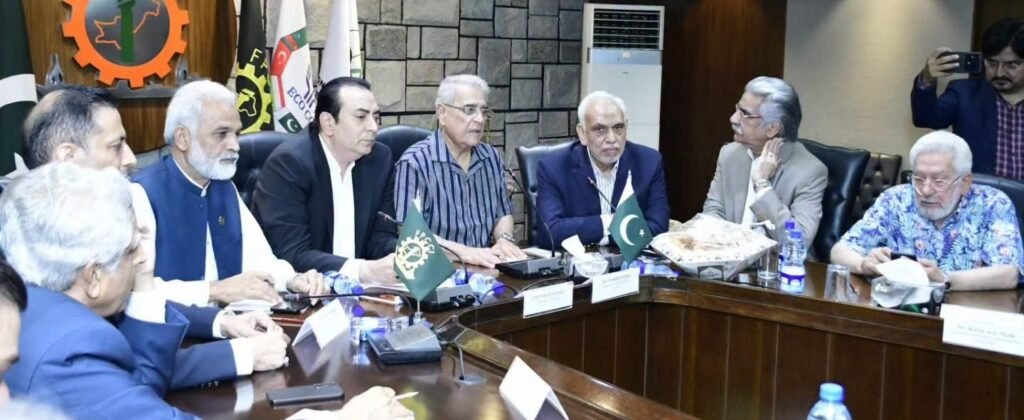
ISLAMABAD — Pakistan has taken over the presidency of the United Nations Conference on Disarmament (CD) in Geneva, a pivotal role in international arms control discussions. Ambassador Tahir Hussain Andrabi, who serves as the Additional Secretary for Arms Control and Disarmament, is representing Pakistan in this capacity, presiding over the conference’s sessions. What Happened On Monday, Pakistan assumed the presidency of the UN Conference on Disarmament, marking a significant moment in its diplomatic engagements on the global stage. Ambassador Tahir Hussain Andrabi is leading the conference’s proceedings, which are crucial for addressing international security and disarmament issues. The conference, which convenes in Geneva, is the sole multilateral disarmament negotiating forum of the international community. It has a long-standing mandate to negotiate arms control and disarmament agreements. In his opening remarks, Ambassador Andrabi emphasized the importance of the conference in fostering international peace and security. He stated, “The Conference on Disarmament plays an essential role in the global efforts to promote disarmament and arms control. Pakistan is committed to contributing constructively to the work of the conference.” The presidency will allow Pakistan to steer discussions and negotiations on critical issues such as nuclear disarmament, prevention of an arms race in outer space, and negative security assurances. Pakistan’s presidency comes at a time when the international community is grappling with various security challenges, including the proliferation of weapons of mass destruction and regional conflicts. The conference provides a platform for member states to engage in dialogue and seek consensus on measures to enhance global security. Background The United Nations Conference on Disarmament was established in 1979 as a result of the first special session of the UN General Assembly devoted to disarmament. It is a successor to various disarmament bodies that have existed since the early 1960s. The conference has a rotating presidency, with each member state taking turns to lead the sessions. Pakistan’s presidency is part of this rotation and is the final presidency for the current cycle. Historically, the conference has been instrumental in negotiating major disarmament agreements, including the Treaty on the Non-Proliferation of Nuclear Weapons (NPT) and the Comprehensive Nuclear-Test-Ban Treaty (CTBT). However, in recent years, the conference has faced challenges due to differing priorities among member states, leading to a stalemate in negotiations. Why It Matters Pakistan’s leadership role in the UN Conference on Disarmament is significant for several reasons. Firstly, it underscores Pakistan’s active participation in international disarmament efforts and its commitment to global security. As a nuclear-armed state, Pakistan’s involvement in disarmament discussions is crucial for regional stability in South Asia, where tensions with neighboring India persist. Economically, Pakistan’s presidency could enhance its diplomatic standing, potentially attracting international support and cooperation in other areas, such as trade and development. The role also provides Pakistan with an opportunity to influence the international disarmament agenda, advocating for issues pertinent to its national security interests, such as the prevention of an arms race in outer space. On a broader scale, the conference’s outcomes could impact global arms control policies, affecting international relations and security dynamics. Successful negotiations could lead to new treaties or agreements that strengthen global non-proliferation regimes and reduce the risk of armed conflict. Key Takeaways Pakistan has assumed the presidency of the UN Conference on Disarmament in Geneva. Ambassador Tahir Hussain Andrabi is leading the conference sessions. The conference addresses critical issues like nuclear disarmament and arms control. Pakistan’s presidency highlights its commitment to international security efforts. The role provides an opportunity to influence global disarmament policies. Source Attribution This article is based on official government statements, press releases, and public communications from relevant authorities. Author: NEN Editorial Desk | Editor: NEN Newsroom | Fact Checked By: NEN Editorial Team Author: NEN Editorial Desk  |  Editor: NEN Newsroom  |  Last Updated: August 17, 2026  |  Source: Press Release from Government of Pakistan This article was produced by the NEN Editorial Desk in accordance with NEN Agency’s Editorial Policy and Fact-Checking Policy.
Pakistan

ICCI Delegation Congratulates FPCCI President on National Honour

ISLAMABAD — The Acting President of the Islamabad Chamber of Commerce and Industry (ICCI), Irfan Chaudhry, led a delegation of business leaders to congratulate Atif Ikram Sheikh, President of the Federation of Pakistan Chambers of Commerce and Industry (FPCCI), on his nomination for the Tamgha-e-Imtiaz. The meeting took place in Islamabad, highlighting the significance of this national honour for Pakistan’s business community. What Happened The delegation, comprising prominent traders and industrialists, gathered to celebrate Atif Ikram Sheikh’s nomination for the Tamgha-e-Imtiaz, one of Pakistan’s highest civilian awards. During the gathering, Sheikh expressed his gratitude, stating, “This nomination is not just a personal achievement but a recognition of the efforts and contributions of Pakistan’s entire business community.” The event underscored the unity and solidarity among business leaders in Pakistan, as they rallied to support one of their own. Irfan Chaudhry, leading the ICCI delegation, emphasized the importance of such recognitions in boosting the morale of the business sector. He remarked, “Atif Ikram Sheikh’s nomination is a testament to the hard work and dedication of our business leaders who continue to drive Pakistan’s economic growth.” The event served as a platform for discussing future initiatives and strategies to further enhance the role of the business community in national development. Background The Tamgha-e-Imtiaz is awarded to individuals who have made significant contributions in various fields, including public service, literature, arts, sports, and business. It is a symbol of excellence and national pride. Atif Ikram Sheikh’s nomination for this prestigious award is a reflection of his leadership and the positive impact he has had on Pakistan’s business landscape. The FPCCI, under Sheikh’s leadership, has been instrumental in advocating for business-friendly policies and facilitating trade and industry growth. The organization represents the interests of businesses across Pakistan and plays a crucial role in shaping economic policies. Sheikh’s nomination is seen as a recognition of the FPCCI’s efforts to promote economic development and foster a conducive environment for business operations. Why It Matters The nomination of Atif Ikram Sheikh for the Tamgha-e-Imtiaz holds significant implications for Pakistan’s business community. It highlights the critical role that business leaders play in driving economic growth and development. Such recognitions can inspire other business leaders to strive for excellence and contribute positively to the country’s economy. Economically, the award can enhance the credibility and reputation of Pakistan’s business sector on an international level. It signals to foreign investors and partners that Pakistan values and rewards business excellence, potentially attracting more investment into the country. This can lead to job creation, increased exports, and overall economic prosperity. Socially, the recognition of business leaders like Sheikh can foster a sense of pride and motivation among entrepreneurs and business professionals. It can encourage innovation and entrepreneurship, which are vital for economic diversification and resilience. Politically, such awards can strengthen the relationship between the government and the business community, facilitating dialogue and collaboration on policy matters. Key Takeaways ICCI Acting President Irfan Chaudhry led a delegation to congratulate FPCCI President Atif Ikram Sheikh on his Tamgha-e-Imtiaz nomination. The nomination is seen as a recognition of the contributions of Pakistan’s entire business community. The Tamgha-e-Imtiaz is one of Pakistan’s highest civilian awards, symbolizing excellence and national pride. Sheikh’s leadership in the FPCCI has been pivotal in advocating for business-friendly policies. The award can enhance Pakistan’s business sector’s credibility and attract foreign investment. Source Attribution This article is based on official statements and public communications from the Islamabad Chamber of Commerce and Industry and the Federation of Pakistan Chambers of Commerce and Industry. Author: NEN Editorial Desk | Editor: NEN Newsroom | Fact Checked By: NEN Editorial Team Author: NEN Editorial Desk  |  Editor: NEN Newsroom  |  Last Updated: August 17, 2026  |  Source: Press Release from Government of Pakistan This article was produced by the NEN Editorial Desk in accordance with NEN Agency’s Editorial Policy and Fact-Checking Policy.

Pakistan

FBR Recognizes Officers Nominated For National Civil Awards

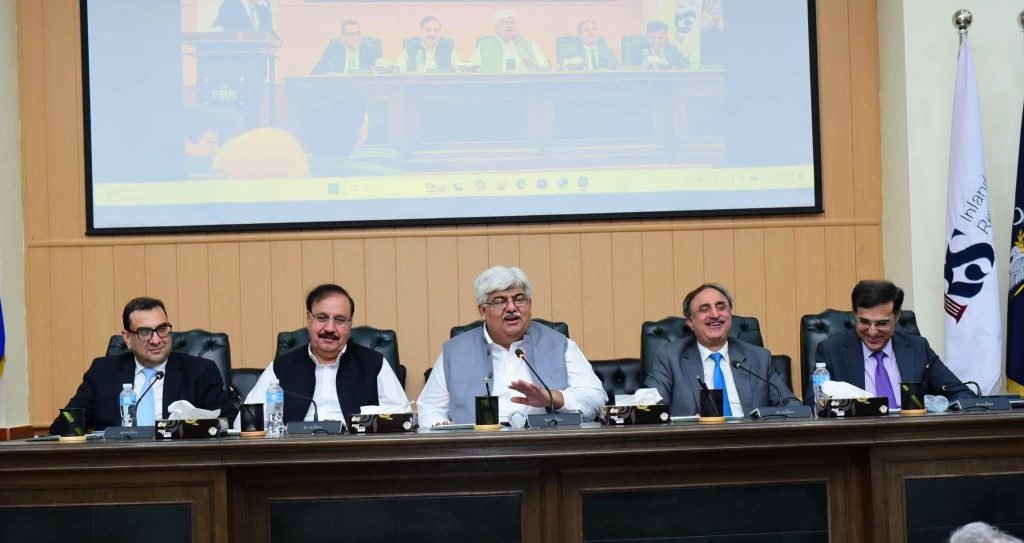
ISLAMABAD — The Federal Board of Revenue (FBR) conducted a ceremony on Monday at its headquarters to honor officers nominated for national civil awards, acknowledging their exceptional contributions to public service and literature. What Happened The ceremony, held at the FBR headquarters in Islamabad, was organized to celebrate the achievements of officers who have been nominated for the prestigious national civil awards. These awards recognize individuals who have demonstrated excellence in various fields, including public service and literature. The event was attended by senior FBR officials, colleagues, and family members of the nominees, creating an atmosphere of pride and celebration. During the ceremony, FBR Chairman Asim Ahmad commended the officers for their dedication and hard work. He stated, “The officers being honored today have set a benchmark for excellence in public service. Their contributions have significantly enhanced the efficiency and effectiveness of the FBR.” The chairman also highlighted the importance of acknowledging the efforts of individuals who go above and beyond in their duties, emphasizing that such recognition serves as motivation for others within the organization. The officers nominated for the awards have played pivotal roles in various initiatives aimed at improving tax collection processes, enhancing transparency, and fostering a culture of accountability within the FBR. Their efforts have not only contributed to the organization’s goals but have also had a positive impact on the country’s economic framework. Background The national civil awards are among the highest honors bestowed by the Government of Pakistan, recognizing individuals who have made significant contributions to the country in various domains. These awards are announced annually on Pakistan’s Independence Day, with the investiture ceremony taking place on Pakistan Day, March 23. The awards include categories such as Sitara-i-Imtiaz, Tamgha-i-Imtiaz, and Pride of Performance, among others. The FBR, as Pakistan’s premier tax authority, plays a crucial role in the country’s economic development by implementing tax policies and ensuring compliance. Over the years, the FBR has undertaken numerous reforms to enhance its operational efficiency and increase revenue collection, which are critical for the nation’s fiscal health. Why It Matters The recognition of FBR officers nominated for national civil awards underscores the importance of public service excellence in Pakistan. By honoring these individuals, the FBR not only acknowledges their contributions but also sets a standard for others within the organization to aspire to. This recognition is vital in fostering a culture of meritocracy and motivation among public servants, which is essential for the effective functioning of government institutions. Economically, the FBR’s efforts to improve tax collection and compliance have a direct impact on Pakistan’s fiscal stability. Efficient tax administration is crucial for generating the revenue needed to fund public services and infrastructure projects, which are vital for the country’s development. The achievements of the nominated officers contribute to these broader economic goals by enhancing the FBR’s capacity to meet its targets. Socially, the recognition of public servants who excel in their roles can inspire a new generation of professionals to pursue careers in public service. It highlights the value of dedication and integrity in government roles, encouraging more individuals to contribute positively to the nation’s progress. Key Takeaways The FBR held a ceremony to honor officers nominated for national civil awards. The awards recognize contributions in public service and literature. FBR Chairman Asim Ahmad praised the officers for their dedication and impact. The national civil awards are among Pakistan’s highest honors for individual achievements. Recognizing public service excellence is crucial for fostering motivation and meritocracy. Source Attribution This article is based on official government statements, press releases, and public communications from relevant authorities. Author: NEN Editorial Desk | Editor: NEN Newsroom | Fact Checked By: NEN Editorial Team Author: NEN Editorial Desk  |  Editor: NEN Newsroom  |  Last Updated: August 17, 2026  |  Source: NEN Reporter This article was produced by the NEN Editorial Desk in accordance with NEN Agency’s Editorial Policy and Fact-Checking Policy.

Scroll to Top