

2026

Pakistan

MNA Babar Nawaz Khan Advocates For Creation Of Hazara Province

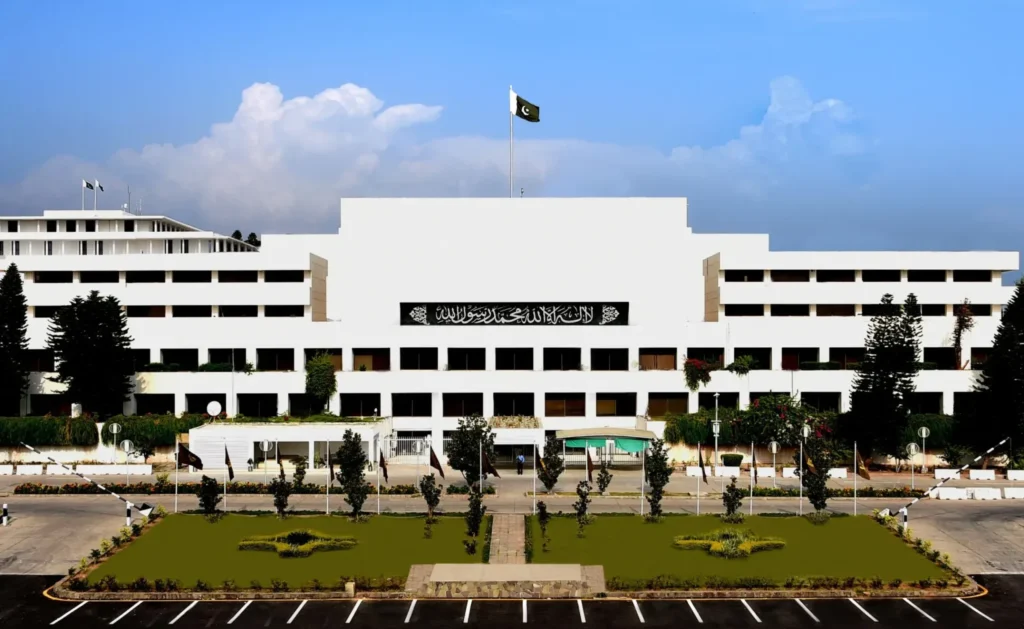
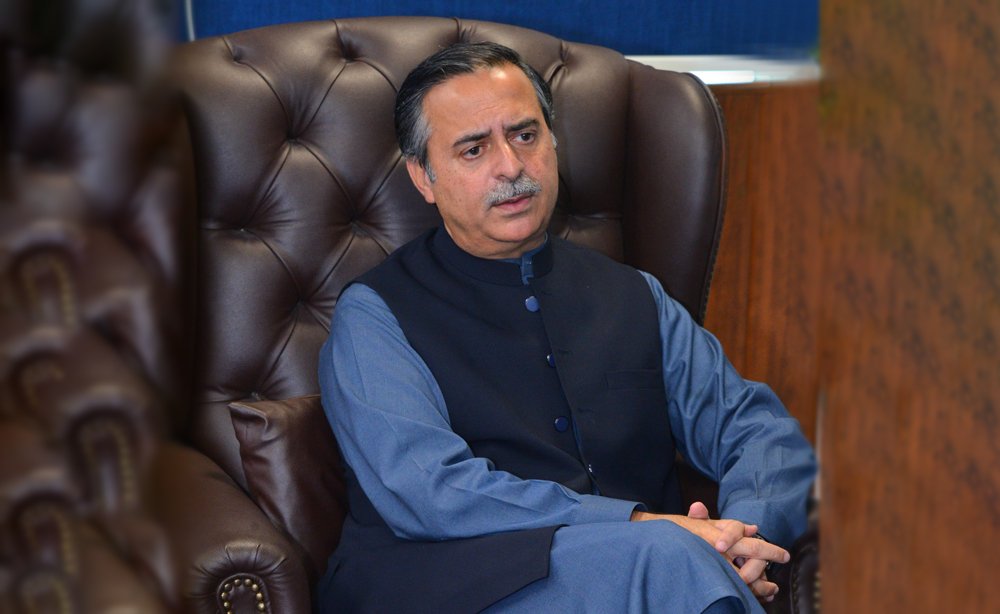
ISLAMABAD — Member of the National Assembly (MNA) from Pakistan Muslim League-Nawaz (PML-N), Babar Nawaz Khan, has underscored the need for establishing Hazara province, asserting that there is a consensus among all political parties on this matter. Speaking to the media outside the parliament house on Monday, Khan emphasized that there are no significant obstacles hindering the creation of the new province. What Happened During a media interaction in Islamabad, MNA Babar Nawaz Khan reiterated his commitment to the formation of Hazara province. He stated that the political consensus across party lines has paved the way for this administrative change. Khan expressed confidence that the establishment of Hazara as a separate province would lead to accelerated development and better governance in the region. Khan highlighted that the demand for a separate province has been a long-standing issue for the people of Hazara. He noted, “All political parties have agreed on the necessity of creating Hazara province, and there is no hindrance in its way.” According to him, the creation of the province is crucial for addressing the unique administrative and developmental needs of the Hazara region. The MNA also pointed out that the current administrative setup does not adequately address the challenges faced by the people of Hazara. He argued that a new provincial framework would allow for more focused development projects and efficient allocation of resources, ultimately benefiting the local population. Background The demand for Hazara province dates back to the early 1980s, when residents of the region began advocating for administrative separation from Khyber Pakhtunkhwa (KPK). The movement gained momentum in 2010 following the renaming of the North-West Frontier Province to Khyber Pakhtunkhwa, which led to widespread protests in Hazara. The protesters argued that the new name did not reflect the identity and cultural heritage of the Hazara people. Since then, the movement has seen varying levels of support from different political entities. The Pakistan Muslim League-Nawaz (PML-N) has historically been a proponent of creating new provinces, including Hazara, as part of its broader strategy to ensure equitable development across Pakistan. Why It Matters The creation of Hazara province holds significant implications for the political and administrative landscape of Pakistan. Economically, a new province could lead to more targeted investments in infrastructure, education, and healthcare, tailored specifically to the needs of the Hazara region. This could result in improved living standards and economic opportunities for its residents. Politically, the establishment of Hazara province would require constitutional amendments, which necessitates a two-thirds majority in both houses of Parliament. This process would test the political will and unity among parties, potentially setting a precedent for other regions with similar demands. Socially, the move could address long-standing grievances related to identity and representation. The people of Hazara have often felt marginalized within the larger Khyber Pakhtunkhwa province. A separate province could provide them with a stronger voice and greater control over their affairs. Internationally, the creation of a new province could enhance Pakistan’s image as a country willing to address regional disparities and promote inclusive governance. It may also attract international attention and support for developmental initiatives in the newly formed province. Key Takeaways MNA Babar Nawaz Khan advocates for the creation of Hazara province, citing political consensus. The demand for a separate province stems from historical grievances and identity issues. Establishing Hazara province could lead to targeted economic development and improved governance. The move requires constitutional amendments, testing political unity in Parliament. Creating a new province could enhance Pakistan’s international image regarding regional equity. Source Attribution This article is based on official government statements, press releases, and public communications from relevant authorities. Author: NEN Editorial Desk | Editor: NEN Newsroom | Fact Checked By: NEN Editorial Team Author: NEN Editorial Desk  |  Editor: NEN Newsroom  |  Last Updated: August 17, 2026  |  Source: NEN Reporter This article was produced by the NEN Editorial Desk in accordance with NEN Agency’s Editorial Policy and Fact-Checking Policy.

Pakistan

National Assembly Session Extended Until August 28

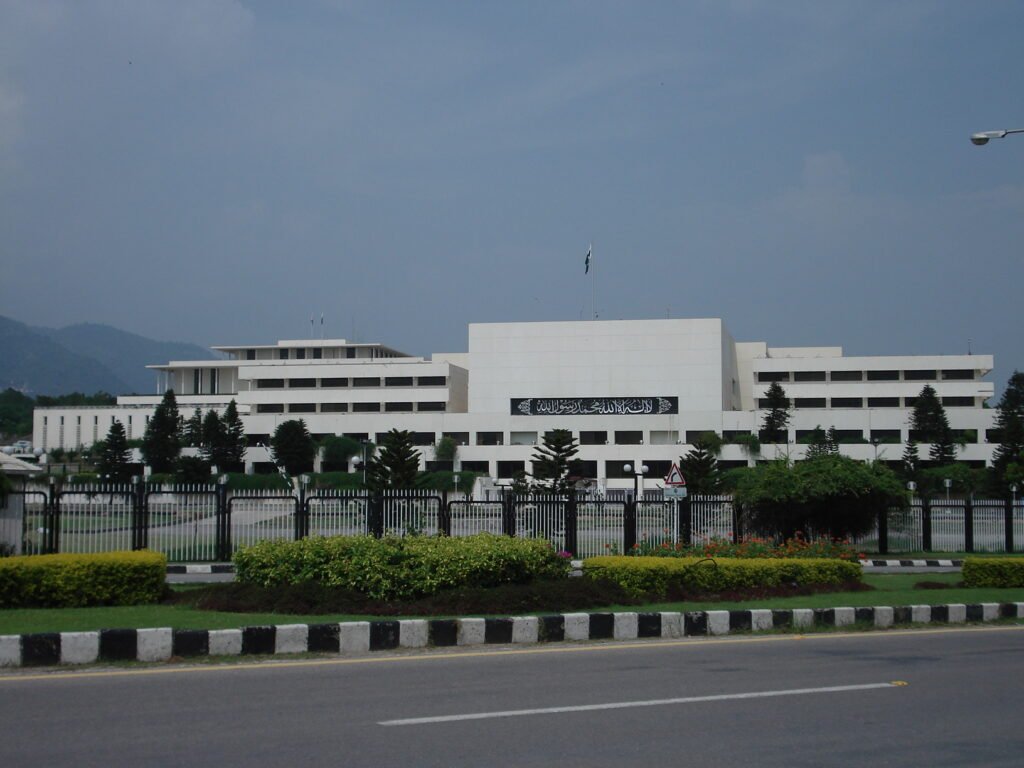
ISLAMABAD — The National Assembly of Pakistan has extended its current session until August 28, following a decision by the House Business Advisory Committee. The meeting, chaired by Speaker Sardar Ayaz Sadiq, took place at the Parliament House on Monday, where the agenda and duration of the 29th session were discussed. What Happened The House Business Advisory Committee convened to deliberate on the ongoing 29th session of the National Assembly, ultimately deciding to extend the session until August 28. This decision was made to ensure that all pending legislative business could be addressed effectively. Speaker Sardar Ayaz Sadiq presided over the meeting, which included discussions on various legislative matters that require the assembly’s attention. The extension of the session reflects the assembly’s commitment to addressing critical legislative issues. The decision comes at a time when several important bills are pending, and the extended timeframe is expected to provide lawmakers with sufficient opportunity to debate and pass necessary legislation. The committee emphasized the importance of utilizing the extended session to focus on key national issues and ensure that the legislative process is not hindered by time constraints. During the meeting, members of the committee also reviewed the agenda for the remaining days of the session. They highlighted the need for comprehensive discussions on pressing national matters, including economic policies, social welfare programs, and security concerns. The committee’s decision to extend the session underscores the assembly’s dedication to fulfilling its legislative duties and addressing the needs of the nation. Background The National Assembly of Pakistan, as the lower house of the country’s bicameral parliament, plays a crucial role in the legislative process. It is responsible for debating and passing laws, as well as overseeing the implementation of government policies. The assembly’s sessions are typically scheduled to address a wide range of legislative and policy issues, with the House Business Advisory Committee playing a key role in determining the agenda and duration of each session. Historically, the National Assembly has faced challenges in managing its legislative workload, often necessitating the extension of sessions to ensure that important bills are not left pending. The current session is the 29th since the assembly’s formation, and its extension reflects the ongoing efforts to address the legislative backlog and ensure that critical issues are given due consideration. Why It Matters The extension of the National Assembly session until August 28 holds significant implications for Pakistan’s legislative process and governance. By providing additional time for lawmakers to address pending bills, the extension ensures that the legislative process is thorough and comprehensive. This is particularly important given the range of critical issues currently facing the nation, including economic challenges, social welfare concerns, and security threats. Economically, the extended session allows for more detailed discussions on policies aimed at stabilizing the economy and promoting growth. Lawmakers can engage in debates on fiscal policies, trade agreements, and initiatives to attract foreign investment, all of which are crucial for Pakistan’s economic recovery and development. Socially, the extension provides an opportunity to address pressing issues related to education, healthcare, and social welfare. With additional time, the assembly can focus on formulating policies that enhance the quality of life for citizens, particularly in areas such as poverty alleviation, healthcare access, and educational reforms. Politically, the extended session demonstrates the assembly’s commitment to fulfilling its legislative responsibilities and maintaining transparency in the governance process. It allows for greater scrutiny of government actions and policies, ensuring that the executive branch is held accountable to the public. Key Takeaways The National Assembly session has been extended until August 28 to address pending legislative business. The House Business Advisory Committee made the decision, chaired by Speaker Sardar Ayaz Sadiq. The extension provides additional time for lawmakers to debate and pass important bills. Economic, social, and political issues are expected to be a focus during the extended session. The decision underscores the assembly’s commitment to fulfilling its legislative duties. Source Attribution This article is based on official government statements, press releases, and public communications from relevant authorities. Author: NEN Editorial Desk | Editor: NEN Newsroom | Fact Checked By: NEN Editorial Team Author: NEN Editorial Desk  |  Editor: NEN Newsroom  |  Last Updated: August 17, 2026  |  Source: NEN Reporter This article was produced by the NEN Editorial Desk in accordance with NEN Agency’s Editorial Policy and Fact-Checking Policy.

World

RPO Calls on Youth to Drive Pakistan Towards Peace and Prosperity

FAISALABAD — Regional Police Officer (RPO) Sohail Akhtar Sukhera has urged the youth of Pakistan to harness their potential to lead the nation towards peace and prosperity. Speaking at a special Azadi function at Aspire College Khurarianwala on August 17, Sukhera emphasized the importance of youth engagement in national development. What Happened During the event, RPO Sohail Akhtar Sukhera addressed a gathering of students and faculty, highlighting the critical role that young people play in shaping the future of Pakistan. He encouraged them to utilize their knowledge, skills, and positive attitudes to contribute to the country’s progress. Sukhera stated, “The youth are the backbone of any nation. Their energy and innovative ideas are crucial for driving change and fostering a peaceful society.” The function, organized as part of the Azadi celebrations, aimed to inspire students to actively participate in nation-building activities. Sukhera’s speech was met with enthusiasm from the audience, who expressed their commitment to playing a proactive role in societal development. Sukhera also spoke about the importance of education and moral values, urging students to focus on their studies and personal development. He noted that a well-educated and morally upright youth is essential for the country’s advancement. “Education is the key to success,” he remarked, “and with the right values, our youth can lead Pakistan towards a brighter future.” Background The call for youth involvement in national development is not new in Pakistan. Historically, young people have been at the forefront of various movements and initiatives aimed at improving the country’s socio-economic conditions. The government and various organizations have consistently emphasized the need to empower the youth through education and skill development programs. Pakistan’s youth population, which constitutes a significant portion of the country’s demographic, has the potential to drive economic growth and social change. However, challenges such as unemployment, lack of access to quality education, and limited opportunities for skill development continue to hinder their progress. Why It Matters The emphasis on youth participation in national development is crucial for Pakistan’s future. With over 60% of the population under the age of 30, the country’s young people represent a vast reservoir of potential that, if properly harnessed, can lead to significant economic and social advancements. Economically, engaging the youth in productive activities can help reduce unemployment rates and stimulate economic growth. By equipping young people with the necessary skills and education, Pakistan can enhance its workforce’s competitiveness in the global market. This, in turn, can attract foreign investment and boost the country’s economic standing. Socially, empowering the youth can lead to a more peaceful and cohesive society. Young people, when engaged in constructive activities, are less likely to be drawn towards negative influences such as crime and extremism. By fostering a sense of responsibility and civic duty, the youth can contribute to building a more stable and harmonious society. Politically, a well-informed and active youth population can strengthen democratic processes. By participating in civic activities and exercising their voting rights, young people can influence policy decisions and hold leaders accountable, ensuring that governance reflects the aspirations of the younger generation. Key Takeaways RPO Sohail Akhtar Sukhera urged youth to lead Pakistan towards peace and prosperity. The event was part of Azadi celebrations at Aspire College Khurarianwala. Youth engagement is crucial for Pakistan’s economic, social, and political development. Education and moral values were highlighted as essential for youth empowerment. Pakistan’s large youth population represents a significant potential for national progress. Source Attribution This article is based on official statements and public communications from relevant authorities. Author: NEN Editorial Desk | Editor: NEN Newsroom | Fact Checked By: NEN Editorial Team Author: NEN Editorial Desk  |  Editor: NEN Newsroom  |  Last Updated: August 17, 2026  |  Source: NEN Reporter This article was produced by the NEN Editorial Desk in accordance with NEN Agency’s Editorial Policy and Fact-Checking Policy.

Pakistan

OGRA Introduces Digital System for Real-Time Petroleum Stock Data

ISLAMABAD — The Oil and Gas Regulatory Authority (OGRA) is advancing its digital capabilities by developing a comprehensive platform to directly acquire petroleum stock data from oil marketing companies (OMCs) and refineries. This initiative, announced recently, aims to enhance transparency and efficiency in Pakistan’s oil supply chain. What Happened OGRA is in the process of establishing a digital oil supply-chain platform designed to seamlessly integrate with the Enterprise Resource Planning (ERP) systems of OMCs and refineries. The platform will utilize Automatic Tank Gauging (ATG) sensors to provide real-time stock positions. This technological upgrade is expected to streamline data collection processes, ensuring that OGRA receives accurate and timely information directly from the source. According to OGRA officials, the new system will significantly reduce the reliance on manual data reporting, which is often prone to errors and delays. The integration with ERP systems will allow for automated data transfer, thus minimizing human intervention and enhancing data accuracy. “This initiative is a step forward in modernizing our regulatory framework and ensuring that we have real-time access to critical data,” an OGRA spokesperson stated. The development of this digital platform is part of OGRA’s broader strategy to improve regulatory oversight and operational efficiency in the oil and gas sector. By leveraging technology, OGRA aims to address longstanding issues related to data discrepancies and improve decision-making processes. Background OGRA, established in 2002, is responsible for regulating the midstream and downstream oil and gas industry in Pakistan. Over the years, the authority has faced challenges in obtaining timely and accurate data from OMCs and refineries, which has impacted its ability to effectively monitor and regulate the sector. The introduction of a digital system is seen as a response to these challenges, aligning with global best practices in regulatory oversight. Historically, the oil and gas sector in Pakistan has been marred by inefficiencies and a lack of transparency. Issues such as fuel shortages and discrepancies in stock reporting have often been attributed to outdated data collection methods. The new digital platform is expected to mitigate these issues by providing OGRA with a direct line of sight into the operations of OMCs and refineries. Why It Matters The implementation of OGRA’s digital system holds significant implications for Pakistan’s energy sector. Economically, the initiative promises to enhance the efficiency of the oil supply chain, potentially reducing costs associated with manual data handling and error rectification. This could translate into more stable fuel prices for consumers, as better data management leads to improved supply chain predictability. Socially, the move towards a digital system reflects a broader trend of digital transformation within Pakistan’s regulatory bodies. By adopting modern technologies, OGRA is setting a precedent for other sectors to follow, fostering a culture of innovation and efficiency across the board. This shift is particularly important in a country where digital infrastructure is still developing, and such advancements can drive further technological adoption. Politically, the initiative enhances OGRA’s credibility and authority as a regulator. By ensuring that data is accurate and timely, OGRA can make more informed decisions, thus improving its regulatory effectiveness. This can lead to increased investor confidence in Pakistan’s oil and gas sector, potentially attracting more foreign investment. Key Takeaways OGRA is developing a digital platform to obtain real-time petroleum stock data from OMCs and refineries. The system will integrate with ERP systems and use ATG sensors for accurate data collection. This initiative aims to improve transparency and efficiency in the oil supply chain. The digital system aligns with global best practices and addresses longstanding data discrepancies. The move is expected to have positive economic, social, and political impacts on Pakistan’s energy sector. Source Attribution This article is based on official government statements and public communications from relevant authorities. Author: NEN Editorial Desk | Editor: NEN Newsroom | Fact Checked By: NEN Editorial Team Author: NEN Editorial Desk  |  Editor: NEN Newsroom  |  Last Updated: August 17, 2026  |  Source: NEN Reporter This article was produced by the NEN Editorial Desk in accordance with NEN Agency’s Editorial Policy and Fact-Checking Policy.
World

Faisalabad Development Authority Celebrates Independence Day with Sports Complex Event

FAISALABAD — The Faisalabad Development Authority (FDA) marked Independence Day with a vibrant ceremony at the Sports Complex in FDA City on August 15. The event, aimed at celebrating the nation’s independence, was attended by a large number of officials, staff, and their families. What Happened The ceremony, held at the Sports Complex FDA City, was organized by the Faisalabad Development Authority as part of the Independence Day celebrations. Director General FDA Muhammad Asif Chaudhary served as the chief guest for the occasion. The event featured a variety of activities, including a cake-cutting ceremony, performances of patriotic songs, and exciting Independence Cup basketball matches between girls’ and boys’ teams. Additional Director General FDA Qaiser Abbas Rind, Chief Engineer Mehr Ayub, Directors Asma Mohsin, Junaid Hassan Manj, Yasir Ijaz Chattha, Sohail Maqsood Pannu, Asim Mahmood, and Afnan Saeed Sindhu were among the notable attendees. Deputy Directors Talha Tabassum, Raheel Zafar, and Muhammad Imran, along with Sports Complex Manager Rizwana Kamal and Assistant Manager Tariq Nazir, also participated in the event. The ceremony was well-attended by other officers, staff members, and their families. During the event, Director General Muhammad Asif Chaudhary distributed prizes to the winning teams and players who exhibited outstanding performances in the basketball matches. The ceremony concluded with a special prayer for the progress, stability, peace, security, and prosperity of Pakistan. Background The Independence Day celebrations are an annual tradition in Pakistan, commemorating the country’s independence from British rule on August 14, 1947. The Faisalabad Development Authority, established to oversee the development and planning of Faisalabad, often engages in community events to foster civic pride and national unity. The FDA’s involvement in such celebrations highlights its role in promoting cultural and social activities within the city. The Sports Complex FDA City, where the event was held, is a key facility under the FDA’s management, providing residents with recreational and sports opportunities. Events like the Independence Day celebration are part of the FDA’s broader efforts to enhance community engagement and promote healthy lifestyles through sports and recreational activities. Why It Matters The Independence Day celebrations organized by the Faisalabad Development Authority hold significant importance for the local community and the nation as a whole. Such events foster a sense of unity and patriotism among citizens, reinforcing the values of independence and national pride. By engaging the community in cultural and sports activities, the FDA contributes to the social fabric of Faisalabad, promoting inclusivity and community spirit. Economically, events like these can have a positive impact by boosting local businesses and vendors who participate in or supply goods for the celebrations. Socially, they provide a platform for community members to come together, strengthen bonds, and celebrate their shared heritage. Politically, such events underscore the government’s commitment to fostering national unity and pride, which are crucial for maintaining social cohesion and stability. On an international level, the celebration of national holidays like Independence Day showcases Pakistan’s rich cultural heritage and its commitment to peace and prosperity. It sends a message of resilience and unity to the global community, highlighting the country’s progress and aspirations. Key Takeaways The Faisalabad Development Authority organized an Independence Day ceremony at the Sports Complex FDA City. The event featured a cake-cutting ceremony, patriotic songs, and basketball matches. Director General FDA Muhammad Asif Chaudhary distributed prizes to outstanding players. The ceremony concluded with a special prayer for Pakistan’s progress and prosperity. The event underscores the FDA’s role in promoting community engagement and national unity. Source Attribution This article is based on official government statements, press releases, and public communications from relevant authorities. Author: NEN Editorial Desk | Editor: NEN Newsroom | Fact Checked By: NEN Editorial Team Author: NEN Editorial Desk  |  Editor: NEN Newsroom  |  Last Updated: August 17, 2026  |  Source: NEN Reporter This article was produced by the NEN Editorial Desk in accordance with NEN Agency’s Editorial Policy and Fact-Checking Policy.
World

King Abdullah II of Jordan to Embark on State Visit to China

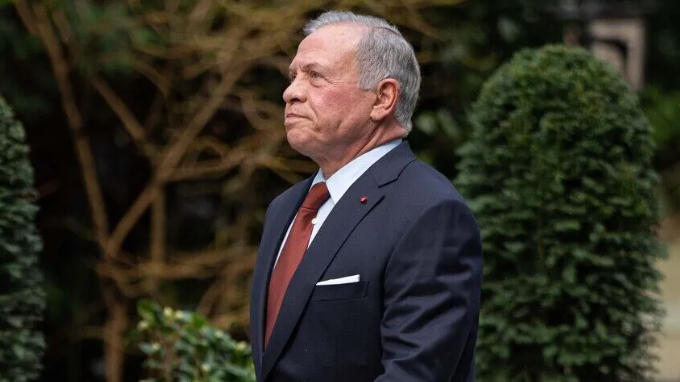
AMMAN — King Abdullah II of Jordan is set to undertake a state visit to China from August 18 to 24, following an invitation from Chinese President Xi Jinping, according to a statement by a spokesperson for the Chinese Foreign Ministry. What Happened King Abdullah II’s upcoming visit to China marks a significant diplomatic engagement between Jordan and China. The visit, scheduled from August 18 to 24, comes at the behest of Chinese President Xi Jinping, as confirmed by the Chinese Foreign Ministry. This visit is expected to strengthen bilateral relations and enhance cooperation in various sectors. The Jordanian monarch’s itinerary includes meetings with Chinese officials and discussions on a range of topics including trade, investment, and regional security. The visit underscores the ongoing efforts by both nations to deepen their strategic partnership. A spokesperson for the Chinese Foreign Ministry emphasized the importance of this visit in fostering mutual understanding and collaboration. “King Abdullah’s visit will further consolidate the traditional friendship between China and Jordan,” the spokesperson stated. During the visit, King Abdullah is expected to engage in talks aimed at expanding economic ties and exploring new avenues for collaboration. The discussions will likely cover China’s Belt and Road Initiative (BRI), a global development strategy that Jordan is keen to be a part of, given its strategic location in the Middle East. Background Jordan and China have enjoyed diplomatic relations since 1977, with both countries working closely on various international platforms. Over the years, China has emerged as a significant economic partner for Jordan, with trade volumes between the two nations steadily increasing. In recent years, China has invested in several infrastructure projects in Jordan, contributing to the country’s development goals. The Belt and Road Initiative, launched by China in 2013, aims to enhance global trade routes and infrastructure. Jordan’s strategic position in the Middle East makes it a potential hub for the initiative, providing opportunities for increased connectivity and economic growth. Historically, Jordan has maintained a balanced foreign policy, fostering relationships with both Western and Eastern powers. The upcoming visit by King Abdullah II is seen as a continuation of this approach, seeking to bolster ties with China while maintaining strong relations with Western allies. Why It Matters The state visit by King Abdullah II to China holds significant implications for both countries. For Jordan, strengthening ties with China presents opportunities for economic growth and diversification. China’s investments in infrastructure and technology can support Jordan’s development objectives, particularly in energy, transport, and digital sectors. For China, enhancing its relationship with Jordan aligns with its broader strategy of expanding influence in the Middle East. As part of the Belt and Road Initiative, Jordan could serve as a strategic partner in facilitating trade and connectivity across the region. This partnership can also provide China with a foothold in a geopolitically sensitive area, offering potential leverage in regional affairs. On the international stage, the visit underscores the shifting dynamics of global alliances. As countries like Jordan engage more with China, it reflects a broader trend of diversifying foreign relations beyond traditional Western partnerships. This can have implications for regional stability and economic development, influencing how countries in the Middle East navigate their diplomatic and economic strategies. Key Takeaways King Abdullah II of Jordan will visit China from August 18 to 24, invited by President Xi Jinping. The visit aims to strengthen bilateral ties and explore economic cooperation, particularly in the context of the Belt and Road Initiative. Jordan and China have maintained diplomatic relations since 1977, with growing trade and investment links. The visit highlights Jordan’s balanced foreign policy approach, engaging with both Eastern and Western powers. China seeks to expand its influence in the Middle East, with Jordan as a potential strategic partner. Source Attribution This article is based on official government statements, press releases, and public communications from relevant authorities. Author: NEN Editorial Desk | Editor: NEN Newsroom | Fact Checked By: NEN Editorial Team Author: NEN Editorial Desk  |  Editor: NEN Newsroom  |  Last Updated: August 17, 2026  |  Source: Press Release from Government of Pakistan This article was produced by the NEN Editorial Desk in accordance with NEN Agency’s Editorial Policy and Fact-Checking Policy.

Pakistan

Minister Unveils 400-Acre Garment City Project at Port Qasim

ISLAMABAD — Federal Minister for Maritime Affairs Muhammad Junaid Anwar Chaudhry has announced an ambitious project to establish a 400-acre garment city at Port Qasim. The initiative is expected to generate over 138,000 jobs and boost annual exports by approximately $2.2 billion. What Happened On Tuesday, Federal Minister Muhammad Junaid Anwar Chaudhry revealed plans for a new apparel zone at Port Qasim, a strategic move aimed at bolstering Pakistan’s textile industry. The project, spanning 400 acres, is set to be developed in phases, with the first phase alone projected to create more than 138,000 jobs. This development is anticipated to significantly contribute to the national economy by enhancing export capabilities. Minister Chaudhry emphasized the project’s potential to transform the textile sector, stating, “This initiative will not only create employment opportunities but will also enhance our export capacity, contributing significantly to the national GDP.” The garment city is expected to attract both local and international investors, fostering a robust industrial ecosystem. The announcement comes as part of the government’s broader strategy to invigorate the textile industry, which is a cornerstone of Pakistan’s economy. The project at Port Qasim is strategically located to leverage existing infrastructure, including proximity to the port, which will facilitate efficient logistics and export operations. Background Port Qasim, located near Karachi, is one of Pakistan’s major ports and plays a crucial role in the country’s trade and logistics. The decision to establish a garment city here aligns with the government’s ongoing efforts to enhance industrial zones and export processing areas across the nation. The textile sector has historically been a significant contributor to Pakistan’s economy, accounting for a substantial portion of exports and employment. However, the industry has faced challenges, including outdated infrastructure and competition from regional players. Initiatives like the Port Qasim garment city are part of a series of measures aimed at revitalizing the sector. Previous efforts to boost the textile industry have included policy reforms, financial incentives, and infrastructure development. The government’s focus on creating specialized zones for textiles is intended to provide a competitive edge by concentrating resources and expertise. Why It Matters The establishment of the garment city at Port Qasim is poised to have a significant impact on Pakistan’s economic landscape. By creating over 138,000 jobs, the project addresses unemployment concerns and provides a much-needed boost to the textile workforce. This is particularly crucial given the current economic challenges facing the country. Economically, the projected $2.2 billion increase in annual exports will enhance Pakistan’s trade balance, providing a buffer against external economic pressures. The increased export capacity is expected to attract foreign investment, further strengthening the country’s economic position. Socially, the job creation aspect of the project will have a ripple effect, improving livelihoods and contributing to poverty alleviation. The focus on skill development and employment in the textile sector will empower communities and foster economic inclusion. Internationally, the garment city positions Pakistan as a competitive player in the global textile market. By enhancing production capabilities and ensuring quality standards, the country can better compete with regional textile hubs, potentially capturing a larger share of the global market. Key Takeaways The 400-acre garment city at Port Qasim is expected to create over 138,000 jobs. The project aims to boost annual exports by approximately $2.2 billion. Strategically located at Port Qasim, the project leverages existing logistics infrastructure. The initiative is part of broader efforts to revitalize Pakistan’s textile sector. Increased export capacity is anticipated to attract both local and international investment. Source Attribution This article is based on official government statements and public communications from relevant authorities. Author: NEN Editorial Desk | Editor: NEN Newsroom | Fact Checked By: NEN Editorial Team Author: NEN Editorial Desk  |  Editor: NEN Newsroom  |  Last Updated: August 17, 2026  |  Source: Press Release from Government of Pakistan This article was produced by the NEN Editorial Desk in accordance with NEN Agency’s Editorial Policy and Fact-Checking Policy.
World

Pakistan’s Exchange Rates Announced for August 2026

KARACHI — The Financial Markets Association of Pakistan’s Exchange Rates Committee released the latest foreign exchange rates bulletin on Monday, providing crucial data for currency conversion and financial planning. The bulletin outlines the conversion rates applicable for August 17, 2026, with the State Bank of Pakistan (SBP) settlement value date set for August 19, 2026. What Happened The Exchange Rates Committee, a key component of the Financial Markets Association of Pakistan, has issued its latest bulletin detailing the conversion rates for foreign currencies. This announcement is critical for businesses, investors, and individuals engaged in foreign exchange transactions. The rates provided are applicable for forward cover for deposits, excluding FE-25 deposits, and are set to be settled by the SBP on August 19, 2026. The bulletin specifies the following conversion rates: the US Dollar (USD) is valued at 277.6045 Pakistani Rupees, the British Pound (GBP) at 374.1831, the Euro (EUR) at 319.9114, and the Japanese Yen (JPY) at 1.7418. These rates are pivotal for determining the cost of imports, the value of exports, and the overall balance of trade for Pakistan. Currency exchange rates are subject to fluctuations based on various factors, including international market trends, geopolitical developments, and domestic economic policies. The rates announced by the committee are reflective of the current economic environment and are used by financial institutions to guide transactions involving foreign currencies. Background Foreign exchange rates are a critical component of Pakistan’s economy, influencing everything from the cost of imports and exports to inflation and interest rates. The Financial Markets Association of Pakistan plays a vital role in providing accurate and timely exchange rate information to ensure that market participants can make informed decisions. The State Bank of Pakistan, as the central bank, regulates the country’s monetary policy and oversees foreign exchange operations. The SBP’s settlement dates are crucial for establishing a standardized timeline for currency transactions, ensuring consistency and reliability in the financial markets. Historically, Pakistan has faced challenges with currency valuation due to economic instability, political uncertainty, and external debt obligations. These factors have often led to fluctuations in exchange rates, impacting the country’s trade balance and foreign reserves. Why It Matters The announcement of exchange rates by the Financial Markets Association of Pakistan is of significant importance to various stakeholders within the economy. For businesses engaged in international trade, these rates determine the cost of importing goods and the revenue from exporting products. A higher valuation of foreign currencies against the Pakistani Rupee can increase import costs, potentially leading to higher prices for consumers. For investors, the exchange rates influence decisions regarding foreign investments and portfolio diversification. A stable exchange rate environment is conducive to attracting foreign direct investment, which is essential for economic growth and development. On a macroeconomic level, exchange rates impact inflation rates and monetary policy decisions. The State Bank of Pakistan monitors these rates closely to adjust interest rates and control inflation, ensuring economic stability. Furthermore, exchange rates affect the country’s balance of payments, influencing the level of foreign reserves held by the central bank. Internationally, Pakistan’s exchange rates can affect its competitiveness in global markets. A depreciated currency can make exports more competitive, boosting sales abroad, but it can also increase the cost of servicing foreign debt, posing challenges for economic management. Key Takeaways The Financial Markets Association of Pakistan released new foreign exchange rates for August 17, 2026. US Dollar is valued at 277.6045 PKR, British Pound at 374.1831 PKR, Euro at 319.9114 PKR, and Japanese Yen at 1.7418 PKR. Exchange rates impact import costs, export revenues, and overall economic stability in Pakistan. The State Bank of Pakistan’s settlement date for these rates is August 19, 2026. Stable exchange rates are crucial for attracting foreign investment and managing inflation. Source Attribution This article is based on official government statements, press releases, and public communications from relevant authorities. Author: NEN Editorial Desk | Editor: NEN Newsroom | Fact Checked By: NEN Editorial Team Author: NEN Editorial Desk  |  Editor: NEN Newsroom  |  Last Updated: August 17, 2026  |  Source: NEN Reporter This article was produced by the NEN Editorial Desk in accordance with NEN Agency’s Editorial Policy and Fact-Checking Policy.
World

Parliamentary Sessions to Address 111-Point Agenda Amid Key Legislative Deliberations

ISLAMABAD — Both houses of Pakistan’s Parliament are set to convene on Monday to deliberate on a comprehensive 111-point agenda addressing crucial legislative and public interest matters. The sessions of the National Assembly and the Senate will focus on a range of issues, including legislative amendments and public welfare concerns. What Happened The National Assembly and the Senate will meet in Islamabad to discuss an extensive agenda aimed at addressing significant legislative and public interest issues. A 111-point agenda has been prepared for the sessions, with the National Assembly focusing on a 42-point agenda and the Senate on a 69-point agenda. Prior to the sessions, the National Assembly’s Business Advisory Committee will convene at 4:00 p.m. in the Speaker’s Lounge. This meeting, chaired by the Speaker, will determine the duration of the current session and finalize the business to be conducted in the House. Key government and opposition figures have been invited to participate in these discussions. The National Assembly session, scheduled to begin at 5:00 p.m., will address several pressing issues. Lawmakers are expected to present calling attention notices regarding the growing water scarcity in Islamabad, the need for water purification plants, and delays in the allotment of land for the National Museum’s construction at Shakarparian. Additionally, new amendment bills, including those related to Employees’ Old-Age Benefits and Natural Gas Development Surcharge, will be introduced. Meanwhile, the Senate session will commence at 4:00 p.m., featuring a 69-point agenda. The Senate will review reports from standing committees on various bills, including those concerning Lok Virsa, National Textile University, and the Civil Servants Act. Private members’ bills focusing on controlling the use of disposable syringes in Islamabad and amending criminal laws are also on the agenda. Both houses will engage in detailed discussions on public importance matters, such as alleged irregularities in the Benazir Income Support Programme, rising maternal deaths due to postpartum hemorrhage, and the escalating trade deficit. The performance of Pakistan Railways and the National Disaster Management Authority’s preparedness for monsoon floods will also be scrutinized. Background The parliamentary sessions come at a time when Pakistan faces numerous challenges, both domestically and internationally. The National Assembly and Senate regularly convene to address legislative matters and public concerns, with the Business Advisory Committee playing a crucial role in setting the agenda and duration of these sessions. The committee’s meetings are instrumental in ensuring that both government and opposition voices are heard in the legislative process. Historically, the National Assembly and Senate have been pivotal in shaping Pakistan’s legislative framework, addressing issues ranging from economic policies to social welfare initiatives. The current sessions continue this tradition by tackling a wide array of topics crucial to the nation’s development and governance. Why It Matters The upcoming parliamentary sessions are significant for several reasons. Firstly, they address critical legislative amendments that could impact various sectors, including energy, social welfare, and public health. The introduction of bills related to Employees’ Old-Age Benefits and Natural Gas Development Surcharge reflects the government’s focus on economic reforms and social security. Moreover, the discussions on public importance matters highlight the government’s commitment to addressing pressing issues faced by citizens. The focus on water scarcity, maternal health, and disaster preparedness underscores the need for effective governance and policy implementation. Economically, the sessions are crucial as they address the escalating trade deficit and the performance of key sectors such as Pakistan Railways. These discussions are vital for formulating strategies to boost economic growth and improve public services. Internationally, the sessions reflect Pakistan’s legislative process’s transparency and inclusivity, showcasing the country’s commitment to democratic governance. The resolutions on human rights and social justice further emphasize Pakistan’s dedication to promoting tolerance and equality. Key Takeaways The National Assembly and Senate will deliberate on a 111-point agenda addressing key legislative and public interest issues. The Business Advisory Committee will determine the session’s duration and finalize the agenda. Key issues include water scarcity, maternal health, economic reforms, and disaster preparedness. New amendment bills related to social security and energy sectors will be introduced. Discussions will highlight the government’s focus on effective governance and policy implementation. Source Attribution This article is based on official government statements, press releases, and public communications from relevant authorities. Author: NEN Editorial Desk | Editor: NEN Newsroom | Fact Checked By: NEN Editorial Team Author: NEN Editorial Desk  |  Editor: NEN Newsroom  |  Last Updated: August 17, 2026  |  Source: Press Release from Government of Pakistan This article was produced by the NEN Editorial Desk in accordance with NEN Agency’s Editorial Policy and Fact-Checking Policy.

Pakistan

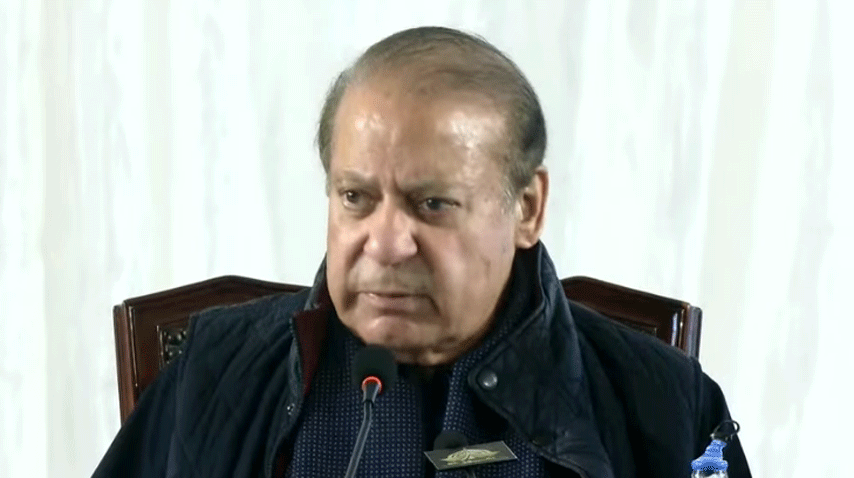
Nawaz Sharif Discusses Women’s Reserved Seats in Azad Kashmir

LAHORE — Pakistan Muslim League-Nawaz (PML-N) President Muhammad Nawaz Sharif chaired a meeting on Sunday to deliberate on the reserved seats for women in Azad Jammu and Kashmir (AJK). The meeting underscored the significance of women’s participation in the region’s electoral process. What Happened The meeting, held in Lahore, brought together key figures from the PML-N, including Punjab Chief Minister Maryam Nawaz Sharif, PML-N Azad Kashmir President Shah Ghulam Qadir, Federal Minister Rana Sanaullah, and former Minister Anusha Rahman. The discussion focused on the role of women in the upcoming elections in AJK, particularly concerning the allocation and impact of reserved seats for female candidates. Participants expressed appreciation for the active involvement of women in the political landscape of Azad Kashmir. They described this engagement as a positive development that could bolster the democratic framework of the region. Nawaz Sharif emphasized the need for policies that support and enhance women’s representation in the political arena, highlighting the importance of gender inclusivity in governance. The meeting concluded with a consensus on the necessity of ensuring that the reserved seats for women are utilized effectively to empower female leaders and contribute to the political stability and progress of AJK. Background Azad Jammu and Kashmir, a self-governing administrative region under Pakistan’s control, has a history of political engagement and electoral processes that include reserved seats for women. This policy aims to promote gender equality and ensure women’s representation in legislative assemblies. Historically, women’s participation in AJK politics has been limited, but recent years have seen an increase in female political activity, partly due to reserved seats. The PML-N, under the leadership of Nawaz Sharif, has been vocal about enhancing women’s roles in politics across Pakistan, including in regions like AJK. The party has previously advocated for policies that support women’s education, employment, and political participation as part of its broader agenda for social development. Why It Matters The discussion on women’s reserved seats in AJK is significant for several reasons. Firstly, it reflects a broader trend in Pakistani politics towards greater gender inclusivity. By focusing on women’s roles in the electoral process, the PML-N aims to ensure that female voices are heard and represented in decision-making bodies. Economically, empowering women through political participation can lead to more comprehensive policy-making that addresses the needs of all citizens. Women’s involvement in politics often results in policies that prioritize education, healthcare, and social welfare, which can have a positive impact on the overall development of the region. Politically, strengthening women’s roles in AJK can enhance the legitimacy and effectiveness of democratic institutions. It can also serve as a model for other regions in Pakistan, encouraging similar initiatives to promote gender equality in politics. Internationally, Pakistan’s efforts to increase women’s political participation align with global movements advocating for gender equality and women’s rights. Demonstrating progress in this area can improve Pakistan’s standing in international forums and contribute to its image as a nation committed to democratic principles and human rights. Key Takeaways Nawaz Sharif chaired a meeting on women’s reserved seats in Azad Kashmir, emphasizing their importance in the electoral process. The meeting included prominent PML-N leaders and focused on enhancing women’s political representation in AJK. Women’s participation in politics is seen as a way to strengthen democracy and promote gender equality. Empowering women politically can lead to more inclusive and effective policy-making in AJK. Increasing women’s roles in politics aligns with global gender equality movements and can improve Pakistan’s international image. Source Attribution This article is based on official government statements, press releases, and public communications from relevant authorities. Author: NEN Editorial Desk | Editor: NEN Newsroom | Fact Checked By: NEN Editorial Team Author: NEN Editorial Desk  |  Editor: NEN Newsroom  |  Last Updated: August 16, 2026  |  Source: Press Release from Government of Pakistan This article was produced by the NEN Editorial Desk in accordance with NEN Agency’s Editorial Policy and Fact-Checking Policy.

Scroll to Top