
2026

Pakistan

Motorbike Sales Surge 38% to 172,416 Units in July 2026

ISLAMABAD — The sale of motorbikes and three-wheelers in Pakistan surged by 38.44% in July 2026, marking a significant increase compared to the same period last year. According to the Pakistan Automobile Manufacturing Association (PAMA), a total of 172,416 units were sold in the first month of the current financial year 2026-27. What Happened In July 2026, Pakistan witnessed a notable rise in the sale of motorbikes and three-wheelers, with 172,416 units sold compared to the previous year. This represents a substantial 38.44% increase, as reported by the Pakistan Automobile Manufacturing Association (PAMA). This growth comes as the country enters the new financial year, indicating a strong start for the automotive sector. The increase in sales can be attributed to several factors, including improved economic conditions, increased consumer confidence, and the rising demand for affordable personal transportation options. The motorbike segment, in particular, has seen a surge in popularity due to its cost-effectiveness and efficiency in navigating urban traffic. Industry experts have noted that the growing urban population and the expansion of road infrastructure have also contributed to the rising demand for motorbikes. “The motorbike industry is witnessing a robust growth trajectory, driven by the need for affordable and efficient transportation,” stated a PAMA spokesperson. Background Pakistan’s automotive industry has experienced fluctuating trends over the years, influenced by economic conditions, policy changes, and consumer preferences. Historically, the motorbike sector has been a significant component of the country’s automotive market, catering to a large segment of the population seeking economical transportation solutions. In recent years, the government has implemented various policies aimed at boosting the automotive sector, including incentives for local manufacturing and measures to promote environmentally friendly vehicles. These initiatives have played a role in shaping the industry’s growth trajectory. Additionally, the rise in sales this July can be seen as a continuation of a recovery trend following the economic disruptions caused by the COVID-19 pandemic. As the economy stabilizes, consumer spending on durable goods, such as motorbikes, has shown a positive trend. Why It Matters The surge in motorbike sales is significant for several reasons. Economically, it reflects an increase in consumer purchasing power and confidence, which are crucial indicators of economic health. The automotive sector is a key contributor to Pakistan’s GDP, and growth in this sector can have a positive ripple effect on related industries, such as manufacturing and retail. Socially, the rise in motorbike sales highlights the growing need for affordable transportation solutions in urban areas. As cities expand and traffic congestion increases, motorbikes offer a practical alternative to larger vehicles, enabling individuals to navigate through traffic more efficiently. Politically, the growth in the automotive sector can be seen as a positive outcome of government policies aimed at stimulating economic activity and supporting local industries. The increase in sales may encourage further investment in the sector, leading to job creation and technological advancements. On an international level, the growth of Pakistan’s motorbike industry could enhance the country’s position in the global automotive market. As local manufacturers expand their production capabilities, there may be opportunities for exports, contributing to the country’s trade balance. Key Takeaways Motorbike sales in Pakistan increased by 38.44% in July 2026, with 172,416 units sold. The rise is attributed to improved economic conditions and increased demand for affordable transportation. The motorbike sector is a significant component of Pakistan’s automotive industry. Growth in the sector reflects increased consumer confidence and purchasing power. The surge may lead to further investment and job creation in the automotive industry. Source Attribution This article is based on official government statements, press releases, and public communications from relevant authorities. Author: NEN Editorial Desk | Editor: NEN Newsroom | Fact Checked By: NEN Editorial Team Author: NEN Editorial Desk  |  Editor: NEN Newsroom  |  Last Updated: August 15, 2026  |  Source: NEN Reporter This article was produced by the NEN Editorial Desk in accordance with NEN Agency’s Editorial Policy and Fact-Checking Policy.

Pakistan

Irfan Chaudhry Becomes Acting President of ICCI, Boosting Small Traders’ Morale

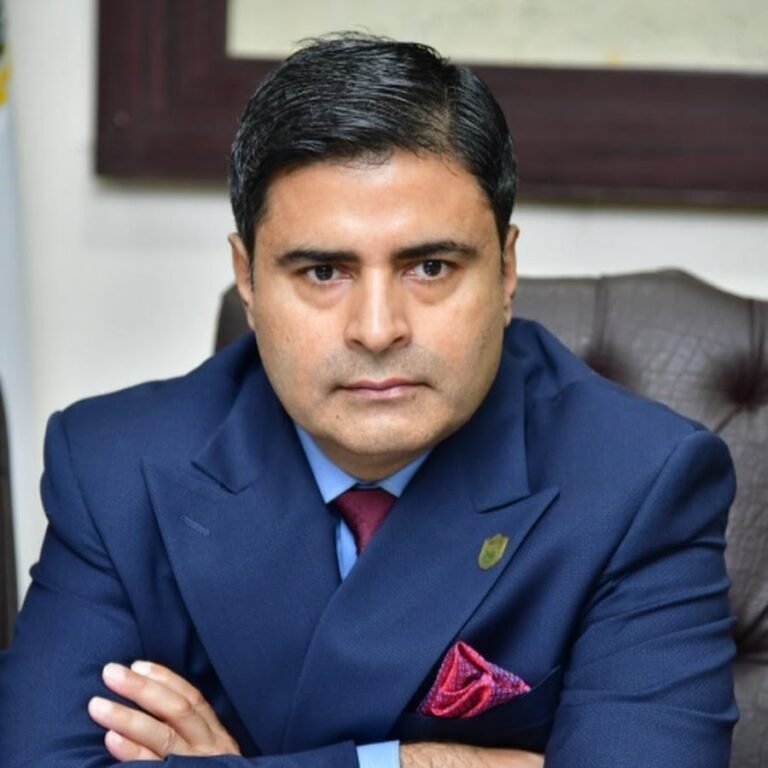
ISLAMABAD — Mohammad Irfan Chaudhry has assumed the role of Acting President of the Islamabad Chamber of Commerce and Industry (ICCI), marking a significant moment for the city’s business community. Zafar Bakhtawari, Chief Executive Officer of D Watson Group and former ICCI President, expressed that Chaudhry’s new position is a source of pride for small traders and the broader business sector in Islamabad. What Happened On August 15, 2023, Mohammad Irfan Chaudhry officially took over as the Acting President of the ICCI. This transition comes at a time when the business community in Islamabad is seeking strong leadership to navigate economic challenges. Zafar Bakhtawari, in his statement, emphasized the importance of Chaudhry’s leadership for small traders, highlighting that his appointment is a testament to the trust and confidence placed in him by the business community. Bakhtawari, who also serves as the Secretary General of the United Business Group, noted that Chaudhry’s leadership is expected to bring new energy and direction to the ICCI. He stated, “Irfan Chaudhry’s assumption of office is a matter of pride for Islamabad’s traders and the entire business community.” This sentiment reflects the anticipation that Chaudhry’s tenure will address the pressing issues faced by traders and enhance the business environment in the capital. Background The Islamabad Chamber of Commerce and Industry has been a pivotal institution in representing the interests of the business community in the region. Established to promote trade and commerce, the ICCI plays a crucial role in policy advocacy, business facilitation, and fostering economic growth. Over the years, the leadership of the ICCI has been instrumental in addressing the challenges faced by businesses, particularly small and medium enterprises (SMEs), which form the backbone of Pakistan’s economy. Prior to Chaudhry’s appointment, the ICCI has been actively involved in various initiatives aimed at improving the business climate, including lobbying for policy reforms and providing a platform for dialogue between the government and the private sector. The chamber’s leadership is often seen as a bridge between policymakers and business owners, advocating for a conducive environment for economic activities. Why It Matters The appointment of Mohammad Irfan Chaudhry as Acting President of the ICCI is significant for several reasons. Economically, his leadership is expected to focus on enhancing the support for small traders, who are crucial to the local economy. Small traders often face challenges such as limited access to finance, regulatory hurdles, and competition from larger businesses. Chaudhry’s role will likely involve addressing these issues and advocating for policies that support the growth and sustainability of small enterprises. Socially, the leadership change is anticipated to strengthen the unity and representation of the business community in Islamabad. A strong ICCI leadership can facilitate better communication and collaboration among traders, fostering a more cohesive business environment. This unity is essential for collective advocacy and achieving common goals, such as improved infrastructure, better regulatory frameworks, and enhanced market access. Politically, Chaudhry’s appointment may influence the chamber’s interactions with government bodies. The ICCI often plays a role in shaping economic policies by providing feedback and suggestions to policymakers. With Chaudhry at the helm, the chamber is expected to continue its proactive engagement with the government, aiming to influence decisions that impact the business community positively. Key Takeaways Mohammad Irfan Chaudhry has been appointed as the Acting President of the ICCI. Zafar Bakhtawari praised the appointment as a proud moment for small traders. The ICCI plays a crucial role in advocating for the business community in Islamabad. Chaudhry’s leadership is expected to focus on enhancing support for small traders. The appointment may influence the ICCI’s interactions with government bodies. Source Attribution This article is based on official statements and public communications from relevant authorities. Author: NEN Editorial Desk | Editor: NEN Newsroom | Fact Checked By: NEN Editorial Team Author: NEN Editorial Desk  |  Editor: NEN Newsroom  |  Last Updated: August 15, 2026  |  Source: NEN Reporter This article was produced by the NEN Editorial Desk in accordance with NEN Agency’s Editorial Policy and Fact-Checking Policy.
Pakistan

Gold Price Decreases by Rs500 Per Tola in Pakistan

ISLAMABAD — The price of gold in Pakistan saw a decrease on Saturday, with the rate for 24-karat gold dropping by Rs500 per tola, reaching Rs459,936. This change was reported by the All Pakistan Sarafa Gems and Jewellers Association. What Happened The gold market in Pakistan experienced a notable decline as the price of 24-karat gold fell by Rs500 per tola, settling at Rs459,936. Additionally, the price of 24-karat gold per 10 grams decreased by Rs429, bringing it to Rs394,320. This latest adjustment reflects the ongoing fluctuations in the global gold market, which continue to impact local prices. The All Pakistan Sarafa Gems and Jewellers Association, which regularly monitors and reports on gold prices, attributed this decline to various factors, including international market trends and currency exchange rates. The association noted that the global gold market has been experiencing volatility, influenced by economic conditions and geopolitical tensions. According to market analysts, the decrease in gold prices is also linked to the strengthening of the Pakistani rupee against the US dollar. As the rupee gains value, the cost of importing gold becomes relatively cheaper, leading to a reduction in local gold prices. Background Gold has long been considered a safe-haven asset, especially during times of economic uncertainty. In Pakistan, gold is not only a popular form of investment but also holds cultural significance, particularly in weddings and other traditional ceremonies. The country’s gold market is heavily influenced by international prices, as Pakistan imports a significant portion of its gold. Historically, the price of gold in Pakistan has been subject to fluctuations based on global market conditions, currency exchange rates, and domestic demand. Over the past year, the gold market has witnessed several ups and downs, reflecting broader economic trends and geopolitical developments. In recent months, global gold prices have been affected by factors such as inflationary pressures, interest rate hikes by central banks, and geopolitical tensions, including the ongoing conflict in Ukraine. These factors have contributed to the volatility observed in the gold market worldwide. Why It Matters The decrease in gold prices has significant implications for various stakeholders in Pakistan. For consumers, lower gold prices can make purchasing gold more affordable, particularly for those planning weddings or other events where gold jewelry is traditionally exchanged. This can lead to increased consumer spending and a boost for the local jewelry industry. For investors, the decline in gold prices may present both opportunities and challenges. While some may view the lower prices as an opportunity to invest in gold at a reduced cost, others may be concerned about the potential for further price declines, which could impact the value of their investments. Economically, the reduction in gold prices can have a positive effect on the country’s trade balance. As gold is a major import commodity, lower prices can reduce the overall import bill, potentially easing pressure on the country’s foreign exchange reserves. Politically, the stability of gold prices can reflect broader economic stability, which is crucial for maintaining investor confidence and attracting foreign investment. The government’s ability to manage economic challenges, such as currency fluctuations and inflation, can influence public perception and political stability. Key Takeaways The price of 24-karat gold in Pakistan decreased by Rs500 per tola to Rs459,936. The price of 24-karat gold per 10 grams fell by Rs429 to Rs394,320. The decline is attributed to global market trends and the strengthening of the Pakistani rupee. Lower gold prices can benefit consumers and the local jewelry industry. Economic and political stability can be influenced by gold price trends. Source Attribution This article is based on official government statements, press releases, and public communications from relevant authorities. Author: NEN Editorial Desk | Editor: NEN Newsroom | Fact Checked By: NEN Editorial Team Author: NEN Editorial Desk  |  Editor: NEN Newsroom  |  Last Updated: August 15, 2026  |  Source: NEN Reporter This article was produced by the NEN Editorial Desk in accordance with NEN Agency’s Editorial Policy and Fact-Checking Policy.
World

Spanish Ambassador Seeks to Enhance Pakistan-Spain Trade Relations

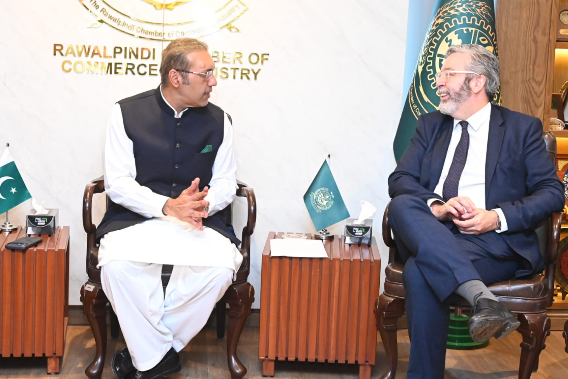
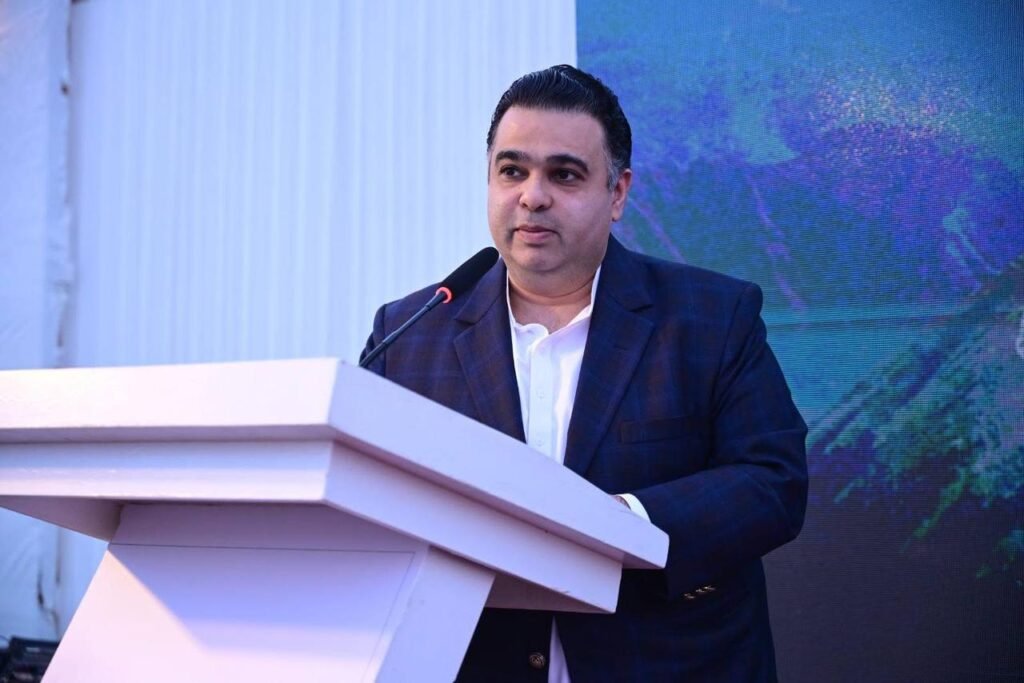
RAWALPINDI — The Ambassador of Spain to Pakistan, Carlos Aragón Gil de la Serna, engaged in discussions with the Rawalpindi Chamber of Commerce & Industry (RCCI) on August 15, aiming to strengthen economic, commercial, and cultural ties between Pakistan and Spain. The meeting was led by RCCI President Usman Shaukat and attended by key members of the chamber. What Happened During his visit to the RCCI, Ambassador Carlos Aragón Gil de la Serna emphasized the potential for expanding trade relations between Spain and Pakistan. The discussions were part of a broader initiative to explore new avenues for cooperation in various sectors, including textiles, agriculture, and technology. The ambassador highlighted the mutual benefits that could arise from enhanced trade relations, citing Spain’s interest in Pakistani textiles and agricultural products. “There is a significant scope for collaboration in sectors where both countries have competitive advantages,” stated Ambassador de la Serna. The meeting also focused on cultural exchanges, with the ambassador expressing a desire to promote Spanish culture in Pakistan and vice versa. He noted that such exchanges could pave the way for stronger diplomatic ties and increased tourism between the two nations. RCCI President Usman Shaukat welcomed the ambassador’s proposals, noting that Pakistan is keen to diversify its trade partnerships. “Spain is a valued partner, and we are eager to explore new opportunities that can benefit both our economies,” Shaukat said. The RCCI leadership expressed their commitment to facilitating business connections and supporting initiatives that would lead to increased trade and investment. Background Trade relations between Pakistan and Spain have been developing steadily over the years. Spain is one of the European Union’s major economies and has shown interest in South Asian markets, including Pakistan. Historically, the trade relationship has been dominated by textiles, with Pakistan exporting a significant amount of garments and fabrics to Spain. In recent years, there has been a push to diversify the trade portfolio, with both countries exploring opportunities in sectors such as renewable energy, technology, and agriculture. Diplomatic relations between the two countries have been cordial, with various bilateral agreements in place to promote economic cooperation. Why It Matters The enhancement of trade ties between Pakistan and Spain holds significant economic implications. For Pakistan, expanding its export markets is crucial for economic growth and stability. By strengthening ties with Spain, Pakistan can tap into the European market more effectively, which is vital for its textile industry—a major contributor to the national economy. Moreover, increased trade with Spain could lead to job creation and technological advancements in Pakistan, as Spanish companies might invest in local industries. This could also lead to a transfer of skills and knowledge, benefiting the local workforce. On a cultural level, the promotion of exchanges between the two countries could foster better mutual understanding and cooperation. Such initiatives could also boost tourism, providing economic benefits to both nations. For Spain, enhancing trade with Pakistan offers access to a growing market with a young and dynamic population. It also provides opportunities for Spanish businesses to source quality products at competitive prices, thereby strengthening their supply chains. Key Takeaways Spanish Ambassador Carlos Aragón Gil de la Serna visited RCCI to discuss enhancing trade ties. The focus was on expanding cooperation in textiles, agriculture, and technology sectors. Both countries see mutual benefits in strengthening economic and cultural relations. Enhanced trade ties could lead to economic growth, job creation, and technological advancements in Pakistan. Spain could benefit from access to a growing market and competitive products. Source Attribution This article is based on official government statements, press releases, and public communications from relevant authorities. Author: NEN Editorial Desk | Editor: NEN Newsroom | Fact Checked By: NEN Editorial Team Author: NEN Editorial Desk  |  Editor: NEN Newsroom  |  Last Updated: August 15, 2026  |  Source: NEN Reporter This article was produced by the NEN Editorial Desk in accordance with NEN Agency’s Editorial Policy and Fact-Checking Policy.
Pakistan

Child Collects Recyclables from Roadside Garbage in Islamabad

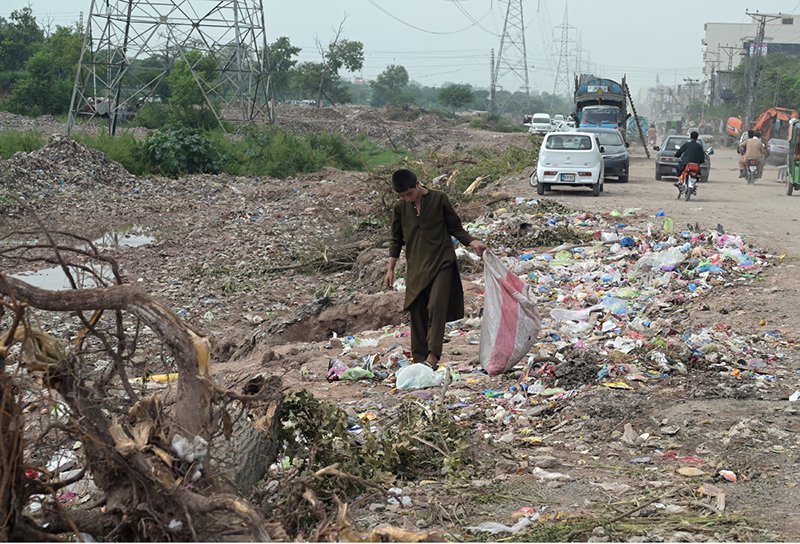
ISLAMABAD — A young boy was seen collecting recyclable materials from heaps of garbage scattered along a roadside in Islamabad on Thursday, highlighting the ongoing issue of waste management in the capital city. The sight underscores the challenges faced by informal waste collectors, often children, who play a crucial role in recycling efforts. What Happened The boy, whose identity remains unknown, was observed sifting through piles of refuse in search of items that could be sold for recycling. This activity is a common sight in various parts of Islamabad, where informal waste collectors, including children, contribute significantly to the recycling process. According to local estimates, these individuals collect a substantial portion of the city’s recyclable waste, which is then processed and reused in various industries. Witnesses reported that the boy was meticulously sorting through the garbage, separating plastic bottles, metal cans, and other materials that could be sold to recycling centers. His actions are part of a larger, informal economy that thrives on the collection and sale of recyclable materials, providing a livelihood for many impoverished families in urban areas. While the boy’s efforts contribute to environmental sustainability, they also highlight the socio-economic challenges faced by many families in Pakistan. The lack of formal waste management systems in several areas forces individuals, including children, to engage in such activities to support their families financially. Background Islamabad, like many other cities in Pakistan, struggles with effective waste management. The city’s rapid urbanization and population growth have outpaced the development of adequate waste disposal infrastructure. As a result, informal waste collectors have become an essential part of the waste management ecosystem. In Pakistan, it is estimated that around 15 to 20 percent of waste is recycled, largely due to the efforts of informal waste collectors. These individuals often work without any protective gear, exposing themselves to health risks. Child labor in this sector is a significant concern, with many children working long hours in hazardous conditions. The government has made efforts to address these issues through various initiatives aimed at improving waste management systems and reducing child labor. However, the implementation of such policies remains inconsistent, and many families continue to rely on informal waste collection as a primary source of income. Why It Matters The presence of children in the informal waste collection sector raises important questions about child labor and socio-economic inequality in Pakistan. The reliance on children for such work indicates a lack of social safety nets and the need for more robust policies to protect vulnerable populations. Economically, the informal recycling sector contributes significantly to the national economy by providing raw materials for various industries. However, the lack of regulation and oversight means that workers, especially children, are often exploited and work in unsafe conditions. Socially, the sight of children working in garbage heaps is a stark reminder of the disparity between different socio-economic groups in Pakistan. It highlights the urgent need for comprehensive policies that address both waste management and child welfare. Internationally, Pakistan’s waste management challenges reflect broader global issues related to urbanization, poverty, and environmental sustainability. Addressing these challenges requires coordinated efforts from both the government and international partners to develop sustainable solutions that protect both people and the environment. Key Takeaways A young boy was seen collecting recyclables from roadside garbage in Islamabad, highlighting waste management issues. Informal waste collectors, including children, play a crucial role in Pakistan’s recycling efforts. Child labor in the waste collection sector raises concerns about socio-economic inequality and safety. Pakistan’s waste management challenges require comprehensive policy solutions and international cooperation. The informal recycling sector significantly contributes to the economy but lacks regulation and oversight. Source Attribution This article is based on official government statements, press releases, and public communications from relevant authorities. Author: NEN Editorial Desk | Editor: NEN Newsroom | Fact Checked By: NEN Editorial Team Author: NEN Editorial Desk  |  Editor: NEN Newsroom  |  Last Updated: August 15, 2026  |  Source: NEN Reporter This article was produced by the NEN Editorial Desk in accordance with NEN Agency’s Editorial Policy and Fact-Checking Policy.
Pakistan

Fahd Haroon Extends Greetings for Rabi-ul-Awwal to Nation and Muslim Ummah

ISLAMABAD — Minister of State and Special Assistant to the Prime Minister on Digital Media, Fahd Haroon, extended his heartfelt greetings to the Muslim Ummah and the people of Pakistan on the occasion of Rabi-ul-Awwal, a month of profound religious significance. The announcement was made on Saturday, emphasizing the sacred nature of the month, which commemorates the birth of Prophet Muhammad (PBUH). What Happened Fahd Haroon, in a public statement, conveyed his felicitations to Muslims worldwide, particularly focusing on the Pakistani community, as they welcome the month of Rabi-ul-Awwal. Haroon highlighted the importance of this month, which is revered for the birth of Prophet Muhammad (PBUH), a figure whose life and teachings have left an indelible impact on humanity. “The advent of the Prophet brought a message of mercy, guidance, love, peace, patience, and brotherhood for all humanity,” Haroon remarked, underscoring the universal values promoted by the Prophet’s teachings. Rabi-ul-Awwal, the third month in the Islamic lunar calendar, is celebrated with various religious activities, including prayers, recitations of the Quran, and gatherings to discuss the life and teachings of the Prophet. In Pakistan, the month is marked by a series of events and programs organized by religious and community leaders, aiming to foster a deeper understanding of the Prophet’s message. Background Rabi-ul-Awwal holds a special place in the hearts of Muslims as it is associated with the birth of Prophet Muhammad (PBUH), who was born in the city of Mecca in the year 570 CE. His birth is celebrated on the 12th of Rabi-ul-Awwal, known as Eid Milad-un-Nabi, which is observed with great reverence and devotion across the Muslim world. The day is marked by processions, special prayers, and sermons that highlight the Prophet’s life and his contributions to Islamic teachings. In Pakistan, Eid Milad-un-Nabi is a public holiday, and the government, along with various religious organizations, arranges events to commemorate the occasion. The celebrations often include illuminating mosques, public buildings, and streets with lights and decorations. The day serves as a reminder of the Prophet’s exemplary character and his message of peace and compassion. Why It Matters The observance of Rabi-ul-Awwal and Eid Milad-un-Nabi plays a significant role in reinforcing religious and cultural identity among Muslims. It provides an opportunity for reflection on the teachings of the Prophet Muhammad (PBUH) and their relevance in today’s world. The emphasis on values such as peace, patience, and brotherhood is particularly pertinent in the current global context, where divisions and conflicts often overshadow the commonalities that unite humanity. For Pakistan, a nation with a rich Islamic heritage, the celebrations serve to strengthen community bonds and promote a sense of unity and shared purpose. The government’s involvement in organizing and supporting these events reflects its commitment to preserving and promoting Islamic traditions. Additionally, the month offers a platform for interfaith dialogue and understanding, as the universal values espoused by the Prophet resonate with people of all faiths. Economically, the celebrations of Rabi-ul-Awwal also contribute to local economies, as markets see increased activity with the sale of decorations, food items, and religious literature. This period of heightened economic activity provides a boost to small businesses and vendors, particularly those specializing in religious paraphernalia. Key Takeaways Fahd Haroon extended greetings to the Muslim Ummah and Pakistanis for Rabi-ul-Awwal. Rabi-ul-Awwal is significant for commemorating the birth of Prophet Muhammad (PBUH). Celebrations include prayers, Quran recitations, and community gatherings. It reinforces religious identity and promotes peace, patience, and brotherhood. The month has economic benefits, boosting local markets and small businesses. Source Attribution This article is based on official government statements and public communications from relevant authorities. Author: NEN Editorial Desk | Editor: NEN Newsroom | Fact Checked By: NEN Editorial Team Author: NEN Editorial Desk  |  Editor: NEN Newsroom  |  Last Updated: August 15, 2026  |  Source: NEN Reporter This article was produced by the NEN Editorial Desk in accordance with NEN Agency’s Editorial Policy and Fact-Checking Policy.
Pakistan

PM Shehbaz Sharif Expresses Condolences Over Indonesia Earthquake Tragedy

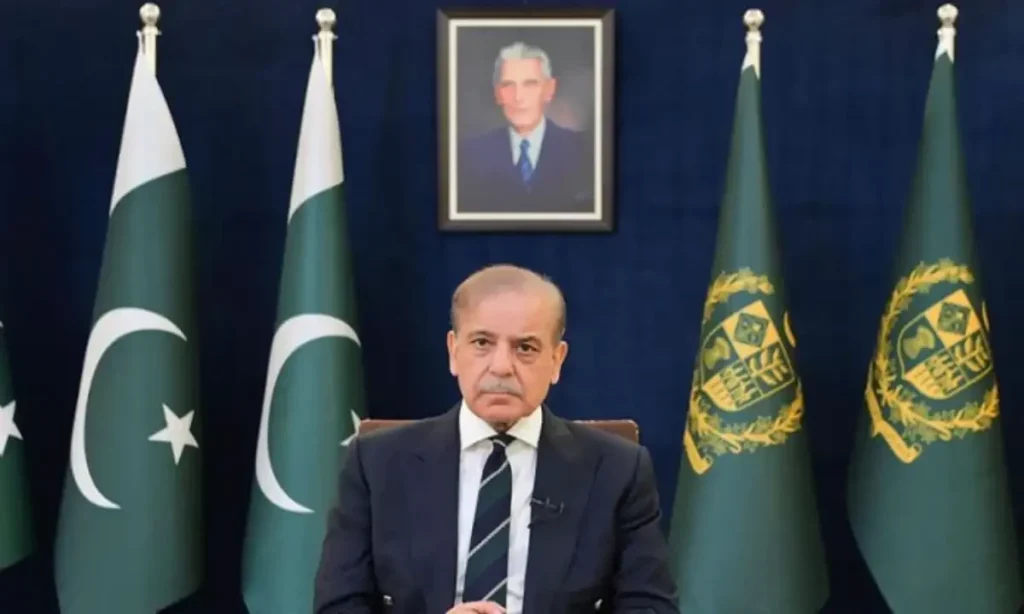
ISLAMABAD — Prime Minister Muhammad Shehbaz Sharif expressed his deep sorrow over the tragic loss of lives and extensive devastation caused by the recent earthquake in Indonesia. The Prime Minister conveyed his condolences to the Indonesian President and the affected families, emphasizing Pakistan’s solidarity with Indonesia during this challenging time. What Happened On Saturday, Prime Minister Shehbaz Sharif took to social media to express his heartfelt condolences following a devastating earthquake in Indonesia. The earthquake, which struck on August 15, resulted in significant loss of life and widespread damage across the affected regions. In his message, the Prime Minister extended his sympathies to Indonesian President Prabowo Subianto, the people of Indonesia, and the bereaved families who lost loved ones in the disaster. Prime Minister Sharif stated, “On behalf of the people and Government of Pakistan, I extend my heartfelt condolences to President Prabowo Subianto, the people of Indonesia, and the bereaved families. Our thoughts and prayers are with all those affected, and we pray for the swift recovery of the injured.” He further assured that Pakistan stands in solidarity with Indonesia, offering support and resilience to those facing the aftermath of the earthquake. The earthquake, which struck Indonesia’s densely populated regions, has left a trail of destruction, with emergency services working tirelessly to rescue survivors and provide aid to those affected. The Indonesian government has declared a state of emergency, mobilizing resources to address the immediate needs of the victims and begin the long process of recovery and rebuilding. Background Indonesia, located on the Pacific Ring of Fire, is prone to frequent seismic activity due to its position on several tectonic plates. Over the years, the country has experienced numerous earthquakes and volcanic eruptions, often resulting in significant casualties and damage. The recent earthquake is a stark reminder of the ongoing natural threats faced by the region. Historically, Indonesia has implemented various disaster preparedness and response strategies to mitigate the impact of such natural calamities. However, the scale and unpredictability of earthquakes often pose challenges to these efforts. The government, alongside international aid organizations, continues to work on enhancing resilience and response capabilities to better protect its population. Why It Matters The earthquake in Indonesia highlights the vulnerability of nations situated in seismically active zones and underscores the importance of international solidarity in times of crisis. Pakistan’s expression of support is a testament to the longstanding diplomatic and cultural ties between the two countries. By standing with Indonesia, Pakistan not only reinforces its commitment to international cooperation but also strengthens its bilateral relations with a key Southeast Asian nation. For Pakistan, which has also experienced its share of natural disasters, the situation in Indonesia serves as a reminder of the need for robust disaster management systems and international collaboration. The shared experiences of dealing with natural calamities can foster stronger partnerships and knowledge exchange, ultimately enhancing disaster preparedness and response strategies in both countries. Moreover, the human cost of such disasters extends beyond immediate loss of life and property. The psychological and economic impacts on affected communities can be profound, necessitating comprehensive recovery efforts that address both short-term relief and long-term rehabilitation. The international community’s role in providing aid and support is crucial in facilitating these efforts and ensuring affected populations can rebuild their lives. Key Takeaways Prime Minister Shehbaz Sharif expressed condolences to Indonesia following a devastating earthquake. The earthquake resulted in significant loss of life and damage, prompting a state of emergency in Indonesia. Pakistan’s support underscores the importance of international solidarity in times of crisis. The disaster highlights the need for robust disaster management and international cooperation. Long-term recovery efforts are essential to address the broader impacts on affected communities. Source Attribution This article is based on official government statements and public communications from relevant authorities. Author: NEN Editorial Desk | Editor: NEN Newsroom | Fact Checked By: NEN Editorial Team Author: NEN Editorial Desk  |  Editor: NEN Newsroom  |  Last Updated: August 15, 2026  |  Source: Press Release from Government of Pakistan This article was produced by the NEN Editorial Desk in accordance with NEN Agency’s Editorial Policy and Fact-Checking Policy.
World

Finance Minister Aurangzeb Awarded Nishan-e-Imtiaz for Public Service

ISLAMABAD — The Ministry of Finance has extended its congratulations to Federal Minister for Finance and Revenue, Senator Muhammad Aurangzeb, who was awarded the Nishan-e-Imtiaz, Pakistan’s highest civilian honor, on Saturday. The accolade was bestowed upon him in recognition of his exceptional contributions to public service. What Happened Senator Muhammad Aurangzeb was honored with the Nishan-e-Imtiaz during a formal ceremony held in Islamabad. This prestigious award is a testament to his significant achievements in the realm of public service, particularly in his role as the Federal Minister for Finance and Revenue. The Ministry of Finance issued an official statement lauding his dedication and efforts in steering the country’s financial policies and reforms. The award ceremony was attended by several high-ranking officials, dignitaries, and members of the government. In his acceptance speech, Aurangzeb expressed gratitude for the recognition and reaffirmed his commitment to Pakistan’s economic development. He stated, “This award is not just a personal honor, but a reflection of the collective efforts of the entire finance ministry team in striving for a prosperous Pakistan.” The Nishan-e-Imtiaz is awarded to individuals who have rendered services of the highest distinction in various fields, including public service, arts, literature, and science. Aurangzeb’s receipt of this award highlights his influential role in the economic sector, where he has been instrumental in implementing key financial reforms aimed at stabilizing and growing Pakistan’s economy. Background The Nishan-e-Imtiaz, established in 1957, is one of Pakistan’s most prestigious awards, given to civilians and military personnel for their outstanding contributions to the country. Previous recipients have included distinguished scientists, artists, and public figures who have made significant impacts in their respective domains. Senator Aurangzeb has been serving as the Federal Minister for Finance and Revenue since his appointment by the current administration. His tenure has been marked by efforts to improve fiscal management, enhance revenue collection, and foster economic growth through various policy measures. Prior to his ministerial role, Aurangzeb held several key positions in both the public and private sectors, contributing to his extensive experience in financial management and policy formulation. Why It Matters The awarding of the Nishan-e-Imtiaz to Senator Aurangzeb underscores the importance of effective leadership in Pakistan’s financial sector. His recognition comes at a crucial time when the country is navigating economic challenges, including inflation, fiscal deficits, and the need for sustainable development. By acknowledging his contributions, the government aims to highlight the critical role of sound financial governance in achieving economic stability. Aurangzeb’s leadership has been pivotal in negotiating with international financial institutions, securing aid packages, and implementing fiscal policies that aim to reduce the budget deficit. His strategies have been geared towards increasing transparency, enhancing tax collection, and promoting investment in key sectors. These efforts are vital for Pakistan’s economic resilience and growth, impacting millions of citizens by striving to improve living standards and economic opportunities. Internationally, Aurangzeb’s recognition with the Nishan-e-Imtiaz sends a positive signal to investors and global partners about Pakistan’s commitment to economic reform and stability. It reinforces the country’s image as a nation capable of implementing effective financial policies and engaging constructively with the global economic community. Key Takeaways Senator Muhammad Aurangzeb has been awarded the Nishan-e-Imtiaz for his contributions to public service. The award highlights his role in implementing financial reforms and stabilizing Pakistan’s economy. Aurangzeb’s leadership is crucial in addressing economic challenges and promoting sustainable development. The recognition enhances Pakistan’s image internationally, signaling commitment to economic stability. The Nishan-e-Imtiaz is one of Pakistan’s highest civilian honors, awarded for distinguished service. Source Attribution This article is based on official government statements and public communications from relevant authorities. Author: NEN Editorial Desk | Editor: NEN Newsroom | Fact Checked By: NEN Editorial Team Author: NEN Editorial Desk  |  Editor: NEN Newsroom  |  Last Updated: August 15, 2026  |  Source: Press Release from Ministry of Finance This article was produced by the NEN Editorial Desk in accordance with NEN Agency’s Editorial Policy and Fact-Checking Policy.

Pakistan

Prime Minister Instructs NDMA to Enhance Flood Relief Efforts

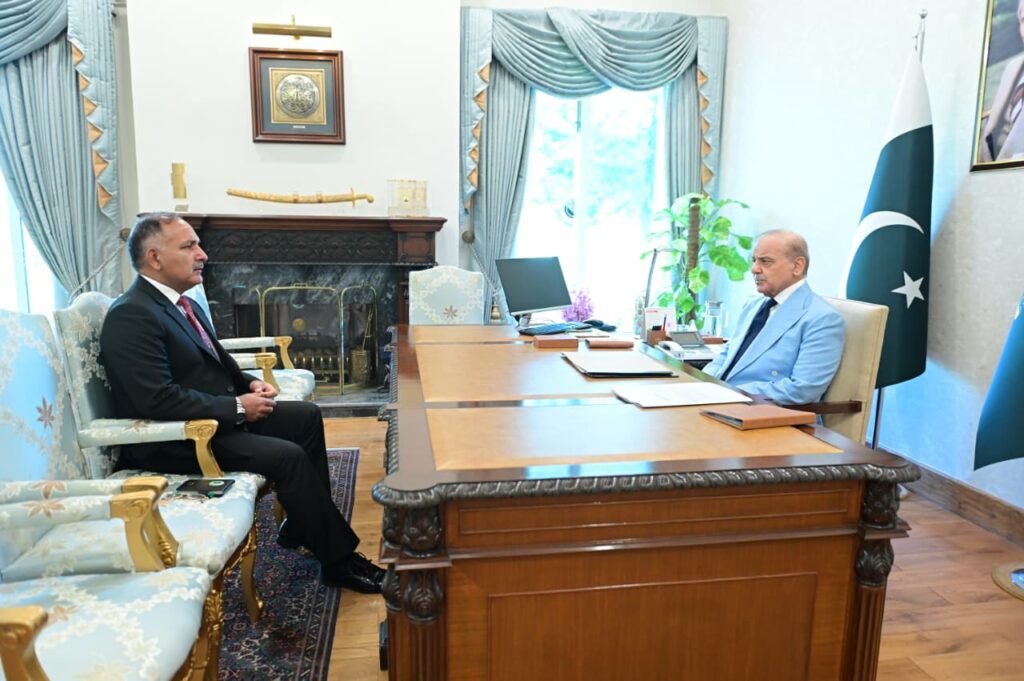
ISLAMABAD — Prime Minister Shehbaz Sharif has directed the National Disaster Management Authority (NDMA) to maximize relief efforts for flood-affected individuals across Pakistan. The directive came during a meeting held on Saturday with NDMA Chairman Lieutenant General Inam Haider Malik, who provided a briefing on the current situation. What Happened During the meeting in Islamabad, Prime Minister Shehbaz Sharif emphasized the urgency of deploying all available resources to assist those impacted by the ongoing floods. The Prime Minister instructed the NDMA to coordinate closely with provincial disaster management authorities and other relevant agencies to ensure that aid reaches those in need swiftly and effectively. Lieutenant General Inam Haider Malik briefed the Prime Minister on the current flood situation, detailing the extent of the damage and the ongoing relief operations. He highlighted the challenges faced in accessing certain remote areas and the need for additional resources to overcome these obstacles. The NDMA has been tasked with prioritizing the distribution of food, clean water, and medical supplies to the affected regions. Prime Minister Sharif reiterated the government’s commitment to supporting flood victims and stressed the importance of transparency and accountability in the relief efforts. He urged all stakeholders to work collaboratively to mitigate the impact of the floods and to ensure that relief efforts are not hampered by bureaucratic delays. Background Pakistan has been experiencing severe monsoon rains, leading to widespread flooding in various parts of the country. The floods have resulted in significant loss of life, displacement of communities, and destruction of infrastructure. The NDMA, established under the National Disaster Management Act of 2010, is responsible for coordinating disaster response efforts at the national level. Historically, Pakistan has faced challenges in managing natural disasters due to its diverse geography and the intensity of monsoon seasons. Previous flood events, such as those in 2010 and 2022, have underscored the need for effective disaster management strategies and robust infrastructure to withstand such calamities. Why It Matters The Prime Minister’s directive is crucial in ensuring that relief efforts are intensified and reach the most vulnerable populations swiftly. Floods have a profound impact on Pakistan’s economy, particularly in rural areas where agriculture is a primary livelihood. The destruction of crops and infrastructure not only affects immediate food security but also has long-term economic consequences. Socially, the floods exacerbate existing vulnerabilities, particularly among women, children, and the elderly, who are often the hardest hit during such disasters. Ensuring that relief efforts are inclusive and address the specific needs of these groups is essential for effective recovery. Politically, the government’s response to the floods is a test of its ability to manage crises and deliver on its promises of support and relief. Effective disaster management can enhance public trust and demonstrate the government’s commitment to the welfare of its citizens. Internationally, Pakistan’s handling of the flood crisis can influence its relationships with donor countries and international organizations. Efficient and transparent relief efforts can attract additional support and resources from the global community, aiding in recovery and rebuilding efforts. Key Takeaways Prime Minister Shehbaz Sharif has directed the NDMA to enhance relief efforts for flood-affected areas. The NDMA is coordinating with provincial authorities to ensure effective distribution of aid. Floods have caused significant damage, impacting lives, infrastructure, and the economy. The government’s response is critical for maintaining public trust and securing international support. Relief efforts must prioritize vulnerable populations, including women, children, and the elderly. Source Attribution This article is based on official government statements, press releases, and public communications from relevant authorities. Author: NEN Editorial Desk | Editor: NEN Newsroom | Fact Checked By: NEN Editorial Team Author: NEN Editorial Desk  |  Editor: NEN Newsroom  |  Last Updated: August 15, 2026  |  Source: Press Release from Government of Pakistan This article was produced by the NEN Editorial Desk in accordance with NEN Agency’s Editorial Policy and Fact-Checking Policy.

World

Pakistan Plans Major Reforms to Strengthen Construction Sector

ISLAMABAD — The Pakistani government is considering a comprehensive package of reforms aimed at overhauling the construction sector, as announced during a meeting chaired by Federal Minister for Economic Affairs and Establishment Division, Senator Ahad Khan Cheema, on Saturday. The meeting, which took place on August 15, was attended by key officials including Minister of State for Finance Bilal Azhar, and focused on regulatory, operational, and financial reforms to enhance national standards. What Happened The meeting, held in Islamabad, was convened to discuss and formulate strategies for a significant overhaul of Pakistan’s construction sector. Senator Ahad Khan Cheema emphasized the need for a robust framework that addresses current challenges and aligns with international standards. The proposed reforms are expected to streamline processes, improve regulatory compliance, and enhance the financial viability of construction projects across the country. During the session, participants deliberated on various aspects of the construction industry, including the need for updated regulations that reflect modern construction practices and technologies. The discussion also covered the importance of operational efficiency and financial transparency to attract both domestic and international investment. Minister of State for Finance Bilal Azhar highlighted the economic potential of the construction sector, noting that it could play a pivotal role in job creation and economic growth. He stated, “The construction industry is a key driver of economic development, and these reforms are crucial for unlocking its full potential.” The reforms are expected to include measures for improving the ease of doing business, reducing bureaucratic hurdles, and fostering a more competitive environment for local and international construction firms. The government aims to implement these changes in a phased manner, ensuring that the sector can adapt to new regulations without disruption. Background The construction sector in Pakistan has long been seen as a vital component of the country’s economy, contributing significantly to GDP and employment. However, it has faced numerous challenges, including outdated regulations, lack of transparency, and inefficiencies in project execution. Previous attempts at reform have met with limited success, often hindered by bureaucratic inertia and resistance to change. In recent years, the government has recognized the need for a more strategic approach to revitalize the sector. This includes aligning local practices with global standards and leveraging technology to improve efficiency. The current initiative represents a continuation of these efforts, with a renewed focus on comprehensive and sustainable reforms. Why It Matters The construction sector’s reform is crucial for Pakistan’s broader economic trajectory. By addressing regulatory and operational inefficiencies, the government aims to create a more conducive environment for investment, which is essential for infrastructure development and urbanization. This, in turn, can lead to increased employment opportunities and economic growth. Moreover, the proposed reforms have significant implications for Pakistan’s international standing. By aligning with global standards, the country can attract foreign direct investment, which is vital for large-scale infrastructure projects. This could enhance Pakistan’s competitiveness in the region and contribute to its economic stability. For citizens, these reforms promise improved infrastructure, better housing, and more job opportunities. The construction sector’s growth can also stimulate related industries, such as cement, steel, and logistics, further amplifying its impact on the economy. Key Takeaways The Pakistani government is planning comprehensive reforms to overhaul the construction sector. The reforms aim to improve regulatory, operational, and financial aspects of the industry. Key officials, including Senator Ahad Khan Cheema and Minister Bilal Azhar, are spearheading the initiative. The construction sector is seen as a critical driver of economic growth and job creation. Aligning with international standards is expected to attract foreign investment and improve competitiveness. Source Attribution This article is based on official government statements and public communications from relevant authorities. Author: NEN Editorial Desk | Editor: NEN Newsroom | Fact Checked By: NEN Editorial Team Author: NEN Editorial Desk  |  Editor: NEN Newsroom  |  Last Updated: August 15, 2026  |  Source: Press Release from Government of Pakistan This article was produced by the NEN Editorial Desk in accordance with NEN Agency’s Editorial Policy and Fact-Checking Policy.

Scroll to Top