

2026

Pakistan

Railways Minister Reviews Station Facilities Ahead Of Independence Day

ISLAMABAD — Federal Minister for Railways Muhammad Hanif Abbasi conducted inspections at multiple railway stations on Thursday to assess the readiness and passenger facilities in preparation for Pakistan’s 79th Independence Day. What Happened In anticipation of the upcoming national celebrations, Railways Minister Muhammad Hanif Abbasi embarked on a comprehensive tour of railway stations to ensure optimal arrangements for passengers. The minister’s visit, which took place on August 13, included key stations such as Margalla, Rawalpindi, and Golra, where he evaluated the facilities and services provided to travelers. During his inspection at Margalla Railway Station, Abbasi engaged directly with passengers to gather feedback on the current state of amenities. He also examined the Green Line train, focusing on the quality of services available to passengers. The minister’s scrutiny extended to areas of cleanliness, security, and overall passenger facilitation, ensuring that the stations were well-prepared for the influx of travelers during the Independence Day period. Abbasi’s commitment to enhancing passenger experience was further demonstrated through his interactions with station staff. He received briefings on the measures being implemented to deliver the best possible services during the national festivities. At Rawalpindi and Golra stations, the minister reiterated the importance of maintaining high standards of cleanliness, security, and customer service. “Pakistan Railways is committed to providing safe, comfortable, and quality travel facilities to passengers on the occasion of the national festival,” Abbasi stated, emphasizing the importance of these preparations in ensuring a seamless travel experience for all. Background Pakistan Railways has historically played a crucial role in facilitating travel across the country, especially during significant national events such as Independence Day. The rail network, which spans thousands of kilometers, is a vital mode of transportation for millions of Pakistanis. In recent years, there has been a concerted effort by the government to improve the infrastructure and services of Pakistan Railways, aiming to enhance passenger satisfaction and operational efficiency. Independence Day, celebrated on August 14, marks the anniversary of Pakistan’s establishment as a sovereign nation in 1947. It is a day of national pride and is often accompanied by increased travel as citizens participate in various celebrations and events across the country. Why It Matters The inspections by the Railways Minister are significant for several reasons. Firstly, they underscore the government’s commitment to improving public transportation infrastructure, which is crucial for economic development and social mobility. By ensuring that railway stations are well-equipped and maintained, the government aims to provide a reliable and efficient service that meets the needs of the population. Secondly, the focus on passenger facilities reflects an understanding of the importance of customer satisfaction in public services. As Pakistan Railways competes with other modes of transportation, enhancing the travel experience is key to retaining and attracting passengers. This is particularly important during peak travel times such as national holidays when the demand for travel surges. Moreover, the emphasis on security and cleanliness is vital in the context of public health and safety, especially in light of recent global health challenges. Ensuring that stations are clean and secure not only protects passengers but also instills confidence in the use of public transport. Finally, these efforts align with broader governmental objectives to modernize Pakistan’s infrastructure and improve service delivery across various sectors. By prioritizing improvements in the rail sector, the government is taking tangible steps towards achieving these goals, which are essential for the country’s long-term development. Key Takeaways Railways Minister Muhammad Hanif Abbasi conducted inspections at key railway stations to assess facilities ahead of Independence Day. The focus was on cleanliness, security, and passenger services to ensure a seamless travel experience. Engagement with passengers and staff highlighted the commitment to enhancing public transportation infrastructure. These efforts are part of a broader initiative to modernize Pakistan Railways and improve service delivery. Independence Day celebrations increase travel demand, making these preparations crucial for efficient operations. Source Attribution This article is based on official government statements and public communications from relevant authorities. Author: NEN Editorial Desk | Editor: NEN Newsroom | Fact Checked By: NEN Editorial Team Author: NEN Editorial Desk  |  Editor: NEN Newsroom  |  Last Updated: August 13, 2026  |  Source: Press Release from Government of Pakistan This article was produced by the NEN Editorial Desk in accordance with NEN Agency’s Editorial Policy and Fact-Checking Policy.
Pakistan

Courthouse Adorned with Lanterns for Independence Day Festivities

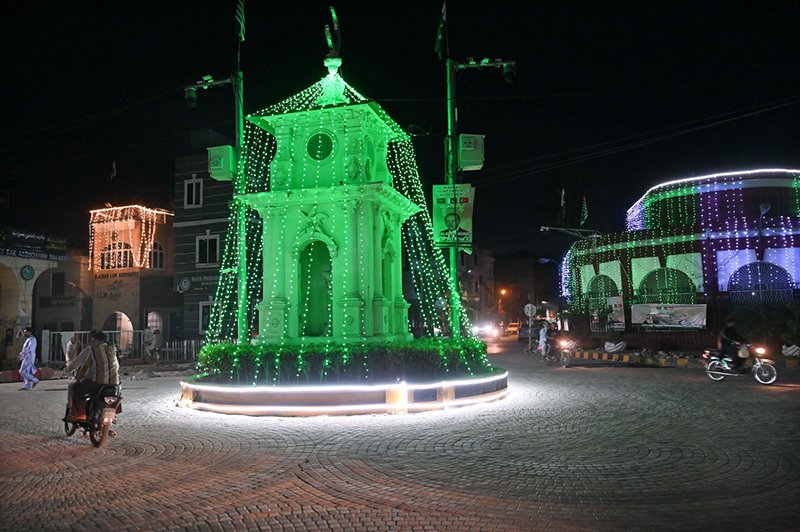
ISLAMABAD — The district administration has embellished the Courthouse and Deputy Commissioner’s Office with colorful lanterns as part of the Independence Day celebrations, bringing a festive atmosphere to the heart of the city. What Happened In a vibrant display of patriotism, the district administration took the initiative to decorate the Courthouse and Deputy Commissioner’s Office with an array of colorful lanterns. This effort is part of the broader Independence Day celebrations taking place across the country. The lanterns, which have been strategically placed to enhance the aesthetic appeal of these central government buildings, symbolize the spirit of freedom and unity that Independence Day represents. According to a spokesperson from the district administration, the decorations are intended to inspire a sense of national pride among citizens. “The colorful lanterns are not just decorations; they are a representation of our nation’s vibrant culture and history,” the spokesperson stated. The initiative has been well-received by the public, with many residents expressing their appreciation for the festive atmosphere it creates. The lighting of the lanterns was accompanied by a small ceremony attended by local officials and community leaders. During the event, speeches were made highlighting the significance of Independence Day and the sacrifices made by the nation’s forefathers to achieve freedom. The ceremony concluded with a rendition of the national anthem, further instilling a sense of patriotism among attendees. Background Independence Day in Pakistan is celebrated annually on August 14, marking the day in 1947 when Pakistan gained independence from British rule. The day is a public holiday, and it is celebrated with various events, including flag-hoisting ceremonies, parades, and cultural performances. Government buildings, streets, and public spaces are often decorated with lights and flags, creating a festive environment throughout the country. The tradition of decorating public buildings with lights and other adornments has been a longstanding practice in Pakistan, symbolizing the joy and pride associated with the country’s independence. Each year, different themes and designs are employed to keep the celebrations fresh and engaging for the public. Why It Matters The decoration of the Courthouse and Deputy Commissioner’s Office with colorful lanterns is more than just an aesthetic enhancement; it is a reflection of the country’s rich cultural heritage and a reminder of the unity and resilience of the Pakistani people. Such initiatives play a crucial role in fostering national pride and unity, especially in a diverse nation like Pakistan, where multiple ethnicities and cultures coexist. By celebrating Independence Day with such vigor, the district administration not only honors the past but also encourages future generations to appreciate the freedoms they enjoy. The decorations serve as a visual reminder of the struggles and sacrifices made by those who fought for the country’s independence, reinforcing the importance of preserving and cherishing these freedoms. Moreover, these celebrations have a positive impact on the local economy. The increased foot traffic in decorated areas often benefits local businesses, as residents and tourists alike are drawn to the festive displays. This can lead to increased sales for local vendors and contribute to the overall economic activity in the region. Key Takeaways The district administration has decorated the Courthouse and Deputy Commissioner’s Office with colorful lanterns for Independence Day. The decorations aim to inspire national pride and celebrate Pakistan’s cultural heritage. Independence Day is celebrated on August 14, commemorating Pakistan’s freedom from British rule in 1947. Such initiatives foster unity and remind citizens of the sacrifices made for independence. The festive atmosphere can positively impact local businesses and the economy. Source Attribution This article is based on official government statements, press releases, and public communications from relevant authorities. Author: NEN Editorial Desk | Editor: NEN Newsroom | Fact Checked By: NEN Editorial Team Author: NEN Editorial Desk  |  Editor: NEN Newsroom  |  Last Updated: August 13, 2026  |  Source: NEN Reporter This article was produced by the NEN Editorial Desk in accordance with NEN Agency’s Editorial Policy and Fact-Checking Policy.
Pakistan

Lahore High Court Releases Comprehensive Verdict on Smog Control Measures

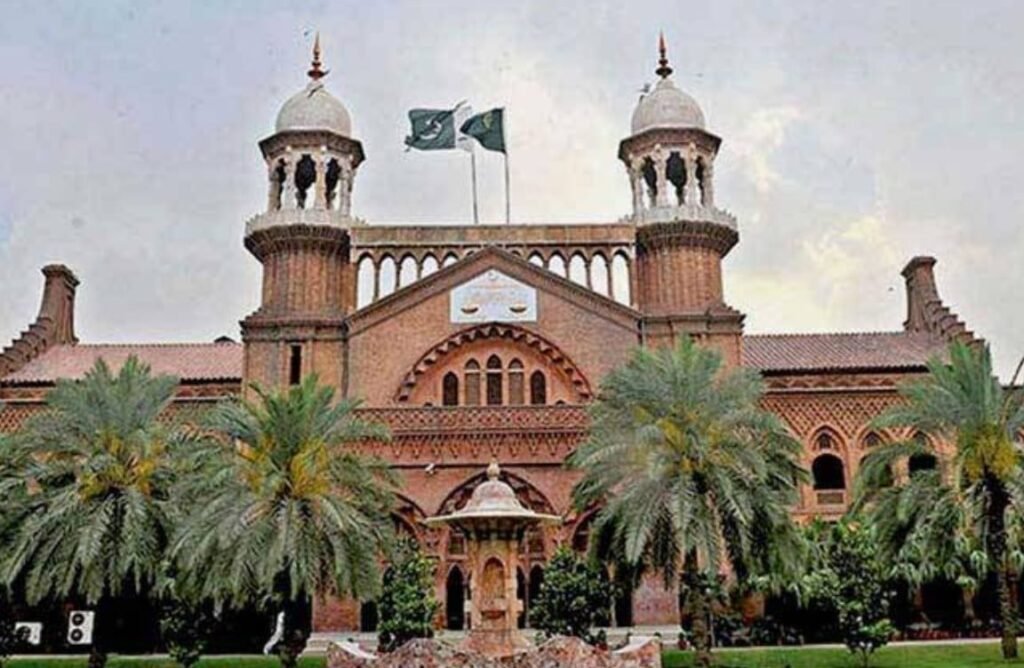
LAHORE — The Lahore High Court (LHC) released a detailed 264-page judgment on Thursday addressing petitions aimed at tackling environmental pollution and smog in Lahore. The court upheld its previous ban on tree cutting within the city, emphasizing the importance of preserving green spaces to combat air quality issues. What Happened The LHC’s verdict comes after extensive deliberations on multiple petitions filed by environmental groups and concerned citizens. These petitions called for urgent action to address the worsening air quality in Lahore, which has been a persistent issue affecting public health. The court’s judgment not only retains the prohibition on cutting trees but also outlines a series of directives aimed at reducing pollution levels. According to the detailed judgment, the court has mandated the provincial government to implement stricter regulations on industrial emissions and vehicular pollution. The court also emphasized the need for a comprehensive urban forestry plan, urging authorities to increase green cover in and around Lahore. “The preservation and expansion of green spaces are essential for improving air quality and public health,” the judgment stated. In addition to these measures, the court has instructed relevant authorities to monitor air quality indices regularly and make this data publicly accessible. The judgment also calls for the establishment of a dedicated task force to oversee the implementation of these directives and ensure compliance with environmental standards. The LHC’s decision reflects a growing recognition of the severe impact of air pollution on the health and well-being of Lahore’s residents. The court highlighted the need for a multi-faceted approach, combining regulatory enforcement with community engagement and public awareness campaigns. Background Lahore has been grappling with severe air pollution for several years, particularly during the winter months when smog levels peak. The city’s air quality has consistently ranked among the worst in the world, prompting legal actions and public outcry. In recent years, the LHC has played a pivotal role in addressing environmental concerns, issuing various orders to curb pollution and protect natural resources. The court’s previous rulings have included directives to limit industrial emissions, promote cleaner energy sources, and enhance urban planning to incorporate environmental considerations. The ongoing legal battle reflects broader challenges faced by Pakistan in balancing economic development with environmental sustainability. Why It Matters The LHC’s verdict is significant as it underscores the judiciary’s proactive stance in addressing environmental issues, which are often sidelined in policy discussions. By retaining the ban on tree cutting and mandating comprehensive pollution control measures, the court is setting a precedent for environmental governance in Pakistan. Air pollution poses a serious threat to public health, contributing to respiratory illnesses, cardiovascular diseases, and premature deaths. The court’s directives aim to mitigate these health risks by promoting cleaner air and a healthier urban environment. The emphasis on urban forestry and green spaces aligns with global best practices for sustainable city planning and climate resilience. Economically, improved air quality can enhance productivity by reducing health-related absences and healthcare costs. It also positions Lahore as a more attractive destination for investment and tourism, bolstering the city’s economic prospects. Internationally, the verdict may enhance Pakistan’s reputation as a country committed to environmental protection and sustainable development. This aligns with global efforts to combat climate change and promote ecological conservation. Key Takeaways The Lahore High Court issued a 264-page judgment on smog control, retaining the ban on tree cutting. The verdict mandates stricter regulations on industrial emissions and vehicular pollution. The court emphasized the importance of urban forestry and increasing green cover in Lahore. Regular monitoring of air quality and public accessibility to data are required by the court. The decision reflects a judicial commitment to improving environmental governance in Pakistan. Source Attribution This article is based on official government statements, press releases, and public communications from relevant authorities. Author: NEN Editorial Desk | Editor: NEN Newsroom | Fact Checked By: NEN Editorial Team Author: NEN Editorial Desk  |  Editor: NEN Newsroom  |  Last Updated: August 13, 2026  |  Source: NEN Reporter This article was produced by the NEN Editorial Desk in accordance with NEN Agency’s Editorial Policy and Fact-Checking Policy.
World

China Extends Anti-Dumping Duties on Indian Optical Fiber for Five Years

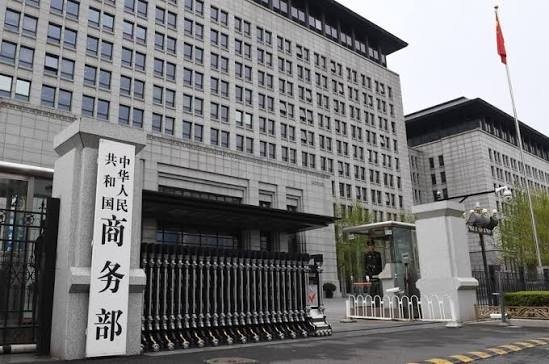
BEIJING — China has announced the extension of anti-dumping duties on single-mode optical fiber imports from India for an additional five years, effective from August 14, 2026. The Ministry of Commerce confirmed the decision on Thursday, citing the need to protect domestic industries from unfair pricing practices. What Happened The Ministry of Commerce of China declared that the anti-dumping duties on Indian optical fibers, which were initially imposed to counteract the dumping of products at below-market prices, will continue for another five years. This decision comes after a thorough review process that began earlier this year, aimed at assessing the potential impact of lifting these duties on the domestic market. According to the ministry, the extension of duties is intended to prevent material injury to the Chinese optical fiber industry. The duties were first imposed in 2014 and have been renewed periodically based on evaluations of market conditions and the behavior of Indian exporters. A spokesperson for the Ministry of Commerce stated, “The continuation of these duties is essential to ensure fair competition and to protect our domestic producers from the adverse effects of dumping.” The duties apply specifically to single-mode optical fibers, which are crucial components in telecommunications infrastructure. These fibers are used extensively in high-speed internet networks and other communication systems, making them a significant part of the technology supply chain. Background Anti-dumping duties are trade policy tools that countries use to protect their domestic industries from foreign companies selling products at unfairly low prices. China first imposed these duties on Indian optical fibers in 2014, following an investigation that revealed Indian manufacturers were selling optical fibers in the Chinese market at prices lower than their normal value. Since then, the duties have been reviewed and extended multiple times. The last extension occurred in 2021, when the duties were renewed for five years. These measures align with China’s broader trade policy objectives to safeguard its industries against what it perceives as unfair trade practices. India, on the other hand, has contested these duties, arguing that they are protectionist measures that hinder free trade. The Indian government has previously sought consultations with China through the World Trade Organization (WTO) to resolve the issue. Why It Matters The extension of anti-dumping duties on Indian optical fibers is significant for several reasons. Economically, it underscores the ongoing trade tensions between two of Asia’s largest economies. The duties are likely to impact Indian manufacturers, who may face reduced market access and increased costs in exporting to China. For China, maintaining these duties is a strategic move to bolster its domestic optical fiber industry, ensuring it remains competitive against foreign imports. This decision reflects China’s broader economic strategy to support local industries and reduce dependency on foreign products, particularly in critical sectors like telecommunications. On an international level, the extension of these duties may influence trade relations between India and China, potentially leading to further disputes or negotiations at the WTO. It also highlights the challenges of balancing free trade with protective measures in a globalized economy. For consumers and businesses within China, the continuation of duties could mean stable pricing and supply of optical fibers, as domestic producers are shielded from aggressive pricing tactics by foreign competitors. However, it could also lead to higher prices if domestic production cannot meet demand efficiently. Key Takeaways China extends anti-dumping duties on Indian optical fiber imports for five more years starting August 14, 2026. The decision aims to protect China’s domestic optical fiber industry from unfair pricing practices. These duties have been in place since 2014 and have been periodically reviewed and renewed. The extension may impact India-China trade relations and could lead to further WTO consultations. The move reflects China’s broader strategy to support local industries and reduce foreign dependency. Source Attribution This article is based on official government statements, press releases, and public communications from relevant authorities. Author: NEN Editorial Desk | Editor: NEN Newsroom | Fact Checked By: NEN Editorial Team Author: NEN Editorial Desk  |  Editor: NEN Newsroom  |  Last Updated: August 13, 2026  |  Source: NEN Reporter This article was produced by the NEN Editorial Desk in accordance with NEN Agency’s Editorial Policy and Fact-Checking Policy.
Pakistan

Islamabad High Court Completes Independence Day Ceremony Preparations

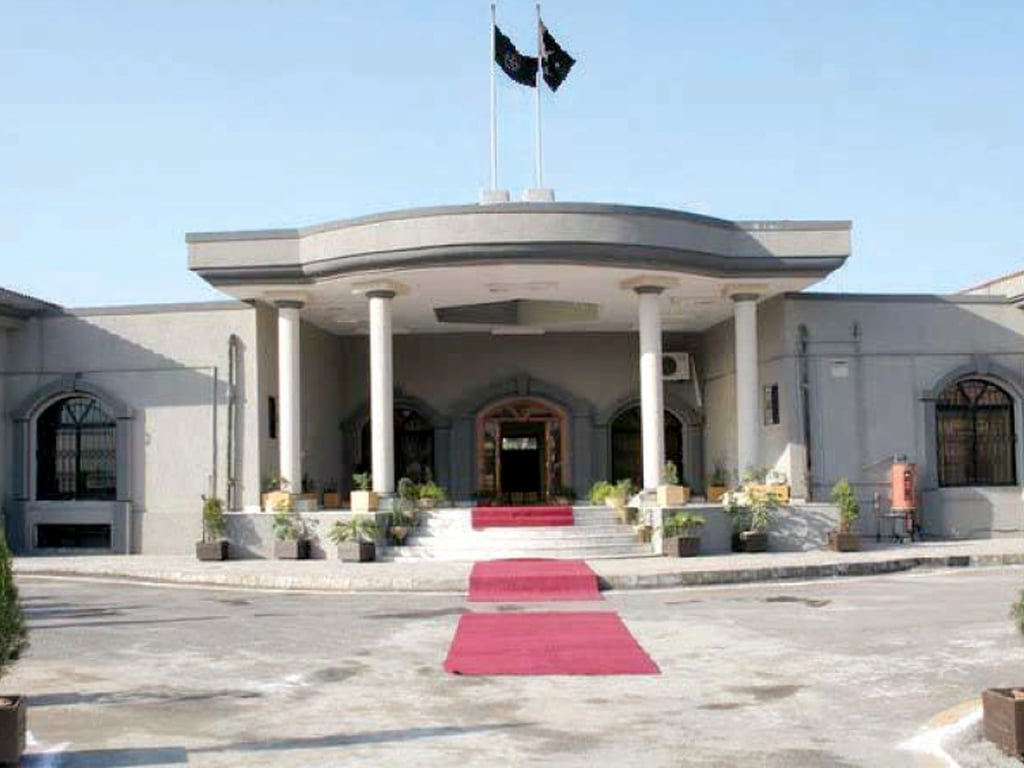
ISLAMABAD — The Islamabad High Court (IHC) has finalized its arrangements for the upcoming Independence Day ceremony, set to take place on August 14. A rehearsal featuring a contingent of the Islamabad Police was conducted to ensure the smooth execution of the event. What Happened The Islamabad High Court has completed all necessary preparations for the Independence Day celebrations, which will be held on its premises. The preparations included a full rehearsal by the Islamabad Police, who are tasked with ensuring security and ceremonial duties during the event. The rehearsal was conducted to fine-tune the logistics and coordination required for the successful hosting of the ceremony. The ceremony is expected to be attended by various dignitaries, legal professionals, and members of the judiciary. The IHC’s initiative to host the event underscores its commitment to celebrating national pride and unity. The police contingent, known for their discipline and precision, performed drills and formations that will be part of the official ceremony. The rehearsal aimed to identify any potential issues and rectify them ahead of the main event. In addition to the police rehearsal, the IHC has coordinated with various departments to ensure that all aspects of the ceremony, including security, seating arrangements, and protocol, are meticulously planned. The IHC has also ensured compliance with health and safety guidelines, given the ongoing concerns related to public gatherings. Background Independence Day, celebrated annually on August 14, marks the day in 1947 when Pakistan gained independence from British rule. The day is observed with great enthusiasm across the country, with various ceremonies, parades, and cultural events. The Islamabad High Court, established in 2010, has been participating in these celebrations to honor the nation’s history and achievements. The IHC’s involvement in Independence Day celebrations reflects its role as an institution upholding the rule of law and justice in Pakistan. Over the years, the court has hosted several events to commemorate national days, fostering a sense of patriotism and unity among its staff and the broader community. Why It Matters The preparations for the Independence Day ceremony at the IHC hold significant importance for several reasons. Firstly, it highlights the judiciary’s role in national celebrations, emphasizing the connection between the rule of law and national identity. By hosting such events, the IHC reinforces its commitment to the principles of justice and democracy, which are foundational to Pakistan’s independence. Secondly, the involvement of the Islamabad Police in the ceremony underscores the importance of security and order in public events. The police’s role in the rehearsal and the ceremony itself demonstrates their dedication to maintaining peace and safety, which are crucial for the successful execution of national celebrations. Furthermore, the event provides an opportunity for the judiciary and law enforcement to engage with the public, fostering trust and cooperation. In a time where national unity is paramount, such events serve as a reminder of the shared values and aspirations that bind the nation together. The ceremony also serves as a platform to honor the sacrifices made by those who fought for Pakistan’s independence. It is a moment for reflection on the country’s journey and a reaffirmation of the commitment to uphold the ideals upon which Pakistan was founded. Key Takeaways The Islamabad High Court has finalized preparations for the Independence Day ceremony. A rehearsal by the Islamabad Police was conducted to ensure the event’s smooth execution. The ceremony underscores the judiciary’s role in national celebrations and the importance of security. Independence Day marks Pakistan’s freedom from British rule in 1947. The event fosters national unity and reflects on the country’s journey and ideals. Source Attribution This article is based on official government statements, press releases, and public communications from relevant authorities. Author: NEN Editorial Desk | Editor: NEN Newsroom | Fact Checked By: NEN Editorial Team Author: NEN Editorial Desk  |  Editor: NEN Newsroom  |  Last Updated: August 13, 2026  |  Source: NEN Reporter This article was produced by the NEN Editorial Desk in accordance with NEN Agency’s Editorial Policy and Fact-Checking Policy.
World

Pakistan And Belarus Explore Enhanced Economic Cooperation

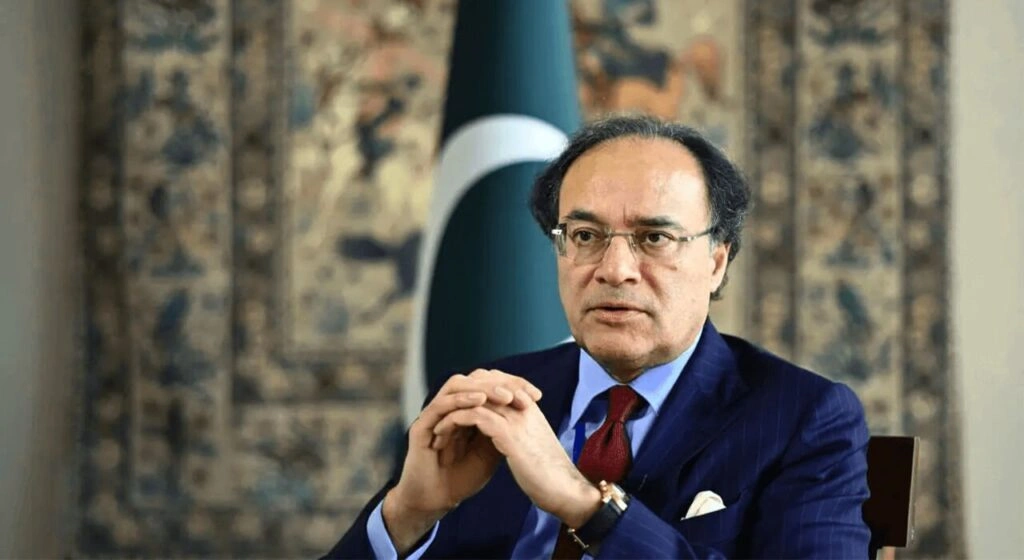
ISLAMABAD — Pakistan and Belarus have initiated discussions aimed at strengthening their economic ties, focusing on trade and investment opportunities. The talks were held on Wednesday between Pakistan’s Federal Minister for Finance and Revenue, Senator Muhammad Aurangzeb, and Belarus’s Minister of Energy, Denis Moroz, in Islamabad. What Happened The meeting between Senator Muhammad Aurangzeb and Minister Denis Moroz marked a significant step in the bilateral relations between Pakistan and Belarus. The primary agenda was to explore avenues for enhancing economic cooperation, particularly in the sectors of trade and investment. According to a press release from Pakistan’s Ministry of Finance, both ministers expressed a keen interest in expanding the scope of economic activities and identified several potential areas for collaboration. Senator Aurangzeb emphasized the importance of diversifying economic relations and highlighted Pakistan’s strategic location as a gateway to South Asia and the Middle East. He stated, “Pakistan offers immense opportunities for investment in various sectors, including energy, agriculture, and technology.” Minister Moroz reciprocated by acknowledging the potential for Belarusian businesses to engage more deeply with the Pakistani market, especially in the energy sector. The discussions also touched upon the need for a more structured framework to facilitate trade and investment. Both parties agreed on the importance of establishing joint ventures and partnerships that could lead to mutual economic benefits. The ministers underscored the significance of removing trade barriers and enhancing connectivity to foster a conducive environment for business growth. Background Pakistan and Belarus have maintained diplomatic relations since 1994, with both countries showing a commitment to enhancing bilateral ties over the years. Economic cooperation has been a focal point of these relations, with several agreements signed in the past to promote trade and investment. In recent years, both nations have expressed a desire to deepen their economic engagement, recognizing the potential for mutual benefits. Belarus, a landlocked country in Eastern Europe, has a well-developed industrial base, particularly in machinery and heavy equipment manufacturing. This complements Pakistan’s growing demand for industrial goods and technology. Conversely, Pakistan’s agricultural products and textiles have found a market in Belarus, highlighting the complementary nature of their economies. Why It Matters The discussions between Pakistan and Belarus hold significant implications for both countries. For Pakistan, enhancing economic cooperation with Belarus could lead to increased foreign investment, which is crucial for its economic growth and development. The potential for joint ventures in sectors like energy and technology could also lead to job creation and technological advancement within the country. For Belarus, engaging with Pakistan offers access to a large and diverse market. Pakistan’s strategic location provides Belarus with an opportunity to expand its economic footprint in South Asia and beyond. This could lead to increased exports and a stronger presence in the region’s markets. On a broader scale, the strengthening of economic ties between Pakistan and Belarus could contribute to regional stability and economic integration. By fostering closer economic relations, both countries can play a role in promoting peace and development in their respective regions. Key Takeaways Pakistan and Belarus are exploring ways to enhance economic cooperation, focusing on trade and investment. Discussions highlighted the potential for joint ventures and partnerships in energy and technology sectors. Both countries aim to remove trade barriers and enhance connectivity to facilitate business growth. Strengthening economic ties could lead to increased foreign investment and job creation in Pakistan. Belarus seeks to expand its economic presence in South Asia through engagement with Pakistan. Source Attribution This article is based on official government statements and public communications from the Ministry of Finance of Pakistan. Author: NEN Editorial Desk | Editor: NEN Newsroom | Fact Checked By: NEN Editorial Team Author: NEN Editorial Desk  |  Editor: NEN Newsroom  |  Last Updated: August 13, 2026  |  Source: Press Release from Government of Pakistan This article was produced by the NEN Editorial Desk in accordance with NEN Agency’s Editorial Policy and Fact-Checking Policy.
Pakistan

Pakistan And Kyrgyzstan To Form Joint Business Council For Trade Enhancement

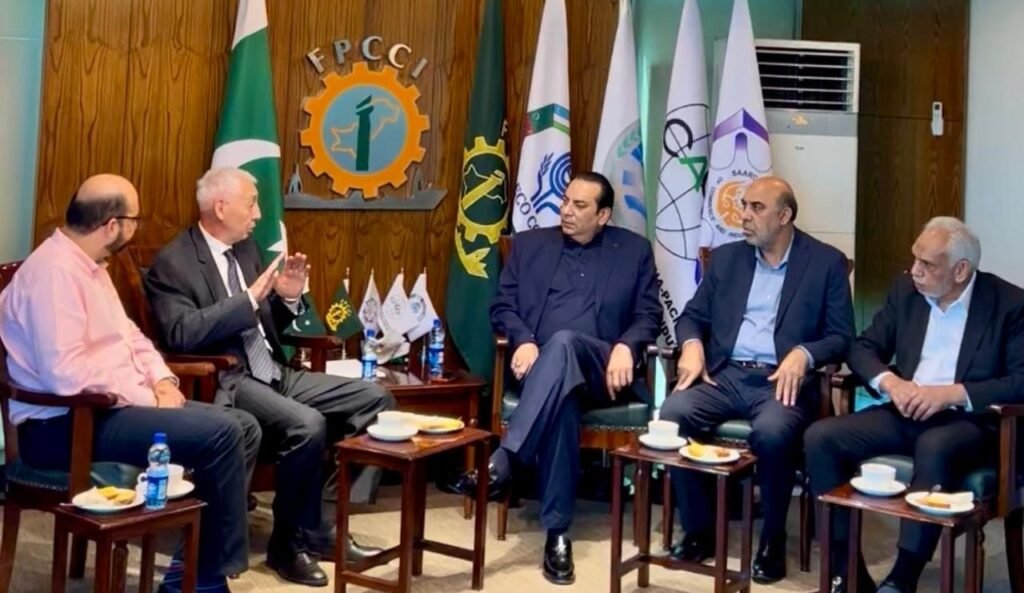
ISLAMABAD — Pakistan and Kyrgyzstan have agreed to establish a Joint Business Council aimed at boosting trade and investment between the two nations. The agreement was reached during a meeting between Aibek Tilebaliev, the Chargé d’Affaires of the Embassy of Kyrgyzstan, and Atif Ikram Sheikh, President of the Federation of Pakistan Chambers of Commerce and Industry (FPCCI), held on Wednesday in Islamabad. What Happened The meeting between Aibek Tilebaliev and Atif Ikram Sheikh focused on enhancing bilateral trade, promoting investment opportunities, and strengthening direct business-to-business (B2B) linkages between Pakistan and Kyrgyzstan. Both parties expressed their commitment to fostering economic ties and exploring new avenues for collaboration in various sectors. According to FPCCI President Atif Ikram Sheikh, the establishment of the Joint Business Council will serve as a platform for regular dialogue and cooperation between the business communities of both countries. He stated, “The council will facilitate the exchange of information, ideas, and experiences, ultimately leading to increased trade and investment flows.” Aibek Tilebaliev emphasized the potential for growth in trade relations, noting that both countries have complementary economies that can benefit from closer cooperation. He remarked, “Kyrgyzstan is keen to enhance its trade ties with Pakistan, and we see this council as a vital step in achieving that goal.” The discussions also highlighted the importance of removing trade barriers and simplifying procedures to encourage more robust economic engagement. Both sides agreed to work on identifying specific sectors where mutual benefits could be maximized, including textiles, agriculture, and information technology. Background Pakistan and Kyrgyzstan have shared diplomatic relations since Kyrgyzstan gained independence following the dissolution of the Soviet Union in 1991. Over the years, both countries have engaged in various bilateral agreements to enhance cooperation in diverse fields, including education, culture, and trade. The economic relationship between the two nations has been relatively modest, with trade volumes remaining low compared to their potential. However, recent initiatives, such as the China-Pakistan Economic Corridor (CPEC), have opened new opportunities for regional connectivity, which both countries aim to capitalize on. The establishment of the Joint Business Council is seen as a strategic move to leverage these opportunities and foster a more dynamic economic partnership. Why It Matters The formation of the Joint Business Council between Pakistan and Kyrgyzstan holds significant implications for both countries. Economically, it presents an opportunity to diversify trade portfolios and reduce dependency on traditional markets. By tapping into each other’s strengths, Pakistan and Kyrgyzstan can enhance their economic resilience and competitiveness. For Pakistan, strengthening ties with Kyrgyzstan aligns with its broader strategy of enhancing regional connectivity and economic integration. The council could facilitate access to Central Asian markets, providing Pakistani businesses with new export destinations and opportunities for joint ventures. Politically, the initiative reinforces Pakistan’s commitment to fostering peaceful and cooperative relations with its neighbors. It also underscores the importance of economic diplomacy in achieving foreign policy objectives. On an international level, the collaboration between Pakistan and Kyrgyzstan could serve as a model for other countries in the region, highlighting the benefits of regional cooperation in achieving sustainable economic growth. Key Takeaways Pakistan and Kyrgyzstan have agreed to establish a Joint Business Council to enhance trade and investment. The council aims to strengthen B2B linkages and facilitate regular dialogue between the two countries’ business communities. The initiative is part of a broader strategy to leverage regional connectivity and economic integration. Both countries see potential in sectors like textiles, agriculture, and information technology. The collaboration could serve as a model for regional cooperation in Central Asia. Source Attribution This article is based on official government statements, press releases, and public communications from relevant authorities. Author: NEN Editorial Desk | Editor: NEN Newsroom | Fact Checked By: NEN Editorial Team Author: NEN Editorial Desk  |  Editor: NEN Newsroom  |  Last Updated: August 13, 2026  |  Source: NEN Reporter This article was produced by the NEN Editorial Desk in accordance with NEN Agency’s Editorial Policy and Fact-Checking Policy.
Pakistan

Seven Arrested in Rs14.4 Million Canada Work Permit Fraud Case

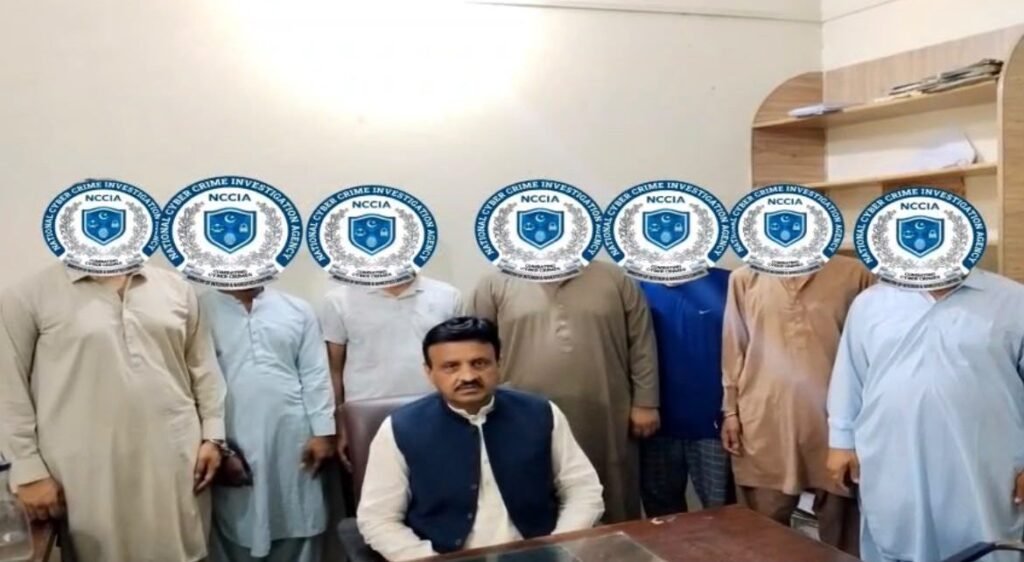
LAHORE — The National Cyber Crime Investigation Agency (NCCIA) has apprehended seven individuals accused of defrauding a citizen of Rs14.4 million under the guise of providing a Canadian work permit and visa. The arrests were made following an investigation into the fraudulent activities conducted via social media platforms. What Happened The NCCIA, a key agency in combating cybercrime in Pakistan, took action after receiving a complaint from Muhammad Younis, a resident of Faisalabad. Younis had been lured by a Facebook page titled “Canada Work Permit Visa,” which promised legitimate work permits and job opportunities in Canada. The page also provided WhatsApp numbers for direct communication with the suspects. According to the NCCIA spokesperson, the suspects, identified as Muhammad Aslam, Muhammad Asghar, Muhammad Nauman, Jan Muhammad, Umar Usman, Muhammad Huzaifa, and Abdul Rauf, allegedly used fabricated documents and false promises to convince Younis to transfer Rs14.4 million into various bank accounts. Despite the significant financial outlay, Younis never received the promised work permit or visa, leading him to report the matter to the authorities. The NCCIA Faisalabad unit conducted a thorough investigation, gathering evidence of the fraudulent transactions and the suspects’ communications. This led to the arrest of the seven individuals involved in the scam. The operation highlights the increasing sophistication of cyber fraud schemes targeting individuals seeking international employment opportunities. Background Cybercrime in Pakistan has been on the rise, with fraudsters exploiting digital platforms to conduct scams. The NCCIA, established to tackle such crimes, has been instrumental in investigating and prosecuting cases of online fraud. The agency’s focus has been on protecting citizens from scams related to visas, job offers, and other lucrative opportunities that often turn out to be fraudulent. Historically, the allure of working abroad has made many Pakistanis vulnerable to scams promising employment and residency in countries like Canada. These scams often involve fake websites, social media pages, and fraudulent documentation, making it challenging for victims to discern legitimate offers from fraudulent ones. Why It Matters The arrest of the seven suspects in this case underscores the urgent need for increased awareness and vigilance among the public regarding cyber fraud. With the proliferation of digital platforms, fraudsters have found new ways to exploit individuals, particularly those seeking better economic opportunities abroad. This incident serves as a stark reminder of the potential financial and emotional toll these scams can have on victims. Economically, scams like these not only devastate individual victims but also tarnish the reputation of legitimate agencies and platforms offering genuine opportunities. They create an atmosphere of distrust that can hinder the efforts of legitimate businesses and agencies operating in the international employment sector. On a broader scale, the incident reflects the challenges faced by Pakistani authorities in regulating and monitoring online activities. It highlights the need for robust cybersecurity measures and public education campaigns to help citizens recognize and avoid potential scams. Key Takeaways The NCCIA arrested seven individuals for defrauding a citizen of Rs14.4 million through a fake Canada work permit scheme. The suspects used a Facebook page and WhatsApp communications to lure victims with false promises of employment in Canada. The case highlights the growing threat of cyber fraud in Pakistan, particularly targeting individuals seeking international opportunities. Public awareness and robust cybersecurity measures are essential to combat online scams and protect citizens. The incident underscores the economic and emotional impact of cyber fraud on individual victims and the broader community. Source Attribution This article is based on official statements and communications from the National Cyber Crime Investigation Agency and other relevant authorities. Author: NEN Editorial Desk | Editor: NEN Newsroom | Fact Checked By: NEN Editorial Team Author: NEN Editorial Desk  |  Editor: NEN Newsroom  |  Last Updated: August 13, 2026  |  Source: Press Release from Government of Pakistan This article was produced by the NEN Editorial Desk in accordance with NEN Agency’s Editorial Policy and Fact-Checking Policy.
World

Babur’s Legacy Seen As Cultural Bridge Between Uzbekistan And Pakistan

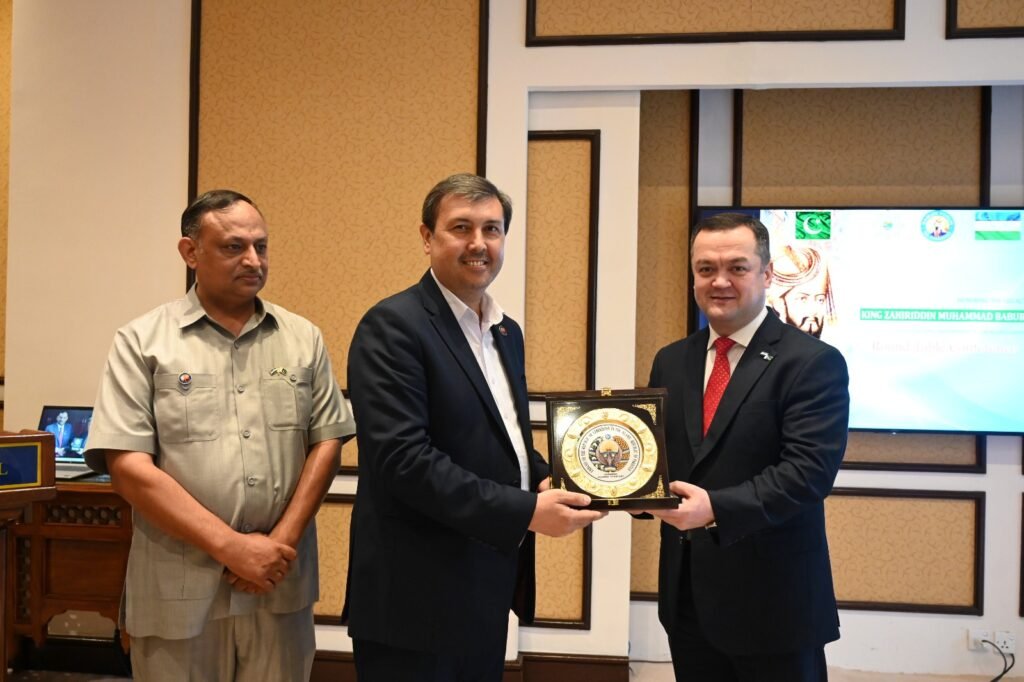
ISLAMABAD — The Ambassador of Uzbekistan to Pakistan, Alisher Tukhtaev, has highlighted the enduring legacy of Mughal Emperor Zahiruddin Muhammad Babur as a cultural bridge between Uzbekistan and Pakistan. Speaking on the historical ties between the two nations, the ambassador emphasized Babur’s multifaceted contributions as a statesman, military leader, poet, and thinker, which continue to resonate across Central and South Asia. What Happened During a recent event, Ambassador Alisher Tukhtaev underscored the significant role of Babur in fostering cultural and historical connections between Uzbekistan and Pakistan. Babur, who founded the Mughal Empire in the Indian subcontinent, was born in Andijan, present-day Uzbekistan, and his legacy is deeply rooted in both Uzbek and Pakistani cultures. The ambassador remarked, “Babur’s life and works are a testament to the shared history and cultural heritage that unite our two nations.” Babur’s contributions extend beyond his military conquests; he was an accomplished poet and writer, whose works provide a vivid account of the society and nature of his time. His autobiography, the Baburnama, is considered a masterpiece of literature and offers insights into the cultural and social dynamics of the 16th century. Ambassador Tukhtaev noted that Babur’s literary and cultural achievements continue to inspire scholars and historians in both countries. The ambassador also highlighted ongoing efforts to strengthen cultural ties between Uzbekistan and Pakistan, including academic exchanges and collaborative cultural projects. These initiatives aim to deepen mutual understanding and appreciation of the rich historical connections that Babur symbolizes. Background Zahiruddin Muhammad Babur, born in 1483 in the Fergana Valley, was a descendant of Timur on his father’s side and Genghis Khan on his mother’s side. After a series of military campaigns, he established the Mughal Empire in 1526, which marked the beginning of a new era in the Indian subcontinent. The Mughals brought significant advancements in architecture, art, and culture, leaving a lasting impact on the region. Babur’s autobiography, the Baburnama, written in Chagatai Turkish, provides a detailed account of his life, including his observations on the geography, flora, and fauna of the lands he conquered. This work remains an important historical document, offering insights into the early 16th-century world. Uzbekistan and Pakistan have long shared historical and cultural ties, with Babur’s legacy serving as a focal point for these connections. Both countries have engaged in various cultural and educational exchanges to celebrate their shared heritage and promote mutual understanding. Why It Matters The emphasis on Babur’s legacy as a cultural bridge between Uzbekistan and Pakistan is significant in the context of fostering regional cooperation and understanding. By celebrating shared historical figures like Babur, both countries can strengthen their bilateral relations and promote cultural diplomacy. Cultural exchanges and collaborations, inspired by historical figures such as Babur, can lead to increased people-to-people connections, enhancing tourism and educational opportunities. These interactions can also pave the way for economic partnerships, benefiting both nations. In a broader context, the celebration of Babur’s legacy highlights the importance of historical and cultural diplomacy in building bridges between nations. As Uzbekistan and Pakistan continue to explore their shared heritage, there is potential for deeper collaboration in various sectors, including trade, education, and tourism. Key Takeaways Ambassador Alisher Tukhtaev emphasizes Babur’s legacy as a cultural bridge between Uzbekistan and Pakistan. Babur’s contributions as a statesman, poet, and thinker continue to resonate in both nations. Ongoing cultural and academic exchanges aim to strengthen bilateral relations. Babur’s legacy underscores the importance of historical and cultural diplomacy. Shared heritage can enhance regional cooperation and economic partnerships. Source Attribution This article is based on official statements and public communications from the Embassy of Uzbekistan in Pakistan. Author: NEN Editorial Desk | Editor: NEN Newsroom | Fact Checked By: NEN Editorial Team Author: NEN Editorial Desk  |  Editor: NEN Newsroom  |  Last Updated: August 13, 2026  |  Source: NEN Reporter This article was produced by the NEN Editorial Desk in accordance with NEN Agency’s Editorial Policy and Fact-Checking Policy.

Pakistan

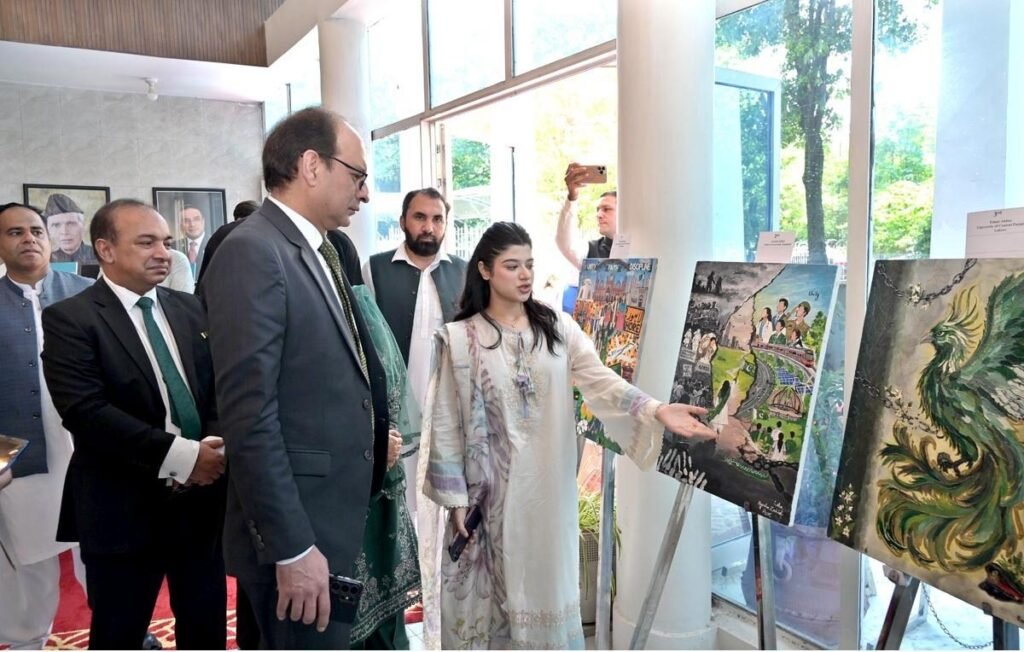
DEMP Celebrates Pakistan’s 78th Independence Day with Art Competition

ISLAMABAD — The Directorate of Electronic Media and Publications (DEMP) under the Ministry of Information and Broadcasting organized a painting competition at the Information Services Academy (ISA) on Thursday to commemorate Pakistan’s 78th Independence Anniversary. The event aimed to engage the youth in patriotic activities and foster a sense of national pride. What Happened The painting competition, held at the ISA in Islamabad, drew participants from various educational institutions across the city. The event was part of a series of activities organized by the DEMP to celebrate the country’s independence. Students were encouraged to express their creativity by depicting themes related to Pakistan’s history, culture, and achievements since its founding in 1947. The competition featured a panel of judges comprising renowned artists and educators who evaluated the artworks based on creativity, relevance to the theme, and artistic skill. Winners were awarded certificates and prizes to acknowledge their efforts and talent. A spokesperson for the DEMP stated, “This competition is an opportunity for young artists to showcase their skills and express their love for the country through art.” Participants expressed enthusiasm about the event, noting that it provided a platform to convey their vision of Pakistan. One participant remarked, “Painting allows us to connect with our history and express our hopes for the future of our nation.” The event concluded with a small ceremony where the winners were announced, and their artworks were displayed for public viewing. Background Pakistan’s Independence Day, celebrated annually on August 14, marks the country’s freedom from British rule in 1947. Over the years, the day has been commemorated with various events, including parades, flag-hoisting ceremonies, and cultural programs. The DEMP, responsible for promoting government policies and initiatives through media, often organizes events to engage the public in national celebrations. The tradition of holding art competitions during Independence Day celebrations is intended to involve the younger generation in activities that promote national identity and cultural heritage. Such events are seen as a means to educate the youth about the country’s history and inspire them to contribute positively to its future. Why It Matters The painting competition organized by the DEMP holds significant importance in fostering a sense of national pride among the youth. By engaging young artists in activities that celebrate Pakistan’s independence, the event helps instill a deeper understanding of the country’s history and cultural values. This is crucial in a nation where the majority of the population is under the age of 30, as it encourages them to take an active role in shaping the country’s future. Moreover, the competition provides a platform for young talents to gain recognition and encouragement, which can be pivotal in nurturing future artists and cultural ambassadors. In a broader context, such initiatives contribute to the preservation and promotion of Pakistan’s rich artistic heritage, which is an integral part of its national identity. On an international level, events like these showcase Pakistan’s commitment to promoting peace and unity through cultural expression. They highlight the country’s efforts to engage its citizens in constructive and creative pursuits, countering negative stereotypes and fostering a positive image globally. Key Takeaways The DEMP organized a painting competition to celebrate Pakistan’s 78th Independence Anniversary. The event aimed to engage youth in patriotic activities and promote national pride. Participants expressed their vision of Pakistan through art, with winners receiving recognition and prizes. Such events play a crucial role in educating the youth about the country’s history and cultural heritage. The initiative contributes to preserving Pakistan’s artistic heritage and promoting its positive image internationally. Source Attribution This article is based on official government statements and public communications from relevant authorities. Author: NEN Editorial Desk | Editor: NEN Newsroom | Fact Checked By: NEN Editorial Team Author: NEN Editorial Desk  |  Editor: NEN Newsroom  |  Last Updated: August 13, 2026  |  Source: NEN Reporter This article was produced by the NEN Editorial Desk in accordance with NEN Agency’s Editorial Policy and Fact-Checking Policy.

Scroll to Top