ISLAMABAD, November 27 – NEN: Two ADB loans worth $468 million will improve water and farm management in Punjab and Khyber Pakhtunkhwa. The Asian Development Bank (ADB) announced the approval on Friday. About 728,000 people should benefit.
What the Two Loans Cover
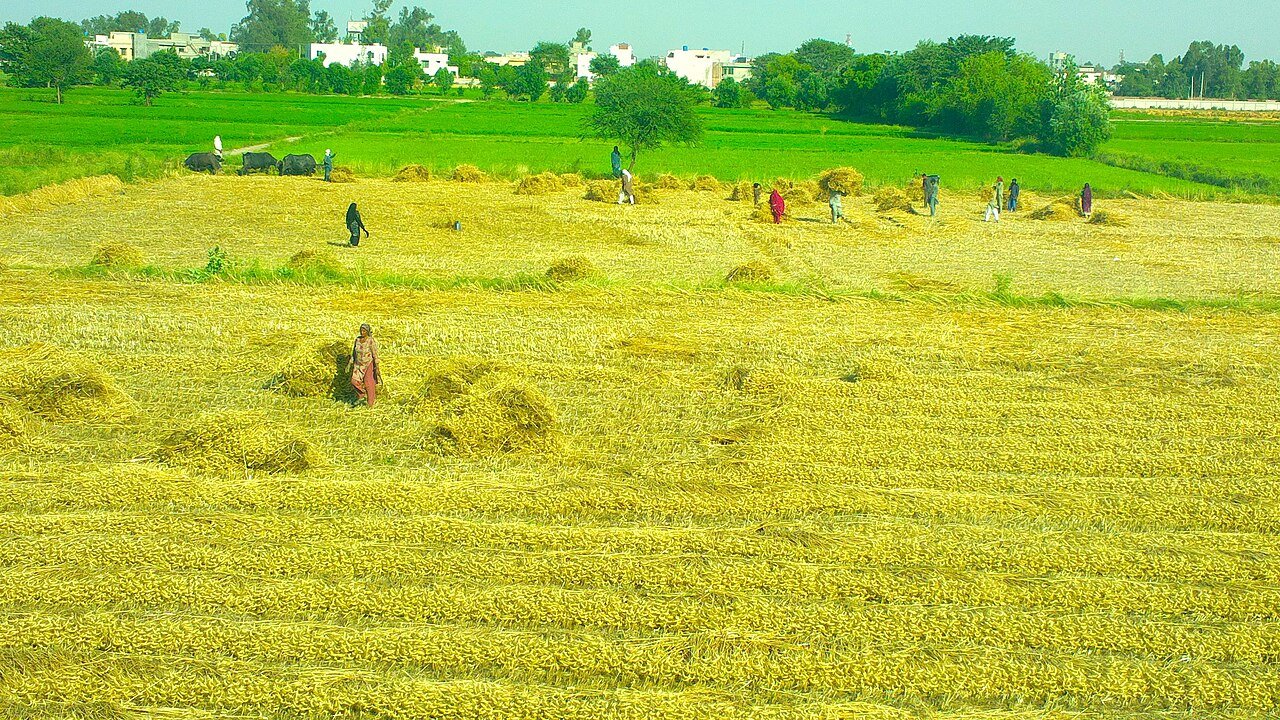
The first loan is $208 million for Khyber Pakhtunkhwa. It will help small farmers in Nowshera, Swabi and Upper Chitral grow more and earn more. To do this, the project will build and repair irrigation systems. As a result, they should stand up better to natural disasters.
In addition, farmers will get training and learn smart farm tools. Meanwhile, women will receive job skills training. The project will also support a bigger role for them in water decisions.
The second loan is $260 million for Punjab. It will fund a project to manage hill torrents. These are sudden, fast streams that rush down from hills after heavy rain. Therefore, the work will add structures to hold water, drain it and guard against floods.
Using Flood Water Well
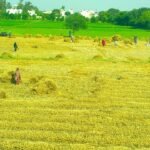
The Punjab project will also promote spate irrigation. Under this method, farmers guide flood water onto their fields. Next, the soil soaks it up and supports crops. The plan also uses nature-based steps to refill ground water and restore the local environment.
ADB Country Director Emma Fan said the projects will help in “strengthening food security”. She also linked the work to climate pressures. According to her, strong water systems and sound farming matter for rural communities.
Background
Both loans are concessional. This means they carry easier terms than normal market borrowing. In addition, the ADB is a regional lender that funds development work across Asia and the Pacific.
The approval comes days after a separate ADB loan for another purpose. You can read our report on the $250 million public-private project loan.
What This Means for You
The Punjab share is about 56 percent of the total. Khyber Pakhtunkhwa receives the other 44 percent. At roughly Rs276 per dollar, the full sum equals about Rs129 billion.
Spread across 728,000 people, the amount comes to about $640 per person. However, this is only a simple average. Instead, the money will pay for shared works such as channels and flood defences, so people will gain services rather than cash.
First, for farm families, better channels can mean a more reliable water supply. As a result, they may plan sowing with more confidence. The lender also expects higher crop yields and new jobs.
Residents of hill areas in Punjab stand to gain from lower flash flood risk. Meanwhile, towns and villages can also benefit from water saved for community use.
Overseas Pakistanis with farmland in the named districts can ask relatives to follow notices from provincial irrigation and agriculture departments. Then these offices can explain where local works will take place.
What Happens Next
With approval in place, the two projects move toward work on the ground. Meanwhile, farmers can watch for provincial updates on training sessions and irrigation works.
Source: Asian Development Bank (ADB). Reported by NEN News Desk.
Featured image: Photo: Asimali740 / Wikimedia Commons, CC BY-SA 4.0