ISLAMABAD, November 27 – NEN: The wheat import ceiling for 2026-27 will rise to 2.5 million metric tonnes under a decision of the Economic Coordination Committee (ECC). The limit stood at 1 million tonnes before. Finance Minister Muhammad Aurangzeb chaired the online meeting on Friday.
What the Committee Approved
The ECC gave its approval in principle, and the federal Cabinet will take up the decision for ratification. A ceiling is the highest amount allowed. So, the actual volume will depend on confirmed provincial demand and market conditions.
Because it is higher, the limit gives room to meet new needs without repeated approvals. It also aims to keep supplies steady and prices stable. According to the Finance Minister, the step sends a clear message to the market. He also called for joint action to stop speculation and market tricks that push up prices.
How Much Each Province Needs
Provinces now put their combined need at about 1.7 million tonnes. Punjab accounts for 950,000 tonnes. Meanwhile, Sindh has a figure of 450,000 tonnes, subject to confirmation. Khyber Pakhtunkhwa needs 300,000 tonnes.
Balochistan will meet its needs from stocks held by PASSCO. This is the federal agency that stores farm produce.
The provinces will pay all costs of their imported wheat. For example, these include freight, insurance, port charges, transport, taxes and duties. First, each province must confirm its demand in writing. Then it must pay in advance or set up suitable bank cover.
Faster Handling at Ports
The committee also approved priority berthing for wheat ships. This means such vessels will get early space at the dock. As a result, cargo can reach markets sooner and extra costs can fall.
A steering committee under the Deputy Prime Minister will oversee the programme. In addition, the food security ministry will track daily progress.
Background
Wheat is the main staple food in Pakistan. Families use its flour to make roti, naan and paratha every day. Therefore, steady supply matters to almost every home.
The Trading Corporation of Pakistan issued a tender on November 23 for up to 800,000 tonnes. A tender invites suppliers to send price offers. You can read our earlier report on the wheat import review.
What This Means for You
The new ceiling is 2.5 times the old one. In simple terms, it adds 1.5 million tonnes of room for imports. It also sits 800,000 tonnes above the current provincial figure.
Punjab makes up about 56 percent of that demand. Sindh follows with about 26 percent, while Khyber Pakhtunkhwa has nearly 18 percent.
For shoppers, the goal is enough wheat in the market until the next harvest. Buy flour as your home needs it, and check the weight and price on each bag.
Traders and millers should also follow provincial notices on the release of public stocks. These stocks are the wheat that governments hold in their stores.
Pakistanis abroad who support families at home can include flour in the monthly budget. A quick call about local prices can help them plan how much to send.
What Happens Next
The decision now goes to the federal Cabinet. Meanwhile, provinces will confirm their quantities in writing and arrange payment for their shares.
Sources: Economic Coordination Committee of the Cabinet, Ministry of Finance and Revenue. Reported by NEN News Desk.
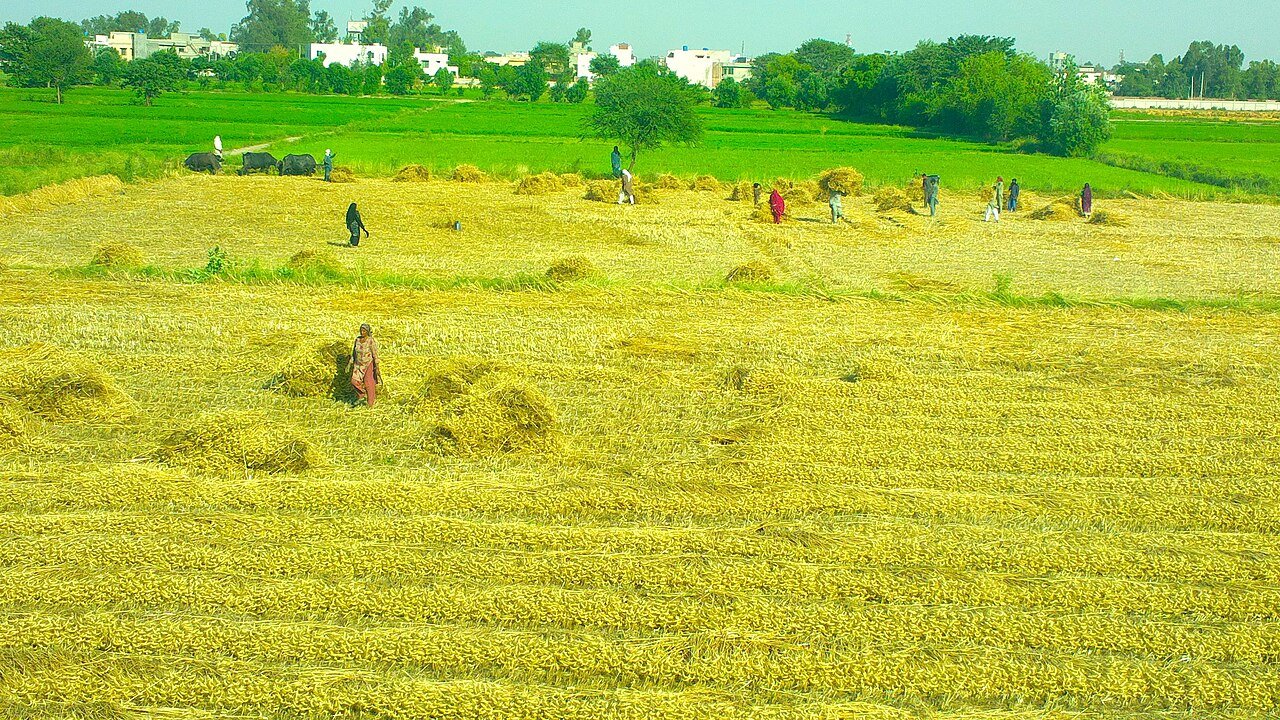
Featured image: Photo: AishaSaleemkhan100 / Wikimedia Commons, CC BY-SA 4.0