ISLAMABAD, November 26 – NEN: Wheat import needs for 2026-27 came under review on Thursday, as officials discussed buying an additional 500,000 metric tonnes. Deputy Prime Minister and Foreign Minister Ishaq Dar chaired the steering committee meeting in Islamabad. This amount would come on top of 800,000 tonnes already under process.
What the Committee Reviewed
The committee checked the country’s wheat stocks. It also looked at likely demand and supply at home. In addition, members studied how much wheat Pakistan needs to buy from abroad in 2026-27.
The goal is a steady supply in all parts of the country. Therefore, Mr Dar stressed early planning and close work between the centre and the provinces. He also called for smooth steps to keep enough wheat in stock at fair prices.
According to the official account, a calm market is another aim. The Deputy Prime Minister said farmers and buyers both need protection.
Background
Wheat is the main staple food in Pakistan. Families use its flour every day to make roti, naan and paratha. As a result, a sure supply matters to almost every home.
The government has already been arranging imports. On November 23, the Trading Corporation of Pakistan issued an international tender for up to 800,000 tonnes. A tender is a formal invitation for suppliers to submit price offers. The buyer then compares those offers before placing orders.
Support for local growers is also part of the picture. In October, Prime Minister Shehbaz Sharif set an indicative wheat price of Rs4,500 per maund for the 2027 crop. The previous figure was Rs3,500, so the rise is Rs1,000, or about 29 percent.
A maund equals 40 kilograms. Therefore, the new figure works out to Rs112.50 per kilogram. The earlier one equalled Rs87.50 per kilogram.
What This Means for You
For households, the review is about keeping flour available through the year. Adequate stocks help mills receive grain on time. That, in turn, supports a stable market.
The numbers show the scale of the plan. Together, 800,000 tonnes and 500,000 tonnes come to 1.3 million tonnes. Since one tonne holds 1,000 kilograms, this equals 1.3 billion kilograms of wheat.
Shoppers can also take simple steps. For example, compare flour prices at nearby shops before buying a large bag. Check the weight and the packing date as well.
Also store flour in a dry, sealed box. Buy only as much as your family can use while it stays fresh.
Farmers, meanwhile, can use the indicative price when planning the current sowing season. A grower selling 50 maunds at Rs4,500 would receive Rs225,000 before costs. At the earlier figure, the same quantity equalled Rs175,000.
Pakistan usually pays for imports in foreign money. For related context, read our report on the State Bank’s latest foreign exchange reserves.
What Happens Next
The steering committee oversees wheat imports for the 2026-27 year. Next, its planning will go on with the provinces. The focus is on timely supplies and fair prices for buyers.
Sources: Deputy Prime Minister’s Office, Prime Minister’s Office, Trading Corporation of Pakistan. Reported by NEN News Desk.
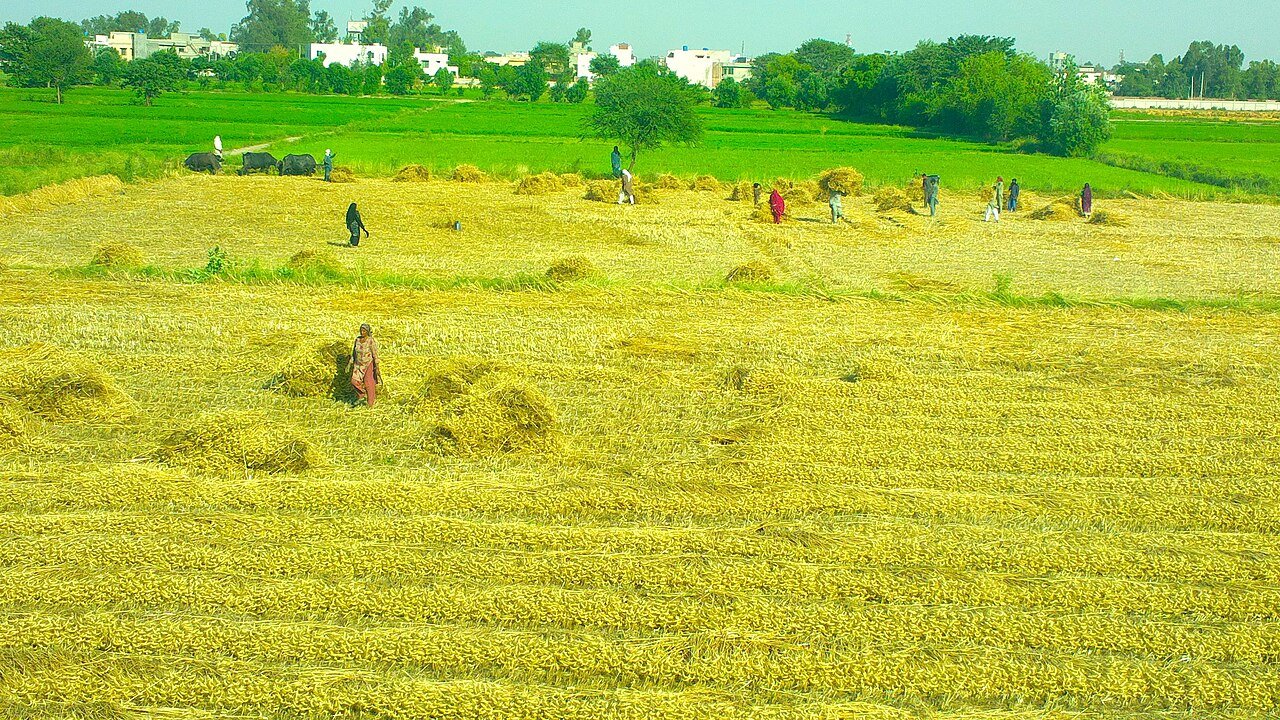
Featured image: Photo: AishaSaleemkhan100 / Wikimedia Commons, CC BY-SA 4.0