Egypt Unveils Submerged Antiquities Exhibition in Alexandria
submerged antiquities



Pakistan terrorism stance

Lahore, August 21, 2025, 09:04 AM PKT – Punjab Police conducted a comprehensive crackdown, arresting 147 drug dealers in 230 raids across the province within 24 hours. This operation, led by Inspector General of Police (IGP) Dr. Usman Anwar, aims to dismantle drug trafficking networks throughout Punjab. Significant Narcotics Seizures During these raids, authorities seized large quantities of narcotics and illegal substances: 223 kilograms of cannabis 13 kilograms of crystal meth 25 kilograms of opium 2 kilograms of heroin 1,240 liters of liquor This operation marks one of the major drug busts in recent months in Pakistan’s most populous province. Increased Enforcement Near Schools Police have intensified enforcement near schools and colleges to disrupt supply chains targeting vulnerable youth. IGP Dr. Usman Anwar highlighted the need for strict legal actions against traffickers, reinforcing Punjab Police’s dedication to eradicating the drug trade. Continuing Efforts to Uncover Networks Investigations are ongoing to identify additional suspects as authorities strive to uncover connections within these drug trafficking networks. Stay updated at nenagency.com.

FTT Chairman Urges Protection for Tobacco Farmers Amid Crisis

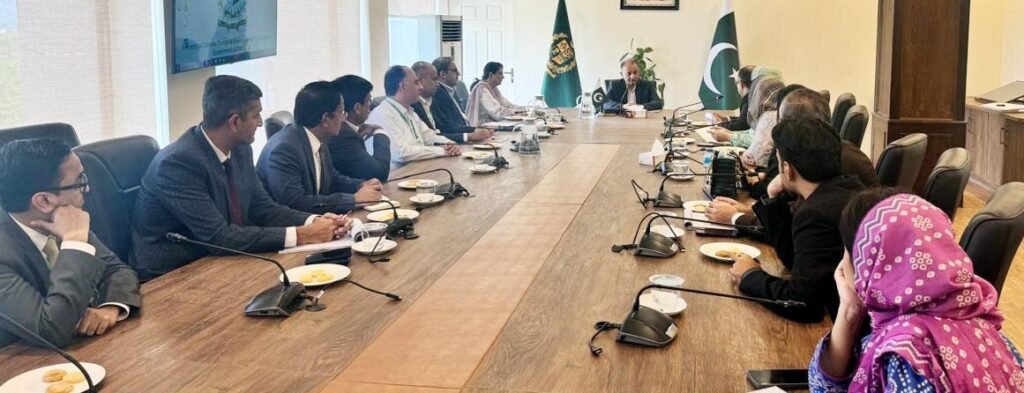
ISLAMABAD, August 20, 2025 — Minister for National Food Security and Research, Rana Tanveer Hussain, met with Akbar Behnamjou, the Governor of Iran’s Qom Province, to enhance agricultural trade relations between Pakistan and Iran. This significant meeting reinforced historical ties and established major export commitments aimed at boosting trade volumes and exploring new market opportunities. Expanding Agricultural Export Markets The dialogue focused on leveraging mutual agricultural strengths to increase trade volumes and generate revenue growth. Pakistan plans to export high-quality rice, mangoes, maize, and halal meat to Iran. In exchange, Iran will supply saffron, pistachios, and dry fruits to Pakistan. The focus is on agricultural products with high regional demand. Enhancing Export Efficiency Through Infrastructure The two nations agreed on measures to bolster trade cooperation and cut operational costs, improving infrastructure to support larger export volumes and enhance competitiveness. Key initiatives include: Streamlining customs procedures for faster clearance Ensuring compliance with enhanced food safety protocols (SPS) Enhancing cold-chain logistics systems Expanding warehousing at border points These improvements aim to reduce trade barriers, preserve product quality, decrease spoilage, and enhance market competitiveness. Revenue Growth Through Major Export Commitments Iran has committed to significantly increase its purchases of Pakistani agricultural goods, intending to source up to 60% of its meat imports from Pakistan. This development presents substantial market opportunities for Pakistani exporters. Governor Behnamjou also promised to expedite mango export permits and increase rice purchases, offering significant revenue growth prospects for Pakistan’s agricultural sector. Strengthening Economic Relations Minister Rana Tanveer extended an invitation to Governor Behnamjou and Iranian agricultural experts to visit Pakistan. This invitation aims to foster stronger institutional cooperation and enhance people-to-people connections. Enhanced collaboration is expected to support long-term trade relationships and was described as a “pivotal step toward a sustainable agricultural alliance,” enhancing food security collaboration. The partnership is projected to benefit farmers, create employment, and drive economic growth in both countries, marking a significant milestone in regional economic cooperation.

Subrayen reported for suspect bowling action

ADDIS ABABA, August 20, 2025 — Construction has formally commenced on the Mieso–Dire Dawa Expressway, a major infrastructure investment in the Ethio–Djibouti Transport Corridor. Launched in Dire Dawa, this project aims to enhance regional connectivity and modernize transport networks. Infrastructure Investment and Project Scope Spanning 144 km, the expressway represents a substantial investment in Ethiopia’s transport sector. The project is planned in two phases over 48 months. Managed jointly by the China Civil Engineering Construction Corporation (CCECC) and the Sichuan Road and Bridge Group, this initiative is crucial for Ethiopia’s economic development strategy by strengthening trade connections and reducing business costs. Economic Growth and Development Impact According to Ethiopian Deputy Prime Minister Temesgen Tiruneh, roads are “critical driving forces for socioeconomic development.” Currently, over 90% of goods and people in Ethiopia rely on road transport. The new expressway will link the Oromia and Somali regions to Dire Dawa, fostering economic, social, and political integration. Enhanced connectivity is projected to create trade and investment opportunities, draw foreign investment, and strengthen links to international markets. Local Employment and Skills Development Chen Sichang, CCECC’s general manager, noted that 75% of workers will be recruited locally, offering significant job opportunities for Ethiopians. Additionally, a mentorship program led by Chinese engineers will develop Ethiopian expertise in advanced international engineering skills, supporting long-term capacity building. Regional Trade Corridor Enhancement The Mieso–Dire Dawa Expressway plays a pivotal role in the Ethio–Djibouti Transport Corridor by substantially reducing travel times to ports and boosting regional economic activities. The Ethiopian Roads Administration highlights the expressway’s importance in achieving the national goal of one-day travel from regional capitals to ports. Key Economic Benefits Reduced logistics costs for businesses Enhanced trade efficiency and export capabilities Support for Ethiopia’s economic growth objectives Improved access to international markets Increased revenue from improved trade routes This infrastructure project positions Ethiopia to solidify its role as a regional trade hub, providing a foundation for sustained economic growth and enhanced export competitiveness in East Africa.