Author name: nenagency

China punishment, Xiaohongshu app, content violations, social media regulation, Chinese apps, tech news
Business

China Imposes Punishment on Xiaohongshu App Over Content Violations

The Cyberspace Administration of China has imposed strict penalties and issued warnings to Xiaohongshu executives over managing ‘trivial’ and ‘negative’ content online. Regulatory Actions Taken Announced by China’s top internet regulator, consequences targeted ‘responsible individuals’ at Xiaohongshu, known as RedNote. The platform faced criticism for frequent celebrity-focused posts and trivial content appearing in the hot search list. While exact penalties remain undisclosed, authorities stressed the need for a ‘clear, clean, and healthy cyberspace’ to serve public interest. Overview of Xiaohongshu Xiaohongshu, launched in Shanghai in 2013, caters to hundreds of millions of monthly active users, strengthening its impact on China’s digital economy. The platform, meaning Little Red Book, is unrelated to Mao Zedong’s famous quotations. Features and Revenue Model Distinguishing itself from platforms like Douyin or Weibo, Xiaohongshu emphasizes lifestyle and consumer-centric topics to enhance commercial engagement. Key categories include: Lifestyle and travel Beauty and makeup Food and dining Fashion and accessories The ‘Explore’ page mirrors TikTok’s ‘For You’ page, utilizing algorithms based on user interests for content suggestions. E-Commerce Integration Functioning as an online marketplace akin to TikTok Shop, Xiaohongshu facilitates direct purchases of clothing, makeup, and accessories. This bolsters revenue within China’s social commerce market, benefiting both the platform and merchants. Younger consumers are drawn to the social commerce model, valuing peer recommendations and visual content for shopping decisions. Content Moderation Policy Compared to other Chinese platforms, Xiaohongshu is less censored, permitting discussions on sensitive subjects like LGBTQ issues and women’s choices to remain single. This openness boosts its appeal among younger demographics.

PM Shehbaz Leaves for Qatar
Pakistan

PM Shehbaz Leaves for Qatar to Show Solidarity After Israeli Attack (FO)

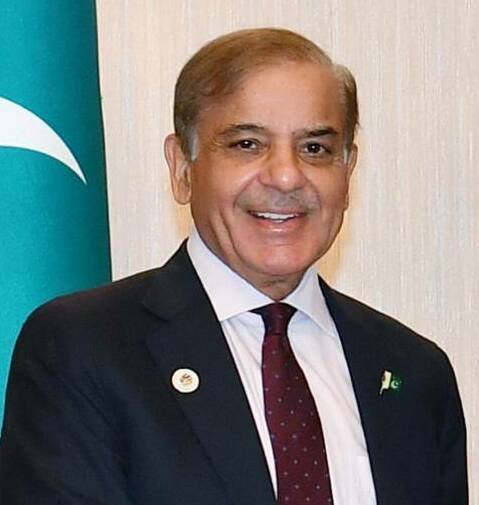
Prime Minister Shehbaz Sharif has embarked on a crucial diplomatic visit to Qatar to show solidarity following recent Israeli airstrikes in Doha. The Foreign Office underscores this trip’s significance in enhancing bilateral ties and promoting regional stability. Deputy Prime Minister and Foreign Minister Ishaq Dar is accompanying him on this important mission. Overview of Israeli Airstrikes in Doha On Tuesday, Israel conducted an airstrike in Doha, Qatar’s capital, targeting Hamas leaders. This act has broadened Israeli military activities across the Middle East. The strike hit the Gulf Arab nation, recognized as a political stronghold for Hamas. During the attack, Hamas representatives were discussing US President Donald Trump’s ceasefire proposal for Gaza. Qatar condemned the attack as cowardly and a breach of international law. Objectives of Pakistan’s Diplomatic Mission The Foreign Office reports that PM Shehbaz and Deputy Prime Minister Ishaq Dar, accompanied by a senior delegation, will meet Qatar’s Emir Sheikh Tamim bin Hamad Al Thani. The mission aims to convey Islamabad’s condolences and support. This visit underscores Pakistan’s commitment to Qatar’s security and sovereignty and seeks to strengthen bilateral relations. It highlights Pakistan’s dedication to peace and stability in the Middle East. Key Discussion Points with Qatari Leadership In Doha, PM Shehbaz will engage in discussions with Emir Sheikh Tamim bin Hamad Al Thani focusing on: Consultations on Israel’s attacks on regional nations Addressing ongoing aggressions in the Middle East Initiatives for regional peace Strengthening Pakistan-Qatar relations Qatar’s Role in Gaza Ceasefire Mediation Doha, alongside Egypt, plays a critical role in US-supported efforts to mediate a Gaza ceasefire. These nations are actively working on negotiating agreements and facilitating the release of prisoners from all parties involved. Qatar’s strategic diplomatic position makes it a vital mediator in Middle Eastern conflicts, maintaining communication with various regional stakeholders, and underscoring its significance in peace processes.

Ashwariya Rai Bachan reached high court to safgaurd her likeness
Business

Aishwarya Rai has approached the Delhi High Court regarding explicit AI-generated content that utilizes her likeness.

Indian actress Aishwarya Rai has taken legal action, filing a petition in the Delhi High Court against AI-generated deepfake content. Her goal is to stop the misuse of her name, image, and likeness in explicit materials, marking a crucial point in tackling deepfake technology abuse in India. Temporary Protective Order Considered The Delhi High Court has suggested a temporary protective order during a recent hearing. This measure would prevent platforms and individuals from using Rai’s identity without consent. Additionally, the court plans to mandate the removal of infringing links and content. Exploitation Through Deepfake Content Aishwarya Rai has become a victim of “unreal intimate photographs” spread online. Her attorney argues her name and image are exploited for sexual purposes, severely violating her personal dignity and privacy rights. Defendants in Legal Petition The petition identifies several websites and platforms unlawfully profiting from Rai’s likeness, impacting both commercial entities and government bodies. Commercial Defendants Listed defendants include: Websites: aishwaryaworld.com, apkpure.com, and bollywoodteeshop.com E-commerce platform Etsy Organizations: Aishwarya Nation Wealth Motivational Speaker AI-driven chatbots YouTube channels: NewNWSTamil and Bollywood_CinemaTV07 Technology giant Google Government Bodies as Respondents The petition includes Indian governmental bodies, such as the Ministry of Electronics and Information Technology and the Department of Telecommunications, highlighting the need for regulatory intervention in deepfake content. Violation of Personality Rights The petition claims deepfake technology produces “distasteful” images, violating publicity rights and assaulting personal dignity. Rai seeks legal protection for her name, voice, image, and distinctive dialogue delivery style, setting a precedent for safeguarding celebrity rights in the digital age. Next Steps in the Legal Process The court’s joint registrar reviewed the case on November 7, with further proceedings set for January 15. Legal experts predict this case could play a pivotal role in guiding future deepfake content regulation. Rai follows actors like Jackie Shroff and Anil Kapoor, who have taken legal steps to safeguard their personality rights from unauthorized exploitation.

Chief_Minister_Ali_Amin_Gandapur
Pakistan

Islamabad Court Issues Arrest Warrant for KP CM Ali Amin Gandapur in Arms & Liquor Case

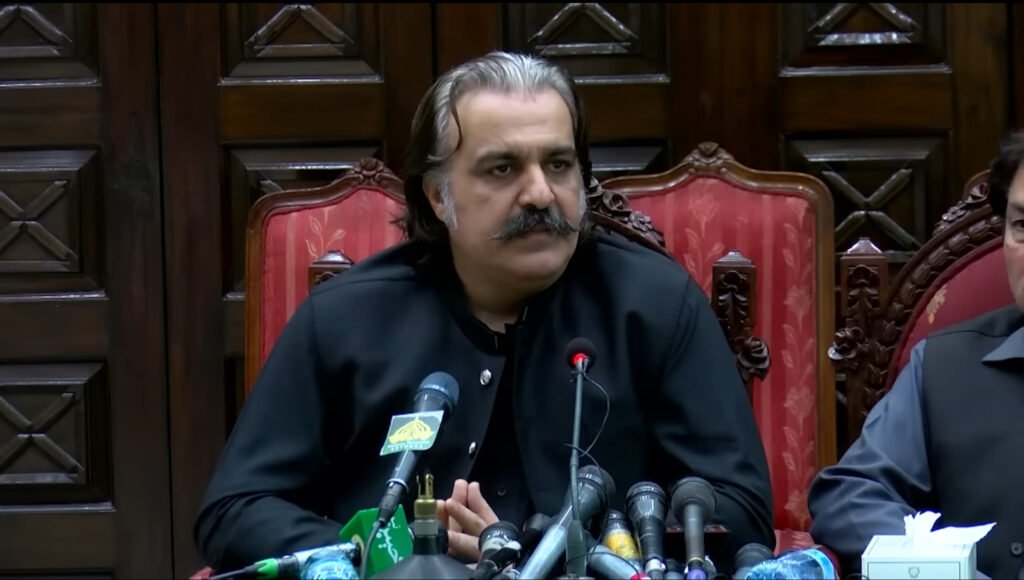
Islamabad District and Sessions Court has reissued an arrest warrant for Khyber Pakhtunkhwa Chief Minister Ali Amin Gandapur. This development follows his absence from a court session related to a 2016 arms and liquor case. Details of the 2016 Arms Case In October 2016, during a routine inspection, Islamabad police reportedly found several weapons and prohibited items in Gandapur’s vehicle near Bani Gala. The items seized included: Five Kalashnikov rifles One pistol with six magazines A bulletproof vest Bottles of alcohol Three tear gas shells Chief Minister’s Defense Gandapur has denied all charges, claiming possession of only two licensed Kalashnikov rifles. He argued the bottle labeled as liquor contained honey and described the charges as politically motivated. Court Order Update Judicial Magistrate Mubashir Hassan Chishti issued the arrest order to ensure Gandapur’s presence in court on September 17. No representative appeared for him at the latest hearing. Defense Attorney’s Plea Denied Gandapur’s lawyer, Raja Zahoor-ul-Hassan, sought a suspension of the arrest warrant. However, the magistrate denied the plea, stating, “If you present the accused, I will withdraw the warrant,” underscoring the requirement for Gandapur’s courtroom appearance. Legal Charges Faced by Gandapur Gandapur confronts charges under the Pakistan Penal Code and the Arms Ordinance, 1965. These charges carry potentially grave legal implications, including: Section 143: Punishment for joining unlawful assembly Section 144: Participation in unlawful assembly with a deadly weapon Section 145: Remaining in unlawful assembly after a dispersal order Section 440: Mischief causing death or injury readying oneself… Sections 13, 20, and 65: Pertaining to unlicensed firearms sales, transport bans, and possession of unlicensed weapons

Apple Unveils iPhone 17 Air
Business

Apple Unveils iPhone 17 Air | AI Features & Global Tariff Impact

The Silicon Valley giant Apple held its annual iPhone release event amidst rising global tensions. The White House has urged the company to minimize its dependence on Chinese manufacturing. Meanwhile, investors ponder whether Apple is truly prepared for the AI era. Impact of Global Tariffs on Apple Stock Apple is experiencing significant challenges due to President Donald Trump’s aggressive tariff policies. Since the Republicans took office in January, Apple shares have declined by over three percent. The company’s strategy now relies on new products to counter long device retention and initiate a super-cycle of iPhone purchases. “The event illustrates Apple maneuvering in the AI arms race while positioning itself as a long-term AI hardware innovator, focusing on silicon and device-level integration,” noted Emarketer analyst Gadjo Sevilla. The Revolutionary iPhone 17 Air In a bid to rejuvenate its brand, Apple unveiled the iPhone 17 Air. CEO Tim Cook hailed it as a “total game changer.” Priced at $999, the device boasts a sleek 5.6mm profile, adhering to Apple’s premium ethos. Key Technical Specifications New A19 Pro processor — the most powerful iPhone chip yet All-day battery life with up to 40 hours of video playback Ultra-slim 5.6mm design profile Generative AI technology integration The Air seamlessly fits into Apple’s lineup, complementing the high-end iPhone Pro 17, Apple’s most elite model to date. Skepticism Over Apple’s AI Push Despite integrating generative AI, Apple did not announce significant expansions of AI capabilities. Updates remain focused on existing “Apple Intelligence” features. The AI initiative, launched late last year, has left users underwhelmed with minimal Siri enhancements. Apple plans to incorporate AI in search functionalities next year and intends to revamp Siri, though these plans remain unconfirmed. Rumors suggest a possible collaboration with Google to enhance search capabilities. Strategic AI Integration and Market Forecast “For Apple to stand out and excel against competitors, successful implementation of AI as a new contextual user interface on its devices is essential,” observed Forrester analyst Thomas Husson. “This ambitious AI strategy will take time and may align with the iPhone’s 20th anniversary in 2027.”

Israeli Airstrike Targets Hamas Leaders in Qatar, Ceasefire Talks at Risk
World

Israeli Airstrike Targets Hamas Leaders in Qatar, Ceasefire Talks at Risk

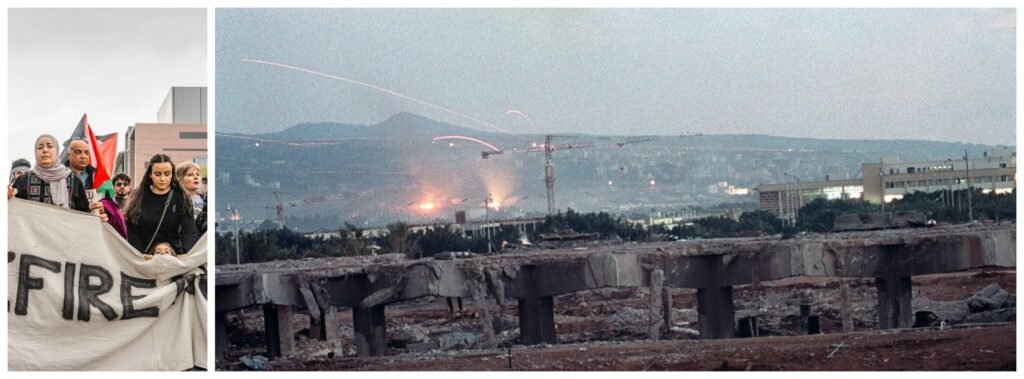
DOHA, Sept 9 (nenagency) – On Tuesday, Israel launched an airstrike targeting Hamas leaders in Qatar, significantly expanding its military operations across the Middle East. This development marks Israel’s first military strike in the Gulf Arab state, where the Palestinian Islamist group has maintained a political base. Regional Powers Condemn Military Action Qatar condemned the strike as “cowardly” and a violation of international law, underscoring its role, alongside Egypt, as a mediator in the ongoing ceasefire talks concerning the war in Gaza. Saudi Arabia labeled the attack as “brutal Israeli aggression” against Qatar’s sovereignty. The United Arab Emirates described it as “blatant and cowardly.” This response from the UAE is significant in light of its normalized relations with Israel under the 2020 Abraham Accords. Previously, the UAE had voiced strong opposition to Israeli annexation plans in the West Bank, calling them a non-negotiable red line. Hamas Negotiators Survive Targeted Strike Two Hamas officials, as reported by Reuters, confirmed the survival of their negotiators in the airstrike. Israeli sources indicated the strike targeted top Hamas leaders, including Khalil al-Hayya, the exiled Gaza chief and lead negotiator. The attack came shortly after an evacuation order was issued in Gaza City, amidst ongoing Israeli efforts to neutralize Hamas military capabilities. This coincided with a claim by Hamas’ armed wing, the al-Qassam Brigades, of a shooting at a Jerusalem bus stop resulting in six fatalities on Monday. Diplomatic Efforts Face Critical Setback The assault poses a critical threat to ceasefire negotiations, which are crucially taking place in Qatar. Since the October 2023 attack on Israel, resulting in 1,200 deaths and 251 hostages, Israeli forces have eliminated several senior Hamas figures, according to Israeli reports. Eyewitness Accounts from Doha In Doha, witnesses reported hearing multiple explosions, with black smoke seen rising from the Legtifya petrol station following the strike. A nearby residential compound has been under surveillance by Qatar’s Emiri Guard since the Gaza conflict began, highlighting fears of potential targeting of Hamas leaders. Emergency services swiftly responded, with ambulances and at least 15 police and unmarked government vehicles arriving on the scene within an hour. Mass Evacuations Trigger Crisis in Gaza The Israeli military issued extensive evacuation orders for Gaza City’s residents, causing considerable panic and confusion. Israel has announced plans to further intensify its operations.

Consumers face better expenses of flour, roti across country
Pakistan

Consumers face better expenses of flour, roti across country

Following the surge in sugar costs, consumers in Pakistan now face significantly higher prices for flour and roti. The escalating costs of wheat and flour are straining household budgets nationwide, particularly affecting low- and middle-income families reliant on staple foods. Impact of Price Hikes on Karachi Tandoors In Karachi, tandoor operators have increased roti prices by an average of Rs2 per piece. This increase heavily impacts daily wage earners and the labor force who frequently rely on local vendors for meals. Salman Mian Araieen of the All Sindh Sheermal Tandoor Roti Association confirmed these changes. Naan prices have risen from Rs22-23 to Rs25 per piece (180 grams), while chapati prices climbed to Rs14-15 from Rs11-12. Some tandoor owners hesitate to fully pass on the increased flour costs, hoping for stabilization. However, some may stop selling Rs20 naan (140-145 grams) due to high production costs. Surge in Branded Flour Costs The branded flour market has seen a significant rise in costs. Some millers have increased the price of a five-kilogram bag of premium flour to Rs700, up from Rs500 in August and Rs600 in September. This price increase continues despite the new wheat crop’s arrival earlier this year. Retailers suggest traders might be capitalizing on the increased demand for older flour stocks. Record-breaking Price Increases Araieen reported that 50kg bags of premium atta surged by Rs1,900 in a month, now costing Rs5,700 compared to Rs3,800. A 40kg wheat bag now costs Rs3,943, equating to Rs9,857 per 100kg, marking the highest price in 72 weeks since April 2024. Impact on Bakery Products Despite higher flour costs, prices for sheermal and taftan remain at Rs70-90 per piece, depending on weight and quality. Other related commodity prices have also risen: Sugar prices increased to Rs200 per kg from Rs180 A 16kg tin of ghee rose to Rs7,900 from Rs6,500 Premium flour prices surged nearly 40% recently If flour prices continue to climb, an additional Rs10 per piece could be added to sheermal and taftan. Bakery operators are monitoring these costs closely. Wheat Crisis and Market Forces Some market analysts state that the ongoing wheat crisis is unrelated to recent floods in Punjab and other regions. The new wheat crop was harvested in March and April, before the flooding. Artificial Scarcity and Price Drivers Reports indicate that hoarders and traders are maintaining extensive wheat stocks, expecting further price increases due to supply and demand dynamics. This artificial scarcity is contributing to ongoing price hikes nationwide. Market observers urge regulatory measures to stabilize the wheat supply chain. Published by NENAgency — delivering reliable news and informed perspectives.

Flood devastation activates meals inflation fears
Business

Flood devastation activates meals inflation fears

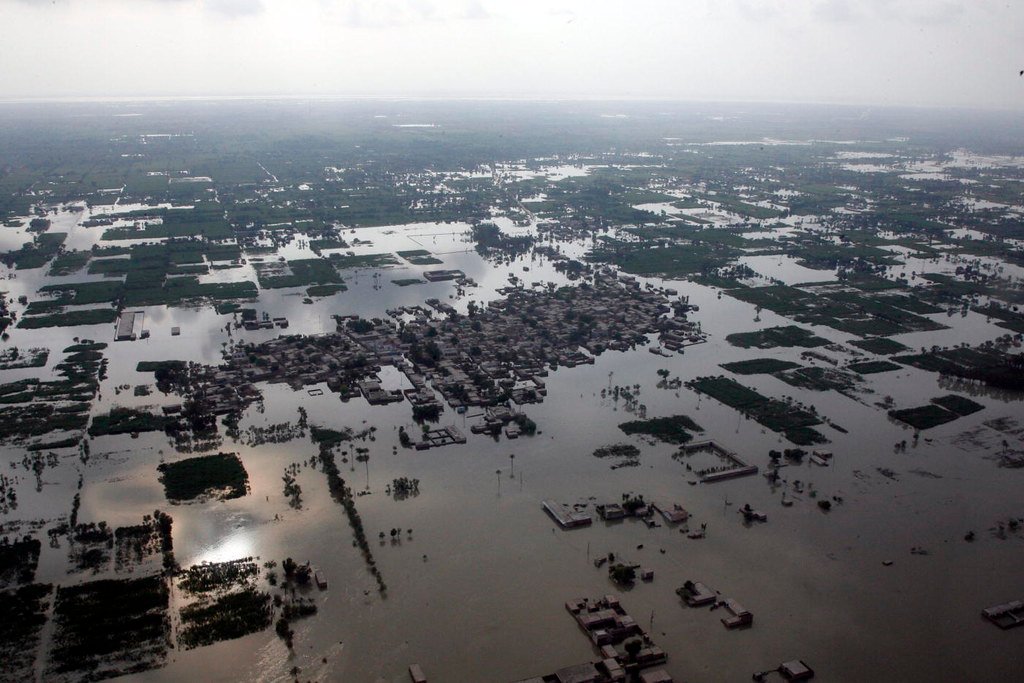
The floods in Punjab have submerged over 1.3 million acres of farmland along eastern rivers, causing significant damage to Kharif crops, especially cotton. This situation has heightened concerns about rising food inflation across Pakistan. Scale of Flood Devastation The floods have displaced two million people and submerged 2,000 villages. Authorities have successfully relocated 760,000 citizens and 516,000 livestock from the affected areas. Satellite imagery from 24 districts in Punjab reveals alarming statistics. Regions along the Sutlej, Ravi, and Chenab rivers show approximately 3,661 square kilometers remain under floodwaters, which accounts for 4.7 percent of the total area. Agricultural Losses The floods have severely impacted major crops across multiple districts: Rice Sugarcane Corn Vegetables Cotton The Pakistan Business Forum reports that approximately 35 percent of the cotton crop in central and southern Punjab is destroyed. Bahawalnagar, the province’s largest cotton-producing district, has suffered losses between 40-50 percent. Farmer Financial Losses According to Akhtar Farooq Meo from the Kissan Board Pakistan, farmers have endured losses totaling Rs536 billion due to crop damages, including cotton, rice, sesame, maize, and fodder. He warns of potential shortages of perishable goods in many towns, indicating a full-scale food crisis could worsen food inflation nationwide. Conflicting Reports on Rice Crop There are conflicting reports about rice crop damage. The Pakistan Business Forum claims that 60 percent of the rice crop in central and southern Punjab is destroyed. However, exporters dispute this, asserting that the Basmati crop area remains largely undamaged, except in Pasrur, Sialkot. The non-Basmati crop had mostly been harvested by late July and early August, leaving only hybrid varieties in some areas affected. Economic Impact The floods have caused a severe fodder shortage, threatening the cattle industry, a major contributor to the national GDP. Experts anticipate a sharp increase in domestic grain prices, which risks the competitiveness of Pakistani rice on the global market. Cotton Industry Challenges Ihsanul Haq, chairman of the Cotton Ginners Forum, confirmed severe stress on the cotton crop. Major cotton-producing areas in Punjab and Sindh face unprecedented challenges. Districts such as Bahawalnagar, Multan, Bahawalpur, and Rahim Yar Khan are either submerged or anticipating more heavy rainfall. The reduction in raw cotton supply has forced numerous ginning factories and mills to halt operations. Early reports indicate a disease affecting various cotton varieties, potentially reducing per-acre yields further. These developments add to agricultural losses and fuel concerns about economic growth and revenue in Pakistan’s vital export sectors.

Pakistan joins worldwide dialogue at US Soybean Export Council’s Soy Connext 2025
Business

Pakistan joins worldwide dialogue at US Soybean Export Council’s Soy Connext 2025

A Pakistani delegation participated in Soy Connext 2025 in Washington, DC, focusing on the impact of US soy in promoting food security, nutrition, and economic growth. Leadership Convenes at Soy Connext 2025 The event, held in mid-August in Washington, DC, underscored soybeans’ key role in global food security. Organized by the United States Soybean Export Council, it attracted over 700 participants from 59 countries. Attendees deliberated on soy’s potential to support a growing global population. Trade groups from 34 countries, including Pakistan, Bangladesh, Sri Lanka, and Nepal, visited US farms and ports to witness innovations that establish US soy as a reliable supplier worldwide. Economic Contributions of the US Soybean Industry The US soybean industry substantially impacts the economy. In 2024, it contributed $31.2 billion and reached over 80 countries. Global usage is expected to hit 346 million metric tonnes this year, illustrating soy’s crucial role in poultry, dairy, and aquaculture sectors globally. Consistently, US soybeans provide a sustainable global source for food and energy needs. Advancing Pakistan-US Agricultural Trade The All-Pakistan Solvent Extractors’ Association’s delegation met US farmers and suppliers to enhance bilateral trade opportunities, thus strengthening agricultural trade relations between Pakistan and the US. Importance of Soybean Meal in Pakistan Soybean meal, vital to poultry feed, is essential in Pakistan, where poultry accounts for nearly half of the meat consumption. With over 250 million people, more than 60% being young, the demand for nutritious and affordable food continues to grow. The importation of soybean meal is critical for enhancing food security and fostering a healthier future. Benefits of US Soybean Trade with Pakistan Reliable high-quality protein supply for food security Affordable resources for Pakistan’s growing poultry industry Support for the nutritional needs of over 250 million people Improved trade relations with the United States Recognition of Pakistani Expertise Dr. Rai M. Sajid of the Jadeed Group received international recognition as the STAR Award Winner for the USSEC’s Soy Excellence Center program during the event. This initiative trains emerging market experts in aquaculture, poultry, and feed milling, significantly impacting markets like Pakistan. Soy Connext highlights the benefits of global partnerships, enabling Pakistan to invest in its people and industries, thereby unlocking growth potential.

Nepal prime minister resigns after lethal protests
Business

Nepal prime minister resigns after lethal protests

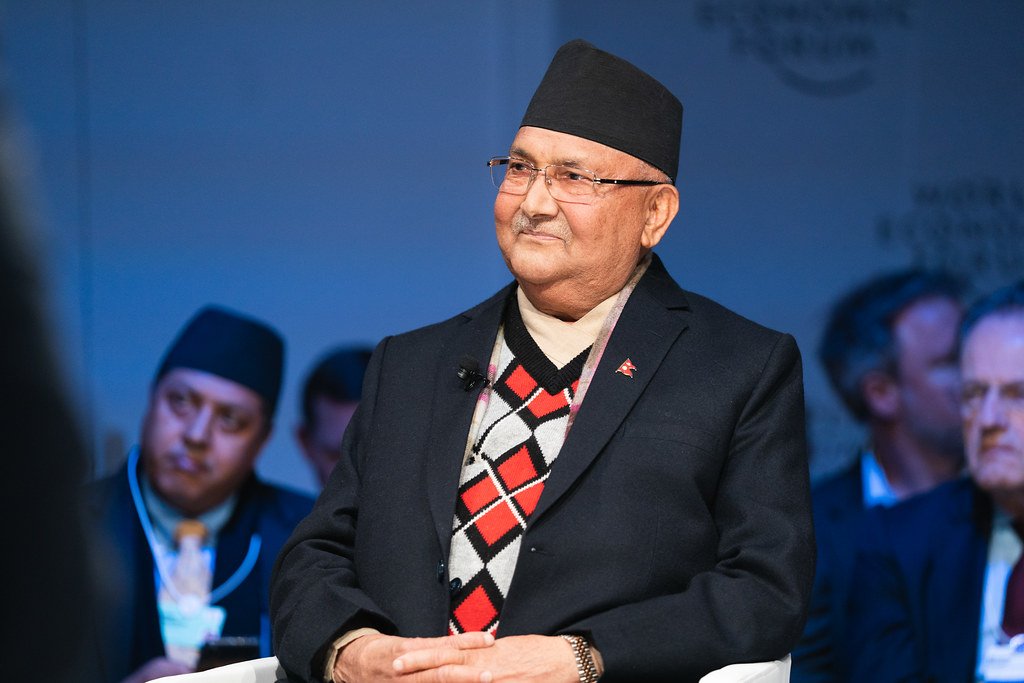
Nepal’s Prime Minister KP Sharma Oli has resigned after protests led to 19 deaths and widespread unrest. This situation highlights the frustration with ongoing political instability and slow economic growth affecting 30 million citizens. Prime Minister Steps Down Amid Crisis KP Sharma Oli submitted his resignation to the president, stating, “I have resigned from the post of Prime Minister with effect from today so that you can take further steps towards a political solution and resolution of the problems.” The 73-year-old leader, serving his fourth term since last year, led a coalition government of his Communist Party and the center-left Nepali Congress. His resignation adds another chapter to Nepal’s political turbulence. Deadly Protests Over Social Media Ban Protests broke out as citizens demanded the removal of a social media ban and action against corruption. Although the ban was lifted, demonstrations intensified, resulting in at least 19 deaths. Amnesty International reported the government’s use of live ammunition on protesters, raising significant human rights issues. Economic Struggles Fueling Unrest Public discontent has surged due to political and economic instability. The economic challenges are a major source of frustration with the government’s performance. Key Economic Indicators GDP per capita stands at $1,447, according to the World Bank. The unemployment rate is around 10%. Individuals aged 15-40 make up nearly 43% of the population, based on government data. Youth face limited economic opportunities and stagnant growth. Political Instability Since 2008 In 2008, Nepal became a federal republic after a civil war and peace agreement that integrated Maoists into the government, dismantling the monarchy. Despite these changes, Nepal has faced persistent political instability, with a succession of aging leaders and political maneuvering reinforcing perceptions of a disconnected government. Since Friday, TikTok has featured videos of politicians’ children displaying luxury amid the daily struggles of ordinary Nepalis. These videos have intensified public anger over economic disparities and governmental disconnect. Published by NENAgency — delivering reliable news and informed perspectives

Scroll to Top