Author name: NEN News

Pakistan

Chief Justice Leads Delegation to St. Petersburg Legal Forum

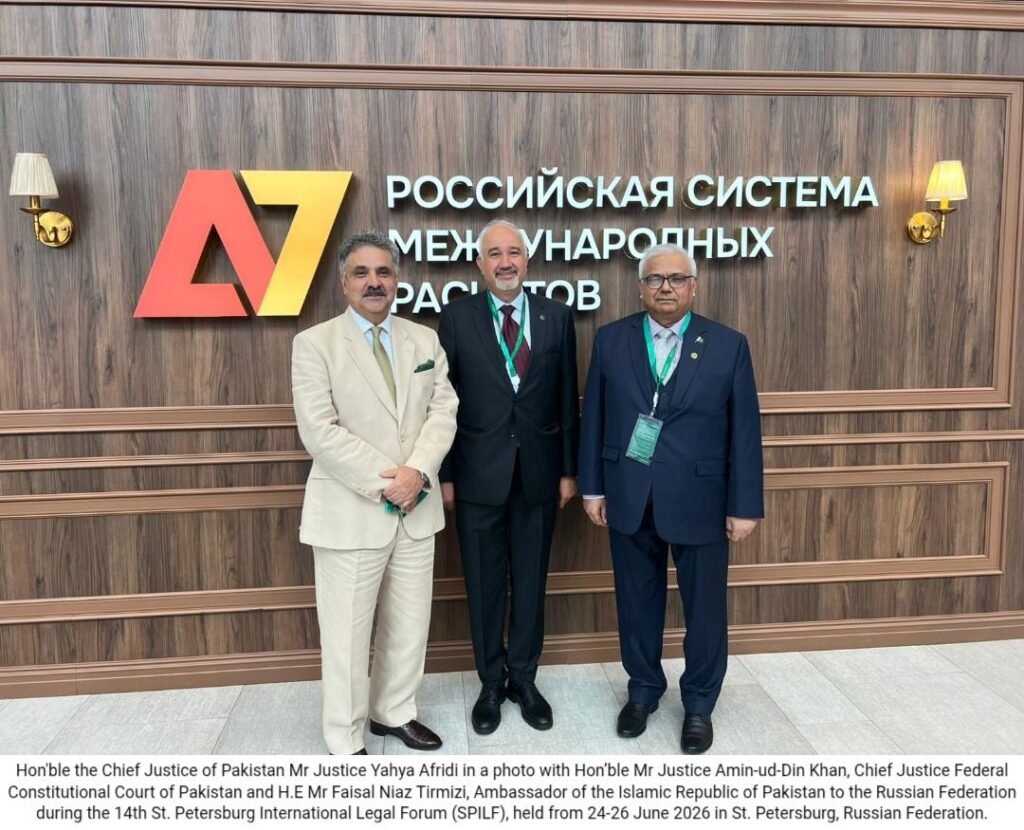
ISLAMABAD — The Chief Justice of Pakistan (CJP) led a delegation to the 14th St. Petersburg International Legal Forum (SPILF) held in the Russian Federation from June 24 to 26. This forum provided an international platform for judicial leaders to discuss global judicial cooperation and Pakistan’s reform agenda. Participation and Discussions The CJP, heading the delegation, participated actively in the forum in St. Petersburg, Russia. Over three days, judicial leaders from around the world gathered to engage in dialogues on pressing legal issues. The forum aimed to enhance international cooperation and share best practices in legal reforms. During this event, the CJP connected with judicial leaders from various countries. Discussions centered on improving the efficiency and effectiveness of judicial processes, ensuring access to justice, and promoting the rule of law. The Pakistani delegation emphasized ongoing efforts to reform the judicial system, focusing on transparency, accountability, and timely justice delivery. In a statement, the CJP remarked, “Participation in such international forums is crucial for Pakistan as it allows us to learn from global experiences and integrate best practices into our judicial reforms.” The forum enabled the Pakistani delegation to showcase their commitment to advancements in the judicial sector and to seek collaborative partnerships for the future. About the Forum The St. Petersburg International Legal Forum is an annual gathering of legal professionals, academics, and policymakers worldwide. Established in 2011, it addresses global legal challenges and facilitates dialogue among international legal communities. It serves as a significant platform for discussing legal cooperation and reform strategies. Pakistan’s judicial system is currently undergoing reforms aimed at enhancing efficiency and reducing case backlogs. Initiatives include introducing technology in court processes, offering training programs for judicial officers, and improving judicial independence. The CJP’s participation in international forums underscores Pakistan’s commitment to aligning judicial practices with global standards. Significance for Pakistan The participation of Pakistan’s Chief Justice in the forum is significant for several reasons. It underscores the proactive stance on judicial reform, showing dedication to improving the legal system. Engaging with international counterparts enables Pakistan to draw from a wealth of global experiences and integrate effective practices into its reform efforts. Furthermore, the forum enhances Pakistan’s international relations within legal circles. Building such relationships is crucial to foster cooperation on transnational legal issues, including human rights, cybercrime, and trade disputes. These collaborations improve Pakistan’s capability to tackle complex legal challenges and uphold the rule of law. The focus on judicial cooperation aligns with Pakistan’s foreign policy goals of strengthening diplomatic ties and promoting a positive international image. Active participation in global legal discussions positions Pakistan as a responsible member of the international community, committed to justice and legal integrity. Key Takeaways The Chief Justice of Pakistan led a delegation to the 14th St. Petersburg International Legal Forum. The participation underscores Pakistan’s commitment to judicial reform and international collaboration. Such forums enhance Pakistan’s international legal relations and strategic diplomatic goals.
Business

Pakistan, Germany Explore Enhanced Cooperation in Education and Economic Reforms

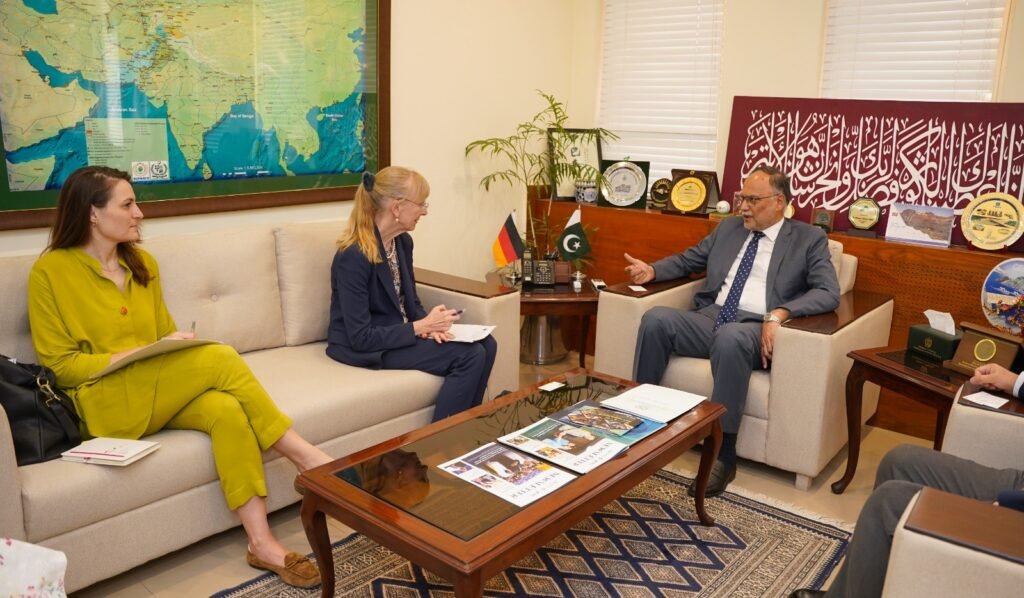
ISLAMABAD — On Thursday, Germany’s Ambassador to Pakistan Ina Lepel met with Professor Ahsan Iqbal, Pakistan’s Federal Minister for Planning, Development, and Special Initiatives. The meeting in Islamabad focused on expanding bilateral cooperation in sectors like education, tourism, culture, economic reforms, and investment promotion. Both nations are committed to strengthening diplomatic and economic ties. Meeting Highlights During the discussions, Ambassador Lepel and Minister Iqbal explored ways to boost collaboration between Germany and Pakistan. They aim to leverage Germany’s expertise in education and economic reforms to support Pakistan’s development objectives. Both parties emphasized the importance of cultural exchanges and tourism as a means to enhance mutual understanding and cooperation. Professor Ahsan Iqbal highlighted the critical role of educational cooperation, particularly in developing skilled human resources to drive economic growth. He remarked, “Education is a key area where we can learn from Germany’s advanced systems and methodologies.” The potential for German investment in Pakistan’s underdeveloped tourism sector was also noted as offering significant growth opportunities. Germany’s Commitment Ambassador Lepel reaffirmed Germany’s dedication to supporting Pakistan’s economic reform efforts. She stated, “Germany is keen to assist Pakistan in implementing effective economic reforms for sustainable development and prosperity.” A conducive environment for investment is essential to attract foreign investors, according to the ambassador. Historical Context Pakistan and Germany’s diplomatic relations date back to 1951. They have engaged in numerous initiatives, notably in education, renewable energy, and economic development. Germany is among Pakistan’s largest EU trading partners, with bilateral trade recently reaching about $2.5 billion. Historically, Germany has offered technical and financial support to Pakistan, especially in vocational training and energy sector reforms. The German Academic Exchange Service (DAAD) has played a vital role in educational exchanges by providing scholarships and research prospects for Pakistani students and academics. Impact on Development The discussions between Pakistan and Germany have significant implications for Pakistan’s socio-economic advancement. By improving collaboration in education, Pakistan stands to gain from Germany’s expertise in technical and vocational training, crucial for a skilled workforce, productivity, and economic expansion. Tourism development is another promising collaboration area. With its rich cultural heritage and natural landscapes, Pakistan has immense potential to attract international tourists. German investment and know-how can help establish the necessary infrastructure and marketing strategies, positioning Pakistan as an enticing tourist destination. Economic reforms are vital for improving Pakistan’s business environment and attracting foreign investment. Germany’s support can equip Pakistan with the tools and strategies needed for successful reforms, fostering economic stability and growth. Strengthening ties with Germany also elevates Pakistan’s global standing, paving the way for broader engagement with the European Union. This can result in increased trade, investment, and cultural exchanges, benefiting both nations.

Pakistan

Governor Kundi and Naveed Qamar Visit Jamrud to Mourn Senator Afridi

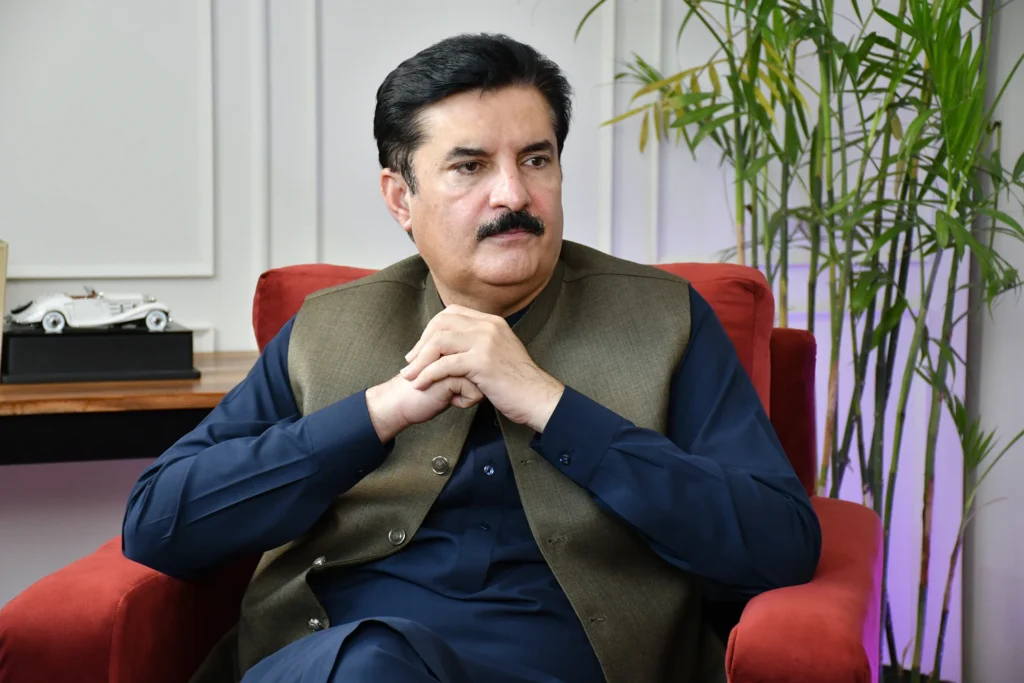
PESHAWAR — Governor Khyber Pakhtunkhwa Faisal Karim Kundi and Pakistan Peoples Party (PPP) central leader Syed Naveed Qamar visited Jamrud district in Khyber on June 25 to express condolences over Senator Taj Muhammad Afridi’s sudden death. The senator died tragically in a road accident earlier this week. Condolence Visit Governor Faisal Karim Kundi and Syed Naveed Qamar traveled to Jamrud, a district in Khyber, to pay respects to the late Senator Afridi. His death in a road accident leaves a significant void in local politics. At the senator’s residence, the leaders met with his bereaved family, offering condolences and support during this challenging time. During their visit, both leaders highlighted Senator Afridi’s contributions to regional development and public service. Governor Kundi stated, “Senator Afridi’s dedication to the people of Khyber and his efforts in the Senate were exemplary. His loss is a loss to the entire province.” Syed Naveed Qamar echoed these sentiments, emphasizing Afridi’s role in advocating for his constituents’ rights. A somber atmosphere marked the visit, with local community members gathering to remember the senator’s legacy. Senator Afridi was known for promoting education and infrastructure development in Khyber. His sudden demise was a shock, and his contributions were fondly recalled by those present. Senator Afridi’s Legacy Senator Taj Muhammad Afridi was a key political figure in Khyber, serving in the Senate of Pakistan. His career focused on regional development and addressing the needs of tribal areas. Afridi was instrumental in legislative initiatives integrating tribal regions into the national framework following their merger with Khyber Pakhtunkhwa. His death in a road accident adds to a series of tragic incidents involving public figures in Pakistan, raising concerns about road safety and infrastructure. Afridi was active in the Khyber region, undergoing significant changes after its integration into Khyber Pakhtunkhwa. Afridi played a crucial role in this process. Impact of His Death Senator Afridi’s death is a significant loss to Khyber Pakhtunkhwa’s political landscape. His Senate efforts were pivotal in advocating for tribal areas’ rights and development. Afridi focused on education, healthcare, and infrastructure, critical for the region’s socio-economic upliftment. Governor Kundi and Syed Naveed Qamar’s visit underscores the importance of Afridi’s contributions and the impact of his loss on local and national politics. It reflects broader regional challenges in political representation and development. The integration of tribal areas into the national framework remains complex, with Afridi advocating for policies ensuring equitable development. Road Safety Concerns The incident highlights persistent road safety issues affecting public figures and citizens. The government has been urged to improve road conditions and enforce traffic regulations to prevent such tragedies. Governor Kundi and Syed Naveed Qamar visited Jamrud for Senator Afridi’s death condolences. Senator Afridi was an advocate for Khyber’s development and tribal areas. His sudden road accident death highlighted ongoing safety issues.

Business

Abdul Razzaq Siddiq Launches Nationwide Free Anti-Snake Bite Serum Program

ISLAMABAD — Renowned philanthropist and business leader Abdul Razzaq Siddiq has initiated the second nationwide free Anti-Snake Bite Serum (ASVS) program in Pakistan. Launched on June 25, 2023, this effort targets remote and rural areas with limited healthcare access, aiming to provide life-saving treatment. Program Details and Expansion As the President of Second World Traders, Inc., Abdul Razzaq Siddiq unveiled the expansion of his humanitarian initiative aimed at reducing snakebite fatalities in Pakistan. The program, first established last year, now extends to even more communities, particularly in areas with scarce medical facilities. Siddiq stressed the dire need for this initiative, highlighting snakebites as a significant health issue in Pakistan, where many lives are lost due to a lack of timely treatment. The program supplies Anti-Snake Bite Serum free of charge to healthcare facilities nationwide. This endeavor should noticeably cut mortality rates tied to snakebites, particularly in rural regions where farming poses a higher risk of venomous snake encounters. Impact and Success Speaking at the launch, Siddiq celebrated the program’s success in its initial year, noting the distribution of thousands of ASVS doses that saved numerous lives. He urged additional philanthropists and organizations to support this cause, emphasizing collaborative efforts’ importance in tackling public health issues. Background on Snakebites Snakebites represent a major public health challenge in Pakistan, with thousands of cases reported annually. The country’s varied geography, from deserts to fertile plains, hosts numerous venomous snake species. Historically, effective treatment access has been constrained, especially in rural areas with underdeveloped healthcare infrastructure. The World Health Organization (WHO) classifies snakebites as a neglected tropical disease and calls for improved treatment and antivenom accessibility. In Pakistan, both the government and non-government organizations strive to enhance awareness and healthcare for snakebite victims. Economic and Social Importance The ASVS program significantly addresses the public health issue of snakebites by providing free antivenom to remote communities. Economically, this decreases fatalities, benefiting rural areas where agriculture is key. Snakebites often impact working-age people, causing economic strain on families and communities. Socially, the program bolsters community resilience, ensuring essential treatments reach the most needy and fostering awareness about seeking timely medical intervention. Internationally, it enhances Pakistan’s profile as a proactive player in combating neglected tropical diseases, potentially garnering support from global health entities. Key Takeaways Abdul Razzaq Siddiq has launched the second nationwide free Anti-Snake Bite Serum program in Pakistan. The initiative targets rural and remote areas with limited healthcare access. Snakebite treatment is crucial for reducing fatalities in vulnerable agricultural communities. The program’s success encourages further philanthropic and organizational support.

Pakistan

Karbala’s Enduring Legacy in Literature and Symbolism

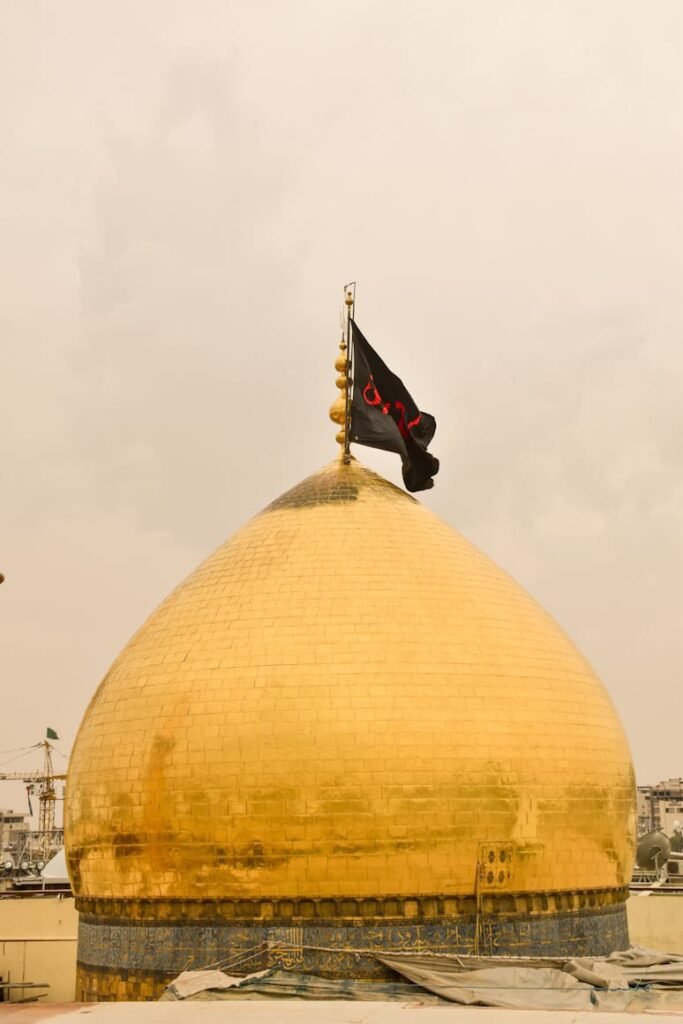
ISLAMABAD — The Battle of Karbala, held in 680 AD on the 10th of Muharram, is a profound event in Islamic history symbolizing truth and resistance. This significant occurrence marked the martyrdom of Imam Hussain ibn Ali, grandson of Prophet Muhammad, and his small group of companions, exemplifying unwavering faith and sacrifice. What Happened The Battle of Karbala took place on the barren plains of modern-day Iraq. Imam Hussain and his followers faced the vast forces of Yazid ibn Muawiya, the Umayyad caliph. Although greatly outnumbered, Imam Hussain refused to pledge allegiance to Yazid, whom he regarded as an unjust ruler. His defiance led to the fateful confrontation on the 10th of Muharram, known as Ashura. Imam Hussain’s camp, comprising around 72 family members and loyal supporters, faced Yazid’s army of thousands. The conflict was both a physical clash and a moral struggle, underscoring justice, truth, and resistance against tyranny. Despite their martyrdom, their sacrifice inspired future generations. The events of Karbala have been immortalized in literature, poetry, and art, inspiring those who pursue justice and resist oppression. The narrative of Karbala has become a universal symbol of the struggle against injustice. Background The roots of the Battle of Karbala lie in the early Islamic schism following Prophet Muhammad’s death. The division between supporters of Yazid’s caliphate and followers of Imam Hussain represents a pivotal point in Islamic history, highlighting broader ideological and political divides in the Muslim community. Imam Hussain’s martyrdom is commemorated yearly during Muharram, especially on Ashura. This remembrance includes mourning rituals, elegies, and battle reenactments, reflecting Karbala’s lasting impact on Islamic culture and spirituality. Why It Matters Karbala’s legacy holds deep significance for Muslims globally, cutting across sectarian lines. It symbolizes the importance of standing for justice, even when faced with overwhelming odds. The story of Imam Hussain’s sacrifice acts as a moral guide for many in their actions and beliefs. Economically, Karbala’s commemoration impacts regions with large Muslim populations. Pilgrimage to sites associated with Imam Hussain, particularly in Karbala, Iraq, stimulates local economies and encourages cultural exchange. Socially, Karbala promotes resilience, courage, and unity among diverse communities facing oppression. Politically, Karbala’s symbolism has been invoked in various social justice and reform movements. Leaders and activists draw parallels between their struggles and Imam Hussain’s stand, using his legacy to galvanize support and motivate change. Key Takeaways The Battle of Karbala occurred in 680 AD, a landmark in Islamic history. Imam Hussain’s martyrdom epitomizes resistance to tyranny and justice’s pursuit. Karbala’s legacy is annually commemorated, influencing cultural and religious practices. The Karbala story transcends history, affecting social and political movements. Karbala pilgrimage boosts economies in regions with large Muslim populations. Source Attribution This article is based on information from the Associated Press of Pakistan (APP).

Business

Uzbekistan Hosts TIIF 2026, Cementing Its Global Investment Status

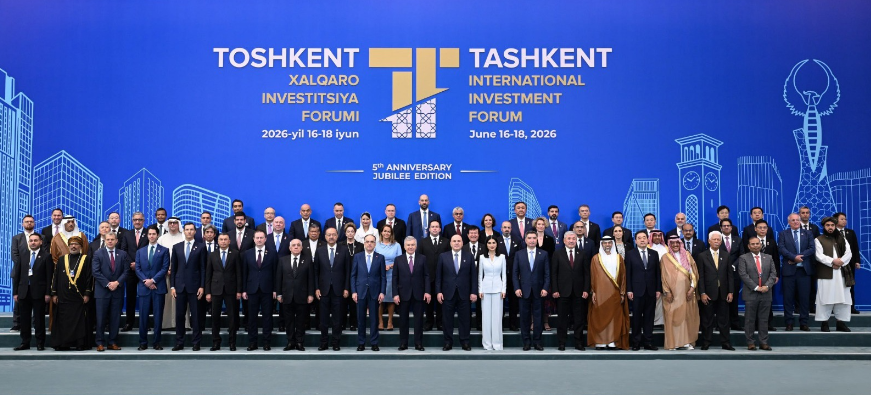
TASHKENT — Uzbekistan is poised to host the Tashkent International Investment Forum (TIIF) 2026, reinforcing its rising global investment significance. This major event in Tashkent will gather world leaders, government officials, investors, and business magnates to discuss and explore investment opportunities in Central Asia. Event Details The Tashkent International Investment Forum, initiated in 2022, has quickly become Central Asia’s leading platform for international investment discussions. The 2026 forum is set to draw a wide range of stakeholders, fostering dialogue and cooperation among global economic players. This event will highlight Uzbekistan’s economic potential and attract foreign direct investment with a platform for networking and idea exchange. Significance and Influence According to Mr. Khalid Taimur Akram, Executive Director of the Pakistan Research Center for a Community with Shared Future (PRCCSF), “TIIF has been instrumental in positioning Uzbekistan as a key player in the international investment landscape.” The forum will feature sessions on crucial sectors like energy, infrastructure, technology, and agriculture, reflecting Uzbekistan’s diverse economic sphere. Attendees will partake in panel discussions, workshops, and one-on-one meetings to better understand the regional investment climate. Economic Reforms and Opportunities Since President Shavkat Mirziyoyev assumed office in 2016, Uzbekistan has embarked on significant economic reforms. These reforms aim to liberalize the economy, improve the business environment, and attract foreign investment. The TIIF is part of broader efforts to integrate Uzbekistan into the global economy. Previous strict government controls over economic activities are now replaced by policies fostering international market engagement and business-friendly environments. Regional Impact The TIIF 2026 underscores Uzbekistan’s strategic move to become a central investment hub in Central Asia. The anticipated success of the forum can potentially boost foreign direct investment, vital for the nation’s economic growth and diversification. By attracting international investors, Uzbekistan intends to reduce dependency on traditional sectors and create new job opportunities. Furthermore, the forum’s focus on technology and infrastructure aligns with global digitalization and sustainability trends, offering opportunities for modern technological partnerships. For Pakistan and surrounding nations, Uzbekistan’s rise as a regional investment center offers prospects for economic collaboration and trade, potentially strengthening regional stability and prosperity. Key Takeaways Uzbekistan will host the Tashkent International Investment Forum (TIIF) in 2026, cementing its growing role in global investment. The forum is designed to attract diverse stakeholders, from investors to business leaders, to explore opportunities in Central Asia. Through economic reforms and strategic initiatives, Uzbekistan positions itself as a key player in the global investment arena.

Pakistan

Punjab Government Commended for Ashura Arrangements During Minister’s Visit

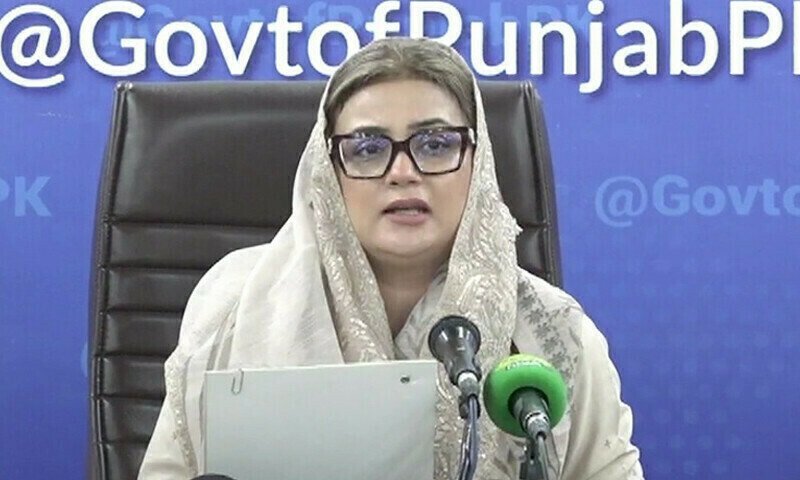
FAISALABAD — Punjab Information Minister Azma Bokhari inspected the Ashura security and service arrangements in Faisalabad on Thursday. Mourners and organizers lauded the Punjab government for providing exceptional facilities for Majalis and mourning processions. Inspection Visit Highlights On June 25, Azma Bokhari, Punjab Information Minister, visited Faisalabad to oversee the Ashura arrangements, observed globally by Muslims on the tenth day of Muharram. The visit ensured adequate and effective security measures and services during the observance. Azma Bokhari was accompanied by Chief Minister’s Adviser Zeeshan Malik, Regional Police Officer (RPO) Sohail Sukhera, and Divisional Commissioner Musarrat Jabeen. They toured locations hosting Majalis and processions, assessing security protocols and facilities such as water, medical aid, and sanitation services. During her interactions with procession organizers and participants, Bokhari emphasized the government’s dedication to maintaining peace and providing necessary amenities during Ashura. Attendees expressed satisfaction with the arrangements, appreciating the government’s efforts to ensure a smooth and secure event. Government’s Commitment Minister Bokhari stated, “The Punjab government has ensured all necessary measures are in place to facilitate mourners and organizers during this significant observance.” RPO Sohail Sukhera echoed her sentiments, highlighting the coordination among departments to ensure safety and comfort for participants. Background on Ashura Ashura, the tenth day of Muharram, commemorates the martyrdom of Imam Hussain, Prophet Muhammad’s grandson, at the Battle of Karbala. Muslims, particularly the Shia community, observe the day with mourning and reflection, organizing processions and gatherings. In Pakistan, Ashura is a public holiday marked by extensive security measures to safeguard participants. The government collaborates with law enforcement agencies to prevent any untoward incidents. This involves police deployment, security checkpoints, and emergency services. Significance of Arrangements The successful Ashura arrangements in Faisalabad showcase the Punjab government’s dedication to religious harmony and public safety. In a diverse society like Pakistan, such efforts prevent sectarian tensions. Ensuring a peaceful and organized Ashura strengthens communal harmony and upholds citizens’ rights to practice their faith. Economically, the smooth conduct of Ashura processions maintains regional stability, benefiting local businesses and daily life. Socially, it reassures the public of the government’s capability to efficiently manage large-scale events. Internationally, Pakistan’s management of significant religious events without disruption positively reflects its governance and commitment to protecting all religious communities’ rights. This enhances Pakistan’s image as a nation respecting and facilitating religious diversity. Key Takeaways Punjab Information Minister Azma Bokhari praised the Ashura arrangements in Faisalabad. Her visit highlighted effective security and services for the religious observance. Mourners and organizers expressed satisfaction with the facilities provided.

Sports

Officials Monitor 9th Muharram Processions and Security in Dera Ismail Khan

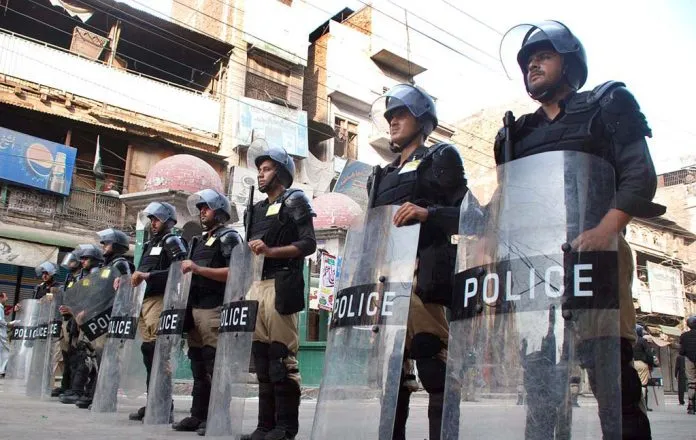
DERA ISMAIL KHAN — Commissioner Muhammad Dawood Khan and Regional Police Officer (RPO) Ghulam Mubashir Maken oversaw the 9th Muharram processions on June 25, ensuring comprehensive security arrangements across Dera Ismail Khan. Their visits included inspections of various Imambargahs and key procession routes throughout the district. Security Oversight Commissioner Dawood Khan, RPO Maken, Deputy Commissioner Hikmatullah Wazir, and District Police Officer (DPO) Dera Ziauddin Ahmad reviewed the security measures implemented for the 9th Muharram processions. The officials visited multiple Imambargahs and procession routes to ensure all arrangements met safety standards. During their visits, the officials interacted with procession organizers and security personnel to assess the effectiveness of the security protocols. Commissioner Dawood Khan stressed the importance of maintaining peace during this culturally and religiously significant observance for the Shia Muslim community. RPO Maken underscored the collaborative efforts between law enforcement agencies and local administration to prevent any incidents. “Our primary goal is to ensure the safety and security of all participants,” he stated, highlighting the police force’s commitment to maintaining order. Security Measures The security arrangements included the deployment of additional police personnel, installation of CCTV cameras, and checkpoints at strategic locations. These measures aimed to monitor and manage the large crowds expected during the processions. Muharram Significance Muharram, the first month of the Islamic lunar calendar, is a mourning period for Shia Muslims commemorating the martyrdom of Imam Hussain, Prophet Muhammad’s grandson, at the Battle of Karbala. The 9th and 10th days, known as Ashura, are significant, marked by processions honoring Imam Hussain’s sacrifice. In Pakistan, these processions are held with reverence, and security is crucial due to the large gatherings and potential for sectarian violence. The government has implemented stringent security measures over the years for the peaceful conduct of these events. Importance of Security The oversight of Muharram processions by high-ranking officials in Dera Ismail Khan highlights the importance of security during religious events in Pakistan. Ensuring safety fosters a sense of community security among the Shia population, historically facing sectarian violence. Effective management of these events enhances communal harmony and demonstrates the government’s dedication to protecting minority rights. It also illustrates the capability of law enforcement agencies to manage large-scale events, vital for maintaining public confidence in the state’s ability to protect its citizens. Key Takeaways Officials ensured security for the 9th Muharram processions in Dera Ismail Khan. Security included additional police, CCTV, and checkpoints. Muharram is crucial for the Shia Muslim community, commemorating Imam Hussain. Safety during these events is vital for religious freedom and community harmony.

Pakistan

Ashura: A Symbol of Sacrifice and Justice, Says Speaker Ayaz Sadiq

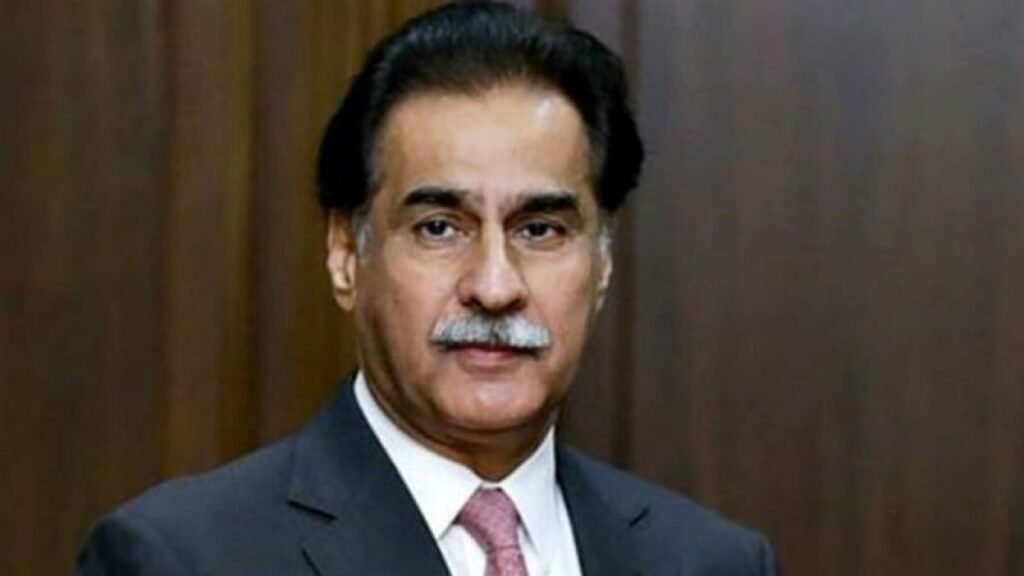
ISLAMABAD — Speaker of the National Assembly, Sardar Ayaz Sadiq, honored Hazrat Imam Hussain (AS), the Ahl-e-Bait (AS), and the Karbala martyrs on Ashura. He described the tragedy of Karbala as a key chapter in Islamic history, highlighting its significance as a symbol of courage and righteousness. Significance of Karbala On June 25, Speaker Ayaz Sadiq addressed the nation during Ashura, memorializing the martyrdom of Hazrat Imam Hussain (AS) and his companions at the 680 AD Battle of Karbala. He emphasized Karbala’s profound impact on the Islamic world, noting that the sacrifices of Imam Hussain (AS) inspire generations seeking justice and truth. Sadiq declared, “The tragedy of Karbala is not just a historical event but a timeless lesson in standing up against tyranny and oppression.” He stressed the importance of remembering the virtues of sacrifice and justice exemplified by Imam Hussain (AS). His comments were part of nationwide events and speeches marking Ashura, a mourning and reflection day for Muslims globally. Historic Background Ashura, the 10th day of the Islamic month of Muharram, is significant in the Islamic calendar. It commemorates the martyrdom of Hazrat Imam Hussain (AS), the Prophet Muhammad’s (PBUH) grandson, who was martyred with his family at the Battle of Karbala, a pivotal moment exemplifying the struggle against injustice and tyranny. The 680 AD Battle of Karbala occurred in present-day Iraq. Imam Hussain (AS) and his supporters were vastly outnumbered by Yazid’s forces. Despite this, Imam Hussain (AS) did not pledge allegiance to Yazid, upholding his principles. The battle ended in their massacre, but it stands as a powerful symbol of resistance and moral integrity. Impact and Observance in Pakistan Ashura is both a religious observance and reflection on themes of justice, sacrifice, and oppression resistance. In Pakistan, with a large Shia community, it involves processions, gatherings, and charity acts. It reminds citizens of ongoing justice and human rights struggles, resonating across sects. In Pakistan’s political context, Karbala’s message has been used by movements and leaders to address governance, accountability, and social justice issues, relevant amid challenges like corruption and inequality. Global Observance Globally, millions of Muslims observe Ashura, fostering unity and shared heritage. Karbala’s events inspire worldwide social justice and human rights movements, making Ashura a platform for cross-cultural dialogue and understanding. Key Takeaways Speaker Ayaz Sadiq highlights Karbala’s ongoing significance as a symbol of sacrifice and justice. Ashura commemorates Hazrat Imam Hussain (AS) and his companions’ martyrdom in the Battle of Karbala, 680 AD. Events highlight struggles against tyranny, relevant to religious and political spheres. In Pakistan, Ashura features processions and gatherings, underscoring themes of justice and human rights.

Pakistan

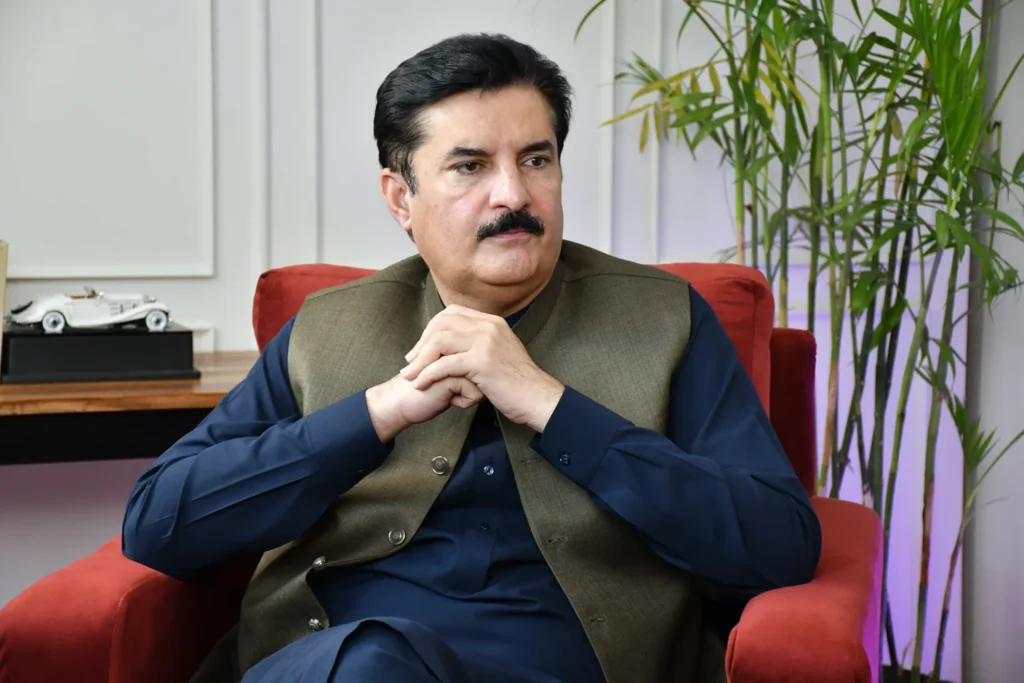
Governor Kundi Evaluates Security for Muharram Processions in Peshawar

PESHAWAR — Governor Khyber Pakhtunkhwa, Faisal Karim Kundi, conducted a comprehensive review of the security arrangements for the 9th Muharram procession in Peshawar on Thursday. The procession began at Naeem Shah Chowk Saddar and is a key event in the Islamic calendar, marking a period of mourning for the Shia community. Governor’s Review of Security Measures Governor Faisal Karim Kundi attended the central 9th Muharram procession to evaluate the security measures put in place by the Khyber Pakhtunkhwa Police and civil administration. This procession is part of the annual Muharram-ul-Haram observance, which honors the martyrdom of Imam Hussain, grandson of the Prophet Muhammad. It involves large gatherings, necessitating heightened security to protect participants. During his inspection, Governor Kundi expressed gratitude for the joint efforts of the police, civil administration, and religious leaders from both Shia and Sunni communities. He stressed the importance of peace and harmony during this period. “The cooperation between different communities is crucial for the peaceful observance of Muharram,” he stated, highlighting unity and mutual respect. Implemented Security Arrangements The implemented security arrangements included: Deployment of additional police forces Installation of surveillance cameras Setting up checkpoints at strategic locations These steps aim to prevent any untoward incidents and ensure the smooth conduct of processions. The Governor also interacted with on-duty security personnel, acknowledging their dedication and commitment. Cultural and Religious Background Muharram is the first month of the Islamic lunar calendar and holds immense religious significance for Muslims worldwide. The 9th and 10th days, known as Ashura, are especially significant for Shia Muslims, who remember the martyrdom of Imam Hussain at the Battle of Karbala in 680 AD. This observance includes processions, recitations, and gatherings. Across Pakistan, Muharram processions occur in major cities such as Karachi, Lahore, and Peshawar. Given the historical sectarian tensions, the government enforces strict security to prevent any violence or disruptions. Importance of Securing Muharram Processions Ensuring the safety of Muharram processions is crucial for national harmony in Pakistan, a country where sectarian violence has historically occurred. Maintaining participant safety prevents tension escalation and supports social cohesion. The Khyber Pakhtunkhwa government’s security efforts highlight Pakistan’s commitment to religious tolerance and peace. Peaceful Muharram observances can also foster local economic stability, as disruptions can affect commerce and mobility, impacting livelihoods. Effective security measures help maintain normalcy. Internationally, how Pakistan handles such religious events reflects its stance on religious freedom and minority rights. Successful management of Muharram processions can enhance Pakistan’s image as a nation respecting the rights of all its citizens.

Scroll to Top