Author name: NEN News

Pakistan

Amir Muqam Honors Poonch’s Sacrifices, Pledges Government Support

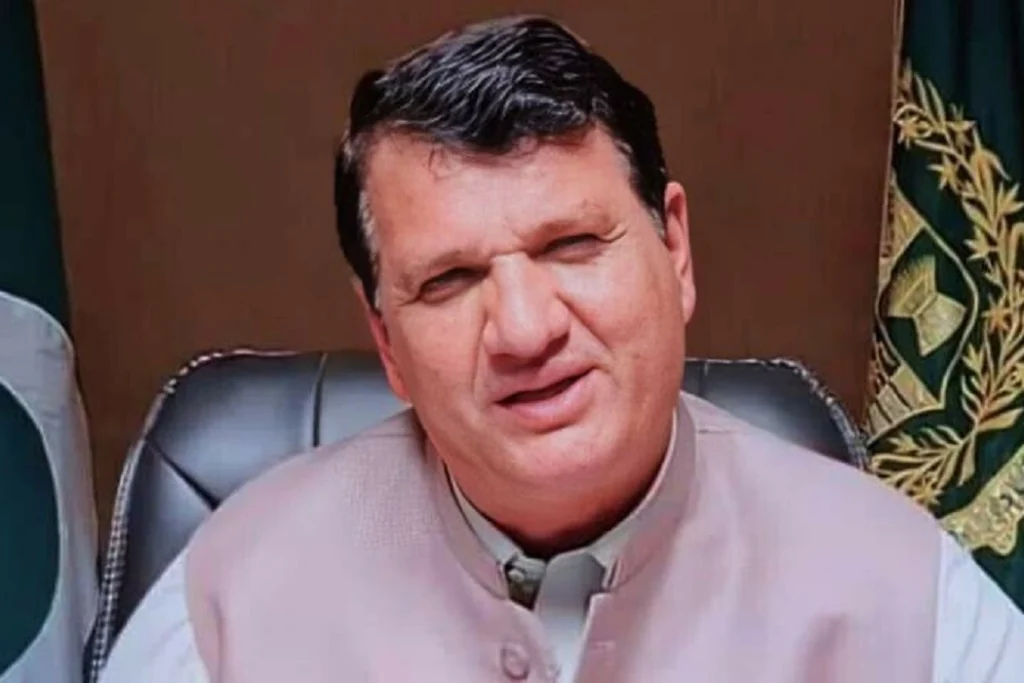
ISLAMABAD — Federal Minister for Kashmir Affairs, Engineer Amir Muqam, has paid tribute to the people of Poonch Division and Rawalakot. He acknowledged their historical sacrifices for Pakistan and Kashmir and reiterated the government’s dedication to providing relief and support. Federal Minister’s Address On June 25, Amir Muqam highlighted the significant contributions of the Poonch Division. His speech underscored the area’s historical importance within Pakistan’s national integrity and the Kashmir cause. The minister praised the residents for their steadfast loyalty and sacrifices. Muqam mentioned the legendary Sepoy Maqbool Hussain, embodying the spirit of Poonch. This ceremony brought together local leaders, community members, and government officials to honor those contributing to the national cause. Government Initiatives In his address, Muqam reaffirmed the government’s commitment to the needs of Poonch and Rawalakot residents. He assured that efforts are underway to enhance infrastructure, improve living conditions, and provide resources essential for economic and social upliftment. Historical Context The Poonch Division, in Azad Jammu and Kashmir, has a long involvement in the Kashmir conflict. The area has been pivotal in the struggle for Kashmiris’ rights, with significant contributions to Pakistan’s defense and sovereignty. Recent government efforts aim to improve socio-economic conditions in Azad Jammu and Kashmir through development initiatives, recognizing the region’s strategic importance and historical sacrifices. Impact and Implications Recognition of Poonch’s sacrifices highlights its importance in Pakistan’s national narrative. The government’s support is vital for local well-being and stability in this strategically sensitive area. Economically, the development of Poonch could lead to more opportunities, poverty reduction, and improved quality of life. Socially, government support fosters inclusion and recognition for previously marginalized communities. Politically, support for Poonch aligns with Pakistan’s broader Kashmir strategy. By acknowledging sacrifices, the government reinforces its commitment to the Kashmir cause, a central element of Pakistan’s foreign policy. Key Takeaways Federal Minister Amir Muqam honored the sacrifices of Poonch Division, highlighting its historical significance. The government is dedicated to providing relief and enhancing living conditions in Poonch. Poonch’s contributions are crucial to Pakistan’s national integrity and Kashmir cause. Development initiatives aim to boost opportunities and improve infrastructure. The support aligns with the government’s broader Kashmir strategy.
Pakistan

9th Muharram Procession in Attock Concludes Peacefully Amid Tight Security

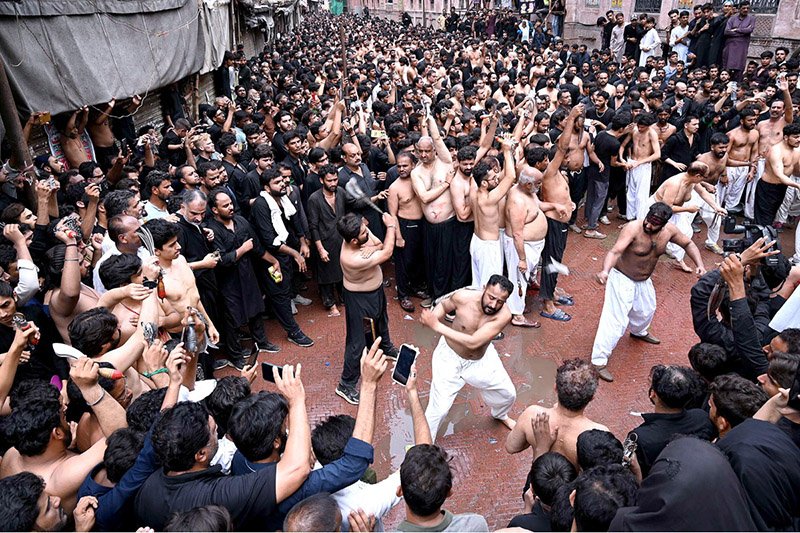
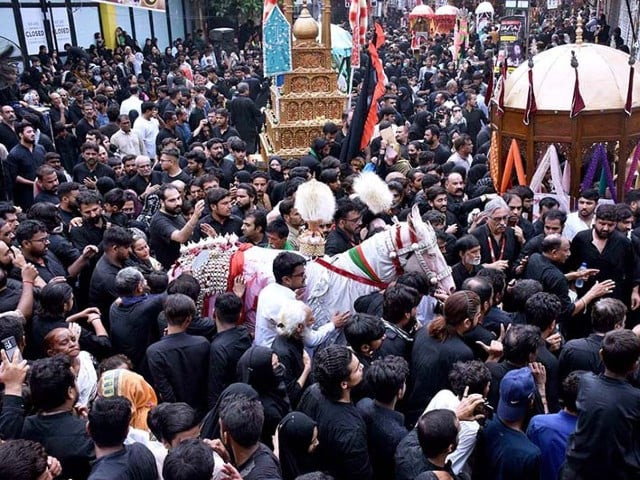
ATTOCK — The 9th Muharram procession in Sheen Bagh, Attock, concluded peacefully on Thursday. Mourners gathered under tight security, marking a significant event for the local community. Event Details The Alam-o-Zuljannah procession began on Thursday morning from various residences, including those of Adalat Shah and Maulana Imran Bukhari. A large number of participants engaged in traditional mourning rituals, such as the recitation of Noha, a form of lamentation poetry. The procession moved along designated routes with participants carrying religious banners and symbols. Security Measures Security was a top priority for the event organizers and local authorities. They worked closely to ensure attendee safety. Law enforcement was present in large numbers to manage crowds and maintain order. Barricades and thorough checks were conducted to prevent any untoward incidents. Local leaders and religious scholars addressed the crowd, emphasizing the spiritual significance of the day and urging adherence to peaceful conduct. The procession concluded without any incidents, with orderly dispersal. Cultural and Religious Context Muharram, the first month of the Islamic lunar calendar, holds great importance for Muslims, particularly the Shia community. It commemorates the Battle of Karbala, where Imam Hussain, Prophet Muhammad’s grandson, was martyred. The 9th and 10th days, known as Ashura, are observed with deep reverence and mourning. In Pakistan, Muharram processions are a tradition, with communities participating in rituals to honor Karbala’s sacrifices. These gatherings require careful security management due to their size. Significance of the Event The peaceful conclusion of the 9th Muharram procession in Attock demonstrates effective coordination between local authorities and community leaders, ensuring participant safety where security risks are heightened. Successfully managing such events maintains public confidence in religious traditions. Economically, smooth procession management benefits local businesses. Vendors and service providers often cater to attendees’ needs. The absence of security incidents also prevents disruptions to daily life and commerce. Socially, the event highlights community cohesion and the role of religious observances in fostering unity. The peaceful procession in Attock serves as a model for other regions, showing how religious events can be conducted with respect and harmony. Internationally, peaceful Muharram observance in Pakistan enhances the nation’s image as it manages large-scale religious events efficiently. This has positive implications for tourism and international relations, showcasing Pakistan’s commitment to religious freedom and security. Key Takeaways The 9th Muharram procession in Sheen Bagh, Attock, concluded peacefully under tight security. The event involved traditional mourning rituals and was attended by a large number of participants. Security measures were effectively implemented, ensuring the safety of all attendees. Muharram holds significant religious importance, particularly for the Shia community. Successful event management fosters community cohesion and enhances Pakistan’s international image.

Business

Cotton Commissioner Reviews Research Trials at Multan Institutes

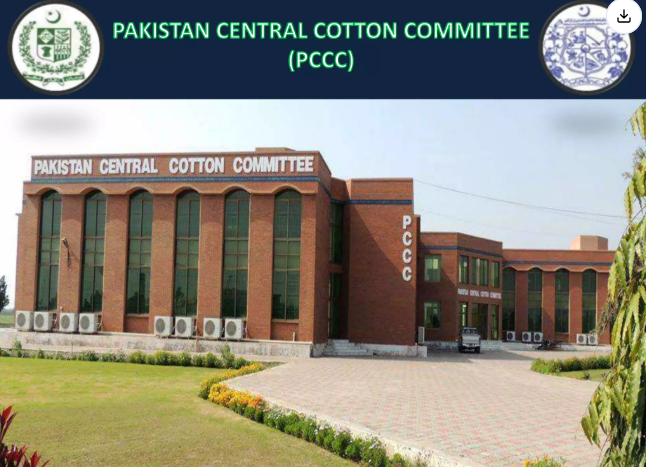
MULTAN — Dr Khadim Hussain, CEO of the Pakistan Central Cotton Committee (PCCC) and Cotton Commissioner, inspected research trials at the Cotton Research Institute (CRI) in Multan. His visit on June 24 focused on assessing the National Coordinated Varietal Trials (NCVT) and ongoing research projects. Inspection of Research Trials Dr Khadim meticulously reviewed the trial planning and experimental plots at CRI. He evaluated the current crop’s performance and examined preliminary data. This inspection is part of a broader initiative to ensure research aligns with national agricultural goals, enhancing cotton production. During his walkthrough, Dr Khadim engaged with the research staff, discussing methodologies and the potential implications of their findings. He emphasized the trials’ role in developing cotton varieties that withstand local climatic and pest challenges. Research Activities and Goals The inspection covered research activities such as developing pest-resistant cotton strains and improving yield and fiber quality. Dr Khadim highlighted these experiments’ significance in addressing cotton growers’ challenges, especially with changing weather patterns and pest infestations in Pakistan. The Role of the Cotton Research Institute The CRI in Multan is crucial for developing high-yield, pest-resistant cotton varieties. The NCVT is a key component of its research agenda, evaluating and improving cotton strains across Pakistan’s agro-climatic zones. Pakistan’s cotton industry is vital for the national economy, significantly contributing to exports and employment. However, it faces challenges like pest attacks, water scarcity, and global market fluctuations. Initiatives like those at CRI are essential for sustaining and enhancing the sector’s productivity. Importance of the Research Dr Khadim’s inspection underscores research and development’s crucial role in bolstering Pakistan’s cotton industry. As a major cash crop, advancements in research impact farmers’ livelihoods and the broader textile industry, a significant contributor to the GDP. Developing new cotton varieties is essential for maintaining global market competitiveness. As climate change affects agriculture, creating resilient crops becomes vital. CRI’s research aims to improve yield and quality while mitigating environmental impacts. Moreover, these initiatives impact food security and rural development in Pakistan. Enhancing cotton productivity ensures a stable raw material supply for the textile industry, supporting economic stability and growth. Key Takeaways Dr Khadim Hussain inspected research trials at the Cotton Research Institute in Multan. Focus areas included National Coordinated Varietal Trials and ongoing research experiments. Research aims to develop pest-resistant and high-yield cotton varieties. These trials are vital for addressing challenges in Pakistan’s cotton industry. Advancements in cotton research are crucial for economic growth and stability.

Pakistan

Rescue 1122 Mobilizes for Muharram Safety Measures in Multan

MULTAN — Punjab Emergency Service Rescue 1122 has launched an emergency response plan for the 9th Muharram and Ashura, deploying all units on high alert across Multan. This initiative is aimed at ensuring safety during Muharram processions and gatherings, as reported by District Emergency Officer Dr. Hussain Mian. Rescue 1122’s Preparedness Rescue 1122 has mobilized more than 600 personnel in anticipation of the 9th Muharram and Ashura. Their comprehensive plan includes strategically placing rescue teams along procession routes and at major congregation points. According to Dr. Hussain Mian, their teams are equipped to provide immediate assistance to ensure public safety and security. The emergency cover plan involves deploying ambulances, fire vehicles, and mobile rescue units for swift incident response. Furthermore, Rescue 1122 is working with local law enforcement and community leaders to optimize communication and response. The focus remains on maintaining public order and minimizing risks associated with large gatherings. Community Involvement Dr. Mian has underscored the importance of public cooperation. He encourages citizens to follow safety protocols and report suspicious activities. All rescue personnel have received specialized training to effectively manage emergencies during Muharram. Significance of Muharram Muharram, the Islamic lunar calendar’s first month, holds special religious significance, especially for the Shia community. The 9th and 10th days, called Ashura, commemorate the martyrdom of Imam Hussain, Prophet Muhammad’s grandson, at the Battle of Karbala. This period includes processions, gatherings, and religious ceremonies. Historically, Muharram processions in Pakistan have faced sectarian violence, requiring increased security. Established in 2006, Rescue 1122 is vital in providing medical and rescue services, ensuring participant safety during such events. Importance of the Initiative Rescue 1122’s measures are essential in preventing tragedies during Muharram, a period with potential for sectarian tensions. The deployment of over 600 personnel demonstrates serious commitment to public safety. Besides protecting lives, these efforts preserve the sanctity of religious observances. Economically, ensuring safe Muharram events maintains regional stability, preventing disruption to businesses and daily life. Socially, this initiative builds a sense of security, allowing peaceful participation in religious activities. Politically, it enhances trust between the government and citizens amidst historical sectarian challenges. Globally, managing Muharram events successfully bolsters Pakistan’s image as a nation capable of handling religious diversity and maintaining peace during sensitive times. Key Takeaways More than 600 Rescue 1122 personnel have been deployed in Multan for Muharram. The plan includes ambulances, fire vehicles, and mobile rescue units. Muharram processions require heightened security measures. Efforts aim to prevent sectarian violence and ensure public safety. Successful management can positively influence Pakistan’s social and political landscape.

Pakistan

CTO Islamabad Urges Public Cooperation for Safe Muharram Procession

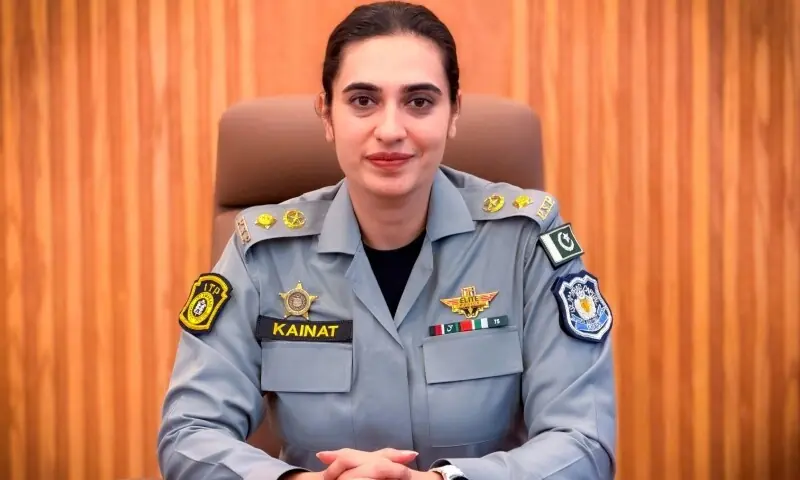
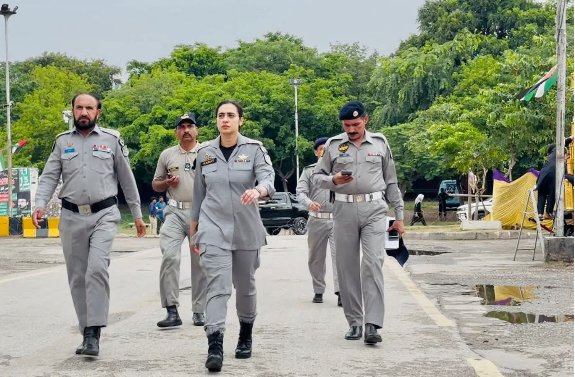
ISLAMABAD — Chief Traffic Officer (CTO) Kainat Azhar Khan has emphasized the importance of public cooperation for a safe Muharram procession in Islamabad. During her visit to the G-6 area on Thursday morning, she reviewed the traffic management and security arrangements for the upcoming event. Inspection and Preparations CTO Kainat Azhar Khan conducted an on-site inspection of the primary Muharram procession route in Islamabad’s G-6 area. The goal of the visit was to evaluate the traffic management strategies and security measures. Khan expressed satisfaction with the arrangements, but emphasized the need for public discipline to ensure the event proceeds smoothly. In discussions with media representatives, CTO Khan highlighted the deployment of additional traffic personnel to manage vehicular flow and ensure participant safety. “Our primary objective is to facilitate the procession while minimizing inconvenience to the public,” she stated. She also noted that the traffic police have coordinated with other law enforcement agencies to strengthen security measures along the procession route. Specific traffic diversions and parking restrictions will be implemented to maintain order and prevent congestion. Khan urged citizens to comply with the designated routes and follow instructions from traffic personnel. “Public cooperation is crucial for the success of these arrangements,” she added. Understanding Muharram Muharram marks the first month of the Islamic lunar calendar and holds religious importance, especially for the Shia community. The tenth day, Ashura, commemorates the martyrdom of Imam Hussain, the grandson of Prophet Muhammad, at the Battle of Karbala. Global processions and gatherings honor his sacrifice. In Pakistan, Muharram processions are observed with deep reverence, drawing large crowds. Government and law enforcement agencies take extensive measures to ensure the safety and security of participants due to historical threats and incidents of violence at such gatherings. Significance of Public Safety The safety of Muharram processions holds national importance in Pakistan, where sectarian tensions have historically led to violence. Ensuring a peaceful observance helps maintain communal harmony and public safety. The efforts of the Islamabad Traffic Police, under CTO Kainat Azhar Khan, demonstrate a commitment to safeguarding religious freedoms while maintaining public order. The emphasis on public cooperation highlights the role citizens play in supporting law enforcement. By adhering to traffic regulations and security protocols, the public contributes to a peaceful and orderly Muharram observance. This cooperation is vital for the safety of participants and for minimizing disruptions in the capital city. Key Points CTO Islamabad Kainat Azhar Khan stresses public cooperation for safe Muharram processions. Additional traffic personnel and enhanced security measures are in place. Muharram holds deep religious importance, requiring strong safety protocols. Public adherence to traffic and security guidelines ensures a peaceful observance. Effective management of processions enhances Pakistan’s international image and sets a precedent for future events.

Pakistan

Prime Minister Shehbaz Sharif Offers Condolences After Venezuela Earthquake

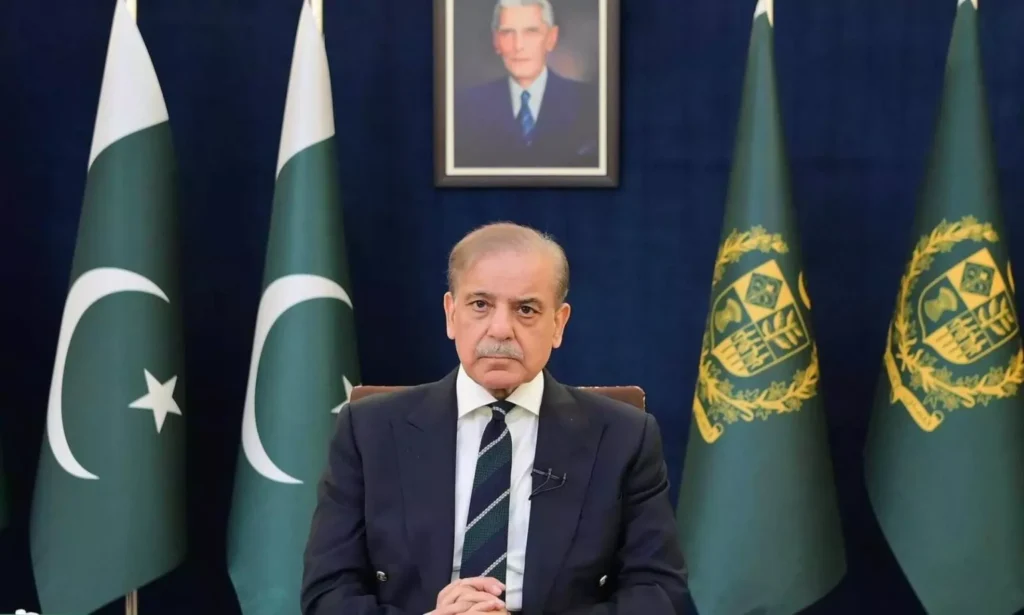
ISLAMABAD — Prime Minister Shehbaz Sharif on Thursday expressed profound sorrow over the devastation and loss of life caused by a series of earthquakes in Venezuela. He extended heartfelt condolences to the Venezuelan government and its people, particularly the families of those who lost their lives. Earthquake Aftermath The earthquakes in Venezuela have led to significant destruction and loss of lives. The exact number of casualties and extent of the damage are still being assessed, but initial reports indicate severe impacts on several communities. Currently, the Venezuelan government is engaged in rescue and relief operations, focusing on reaching those trapped under debris and providing medical assistance to the injured. Pakistan’s Support Prime Minister Shehbaz Sharif conveyed Pakistan’s solidarity with the Venezuelan people during this challenging period. “On behalf of the people of Pakistan, I convey our heartfelt condolences to the Government and people of Venezuela, especially the families of the victims,” he stated. He also reiterated Pakistan’s readiness to provide necessary assistance to support relief efforts in Venezuela. Challenges and International Aid The earthquakes have added to Venezuela’s existing struggles with economic difficulties and political tensions. The international community is closely monitoring the situation, with multiple countries and humanitarian organizations preparing to offer aid and support. Economically, these earthquakes may exacerbate Venezuela’s challenges, affecting global oil markets due to the country’s significant oil reserves. Background on Seismic Activity Venezuela is positioned at the boundary between the Caribbean and South American tectonic plates, making it prone to earthquakes. Historically, Venezuela has experienced several major earthquakes, such as the devastating one in 1812. The current disaster strikes as Venezuela deals with severe economic sanctions and a struggling healthcare system, complicating the disaster response. The government, led by President Nicolás Maduro, is working on mobilizing resources and coordinating international aid to address the immediate needs of the affected population. Importance of International Cooperation The earthquakes highlight the vulnerabilities of nations in seismically active regions and the crucial role of international cooperation in disaster response. For Pakistan, a country with its own experiences of natural disasters, the situation in Venezuela is a reminder of the need for solidarity. Pakistan’s offer to assist reflects its commitment to international humanitarian principles. Prime Minister Shehbaz Sharif expressed condolences to Venezuela following devastating earthquakes. Several communities have been severely affected, with ongoing rescue operations. Pakistan affirms readiness to assist Venezuela in relief efforts. The international community watches closely with offers of aid and support. Disasters underscore the importance of global cooperation and preparedness.

Pakistan

CTO Reviews Traffic Plans for 9th Muharram Procession in Islamabad

ISLAMABAD — Chief Traffic Officer (CTO) Kainat Azhar Khan conducted a comprehensive review of traffic arrangements for the 9th Muharram central procession in Islamabad’s Sector G-6 on Thursday morning. This inspection aimed to ensure smooth traffic flow and operational readiness ahead of this significant religious event. Ensuring Smooth Traffic Flow On June 25, CTO Kainat Azhar Khan visited the designated route for the 9th Muharram procession. This key event in the Islamic calendar, observed by Shia Muslims, attracts a large number of participants. It requires meticulous planning to effectively manage both vehicular and pedestrian movement. An Islamabad Traffic Police (ITP) official mentioned that the CTO personally examined various traffic management measures along the route. During her visit, CTO Khan evaluated the deployment of traffic personnel, the positioning of barriers, and the availability of emergency response teams. She highlighted the importance of coordination among different departments to address any potential disruptions. “Our primary goal is to ensure the safety and convenience of both the participants and the general public,” stated the ITP official, quoting CTO Khan. Enhancing Communication and Safety Measures The CTO issued directives to improve communication systems among traffic officers and ensure alternative routes are clearly marked for motorists. The ITP plans to deploy additional personnel to manage traffic diversions and assist the public during the procession. Significance of Muharram The 9th and 10th of Muharram, also known as Ashura, are of profound religious importance to Shia Muslims, commemorating the martyrdom of Imam Hussain, the grandson of Prophet Muhammad, at the Battle of Karbala. In Pakistan, these days are marked by processions and gatherings, especially in major cities like Islamabad, Karachi, and Lahore. The central procession in Islamabad is one of the largest, necessitating extensive logistical and security preparations. Historically, the Islamabad Traffic Police has been crucial in managing the influx of participants and ensuring the processions proceed without incidents. Coordination between traffic management and law enforcement agencies is essential in maintaining order during these events. Impact on the Community Effective traffic management during the 9th Muharram procession is vital for several reasons. It ensures the safety of thousands who participate, preventing accidents or incidents from traffic congestion. It also minimizes disruptions to Islamabad residents who need to navigate the city for work or other commitments. The successful execution of such events reflects well on city administration capabilities and boosts public confidence in local authorities. It emphasizes religious tolerance and the peaceful coexistence of diverse communities during significant cultural and religious observances. Furthermore, smooth procession conduct can have economic implications. By keeping businesses and services accessible, the ITP helps mitigate potential economic disruptions from road closures and traffic delays. Key Takeaways CTO Kainat Azhar Khan reviewed traffic arrangements for the 9th Muharram procession in Islamabad. The inspection focused on ensuring smooth traffic flow and operational readiness. More traffic personnel will be deployed to manage diversions and assist the public. The 9th Muharram procession is a significant religious event requiring extensive planning. Effective traffic management reflects positively on city administration and public safety.

Pakistan

Police Oversee Security for Muharram Procession in Islamabad

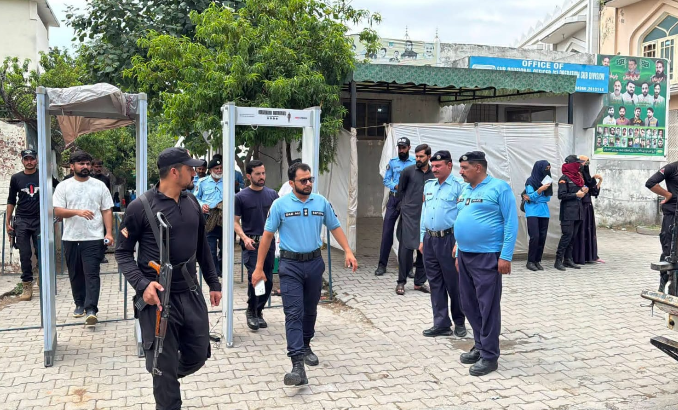
ISLAMABAD — Senior Superintendent of Police (SSP) Operations Qazi Ali Raza and SSP Security/Operations Suleman Zafar inspected security at various entry points for the central 9th Muharram procession in Islamabad. This inspection aimed to ensure participant safety during this important religious event. Inspection and Security Measures On June 25, SSPs Qazi Ali Raza and Suleman Zafar visited several entry points of the Muharram procession in the capital. This visit was part of a broader effort to enhance security measures for the event, which attracts many participants annually. An official from the Associated Press of Pakistan (APP) noted that senior officers briefed police on their responsibilities, stressing vigilance and coordination. The officers reviewed security, which included deploying additional police, installing surveillance cameras, and setting up checkpoints at strategic locations. The primary focus was to prevent untoward incidents and ensure the procession’s smooth conduct. The SSPs emphasized effective communication among officers and urged them to remain alert throughout the event. SSP Qazi Ali Raza stated, “Our primary objective is to ensure the safety of all participants. We have implemented comprehensive security measures and are coordinating closely with other law enforcement agencies.” SSP Suleman Zafar added, “We are committed to maintaining peace and order during the procession, and our officers are well-prepared to handle any situation.” Muharram and Its Significance Muharram, the first month of the Islamic lunar calendar, is highly significant for Muslims, especially the Shia community. The 9th and 10th days, known as Ashura, commemorate the martyrdom of Imam Hussain, Prophet Muhammad’s grandson, at Karbala. In Pakistan, large processions occur, with participants engaging in mourning and paying homage to Imam Hussain’s sacrifices. Security Challenges Security during Muharram processions is a major concern due to potential sectarian violence threats. Over the years, the government has put stringent measures in place to protect participants and prevent disruptions. These measures include deploying additional police and paramilitary forces, curfews in sensitive areas, and social media monitoring for inflammatory content. Importance of Security Efforts The security of Muharram processions is crucial due to potential sectarian tensions. Ensuring participant safety protects lives and upholds the right to religious expression. The efforts by SSPs Qazi Ali Raza and Suleman Zafar highlight the commitment of Pakistani law enforcement to maintain peace during significant religious events. Successfully managing Muharram processions boosts public confidence in the government’s protective abilities. It demonstrates effective inter-agency coordination and the importance of proactive security measures. For Islamabad, maintaining peace during Muharram projects stability and security to domestic and international audiences. Moreover, peaceful Muharram processions contribute to national unity by fostering mutual respect among different religious communities. It emphasizes the need for tolerance and coexistence in Pakistan’s diverse society.

Business

SMEDA to Celebrate World MSME Day 2026 with Nationwide Events

LAHORE — The Small and Medium Enterprises Development Authority (SMEDA) is preparing to celebrate World Micro, Small and Medium Enterprises (MSME) Day on June 27, 2026. The celebration includes a series of nationwide outreach activities aimed at bolstering support for MSMEs across Pakistan, reflecting the authority’s ongoing commitment to this vital sector. Event Highlights SMEDA has announced a range of awareness activities and interactive sessions in 12 major business cities across Pakistan. These events will be conducted simultaneously to maximize outreach and engagement with MSMEs. Designed to educate and empower small business owners and entrepreneurs, the activities provide necessary tools and knowledge to succeed in a competitive market. According to SMEDA officials, the events will feature workshops, seminars, and networking sessions focusing on key areas like business development, financial management, and marketing strategies. The aim is to create a collaborative platform where MSME stakeholders can exchange experiences and solutions, fostering growth and innovation. SMEDA’s CEO emphasized the importance of these activities, stating, “Our goal is to ensure MSMEs possess the latest information and resources to enhance their competitiveness and sustainability. We hope to reach a wider audience and make a significant impact on the MSME sector across Pakistan through these events.” Understanding World MSME Day World MSME Day occurs annually on June 27, as designated by the United Nations in 2017. The day raises awareness of MSMEs’ critical role in achieving the Sustainable Development Goals (SDGs), especially in promoting innovation, job creation, and economic growth. In Pakistan, MSMEs are a cornerstone of the economy, significantly contributing to GDP and employment. The sector comprises about 90% of all enterprises in the country, employing over 80% of the non-agricultural labor force. Despite their significance, MSMEs often face challenges such as limited access to finance, inadequate infrastructure, and regulatory hurdles. SMEDA’s Impact Established in 1998, SMEDA has been at the forefront of supporting MSMEs in Pakistan. The authority provides services like business advisory, training, and policy advocacy to help small businesses overcome these challenges and achieve sustainable growth. Significance of the Celebration The celebration of World MSME Day 2026 by SMEDA holds several significant implications: Economic Growth: The initiative highlights the vital role of MSMEs in driving growth and innovation, contributing to Pakistan’s broader economic development, crucial for reducing poverty and improving living standards. Social Inclusion: The events foster an inclusive business environment, valuing diverse voices and promoting knowledge-sharing for equitable and sustainable business practices. Political Alignment: The initiative supports the government’s economic policy agenda of aiding small businesses. By spotlighting MSME challenges and opportunities, SMEDA advocates for policies addressing sector needs. SMEDA will celebrate World MSME Day 2026 through events in 12 key cities across Pakistan. Activities aim to support MSMEs via workshops, seminars, and networking, underscoring small businesses’ importance in economic growth and innovation.

Business

Murree Finalizes Health and Rescue Plan for Muharram Safety

RAWALPINDI — Senior health and emergency officials in Murree have finalized a comprehensive health and rescue plan to ensure the safety of residents and visitors during Muharram-ul-Haram. This plan was reviewed during a high-level meeting on Wednesday, focusing primarily on medical and rescue arrangements. Safety Enhancements for Muharram In preparation for Muharram, CEO Health Dr. Azhar Abbasi and District Emergency Officer Rescue 1122 Engineer Kamran Rashid conducted a thorough inspection of emergency preparations in Murree. This review took place on June 24 and involved a detailed examination of ground-level emergency response capabilities in the Trait area. The officials closely assessed the readiness of medical teams and rescue personnel to ensure all necessary equipment and resources are available. Dr. Abbasi stressed the need for a robust system to effectively address any health emergencies that might occur during Muharram, a time noted for large gatherings and processions. Role of Rescue 1122 Engineer Kamran Rashid outlined Rescue 1122’s role in providing swift emergency response services. “Our teams are fully equipped and trained to handle any situation that may occur during the Muharram period,” he stated. The inspection also covered the communication systems between emergency services to guarantee seamless coordination. The plan involves deploying additional medical staff and ambulances at key locations, alongside setting up temporary medical camps for immediate assistance. Officials discussed strategies for crowd control and ensuring smooth traffic flow during processions. Background of Muharram Muharram-ul-Haram is the first month of the Islamic calendar, holding enormous religious significance for Muslims globally. In Pakistan, it involves various religious activities, like processions and gatherings, especially on the 9th and 10th days, known as Ashura. These events draw large crowds, necessitating comprehensive safety and emergency measures. Previously, the region faced challenges in crowd management and emergency response during Muharram. This year, the administration’s proactive approach aims to mitigate potential risks, ensuring a safe environment for all participants. Importance of Safety Measures Implementing a comprehensive health and rescue emergency plan is crucial for safeguarding public health and safety during Muharram. The period’s increased public gatherings can heighten risks of accidents and health emergencies. The Murree administration’s proactive planning is committed to protecting citizens and visitors effectively. Economically, managing Muharram events successfully can enhance Murree’s reputation as a safe religious tourism destination, boosting businesses dependent on visitor influx. Socially, the plan fosters security and community trust, allowing participation in religious observances with confidence. Politically, effective management of Muharram safety measures reflects well on local government capability, maintaining public confidence and support. Such efforts align with national priorities of ensuring peace and security during significant religious events. Key Measures Implemented Murree administration has finalized a comprehensive health and rescue plan for Muharram. Senior officials conducted a thorough inspection of emergency preparedness in the Trait area. The plan includes deployment of additional medical staff, ambulances, and temporary medical camps. Strategies for effective crowd control and traffic management were discussed.

Scroll to Top