Author name: NEN News

Sports

AWHP Hyderabad Hosts Reception Honoring Abid Lashari’s Achievements

HYDERABAD — The Association of Welfare of Handicap Persons (AWHP) Hyderabad held a grand reception on June 22. This event was organized to honor Abid Lashari, the President of the National Disability Forum (NDF) Pakistan, acknowledging his significant contributions to the welfare of persons with disabilities. The celebration marked Lashari’s receipt of the Tamgha-e-Imtiaz, a prestigious civil award for his dedicated service. Honoring Achievements The reception, hosted by AWHP Hyderabad, drew various dignitaries, including Saeed Khan, President of AWHP, Mateen Khan, the General Secretary, and senior member Naeem Ahmed Qureshi. Speakers praised Lashari’s dedication to advocating for the rights and inclusion of persons with disabilities in Pakistan. Saeed Khan noted, “Abid Lashari’s work has significantly improved the lives of many disabled individuals, offering them opportunities and hope.” In his address, Abid Lashari expressed gratitude for the recognition and reaffirmed his commitment to the cause. He stated, “This honor is not just mine but belongs to everyone who has supported the movement for disability rights in Pakistan. Together, we can achieve more for an inclusive society.” The event also included discussions on future initiatives to enhance the welfare and integration of disabled individuals into mainstream society. Background on Abid Lashari Abid Lashari has been a prominent figure in the disability rights movement in Pakistan. As the President of NDF, he has spearheaded numerous projects to improve accessibility and provide support services for persons with disabilities. The Tamgha-e-Imtiaz awarded to Lashari is one of Pakistan’s highest civilian honors, recognizing individuals who have rendered outstanding services to the country. The AWHP, a non-governmental organization based in Hyderabad, actively supports disabled persons through various programs and advocacy efforts. The organization collaborates with government bodies and other NGOs to promote policies that enhance the quality of life for individuals with disabilities. The Importance of Disability Rights Advocacy The recognition of Abid Lashari’s work underscores the growing awareness and importance of disability rights in Pakistan. With an estimated 15% of the population living with some form of disability, initiatives led by individuals like Lashari are crucial in addressing the challenges faced by this community. The reception highlights the need for continued advocacy and support at both governmental and societal levels to ensure equal opportunities for all citizens. Economically, empowering persons with disabilities can significantly boost the workforce, enhancing productivity and reducing dependency. Socially, it fosters a more inclusive environment where diversity is celebrated and supported. Politically, it emphasizes the government’s commitment to upholding the rights of all citizens, aligning with international conventions such as the United Nations Convention on the Rights of Persons with Disabilities (CRPD), to which Pakistan is a signatory. The AWHP Hyderabad organized a reception to honor Abid Lashari for his contributions to disability rights. Abid Lashari received the Tamgha-e-Imtiaz for his services to persons with disabilities. The event highlighted the importance of continued advocacy for disability rights in Pakistan. Empowering persons with disabilities can have significant economic and social benefits.

Pakistan

Amjad Hussain Elected Unopposed as Gilgit-Baltistan Chief Minister

GILGIT — Pakistan Peoples Party (PPP) leader Amjad Hussain Advocate has been elected unopposed as the Chief Minister of Gilgit-Baltistan. The election took place on Monday evening, with Hussain securing the backing of all major political factions represented in the assembly. Significance of the Election Amjad Hussain’s unopposed election as Chief Minister is a significant political event in Gilgit-Baltistan. Assembly members gathered on Monday, but Hussain’s candidacy was uncontested, reflecting a rare moment of political consensus. The PPP’s regional president received unanimous support from various political groups, including the typically opposing Pakistan Tehreek-e-Insaf (PTI) and Pakistan Muslim League-Nawaz (PML-N). In his acceptance speech, Hussain expressed gratitude to the assembly members for their support. He emphasized his dedication to addressing the region’s critical issues. “I am humbled by the trust placed in me by the assembly and the people of Gilgit-Baltistan,” Hussain stated. “I pledge to work tirelessly for the development and prosperity of our region.” Strategic Leadership Focus The election of Hussain, a seasoned politician with a background in law, is viewed as a strategic move to unify diverse political factions. His leadership is expected to concentrate on: Economic development Infrastructure improvement Addressing challenges like connectivity and resource management Regional Context Gilgit-Baltistan, located in northern Pakistan, holds unique administrative status, governed by its own legislative assembly established under the Gilgit-Baltistan Empowerment and Self-Governance Order of 2009. This order granted the region autonomy, allowing it to elect its own chief minister and legislative assembly. Historically, the region’s strategic location and proximity to the China-Pakistan Economic Corridor (CPEC) have made it a point of contention. Political stability in Gilgit-Baltistan is crucial for local governance and the seamless operation of CPEC projects, vital for Pakistan’s economic growth. Previous Administration Challenges Before Hussain’s election, Khalid Khurshid of the PTI held the Chief Minister position. His tenure experienced challenges in managing the COVID-19 pandemic response and addressing local economic issues. Implications for Future Governance Amjad Hussain’s election as Chief Minister represents political unity within the assembly, potentially leading to stable governance and effective policy implementation. This unity is especially important given the region’s strategic importance to Pakistan and its CPEC role. Economically, Hussain’s leadership may renew focus on infrastructure development and initiatives crucial for the region’s growth. Gilgit-Baltistan’s natural resources and tourism potential could significantly boost local and national economies if properly developed. The political consensus around Hussain’s election might set an example for collaborative governance across other regions in Pakistan, where political divisions often hinder progress. His leadership in uniting diverse political groups could inspire similar efforts in other provincial assemblies.

Business

DC Dera Engages with Disabled Community to Enhance Welfare Initiatives

DERA ISMAIL KHAN — On June 22, the Deputy Commissioner of Dera Ismail Khan held a meeting with a delegation of persons with disabilities to address their fundamental rights and daily challenges. Meeting Highlights The meeting at the Deputy Commissioner’s office reviewed welfare measures for persons with disabilities. Community representatives raised issues about accessibility, employment opportunities, and social inclusion. The Deputy Commissioner affirmed the administration’s dedication to improving living conditions and rights for people with disabilities. In an official statement, the Deputy Commissioner stressed the need to integrate persons with disabilities into mainstream society. “It is our responsibility to ensure equal access to opportunities and resources for all citizens, regardless of physical abilities,” he stated. Potential strategies to enhance welfare programs and new initiatives adapted to the disabled community’s needs were discussed. Challenges Addressed Participants pointed out inadequate infrastructure, such as a lack of ramps and accessible public transport, which limits mobility and independence. They also highlighted the scarcity of employment opportunities and the need for vocational training programs. The Deputy Commissioner pledged to resolve these issues through coordination with relevant government departments and stakeholders. Background In Pakistan, systemic challenges hinder persons with disabilities from accessing basic rights and services. The country, having ratified the United Nations Convention on the Rights of Persons with Disabilities, is bound to promote and protect these rights. Yet, policy implementation varies widely across regions. Recent efforts to improve conditions include the Disabled Persons (Employment and Rehabilitation) Ordinance, which sets employment quotas for disabled persons in public and private sectors. However, enforcement remains inconsistent, perpetuating marginalization. Significance of Engagement The Deputy Commissioner’s engagement with the disabled community in Dera Ismail Khan signifies a critical step towards addressing systemic issues. Involving the community actively allows for policies to be tailored more effectively to their needs. Economically, providing better access to education and employment can enhance the local economy. Increased workforce participation boosts quality of life and reduces reliance on social welfare. Socially, inclusivity promotes diversity and tolerance within the community. On a broader scale, aligning with international human rights standards and sustainable development goals can improve Pakistan’s global standing. Addressing concerns of persons with disabilities demonstrates the government’s commitment to human rights. Key Outcomes The Deputy Commissioner engaged with persons with disabilities to discuss welfare initiatives. Accessibility, employment opportunities, and social inclusion were main issues raised. Commitment to improving conditions through collaboration with departments was affirmed.

Business

FBR Committee Pledges Faster Export Consignment Clearance

LAHORE — Exporters in Pakistan have received assurance of faster export consignment clearance following a recent meeting of the Special Committee on the Export Facilitation Scheme (EFS) established by the Federal Board of Revenue (FBR). This committee convened on June 22, 2023, in Lahore to streamline export processes and tackle longstanding issues, including the rapid settlement of duty drawback claims. Special Committee Meeting Highlights Led by Chief Collector Exports Mohsin Rafiq, the Special Committee on Export Facilitation Scheme gathered with multiple stakeholders to boost export procedure efficiency. The committee’s focus is primarily on expediting the clearance of export consignments and addressing the persistent problem of delayed duty drawback payments. Committee members, including senior official Naveed Anwar, stressed the removal of bureaucratic hurdles traditionally slowing down export progress. They assured exporters of comprehensive measures to overcome these barriers, ensuring smoother trade operations. Mohsin Rafiq stated, “We are committed to addressing the concerns of exporters and ensuring that their consignments are cleared without unnecessary delays,” as part of FBR’s broader plan to strengthen Pakistan’s export sector crucial for economic growth. Challenges in the Export Sector Pakistan’s export sector has long struggled with procedural delays, bureaucratic inefficiencies, and financial constraints. The Export Facilitation Scheme, introduced by the FBR, aims at simplifying and speeding up export-related processes to support exporters. A significant issue has been the duty drawback system, which enables reclaiming duties on imported materials used in export production. Delays in these claims often result in cash flow problems, affecting exporters’ competitiveness worldwide. In recent years, the government has enacted several policies and established committees like the EFS to improve the business environment for exporters. Importance of Efficient Export Processes The promise of swift clearance and duty drawback payments marks a critical development for the export community in Pakistan. Efficient export processes ensure that Pakistani products remain competitive in global markets. By reducing delays, exporters can better meet international demand, amplify their market footprint, and bolster the national economy. This initiative is especially crucial as Pakistan aims to raise its export figures to mitigate the trade deficit and boost foreign exchange reserves. Given that the export sector significantly contributes to the GDP, improvements here can ripple through the entire economy, enhancing stability. Further, removing bureaucratic obstacles aligns with government efforts to improve the ease of doing business. These measures could draw foreign investment and encourage local entrepreneurs to broaden their ventures, fueling economic growth. Key Takeaways The FBR’s Special Committee on Export Facilitation Scheme has pledged faster clearance of export consignments. Expedient payment of duty drawback claims is prioritized to ease cash flow pressures for exporters. Efforts are underway to dismantle bureaucratic barriers delaying export processes. Enhancing export efficiency is vital for strengthening Pakistan’s competitive edge in global markets. These measures support economic growth, positively impacting the country’s GDP.

Business

WSSC Dera Ismail Khan Launches Cleanliness Drive for Muharram Processions

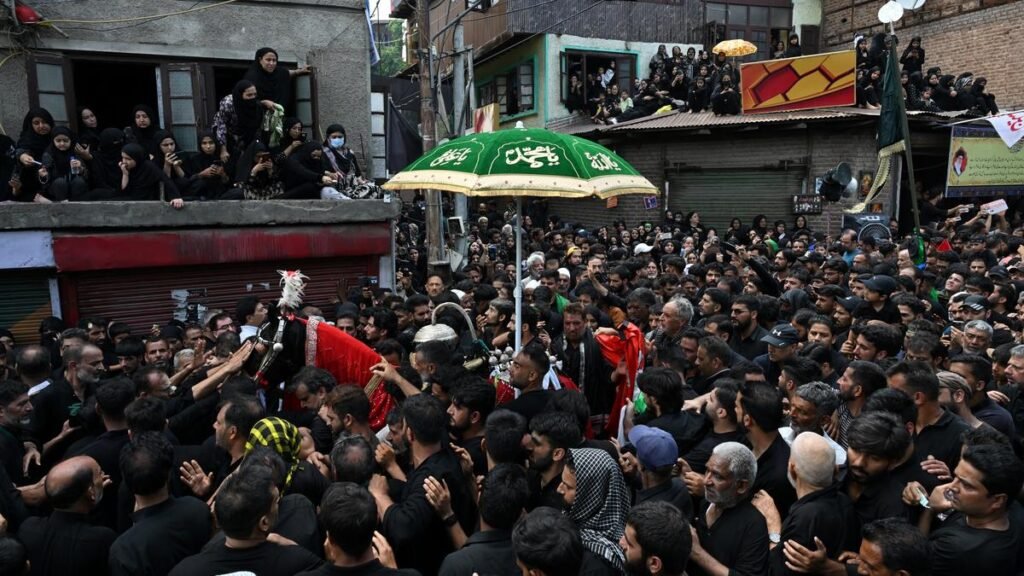
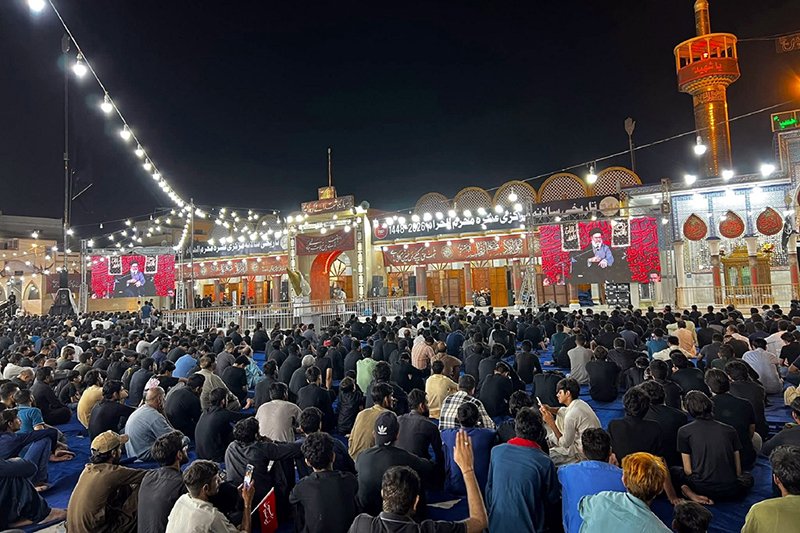
DERA ISMAIL KHAN — The Water and Sanitation Services Company (WSSC) in Dera Ismail Khan has launched a city-wide cleanliness drive. This effort focuses on the routes of Muharram-ul-Haram mourning processions and Imambargahs. It aims to provide a clean and safe environment for participants and mourners. Sanitation Efforts for Muharram The WSSC has deployed resources to boost sanitation for the upcoming Muharram processions. Sanitation teams are conducting special cleaning operations along the designated routes. This initiative is part of a wider strategy to maintain hygiene and safety during religious observances. Teams are tasked with waste removal, street cleaning, and ensuring debris-free areas. Additional waste bins have been placed along the routes to help the public dispose of waste properly. The WSSC works with local authorities to ensure that efforts are effectively implemented and any issues promptly addressed. Community Involvement An official stated, “We are committed to providing a clean, safe environment during Muharram. Our teams work round the clock to maintain the routes.” The official highlighted the need for community cooperation and encouraged residents to use the waste bins provided. Significance of Muharram Muharram, the first month of the Islamic calendar, holds significant importance for Muslims, especially Shiite communities. They commemorate Imam Hussain’s martyrdom, Prophet Muhammad’s grandson, through processions and gatherings, known as Majalis. In Pakistan, these attract large crowds, necessitating extensive preparations for public safety and cleanliness. Impact of the Cleanliness Drive The cleanliness drive is crucial for several reasons. It emphasizes the importance of public health and safety during large gatherings. A clean environment prevents the spread of diseases, contributing to community well-being. Maintaining cleanliness during events can positively impact the local economy. Clean environments attract visitors, benefiting local businesses and vendors, especially during Muharram. Community and Governance Socially, the initiative highlights community service and cooperation. Encouraging locals to help maintain cleanliness fosters communal responsibility and pride. This can strengthen community cohesion and civic engagement. Politically, effective public service management during religious events can enhance the credibility of local authorities. Demonstrating competence builds government trust, crucial for governance and public administration. Key Takeaways The WSSC has intensified cleanliness efforts for Muharram processions. Sanitation teams are deployed along the procession routes to ensure cleanliness and safety. Muharram’s significance draws large crowds, highlighting the need for meticulous preparation.

Pakistan

Sindhi Language Authority Mourns Passing Of Lal Bux Mangi

HYDERABAD — Dr. Sher Mehrani, Chairman of the Sindhi Language Authority (SLA), expressed deep sorrow over the passing of Lal Bux Mangi, a renowned writer and former SLA Board of Governors member. Mangi’s significant contributions to Sindhi literature and culture make his death a considerable loss to the literary community. What Happened Lal Bux Mangi, an esteemed figure in Sindhi literature, has passed away, sparking condolences from literary and cultural institutions. Dr. Sher Mehrani highlighted Mangi’s impactful role in promoting the Sindhi language and literature. He described Mangi as a knowledge beacon and dedicated cultural heritage advocate, stressing the void left by his demise. Known for his extensive work, Mangi authored numerous books and articles on various facets of Sindhi culture and history. His tenure on the SLA Board of Governors marked his unwavering dedication to preserving and promoting the Sindhi language. Background Lal Bux Mangi’s pivotal contributions to the Sindhi Language Authority and literature helped preserve Sindhi culture. Established to safeguard and promote the Sindhi language, the SLA has been a cornerstone in the region. Mangi’s role in advancing its mission was instrumental throughout his career. He authored influential works on Sindhi culture’s history, traditions, and linguistic nuances, celebrated for their depth. His passing follows a legacy of excellence and advocacy that inspired many in the community. Why It Matters Lal Bux Mangi’s death is significant for the Sindhi literary community and Pakistan’s cultural landscape. His work enriched Sindhi literature and preserved its linguistic heritage. In a diverse country like Pakistan, preserving regional languages and cultures is crucial for maintaining its rich cultural tapestry. Mangi’s contributions remind regional languages’ importance of support and nurturing. His passing underscores the need for continued investment in cultural institutions like the SLA, which protect linguistic diversity. Mangi’s life and work highlight regional languages’ challenges in a globalized world. His dedication to Sindhi literature inspires future generations to continue advocating for cultural and linguistic preservation. Key Takeaways Lal Bux Mangi, a renowned Sindhi writer and cultural advocate, has passed away. Dr. Sher Mehrani, Chairman of the Sindhi Language Authority, expressed deep sorrow over Mangi’s death. Mangi’s contributions to Sindhi literature and his role in the SLA were significant in promoting the Sindhi language. His passing highlights the importance of preserving regional languages and cultures in Pakistan. The Sindhi Language Authority, under Mehrani’s leadership, continues Mangi’s vision of cultural preservation.

Business

Khorasan Trade Delegation Engages with KATI to Boost Bilateral Ties

KARACHI — A high-level trade delegation from Iran’s Khorasan Province met with officials from the Korangi Association of Trade and Industry (KATI) on June 22. The focus was on enhancing industrial, trade, and investment relations between Pakistan and Iran. The meeting, attended by the Commercial Attaché of the Consulate of the Islamic Republic of Iran, aimed to boost business-to-business linkages and increase bilateral trade. Highlights of the Meeting The Iranian delegation, representing various sectors of Khorasan’s economy, explored opportunities for mutual cooperation with KATI officials. Both parties expressed a strong commitment to strengthening economic ties, particularly through industrial collaboration and investment ventures. The meeting underscored the potential for increased trade between the two neighboring countries, which share a long history of economic and cultural exchanges. The Commercial Attaché emphasized the strategic importance of fostering closer economic relations, citing significant benefits for both economies. “The collaboration between Khorasan and KATI can serve as a model for regional economic integration,” he stated, highlighting the need for sustained dialogue and partnership. Investment Opportunities During the discussions, KATI officials presented various investment opportunities within Pakistan’s industrial sectors, inviting Iranian businesses to explore joint ventures and partnerships. The Iranian delegation outlined potential areas for collaboration in Khorasan, particularly in agriculture, manufacturing, and technology. The meeting concluded with both sides agreeing to establish a framework for regular communication and cooperation. This is aimed at overcoming existing trade barriers and facilitating smoother business transactions. Background Pakistan and Iran have historically maintained cordial relations, with trade being a significant component of their bilateral ties. Despite political challenges and regional instability, both countries have consistently sought to enhance economic cooperation. In recent years, several initiatives have aimed to boost trade, including the establishment of joint chambers of commerce and trade fairs. Khorasan Province, in northeastern Iran, is a key economic region with a diverse industrial base. It shares borders with Afghanistan and Turkmenistan, serving as a strategic trade hub in the region. The province’s economy is driven by agriculture, mining, and manufacturing, offering considerable collaboration opportunities with Pakistani industries. Significance of the Meeting The meeting between the Khorasan trade delegation and KATI is significant for several reasons. Economically, it represents a proactive step towards diversifying and strengthening trade relations between Pakistan and Iran, which have been hampered by geopolitical tensions and international sanctions. By focusing on industrial collaboration and investment, both countries can leverage their strengths to foster economic growth. Socially, enhanced trade ties can lead to job creation and improved livelihoods in both regions. For Pakistan, increased Iranian investment could bolster the industrial sector, leading to technological advancements and increased productivity. Similarly, Iranian businesses stand to benefit from access to Pakistan’s large consumer market and its strategic location as a gateway to South Asia. Politically, the strengthening of economic ties can serve as a stabilizing factor in the region, promoting peace and cooperation. By building robust economic linkages, Pakistan and Iran can mitigate the impact of external pressures and work towards a more integrated regional economy.

Business

APCDA Calls for Reversal of Increased Turnover Tax on Cement Distributors

LAHORE — The All Pakistan Cement Distributors Association (APCDA) calls on the government to reverse the turnover tax increase affecting cement distributors. The recent tax hike from 0.25% to 1.25% is placing a significant burden on the business community. Current Situation The APCDA’s appeal follows the decision to increase the turnover tax rate for cement distributors, stirring concern within the industry. The association reports rising operational costs and threats to business feasibility due to this increase. Representatives argue the hike is disproportionate, potentially causing job losses and reducing market competitiveness. An APCDA spokesperson called the tax increase unbearable, urging the government to reconsider to prevent further industry strain. This plea is part of broader efforts by business groups to secure more favorable tax conditions, especially amid the current global financial challenges. Understanding the Turnover Tax The turnover tax is based on gross revenue, not net profit, ensuring business contributions to national revenue irrespective of profit. Previously, Pakistan’s cement distributors faced a 0.25% rate; however, the government recently increased it to 1.25% to boost fiscal revenues. This increase is among several fiscal measures to address budget constraints and enhance revenue collection. The cement industry, a critical economic contributor, voices strong concerns about the tax hike’s potential negative impacts. Implications of the Tax Increase The higher turnover tax affects both the cement distribution sector and the broader economy. As cement is vital to construction, a major economic growth and employment driver, increased costs can disrupt supply chains and slow projects. Higher tax rates mean financial pressure for distributors leading to possible price hikes for consumers, dampening construction material demand, and slowing infrastructure and housing development nationwide. APCDA’s concerns reflect the need to balance revenue generation and business-friendly environments. Impact on Competitiveness This tax increase could harm Pakistan’s regional market competitiveness. Neighboring countries with more favorable tax regimes might attract businesses to relocate, risking job creation and economic stability locally. Key Takeaways The APCDA urges reversing the turnover tax hike from 0.25% to 1.25%. The increased rate burdens cement distributors, threatening business viability. The turnover tax ensures revenue from gross income. The cement industry’s key economic role may face ripple effects from the tax increase.

Business

Gold Prices Climb by Rs4,643 to Rs442,636 Per Tola in Pakistan

ISLAMABAD — Gold prices in Pakistan saw a significant increase on Monday, with the rate per tola rising by Rs4,643 to reach Rs442,636, according to the All Pakistan Sarafa Gems and Jewellers Association. This increase follows the previous trading day’s rate of Rs437,993. Factors Behind the Price Hike On June 22, 2023, the cost of one tola of gold increased significantly to Rs442,636 in the local market. This rise, reported by the All Pakistan Sarafa Gems and Jewellers Association, marks a substantial Rs4,643 jump from Rs437,993 the day before. Similarly, the price of 10 grams of 24-karat gold increased, following the general market trend. This surge is attributed to several factors, such as fluctuations in the international market and changes in the local currency’s value. Shifts in global demand or supply often influence local prices in Pakistan. Economic Context Local traders link the rise in gold prices to Pakistan’s economic conditions, where inflationary pressures and currency depreciation impact commodity prices. Gold is considered a safe-haven investment, attracting more demand during economic uncertainty, further driving up its price. Gold has a dual role in Pakistan as both an investment and a cultural asset. It’s traditionally used in jewelry for weddings and significant events, making it a staple in households. The All Pakistan Sarafa Gems and Jewellers Association sets daily prices, affected by international trends and local economics. Implications of Rising Gold Prices The increase in gold prices has notable implications for consumers and Pakistan’s economy. For individuals planning weddings or cultural events, the higher cost can lead to increased expenses and potentially lower demand for jewelry. Economically, higher gold prices may indicate broader inflation trends. As a hedge against inflation, rising gold prices could show concerns about economic stability and currency value, leading to increased investment in gold. The price hike can impact Pakistan’s trade balance. As a net importer of gold, higher prices might increase import bills, affecting foreign exchange reserves and the trade deficit. This situation highlights the need for strategic economic management to lessen negative impacts. Key Takeaways The gold price per tola in Pakistan increased by Rs4,643, reaching Rs442,636. Price changes were driven by international market fluctuations and local economic factors. Gold’s investment appeal grows during economic uncertainty, boosting demand. Rising prices affect consumer purchasing decisions, notably for weddings. Higher gold prices can influence Pakistan’s trade balance and foreign reserves.

Pakistan

Chiniot Authorities Conduct Joint Flag March for Muharram Security

CHINIOT — The district administration, police, and Pakistan Army conducted a joint flag march in Chiniot on Monday. This effort was made to strengthen security measures in preparation for Muharram-ul-Haram. The initiative aims to build confidence among residents and ensure peaceful observances during this important religious period. Joint Flag March Details The flag march covered various areas within the Chiniot district. It involved a coordinated effort by local authorities and military personnel. Key participants included Deputy Commissioner Ayesha Rizwan, District Police Officer (DPO) Dr. Naveed Atif, senior police officials, and Pakistan Army members. This event fortified the security framework needed for Muharram, a month marked by mourning and remembrance for Muslims. Officials emphasized the need for maintaining peace and order throughout Muharram. Having the Pakistan Army present alongside local police demonstrated a unified stance against potential security threats. This collaboration is part of a broader strategy to prevent any incidents that could disrupt Muharram observances. Statements from Officials Deputy Commissioner Ayesha Rizwan underscored the joint effort’s significance, stating, “The flag march is a proactive measure to ensure that the residents of Chiniot feel secure and can observe Muharram in a peaceful environment.” DPO Dr. Naveed Atif assured that law enforcement agencies are committed to upholding security, and all necessary precautions are being taken to address potential challenges. Importance of Muharram Muharram-ul-Haram, the first month of the Islamic calendar, is of profound significance to Muslims globally. It is a period for reflection and mourning, particularly for Shia Muslims who commemorate the martyrdom of Imam Hussain, Prophet Muhammad’s grandson, at the Battle of Karbala. In Pakistan, Muharram involves religious processions and gatherings, requiring heightened security due to sectarian tensions and large crowds. Historically, Muharram has witnessed sectarian violence in several parts of Pakistan, prompting the authorities to enforce rigorous security measures. The government usually deploys additional police and, occasionally, military forces to safeguard participants and prevent incidents. Significance of Security Measures The joint flag march in Chiniot is an essential part of the broader security strategy during Muharram. By visibly showcasing the presence of security forces, the initiative aims to deter potential threats and reassure the public of their safety. This is particularly crucial in areas with a history of sectarian tensions, where the risk of violence during religious commemorations is high. The joint flag march in Chiniot involved the district administration, police, and Pakistan Army. It aims to ensure peaceful Muharram observances and instill public confidence. Muharram is a month of significant religious importance, necessitating heightened security. Authorities are committed to preventing sectarian violence and ensuring public safety. The march fosters economic stability by preventing disruptions from security incidents. Socially, it promotes unity and cooperation among different societal segments.

Scroll to Top