Foreign Minister Dar Offers Condolences on Sheikh Ahmed’s Passing
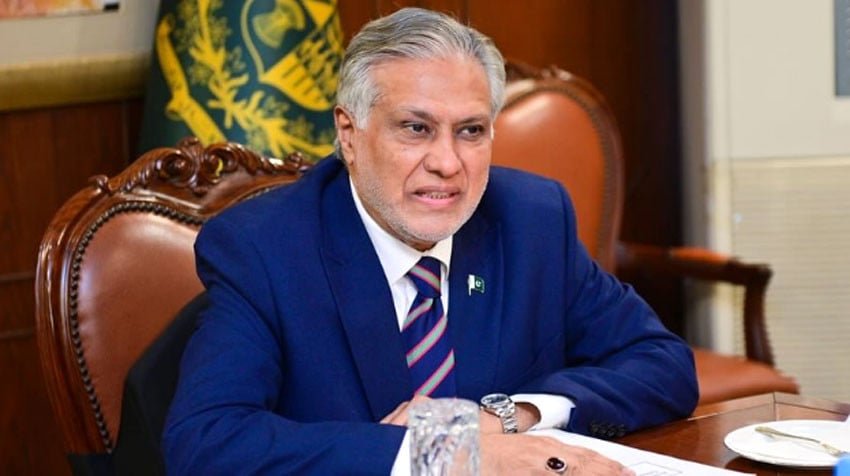
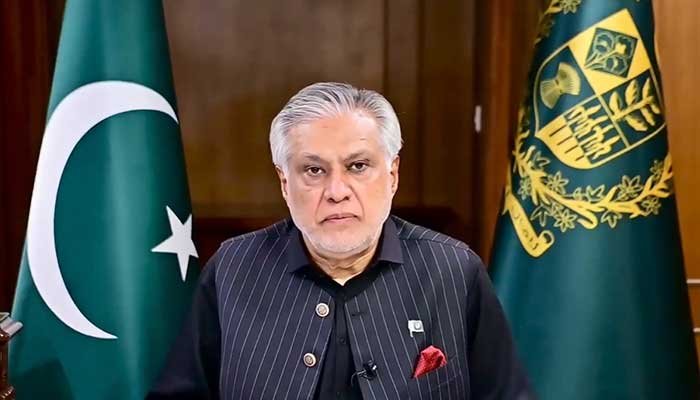
ISLAMABAD — Deputy Prime Minister and Foreign Minister Senator Mohammad Ishaq Dar expressed profound sorrow over the demise of Sheikh Ahmed bin Rashid Al Maktoum, the brother of the UAE Vice President, Prime Minister, and Ruler of Dubai, Sheikh Mohammed bin Rashid Al Maktoum. The announcement was made on Monday, following the news of Sheikh Ahmed’s passing. What Happened On Monday, Deputy Prime Minister and Foreign Minister Ishaq Dar conveyed his heartfelt condolences to the leadership and people of the United Arab Emirates (UAE) over the death of Sheikh Ahmed bin Rashid Al Maktoum. Sheikh Ahmed was a prominent member of the Dubai royal family and held significant influence in the UAE. His death marks a substantial loss for the nation, as he was known for his contributions to the development and prosperity of Dubai. In his message, Foreign Minister Dar stated, “Deeply saddened by the passing of His Highness Sheikh Ahmed. His contributions to the UAE and his leadership will be remembered with great respect.” The Foreign Minister’s statement reflects the strong diplomatic ties and mutual respect between Pakistan and the UAE. Sheikh Ahmed bin Rashid Al Maktoum was a key figure in Dubai’s development, playing a vital role in various sectors, including business and sports. His leadership and vision were instrumental in shaping Dubai into a global hub for commerce and tourism. Background Sheikh Ahmed bin Rashid Al Maktoum was a member of the influential Al Maktoum family, which has ruled Dubai for generations. The family has been pivotal in transforming Dubai from a small trading port into a major international city. Sheikh Ahmed was known for his involvement in the horse racing industry, where he owned several successful racehorses that competed internationally. His contributions extended beyond sports, as he was also involved in numerous business ventures and philanthropic activities that supported the growth and welfare of the UAE. The Al Maktoum family has maintained close ties with Pakistan, with both countries enjoying strong diplomatic and economic relationships over the years. Why It Matters The passing of Sheikh Ahmed bin Rashid Al Maktoum is significant not only for the UAE but also for Pakistan, given the deep-rooted ties between the two nations. The UAE is home to a substantial Pakistani expatriate community, and the two countries have collaborated on various economic and development projects. Sheikh Ahmed’s death could have implications for the UAE’s internal dynamics, given his influential role in the royal family and his contributions to Dubai’s economic landscape. His leadership in business and sports has left a lasting legacy that will continue to influence the region. For Pakistan, maintaining strong relations with the UAE is crucial for economic and strategic reasons. The UAE is a major trade partner and a source of remittances for Pakistan, which significantly contributes to the country’s economy. The expression of condolences by Foreign Minister Dar underscores the importance of these ties and Pakistan’s commitment to supporting the UAE during this period of mourning. Key Takeaways Foreign Minister Ishaq Dar expressed condolences over the death of Sheikh Ahmed bin Rashid Al Maktoum. Sheikh Ahmed was a prominent figure in the UAE, contributing significantly to Dubai’s development. His passing is a loss to the UAE and highlights the strong ties between Pakistan and the UAE. Pakistan and the UAE share a robust diplomatic and economic relationship. The UAE is a key partner for Pakistan, with significant economic and strategic implications. Source Attribution This article is based on official government statements, press releases, and public communications from relevant authorities. Author: NEN Editorial Desk | Editor: NEN Newsroom | Fact Checked By: NEN Editorial Team Author: NEN Editorial Desk | Editor: NEN Newsroom | Last Updated: September 21, 2026 | Source: Press Release from Government of Pakistan This article was produced by the NEN Editorial Desk in accordance with NEN Agency’s Editorial Policy and Fact-Checking Policy.