

Author name: NEN News

Pakistan

Multan Police Recover Rs7.5 Million in Stolen Gold, Arrest Key Suspects

MULTAN — Police in Multan have successfully resolved a high-profile theft case, recovering 17 tola of gold ornaments valued at over Rs7.5 million and apprehending the main suspects involved in the crime. The operation, conducted with precision and efficiency, underscores the commitment of law enforcement to safeguard the property and well-being of citizens. What Happened The theft occurred at a marriage hall located on Multan Public School Road and was promptly reported to the DHA police station. The incident involved the disappearance of valuable gold ornaments during a wedding ceremony, causing significant distress to the victims. The police, led by SHO Hafiz Shehbaz, Sub Inspector Muhammad Mumtaz, and an IT team, employed advanced investigative techniques to trace and apprehend the suspects. The operation was conducted under the supervision of senior police officials, including SSP Operations Haider Ali, SSP Investigation Muhammad Tahir, SP Gulgasht Saifullah, and DSP Sadr Muhammad Khalid. Their coordinated efforts resulted in the swift arrest of the culprits and the recovery of the stolen items. The recovered jewelry was officially returned to the complainant in a ceremony held at the CPO office, where CPO Dogar reaffirmed the police’s dedication to protecting citizens’ lives and properties. During the ceremony, the complainant expressed gratitude towards the Multan police for their prompt action and successful recovery of the stolen valuables. This operation not only brought relief to the victims but also reinforced public confidence in the police force’s ability to tackle crime effectively. Background The theft of gold ornaments during social events such as weddings is not uncommon in Pakistan, where jewelry often represents a significant portion of a family’s wealth and heritage. The recovery of such stolen items is crucial, not only for the financial restitution of the victims but also for preserving cultural and familial traditions. Law enforcement agencies in Pakistan have been increasingly utilizing technology and modern investigative methods to combat such crimes, with varying degrees of success. In recent years, the Punjab police have intensified efforts to improve their crime-solving capabilities, focusing on training, technology adoption, and community engagement. This particular case highlights the effectiveness of these strategies, demonstrating how coordinated efforts and modern techniques can lead to successful outcomes. Why It Matters The recovery of the stolen gold ornaments and the arrest of the suspects have significant implications for the community in Multan and beyond. Economically, the swift resolution of the case prevents further financial loss for the victims and deters potential criminals by showcasing the police’s capability to solve such cases efficiently. Socially, the successful operation restores a sense of security among residents, reassuring them that their safety and property are priorities for local law enforcement. Politically, this case serves as a testament to the government’s commitment to law and order, potentially influencing public perception and trust in state institutions. The operation’s success could also encourage more victims of theft and other crimes to come forward, knowing that their cases will be handled with diligence and professionalism. On an international level, such successful law enforcement operations can improve Pakistan’s image as a country capable of maintaining order and protecting its citizens, which is crucial for attracting foreign investment and tourism. Key Takeaways Police in Multan recovered 17 tola of gold ornaments valued at over Rs7.5 million. The theft occurred at a marriage hall on Multan Public School Road. Key suspects were apprehended using advanced investigative techniques. The operation was supervised by senior police officials, including SSP Operations Haider Ali. The recovery reinforces public confidence in law enforcement’s ability to address crime efficiently. Source Attribution This article is based on official government statements, press releases, and public communications from relevant authorities. Author: NEN Editorial Desk | Editor: NEN Newsroom | Fact Checked By: NEN Editorial Team Author: NEN Editorial Desk  |  Editor: NEN Newsroom  |  Last Updated: July 21, 2026  |  Source: NEN Reporter This article was produced by the NEN Editorial Desk in accordance with NEN Agency’s Editorial Policy and Fact-Checking Policy.
Pakistan

NAB Lahore and LCCI Launch Office to Address Business Concerns

LAHORE — The National Accountability Bureau (NAB) Lahore and the Lahore Chamber of Commerce and Industry (LCCI) have launched an Executive Facilitation Office to address business issues, finalizing its Standard Operating Procedures (SOPs) on Tuesday. This initiative aims to expedite the resolution of genuine business concerns within NAB’s legal framework. What Happened The NAB Lahore and LCCI have taken a significant step by operationalizing the Executive Facilitation Office, a move that stems from their Memorandum of Understanding (MoU). The office is designed to streamline processes and offer a structured approach to resolving business-related issues. By finalizing the SOPs, both entities aim to ensure that the facilitation office operates efficiently and effectively. The collaboration is intended to foster a more conducive environment for businesses, addressing their concerns promptly and within the legal boundaries set by NAB. The facilitation office is expected to serve as a bridge between the business community and NAB, providing a platform where business concerns can be addressed without unnecessary delays. This initiative is part of NAB’s broader strategy to enhance transparency and accountability while supporting economic growth by resolving issues that businesses face in their operations. According to NAB Lahore, the establishment of the facilitation office is a proactive measure to ensure that business activities are not hindered by bureaucratic hurdles. NAB officials have emphasized that the office will operate within the legal framework, ensuring that all resolutions are compliant with existing laws and regulations. Background The collaboration between NAB Lahore and LCCI is rooted in their shared objective to support the business community in Pakistan. The MoU between the two entities was signed with the intent to create a supportive environment for businesses, recognizing the critical role they play in the country’s economic development. NAB, primarily known for its role in combating corruption, has been increasingly involved in initiatives that support economic activities by ensuring a corruption-free environment. The Lahore Chamber of Commerce and Industry, representing a diverse range of businesses, has been advocating for mechanisms that facilitate smoother interactions with government bodies. The establishment of the Executive Facilitation Office is a response to these demands, aiming to reduce friction and enhance cooperation between businesses and regulatory authorities. Why It Matters The operationalization of the Executive Facilitation Office is a significant development for the business community in Lahore and beyond. By providing a dedicated platform for addressing business concerns, NAB and LCCI are taking concrete steps to improve the business climate in Pakistan. This initiative is expected to enhance investor confidence by demonstrating a commitment to resolving issues that businesses face. Economically, the facilitation office could play a crucial role in boosting business activities by reducing delays and uncertainties associated with bureaucratic processes. This is particularly important in a country where businesses often face challenges related to regulatory compliance and corruption. By addressing these issues, the office can contribute to a more stable and predictable business environment, encouraging both domestic and foreign investment. Socially, the initiative underscores the importance of collaboration between government bodies and the private sector. It highlights a shift towards more inclusive governance, where the concerns of businesses are acknowledged and addressed in a structured manner. This approach can lead to increased trust between the business community and government institutions, fostering a more cooperative and productive relationship. Key Takeaways The NAB Lahore and LCCI have launched an Executive Facilitation Office to address business concerns. The office’s SOPs have been finalized to ensure efficient and legal resolution of issues. This initiative aims to improve the business climate by reducing bureaucratic hurdles. The facilitation office is expected to enhance investor confidence and support economic growth. Collaboration between NAB and LCCI highlights the importance of public-private partnerships in governance. Source Attribution This article is based on official government statements, press releases, and public communications from relevant authorities. Author: NEN Editorial Desk | Editor: NEN Newsroom | Fact Checked By: NEN Editorial Team Author: NEN Editorial Desk  |  Editor: NEN Newsroom  |  Last Updated: July 21, 2026  |  Source: NEN Reporter This article was produced by the NEN Editorial Desk in accordance with NEN Agency’s Editorial Policy and Fact-Checking Policy.
Pakistan

SECP Approves First IPO of FY2026–27 for Tasdeeq Information Services

ISLAMABAD — The Securities and Exchange Commission of Pakistan (SECP) has approved the first Initial Public Offering (IPO) for the fiscal year 2026–27, granting permission to Tasdeeq Information Services Limited to issue, circulate, and publish its prospectus. This marks a significant step for the company as it seeks to expand its operations and increase its market presence. What Happened On Tuesday, the SECP officially sanctioned the IPO of Tasdeeq Information Services Limited, allowing the company to move forward with its plans to go public. The approval includes the issuance, circulation, and publication of the IPO prospectus, which is a critical document detailing the company’s business model, financial health, and future prospects. This approval is a crucial part of the regulatory process, ensuring that potential investors have access to comprehensive and accurate information before making investment decisions. Tasdeeq Information Services Limited, a company known for its innovative solutions in the information services sector, aims to leverage the IPO to raise capital for expansion. The company’s decision to go public reflects its growth ambitions and confidence in the market. The SECP’s approval is a testament to Tasdeeq’s compliance with regulatory standards and its readiness to meet the demands of public investors. According to the SECP, the approval of the IPO is part of its broader efforts to facilitate capital formation and enhance market depth in Pakistan. The commission emphasized the importance of transparent and efficient capital markets in fostering economic growth and attracting foreign investment. Background The Securities and Exchange Commission of Pakistan is the regulatory body responsible for overseeing the capital markets in Pakistan. It plays a pivotal role in ensuring that the markets operate fairly and transparently. The approval of an IPO is a rigorous process that involves the evaluation of the company’s financial statements, business model, and compliance with applicable laws and regulations. In recent years, Pakistan’s capital markets have seen a resurgence of interest, with several companies opting to go public. This trend is indicative of the growing confidence in the country’s economic prospects and the increasing sophistication of its financial markets. The SECP has been actively working to streamline the IPO process and reduce the time and cost associated with going public. Why It Matters The approval of Tasdeeq Information Services Limited’s IPO is significant for several reasons. Economically, it represents an opportunity for the company to access new capital, which can be used to fund its expansion plans, invest in new technologies, and enhance its service offerings. This, in turn, can lead to job creation and contribute to economic growth. From a market perspective, the IPO is expected to increase the depth and liquidity of Pakistan’s stock market, making it more attractive to both domestic and international investors. A successful IPO can also set a precedent for other companies considering going public, thereby encouraging more firms to tap into the capital markets. Moreover, the IPO aligns with the government’s broader economic objectives of promoting private sector growth and reducing reliance on foreign debt. By facilitating domestic capital formation, the SECP is helping to build a more resilient and self-sustaining economy. Key Takeaways The SECP has approved the first IPO of FY2026–27 for Tasdeeq Information Services Limited. The IPO approval includes the issuance, circulation, and publication of the prospectus. This development is part of SECP’s efforts to enhance market depth and attract investment. Tasdeeq aims to use the IPO to raise capital for expansion and innovation. The IPO is expected to boost market liquidity and encourage more companies to go public. Source Attribution This article is based on official government statements, press releases, and public communications from relevant authorities. Author: NEN Editorial Desk | Editor: NEN Newsroom | Fact Checked By: NEN Editorial Team Author: NEN Editorial Desk  |  Editor: NEN Newsroom  |  Last Updated: July 21, 2026  |  Source: NEN Reporter This article was produced by the NEN Editorial Desk in accordance with NEN Agency’s Editorial Policy and Fact-Checking Policy.

World

Haroon Akhtar Oversees MoU to Boost Pakistan’s Electric Vehicle Sector

ISLAMABAD — Special Assistant to the Prime Minister on Industries and Production Haroon Akhtar Khan on Tuesday attended a significant event where a Memorandum of Understanding (MoU) was signed between StarCharge, StarCharge Energy Pakistan, and Bahum Global Ltd. The agreement aims to enhance Pakistan’s electric vehicle (EV) ecosystem by fostering collaboration among key industry players. What Happened The MoU signing ceremony took place in Islamabad, marking a strategic partnership intended to advance the infrastructure and adoption of electric vehicles in Pakistan. Haroon Akhtar Khan, representing the government’s interest in promoting sustainable energy solutions, witnessed the agreement between StarCharge, a leading EV charging solutions provider, StarCharge Energy Pakistan, and Bahum Global Ltd, a company focused on renewable energy projects. During the event, Haroon Akhtar Khan emphasized the government’s commitment to transitioning towards greener technologies. “This partnership is a step forward in our journey to make Pakistan a hub for electric vehicles,” Khan stated. The collaboration is expected to focus on the development of EV charging stations, enhancing the accessibility and convenience of electric vehicles for the Pakistani populace. StarCharge, known for its innovative charging solutions, will bring its expertise to Pakistan, while Bahum Global Ltd will leverage its local market knowledge to facilitate the implementation of these technologies. This partnership is anticipated to play a crucial role in reducing Pakistan’s carbon footprint and aligning with global environmental standards. Background Pakistan has been gradually shifting its focus towards renewable energy and sustainable practices. In recent years, the government has introduced various policies to encourage the adoption of electric vehicles. The National Electric Vehicle Policy, approved in 2019, aims to promote the use of EVs by providing incentives and establishing necessary infrastructure. Despite these efforts, the adoption rate of electric vehicles in Pakistan remains low due to challenges such as inadequate charging infrastructure and high initial costs. The collaboration between StarCharge and Bahum Global Ltd seeks to address these issues by enhancing the availability of charging stations and potentially reducing costs through technological advancements and economies of scale. Why It Matters The signing of this MoU is significant for several reasons. Economically, it represents a potential boost to Pakistan’s automotive industry by attracting investment and creating jobs in the EV sector. The development of a robust EV infrastructure is expected to stimulate local manufacturing and ancillary industries, contributing to economic growth. Socially, the increased availability of electric vehicles and charging stations could lead to a reduction in air pollution, particularly in urban areas where vehicular emissions are a major concern. This aligns with public health goals and could improve the quality of life for citizens by providing cleaner air and a healthier environment. On an international level, Pakistan’s commitment to enhancing its EV ecosystem positions the country as a proactive participant in global efforts to combat climate change. By reducing reliance on fossil fuels, Pakistan can improve its energy security and reduce its carbon emissions, contributing to international climate agreements and goals. Key Takeaways An MoU was signed between StarCharge, StarCharge Energy Pakistan, and Bahum Global Ltd to enhance Pakistan’s EV infrastructure. Special Assistant to the Prime Minister Haroon Akhtar Khan emphasized the government’s commitment to sustainable energy solutions. The partnership aims to develop EV charging stations and promote the adoption of electric vehicles in Pakistan. This initiative supports Pakistan’s National Electric Vehicle Policy and aims to reduce the country’s carbon footprint. The collaboration is expected to boost the local economy and improve air quality by reducing vehicular emissions. Source Attribution This article is based on official government statements, press releases, and public communications from relevant authorities. Author: NEN Editorial Desk | Editor: NEN Newsroom | Fact Checked By: NEN Editorial Team Author: NEN Editorial Desk  |  Editor: NEN Newsroom  |  Last Updated: July 21, 2026  |  Source: NEN Reporter This article was produced by the NEN Editorial Desk in accordance with NEN Agency’s Editorial Policy and Fact-Checking Policy.

World

Pakistan Issues Latest Foreign Exchange Rates for July 21, 2026

KARACHI — The Exchange Rates Committee of the Financial Markets Association of Pakistan released the latest foreign exchange rates on Tuesday, July 21, 2026. These rates are crucial for financial transactions, including forward cover and deposits, excluding FE-25 deposits, with the State Bank of Pakistan (SBP) settlement date set for July 23, 2026. What Happened The Financial Markets Association of Pakistan’s Exchange Rates Committee announced the conversion rates for several major foreign currencies. The rates are applicable for forward cover and deposits, providing a benchmark for financial institutions and businesses engaged in international trade and finance. The exchange rate for the United States Dollar (USD) was set at 277.9060 Pakistani Rupees (PKR), while the British Pound (GBP) was pegged at 374.3116 PKR. The Euro (EUR) was valued at 317.9245 PKR, and the Japanese Yen (JPY) stood at 1.7115 PKR. The announcement of these rates is part of a routine procedure conducted by the Exchange Rates Committee to ensure transparency and consistency in the financial markets. The rates are determined based on a variety of economic indicators, including market demand and supply, international currency trends, and the overall economic outlook of Pakistan. Background The Financial Markets Association of Pakistan regularly issues exchange rates to guide financial institutions and businesses in their currency-related transactions. This practice is aligned with global standards where central banks or financial authorities release exchange rates to facilitate economic activities. The exchange rates are particularly significant for importers, exporters, and investors who require accurate and timely information to make informed decisions. Historically, Pakistan’s exchange rate policy has been influenced by various economic factors, including inflation, trade balance, and foreign exchange reserves. The State Bank of Pakistan plays a pivotal role in managing the exchange rate through monetary policy instruments and interventions in the foreign exchange market when necessary. Why It Matters The release of exchange rates is crucial for Pakistan’s economy, impacting a wide range of sectors. Accurate exchange rates help businesses manage their foreign exchange risk, particularly in a country like Pakistan, where currency volatility can affect profit margins and cost structures. For importers, a stronger PKR against foreign currencies can reduce the cost of imported goods, benefiting consumers through lower prices. Conversely, exporters benefit from a weaker PKR, which makes their goods more competitive in international markets. Furthermore, the exchange rates influence monetary policy decisions by the State Bank of Pakistan. A stable exchange rate is often a reflection of sound economic management, which can enhance investor confidence and attract foreign investment. On the international front, exchange rates affect Pakistan’s trade relations and balance of payments, playing a critical role in the country’s economic stability. In the broader context, exchange rates are an indicator of economic health and can influence inflation rates. A devaluation of the PKR can lead to higher import costs, contributing to inflationary pressures. Therefore, the management of exchange rates is a key aspect of economic policy, impacting the daily lives of citizens and the strategic planning of businesses and government alike. Key Takeaways The USD is valued at 277.9060 PKR, GBP at 374.3116 PKR, EUR at 317.9245 PKR, and JPY at 1.7115 PKR. Exchange rates are essential for financial transactions, impacting importers, exporters, and investors. Stable exchange rates can enhance investor confidence and attract foreign investment. Exchange rates influence inflation and monetary policy decisions in Pakistan. The State Bank of Pakistan’s interventions help manage currency volatility and economic stability. Source Attribution This article is based on official government statements, press releases, and public communications from relevant authorities. Author: NEN Editorial Desk | Editor: NEN Newsroom | Fact Checked By: NEN Editorial Team Author: NEN Editorial Desk  |  Editor: NEN Newsroom  |  Last Updated: July 21, 2026  |  Source: NEN Reporter This article was produced by the NEN Editorial Desk in accordance with NEN Agency’s Editorial Policy and Fact-Checking Policy.

World

World Cup Spurs Debate on Future of Global Climate Governance

ISLAMABAD — As the 2026 FIFA World Cup concluded, it not only marked a new chapter in football history with its expanded format but also sparked a critical dialogue on global climate governance. The tournament, held across 16 cities in three countries, was the largest in FIFA’s history, with 48 teams and 104 matches. However, the event’s significant carbon footprint has become a focal point for international discussions on environmental sustainability. What Happened The 2026 FIFA World Cup, hosted by the United States, Canada, and Mexico, was a landmark event in terms of scale and participation. The expansion to 48 teams and the inclusion of 104 matches aimed to increase global engagement and inclusivity in the sport. However, this expansion also brought about environmental challenges. The carbon emissions associated with the event, from international travel to energy consumption at stadiums, have raised concerns among environmentalists and policymakers alike. FIFA had previously committed to making the World Cup more sustainable, but the sheer scale of the 2026 event has highlighted the difficulties in balancing such ambitions with the realities of hosting a global tournament. The organization has faced criticism for not fully mitigating the environmental impact, despite efforts to implement green initiatives, such as using renewable energy sources and promoting public transportation for fans. “The World Cup’s carbon footprint is a wake-up call for us all,” said an environmental analyst. “It underscores the need for a comprehensive approach to climate governance that includes major international events.” Background Climate change has been a growing concern in recent years, with international bodies like the United Nations emphasizing the need for urgent action. The Paris Agreement, adopted in 2015, set out a global framework to limit global warming to well below 2 degrees Celsius. However, the implementation of effective climate policies has been uneven across countries, and events like the World Cup highlight the challenges of aligning large-scale activities with environmental goals. Previous World Cups have also faced scrutiny over their environmental impacts. The 2014 World Cup in Brazil and the 2018 tournament in Russia both drew criticism for their carbon emissions and resource use. FIFA has since pledged to improve the sustainability of its events, but the 2026 World Cup’s scale has brought these issues back to the forefront. Why It Matters The environmental impact of the 2026 World Cup is a microcosm of the broader challenges facing global climate governance. As one of the most-watched events worldwide, the World Cup has the potential to influence public opinion and policy on environmental issues. The significant carbon footprint of the tournament serves as a reminder of the urgent need for effective climate action. Economically, the World Cup is a boon for host countries, generating significant revenue from tourism and global exposure. However, the environmental costs could offset these benefits if not addressed. The event’s carbon emissions contribute to global warming, which poses long-term risks to economies worldwide, including increased natural disasters and resource scarcity. Socially, the World Cup’s environmental impact highlights the responsibility of major organizations and governments to prioritize sustainability. It calls for a reevaluation of how international events are planned and executed, with a focus on reducing carbon footprints and promoting eco-friendly practices. Key Takeaways The 2026 FIFA World Cup was the largest in history, with 48 teams and 104 matches. The event’s significant carbon footprint has sparked international debate on climate governance. Efforts to make the World Cup sustainable were challenged by the tournament’s scale. The environmental impact underscores the need for comprehensive climate policies. The World Cup’s influence can drive public and policy focus on sustainability issues. Source Attribution This article is based on official government statements, press releases, and public communications from relevant authorities. Author: NEN Editorial Desk | Editor: NEN Newsroom | Fact Checked By: NEN Editorial Team Author: NEN Editorial Desk  |  Editor: NEN Newsroom  |  Last Updated: July 21, 2026  |  Source: NEN Reporter This article was produced by the NEN Editorial Desk in accordance with NEN Agency’s Editorial Policy and Fact-Checking Policy.
Pakistan

Al-Shifa Doctors Successfully Operate on Infant with Rare Eye Tumour

ISLAMABAD — Doctors at Al-Shifa Trust Eye Hospital have successfully performed a rare and life-saving surgery on a three-day-old infant diagnosed with a congenital eye tumour. This groundbreaking procedure marks the first documented case in Pakistan where a 285-gram tumour was successfully treated in such a young patient, according to hospital officials. What Happened The medical team at Al-Shifa Trust Eye Hospital, renowned for its expertise in ophthalmology, undertook the challenging task of removing an aggressive congenital eye tumour from a newborn. The infant, only three days old, presented with a tumour weighing 285 grams, a condition that posed significant risks to the child’s life and vision. Dr. Tariq Aziz, the lead surgeon, explained the complexity involved in the procedure. “The tumour was not only large but also intricately connected to the delicate structures of the eye,” he stated. The team employed advanced surgical techniques to excise the tumour while preserving the infant’s vision. The successful operation was a testament to the skill and dedication of the medical staff at the hospital. Hospital officials noted that this case is particularly significant due to the rarity of such tumours in newborns and the challenges associated with treating them. The surgery was conducted under strict protocols to ensure the safety and well-being of the infant, who is now recovering and under close observation by the hospital’s pediatric team. Background Congenital eye tumours, such as retinoblastoma, are rare and can be life-threatening if not treated promptly. These tumours can lead to blindness and, in severe cases, can be fatal. In Pakistan, access to specialized medical care for such conditions is limited, making early diagnosis and treatment crucial. Al-Shifa Trust Eye Hospital, located in Rawalpindi, has been at the forefront of ophthalmic care in Pakistan. Established in 1985, the hospital has a history of pioneering treatments and has been instrumental in advancing eye care in the region. The institution is known for its commitment to providing high-quality care regardless of patients’ financial capabilities. Why It Matters The successful surgery at Al-Shifa Trust Eye Hospital is a significant medical achievement with far-reaching implications. It highlights the advancements in pediatric ophthalmology within Pakistan and underscores the importance of early intervention in congenital conditions. The operation not only saved the infant’s life but also preserved their vision, which is crucial for their development and quality of life. This case also sheds light on the need for increased investment in healthcare infrastructure and training in Pakistan. With congenital conditions requiring specialized care, the availability of skilled medical professionals and advanced medical facilities is essential. The success of this surgery may encourage further developments in the field and inspire confidence in the country’s healthcare capabilities. Moreover, this achievement could pave the way for more such life-saving procedures in the future, potentially benefiting other infants with similar conditions. It also emphasizes the role of medical institutions like Al-Shifa Trust in setting benchmarks for healthcare excellence in Pakistan. Key Takeaways Al-Shifa Trust Eye Hospital successfully performed a rare surgery on a three-day-old infant with a congenital eye tumour. The tumour weighed 285 grams, making it a challenging case due to the infant’s young age and the tumour’s size. This operation is the first documented case of its kind in Pakistan, highlighting advancements in pediatric ophthalmology. The success underscores the importance of early diagnosis and specialized medical care for congenital conditions. The case emphasizes the need for enhanced healthcare infrastructure and training in Pakistan. Source Attribution This article is based on official statements and public communications from Al-Shifa Trust Eye Hospital. Author: NEN Editorial Desk | Editor: NEN Newsroom | Fact Checked By: NEN Editorial Team Author: NEN Editorial Desk  |  Editor: NEN Newsroom  |  Last Updated: July 21, 2026  |  Source: NEN Reporter This article was produced by the NEN Editorial Desk in accordance with NEN Agency’s Editorial Policy and Fact-Checking Policy.
Pakistan

Pakistan Railways Finalizes March Train Crash Probe, Nine Found Responsible

ISLAMABAD — Pakistan Railways has concluded its investigation into two significant train accidents that took place in March 2026. The findings, presented to the National Assembly Standing Committee on Railways, identify both human error and technical failures as primary causes, leading to disciplinary actions against nine employees. What Happened The inquiry into the March train crashes has revealed a troubling combination of track faults and unmanned crossings as major contributors to the incidents. The investigation, which has been a priority for Pakistan Railways, was aimed at understanding the root causes of these accidents to prevent future occurrences. According to the report, the accidents resulted from a mix of human negligence and technical issues, prompting immediate departmental actions against nine railway employees deemed responsible. Detailed in the report, the accidents occurred due to lapses in track maintenance and the absence of personnel at critical crossings. These findings were presented during a session of the National Assembly Standing Committee on Railways, where officials emphasized the need for urgent reforms within the railway system to enhance safety standards. “The safety of passengers is our utmost priority, and we are committed to addressing the deficiencies highlighted in the report,” a senior railway official stated. The inquiry’s conclusions have led to a series of recommendations, including the need for improved training for railway staff and the modernization of track infrastructure. The report also calls for increased investment in automated systems to monitor and manage railway operations more effectively. Background Train accidents have been a recurring issue in Pakistan, with the railway system suffering from chronic underinvestment and outdated infrastructure. Historically, the railway network has been plagued by insufficient maintenance, leading to frequent derailments and collisions. The March 2026 incidents are part of a long-standing pattern of safety challenges faced by Pakistan Railways. In recent years, the government has pledged to revamp the railway system, promising significant investments to modernize infrastructure and improve safety protocols. However, progress has been slow, and the recent accidents underscore the urgent need for comprehensive reforms. Why It Matters The findings of the March train crash probe hold significant implications for Pakistan’s railway sector. With nine employees held accountable, the report highlights systemic issues that have long plagued the country’s railways. The accountability measures taken could set a precedent for future incidents, emphasizing the importance of responsibility and transparency in public service operations. Economically, the accidents and their aftermath could impact public confidence in the railway system, which is a vital mode of transportation for millions of Pakistanis. The need for a reliable and safe railway network is crucial for economic stability and growth, as it facilitates the movement of goods and people across the country. Socially, the accidents have raised concerns about passenger safety and the effectiveness of current safety measures. The report’s recommendations for improved training and infrastructure upgrades are critical steps towards rebuilding trust with the public. Internationally, the probe’s findings may influence foreign investment in Pakistan’s infrastructure projects. Potential investors often assess the safety and reliability of a country’s transportation systems before committing resources. Demonstrating a commitment to addressing these issues could enhance Pakistan’s attractiveness as an investment destination. Key Takeaways The inquiry into the March train crashes identified human error and technical failures as key causes. Nine Pakistan Railways employees have been held responsible and face departmental action. Recommendations include improved staff training and modernization of railway infrastructure. Train accidents continue to challenge Pakistan’s railway system, necessitating urgent reforms. The findings may impact public confidence and influence international investment in Pakistan’s infrastructure. Source Attribution This article is based on official government statements and public communications from relevant authorities. Author: NEN Editorial Desk | Editor: NEN Newsroom | Fact Checked By: NEN Editorial Team Author: NEN Editorial Desk  |  Editor: NEN Newsroom  |  Last Updated: July 21, 2026  |  Source: NEN Reporter This article was produced by the NEN Editorial Desk in accordance with NEN Agency’s Editorial Policy and Fact-Checking Policy.

World

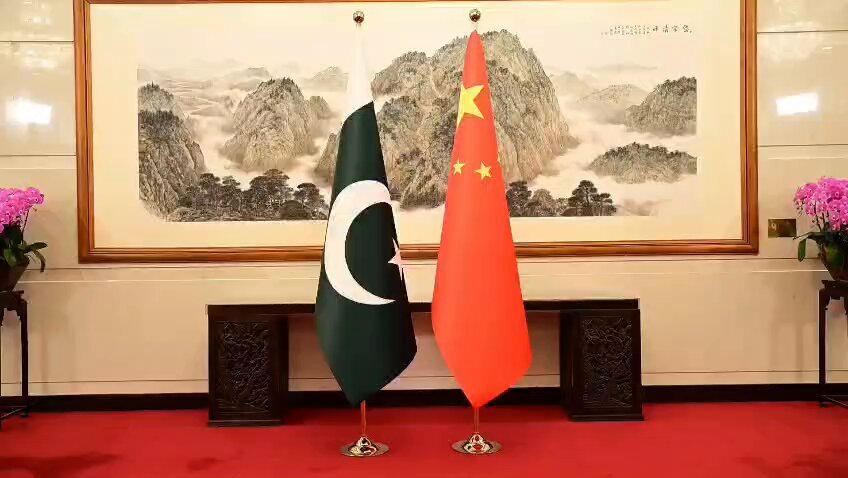
China-Pakistan Corn Partnership Crucial for Food Security and Trade

BEIJING — Researchers from China and Pakistan have underscored the critical importance of their countries’ collaboration in the corn sector, emphasizing its potential to enhance food security and agricultural trade. This discussion took place at the 2026 Beijing-Tianjin-Hebei Fresh Edible Corn Industry Development Conference, where experts highlighted the benefits of bilateral cooperation in corn production, seed technology, and cross-border grain trade. What Happened The conference, held in Beijing, brought together foreign and Chinese researchers who focused on the growing agricultural ties between China and Pakistan. They discussed the pivotal role of these partnerships in increasing corn production and advancing seed technology. The event was part of the larger Sino-Foreign collaboration framework aimed at boosting agricultural productivity and trade between the two nations. Experts at the conference pointed out that the partnership has already led to significant advancements in corn production techniques and seed innovation. These developments are expected to contribute to the stability of food supplies in both countries, which is increasingly important in the face of global food security challenges. “Our collaboration with Pakistan in the corn sector is not only about trade but also about ensuring food security for both nations,” said a Chinese agricultural expert during the conference. The discussions also covered the potential for expanding cross-border grain trade, which could open new markets and enhance economic ties between the two countries. The conference served as a platform for experts to exchange ideas on how to further strengthen this partnership, with a focus on sustainable agricultural practices and technological innovation. Background The China-Pakistan Economic Corridor (CPEC), a flagship project under China’s Belt and Road Initiative, has been a significant driver of economic cooperation between the two countries. Agriculture is a key component of CPEC, with several projects aimed at enhancing agricultural productivity and trade. The corn partnership is part of this broader framework, which seeks to leverage China’s technological expertise and Pakistan’s agricultural potential. Historically, Pakistan has been an agrarian economy, with agriculture contributing significantly to its GDP. However, challenges such as outdated farming techniques and climate change have hindered growth. The partnership with China offers an opportunity to address these issues through technology transfer and investment in modern agricultural practices. Why It Matters The collaboration between China and Pakistan in the corn sector is crucial for several reasons. Economically, it provides Pakistan with access to advanced agricultural technologies and practices, which can boost productivity and increase exports. This, in turn, can help stabilize Pakistan’s economy, which has been facing challenges such as inflation and trade deficits. Socially, the partnership has the potential to improve food security in Pakistan, where a significant portion of the population is dependent on agriculture for their livelihoods. By increasing corn production and improving seed technology, the partnership can help ensure a stable food supply, reducing the risk of food shortages and price volatility. On an international level, the partnership strengthens the economic ties between China and Pakistan, reinforcing their strategic alliance. It also positions both countries as key players in the global agricultural market, with the potential to influence grain trade dynamics in the region. Key Takeaways China and Pakistan are deepening their collaboration in the corn sector to enhance food security and trade. The partnership focuses on advancing corn production techniques and seed technology. Economic benefits include increased agricultural productivity and potential export growth for Pakistan. The collaboration is part of the broader China-Pakistan Economic Corridor initiative. This partnership strengthens the strategic and economic ties between the two nations. Source Attribution This article is based on official government statements, press releases, and public communications from relevant authorities. Author: NEN Editorial Desk | Editor: NEN Newsroom | Fact Checked By: NEN Editorial Team Author: NEN Editorial Desk  |  Editor: NEN Newsroom  |  Last Updated: July 21, 2026  |  Source: NEN Reporter This article was produced by the NEN Editorial Desk in accordance with NEN Agency’s Editorial Policy and Fact-Checking Policy.

World

Pakistan, Canada Commit to Strengthening Strategic Collaboration

ISLAMABAD — Pakistan and Canada have reaffirmed their commitment to strengthening bilateral consultations and exploring new avenues for strategic collaboration. This was highlighted during a meeting between Pakistan’s Deputy Prime Minister and Minister of Foreign Affairs, Senator Mohammad Ishaq Dar, and Canada’s Minister for Foreign Affairs, Anita Anand, during her official visit to Pakistan on July 20, 2026. What Happened The meeting marked Foreign Minister Anita Anand’s first visit to Pakistan since assuming office. The two leaders engaged in a series of discussions aimed at enhancing Pakistan-Canada bilateral relations. A joint statement issued by both countries emphasized the successful holding of the 6th round of Bilateral Consultations in February 2026, which set the stage for renewed momentum in their diplomatic engagement. During the talks, both sides expressed a shared resolve to boost trade and investment, as well as to foster people-to-people exchanges. The Deputy Prime Minister updated Minister Anand on Pakistan’s mediation efforts in the regional conflict, acknowledging the Islamabad Memorandum of Understanding as a significant step toward a sustainable ceasefire. Both ministers underscored the importance of upholding commitments under this agreement. The discussions also highlighted the contributions of the Pakistani diaspora in Canada, which numbers over 300,000, and the presence of more than 9,000 Pakistani students in Canadian institutions. The ministers agreed on the importance of strengthening cultural exchanges, tourism, and mobility between the two nations. They also recognized the value of parliamentary exchanges and pledged to enhance cooperation between their respective legislatures. Emphasizing trade and investment as key drivers for mutual prosperity, the ministers welcomed progress toward a Pakistan-Canada Foreign Investment Protection and Promotion Agreement (FIPA). They agreed to revive the Pakistan-Canada Joint Working Group on Trade and Investment to expedite negotiations and explore business opportunities in sectors such as clean energy, mining, infrastructure, and emerging technologies. The ministers noted the strategic importance of energy security and diversification, agreeing to encourage investments in renewable energy sectors, including solar, wind, and battery storage technologies. They highlighted Canadian company JCM Power’s successful bid for the 240 MW Dhabeji Hybrid Wind-Solar Project in partnership with K-Electric, which has received necessary regulatory approvals. Background Pakistan and Canada have a long-standing relationship characterized by cooperation in various fields, including trade, education, and cultural exchanges. The two countries have held multiple rounds of bilateral consultations to address mutual interests and challenges. The Islamabad Memorandum of Understanding, referenced during the meeting, represents a significant diplomatic effort by Pakistan to mediate regional conflicts and promote peace. The Pakistani diaspora in Canada plays a vital role in bridging cultural and economic ties between the two nations. Over the years, both countries have worked to enhance these connections through educational exchanges and trade agreements. The potential for increased collaboration in renewable energy and technology sectors aligns with global trends towards sustainability and innovation. Why It Matters The reaffirmation of strategic collaboration between Pakistan and Canada holds significant implications for both countries. Economically, the focus on trade and investment could lead to increased business opportunities and economic resilience. The potential conclusion of the FIPA and the revival of the Joint Working Group on Trade and Investment signal a commitment to facilitating smoother business operations and attracting foreign investments. Socially, the emphasis on people-to-people exchanges and cultural ties enhances mutual understanding and cooperation. The acknowledgment of the Pakistani diaspora’s contributions underscores the importance of inclusive policies that benefit citizens of both nations. Politically, Pakistan’s mediation efforts in regional conflicts and the resulting agreements, such as the Islamabad MoU, demonstrate its role as a proactive player in promoting peace and stability. Canada’s support for these initiatives reflects a shared commitment to addressing global challenges collaboratively. Key Takeaways Pakistan and Canada reaffirmed their commitment to strategic collaboration during a high-level meeting. Both countries aim to boost trade, investment, and people-to-people exchanges. The Islamabad Memorandum of Understanding is a cornerstone of their diplomatic efforts for regional peace. Renewable energy and technology sectors are key areas for future collaboration. The Pakistani diaspora in Canada plays a crucial role in strengthening bilateral ties. Source Attribution This article is based on official government statements, press releases, and public communications from relevant authorities. Author: NEN Editorial Desk | Editor: NEN Newsroom | Fact Checked By: NEN Editorial Team Author: NEN Editorial Desk  |  Editor: NEN Newsroom  |  Last Updated: July 21, 2026  |  Source: Press Release from Ministry of Foreign Affairs This article was produced by the NEN Editorial Desk in accordance with NEN Agency’s Editorial Policy and Fact-Checking Policy.

Scroll to Top