Author name: NEN News

Business

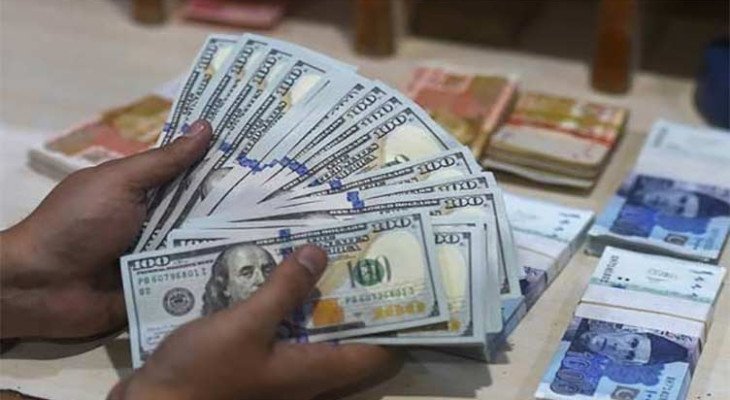
Pakistan Rupee Exchange Rates for June 10, 2026

KARACHI — The Exchange Rates Committee of the Financial Markets Association of Pakistan issued official conversion rates on Wednesday for foreign currency forward cover deposits. The Pakistan rupee exchange rates carry a State Bank of Pakistan settlement value date of June 12, 2026. Official Pakistan Rupee Exchange Rates for June 10, 2026 The US dollar was quoted at 278.3462 Pakistani rupees in the interbank market on June 10, 2026. This rate serves as the official benchmark for USD to PKR conversions across Pakistan’s financial markets. The British pound sterling rate was also issued as part of the official bulletin. These rates apply to foreign currency transactions conducted through authorized dealers nationwide. The published rates exclude FE-25 deposits. They are specifically designated for forward cover deposit operations. Interbank Foreign Exchange Framework The Financial Markets Association of Pakistan regularly publishes official exchange rates to ensure transparency in currency trading. The rates follow standard procedures governing interbank foreign exchange transactions. Key Market Operations Market participants rely on these Pakistan rupee exchange rates for several critical operations: Forward cover deposits Foreign exchange hedging Cross-border trade settlements Corporate treasury operations Regulatory Oversight All rates are issued through authorized dealers operating within Pakistan’s regulated banking system. The State Bank of Pakistan oversees the implementation and settlement of these official conversion rates. These benchmarks ensure standardized currency valuations across Pakistan’s financial sector. They provide essential reference points for businesses engaged in international trade and foreign exchange transactions.

Business

NBP Sets Dollar at 278.75 for TT Selling Wednesday

KARACHI — The Treasury Management Division of the National Bank of Pakistan (NBP) on Wednesday announced the latest interbank exchange rates for telegraphic transfer (TT) transactions. The dollar exchange rate and other major currencies received official pricing updates for the banking sector. US Dollar Exchange Rate Sets Market Benchmark The US dollar was set at 278.75 for TT selling and 278.25 for TT buying. This represents the official interbank rate for dollar transactions through Pakistan’s largest state-owned commercial bank. These rates serve as benchmark pricing for foreign exchange transactions across Pakistan’s banking sector. They directly impact trade, investment, and financial markets throughout the country. Euro and British Pound Maintain Premium Valuations The euro stood at 321.91 for selling and 321.33 for buying. The British pound was quoted at 373.13 for selling and 372.46 for buying. Both currencies maintain premium valuations against the Pakistani rupee. These rates reflect current market conditions in international currency markets. Additional Major Currency Rates NBP’s Treasury Management Division announced the following rates for Wednesday: Swiss franc: 348.88 selling and 348.25 buying Canadian dollar: 199.85 selling Japanese yen: 1.7383 selling and 1.7352 buying Impact on Banking and Trade Operations The interbank exchange rates provide standardized pricing for commercial banks across Pakistan. Financial institutions use these rates for corporate transactions, remittances, and international trade settlements. The dollar exchange rate and other currency valuations influence import-export activities and cross-border investment flows in Pakistan’s economy.

Pakistan

Pakistan’s $4.5 Billion Greenfield Refinery to Boost Energy Security

Federal Minister Reviews $4.5 Billion Energy Infrastructure Initiative Federal Minister for Commerce Jam Kamal Khan met Tuesday with a delegation from SPEC Refinery Pvt Ltd in Islamabad. The high-level meeting focused on Pakistan’s first deep conversion Pakistan greenfield refinery project. The $4.5 billion facility is planned for Hub, Balochistan. SPEC Refinery Chairman Zafar Sheikh led the delegation and presented comprehensive updates on the project’s development timeline and milestones. Strategic Importance for National Energy Security The Hub refinery represents a major advancement for Pakistan’s energy infrastructure. Minister Khan discussed how the Pakistan greenfield refinery would strengthen the country’s energy security framework. The project aims to reduce dependence on foreign imports significantly. The facility would create substantial economic activity in Balochistan province and boost Pakistan’s industrial base. The project is expected to generate thousands of employment opportunities. This will provide a major economic boost to the region and support national development goals. Key Benefits of the Refinery Project Enhanced energy security for Pakistan through domestic production Reduced dependence on imported refined petroleum products Significant economic development in Balochistan province Major addition to national refining capacity Creation of thousands of direct and indirect jobs Impact on Pakistan’s Petroleum Sector Once completed, the Pakistan greenfield refinery would transform the country’s downstream energy sector. The deep conversion facility would mark a significant addition to Pakistan’s refining infrastructure. The project aims to reduce the nation’s dependence on imported refined petroleum products. Expanded domestic production capacity could help the country achieve greater self-sufficiency in meeting its growing energy needs. Industry experts view the project as a critical step toward energy independence. The refinery will support Pakistan’s economic growth and strengthen its position in the regional energy market.

Business

NBP Sets Dollar Selling Rate at 280.14 in Karachi

NBP Dollar Exchange Rate in Karachi The National Bank of Pakistan (NBP) on Tuesday set the US dollar at a selling rate of 280.14 and a buying rate of 277.14. These rates reflect the bank’s official exchange rates for currency notes in Karachi. The dollar exchange rate serves as a critical benchmark for foreign currency transactions across Pakistan’s banking sector. Banks and financial institutions use these rates as a reference point for daily operations. British Pound and Euro Exchange Rates The British pound was listed at a selling rate of 374.99 against a buying rate of 370.57. The euro was also quoted in the latest rate sheet issued by the state-owned lender. These currency rates provide essential guidance for individuals and businesses conducting international trade and financial operations. The rates impact import-export costs and cross-border payment calculations. Impact on Banking and Trade Sectors NBP publishes exchange rates for currency notes on a regular basis. The rates serve as a key reference for retail foreign currency transactions nationwide. The bank’s exchange rate updates enable businesses to plan import-export activities effectively. Individual customers also rely on these rates for remittances and travel-related currency exchanges. Role in Pakistan’s Economy Foreign currency transactions play a vital role in Pakistan’s economy. Exchange rates directly affect trade balance, investment flows, and overall economic growth. Businesses monitor these rates to manage costs and revenues from international operations. Stable exchange rates support investor confidence and facilitate cross-border trade activities.

Business

Pakistan Workers’ Remittances Rise 9.21% to $38.1bn in Eleven Months

ISLAMABAD — Pakistan workers remittances climbed 9.21 percent to reach $38.109 billion during the first eleven months of fiscal year 2025-26. The State Bank of Pakistan released these figures Wednesday. The growth underscores sustained foreign exchange earnings from overseas Pakistani workers. These remittance inflows provide critical support to the nation’s external account and economic stability. Record Growth in Foreign Exchange Earnings The country received $38.109 billion in remittance inflows between July and May of the current fiscal year. This marks a significant increase from $34.892 billion recorded during the same period in FY2024-25. The year-over-year gain represents approximately $3.2 billion in additional foreign exchange. State Bank of Pakistan data confirms this upward trajectory continues from previous quarters. Remittances Support Pakistan’s External Account The sustained increase highlights Pakistan’s continued reliance on overseas workers as a primary foreign exchange source. These remittances provide critical support to the country’s external account amid ongoing economic pressures. Pakistan workers remittances remain one of the nation’s most stable revenue streams. They help stabilize the economy while supporting household incomes across urban and rural areas. Key Economic Impact of Remittance Growth The surge in Pakistan workers remittances delivers multiple benefits to the national economy: Strengthens Pakistan’s foreign exchange reserves Reduces pressure on current account deficit Provides direct financial support to millions of households Enhances economic stability during challenging fiscal conditions Outlook for Foreign Exchange Stability The remittance growth comes as Pakistan navigates broader economic challenges. Foreign exchange earnings from overseas workers continue to serve as a vital economic lifeline for the country’s financial stability. Analysts expect Pakistan workers remittances to remain a cornerstone of the nation’s external financing strategy. The consistent inflows help mitigate pressure on foreign reserves and support economic recovery efforts.

Pakistan

Faisalabad to Receive Anti-Smog Guns to Combat Air Pollution

FAISALABAD — Two anti-smog guns will soon be deployed at pollution hotspots across Faisalabad. Authorities are taking decisive action to address worsening air quality in Pakistan’s third-largest city. Director General Environment Protection Department Imran Hamid Sheikh announced the initiative in response to mounting concerns. The move addresses environmental conditions affecting the major industrial center. Business Community Pressures Government for Action Sheikh made the commitment following demands from the Vice President of the Faisalabad Chamber of Commerce and Industry. The announcement signals growing pressure from the business community on government authorities. Deteriorating environmental conditions have increasingly affected commercial operations. Industrial stakeholders voiced concerns about Faisalabad air pollution impacting worker health and productivity. Multiple Sources Drive Air Quality Crisis Faisalabad serves as a major textile manufacturing hub in Pakistan. The city has faced persistent smog and air pollution challenges throughout recent years. The environmental crisis stems from multiple sources: Industrial emissions from textile factories and manufacturing units Vehicle exhaust from increased traffic congestion Crop burning in surrounding agricultural districts Construction dust and urban development activities How Anti-Smog Gun Technology Works Anti-smog guns spray fine water mist to suppress airborne particulate matter. The technology effectively reduces pollution levels in targeted areas by settling dust particles. Lahore previously deployed similar equipment during peak smog seasons. The provincial capital reported positive results in improving air quality at critical locations. Strategic Deployment at Pollution Hotspots The two units will be strategically positioned at identified pollution hotspots across Faisalabad. Environment Protection Department officials will monitor performance and adjust placement as needed. Officials aim to maximize their impact on reducing Faisalabad air pollution levels. The initiative represents part of broader government efforts to address environmental challenges in Pakistan’s industrial cities.

Business

Five Vessels Berth at Port Qasim, Three More Expected

Five Vessels Complete Berthing Operations Five vessels successfully completed berthing operations at Port Qasim on Tuesday, handling diverse cargo commodities essential to Pakistan’s trade operations. The ships transported containers, rice, cement, palm oil, soya bean seed, and motor gasoline. Port authorities coordinated the simultaneous docking to maximize operational efficiency and maintain steady cargo flow. Each vessel received specific terminal assignments based on cargo type and handling requirements. Strategic Terminal Allocations Enhance Efficiency Port Qasim’s specialized terminals accommodated different cargo categories to optimize loading and unloading operations. Strategic terminal placement ensured smooth operations across all port facilities. The berthed vessels and their designated terminals include: Al-Bert-P at Qasim International Container Terminal OBE Dinares at Multi-Purpose Terminal-1 Chem Star at Liquid Cargo Terminal Key Sonority at Grain Terminal Qilin Zuo at FOTCO Oil Terminal Three Additional Vessels Scheduled for Arrival Three more ships are scheduled to arrive at Port Qasim for docking operations in the coming days. The incoming vessels include Safeen Power, Bolan, and Pantazis-L. These ships will undergo cargo handling at their designated terminals upon arrival. Port Qasim maintains round-the-clock operations to accommodate continuous maritime traffic, supporting Pakistan’s import and export trade activities.

World

Pakistan Urges Restraint as US-Iran Clashes Intensify

UNITED NATIONS — Pakistan has called on all parties to exercise restraint amid the most intense exchange of fire between the United States and Iran since a ceasefire took hold in the Middle East. The urgent appeal highlights growing international concern over escalating US-Iran diplomatic tensions. Pakistan Ambassador Appeals for Diplomatic Solution Addressing the United Nations Security Council on Tuesday, Pakistan’s Ambassador Asim Khan made a direct appeal to the warring sides. He urged them to “give peace a little more chance” as the region braced against renewed escalation. The Pakistani envoy emphasized the critical need for diplomatic channels. He warned that further military action could prevent a peaceful resolution to the security situation. Emergency UN Security Council Session Convened The Security Council convened an emergency session to assess the deteriorating situation between Washington and Tehran. Member states collectively urged diplomatic channels over military action to resolve the deepening crisis. International stakeholders expressed serious concern about the implications of continued hostilities. The international community warned that ongoing conflicts could destabilize the broader Middle East region. Such escalation could also undermine the fragile ceasefire currently in place. Regional Stability Faces Renewed Threats The escalation marks the most significant flare-up in US-Iran diplomatic tensions since the ceasefire agreement. Diplomatic observers note the urgent need for bilateral dialogue to prevent further deterioration of regional security. The international community continues to monitor the situation closely. Foreign policy experts emphasize that sustained dialogue remains the only viable path to lasting peace in the region.

Pakistan

IRSA Releases 237,700 Cusecs Water From Rim Stations

ISLAMABAD — The Indus River System Authority (IRSA) released 237,700 cusecs of water from various rim stations on Wednesday. The IRSA water release came against a total inflow of 206,600 cusecs into the system. This reflects active water management across Pakistan’s federal water infrastructure. The authority monitors daily operations to ensure balanced distribution nationwide. Tarbela Dam Water Levels According to official IRSA data, the water level at Tarbela Dam on the River Indus stood at 1,451.33 feet. This measurement indicates the reservoir is 51.33 feet above its dead level. The dam maintains adequate storage capacity for Pakistan’s water distribution requirements. These levels support ongoing agricultural and urban water needs across the country. Federal Water Distribution Operations The water release from rim stations reflects ongoing management operations across Pakistan’s river system. IRSA monitors and regulates water distribution to ensure equitable allocation among all provinces. The federal water authority coordinates releases to meet multiple demands: Agricultural irrigation requirements Domestic water supply Industrial consumption needs Daily measurements help maintain optimal reservoir levels while meeting downstream water requirements. This systematic approach ensures Pakistan’s water resources serve all sectors efficiently throughout the country.

Business

Gold Prices Drop Rs 12,627 Per Tola in Local Market

Gold prices in Pakistan fell sharply on Wednesday as the local market witnessed one of its steeper single-day declines in recent weeks. The precious metal saw a significant correction in domestic trading, impacting buyers and investors across the country. Sharp Decline in 24-Karat Gold Rates The price of 24-karat gold per tola declined by Rs 12,627 to settle at Rs 442,436. This represents a significant drop from the previous trading day’s rate of Rs 455,063. The All Pakistan Sarafa Gems and Jewellers Association issued the updated rates. The association monitors and tracks daily bullion prices across Pakistan’s jewellery and precious metals markets. Key Price Details 24-karat gold per tola: Rs 442,436 Single-day decline: Rs 12,627 Previous rate: Rs 455,063 International Market Impact on Local Rates The sharp decline in Pakistan’s gold market reflects broader movements in international gold prices. Global bullion rates typically influence domestic pricing trends in the local market. This marks one of the more notable single-day price corrections in recent trading sessions. The precious metal’s volatility continues to impact Pakistan’s bullion sector and consumer purchasing decisions.

Scroll to Top