Author name: NEN News

Business

NBP Sets Dollar Selling Rate at 280.14 in Karachi

NBP Dollar Exchange Rate in Karachi The National Bank of Pakistan (NBP) has set the US dollar selling rate at 280.14 and the buying rate at 277.14 in Karachi. These rates are crucial benchmarks for currency transactions in the city’s banking sector. The dollar exchange rate plays an essential role in foreign currency dealings across Pakistan. Banks and financial institutions rely on these rates for their daily operations. Exchange Rates for British Pound and Euro NBP has established the selling rate for the British pound at 374.99 and the buying rate at 370.57. The Euro exchange rates are also part of their official offerings. These rates are significant for businesses and individuals engaged in international trade. They affect import-export pricing and are crucial for calculating cross-border payment costs. Impact on Banking and Trade Sectors NBP regularly updates currency note exchange rates, providing key resources for retail foreign currency transactions in Pakistan. Current rates help businesses plan import-export activities efficiently. Individuals use these rates for managing remittances and currency exchanges, particularly for travel. Influence on Pakistan’s Economy Foreign currency transactions are integral to Pakistan’s economic structure. Exchange rates directly affect trade balances, investment flows, and economic growth. Businesses monitor these rates closely to manage international revenue and expenses. Stable exchange rates boost investor confidence and facilitate efficient cross-border trade.

Business

Pakistan Workers’ Remittances Rise 9.21% to $38.1bn in Eleven Months

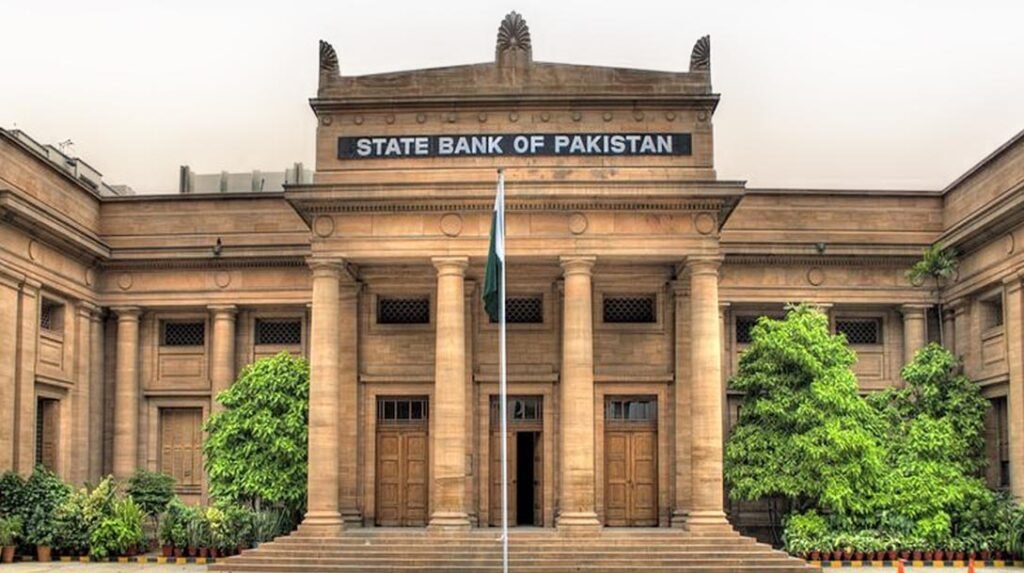
ISLAMABAD — Pakistan’s workers remittances climbed by 9.21%, reaching $38.109 billion in the first eleven months of the fiscal year 2025-26. Released on Wednesday by the State Bank of Pakistan, this data underscores a notable increase in foreign exchange earnings. These remittances are crucial, providing steady foreign exchange earnings from overseas Pakistani workers. They play a significant role in supporting the country’s external accounts and ensuring economic stability. Record Growth in Foreign Exchange Earnings From July to May of the current fiscal year, remittance inflows totaled $38.109 billion, a substantial rise from $34.892 billion over the same period in FY2024-25. This $3.2 billion year-over-year increase highlights a positive trend noted by the State Bank of Pakistan. Critical Support for External Accounts The ongoing rise in remittances illustrates Pakistan’s reliance on its overseas workforce for foreign exchange. These funds are vital for maintaining external accounts amidst economic pressures. Remittances from Pakistani workers are among the nation’s most dependable revenue streams, enhancing economic stability and supporting household incomes across urban and rural areas. Key Economic Benefits Strengthens Pakistan’s foreign exchange reserves Reduces pressure on the current account deficit Provides direct financial support to millions of households Enhances economic stability during fiscal challenges Outlook for Sustained Financial Stability Despite broader economic challenges, the growth in remittances remains a critical lifeline. These foreign exchange earnings from overseas workers are essential for maintaining the country’s financial stability. Analysts predict that workers remittances will continue to be instrumental in Pakistan’s external financing strategy. Continuous inflows are expected to alleviate pressure on foreign reserves and support recovery efforts.

Business

Faisalabad to Receive Anti-Smog Guns to Combat Air Pollution

FAISALABAD — Faisalabad will deploy two anti-smog guns in pollution hotspots across the city. This government-led initiative aims to combat the deteriorating air quality in one of Pakistan’s largest and economically significant industrial cities. Imran Hamid Sheikh, Director General of the Environment Protection Department, spearheads this initiative in response to growing concerns about Faisalabad’s environmental conditions. Business Community Demands Action The government acted after appeals from the Vice President of the Faisalabad Chamber of Commerce and Industry. The business community has urged officials to promptly address the severe environmental issues affecting the area. Environmental challenges have notably impacted business operations. Industrial stakeholders are concerned about the effects of air pollution on employee health and productivity. Sources of Air Pollution Faisalabad, famous for its textile manufacturing, faces significant smog issues. Contributing factors to the city’s environmental crisis include: Industrial emissions from textile and other manufacturing units Vehicle exhaust due to dense traffic congestion Crop burning in surrounding agricultural zones Construction dust and rapid urban development Functionality of Anti-Smog Guns Anti-smog guns work by dispersing a fine mist of water, effectively suppressing airborne particles. This technology reduces pollution levels by settling dust in targeted areas. Similar equipment was successfully used in Lahore during peak smog seasons, achieving positive results in key zones. Strategic Deployment The anti-smog guns will be strategically located at known pollution hotspots in Faisalabad. Officials from the Environment Protection Department will monitor their impact and adjust placements as needed. This effort is part of a larger government strategy to tackle environmental challenges in Pakistan’s industrial cities, with a priority on dramatically improving Faisalabad’s air quality.

Business

Five Vessels Berth at Port Qasim, Three More Expected

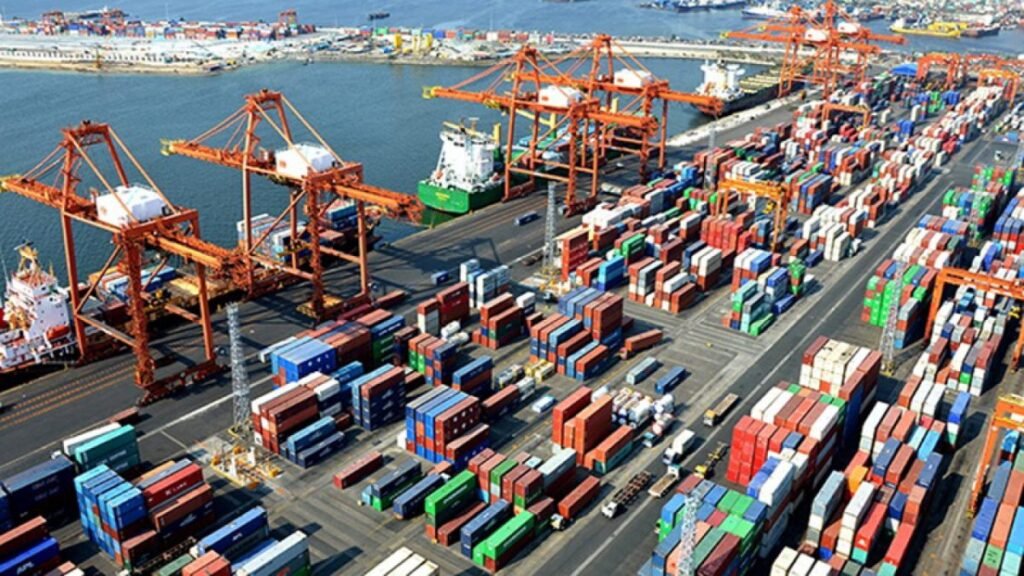
Strategic Docking at Port Qasim On Tuesday, Port Qasim successfully docked five vessels, playing a crucial role in sustaining Pakistan’s trade activities. The ships carried diverse commodities, including containers, rice, cement, palm oil, soybean seeds, and motor gasoline. Port authorities meticulously organized the docking process to boost operational efficiency. Each vessel was assigned a specific terminal based on cargo type and handling needs, ensuring the seamless flow of goods. Efficient Terminal Operations Specialized terminals at Port Qasim handle various cargo types, optimizing the loading and unloading processes. This strategic allocation is vital for maintaining smooth operations at the port. Terminal Assignments The vessels and their designated terminals include: Al-Bert-P at Qasim International Container Terminal OBE Dinares at Multi-Purpose Terminal-1 Chem Star at Liquid Cargo Terminal Key Sonority at Grain Terminal Qilin Zuo at FOTCO Oil Terminal Anticipated Maritime Traffic Three more ships—Safeen Power, Bolan, and Pantazis-L—are expected at Port Qasim soon. They will undergo cargo handling at designated terminals upon arrival. Port Qasim operates tirelessly, serving as a backbone to Pakistan’s import and export operations, and ensuring a continuous supply of necessary goods for the national economy.

World

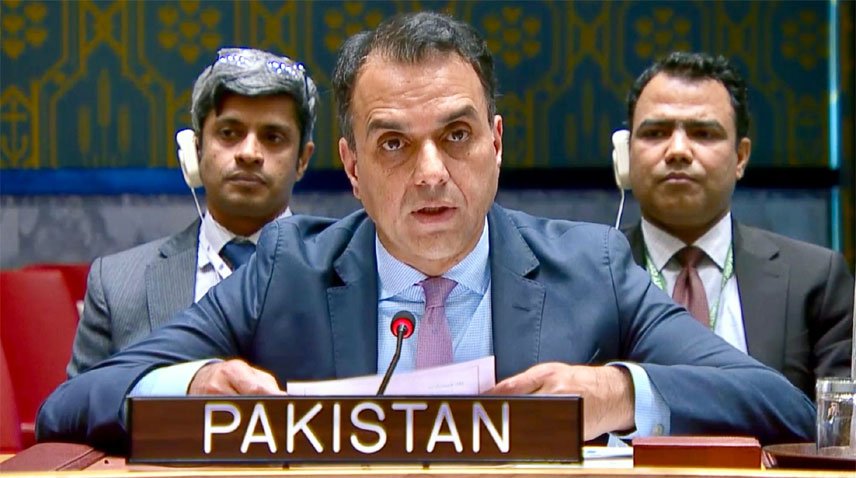
Pakistan Urges Restraint as US-Iran Clashes Intensify

The United Nations is calling for restraint as tensions between the United States and Iran escalate. Diplomatic strains have intensified since the recent Middle East ceasefire, prompting global concerns. Pakistani Ambassador Calls for Peace On Tuesday, during a United Nations Security Council session, Pakistan’s Ambassador Asim Khan made a heartfelt plea for peace. He urged the conflicting parties to “give peace a little more chance,” amid fears of escalating tensions in the region. Ambassador Khan highlighted the urgent need to keep diplomatic channels open. He warned that further military actions could hinder peaceful resolutions to current security challenges. Emergency Security Council Session The Security Council held an emergency session to address the deteriorating situation between Washington and Tehran. Member states strongly advocated for diplomatic solutions over military interventions to resolve the crisis. International officials and stakeholders voiced deep concern about the conflict’s potential impact. The global community warned that ongoing hostilities could destabilize the Middle East and endanger the current ceasefire. Threats to Regional Stability This scenario marks the most significant rise in US-Iran tensions since the ceasefire began. Diplomatic experts stress the need for bilateral dialogue to prevent further regional security decline. The international community remains vigilant. Foreign policy specialists emphasize the necessity of ongoing diplomatic engagement to ensure lasting peace within the region.

Pakistan

IRSA Releases 237,700 Cusecs Water From Rim Stations

ISLAMABAD — The Indus River System Authority (IRSA) has released 237,700 cusecs of water from various rim stations. This strategic move follows an inflow of 206,600 cusecs, highlighting the federal government’s proactive involvement in water management. Effective resource management is critical for balancing water distribution across Pakistan, ensuring equitable allocation and operational efficiency. Tarbela Dam Water Levels According to IRSA data, the Tarbela Dam on the River Indus has a recorded water level of 1,451.33 feet, which is 51.33 feet above the dead level. This elevation ensures ample storage capacity for nationwide distribution. These water levels are crucial for meeting both agricultural and urban needs in Pakistan, addressing the varied requirements of different sectors. Federal Water Distribution Operations Releasing water from rim stations is essential for effective management of Pakistan’s river systems. IRSA plays a pivotal role in ensuring equitable water distribution among the provinces. Meeting Diverse Demands The federal authority schedules water releases to meet essential demands, such as: Agricultural irrigation Domestic water supply Industrial consumption Regular assessments are conducted to maintain optimal reservoir levels, effectively meeting downstream requirements. This systematic approach ensures efficient use of Pakistan’s water resources nationwide.

Business

Gold Prices Drop Rs 12,627 Per Tola in Local Market

Gold prices in Pakistan significantly dropped on Wednesday, with one of the steepest single-day declines in recent weeks. This downturn impacted both buyers and investors across the country. 24-Karat Gold Price Drop On this day, the price of 24-karat gold per tola decreased by Rs 12,627, settling at Rs 442,436. This marks a substantial decline from its previous value of Rs 455,063. The All Pakistan Sarafa Gems and Jewellers Association provided these figures, as they closely monitor the daily bullion prices within Pakistan’s jewellery and precious metals markets. Key Price Information 24-karat gold per tola priced at Rs 442,436 Single-day price decrease of Rs 12,627 Previous gold rate was Rs 455,063 Impact of International Market Trends The drop in Pakistan’s gold market aligns with similar trends in international gold prices. Global bullion rates significantly affect domestic pricing, underscoring the ongoing volatility in the precious metal sector. This fluctuation impacts the local bullion industry and influences consumer purchasing decisions.

Pakistan

South Punjab’s Century-Old Pickle-Making Tradition Fades as Youth Turns Away

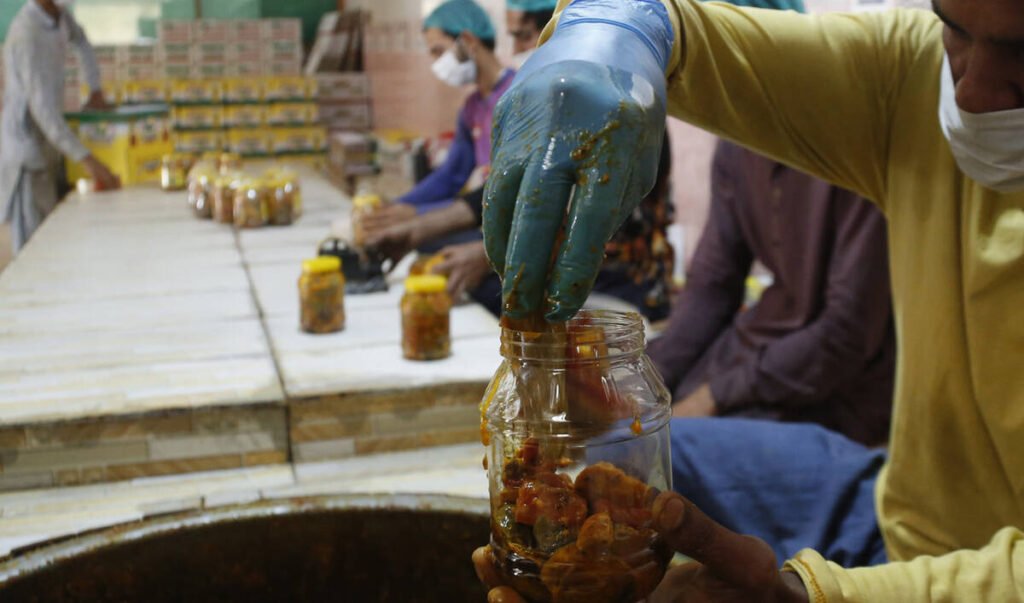
MULTAN — The generations-old tradition of handcrafted pickle-making is vanishing from villages in South Punjab. Younger residents are choosing commercially produced pickles, abandoning this artisanal practice. This shift signifies a significant cultural transformation in rural Pakistan. The craft of traditional achaar-making, once a widespread seasonal ritual, now faces extinction within a generation. Traditional Pickle-Making as Cultural Heritage During mango season, households across South Punjab would fill with the aroma of mustard oil and spices. Women prepared achaar, or homemade pickles, utilizing skills passed through generations. This annual ritual was not just culinary but also a source of domestic pride. Each family had unique recipes, carefully guarded and perfected over time. Beyond preserving food, this tradition represented community identity and facilitated knowledge transfer, essential throughout rural Pakistan. Decline of Traditional Achaar-Making The decline in rural Pakistan is evident. Factory-made pickles have significantly altered consumption habits in South Punjab villages. Lifestyles are changing, reducing time for labor-intensive food preparation. Urban migration and shifting employment patterns mean fewer women continue this practice. The Growing Generational Disconnect Younger generations display little interest in the craft, influenced by several factors such as: Preference for convenient, commercially-produced options Lack of knowledge about traditional preparation techniques Limited exposure to seasonal food preservation Changing household structures and work dynamics These elements have eroded a nearly universal seasonal custom in South Punjab. Risks to Pakistan’s Cultural Heritage Cultural observers and older residents express concern over this loss. As women who hold this knowledge age, both recipes and techniques risk extinction. Community bonds forged around pickle-making are in jeopardy. This tradition in South Punjab served as a social connector, bringing women together during preparation seasons. Efforts to document or preserve this regional tradition are minimal. Without intervention, the cultural heritage of artisanal pickle-making may disappear entirely from Pakistan’s rural landscape.

Pakistan

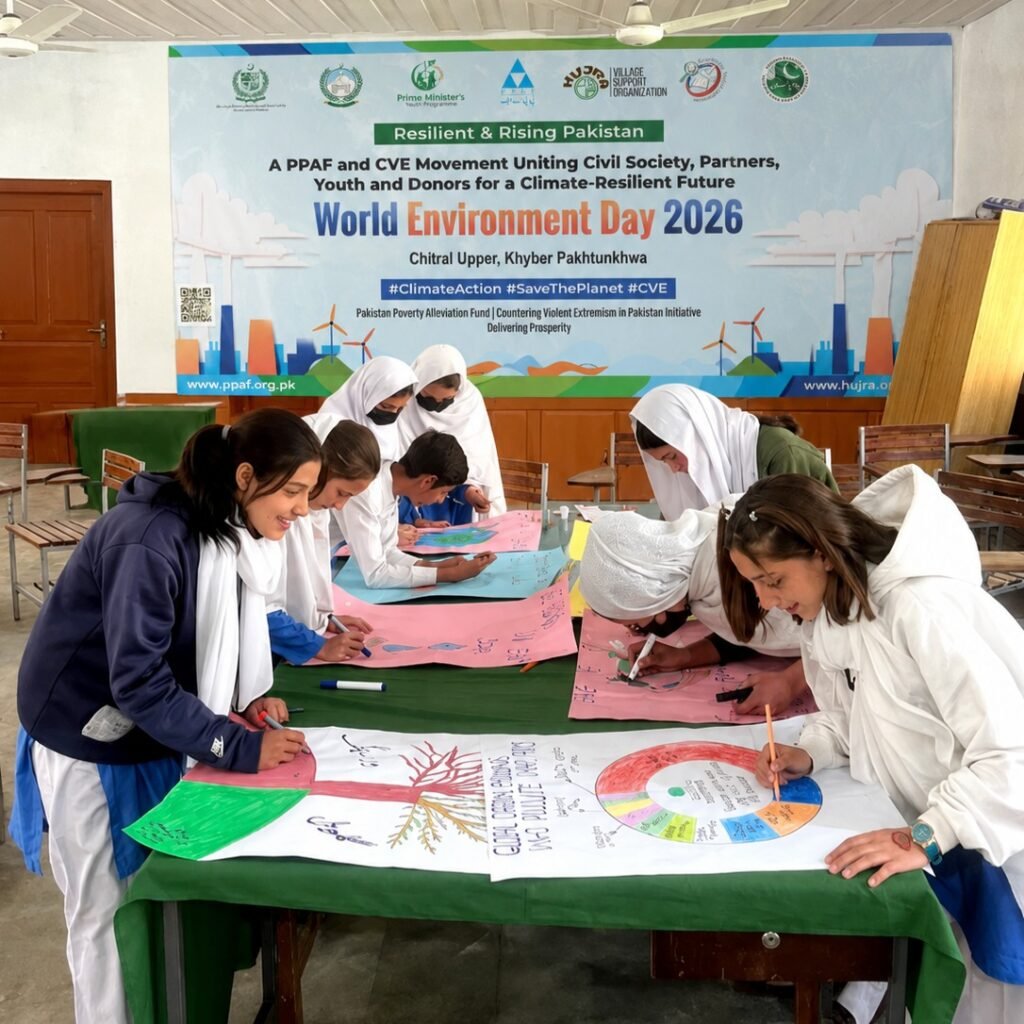
Upper Chitral School Hosts Climate Awareness Drive for Students, Teachers

PESHAWAR — The Government High School Balim in Union Council Laspur, Upper Chitral, hosted a climate awareness drive. This event brought together approximately 120 students, teachers, and community members, highlighting the significance of environmental protection and climate change education in Pakistan’s vulnerable northern region. Major Environmental Challenges The climate awareness program focused on critical environmental challenges facing the northern areas. Participants engaged in discussions, addressing crucial issues that affect their communities and livelihoods. Deforestation impacting local ecosystems Proper waste management and disposal Conservation of natural resources Sustainable practices in daily life Climate adaptation strategies for mountain communities Community Engagement in Upper Chitral This event united a diverse group from various districts of Upper Chitral. Both male and female students participated alongside educators and local residents, creating an inclusive learning atmosphere. Such approaches ensure climate literacy reaches various community segments, reflecting an increasing environmental consciousness in Pakistan’s mountainous regions. Community-led initiatives like these boost local capacity to effectively tackle climate challenges. Confronting Climate Vulnerability The initiative underlined grassroots efforts to combat environmental challenges in mountainous regions. Northern Pakistan faces significant climate threats, including glacial melt, erratic rainfall, and environmental degradation, necessitating urgent attention and coordinated action. Programs like this empower communities to manage the impacts of climate change and develop resilience strategies. Improving local climate literacy enhances Pakistan’s overall environmental resilience, enabling communities to proactively address climate threats and safeguard natural resources.

World

Pakistan Urges Immediate Ceasefire as Ukraine War Reaches Deadliest Point

UNITED NATIONS — Pakistan has urgently called for a complete ceasefire in the ongoing Russia-Ukraine conflict, emphasizing that the war has reached its deadliest phase in four years. Diplomatic Appeal at the United Nations In a United Nations address, Pakistan’s representative highlighted the critical need to halt hostilities. The proposed ceasefire aims to facilitate diplomatic efforts and expedite conflict resolution processes. The delegate expressed deep concern over the worsening security situation caused by continued strikes. The appeal emphasized the war’s adverse effects on global stability, warning that prolonged conflict threatens international peace and security. Balanced Foreign Policy Since Russia’s full-scale invasion in February 2022, Pakistan has consistently advocated for dialogue and negotiated settlements. While supportive of international peace initiatives, Pakistan has abstained from several UN resolutions condemning Russia. This reflects Islamabad’s balanced foreign policy, designed to maintain strategic relationships with both Russia and Western countries. Escalating Humanitarian Crisis The Pakistani representative stressed the urgent need to de-escalate the conflict amid a worsening humanitarian crisis. Key concerns include: Increasing civilian casualties in conflict zones Significant infrastructure damage in Ukrainian cities Rising displacement of civilians Escalating global food and energy insecurity These issues have intensified global calls for diplomatic intervention. Global Push for Peace Pakistan’s appeal is part of a broader international effort advocating for a diplomatic resolution. The ceasefire request aligns with the United Nations’ mission to negotiate peace among the conflicting parties. The international community continues to seek dialogue-based solutions to end the conflict, with numerous countries stressing diplomacy as the essential path to sustainable peace.

Scroll to Top