
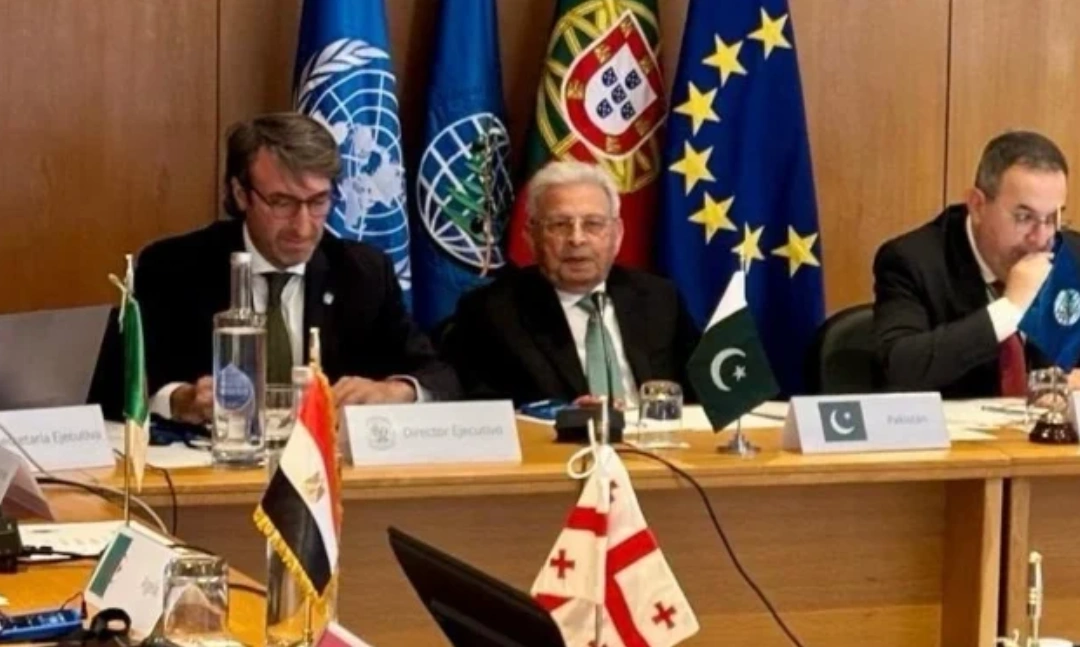
ISLAMABAD — Pakistan has officially joined the International Olive Council (IOC) as a permanent member during the 123rd session held in Lisbon, Portugal. This marks a significant development in Pakistan’s burgeoning olive sector as the country seeks to enhance its role in the global olive industry.
What Happened
On Tuesday, Pakistan took its seat as a permanent member of the International Olive Council at the 123rd session in Lisbon. The membership is a critical step for Pakistan, aligning with its strategic goals to expand and develop its olive industry. The session, attended by representatives from various member countries, focused on the promotion and sustainable development of olive cultivation and production.
The International Olive Council is an intergovernmental organization that oversees the olive and olive oil industries worldwide. Pakistan’s inclusion as a permanent member signifies its commitment to adopting international standards and practices in olive production. According to officials, this membership will facilitate Pakistan in accessing new markets, improving production quality, and increasing exports.
Pakistan’s Ambassador to Portugal, who represented the country at the session, expressed optimism about the opportunities this membership presents. “This is a historic moment for Pakistan’s agriculture sector, particularly for our olive industry. We are eager to collaborate with other member countries to enhance our capabilities and share best practices,” the ambassador stated.
Background
Pakistan’s journey to becoming a member of the International Olive Council began several years ago as part of a broader initiative to diversify its agricultural sector. The country has been investing in olive cultivation, particularly in its northern regions, where the climate is conducive to olive farming. The government has launched several projects to encourage olive cultivation, aiming to reduce reliance on imported olive oil and promote self-sufficiency.
The olive sector in Pakistan has seen significant growth, with thousands of hectares now dedicated to olive farming. The government has provided support through subsidies, technical assistance, and research initiatives to boost production. This strategic focus aligns with global trends towards healthier dietary options, where olive oil is a key component.
Why It Matters
Pakistan’s membership in the International Olive Council holds substantial economic and strategic importance. Economically, it opens up new avenues for trade and investment, potentially increasing the country’s export revenues. The olive industry, still in its nascent stages in Pakistan, stands to benefit from international collaboration and knowledge exchange, which can lead to improved production techniques and higher quality products.
Socially, the expansion of the olive sector can contribute to rural development and job creation. As more farmers engage in olive cultivation, there is potential for increased income and improved livelihoods in rural areas. This development aligns with Pakistan’s broader goals of poverty alleviation and sustainable agricultural development.
Politically, becoming a permanent member of the IOC enhances Pakistan’s standing in international agricultural circles. It reflects the country’s commitment to aligning with global standards and participating actively in international forums. This membership can also foster stronger diplomatic ties with other olive-producing nations, facilitating bilateral trade agreements and partnerships.
Key Takeaways
- Pakistan has joined the International Olive Council as a permanent member during the 123rd session in Lisbon.
- The membership aligns with Pakistan’s strategic goals to develop its olive industry and enhance export potential.
- The olive sector in Pakistan has been growing, supported by government initiatives and favorable climatic conditions.
- Economic, social, and political benefits are expected, including increased trade, rural development, and international collaboration.
- Pakistan’s participation in the IOC reflects its commitment to global agricultural standards and practices.
Source Attribution
This article is based on official government statements, press releases, and public communications from relevant authorities.














