

Author name: NEN News

Pakistan

PSB Addresses Reports on HEC Women’s Baseball Championship Incident

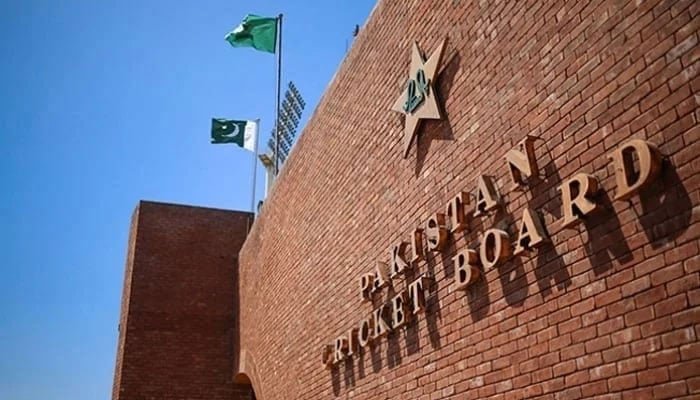
ISLAMABAD — The Pakistan Sports Board (PSB) has issued a statement addressing reports concerning an incident that occurred after the closing ceremony of the HEC Inter-Varsity Women Baseball Championship, which successfully concluded on July 13, 2026. The board aims to clarify the nature of the incident and provide transparency regarding the event’s proceedings. What Happened The PSB has responded to circulating reports about an incident that took place following the conclusion of the Higher Education Commission (HEC) Inter-Varsity Women Baseball Championship. The championship, which involved multiple university teams, was held to promote women’s participation in sports and concluded on July 13, 2026. The PSB’s statement seeks to address any misunderstandings and provide clarity on the situation. According to the PSB, the incident in question was isolated and did not reflect the overall success and spirit of the event. The board emphasized that the championship was conducted in a fair and competitive manner, with all participating teams adhering to the rules and regulations set forth by the organizing committee. The PSB reiterated its commitment to ensuring a safe and supportive environment for all athletes. In its statement, the PSB highlighted that the reports circulating in the media might have misrepresented the facts, leading to unnecessary speculation. The board has assured stakeholders and the public that it is investigating the matter thoroughly and will take appropriate action if any misconduct is found. The PSB also expressed its dedication to maintaining transparency and upholding the integrity of sports in Pakistan. Background The HEC Inter-Varsity Women Baseball Championship is part of a broader initiative to encourage female participation in sports across Pakistan. The event is organized annually by the Higher Education Commission in collaboration with the Pakistan Sports Board. This championship serves as a platform for young female athletes to showcase their talents and gain recognition at a national level. Historically, women’s sports in Pakistan have faced numerous challenges, including limited access to facilities and societal barriers. However, events like the HEC championship are crucial in breaking these barriers and promoting gender equality in sports. The PSB and HEC have been working together to enhance opportunities for women in various sports disciplines, aiming to foster a more inclusive environment. Why It Matters The PSB’s response to the reports is significant as it underscores the importance of transparency and accountability in sports administration. By addressing the incident and committing to an investigation, the PSB aims to reassure athletes, coaches, and the public that it prioritizes fairness and integrity in sports events. This approach is essential for maintaining trust and encouraging more women to participate in sports. Furthermore, the incident highlights the challenges faced by women’s sports in Pakistan, where cultural and societal norms can sometimes hinder progress. By actively addressing such issues, the PSB and HEC demonstrate their commitment to creating a more equitable sports environment. This incident also serves as a reminder of the need for continued efforts to support and promote women’s sports at all levels. On an international level, promoting women’s sports aligns with global movements towards gender equality and empowerment. Successful events like the HEC championship can enhance Pakistan’s reputation in the international sports community, showcasing the country’s dedication to fostering talent and inclusivity. Key Takeaways The PSB issued a statement to clarify reports of an incident after the HEC Women’s Baseball Championship. The board emphasized the isolated nature of the incident and the overall success of the event. The PSB is investigating the matter to ensure transparency and accountability. The championship is part of efforts to promote women’s participation in sports in Pakistan. Addressing such incidents is crucial for maintaining trust and encouraging gender equality in sports. Source Attribution This article is based on official government statements, press releases, and public communications from relevant authorities. Author: NEN Editorial Desk | Editor: NEN Newsroom | Fact Checked By: NEN Editorial Team Author: NEN Editorial Desk  |  Editor: NEN Newsroom  |  Last Updated: July 18, 2026  |  Source: NEN Reporter This article was produced by the NEN Editorial Desk in accordance with NEN Agency’s Editorial Policy and Fact-Checking Policy.
World

BOI Minister Engages with Chinese Delegation at Pakistan–China B2B Conference

ISLAMABAD — Federal Minister for the Board of Investment (BOI), Qaiser Ahmed Sheikh, convened with a high-level delegation from the Shandong Hi-Speed Group (SDHS) on the sidelines of the Pakistan–China B2B Conference at the Marriott Hotel in Islamabad. The meeting, which took place on Wednesday, aimed to strengthen economic ties and explore investment opportunities between Pakistan and China. What Happened The meeting was attended by Mr. Xu Xiang, Chairman of SDHS, along with Mr. Wang Zhenrong, Country Director, and representatives from the Tabani Group. Discussions centered around potential collaborations in infrastructure development and investment projects in Pakistan. The SDHS delegation expressed keen interest in exploring opportunities in Pakistan’s infrastructure sector, particularly in road construction and energy projects. Minister Qaiser Ahmed Sheikh highlighted Pakistan’s strategic location and its potential as a gateway for Chinese investments into South Asia and the Middle East. He stated, “Pakistan offers a conducive environment for foreign investors with its pro-business policies and strategic partnerships.” The minister also emphasized the government’s commitment to facilitating Chinese businesses and ensuring a seamless investment process. Mr. Xu Xiang, reflecting on the discussions, noted the promising investment landscape in Pakistan and the mutual benefits of strengthening economic cooperation. He remarked, “We see significant potential in Pakistan’s infrastructure sector and are eager to explore collaborative ventures that can contribute to the country’s economic growth.” The meeting concluded with both parties agreeing to continue dialogue and explore specific projects for potential collaboration. Background The Pakistan–China B2B Conference serves as a platform to enhance bilateral trade and investment relations between the two countries. Historically, China has been a significant economic partner for Pakistan, with both nations sharing a robust trade relationship. The China-Pakistan Economic Corridor (CPEC), a flagship project under China’s Belt and Road Initiative, has been pivotal in fostering economic connectivity and development in the region. The Shandong Hi-Speed Group is a prominent Chinese state-owned enterprise with extensive experience in infrastructure development, including highways, bridges, and energy projects. The group’s interest in Pakistan aligns with the broader objectives of CPEC, aiming to enhance infrastructure and energy capabilities in Pakistan. Why It Matters The engagement between the BOI and SDHS is significant for several reasons. Economically, it underscores Pakistan’s ongoing efforts to attract foreign investment and boost its infrastructure sector, which is crucial for economic development and job creation. The potential collaboration with SDHS could lead to substantial investments in infrastructure, enhancing connectivity and supporting Pakistan’s economic growth trajectory. Socially, improved infrastructure can lead to better access to services, reduced travel times, and enhanced quality of life for citizens. Politically, strengthening ties with China, a longstanding ally, reinforces Pakistan’s strategic partnerships and enhances its geopolitical standing in the region. This meeting also reflects Pakistan’s commitment to leveraging its strategic location to become a hub for regional trade and investment. Internationally, the collaboration aligns with China’s Belt and Road Initiative, promoting regional connectivity and economic integration. For Pakistan, successful partnerships with Chinese enterprises can attract further international investment, showcasing the country’s potential as a viable investment destination. Key Takeaways BOI Minister Qaiser Ahmed Sheikh met with SDHS to discuss investment opportunities in Pakistan. The meeting focused on infrastructure development, particularly in road construction and energy projects. Pakistan’s strategic location and pro-business policies were highlighted as advantages for Chinese investors. The engagement aligns with the objectives of CPEC and China’s Belt and Road Initiative. Strengthening economic ties with China is crucial for Pakistan’s economic growth and regional connectivity. Source Attribution This article is based on official government statements, press releases, and public communications from relevant authorities. Author: NEN Editorial Desk | Editor: NEN Newsroom | Fact Checked By: NEN Editorial Team Author: NEN Editorial Desk  |  Editor: NEN Newsroom  |  Last Updated: July 18, 2026  |  Source: Press Release from Government of Pakistan This article was produced by the NEN Editorial Desk in accordance with NEN Agency’s Editorial Policy and Fact-Checking Policy.

Pakistan

Hot, Humid Weather Predicted Across Sindh, Drizzle Possible in Coastal Areas

KARACHI — The Pakistan Meteorological Department (PMD) has forecast hot and humid weather conditions across most parts of Sindh, with particularly high temperatures expected in the central and upper districts. The forecast, issued on Saturday, also indicates a possibility of partly cloudy skies and isolated drizzle in coastal areas over the next 24 hours. What Happened The PMD’s latest weather bulletin predicts that residents of Sindh should brace themselves for a spell of hot and humid weather. According to the department, the central and upper districts of the province will experience very hot conditions during the daytime. Coastal areas, including Karachi, may see partly cloudy skies with chances of isolated drizzle, providing some relief from the heat. The forecast comes as Sindh continues to experience the seasonal transition from monsoon to post-monsoon weather patterns. Temperatures in the central and upper regions are expected to soar, with humidity levels making the conditions feel even more oppressive. Residents are advised to take necessary precautions to avoid heat-related illnesses. “We are expecting temperatures to rise significantly in districts like Sukkur, Larkana, and Dadu,” a PMD official stated. “The coastal belt, including Karachi, might experience some cloud cover and light drizzle, which could provide temporary relief from the heat.” Background Sindh, located in the southeastern part of Pakistan, often experiences extreme weather conditions due to its geographical location. The province is characterized by its arid climate, with hot summers and mild winters. The monsoon season, which typically spans from July to September, brings significant rainfall, especially to the coastal areas. In recent years, climate change has exacerbated weather extremes in the region, leading to more frequent heatwaves and unpredictable rainfall patterns. The PMD has been closely monitoring these changes and issuing timely alerts to help residents prepare for adverse weather conditions. Historically, the transition from the monsoon to the post-monsoon period in Sindh can lead to fluctuations in temperature and humidity. This year, the PMD has noted an increase in temperature trends, aligning with global patterns of rising temperatures. Why It Matters The forecasted hot and humid weather in Sindh holds significant implications for the province’s residents and economy. High temperatures and humidity can lead to health risks, particularly heat exhaustion and heatstroke. Vulnerable populations, such as the elderly and those with pre-existing health conditions, are at greater risk. Economically, the agricultural sector, which is a major component of Sindh’s economy, could be impacted by the extreme weather. Crops such as cotton, rice, and sugarcane are sensitive to temperature fluctuations, and prolonged heat can affect yields. Farmers may need to take additional measures to protect their crops and ensure adequate water supply. Additionally, the energy sector could face increased demand as residents rely more on air conditioning and cooling systems to cope with the heat. This could strain the already fragile power infrastructure in the province, leading to potential outages and disruptions. On a broader scale, the weather patterns in Sindh reflect the ongoing challenges posed by climate change. As temperatures rise globally, regions like Sindh are likely to experience more frequent and severe weather events, necessitating adaptive measures and robust infrastructure to mitigate the impacts. Key Takeaways The Pakistan Meteorological Department has forecast hot and humid weather across most of Sindh, with very hot conditions in central and upper districts. Coastal areas, including Karachi, may experience partly cloudy skies and isolated drizzle, offering temporary relief. High temperatures pose health risks, particularly for vulnerable populations, and could impact agriculture and energy demand. Sindh’s weather patterns are indicative of broader climate change challenges, necessitating adaptive measures. Residents are advised to take precautions to mitigate the effects of heat and humidity. Source Attribution This article is based on official statements and public communications from the Pakistan Meteorological Department. Author: NEN Editorial Desk | Editor: NEN Newsroom | Fact Checked By: NEN Editorial Team Author: NEN Editorial Desk  |  Editor: NEN Newsroom  |  Last Updated: July 18, 2026  |  Source: NEN Reporter This article was produced by the NEN Editorial Desk in accordance with NEN Agency’s Editorial Policy and Fact-Checking Policy.

Pakistan

PESCO Implements Smart Meters in DI Khan for Enhanced Power Management

DERA ISMAIL KHAN — The Peshawar Electric Supply Company (PESCO) has initiated the installation of Advanced Power Management System (APMS) smart meters on distribution transformers in Dera Ismail Khan. This move, directed by the Ministry of Energy, aims to enhance power management and efficiency across the region. What Happened PESCO has embarked on a significant project to install APMS smart meters on distribution transformers connected to the 11kV Muslim Bazar feeder in Dera Ismail Khan. This initiative is part of a broader strategy to modernize the power distribution network and improve the management of electricity supply. The installation process is reportedly advancing swiftly, with a focus on ensuring that the new technology is integrated effectively to optimize power distribution. The APMS smart meters are designed to provide real-time data on electricity usage, enabling PESCO to monitor and manage the power supply more efficiently. This technology is expected to reduce power losses, enhance the reliability of electricity supply, and improve customer service by providing more accurate billing and quicker response times to outages. According to officials, the installation of these smart meters is a crucial step in modernizing the infrastructure of the power distribution network in Dera Ismail Khan. The project is expected to be completed in phases, with the initial focus on high-demand areas to maximize the impact of the new technology. Background The initiative to install smart meters is part of the Ministry of Energy’s ongoing efforts to reform the power sector in Pakistan. Historically, the country has faced significant challenges in managing its electricity supply, with issues such as power theft, line losses, and outdated infrastructure contributing to inefficiencies and frequent outages. In recent years, the government has prioritized the modernization of the power sector, implementing various reforms and technological upgrades. The introduction of smart meters is seen as a critical component of these reforms, aimed at reducing technical and commercial losses and improving the overall efficiency of the power distribution system. PESCO, one of the major electricity distribution companies in Pakistan, serves a large area in the Khyber Pakhtunkhwa province. The company has been at the forefront of implementing new technologies to improve service delivery and reduce losses. Why It Matters The installation of APMS smart meters in Dera Ismail Khan is a significant development for several reasons. Economically, it represents an investment in infrastructure that can lead to reduced operational costs for PESCO by minimizing power losses and improving efficiency. This, in turn, can help stabilize electricity tariffs for consumers, providing relief in a region where energy costs are a significant concern. Socially, the project has the potential to improve the quality of life for residents by ensuring a more reliable power supply. Frequent power outages have been a longstanding issue in many parts of Pakistan, affecting daily life and economic activities. By enabling better management of electricity distribution, smart meters can help mitigate these issues, leading to fewer disruptions. Politically, the initiative aligns with the government’s broader agenda of energy sector reform, demonstrating a commitment to modernizing infrastructure and improving service delivery. Successful implementation of such projects can enhance public confidence in government efforts to address energy challenges. Internationally, the adoption of smart grid technologies positions Pakistan as a forward-looking nation in terms of energy management. It reflects a commitment to leveraging technology to address critical infrastructure challenges, which can attract foreign investment and technical collaboration in the energy sector. Key Takeaways PESCO is installing APMS smart meters on distribution transformers in DI Khan to enhance power management. The initiative is part of the Ministry of Energy’s efforts to modernize Pakistan’s power sector. Smart meters provide real-time data, reducing power losses and improving service reliability. The project is expected to have economic, social, and political benefits, improving electricity supply and reducing costs. Successful implementation can enhance Pakistan’s international standing in energy management. Source Attribution This article is based on official government statements, press releases, and public communications from relevant authorities. Author: NEN Editorial Desk | Editor: NEN Newsroom | Fact Checked By: NEN Editorial Team Author: NEN Editorial Desk  |  Editor: NEN Newsroom  |  Last Updated: July 18, 2026  |  Source: NEN Reporter This article was produced by the NEN Editorial Desk in accordance with NEN Agency’s Editorial Policy and Fact-Checking Policy.
Pakistan

Zahid Parvez Takes Over as Lahore PHA Managing Director

LAHORE — Zahid Parvez has officially taken charge as the Managing Director of the Parks and Horticulture Authority (PHA) Lahore, effective Saturday. In his new role, Parvez has committed to advancing the Green Lahore Vision, a key initiative championed by Chief Minister Maryam Nawaz Sharif, focusing on environmental sustainability and urban beautification. What Happened Zahid Parvez assumed his responsibilities as the Managing Director of the Lahore PHA, with a clear mandate to enhance the city’s green infrastructure. During the handover ceremony, Parvez emphasized his dedication to implementing the Green Lahore Vision, which aims to transform Lahore into a greener and more sustainable city. “Our goal is to ensure that Lahore becomes a model city in terms of environmental sustainability and urban aesthetics,” Parvez stated. He outlined his strategy to achieve these goals, which includes efficient project execution, increased green spaces, and the promotion of environmental awareness among citizens. Parvez also highlighted the importance of collaboration with local communities and stakeholders to ensure the success of these initiatives. “We are committed to working closely with all stakeholders to create a cleaner, greener Lahore,” he added. The Parks and Horticulture Authority plays a crucial role in maintaining and developing the city’s parks, gardens, and green belts. Under Parvez’s leadership, the authority is expected to accelerate its efforts in planting trees, creating new parks, and enhancing existing green spaces to improve the quality of life for Lahore’s residents. Background The Parks and Horticulture Authority Lahore was established to manage and develop the city’s green spaces, playing an essential role in urban planning and environmental sustainability. Over the years, the authority has been instrumental in various beautification projects, including the development of public parks, roadside plantations, and floral exhibitions. The Green Lahore Vision, spearheaded by Chief Minister Maryam Nawaz Sharif, is a comprehensive plan aimed at increasing Lahore’s green cover, reducing pollution, and promoting sustainable urban development. The initiative aligns with broader national efforts to combat climate change and improve environmental conditions across Pakistan. Why It Matters The appointment of Zahid Parvez as Managing Director of the Lahore PHA is significant for several reasons. Firstly, it underscores the government’s commitment to environmental sustainability and urban development. By prioritizing the Green Lahore Vision, the government aims to address pressing environmental challenges, such as air pollution and urban heat, which have been exacerbated by rapid urbanization. Economically, the enhancement of green spaces can boost local tourism, attract investment, and improve property values. Parks and green belts are known to increase the attractiveness of urban areas, drawing visitors and potential investors who value quality of life and environmental sustainability. Socially, the development of green spaces provides residents with recreational areas, promoting physical activity and community engagement. It also contributes to mental well-being by offering a respite from the hustle and bustle of city life. Internationally, Pakistan’s efforts to increase its green cover align with global environmental goals, such as the United Nations Sustainable Development Goals (SDGs), particularly those related to climate action and sustainable cities. By implementing the Green Lahore Vision, Pakistan can enhance its reputation as a nation committed to environmental stewardship. Key Takeaways Zahid Parvez has assumed the role of Managing Director of Lahore PHA. Parvez is focused on advancing the Green Lahore Vision for environmental sustainability. The initiative aims to increase green spaces and promote urban beautification in Lahore. Economic, social, and international benefits are expected from these efforts. The initiative aligns with global environmental goals and national climate action strategies. Source Attribution This article is based on official government statements, press releases, and public communications from relevant authorities. Author: NEN Editorial Desk | Editor: NEN Newsroom | Fact Checked By: NEN Editorial Team Author: NEN Editorial Desk  |  Editor: NEN Newsroom  |  Last Updated: July 18, 2026  |  Source: NEN Reporter This article was produced by the NEN Editorial Desk in accordance with NEN Agency’s Editorial Policy and Fact-Checking Policy.

World

Minister Praises $850 Million Deals at Pakistan–China Investment Conference

ISLAMABAD — Federal Minister for National Health Services, Regulations and Coordination Syed Mustafa Kamal on Saturday commended the successful conclusion of the Pakistan–China Pharmaceutical & Healthcare B2B Investment Conference 2026. The conference, held in Islamabad, is expected to result in agreements worth approximately $850 million, including 16 formal agreements and 80 Memoranda of Understanding (MoUs). What Happened The Pakistan–China Pharmaceutical & Healthcare B2B Investment Conference 2026 brought together key stakeholders from both nations to explore collaborative opportunities in the pharmaceutical and healthcare sectors. The event, which took place in Islamabad, saw the participation of industry leaders, government officials, and business representatives aiming to strengthen bilateral ties and foster economic growth. Minister Syed Mustafa Kamal expressed optimism about the outcomes of the conference, highlighting the potential for substantial foreign investment and technological advancement in Pakistan’s healthcare sector. “The agreements and MoUs signed during the conference signify a major step forward in our bilateral relations with China, particularly in the healthcare and pharmaceutical industries,” Kamal stated. The conference facilitated discussions on various topics, including joint ventures, technology transfer, and capacity building. The agreements are expected to enhance Pakistan’s pharmaceutical manufacturing capabilities and improve healthcare infrastructure, ultimately benefiting the country’s healthcare system and its citizens. Background Pakistan and China have a longstanding history of economic and strategic cooperation, often referred to as an “all-weather” partnership. The two countries have collaborated on numerous projects under the China-Pakistan Economic Corridor (CPEC), a flagship initiative of China’s Belt and Road Initiative (BRI). This conference is a continuation of efforts to deepen economic ties and expand cooperation into new sectors such as healthcare and pharmaceuticals. In recent years, Pakistan has been focusing on enhancing its healthcare infrastructure and pharmaceutical industry to meet the growing demands of its population. The government has introduced various policies to attract foreign investment and foster innovation in these sectors, recognizing their critical role in national development. Why It Matters The agreements reached at the conference are significant for several reasons. Economically, the expected $850 million investment will provide a substantial boost to Pakistan’s healthcare and pharmaceutical sectors, creating jobs and fostering technological advancements. This influx of capital and expertise is crucial for addressing the country’s healthcare challenges and improving access to quality medical services. Socially, the collaboration with China is likely to lead to improved healthcare outcomes for Pakistani citizens. The transfer of technology and knowledge from Chinese partners can enhance local manufacturing capabilities, reduce reliance on imports, and make essential medicines more affordable and accessible. Politically, the conference underscores the strength of Pakistan-China relations and their commitment to expanding cooperation beyond traditional areas such as infrastructure and energy. By diversifying their partnership to include healthcare and pharmaceuticals, both countries are demonstrating a shared vision for sustainable development and mutual prosperity. Internationally, this development positions Pakistan as a more attractive destination for foreign investment in the healthcare sector, potentially encouraging other countries to explore similar partnerships. It also aligns with global trends of increasing collaboration in healthcare innovation and pharmaceutical research, further integrating Pakistan into the international economic landscape. Key Takeaways The Pakistan–China Pharmaceutical & Healthcare B2B Investment Conference 2026 resulted in $850 million in expected agreements. 16 formal agreements and 80 MoUs were signed, focusing on enhancing Pakistan’s healthcare and pharmaceutical sectors. The conference is part of ongoing efforts to strengthen Pakistan-China economic and strategic ties. The investment is expected to boost local manufacturing capabilities and improve healthcare access in Pakistan. This development highlights the diversification of Pakistan-China relations into new sectors beyond traditional areas. Source Attribution This article is based on official government statements, press releases, and public communications from relevant authorities. Author: NEN Editorial Desk | Editor: NEN Newsroom | Fact Checked By: NEN Editorial Team Author: NEN Editorial Desk  |  Editor: NEN Newsroom  |  Last Updated: July 18, 2026  |  Source: Press Release from Government of Pakistan This article was produced by the NEN Editorial Desk in accordance with NEN Agency’s Editorial Policy and Fact-Checking Policy.

World

Deputy PM Emphasizes Ceasefire Adherence Under Islamabad MoU

ISLAMABAD — Deputy Prime Minister and Foreign Minister Senator Muhammad Ishaq Dar emphasized the importance of adhering to ceasefire commitments under the Islamabad Memorandum of Understanding (MoU) during a telephone conversation with Sheikh Jarrah Jaber Al-Ahmad Al-Sabah, the Foreign Minister of Kuwait, on Saturday. The discussion highlighted the need to avoid actions that could escalate tensions in the region. What Happened On July 18, Deputy Prime Minister and Foreign Minister Senator Muhammad Ishaq Dar engaged in a significant dialogue with Kuwait’s Foreign Minister Sheikh Jarrah Jaber Al-Ahmad Al-Sabah. The conversation centered on the critical importance of maintaining the ceasefire commitments outlined in the Islamabad MoU. Senator Dar stressed that both parties should exercise restraint and avoid any provocations that might lead to heightened tensions. The Islamabad MoU, a key diplomatic agreement, serves as a framework for maintaining peace and stability in the region. During the call, both ministers reiterated their commitment to the principles of the MoU, emphasizing the necessity of diplomatic engagement and dialogue to resolve any disputes. Senator Dar underscored Pakistan’s dedication to peace and stability in the region, urging all parties involved to adhere to the agreed-upon terms. Sheikh Jarrah Jaber Al-Ahmad Al-Sabah conveyed Kuwait’s support for the MoU and its objectives, expressing a shared interest in regional peace and cooperation. The conversation concluded with both ministers agreeing to continue their diplomatic efforts to uphold the ceasefire and prevent any potential conflicts. Background The Islamabad MoU, signed in 2019, is a strategic agreement aimed at fostering peace and stability in the region through mutual understanding and cooperation. The agreement was established following a series of diplomatic engagements between Pakistan and its regional partners, including Kuwait. It outlines specific commitments to ceasefire and non-aggression, serving as a critical tool for conflict prevention and resolution. Historically, the region has experienced periods of tension and conflict, often necessitating international diplomatic interventions. The Islamabad MoU represents a proactive approach by regional powers to address these challenges internally, reducing reliance on external mediation. Why It Matters The adherence to the Islamabad MoU is crucial for maintaining peace and stability in a region historically plagued by conflict. The agreement not only serves as a preventive measure against potential escalations but also as a framework for diplomatic dialogue and conflict resolution. By emphasizing the importance of the MoU, Senator Dar reinforces Pakistan’s commitment to regional stability and its role as a proactive peace broker. The conversation between Senator Dar and Sheikh Jarrah Jaber Al-Ahmad Al-Sabah highlights the collaborative efforts of regional powers to uphold peace agreements and prevent conflicts. This dialogue is significant as it reflects a shared understanding of the importance of diplomatic engagement and cooperation. The successful implementation of the Islamabad MoU could serve as a model for other regions facing similar challenges, demonstrating the efficacy of regional agreements in conflict prevention. For Pakistan, maintaining the ceasefire commitments is not only a matter of regional security but also of national interest. Stability in the region can lead to economic growth, increased foreign investment, and improved international relations. It also enhances Pakistan’s standing as a responsible and influential player on the global stage, capable of fostering peace and cooperation. Key Takeaways Deputy Prime Minister Muhammad Ishaq Dar emphasized the importance of upholding ceasefire commitments under the Islamabad MoU during a call with Kuwait’s Foreign Minister. The Islamabad MoU is a strategic agreement aimed at maintaining peace and stability in the region through mutual cooperation. Both ministers reiterated their commitment to the MoU and the necessity of diplomatic engagement to prevent conflicts. The conversation underscores the collaborative efforts of regional powers to uphold peace agreements and prevent escalations. Adherence to the MoU is crucial for regional stability, economic growth, and Pakistan’s international standing. Source Attribution This article is based on official government statements and public communications from relevant authorities. Author: NEN Editorial Desk | Editor: NEN Newsroom | Fact Checked By: NEN Editorial Team Author: NEN Editorial Desk  |  Editor: NEN Newsroom  |  Last Updated: July 18, 2026  |  Source: Press Release from Government of Pakistan This article was produced by the NEN Editorial Desk in accordance with NEN Agency’s Editorial Policy and Fact-Checking Policy.
Pakistan

AJK Election Office Inaugurated in Rawalpindi by Key Officials

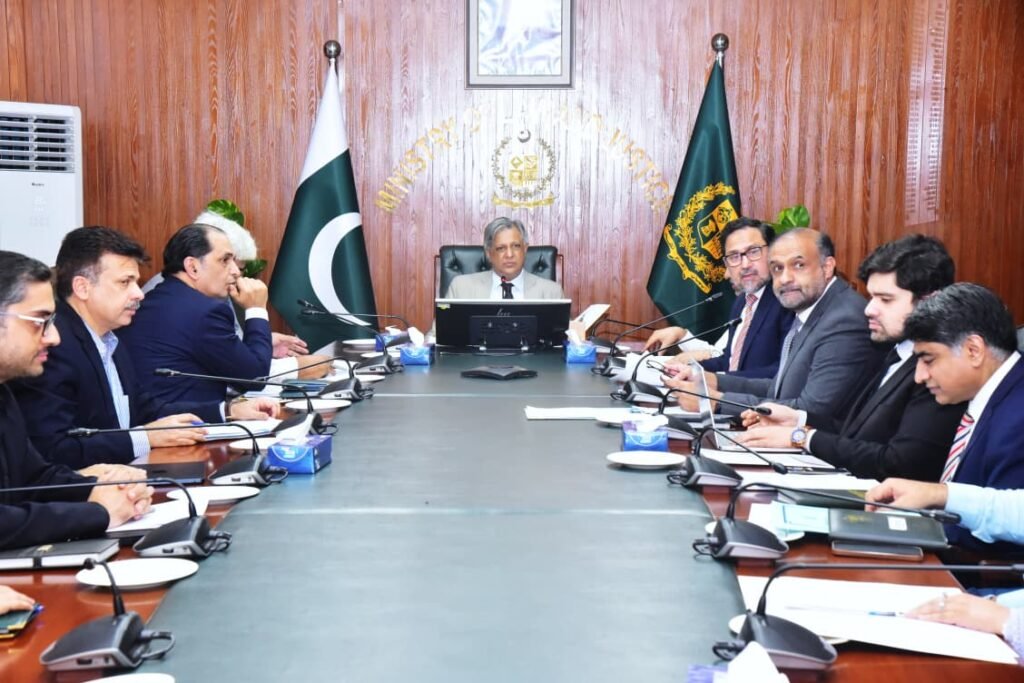
RAWALPINDI — Parliamentary Secretary Barrister Danyal Chaudhry, Senior Provincial Minister Maryam Aurangzeb, and Member of National Assembly (MNA) Tahira Aurangzeb attended the inauguration of the Azad Jammu and Kashmir (AJK) election office in Rawalpindi on Thursday. The event marks a significant step in facilitating electoral processes for the AJK community residing in the region. What Happened The inauguration ceremony was held at the newly established AJK election office in Rawalpindi, aimed at providing better electoral services to the AJK residents living in the area. Parliamentary Secretary Barrister Danyal Chaudhry, Senior Provincial Minister Maryam Aurangzeb, and MNA Tahira Aurangzeb were present to officially open the office. The officials emphasized the importance of accessible electoral services for the AJK population in Rawalpindi and surrounding areas. During the event, Barrister Danyal Chaudhry highlighted the government’s commitment to ensuring that all citizens have the opportunity to participate in the democratic process. He stated, “This office will serve as a crucial point for AJK residents to engage with the electoral process, ensuring their voices are heard in the upcoming elections.” Senior Provincial Minister Maryam Aurangzeb echoed these sentiments, noting that the establishment of the office is a testament to the government’s dedication to democratic principles. “We are committed to providing all necessary facilities to our citizens, ensuring that the electoral process is smooth and accessible for everyone,” she said. MNA Tahira Aurangzeb also addressed the attendees, stressing the importance of voter registration and participation. She urged the AJK community to take full advantage of the new office to ensure their participation in future elections. Background The establishment of the AJK election office in Rawalpindi comes amidst ongoing efforts to enhance electoral infrastructure across Pakistan. Historically, AJK residents living outside their home region have faced challenges in accessing electoral services. The new office aims to alleviate these issues by providing a local point for voter registration and other electoral services. In recent years, the government has made strides in improving electoral processes, including the introduction of technology in voting and the establishment of more accessible polling stations. These efforts are part of a broader initiative to strengthen democratic institutions and ensure fair and transparent elections. Why It Matters The inauguration of the AJK election office in Rawalpindi is significant for several reasons. Firstly, it underscores the government’s commitment to inclusivity in the electoral process, ensuring that all citizens, regardless of their location, have the means to participate in elections. This move is particularly important for the AJK community, which has historically been underrepresented in electoral participation due to logistical challenges. Economically, the new office is expected to streamline the electoral process for AJK residents in Rawalpindi, reducing the time and resources required for voter registration and participation. This can lead to increased voter turnout, thereby strengthening democratic engagement within the community. Politically, the establishment of the office reflects the government’s broader strategy to enhance democratic infrastructure and transparency. By making electoral services more accessible, the government aims to foster greater trust in the electoral system, which is crucial for maintaining political stability and public confidence. On an international level, such initiatives demonstrate Pakistan’s commitment to upholding democratic values and improving its electoral processes, which can enhance the country’s image as a democratic nation committed to fair and transparent governance. Key Takeaways The AJK election office was inaugurated in Rawalpindi to facilitate electoral services for AJK residents. Key officials, including Barrister Danyal Chaudhry and Maryam Aurangzeb, emphasized the importance of accessible electoral services. The office is part of broader efforts to improve electoral infrastructure in Pakistan. The initiative aims to increase voter participation and strengthen democratic engagement. Improved electoral access reflects the government’s commitment to democratic principles and transparency. Source Attribution This article is based on official government statements, press releases, and public communications from relevant authorities. Author: NEN Editorial Desk | Editor: NEN Newsroom | Fact Checked By: NEN Editorial Team Author: NEN Editorial Desk  |  Editor: NEN Newsroom  |  Last Updated: July 18, 2026  |  Source: Press Release from Government of Pakistan This article was produced by the NEN Editorial Desk in accordance with NEN Agency’s Editorial Policy and Fact-Checking Policy.

Pakistan

Rupee Sees Marginal Gain Against US Dollar in Interbank Market

ISLAMABAD — The Pakistani Rupee experienced a slight appreciation against the US Dollar on Friday, closing at Rs 277.96 in the interbank market, a gain of 01 paisa from the previous day’s rate of Rs 277.97. This minor fluctuation reflects ongoing currency volatility amid Pakistan’s broader economic challenges. What Happened The Rupee’s marginal gain against the US Dollar was recorded during interbank trading, according to the Forex Association of Pakistan (FAP). The buying and selling rates of the dollar in the open market were reported at Rs 278.95 and Rs 279.15, respectively. This indicates a stable yet cautious market environment where minor adjustments are observed due to various economic factors. In addition to the US Dollar, other currencies also saw changes in their exchange rates against the Rupee. The Euro decreased by Rs 0.70, closing at Rs 317.98 compared to the previous day’s Rs 318.68, as reported by the State Bank of Pakistan (SBP). Meanwhile, the Japanese Yen remained stable at Rs 1.71, and the British Pound saw a decrease of Rs 1.95, ending the day at Rs 373.96 from Rs 375.91. The Emirate Dirham experienced a slight decline of 01 paisa, closing at Rs 75.67, while the Saudi Riyal remained unchanged at Rs 74.01. These fluctuations reflect the ongoing adjustments in the foreign exchange market, influenced by both domestic and international economic developments. Background The Pakistani Rupee has been under significant pressure due to a combination of domestic economic challenges and global financial trends. Historically, the Rupee’s value has been impacted by factors such as inflation, fiscal deficits, and external debt obligations. The recent fluctuations are part of a broader trend where the currency has experienced both depreciation and occasional appreciation in response to market dynamics and policy measures. Pakistan’s economy has been navigating through a challenging period marked by high inflation rates, fiscal imbalances, and the need for structural reforms. The government has been engaged in negotiations with international financial institutions to secure support and stabilize the economy. These efforts include measures to enhance foreign exchange reserves and manage the balance of payments. Why It Matters The Rupee’s exchange rate is a critical indicator of Pakistan’s economic health and has direct implications for the country’s import and export sectors. A stable or appreciating Rupee can help reduce the cost of imports, thereby easing inflationary pressures on essential goods and services. Conversely, a depreciating Rupee can increase the cost of imports, leading to higher inflation and a potential increase in the cost of living for citizens. For businesses involved in international trade, currency stability is crucial for planning and forecasting. Fluctuations in the exchange rate can affect profit margins, pricing strategies, and overall competitiveness in the global market. Therefore, even minor changes in the Rupee’s value are closely monitored by businesses and policymakers alike. On a broader scale, the Rupee’s performance is a reflection of investor confidence in Pakistan’s economic policies and stability. A stable currency can attract foreign investment, which is essential for economic growth and development. As Pakistan continues to address its economic challenges, maintaining currency stability remains a priority for the government and financial authorities. Key Takeaways The Pakistani Rupee appreciated by 01 paisa against the US Dollar, closing at Rs 277.96 in the interbank market. The Euro and British Pound saw decreases against the Rupee, while the Japanese Yen remained stable. The Emirate Dirham experienced a slight decline, and the Saudi Riyal remained unchanged. The Rupee’s performance is crucial for managing inflation and attracting foreign investment. Currency stability is vital for businesses involved in international trade and economic planning. Source Attribution This article is based on official government statements, press releases, and public communications from relevant authorities. Author: NEN Editorial Desk | Editor: NEN Newsroom | Fact Checked By: NEN Editorial Team Author: NEN Editorial Desk  |  Editor: NEN Newsroom  |  Last Updated: July 18, 2026  |  Source: NEN Reporter This article was produced by the NEN Editorial Desk in accordance with NEN Agency’s Editorial Policy and Fact-Checking Policy.

Pakistan

Interior Minister Orders Upgrade After Emergency Service’s Successful Test

ISLAMABAD — The Capital Emergency Service demonstrated its rapid response capabilities during a late-night mock fire incident, prompting the Interior Minister to order significant upgrades to the service. The exercise, conducted on Tuesday night, saw fire brigade and ambulance teams arrive at the designated location within eight minutes of receiving the alert. What Happened The late-night drill was designed to test the efficiency and readiness of the Capital Emergency Service in responding to urgent situations. As part of the exercise, a simulated fire scenario was created in a central location in Islamabad. Upon receiving the alert, the emergency teams, comprising fire brigades and ambulances, were dispatched immediately. They managed to reach the scene within eight minutes, showcasing their preparedness and coordination. Interior Minister Rana Sanaullah, who oversaw the exercise, expressed satisfaction with the performance of the emergency teams. He acknowledged the importance of such drills in ensuring public safety and underscored the need for continuous improvement. “The swift response time is commendable, but we must strive to enhance our capabilities further,” he stated. Following the successful test, the Interior Minister announced plans for a major upgrade to the Capital Emergency Service. This upgrade will focus on modernizing equipment, enhancing training programs, and improving communication systems to ensure even faster and more efficient responses in the future. Background The Capital Emergency Service, established to provide rapid response to emergencies in Islamabad, has been operational for several years. It plays a crucial role in managing crises, including fires, medical emergencies, and natural disasters. Over the years, the service has undergone various enhancements to improve its operational efficiency. Historically, emergency response times have been a critical issue in Pakistan, with delays often leading to increased casualties and damage. The government has been working to address these challenges through investments in infrastructure and training. The recent drill is part of a broader strategy to ensure that emergency services are well-equipped to handle any situation effectively. Why It Matters The successful execution of the late-night drill holds significant implications for public safety in Islamabad. Rapid response times are essential in minimizing the impact of emergencies, and the drill’s outcome demonstrates the Capital Emergency Service’s capability to meet these demands. The Interior Minister’s decision to upgrade the service further underscores the government’s commitment to enhancing public safety measures. From an economic perspective, efficient emergency services can reduce the financial impact of disasters by limiting damage and facilitating quicker recovery. This is particularly important in urban centers like Islamabad, where infrastructure and population density increase the potential for significant losses in emergency situations. On a social level, the improvements to the Capital Emergency Service can enhance public confidence in the government’s ability to protect its citizens. In a country where emergency response has historically been a challenge, visible improvements can foster a sense of security and trust among the populace. Internationally, Pakistan’s efforts to modernize its emergency services align with global best practices, potentially attracting foreign investment and collaboration in the sector. By demonstrating a commitment to public safety, Pakistan can enhance its reputation on the global stage. Key Takeaways The Capital Emergency Service successfully completed a late-night drill, reaching the incident site within eight minutes. Interior Minister Rana Sanaullah has ordered a major upgrade to the service following the successful test. The upgrade will focus on modernizing equipment, training, and communication systems. Efficient emergency services are crucial for minimizing the impact of disasters and enhancing public safety. Pakistan’s efforts to improve emergency response align with global standards, potentially boosting its international reputation. Source Attribution This article is based on official government statements and public communications from relevant authorities. Author: NEN Editorial Desk | Editor: NEN Newsroom | Fact Checked By: NEN Editorial Team Author: NEN Editorial Desk  |  Editor: NEN Newsroom  |  Last Updated: July 18, 2026  |  Source: Press Release from Government of Pakistan This article was produced by the NEN Editorial Desk in accordance with NEN Agency’s Editorial Policy and Fact-Checking Policy.

Scroll to Top