
Author name: NEN News

Pakistan

Over 340,000 Register Online for Hajj 2027–2030 in Pakistan

ISLAMABAD — The Ministry of Religious Affairs has announced that online registrations for Hajj 2027–2030 have exceeded 340,000, marking a significant engagement from Pakistani pilgrims. As of July 18, 246,000 applicants have registered under the government Hajj scheme, while 94,000 have opted for the private scheme. What Happened The registration process for Hajj 2027–2030 is currently underway, and the Ministry of Religious Affairs has reported a substantial number of online registrations. The spokesperson for the ministry confirmed that a total of 340,000 individuals have already registered to perform Hajj during the specified years. Of these, 246,000 have chosen the government-managed scheme, which is traditionally subsidized and often preferred for its affordability. Meanwhile, 94,000 applicants have registered through private tour operators, who offer more personalized services. The ministry has facilitated the online registration process to ensure ease and accessibility for all intending pilgrims. This digital approach is part of a broader initiative to streamline Hajj preparations and accommodate the growing number of applicants. The spokesperson emphasized that the online system is designed to handle a large volume of applications efficiently, thus reducing the need for physical paperwork and long queues at registration centers. Applicants are required to submit their personal details, including their national identity card numbers and other relevant documents, through the official Hajj portal. The ministry has also provided guidelines and support to assist applicants in completing the registration process smoothly. The deadline for registration has not yet been announced, but the ministry is encouraging early submissions to ensure all applicants are accommodated. Background Hajj is one of the five pillars of Islam, and every Muslim with the financial and physical means is required to perform it at least once in their lifetime. The government of Pakistan, through the Ministry of Religious Affairs, manages the Hajj operations for Pakistani pilgrims. Historically, the government has offered a subsidized Hajj package to make the pilgrimage more accessible to the general population. In recent years, the government has increasingly utilized technology to facilitate the Hajj registration process. This shift to online registrations aims to improve efficiency and transparency, reducing the chances of errors and fraud. The introduction of digital platforms is part of a larger governmental effort to digitize public services across the country. Why It Matters The significant number of registrations for Hajj 2027–2030 underscores the importance of this religious duty for Pakistani Muslims. The high level of participation reflects the strong religious sentiment and commitment among the population. This also indicates the effectiveness of the government’s digital initiatives in making the registration process more accessible. The move towards online registration is crucial in the context of Pakistan’s broader digital transformation goals. By leveraging technology, the Ministry of Religious Affairs is setting a precedent for other governmental departments to follow. This not only enhances efficiency but also aligns with global trends towards digital governance. Economically, the Hajj pilgrimage is a substantial contributor to the Saudi economy, and Pakistan’s participation plays a vital role in this. The large number of Pakistani pilgrims also highlights the economic impact on local businesses involved in travel, accommodation, and related services. Furthermore, the digital registration process reduces administrative costs and allows the government to allocate resources more effectively. Key Takeaways Over 340,000 Pakistanis have registered online for Hajj 2027–2030. 246,000 applicants opted for the government Hajj scheme, while 94,000 chose private operators. The online registration system aims to streamline the process and improve accessibility. This initiative is part of Pakistan’s broader digital transformation efforts. The high registration numbers reflect strong religious commitment and economic impact. Source Attribution This article is based on official government statements, press releases, and public communications from relevant authorities. Author: NEN Editorial Desk | Editor: NEN Newsroom | Fact Checked By: NEN Editorial Team Author: NEN Editorial Desk  |  Editor: NEN Newsroom  |  Last Updated: July 18, 2026  |  Source: NEN Reporter This article was produced by the NEN Editorial Desk in accordance with NEN Agency’s Editorial Policy and Fact-Checking Policy.


World

Usama Butt Secures Bronze at ARA Festival Mas-Wrestling in Mongolia

LAHORE — Usama Butt, a promising Mas-Wrestling athlete from Gujranwala, Pakistan, has added to his accolades by clinching a bronze medal at the ARA Festival Mas-Wrestling Championship in Mongolia. The event, which concluded on July 17, saw Butt competing against some of the world’s elite Mas-Wrestlers, including top-ranked competitors from Russia and the host nation, Mongolia. What Happened Usama Butt’s performance at the ARA Festival was a testament to his skill and determination. The championship, held annually, attracts top Mas-Wrestlers from around the globe. This year, the competition was particularly fierce, with athletes from more than 20 countries participating. Butt’s journey to the podium was marked by intense matches, where he showcased his strength and strategic prowess. In the preliminary rounds, Butt faced off against competitors from Kazakhstan and Uzbekistan, securing victories that propelled him into the semi-finals. Although he narrowly missed advancing to the finals after a closely contested match against a Russian athlete, Butt’s efforts earned him a well-deserved bronze medal. “It was a challenging competition, and I am proud to have represented Pakistan and secured a medal,” Butt stated. The ARA Festival is renowned for its high level of competition, and Butt’s achievement is a significant milestone in his career. His success not only highlights his personal dedication but also brings attention to the sport of Mas-Wrestling in Pakistan, which is gradually gaining popularity. Background Mas-Wrestling, a traditional sport originating from Yakutia, Russia, involves two competitors pulling on a stick while sitting opposite each other, with the goal of overpowering the opponent. It is a test of strength, technique, and endurance. The sport has gained international recognition and is now practiced in various countries, including Pakistan. Usama Butt has been a prominent figure in Pakistan’s Mas-Wrestling scene. He has previously competed in international tournaments, earning accolades and establishing himself as a formidable competitor. The ARA Festival, held in Mongolia, is one of the premier events in the Mas-Wrestling calendar, attracting top athletes and providing a platform for showcasing talent on a global stage. Why It Matters Usama Butt’s achievement at the ARA Festival holds significant implications for the sport and for Pakistan. Firstly, it underscores the growing talent pool in Pakistan’s Mas-Wrestling community, which has been steadily developing over recent years. Butt’s success serves as an inspiration for aspiring athletes in the country, highlighting the potential for international recognition in this niche sport. Economically, such achievements can lead to increased investment and support for Mas-Wrestling in Pakistan. With more athletes gaining international exposure, there is potential for enhanced sponsorship opportunities and funding, which can further develop the sport at the grassroots level. This, in turn, can contribute to the broader sports culture in Pakistan, encouraging youth participation and diversification of sports. On an international level, Butt’s success at the ARA Festival places Pakistan on the map in the Mas-Wrestling community. It fosters international sports relations and opens avenues for future collaborations and exchanges. Such achievements can also enhance Pakistan’s reputation in the global sports arena, showcasing the country’s diverse athletic talent. Key Takeaways Usama Butt won a bronze medal at the ARA Festival Mas-Wrestling Championship in Mongolia. The competition featured athletes from over 20 countries, including top-ranked wrestlers from Russia and Mongolia. Butt’s success highlights the growing prominence of Mas-Wrestling in Pakistan. The achievement could lead to increased investment and support for the sport in Pakistan. Butt’s performance enhances Pakistan’s reputation in the international sports community. Source Attribution This article is based on official government statements, press releases, and public communications from relevant authorities. Author: NEN Editorial Desk | Editor: NEN Newsroom | Fact Checked By: NEN Editorial Team Author: NEN Editorial Desk  |  Editor: NEN Newsroom  |  Last Updated: July 18, 2026  |  Source: NEN Reporter This article was produced by the NEN Editorial Desk in accordance with NEN Agency’s Editorial Policy and Fact-Checking Policy.
Pakistan

PSIC and SCCI Collaborate on New Industrial Estates in Sialkot

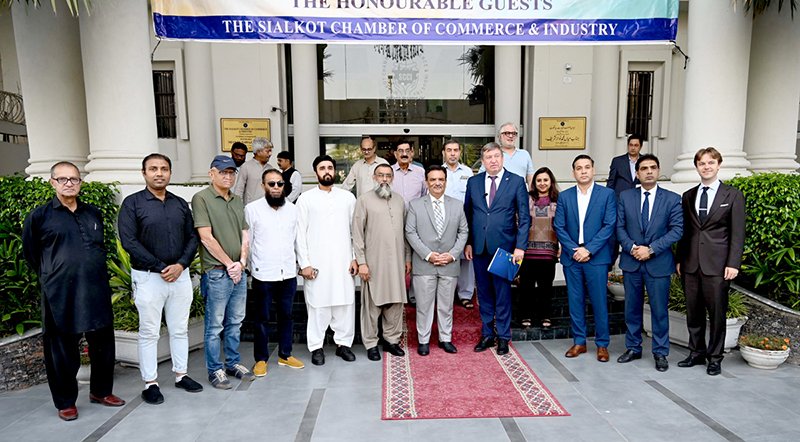
ISLAMABAD — The Punjab Small Industries Corporation (PSIC) and the Sialkot Chamber of Commerce & Industry (SCCI) have engaged in discussions to establish new small industrial estates in Sialkot. The meeting, held on Tuesday, was led by PSIC Regional Director Umar Nawaz and SCCI President Syed Ahtesham Mazhar, focusing on initiatives to bolster industrial development in the region. What Happened The PSIC delegation, under the leadership of Regional Director Umar Nawaz, visited the Sialkot Chamber of Commerce & Industry to explore collaborative efforts in developing new small industrial estates. The discussions were centered around identifying potential sites for these estates and assessing the infrastructure needs to support small and medium enterprises (SMEs) in the area. According to Umar Nawaz, the establishment of new industrial estates is crucial for enhancing the industrial landscape of Sialkot, a city known for its export-oriented industries, particularly in sports goods and surgical instruments. “We are committed to providing the necessary support and infrastructure to facilitate the growth of SMEs,” Nawaz stated during the meeting. SCCI President Syed Ahtesham Mazhar emphasized the importance of these developments for local businesses. He noted that the new estates would not only provide much-needed space for expanding businesses but also create employment opportunities and contribute to the economic growth of the region. “This collaboration with PSIC is a step forward in making Sialkot a hub of industrial activity,” Mazhar remarked. Background The Punjab Small Industries Corporation is a government body responsible for promoting and facilitating the growth of small industries in Punjab. It provides various services, including financial assistance, technical support, and infrastructure development, to enhance the competitiveness of small industries. Sialkot, located in the northeastern part of Punjab, is renowned for its manufacturing prowess, particularly in producing sports goods, leather products, and surgical instruments. The city has a long history of entrepreneurial spirit and has been a significant contributor to Pakistan’s export economy. In recent years, there has been a growing demand for industrial space in Sialkot, driven by the expansion of existing businesses and the establishment of new enterprises. The development of new industrial estates is seen as a strategic move to accommodate this demand and support the region’s economic development. Why It Matters The establishment of new industrial estates in Sialkot holds significant economic implications for the region and the country. By providing dedicated spaces for SMEs, these estates are expected to enhance productivity, foster innovation, and increase exports. This, in turn, could lead to a more robust industrial sector, contributing to national economic growth. From a social perspective, the development of these estates is likely to generate employment opportunities, reducing unemployment rates in the region. As businesses expand and new enterprises are established, the demand for skilled and unskilled labor will rise, benefiting the local workforce. Politically, the collaboration between PSIC and SCCI reflects a proactive approach by the government and industry leaders to address the infrastructural needs of the industrial sector. This partnership is crucial for ensuring that the policies and initiatives align with the needs of the business community, thereby enhancing public-private cooperation. Internationally, the growth of Sialkot’s industrial capacity could strengthen Pakistan’s position in global markets, particularly in sectors where the city already has a competitive edge. By increasing production capabilities, Sialkot can potentially capture a larger share of international trade, boosting foreign exchange earnings. Key Takeaways PSIC and SCCI are collaborating to establish new small industrial estates in Sialkot. The initiative aims to support SMEs by providing necessary infrastructure and space. Sialkot is known for its export-oriented industries, particularly in sports goods and surgical instruments. The development is expected to create employment opportunities and enhance economic growth. This collaboration reflects a strategic public-private partnership to boost industrial development. Source Attribution This article is based on official government statements, press releases, and public communications from relevant authorities. Author: NEN Editorial Desk | Editor: NEN Newsroom | Fact Checked By: NEN Editorial Team Author: NEN Editorial Desk  |  Editor: NEN Newsroom  |  Last Updated: July 18, 2026  |  Source: NEN Reporter This article was produced by the NEN Editorial Desk in accordance with NEN Agency’s Editorial Policy and Fact-Checking Policy.

Pakistan

Gold Prices Surge by Rs2,400 Per Tola in Pakistan

ISLAMABAD — Gold prices in Pakistan experienced a significant increase on Saturday, with 24-karat gold rising by Rs2,400 per tola, according to the All Pakistan Sarafa Gems and Jewellers Association. This adjustment brings the price to Rs 424,236 per tola, reflecting ongoing fluctuations in the precious metals market. What Happened The local gold market saw a notable rise in prices as the rate for 24-karat gold increased by Rs2,400 per tola, reaching Rs 424,236. This change was reported by the All Pakistan Sarafa Gems and Jewellers Association, which regularly issues updates on precious metal prices in the country. The increase is attributed to various factors, including international market trends and local demand dynamics. Gold prices are often influenced by global market conditions, including changes in the US dollar’s value, international demand, and geopolitical tensions. In recent weeks, international gold prices have shown volatility, impacting local markets as well. The rise in local prices aligns with a broader trend of increasing gold prices globally, driven by economic uncertainties and fluctuating currency values. Jewelers and investors in Pakistan closely monitor these price changes, as gold remains a preferred investment and savings vehicle for many. The increase in gold prices can impact consumer behavior, particularly in the jewelry sector, where gold is a staple for weddings and other cultural events. Background Historically, gold has been a significant part of Pakistan’s economy, both as a cultural symbol and a financial asset. The country’s gold market is heavily influenced by international trends, given that Pakistan imports most of its gold. The All Pakistan Sarafa Gems and Jewellers Association plays a crucial role in setting and announcing daily gold prices, which are followed by jewelers across the nation. Over the past few years, gold prices have shown a steady increase, partly due to economic uncertainties exacerbated by the COVID-19 pandemic. As a safe-haven asset, gold tends to attract investors during times of economic instability, leading to price increases. The local market also responds to changes in the international gold market, where prices are affected by factors such as interest rates, inflation, and geopolitical events. Why It Matters The rise in gold prices holds significant implications for Pakistan’s economy and its citizens. For consumers, especially those planning weddings or other significant life events, higher gold prices can increase the cost of jewelry, a traditional and cultural necessity. This can lead to a shift in consumer spending patterns, potentially affecting the broader retail market. Economically, the increase in gold prices can impact inflation rates, as gold is a component of the consumer price index. Higher gold prices can contribute to overall inflation, affecting purchasing power and economic stability. For investors, the rise in gold prices may offer an opportunity for profit, as gold is often seen as a hedge against inflation and currency devaluation. On an international level, the fluctuation in gold prices can affect Pakistan’s trade balance, as the country imports a significant amount of gold. An increase in prices could lead to a higher import bill, impacting foreign exchange reserves and the overall economic outlook. Key Takeaways Gold prices in Pakistan rose by Rs2,400 per tola, reaching Rs 424,236. The increase is influenced by global market trends and local demand. Higher gold prices can affect consumer spending, particularly in the jewelry sector. Economic implications include potential impacts on inflation and trade balance. Gold remains a key investment and cultural asset in Pakistan. Source Attribution This article is based on official statements and public communications from the All Pakistan Sarafa Gems and Jewellers Association. Author: NEN Editorial Desk | Editor: NEN Newsroom | Fact Checked By: NEN Editorial Team Author: NEN Editorial Desk  |  Editor: NEN Newsroom  |  Last Updated: July 18, 2026  |  Source: NEN Reporter This article was produced by the NEN Editorial Desk in accordance with NEN Agency’s Editorial Policy and Fact-Checking Policy.

Pakistan

AI and IT Exports Crucial for Pakistan’s Economic Growth: Ahsan Iqbal

LAHORE — Federal Minister for Planning, Development and Special Initiatives Ahsan Iqbal emphasized on Saturday that Artificial Intelligence (AI) and Information Technology (IT) exports are pivotal for Pakistan’s economic future. Speaking at a conference in Lahore, he highlighted the potential of these sectors to drive economic growth without the need for large-scale industrial infrastructure. What Happened During his address, Minister Ahsan Iqbal underscored the transformative potential of AI and IT exports for Pakistan’s economy. He noted that the success in these sectors does not hinge on substantial physical infrastructure or heavy capital investments. Instead, it relies on the country’s pool of talented individuals, their knowledge, and innovative capabilities. “Our youth have the potential to lead the world in technology and innovation,” he stated, urging the government and private sector to invest in nurturing this talent. Iqbal pointed out that Pakistan’s current economic challenges could be alleviated through strategic investments in the IT sector. He called for a focus on enhancing the digital skills of the workforce to meet global standards, thereby increasing the country’s competitiveness in the international market. The minister also highlighted the importance of creating a conducive environment for startups and tech companies to flourish. The minister’s remarks come at a time when Pakistan is striving to boost its exports and reduce its trade deficit. The IT sector, with its relatively low entry barriers and high potential returns, is seen as a promising avenue for achieving these goals. Background Pakistan’s IT sector has been growing steadily over the past decade, contributing significantly to the country’s GDP. The government has implemented various initiatives to bolster this growth, including tax incentives for IT companies and the establishment of technology parks. Despite these efforts, the sector still faces challenges such as inadequate infrastructure, limited access to capital, and a shortage of skilled professionals. Historically, Pakistan’s economy has been heavily reliant on agriculture and textiles. However, with the global shift towards digital economies, there is a growing recognition of the need to diversify and strengthen the IT sector. Previous government efforts have included the Digital Pakistan initiative, which aims to improve internet connectivity and digital literacy across the country. Why It Matters The emphasis on AI and IT exports is crucial for several reasons. Economically, these sectors offer a pathway to diversify Pakistan’s export portfolio, which has traditionally been dominated by textiles. By tapping into the global IT market, Pakistan can increase its foreign exchange earnings and reduce its trade deficit. Socially, the development of the IT sector can lead to job creation and skill development, particularly among the youth. With a significant portion of Pakistan’s population under the age of 30, there is a pressing need to provide employment opportunities that align with global technological trends. Enhancing digital literacy and skills can empower young Pakistanis to compete in the global job market. On an international level, strengthening the IT sector can improve Pakistan’s standing as a competitive player in the global economy. By exporting technology and innovation, Pakistan can build stronger economic ties with other countries and attract foreign investment. Key Takeaways AI and IT exports are seen as key drivers for Pakistan’s economic growth. Minister Ahsan Iqbal emphasized the potential of the IT sector to overcome economic challenges. Investment in digital skills and infrastructure is crucial for enhancing competitiveness. Developing the IT sector can diversify Pakistan’s export portfolio and create jobs. Strengthening the IT sector can improve Pakistan’s international economic standing. Source Attribution This article is based on official statements and public communications from relevant authorities. Author: NEN Editorial Desk | Editor: NEN Newsroom | Fact Checked By: NEN Editorial Team Author: NEN Editorial Desk  |  Editor: NEN Newsroom  |  Last Updated: July 18, 2026  |  Source: NEN Reporter This article was produced by the NEN Editorial Desk in accordance with NEN Agency’s Editorial Policy and Fact-Checking Policy.
Pakistan

Punjab Health Minister Oversees Key Decisions at Fatima Jinnah Medical University

LAHORE — Punjab Health Minister Khawaja Salman Rafique presided over the 44th Syndicate Meeting of Fatima Jinnah Medical University (FJMU) on Saturday, where pivotal administrative, academic, and financial decisions were made to enhance the university’s operations and affiliated healthcare institutions. What Happened The meeting, held at the university’s campus, focused on several critical areas aimed at bolstering the institution’s effectiveness and service delivery. During the session, the syndicate ratified the decisions made in the previous 43rd meeting, ensuring continuity and progress in the university’s strategic plans. Among the approved measures were enhancements to the university’s academic programs, improvements in administrative procedures, and financial strategies to support these initiatives. Health Minister Khawaja Salman Rafique emphasized the importance of these decisions, stating, “The steps we are taking today will significantly impact the quality of education and healthcare services provided by Fatima Jinnah Medical University and its affiliates.” The meeting also addressed ongoing projects and discussed new proposals to further develop the university’s infrastructure and educational offerings. Additionally, the syndicate reviewed reports on the university’s current performance metrics, identifying areas for improvement and setting targets for the upcoming academic year. The focus was not only on academic excellence but also on expanding research capabilities and fostering partnerships with other medical institutions both nationally and internationally. Background Fatima Jinnah Medical University, established in 1948, has been a cornerstone of medical education in Pakistan. Named after Fatima Jinnah, the sister of Pakistan’s founding father Muhammad Ali Jinnah, the university has a rich history of producing skilled medical professionals. The institution is affiliated with several hospitals, including Sir Ganga Ram Hospital, which serves as a primary teaching hospital. The syndicate, a governing body of the university, plays a crucial role in shaping the institution’s policies and strategic direction. Regular meetings are held to assess progress, approve new initiatives, and address challenges faced by the university and its affiliated institutions. Why It Matters The decisions made during the 44th Syndicate Meeting are significant for several reasons. Firstly, they demonstrate a commitment to improving the quality of medical education in Pakistan, which is essential for addressing the country’s healthcare challenges. By enhancing academic programs and research capabilities, FJMU aims to produce graduates who are well-equipped to meet the demands of the healthcare sector. Economically, the improvements in administrative and financial strategies are expected to optimize resource allocation, ensuring that funds are used effectively to support educational and healthcare initiatives. This is particularly important in a country where healthcare resources are often limited, and efficient management can lead to better outcomes for patients and students alike. Politically, the active involvement of the Punjab Health Minister underscores the government’s commitment to strengthening public health institutions. This involvement can foster confidence among stakeholders, including students, faculty, and the general public, in the government’s ability to support and enhance educational and healthcare services. On an international level, the university’s efforts to expand partnerships with other medical institutions highlight Pakistan’s desire to engage with the global medical community. These collaborations can lead to knowledge exchange, joint research projects, and increased opportunities for students and faculty. Key Takeaways Punjab Health Minister Khawaja Salman Rafique chaired the 44th Syndicate Meeting of FJMU. Key administrative, academic, and financial decisions were approved to enhance the university. The meeting ratified decisions from the previous syndicate meeting to ensure continuity. Focus areas included academic program enhancements and research capability expansion. The meeting reflects the government’s commitment to improving medical education in Pakistan. Source Attribution This article is based on official government statements, press releases, and public communications from relevant authorities. Author: NEN Editorial Desk | Editor: NEN Newsroom | Fact Checked By: NEN Editorial Team Author: NEN Editorial Desk  |  Editor: NEN Newsroom  |  Last Updated: July 18, 2026  |  Source: Press Release from Government of Pakistan This article was produced by the NEN Editorial Desk in accordance with NEN Agency’s Editorial Policy and Fact-Checking Policy.
Pakistan

NDMA Warns of Floods and Landslides Across Pakistan from July 18 to 23

ISLAMABAD — The National Disaster Management Authority (NDMA) has issued a nationwide alert warning of potential flash floods, urban flooding, and landslides across various regions of Pakistan from July 18 to 23. The advisory covers areas including Gilgit-Baltistan, Khyber Pakhtunkhwa, Azad Jammu and Kashmir, Punjab, Islamabad, and northeastern Balochistan. What Happened The NDMA’s alert comes as a precautionary measure in response to anticipated heavy rainfall and adverse weather conditions forecasted for the coming days. According to the authority, the expected weather patterns could lead to significant flooding and landslides, particularly in mountainous and urban areas prone to such events. The NDMA has advised residents in the affected regions to remain vigilant and take necessary precautions to safeguard their lives and property. Citizens are urged to avoid unnecessary travel, especially in areas known for landslides and flash floods. The authority has also emphasized the importance of adhering to local advisories and instructions issued by relevant authorities to ensure public safety. In a statement, the NDMA highlighted the potential risks associated with the forecasted weather conditions, stating, “Citizens are advised to stay informed about the weather updates and follow the instructions of local authorities. Avoiding travel during heavy rainfall and staying away from water bodies is crucial.” Emergency services and local disaster management teams have been put on high alert to respond swiftly to any incidents that may arise due to the adverse weather conditions. The NDMA is coordinating with provincial disaster management authorities to ensure preparedness and effective response strategies are in place. Background Pakistan is no stranger to natural disasters, with floods and landslides being common occurrences during the monsoon season. The country’s diverse topography, ranging from mountainous regions to urban centers, makes it particularly vulnerable to such events. In recent years, climate change has exacerbated the frequency and intensity of these disasters, posing significant challenges to disaster management efforts. The NDMA, established in 2007, plays a crucial role in coordinating disaster response and mitigation efforts across the country. The authority works in collaboration with provincial disaster management authorities and other relevant agencies to enhance Pakistan’s resilience to natural disasters. Why It Matters The issuance of a nationwide alert by the NDMA underscores the potential severity of the upcoming weather conditions and their impact on millions of people across Pakistan. Floods and landslides not only pose immediate threats to life and property but also have long-term socio-economic implications. In rural areas, floods can devastate agricultural lands, leading to food shortages and economic hardships for farming communities. Urban flooding, on the other hand, can disrupt daily life, damage infrastructure, and strain public services. The economic cost of such disasters is significant, with recovery and rehabilitation efforts often requiring substantial resources. Furthermore, the alert highlights the importance of effective disaster preparedness and response mechanisms. By issuing timely warnings and coordinating with local authorities, the NDMA aims to minimize the impact of natural disasters and protect vulnerable communities. This proactive approach is critical in mitigating the risks associated with climate change and ensuring the safety and well-being of citizens. Key Takeaways The NDMA has issued a nationwide alert for potential floods and landslides from July 18 to 23. Regions affected include Gilgit-Baltistan, Khyber Pakhtunkhwa, Azad Jammu and Kashmir, Punjab, Islamabad, and northeastern Balochistan. Citizens are advised to avoid unnecessary travel and follow local advisories to ensure safety. Emergency services and local disaster management teams are on high alert to respond to any incidents. The alert highlights the ongoing challenges posed by climate change and the importance of disaster preparedness. Source Attribution This article is based on official government statements, press releases, and public communications from relevant authorities. Author: NEN Editorial Desk | Editor: NEN Newsroom | Fact Checked By: NEN Editorial Team Author: NEN Editorial Desk  |  Editor: NEN Newsroom  |  Last Updated: July 18, 2026  |  Source: NEN Reporter This article was produced by the NEN Editorial Desk in accordance with NEN Agency’s Editorial Policy and Fact-Checking Policy.
Pakistan

Governor Punjab Urges Unity Against Sectarianism and Terrorism

LAHORE — Governor Punjab Sardar Saleem Haider Khan has called for national unity to combat terrorism and sectarianism, emphasizing the need to thwart divisive efforts by anti-state elements. The governor made these remarks during a meeting with a delegation of religious scholars from various schools of thought on July 18. What Happened During a meeting held in Lahore, Governor Sardar Saleem Haider Khan addressed a delegation led by a vice chairman, comprising religious scholars from different sects. The governor highlighted the importance of unity among the nation to effectively counter the threats posed by terrorism and sectarianism. He stated, “Anti-state elements seek to create division and chaos in the country,” underscoring the urgency of a collective response to these challenges. The discussion focused on the role of religious leaders in promoting harmony and understanding among different sects. Governor Khan urged the scholars to use their influence to foster peace and discourage any form of sectarian violence. He emphasized that religious leaders have a critical role in guiding their communities towards tolerance and coexistence. The governor also reiterated the government’s commitment to maintaining peace and security in the province. He assured the delegation that the authorities are vigilant and proactive in addressing any threats to the nation’s stability. The meeting concluded with a consensus on the need for continued dialogue and cooperation among religious communities to sustain peace and harmony. Background Pakistan has a long history of dealing with sectarian violence and terrorism, which have posed significant challenges to its internal security. Sectarianism, often fueled by external influences, has led to tensions and conflicts among different religious communities. Over the years, various governments have implemented policies and measures to curb these issues, including promoting interfaith dialogue and strengthening law enforcement. The country has also faced the threat of terrorism, with numerous attacks targeting civilians, religious sites, and security forces. The government has launched several military operations and intelligence efforts to dismantle terrorist networks and enhance security. Despite these efforts, the persistence of sectarianism and terrorism remains a concern, necessitating ongoing vigilance and unity among the populace. Why It Matters The call for unity by Governor Khan is significant in the context of Pakistan’s ongoing struggle against sectarianism and terrorism. These issues not only threaten the country’s security but also hinder its social and economic development. Sectarian violence disrupts communities, leading to loss of life, displacement, and economic instability. Economically, the instability caused by sectarianism and terrorism can deter investment and hinder growth. Investors are often wary of regions plagued by violence and unrest, which can limit job opportunities and economic progress. Socially, sectarianism fractures communities, creating an environment of distrust and hostility that can take generations to heal. Politically, addressing these issues is crucial for the government to maintain its legitimacy and authority. Public confidence in the government’s ability to ensure safety and security is essential for political stability. Moreover, international perceptions of Pakistan are influenced by its handling of sectarianism and terrorism, affecting diplomatic relations and foreign aid. Key Takeaways Governor Punjab Sardar Saleem Haider Khan emphasized the need for national unity against sectarianism and terrorism. The governor met with religious scholars to discuss promoting harmony and discouraging sectarian violence. Pakistan continues to face challenges from sectarianism and terrorism, impacting its security and development. Unity among religious communities is crucial for maintaining peace and fostering social cohesion. The government’s commitment to combating these issues is vital for ensuring stability and economic progress. Source Attribution This article is based on official government statements and public communications from relevant authorities. Author: NEN Editorial Desk | Editor: NEN Newsroom | Fact Checked By: NEN Editorial Team Author: NEN Editorial Desk  |  Editor: NEN Newsroom  |  Last Updated: July 18, 2026  |  Source: Press Release from Government of Pakistan This article was produced by the NEN Editorial Desk in accordance with NEN Agency’s Editorial Policy and Fact-Checking Policy.

Pakistan

Pakistan’s Technology Exports Reach Record $4.6 Billion in FY26

ISLAMABAD — Pakistan’s technology exports have reached a record high of $4.6 billion in the fiscal year 2025-26, marking a 21% increase from the previous year, according to Adviser to the Finance Minister Khurram Schehzad. The surge is attributed to the country’s expanding digital economy and consistent government policy support. What Happened Adviser to the Finance Minister Khurram Schehzad announced that Pakistan’s technology exports have reached an unprecedented $4.6 billion in the fiscal year 2025-26. This represents a significant 21% increase over the previous fiscal year. The growth is largely credited to the expanding digital economy in Pakistan, which has been bolstered by sustained government policy support aimed at enhancing the country’s technological infrastructure and capabilities. Khurram Schehzad emphasized the importance of the government’s role in facilitating this growth, noting that policy measures have been instrumental in creating a conducive environment for technology businesses to thrive. “The government’s focus on digital transformation and policy support has been pivotal in achieving this milestone,” Schehzad stated. The increase in technology exports is seen as a positive indicator of Pakistan’s potential in the global digital market. The government has been actively promoting initiatives to enhance digital literacy, improve internet accessibility, and support tech startups, which have collectively contributed to this growth. Background Pakistan’s journey towards becoming a significant player in the global technology market has been ongoing for several years. Historically, the country has relied heavily on traditional sectors like textiles and agriculture for its exports. However, in recent years, there has been a strategic shift towards diversifying the economy, with a particular focus on the technology sector. The government’s Digital Pakistan initiative, launched in 2019, laid the groundwork for this transformation. The initiative aimed to enhance connectivity, improve digital infrastructure, and foster innovation in the tech industry. This policy framework has been crucial in setting the stage for the current growth in technology exports. In addition to government efforts, private sector initiatives and foreign investments have also played a role in boosting the technology sector. The establishment of tech incubators and accelerators has provided a platform for startups to grow and innovate, further contributing to the sector’s expansion. Why It Matters The record-breaking increase in technology exports is significant for Pakistan’s economy for several reasons. Economically, it represents a diversification of export revenues, reducing reliance on traditional sectors and contributing to a more balanced economic portfolio. This diversification is crucial for economic stability and growth, particularly in the face of global market fluctuations. Socially, the growth in the technology sector has the potential to create numerous job opportunities, particularly for the youth, who constitute a large portion of Pakistan’s population. As the tech industry expands, it can absorb a significant number of skilled workers, reducing unemployment and fostering economic empowerment. Politically, the success of the technology sector can enhance Pakistan’s standing on the international stage, showcasing the country’s potential as a hub for digital innovation. This can lead to increased foreign investment and partnerships, further fueling economic growth and development. Moreover, the growth in technology exports aligns with global trends towards digitalization, positioning Pakistan as a competitive player in the international tech market. This can open up new markets and opportunities for Pakistani tech companies, contributing to long-term economic sustainability. Key Takeaways Pakistan’s technology exports reached a record $4.6 billion in FY26, a 21% increase from the previous year. The growth is attributed to the expanding digital economy and government policy support. The Digital Pakistan initiative has played a crucial role in fostering this growth. Increased tech exports contribute to economic diversification and job creation. This achievement enhances Pakistan’s international standing and attracts foreign investment. Source Attribution This article is based on official government statements and public communications from relevant authorities. Author: NEN Editorial Desk | Editor: NEN Newsroom | Fact Checked By: NEN Editorial Team Author: NEN Editorial Desk  |  Editor: NEN Newsroom  |  Last Updated: July 18, 2026  |  Source: NEN Reporter This article was produced by the NEN Editorial Desk in accordance with NEN Agency’s Editorial Policy and Fact-Checking Policy.

Pakistan

Punjab Food Authority Seals Warehouse, Destroys 4,730kg Expired Food in Lahore

LAHORE — The Punjab Food Authority (PFA) took decisive action on Saturday by sealing the warehouse of a prominent superstore located on Jia Bagga Road, Lahore. The enforcement teams discovered and destroyed 4,730 kilograms of expired food products, citing serious violations of food safety regulations and unhygienic storage conditions. What Happened The PFA’s enforcement teams, acting on specific directives, conducted a surprise inspection of the superstore’s warehouse. During the inspection, they found a significant quantity of expired food items stored in conditions that did not meet health and safety standards. The items included various perishable goods that posed a potential health risk to consumers. The operation was part of the PFA’s ongoing efforts to ensure food safety and protect public health. According to the PFA Director General, the authority is committed to maintaining strict surveillance of food storage facilities across the province. “We cannot compromise on the health of our citizens. The destruction of these expired items is a necessary step to prevent them from reaching consumers,” he stated. The PFA has been actively inspecting food storage and retail facilities to ensure compliance with food safety regulations. The authority has warned businesses to adhere strictly to these regulations or face severe penalties, including fines and closures. Background The Punjab Food Authority, established under the Punjab Food Authority Act 2011, is responsible for regulating and monitoring the food industry in Punjab. Its mandate includes ensuring the availability of safe and healthy food for consumers. Over the years, the PFA has been involved in numerous operations to crack down on food adulteration and the sale of expired and substandard food products. In recent years, the PFA has intensified its efforts to improve food safety standards across the province. This includes regular inspections, public awareness campaigns, and strict enforcement of food safety laws. The authority’s actions are part of a broader initiative to enhance public health and safety in Pakistan. Why It Matters The sealing of the superstore’s warehouse and the destruction of expired food items is significant for several reasons. Firstly, it underscores the PFA’s commitment to ensuring food safety and protecting public health. By taking such actions, the authority sends a strong message to food businesses about the importance of compliance with safety regulations. Economically, the destruction of nearly five tonnes of expired food products highlights the potential financial losses businesses face if they fail to adhere to food safety standards. This serves as a deterrent to other businesses that might consider compromising on food quality and safety. Socially, the PFA’s actions help build consumer trust in the food supply chain. Consumers are more likely to purchase products from businesses that comply with safety standards, knowing that the food they consume is safe and healthy. This trust is crucial for the overall well-being of the community. On an international level, maintaining high food safety standards is essential for Pakistan’s reputation as a responsible member of the global community. It aligns with international food safety practices and can positively impact trade relations, particularly in the export of food products. Key Takeaways The Punjab Food Authority sealed a superstore’s warehouse in Lahore, destroying 4,730 kilograms of expired food. The operation was conducted due to serious violations of food safety regulations and unhygienic conditions. The PFA is committed to ensuring food safety and protecting public health through strict enforcement. Businesses face significant financial and reputational risks if they fail to comply with food safety standards. Maintaining high food safety standards is crucial for consumer trust and international trade relations. Source Attribution This article is based on official government statements and public communications from relevant authorities. Author: NEN Editorial Desk | Editor: NEN Newsroom | Fact Checked By: NEN Editorial Team Author: NEN Editorial Desk  |  Editor: NEN Newsroom  |  Last Updated: July 18, 2026  |  Source: NEN Reporter This article was produced by the NEN Editorial Desk in accordance with NEN Agency’s Editorial Policy and Fact-Checking Policy.

Scroll to Top