
Author name: NEN News

World

Federal Minister Amir Muqam Campaigns in Azad Jammu & Kashmir

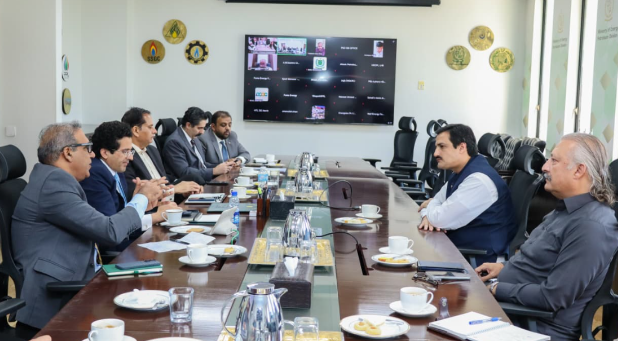
BHIMBER, AJK — Federal Minister for Kashmir Affairs, Gilgit Baltistan, and SAFRON, Engr. Amir Muqam, along with leaders from the Pakistan Muslim League-Nawaz (PML-N) in Azad Jammu & Kashmir (AJK), addressed a public gathering in LA-06, Bhimber, as part of their election campaign efforts. What Happened During a public gathering in Bhimber, Azad Jammu & Kashmir, Federal Minister Amir Muqam, accompanied by PML-N AJK leaders, rallied support for the party’s candidate in the upcoming elections for the LA-06 constituency. The event, held on July 26, 2023, saw a significant turnout of party supporters and local residents. In his address, Minister Muqam emphasized the developmental projects initiated under the PML-N government, highlighting their commitment to the region’s progress. He stated, “The PML-N has always prioritized the development and prosperity of Azad Jammu & Kashmir. Our projects are a testament to our dedication to the people of this region.” The minister also criticized opposition parties, accusing them of failing to deliver on their promises and neglecting the needs of the people. He urged voters to support the PML-N candidate to ensure continued progress and stability in the region. The gathering was part of a broader campaign strategy by the PML-N to consolidate its position in AJK ahead of the elections. Party leaders present at the event echoed Muqam’s sentiments, calling for unity and a strong voter turnout to secure victory. Background Azad Jammu & Kashmir has a unique political and administrative setup, with its own legislative assembly and government. The region’s elections are closely watched, as they reflect the political dynamics and public sentiment in an area that holds significant geopolitical importance. The PML-N has been a dominant political force in AJK, often competing with the Pakistan Peoples Party (PPP) and Pakistan Tehreek-e-Insaf (PTI) for control. The upcoming elections are crucial for the PML-N as they aim to maintain their influence and continue their developmental agenda in the region. Historically, election campaigns in AJK have been intense, with parties focusing on issues like infrastructure development, education, healthcare, and employment opportunities. The region’s strategic location and its role in the broader Kashmir conflict add layers of complexity to its political landscape. Why It Matters The election campaign in Azad Jammu & Kashmir is significant for several reasons. Firstly, it serves as a litmus test for the PML-N’s popularity in the region, particularly after recent political shifts in Pakistan. A strong performance in AJK could bolster the party’s standing nationally. Secondly, the outcome of the elections will impact the region’s development trajectory. With parties promising various projects and initiatives, the elected government will play a crucial role in shaping AJK’s future. The PML-N’s emphasis on development during their campaign underscores the importance of governance in addressing local needs and aspirations. Furthermore, the elections in AJK are often viewed through the lens of the broader Kashmir issue. Political stability and effective governance in the region can influence perceptions and policies related to the Kashmir conflict, both domestically and internationally. Lastly, the elections are a reflection of democratic processes in AJK, showcasing the region’s engagement with political discourse and citizen participation. High voter turnout and active campaigning indicate a vibrant political environment, essential for the region’s democratic health. Key Takeaways Federal Minister Amir Muqam and PML-N leaders campaigned in Bhimber, AJK, for the LA-06 elections. The PML-N emphasized development projects and criticized opposition parties during the gathering. Azad Jammu & Kashmir’s elections are crucial for regional development and political dynamics. The outcome will influence AJK’s governance and its role in the broader Kashmir conflict. The elections reflect democratic engagement and political participation in the region. Source Attribution This article is based on official government statements, press releases, and public communications from relevant authorities. Author: NEN Editorial Desk | Editor: NEN Newsroom | Fact Checked By: NEN Editorial Team Author: NEN Editorial Desk  |  Editor: NEN Newsroom  |  Last Updated: July 19, 2026  |  Source: Press Release from Government of Pakistan This article was produced by the NEN Editorial Desk in accordance with NEN Agency’s Editorial Policy and Fact-Checking Policy.
Pakistan

41st Anniversary of Shaheed Mir Shahnawaz Bhutto Commemorated in Larkana

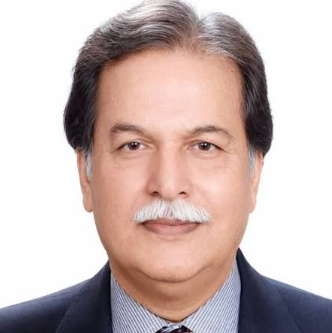
LARKANA — The 41st martyrdom anniversary of Shaheed Mir Shahnawaz Bhutto was solemnly observed at Bhutto House in Naudero on Tuesday. First Lady and Member of the National Assembly Bibi Asifa Bhutto Zardari, along with Shaheed Mir Shahnawaz Bhutto’s daughter, Sassi Bhutto, paid tribute to the late leader, participating in Quran Khawani to honor his memory. What Happened The event, held at the historic Bhutto House, was attended by family members, political figures, and supporters who gathered to remember the contributions of Shaheed Mir Shahnawaz Bhutto. Bibi Asifa Bhutto Zardari, representing the Bhutto family, emphasized the enduring legacy of Shahnawaz Bhutto’s commitment to democracy and social justice. During the ceremony, Quran Khawani was conducted, a traditional Islamic practice of reciting the Quran, to pray for the departed soul. Sassi Bhutto, the daughter of Shahnawaz Bhutto, expressed her gratitude to the attendees and reiterated the importance of her father’s ideals in today’s political landscape. She stated, “My father’s vision for a just and equitable society continues to inspire us all. We must carry forward his mission with dedication and resolve.” The commemoration served as a reminder of the sacrifices made by the Bhutto family in their pursuit of democratic principles in Pakistan. The gathering also provided an opportunity for the attendees to reflect on the current political climate and the challenges faced by the nation. Background Shaheed Mir Shahnawaz Bhutto, the son of former Prime Minister Zulfikar Ali Bhutto, was a prominent figure in Pakistan’s political history. Born into a family deeply entrenched in the country’s political fabric, Shahnawaz Bhutto was known for his activism and commitment to his father’s vision of a democratic Pakistan. Tragically, his life was cut short under mysterious circumstances in 1985 while he was in France, a loss that is still mourned by many in Pakistan. The Bhutto family has been a significant force in Pakistan’s political landscape, with members holding various key positions over the decades. The family’s legacy is marked by both their political achievements and the sacrifices they have made, including the assassinations of Zulfikar Ali Bhutto and Benazir Bhutto. Why It Matters The observance of Shaheed Mir Shahnawaz Bhutto’s martyrdom anniversary is a poignant reminder of the ongoing struggle for democracy and social justice in Pakistan. The Bhutto family, despite facing numerous adversities, remains a symbol of resilience and commitment to democratic ideals. This event highlights the enduring influence of the Bhutto legacy on Pakistan’s political discourse. Politically, the Bhutto family continues to wield significant influence, particularly through the Pakistan Peoples Party (PPP), which has been a major political force in the country. The commemoration of Shahnawaz Bhutto’s anniversary serves to rally supporters around the core principles of the PPP and reinforces the party’s historical narrative of sacrifice and service. Socially, the event underscores the importance of remembering historical figures who have contributed to the nation’s development. It also provides an opportunity for reflection on the current state of governance and the need for continued efforts towards achieving the democratic ideals envisioned by leaders like Shahnawaz Bhutto. Key Takeaways The 41st martyrdom anniversary of Shaheed Mir Shahnawaz Bhutto was observed at Bhutto House, Naudero. Bibi Asifa Bhutto Zardari and Sassi Bhutto participated in Quran Khawani to honor his memory. Shahnawaz Bhutto’s legacy continues to inspire efforts towards democracy and social justice in Pakistan. The Bhutto family remains a significant political force, with a history marked by both achievements and sacrifices. The event highlights the enduring influence of the Bhutto legacy on Pakistan’s political landscape. Source Attribution This article is based on official government statements, press releases, and public communications from relevant authorities. Author: NEN Editorial Desk | Editor: NEN Newsroom | Fact Checked By: NEN Editorial Team Author: NEN Editorial Desk  |  Editor: NEN Newsroom  |  Last Updated: July 19, 2026  |  Source: NEN Reporter This article was produced by the NEN Editorial Desk in accordance with NEN Agency’s Editorial Policy and Fact-Checking Policy.

World

Pakistan’s TRIONDA Ball Showcased at UN FIFA Youth Event

ISLAMABAD — Pakistan’s commitment to youth development and global sports was highlighted at a recent United Nations Youth Office and FIFA side event in New York. The event prominently featured TRIONDA, the official match ball for the FIFA World Cup 2026, which is manufactured in Pakistan. What Happened The United Nations Youth Office, in collaboration with FIFA, hosted a side event in New York to emphasize the role of sports in promoting peace, inclusion, and youth well-being. During the event, Pakistan’s TRIONDA ball was showcased as a symbol of the country’s growing influence in the global sports manufacturing industry. Rana Mashhood Ahmad Khan, Chairman of the Prime Minister’s Youth Programme, represented Pakistan and reiterated the nation’s dedication to fostering youth engagement through sports. Rana Mashhood Ahmad Khan emphasized the importance of sports in building bridges between nations and promoting peace. He stated, “Sports have the power to unite people across borders and cultures, and Pakistan is proud to contribute to this global movement through our quality sports manufacturing.” The TRIONDA ball, manufactured in Sialkot, a city renowned for its sports goods industry, was displayed as a testament to Pakistan’s craftsmanship and dedication to quality. The event also featured discussions on how sports can be leveraged to achieve the United Nations’ Sustainable Development Goals, particularly in areas related to youth empowerment and peacebuilding. Participants included representatives from various countries, FIFA officials, and youth leaders, all advocating for the transformative power of sports. Background Paksitan has a long-standing history of producing high-quality sports goods, particularly in Sialkot, which is known as the hub of sports manufacturing. The city has been producing footballs for international tournaments for decades, with many World Cup balls being crafted there. The introduction of the TRIONDA ball as the official match ball for the FIFA World Cup 2026 marks another milestone in Pakistan’s sports manufacturing legacy. The Prime Minister’s Youth Programme, under which this initiative falls, aims to empower young people through various projects, including sports. The programme focuses on providing opportunities for youth to engage in constructive activities that promote personal and professional development. Why It Matters The showcasing of the TRIONDA ball at a prestigious international event underscores Pakistan’s role in the global sports industry. It highlights the country’s ability to produce world-class products that meet international standards, thereby enhancing its reputation on the global stage. This achievement is significant not only for Pakistan’s economy but also for its international relations, as it fosters goodwill and collaboration with other nations. Economically, the sports manufacturing sector is a vital part of Pakistan’s export economy, providing jobs and contributing to the country’s GDP. The global recognition of products like the TRIONDA ball can lead to increased demand and further investment in the sector, boosting economic growth and development. Socially, the emphasis on youth development through sports aligns with broader efforts to engage young people in positive activities that can deter them from negative influences. By promoting sports, Pakistan aims to cultivate a generation that values teamwork, discipline, and healthy competition. Internationally, Pakistan’s involvement in events like the UN FIFA youth event positions it as a key player in discussions about sports and development. It allows the country to share its experiences and learn from others, contributing to global efforts to use sports as a tool for peace and development. Key Takeaways Pakistan’s TRIONDA ball was showcased at a UN FIFA youth event in New York. The event highlighted the role of sports in promoting peace and youth well-being. Rana Mashhood Ahmad Khan represented Pakistan, emphasizing the country’s commitment to youth development through sports. Pakistan’s sports manufacturing sector, particularly in Sialkot, plays a crucial role in the global market. The initiative aligns with the United Nations’ Sustainable Development Goals related to youth empowerment. Source Attribution This article is based on official government statements, press releases, and public communications from relevant authorities. Author: NEN Editorial Desk | Editor: NEN Newsroom | Fact Checked By: NEN Editorial Team Author: NEN Editorial Desk  |  Editor: NEN Newsroom  |  Last Updated: July 19, 2026  |  Source: NEN Reporter This article was produced by the NEN Editorial Desk in accordance with NEN Agency’s Editorial Policy and Fact-Checking Policy.

World

Lahore Qalandars Emphasize Youth as Team Departs for GSL 2026 in Guyana

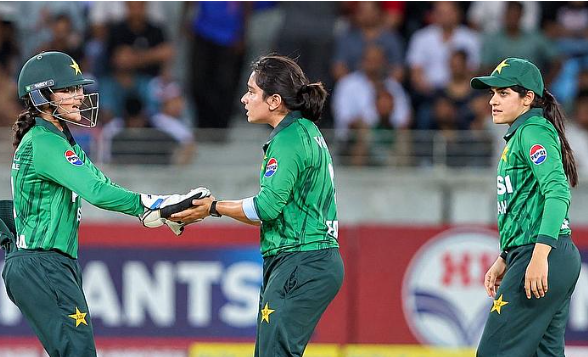
LAHORE — Lahore Qalandars owner Atif Rana has expressed confidence in the franchise’s strategy of nurturing emerging talent as the team departs for Guyana to participate in the ExxonMobil Global Super League (GSL) 2026. The squad, constructed around young cricketers, aims to prepare future stars for international cricket. What Happened On July 18, the Lahore Qalandars, a prominent franchise in Pakistan’s cricketing landscape, announced their departure for Guyana, where they will compete in the GSL 2026. Atif Rana, the owner of the Qalandars, emphasized the team’s commitment to fostering young talent, stating that the squad is strategically built around emerging players. “The Qalandars’ squad is based on the potential of young cricketers who we believe can become the future stars of international cricket,” Rana stated. The franchise has been known for its focus on youth development, and this year’s squad selection reflects that philosophy. The Qalandars have consistently invested in cricket academies and talent hunts across Pakistan, aiming to discover and nurture raw talent from various regions. This approach has not only strengthened their team but also contributed to the broader cricketing ecosystem in Pakistan. The GSL 2026, sponsored by ExxonMobil, is an international cricket tournament that attracts teams from around the world. By participating, the Lahore Qalandars hope to provide their young players with exposure to high-level competition, which is crucial for their development and readiness for international cricket. Background Lahore Qalandars, one of the original franchises of the Pakistan Super League (PSL), have a history of prioritizing the development of young cricketers. The franchise’s Player Development Program (PDP) has been instrumental in identifying and grooming talent from across Pakistan. This program has successfully launched the careers of several players who have gone on to represent Pakistan at the international level. The GSL, a relatively new addition to the global cricket calendar, offers a platform for franchises and national teams to compete at an international level. The tournament’s format is designed to provide competitive matches that test the skills and resilience of participating teams, making it an ideal venue for young players to gain valuable experience. Why It Matters The Lahore Qalandars’ focus on emerging talent is significant for several reasons. Economically, it represents an investment in the future of Pakistani cricket, ensuring that the country continues to produce world-class players. Socially, it provides opportunities for young athletes from diverse backgrounds to pursue professional cricket, potentially transforming their lives and communities. Politically, the success of the Qalandars’ youth-focused strategy could influence other franchises and cricketing bodies in Pakistan to adopt similar approaches, thereby enhancing the overall standard of cricket in the country. Internationally, the participation of a youth-centric team in the GSL highlights Pakistan’s commitment to developing cricketing talent and maintaining its competitive edge on the global stage. The exposure gained by young players in the GSL could also have a ripple effect, inspiring more young people in Pakistan to take up cricket and strive for excellence. This aligns with the broader goals of the Pakistan Cricket Board (PCB) to expand the talent pool and improve the national team’s performance in international competitions. Key Takeaways Lahore Qalandars are committed to developing young talent as they head to the GSL 2026 in Guyana. The franchise’s strategy focuses on building a squad around emerging cricketers to prepare them for international cricket. The Qalandars’ Player Development Program has been pivotal in nurturing future cricket stars from Pakistan. The GSL provides a platform for young players to gain exposure to high-level international competition. This approach could influence other cricketing bodies in Pakistan to prioritize youth development. Source Attribution This article is based on official statements and public communications from Lahore Qalandars and relevant cricketing authorities. Author: NEN Editorial Desk | Editor: NEN Newsroom | Fact Checked By: NEN Editorial Team Author: NEN Editorial Desk  |  Editor: NEN Newsroom  |  Last Updated: July 18, 2026  |  Source: NEN Reporter This article was produced by the NEN Editorial Desk in accordance with NEN Agency’s Editorial Policy and Fact-Checking Policy.
World

Gold Prices Surge by Rs2,400 Per Tola in Local Markets

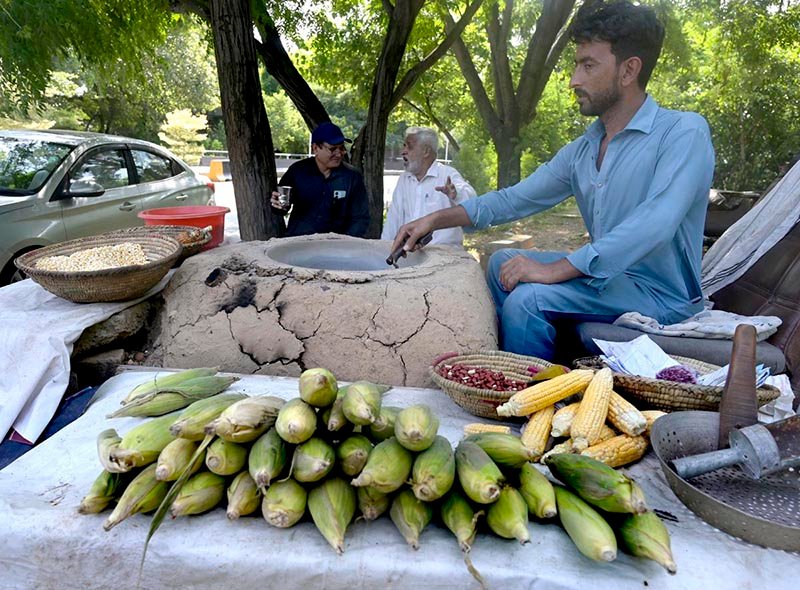
ISLAMABAD — Gold prices have surged by Rs2,400 per tola in Pakistan’s local markets as of Saturday, reflecting significant movements in both domestic and international markets. This increase marks a continued trend of rising gold prices, influenced by global economic factors and local demand. What Happened On Saturday, gold prices in Pakistan experienced a notable rise, with the cost per tola increasing by Rs2,400. This adjustment in price aligns with fluctuations seen in international gold markets, where economic uncertainties and currency valuations have played a crucial role in driving up the demand for the precious metal. The local bullion markets in major cities such as Karachi, Lahore, and Islamabad reported the new price, adjusting to the global market trends. According to market analysts, the increase in gold prices is attributed to several factors, including inflationary pressures and changes in the international currency exchange rates. The weakening of the Pakistani rupee against the US dollar has further exacerbated the price hike, as gold is traded globally in dollars. “The current economic climate, coupled with geopolitical tensions, has led investors to seek refuge in gold, which is traditionally seen as a safe-haven asset,” said a local market expert. In addition to the international influences, local demand has also contributed to the price rise. With the wedding season underway in Pakistan, there is a heightened demand for gold jewelry, which traditionally sees increased purchases during this period. This seasonal demand has compounded the effects of the global market trends, pushing prices higher. Background Gold has long been a preferred investment in Pakistan, serving as a hedge against inflation and currency devaluation. Historically, gold prices have been influenced by a combination of global market dynamics and local economic conditions. In recent years, the volatility in the international markets, particularly due to economic policies in major economies like the United States and China, has had a direct impact on gold prices in Pakistan. The State Bank of Pakistan’s monetary policies, aimed at stabilizing the national currency and controlling inflation, also play a role in determining the local gold prices. However, external factors such as global economic slowdowns or accelerated growth can often override local monetary measures, leading to fluctuations in gold prices. Why It Matters The surge in gold prices holds significant implications for various sectors of the Pakistani economy. For consumers, especially those planning weddings or other events requiring substantial gold purchases, the increased prices could lead to higher expenses. This might result in reduced spending in other areas, affecting overall consumer spending patterns. For investors, the rising gold prices could present an opportunity to capitalize on the precious metal’s value as a stable investment. As economic uncertainties continue to loom globally, gold remains an attractive option for those looking to preserve wealth. This trend could lead to increased investment in gold, both in physical form and through financial instruments like gold certificates and exchange-traded funds (ETFs). On a broader scale, the rising gold prices reflect underlying economic challenges, such as inflation and currency devaluation, that Pakistan continues to face. These challenges necessitate careful economic planning and policy adjustments to stabilize the currency and manage inflation, ensuring sustainable economic growth. Key Takeaways Gold prices in Pakistan have increased by Rs2,400 per tola as of Saturday. The price surge is influenced by global economic factors and local demand, particularly during the wedding season. The weakening of the Pakistani rupee against the US dollar has contributed to the rise in gold prices. Rising gold prices impact consumer spending and present investment opportunities in the precious metal. Economic challenges such as inflation and currency devaluation continue to affect Pakistan’s economy. Source Attribution This article is based on official government statements, press releases, and public communications from relevant authorities. Author: NEN Editorial Desk | Editor: NEN Newsroom | Fact Checked By: NEN Editorial Team Author: NEN Editorial Desk  |  Editor: NEN Newsroom  |  Last Updated: July 18, 2026  |  Source: NEN Reporter This article was produced by the NEN Editorial Desk in accordance with NEN Agency’s Editorial Policy and Fact-Checking Policy.
Pakistan

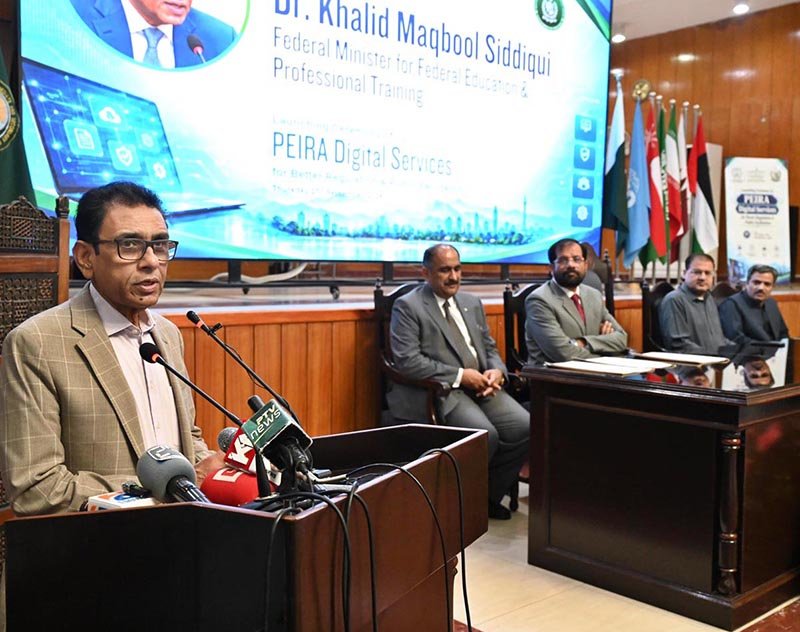
Minister Shafay Hussain Announces Incentives for Industrial Units

LAHORE — Provincial Minister for Industries, Commerce and Investment Chaudhry Shafay Hussain announced new incentives and tax concessions aimed at encouraging the establishment of industrial units in Punjab. Speaking at the inauguration of the 11th Colour & Chem Expo on Saturday, Hussain detailed the Punjab government’s latest industrial policy, which includes attractive leasing terms and expedited approvals. What Happened Chaudhry Shafay Hussain, addressing the media at the expo, revealed that the Punjab government has introduced a new industrial policy designed to promote investment in free industrial zones. The policy features a four-year lease offer for industrial units, which is expected to make it easier for businesses to establish operations. Additionally, the policy promises a streamlined process for obtaining a No Objection Certificate (NOC), reducing the time to just 30 days. Minister Hussain emphasized that these measures are part of a broader strategy to boost economic growth and industrial development in the region. He stated, “The government is committed to creating a business-friendly environment that attracts both local and foreign investors.” The minister also highlighted that these incentives are tailored to support small and medium enterprises (SMEs), which are vital to the province’s economic fabric. The announcement was made during the 11th Colour & Chem Expo, an event that brings together industry leaders and stakeholders from the chemical and colorant sectors. The expo serves as a platform for showcasing innovations and fostering partnerships within the industry. Background Punjab’s industrial sector has been a focal point for the provincial government, which has been striving to enhance its competitiveness and attractiveness to investors. Historically, the region has faced challenges such as bureaucratic hurdles and inadequate infrastructure, which have impeded industrial growth. Previous policies have aimed at addressing these issues, but the new industrial policy marks a significant shift towards more proactive measures. The introduction of free industrial zones is part of a larger effort to decentralize industrial activity and distribute economic benefits more evenly across the province. Why It Matters The new industrial policy is expected to have a substantial impact on Punjab’s economic landscape. By offering incentives such as tax concessions and expedited NOC processes, the government aims to reduce the cost and complexity of setting up industrial units. This is likely to attract a wave of new investments, which could lead to increased job creation and economic activity. Economically, the policy could help diversify Punjab’s industrial base, reducing reliance on traditional sectors and encouraging the growth of new industries. This diversification is crucial for enhancing the region’s resilience to economic shocks and fostering sustainable development. Socially, the policy’s emphasis on supporting SMEs is significant, as these enterprises are often key drivers of employment and innovation. By facilitating their growth, the government can help improve living standards and reduce poverty in the province. On a broader scale, the policy aligns with Pakistan’s national objectives of boosting industrial output and exports. By strengthening Punjab’s industrial sector, the policy contributes to the country’s overall economic goals, potentially improving its trade balance and international competitiveness. Key Takeaways The Punjab government has introduced a new industrial policy with incentives for setting up industrial units. The policy includes a four-year lease offer and a 30-day NOC process for free industrial zones. The measures aim to attract local and foreign investment, particularly benefiting SMEs. This initiative is expected to boost job creation, economic diversification, and regional development. The policy supports Pakistan’s broader economic objectives of increasing industrial output and exports. Source Attribution This article is based on official government statements and public communications from relevant authorities. Author: NEN Editorial Desk | Editor: NEN Newsroom | Fact Checked By: NEN Editorial Team Author: NEN Editorial Desk  |  Editor: NEN Newsroom  |  Last Updated: July 18, 2026  |  Source: Press Release from Government of Punjab This article was produced by the NEN Editorial Desk in accordance with NEN Agency’s Editorial Policy and Fact-Checking Policy.
World

Rana Mashood Ahmed Khan Highlights Football’s Role in Youth Mental Health at UN Event

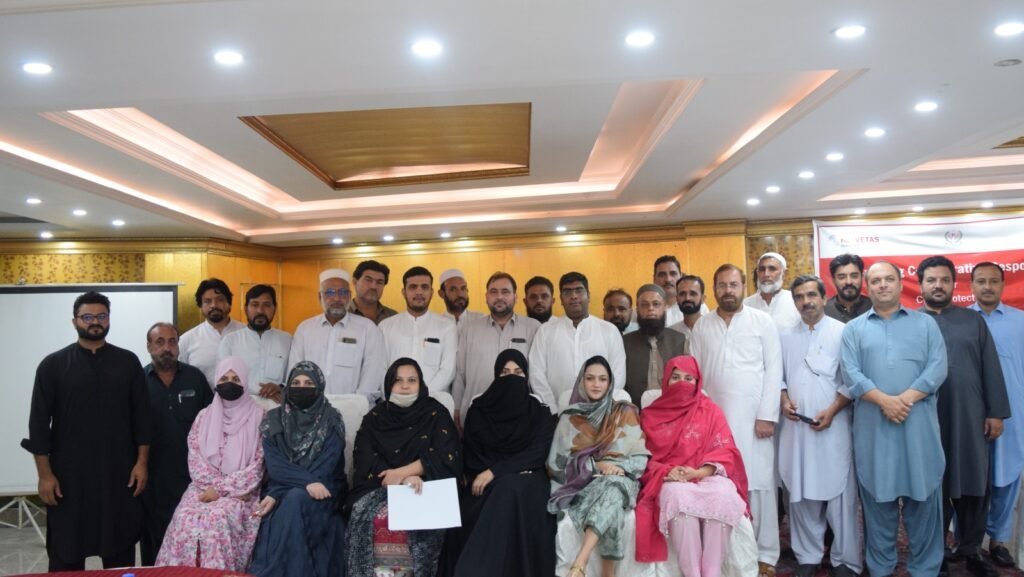
NEW YORK — Chairman of the Prime Minister’s Youth Programme, Rana Mashood Ahmed Khan, addressed a United Nations event on Wednesday, emphasizing the role of football in promoting mental health and well-being among youth. The event, titled “One World, One Game, One Goal: Football as a Catalyst for Youth Mental Health and Wellbeing,” brought together global leaders to discuss sports as a tool for positive youth development. What Happened At the United Nations headquarters in New York, Rana Mashood Ahmed Khan spoke at a high-profile event dedicated to exploring how football can be leveraged to enhance the mental health and well-being of young people worldwide. The session, part of a broader initiative by the UN to integrate sports into youth development programs, highlighted the potential of football to foster resilience, teamwork, and a sense of community among young people. Khan underscored the importance of sports, particularly football, in building mental resilience and promoting physical health. “Football is more than just a game; it is a powerful tool for social change and personal development,” he stated. He noted that engaging in sports can significantly reduce stress and anxiety levels among youth, thereby improving their overall mental health. The event featured various speakers from different sectors, including health professionals, sports organizations, and youth representatives, all advocating for increased investment in sports infrastructure and programs. Khan called on governments and international bodies to prioritize sports as a key component of youth development strategies. Background The United Nations has long recognized the potential of sports as a vehicle for promoting peace, development, and human rights. The UN Office on Sport for Development and Peace (UNOSDP) has been instrumental in advocating for the inclusion of sports in development agendas. Football, as the world’s most popular sport, has been at the forefront of these initiatives due to its widespread appeal and ability to engage diverse populations. In Pakistan, the Prime Minister’s Youth Programme has been actively involved in promoting sports as a means to empower young people. The program aims to provide opportunities for youth to participate in sports, thereby enhancing their physical and mental well-being. Rana Mashood Ahmed Khan, as chairman, has been pivotal in driving these efforts forward. Why It Matters The emphasis on football as a catalyst for youth mental health is particularly significant in the context of rising mental health challenges among young people globally. The World Health Organization (WHO) reports that mental health conditions account for a substantial proportion of the global burden of disease among adolescents. By integrating sports into mental health strategies, there is potential for a holistic approach that addresses both physical and psychological well-being. For Pakistan, where youth make up a significant portion of the population, such initiatives are crucial. Engaging young people in sports can help mitigate issues such as unemployment, social isolation, and mental health disorders. It also aligns with broader national goals of fostering a healthy, active, and socially responsible youth demographic. Internationally, the UN event serves as a platform to share best practices and foster collaboration among countries. By participating in such forums, Pakistan can both contribute to and benefit from global knowledge and resources aimed at enhancing youth development through sports. Key Takeaways Rana Mashood Ahmed Khan addressed a UN event on football’s role in youth mental health. The event highlighted football as a tool for building resilience and community among youth. The UN has long advocated for sports as a means of promoting peace and development. Pakistan’s Prime Minister’s Youth Programme actively promotes sports for youth empowerment. Engaging youth in sports can help address mental health challenges and social issues. Source Attribution This article is based on official government statements, press releases, and public communications from relevant authorities. Author: NEN Editorial Desk | Editor: NEN Newsroom | Fact Checked By: NEN Editorial Team Author: NEN Editorial Desk  |  Editor: NEN Newsroom  |  Last Updated: July 18, 2026  |  Source: Press Release from Government of Pakistan This article was produced by the NEN Editorial Desk in accordance with NEN Agency’s Editorial Policy and Fact-Checking Policy.
Pakistan

Minister Defends Petrol Pricing Amid Anti-Corruption Drive

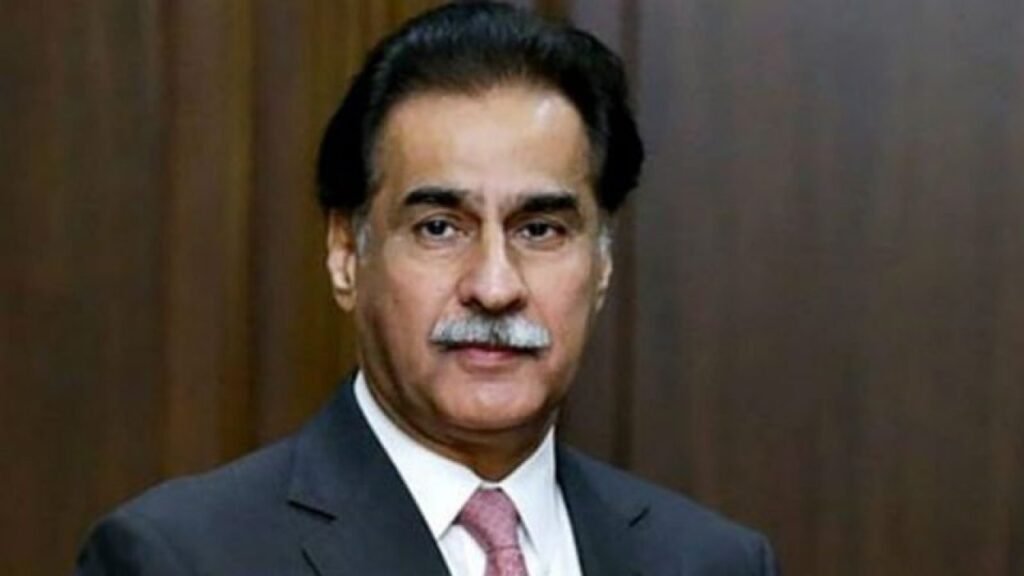
ISLAMABAD — Minister of State for Law and Justice Barrister Aqeel Malik reaffirmed the government’s commitment to its petrol pricing policy on Saturday, amid an ongoing campaign against corruption. The initiative, directed by Prime Minister Shehbaz Sharif, aims to ensure accountability across all sectors without any concessions. What Happened Barrister Aqeel Malik, speaking at a press conference, emphasized the government’s unwavering stance on maintaining its current petrol pricing strategy. He stated that the policy is crucial for economic stability and aligns with the broader anti-corruption campaign spearheaded by the Prime Minister. Malik noted, “The government is determined to uphold transparency and accountability, and no one will be allowed to hinder these efforts.” The Minister highlighted that the campaign is part of a larger effort to root out corruption from all levels of government and public service. He warned that any attempts to obstruct these initiatives would be met with strict action. The government’s stance comes in response to criticism from various quarters, including political opponents and consumer rights groups, who have questioned the rationale behind the current petrol pricing. Malik defended the pricing policy by pointing out that it reflects global oil market trends and is necessary to manage the fiscal deficit. He assured that the government is taking steps to mitigate the impact on the most vulnerable segments of society through targeted subsidies and social welfare programs. Background Pakistan’s petrol pricing policy has been a contentious issue for years, often influenced by fluctuations in international oil prices and domestic economic conditions. The country imports a significant portion of its oil, making it susceptible to global market volatility. Historically, governments have struggled to balance consumer affordability with fiscal responsibility. The current administration, under Prime Minister Shehbaz Sharif, has prioritized economic reforms and anti-corruption measures as key components of its governance strategy. This includes efforts to enhance transparency in public spending and reduce fiscal waste. Previous governments have faced challenges in implementing consistent petrol pricing policies, often resorting to subsidies that strain the national budget. The current policy aims to align domestic prices with international trends while ensuring that the fiscal deficit remains manageable. Why It Matters The government’s firm stance on petrol pricing and anti-corruption is significant for several reasons. Economically, maintaining a stable pricing policy helps manage inflation and ensures that fiscal resources are allocated efficiently. By resisting populist pressures to reduce prices artificially, the government aims to maintain macroeconomic stability. Socially, the policy has implications for the cost of living, particularly for low-income households. The government’s commitment to providing targeted subsidies is crucial in cushioning these groups from the full impact of price adjustments. This approach is intended to strike a balance between economic necessity and social equity. Politically, the anti-corruption campaign reinforces the government’s image as a reform-oriented administration. By taking a hard line against corruption, the government seeks to build public trust and demonstrate its commitment to good governance. This is particularly important in a country where public confidence in political institutions has historically been low. Internationally, a transparent and accountable governance framework enhances Pakistan’s credibility with foreign investors and international financial institutions. It signals a commitment to reform and stability, which can attract investment and aid needed for economic growth. Key Takeaways The government is committed to maintaining its current petrol pricing policy amid global market trends. An anti-corruption campaign is underway, with no concessions for those obstructing it. Targeted subsidies are planned to protect vulnerable populations from price impacts. The policy aims to balance economic stability with social equity. Efforts to enhance transparency are crucial for building public trust and attracting international investment. Source Attribution This article is based on official government statements and public communications from relevant authorities. Author: NEN Editorial Desk | Editor: NEN Newsroom | Fact Checked By: NEN Editorial Team Author: NEN Editorial Desk  |  Editor: NEN Newsroom  |  Last Updated: July 18, 2026  |  Source: NEN Reporter This article was produced by the NEN Editorial Desk in accordance with NEN Agency’s Editorial Policy and Fact-Checking Policy.
Pakistan

Khyber Pakhtunkhwa Champions League Aims to Boost Peaceful Image and Cricket Talent

PESHAWAR — Governor Khyber Pakhtunkhwa Faisal Karim Kundi announced on Saturday that the Khyber Pakhtunkhwa Champions League (KCL) is set to enhance the province’s peaceful and progressive image while providing a platform for young cricketers to showcase their skills. Speaking at the vibrant launch ceremony, Governor Kundi emphasized the dual objectives of the league: promoting peace and nurturing local cricket talent. What Happened The launch of the Khyber Pakhtunkhwa Champions League was marked by a lively event attended by various dignitaries, sports enthusiasts, and young athletes. Governor Faisal Karim Kundi highlighted the league’s potential to reshape perceptions of the province by focusing on its peaceful and positive aspects. “The KCL will not only project a peaceful image of Khyber Pakhtunkhwa but will also serve as a platform for our young cricketers to display their talent,” he stated during his address. The league is expected to attract young cricket enthusiasts from across the province, providing them with an opportunity to compete and gain exposure. By organizing such events, the provincial government aims to foster a sense of unity and peace, countering negative stereotypes often associated with the region. The KCL will feature teams from various districts of Khyber Pakhtunkhwa, each competing for the championship title. This initiative is part of a broader strategy to engage youth in constructive activities, thereby promoting social cohesion and reducing the allure of negative influences. Background Khyber Pakhtunkhwa has historically faced challenges related to security and development, which have often overshadowed its rich cultural heritage and potential for growth. Over the years, the provincial government has implemented various initiatives aimed at improving the socio-economic landscape and enhancing the quality of life for its residents. Sports, particularly cricket, have played a significant role in uniting communities and offering a sense of normalcy. The KCL is the latest in a series of efforts to leverage sports as a tool for peacebuilding and youth engagement. Previous initiatives have included the construction of sports facilities and the organization of regional tournaments to encourage participation at the grassroots level. Why It Matters The launch of the Khyber Pakhtunkhwa Champions League holds significant implications for the province and its residents. Economically, the league is expected to stimulate local businesses and create job opportunities, particularly in the hospitality and service sectors. The influx of visitors and participants will likely boost demand for accommodation, food services, and transportation, providing a much-needed economic boost to the region. Socially, the KCL aims to foster a sense of pride and community among the youth, steering them away from negative influences and towards constructive pursuits. By highlighting the province’s peaceful and progressive aspects, the league seeks to challenge and change prevailing stereotypes, promoting a more balanced narrative about Khyber Pakhtunkhwa. Politically, the successful execution of the KCL could enhance the provincial government’s credibility and demonstrate its commitment to peace and development. It also aligns with national efforts to promote sports as a means of achieving broader social objectives, such as youth empowerment and community development. Internationally, the KCL has the potential to attract attention from cricket enthusiasts and sports organizations worldwide, positioning Khyber Pakhtunkhwa as a hub for sporting excellence. This could lead to increased investment in sports infrastructure and talent development, further contributing to the province’s growth and stability. Key Takeaways The Khyber Pakhtunkhwa Champions League aims to promote a peaceful and positive image of the province. The league provides a platform for young cricketers to showcase their talent. The initiative is part of broader efforts to engage youth and promote social cohesion. The KCL is expected to boost local economies by increasing demand for services. Successful execution could enhance the province’s credibility and attract international attention. Source Attribution This article is based on official statements and public communications from the Governor of Khyber Pakhtunkhwa and relevant authorities. Author: NEN Editorial Desk | Editor: NEN Newsroom | Fact Checked By: NEN Editorial Team Author: NEN Editorial Desk  |  Editor: NEN Newsroom  |  Last Updated: July 18, 2026  |  Source: Press Release from Government of Pakistan This article was produced by the NEN Editorial Desk in accordance with NEN Agency’s Editorial Policy and Fact-Checking Policy.

World

UN Chief Urges Global Action to Eradicate Poverty on Mandela Day

UNITED NATIONS — On July 18, United Nations Secretary-General Antonio Guterres issued a compelling call to action on Nelson Mandela International Day, urging the global community to intensify efforts to eradicate poverty and combat systemic inequality. Guterres emphasized that the responsibility to tackle these pressing issues remains within our grasp. What Happened In a message delivered on Mandela Day, which commemorates the legacy of Nelson Mandela, the first democratically elected President of South Africa, UN Secretary-General Antonio Guterres highlighted the urgent need to address poverty and inequality worldwide. Guterres stated, “Ending poverty is not merely charity, but a matter of justice and human rights.” He underscored the importance of collective action to dismantle systemic barriers that perpetuate poverty and inequality. Guterres’ message comes at a time when the world is grappling with the socio-economic impacts of the COVID-19 pandemic, which has exacerbated existing inequalities and pushed millions into extreme poverty. The UN chief called for renewed commitment from all sectors of society, including governments, civil society, and the private sector, to work collaboratively towards sustainable development goals. The Secretary-General also paid tribute to Nelson Mandela’s enduring legacy, noting that Mandela’s fight against apartheid and his dedication to justice and equality continue to inspire global efforts to create a more equitable world. Guterres encouraged individuals and communities to reflect on Mandela’s values and to take concrete actions that contribute to poverty eradication and social justice. Background Nelson Mandela International Day, observed annually on July 18, was established by the United Nations in 2009 to honor Mandela’s contributions to peace and freedom. The day serves as a global call to action, encouraging individuals to dedicate 67 minutes of their time to volunteerism and community service, reflecting the 67 years Mandela spent fighting for social justice. The UN’s Sustainable Development Goals (SDGs), adopted in 2015, include the eradication of poverty as a primary objective. Goal 1 of the SDGs aims to end poverty in all its forms everywhere by 2030. Despite progress in some areas, the COVID-19 pandemic has reversed years of advancements, with an estimated 120 million people pushed back into extreme poverty in 2020 alone. Why It Matters The call to eradicate poverty holds significant implications for global economic stability and social cohesion. Poverty is a root cause of many societal issues, including poor health outcomes, limited educational opportunities, and heightened vulnerability to conflict and displacement. Addressing poverty is crucial for achieving sustainable development and ensuring that all individuals have the opportunity to lead dignified lives. In Pakistan, poverty remains a critical challenge. According to the World Bank, approximately 24.3% of Pakistan’s population lived below the national poverty line in 2015, and the economic disruptions caused by the pandemic have likely worsened this situation. Efforts to eradicate poverty in Pakistan are essential for improving the quality of life for millions and fostering economic growth. Internationally, Guterres’ call to action aligns with broader efforts to address inequality and promote social justice. The UN’s emphasis on poverty eradication highlights the interconnectedness of global challenges and the need for comprehensive strategies that address the root causes of inequality. Key Takeaways UN Secretary-General Antonio Guterres calls for global action to eradicate poverty on Mandela Day. Guterres emphasizes that ending poverty is a matter of justice and human rights. The COVID-19 pandemic has exacerbated global poverty and inequality. Nelson Mandela International Day encourages community service and reflection on Mandela’s legacy. Poverty eradication is crucial for sustainable development and social justice. Source Attribution This article is based on official statements from the United Nations and public communications from relevant authorities. Author: NEN Editorial Desk | Editor: NEN Newsroom | Fact Checked By: NEN Editorial Team Author: NEN Editorial Desk  |  Editor: NEN Newsroom  |  Last Updated: July 18, 2026  |  Source: NEN Reporter This article was produced by the NEN Editorial Desk in accordance with NEN Agency’s Editorial Policy and Fact-Checking Policy.

Scroll to Top