

Author name: NEN News

Pakistan

Gold Prices Drop by Rs3,600 Per Tola in Pakistan

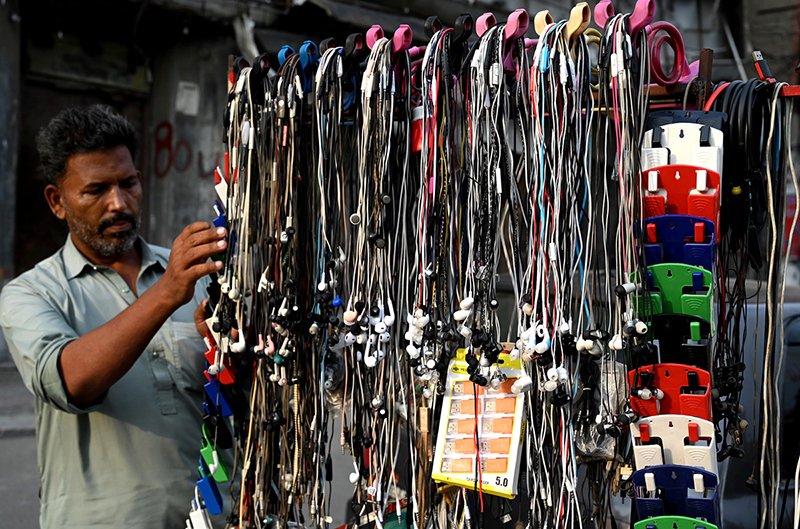
ISLAMABAD — The price of gold in Pakistan has decreased by Rs3,600 per tola, bringing the rate of 24-karat gold to Rs421,836, as reported by the All Pakistan Sarafa Gems and Jewellers Association on Friday. This decline reflects fluctuations in the international market and local demand dynamics. What Happened On Friday, the All Pakistan Sarafa Gems and Jewellers Association announced a significant drop in the price of 24-karat gold, which fell by Rs3,600 per tola. The new price now stands at Rs421,836 per tola. This decrease is attributed to changes in the international gold market, which have impacted local pricing structures. The association, which regularly updates the rates based on global market trends and local market conditions, noted this adjustment as part of their routine pricing updates. The drop in gold prices comes amid a period of volatility in the international gold markets, where prices have been influenced by various factors, including changes in the US dollar’s strength, international trade dynamics, and investor sentiment towards safe-haven assets. In Pakistan, gold is not only a commodity for investment but also holds cultural significance, often used in weddings and other traditional ceremonies. In addition to the per tola rate, the price of 10 grams of 24-karat gold also saw a decrease, aligning with the overall downward trend. The association’s pricing updates are critical for traders and consumers alike, as they provide a benchmark for transactions across the country. Background Gold prices in Pakistan are heavily influenced by international market trends, given the country’s reliance on imports to meet local demand. Historically, gold has been a preferred investment for many Pakistanis, especially in times of economic uncertainty. The local gold market is primarily driven by the All Pakistan Sarafa Gems and Jewellers Association, which sets the daily rates based on international pricing and local market conditions. Over the past few years, gold prices have seen significant fluctuations due to global economic events, such as the COVID-19 pandemic, geopolitical tensions, and changes in monetary policy by major economies. These factors have contributed to the volatility observed in gold prices, affecting both investors and consumers in Pakistan. Why It Matters The decline in gold prices has several implications for Pakistan’s economy and its citizens. For investors, a drop in gold prices can impact the returns on their investments, especially for those who have allocated significant portions of their portfolios to precious metals. This can lead to shifts in investment strategies as investors seek to balance risk and return. For consumers, particularly those planning weddings or other events where gold jewelry is traditionally exchanged, a decrease in gold prices can be a welcome relief, reducing the overall cost of such ceremonies. This can also stimulate demand in the local market, as lower prices may encourage more purchases. Economically, the gold market’s performance can affect the country’s trade balance. As a major importer of gold, fluctuations in prices can influence the overall import bill, impacting foreign exchange reserves and the value of the Pakistani rupee. A stable or declining gold price can be beneficial in managing the country’s trade deficit. Key Takeaways Gold prices in Pakistan have decreased by Rs3,600 per tola, now at Rs421,836. The price drop is influenced by international market trends and local demand. This decline impacts investors, consumers, and the broader economic landscape. Gold remains a culturally significant asset in Pakistan, affecting social and economic activities. Fluctuations in gold prices can influence Pakistan’s trade balance and foreign reserves. Source Attribution This article is based on official statements and public communications from the All Pakistan Sarafa Gems and Jewellers Association. Author: NEN Editorial Desk | Editor: NEN Newsroom | Fact Checked By: NEN Editorial Team Author: NEN Editorial Desk  |  Editor: NEN Newsroom  |  Last Updated: July 17, 2026  |  Source: NEN Reporter This article was produced by the NEN Editorial Desk in accordance with NEN Agency’s Editorial Policy and Fact-Checking Policy.

Pakistan

KPEZDMC Transfers Land for New Police Station in Hattar Economic Zone

HATTAR — The Khyber Pakhtunkhwa Economic Zones Development and Management Company (KPEZDMC) has allocated four kanals of land for the establishment of a new police station and a Police Sahulat Centre in the Hattar Economic Zone. This initiative aims to enhance security and provide better facilities for businesses operating within the zone. What Happened The KPEZDMC’s decision to transfer land for the police station and sahulat centre marks a significant development in the infrastructure of the Hattar Economic Zone. The allocation of four kanals of land is intended to bolster security measures and improve public safety for the businesses and residents in the area. The establishment of these facilities is expected to facilitate better law enforcement and provide essential services to the local community. According to officials from KPEZDMC, the decision was made to address the growing need for enhanced security within the economic zone, which hosts a variety of industries and businesses. The presence of a dedicated police station will not only ensure a swift response to any incidents but also act as a deterrent to potential criminal activities. The Police Sahulat Centre will offer a range of services to the public, including assistance with legal documentation and other administrative tasks. A spokesperson for KPEZDMC stated, “The establishment of a police station within the Hattar Economic Zone is a crucial step towards ensuring the safety and security of the businesses and residents. It reflects our commitment to providing a conducive environment for economic activities.” Background The Hattar Economic Zone is one of the key industrial areas in Khyber Pakhtunkhwa, contributing significantly to the region’s economic development. Over the years, the zone has attracted numerous local and international investors, leading to increased industrial activity. However, with the growth of the industrial sector, there has been a corresponding need for improved security infrastructure to support the businesses and workforce. The KPEZDMC, established to manage and develop economic zones in the province, has been instrumental in facilitating industrial growth by providing necessary infrastructure and support services. The decision to allocate land for a police station is part of a broader strategy to enhance the operational environment within these zones, ensuring that they remain attractive to investors and conducive to business operations. Why It Matters The establishment of a police station in the Hattar Economic Zone is significant for several reasons. Economically, it provides a sense of security to investors and businesses, which is crucial for attracting further investment and fostering economic growth. A secure environment is a key factor for businesses when deciding on locations for their operations, and this move is likely to enhance the zone’s appeal. Socially, the presence of a police station and sahulat centre will improve the quality of life for residents and workers in the area by ensuring quicker response times to emergencies and providing essential services. This can lead to a more stable and harmonious community, reducing the likelihood of crime and disorder. Politically, the decision underscores the provincial government’s commitment to improving infrastructure and services in industrial zones, aligning with broader national goals of economic development and security. It also reflects a proactive approach to addressing the needs of the business community, which is vital for sustaining economic momentum in the region. Key Takeaways KPEZDMC has allocated four kanals of land for a police station and sahulat centre in Hattar Economic Zone. The initiative aims to enhance security and provide essential services to businesses and residents. The Hattar Economic Zone is a key industrial area contributing to Khyber Pakhtunkhwa’s economic growth. The new facilities are expected to attract further investment by improving the business environment. This move aligns with provincial and national goals of economic development and security. Source Attribution This article is based on official government statements, press releases, and public communications from relevant authorities. Author: NEN Editorial Desk | Editor: NEN Newsroom | Fact Checked By: NEN Editorial Team Author: NEN Editorial Desk  |  Editor: NEN Newsroom  |  Last Updated: July 17, 2026  |  Source: NEN Reporter This article was produced by the NEN Editorial Desk in accordance with NEN Agency’s Editorial Policy and Fact-Checking Policy.
World

SCCI Hosts International Business Excellence Conference in Tashkent

PESHAWAR — The Sarhad Chamber of Commerce and Industry (SCCI) organized the 4th International Business Excellence Award and Investment Conference 2026, a four-day event held in Tashkent, Uzbekistan. The conference, which commenced on July 17, aimed to bolster trade and economic ties between Pakistan and Uzbekistan. What Happened The International Business Excellence Award and Investment Conference 2026 was inaugurated by Shokhrukh Gulamov, Uzbekistan’s Deputy Minister of Investments, Industry and Trade. The event was attended by prominent figures, including SCCI President Junaid Altaf, Pakistan’s Ambassador to Uzbekistan, and various officials from Uzbekistan’s government and business sectors. In his opening remarks, President Junaid Altaf emphasized the potential for business and trade between Pakistan and Uzbekistan, advocating for joint ventures to enhance bilateral economic relations. He highlighted the importance of regular exchanges of business delegations to fully leverage the opportunities available in both countries. Deputy Minister Gulamov praised the SCCI for organizing the event, which he described as a significant step towards strengthening economic cooperation between the two nations. He called for initiatives to overcome barriers to mutual trade and expressed Uzbekistan’s eagerness to deepen its economic ties with Pakistan. The conference featured a 75-member delegation from Khyber Pakhtunkhwa, who participated in various sessions and activities. Awards, gold medals, and trophies were distributed to recognize achievements in different sectors. Additionally, the event included a visit to the Embassy of Pakistan, the Uzbekistan Chamber of Commerce and Industry, and the Bio Pharma Park. A key feature of the conference was the Uzbekistan-Pakistan Trade and Investment Potential Awareness and Business-to-Business Session. Presentations were delivered by Zaheer Abbas, Trade and Investment Counsellor at the Pakistan Embassy in Tashkent, and other Uzbek officials, highlighting the opportunities for enhancing bilateral trade and economic cooperation. Background The Sarhad Chamber of Commerce and Industry has been actively involved in promoting trade and investment opportunities between Pakistan and other countries. The International Business Excellence Award and Investment Conference is part of SCCI’s efforts to facilitate dialogue and collaboration between business communities in Pakistan and Uzbekistan. Historically, Pakistan and Uzbekistan have shared a cordial relationship, with both countries expressing interest in expanding their economic and trade ties. The conference in Tashkent represents a continuation of these efforts, with a focus on exploring new avenues for cooperation in various sectors. Why It Matters The conference holds significant implications for the economic relationship between Pakistan and Uzbekistan. By fostering dialogue and collaboration, the event aims to address existing challenges in bilateral trade and explore new opportunities for investment. This is particularly important given the strategic location of both countries and their potential to serve as gateways to larger regional markets. For Pakistan, enhancing trade relations with Uzbekistan can lead to increased exports and investment opportunities, particularly in sectors such as textiles, pharmaceuticals, and agriculture. Similarly, Uzbekistan stands to benefit from access to Pakistan’s markets and expertise in various industries. The conference also underscores the importance of regional cooperation in Central Asia, where economic partnerships can contribute to stability and growth. By strengthening ties with Uzbekistan, Pakistan can play a pivotal role in promoting regional integration and development. Key Takeaways The SCCI organized a four-day International Business Excellence Award and Investment Conference in Tashkent. Uzbekistan’s Deputy Minister of Investments, Industry and Trade inaugurated the event. The conference aimed to enhance trade and economic ties between Pakistan and Uzbekistan. A 75-member delegation from Khyber Pakhtunkhwa participated in the event. Presentations highlighted opportunities for bilateral trade and economic cooperation. Source Attribution This article is based on official government statements, press releases, and public communications from relevant authorities. Author: NEN Editorial Desk | Editor: NEN Newsroom | Fact Checked By: NEN Editorial Team Author: NEN Editorial Desk  |  Editor: NEN Newsroom  |  Last Updated: July 17, 2026  |  Source: Press Release from Government of Pakistan This article was produced by the NEN Editorial Desk in accordance with NEN Agency’s Editorial Policy and Fact-Checking Policy.

Pakistan

Shaikh Zayed Hospital Enhances Safety with Effective SOP Implementation

LAHORE — Shaikh Zayed Hospital has successfully implemented comprehensive infection prevention and control (IPC) measures along with biomedical waste management protocols. These initiatives, aligned with established Standard Operating Procedures (SOPs), aim to maintain a safe and healthy environment for patients, attendants, and healthcare professionals. What Happened Shaikh Zayed Hospital, a prominent healthcare institution in Lahore, has taken significant steps to ensure the safety and well-being of its patients and staff by rigorously applying infection control and biomedical waste management SOPs. The hospital administration has prioritized these measures to mitigate the risks associated with hospital-acquired infections and improper waste disposal. According to the hospital’s management, the implementation of these SOPs involves a multi-faceted approach. This includes regular training sessions for healthcare workers on infection control practices, the use of personal protective equipment (PPE), and adherence to hygiene protocols. Additionally, the hospital has established designated zones for waste segregation and disposal, ensuring that biomedical waste is handled in compliance with health and safety standards. Dr. Ayesha Khan, the head of the Infection Control Department at Shaikh Zayed Hospital, stated, “Our commitment to implementing these SOPs is unwavering. We conduct routine audits to assess compliance and continuously educate our staff to adapt to evolving healthcare challenges.” The hospital’s efforts are part of a broader strategy to enhance patient safety and reduce the incidence of infections. These measures are particularly crucial in the wake of the COVID-19 pandemic, which has underscored the importance of stringent infection control practices in healthcare settings. Background Infection control and biomedical waste management have long been critical components of healthcare operations globally. In Pakistan, the Ministry of National Health Services, Regulations & Coordination provides guidelines to ensure that healthcare facilities adhere to international standards. Shaikh Zayed Hospital’s adherence to these guidelines reflects its commitment to maintaining high standards of patient care. Historically, hospitals in Pakistan have faced challenges in implementing effective infection control due to resource constraints and lack of training. However, recent efforts by healthcare institutions, supported by government initiatives, have led to significant improvements in this area. Why It Matters The effective implementation of infection control and biomedical waste management SOPs at Shaikh Zayed Hospital is a critical development for several reasons. Firstly, it significantly reduces the risk of hospital-acquired infections, which can lead to prolonged hospital stays, increased healthcare costs, and, in severe cases, mortality. By ensuring a safer environment, the hospital enhances patient trust and satisfaction. Economically, the reduction in infection rates can lead to cost savings for both the hospital and patients. Fewer infections mean reduced need for additional treatments and shorter hospital stays, thereby easing the financial burden on the healthcare system. On a broader scale, the hospital’s initiatives contribute to public health by preventing the spread of infectious diseases within the community. This is particularly important in densely populated urban areas like Lahore, where healthcare facilities play a pivotal role in controlling disease outbreaks. Furthermore, the hospital’s commitment to proper biomedical waste management has environmental implications. By ensuring that waste is disposed of correctly, the hospital minimizes its ecological footprint and reduces the risk of environmental contamination, which can have far-reaching effects on public health. Key Takeaways Shaikh Zayed Hospital has effectively implemented infection control and biomedical waste management SOPs. The hospital conducts regular training and audits to ensure compliance with safety standards. These measures reduce hospital-acquired infections and enhance patient safety. Proper waste management practices have positive environmental and public health impacts. The initiatives align with national health guidelines and contribute to broader public health goals. Source Attribution This article is based on official government statements, press releases, and public communications from relevant authorities. Author: NEN Editorial Desk | Editor: NEN Newsroom | Fact Checked By: NEN Editorial Team Author: NEN Editorial Desk  |  Editor: NEN Newsroom  |  Last Updated: July 17, 2026  |  Source: NEN Reporter This article was produced by the NEN Editorial Desk in accordance with NEN Agency’s Editorial Policy and Fact-Checking Policy.

Pakistan

KP Minister Urges Enhanced Coordination for Monsoon Emergency Response

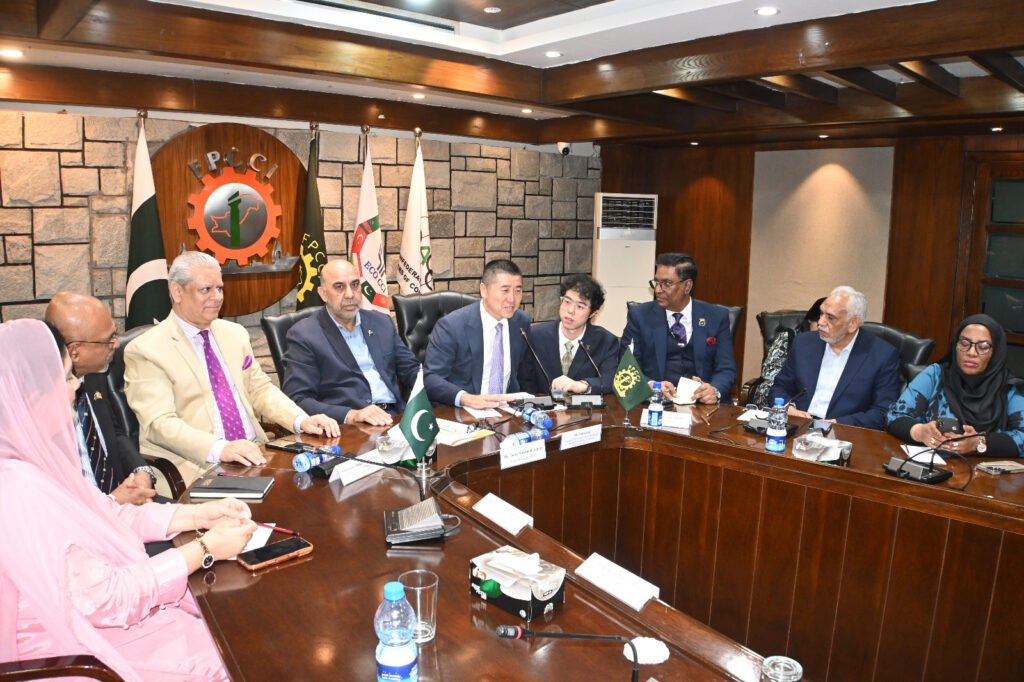
PESHAWAR — Khyber Pakhtunkhwa Minister for Relief, Rehabilitation and Resettlement Aqibullah Khan has called on all relevant departments to enhance coordination and inter-agency cooperation to ensure a timely and effective response to emergencies during the ongoing monsoon season. This directive aims to mitigate the impact of potential natural disasters in the province. What Happened In a recent meeting held in Peshawar, Minister Aqibullah Khan emphasized the importance of preparedness and proactive measures as the monsoon season progresses. He instructed the departments involved in disaster management to work together closely, ensuring that any emergency situation is addressed promptly and efficiently. The minister highlighted the need for a unified approach, stating, “Coordinated efforts are crucial to minimize the impact of natural calamities on our communities.” The directive comes in light of the challenges posed by the monsoon rains, which have historically led to flooding and landslides in various parts of Khyber Pakhtunkhwa. The minister stressed the importance of having an effective communication system in place among the departments to facilitate quick decision-making and resource allocation during emergencies. Additionally, Aqibullah Khan urged the relevant agencies to conduct regular assessments of vulnerable areas and to ensure that necessary resources, such as rescue equipment and relief supplies, are readily available. He also called for community awareness programs to educate the public on safety measures and emergency response protocols. Background Khyber Pakhtunkhwa, a province prone to natural disasters due to its geographical location, often faces challenges during the monsoon season. Previous years have seen significant damage to infrastructure and loss of life due to flash floods and landslides. The provincial government has been working to improve its disaster management capabilities, but the recurring nature of these events necessitates continuous improvement and vigilance. The National Disaster Management Authority (NDMA) and the Provincial Disaster Management Authority (PDMA) are the primary bodies responsible for coordinating disaster response efforts in Pakistan. These organizations work in conjunction with local government departments to implement disaster preparedness and response strategies. Why It Matters The directive from Minister Aqibullah Khan is crucial as it underscores the need for a cohesive and comprehensive approach to disaster management in Khyber Pakhtunkhwa. The monsoon season poses a significant threat to the region, with the potential for severe weather events that can disrupt daily life, damage infrastructure, and endanger lives. Enhancing coordination among agencies is vital to ensuring that resources are utilized efficiently and that response efforts are not duplicated or delayed. This approach not only helps in minimizing the immediate impact of disasters but also aids in quicker recovery and rehabilitation of affected areas. For the citizens of Khyber Pakhtunkhwa, improved disaster management means better protection of their homes and livelihoods. It also means that the government is taking proactive steps to safeguard communities, which can boost public confidence in the authorities’ ability to handle emergencies. On a broader scale, effective disaster management in Khyber Pakhtunkhwa can serve as a model for other provinces in Pakistan, encouraging nationwide improvements in emergency preparedness and response strategies. This can ultimately lead to a more resilient country, better equipped to handle the challenges posed by climate change and natural disasters. Key Takeaways Khyber Pakhtunkhwa Minister Aqibullah Khan has directed enhanced coordination among agencies for monsoon emergency response. The directive aims to ensure timely and effective handling of emergencies during the monsoon season. Efforts focus on improving communication, resource allocation, and community awareness. Effective disaster management can minimize the impact of natural calamities on communities. Improved strategies in KP can serve as a model for disaster management across Pakistan. Source Attribution This article is based on official government statements and public communications from relevant authorities in Khyber Pakhtunkhwa. Author: NEN Editorial Desk | Editor: NEN Newsroom | Fact Checked By: NEN Editorial Team Author: NEN Editorial Desk  |  Editor: NEN Newsroom  |  Last Updated: July 17, 2026  |  Source: Press Release from Government of Pakistan This article was produced by the NEN Editorial Desk in accordance with NEN Agency’s Editorial Policy and Fact-Checking Policy.
Pakistan

Health Ministry Signs MoU for AI Integration in Healthcare

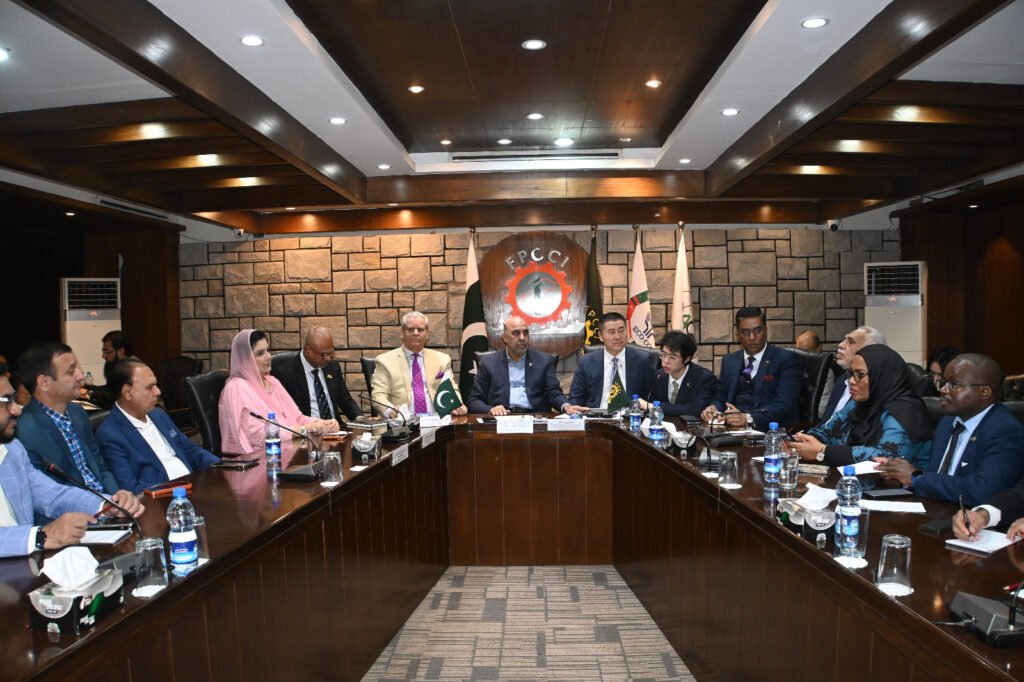
ISLAMABAD — The Ministry of National Health Services, Regulations and Coordination (MoNHSRC) has entered into a memorandum of understanding (MoU) with the National AI Hub to promote the responsible use of artificial intelligence in Pakistan’s healthcare sector. The agreement, signed on Friday, aims to enhance healthcare outcomes, particularly focusing on maternal, newborn, and child health. What Happened The MoU was signed between MoNHSRC and the National AI Hub, a pioneering initiative established by the Lahore University of Management Sciences (LUMS). This collaboration is set to leverage artificial intelligence to address critical healthcare challenges in Pakistan. The primary focus is on improving the health outcomes for mothers, newborns, and children, a segment that has historically faced numerous challenges in the country. Dr. Faisal Sultan, Special Assistant to the Prime Minister on Health, emphasized the transformative potential of AI in healthcare. “The integration of AI can significantly improve diagnostic accuracy and treatment outcomes, especially in rural and underserved areas,” he stated during the signing ceremony. The partnership aims to develop AI-driven solutions that can be implemented across various healthcare settings, from urban hospitals to rural clinics. The National AI Hub, under the aegis of LUMS, will spearhead the development of these AI technologies. The hub is tasked with ensuring that the AI solutions are ethically designed and implemented, with a strong emphasis on data privacy and security. The collaboration will also focus on capacity building, providing training to healthcare professionals on the use of AI tools. Background Pakistan’s healthcare sector has long struggled with inadequate resources and infrastructure, particularly in rural areas. Maternal and child health indicators have shown improvement over the years but remain below global standards. The introduction of AI is seen as a potential game-changer in addressing these challenges by providing more efficient and accurate healthcare solutions. Globally, AI has been increasingly integrated into healthcare systems to improve patient outcomes, streamline operations, and reduce costs. Countries like the United States and the United Kingdom have successfully implemented AI technologies in various healthcare applications, including predictive analytics, personalized medicine, and automated diagnostics. Why It Matters The integration of AI into Pakistan’s healthcare system represents a significant step towards modernizing the sector. By focusing on maternal, newborn, and child health, the initiative addresses some of the most pressing healthcare challenges in the country. Improved health outcomes in these areas can lead to a reduction in mortality rates and better quality of life for families across Pakistan. Economically, the use of AI in healthcare could lead to cost savings by reducing the need for expensive diagnostic tests and treatments. AI can help in early detection of diseases, allowing for timely interventions that are less costly and more effective. This is particularly important in a country like Pakistan, where healthcare resources are limited. Socially, the initiative has the potential to bridge the healthcare gap between urban and rural areas. By providing AI-driven tools to rural healthcare providers, the quality of care can be improved, reducing disparities in health outcomes based on geographic location. Internationally, the successful implementation of AI in Pakistan’s healthcare sector could position the country as a leader in innovative healthcare solutions in the region. It could also attract international partnerships and investments, further boosting the sector’s development. Key Takeaways The MoU between MoNHSRC and the National AI Hub aims to integrate AI into Pakistan’s healthcare system. The focus is on improving maternal, newborn, and child health outcomes. AI technologies will be developed and implemented with a focus on ethical standards and data privacy. The initiative could lead to significant cost savings and improved healthcare access, particularly in rural areas. Successful implementation could enhance Pakistan’s standing in global healthcare innovation. Source Attribution This article is based on official government statements, press releases, and public communications from relevant authorities. Author: NEN Editorial Desk | Editor: NEN Newsroom | Fact Checked By: NEN Editorial Team Author: NEN Editorial Desk  |  Editor: NEN Newsroom  |  Last Updated: July 17, 2026  |  Source: Press Release from Government of Pakistan This article was produced by the NEN Editorial Desk in accordance with NEN Agency’s Editorial Policy and Fact-Checking Policy.
World

Pakistan Clinches Seven Medals, Best Under-16 Title at Asian Ju-jitsu Championship

ISLAMABAD — Pakistan achieved a remarkable feat at the Asian Ju-jitsu Championship 2026 held in Almaty, Kazakhstan, by securing seven medals and earning the title of Best Under-16 Team of Asia. This accomplishment marks a significant milestone for the country’s ju-jitsu program, reflecting years of dedication and strategic development. What Happened The championship concluded with Pakistan’s tally standing at two gold, three silver, and two bronze medals. The event, which took place in Almaty, saw fierce competition among young athletes from across Asia. On the final day, Ebad ur Rehman secured a bronze medal in the Under-18 Fighting System (85kg) category by defeating his Indian counterpart. Additionally, in the Under-21 Men’s Duo Show System, the pair of Umer Yaseen and Ebad ur Rehman clinched silver medals, bringing Pakistan’s total medal count to seven. The medal and closing ceremony was attended by prominent figures, including Secretary General of the South Asian Ju-jitsu Regional Association and Pakistan Ju-jitsu Federation Tariq Ali, and Trade and Investment Counsellor at the Embassy of Pakistan in Kazakhstan, Rizwana Qazi. The Chairman of the Pakistan Ju-jitsu Federation expressed his pride in the athletes, coaches, and officials, attributing the success to their collective commitment and strategic planning. Tariq Ali, who also serves as the Secretary General of the Pakistan Ju-jitsu Federation and team leader, highlighted the significance of this achievement. He stated, “The performance demonstrated the growing strength of Pakistan’s ju-jitsu programme and will motivate the team ahead of future Asian and World Championships.” Background Ju-jitsu, a martial art focusing on grappling and ground fighting, has been gaining popularity in Pakistan over the past decade. The Pakistan Ju-jitsu Federation has been actively working to promote the sport at both national and international levels. Historically, Pakistan has participated in various international ju-jitsu competitions, gradually improving its performance and standing in the global arena. The Asian Ju-jitsu Championship is a prestigious event that attracts top talent from across the continent. It provides a platform for young athletes to showcase their skills and compete at an international level. Pakistan’s participation and success in these championships reflect the country’s growing capabilities in martial arts. Why It Matters The success of Pakistani athletes at the Asian Ju-jitsu Championship holds significant implications for the country’s sports landscape. Firstly, it highlights the potential of young athletes in Pakistan to excel in international competitions, thereby enhancing the country’s reputation in the global sports community. Economically, such achievements can attract investment in sports infrastructure and training facilities, which are crucial for nurturing future talent. The government and private sector may be more inclined to support sports initiatives, seeing the potential for international success. Socially, the success serves as an inspiration for young people across Pakistan, encouraging them to pursue sports as a viable career option. It also promotes a healthy lifestyle and the values of discipline and teamwork among the youth. Internationally, Pakistan’s growing prowess in ju-jitsu could lead to stronger ties with other countries through sports diplomacy. Participating in and hosting international sports events can foster goodwill and cultural exchange, contributing to Pakistan’s soft power on the global stage. Key Takeaways Pakistan won seven medals at the Asian Ju-jitsu Championship 2026 in Almaty, Kazakhstan. The team secured the title of Best Under-16 Team of Asia. The event showcased the growing strength of Pakistan’s ju-jitsu programme. Success in international sports can inspire youth and attract investment in sports infrastructure. Pakistan’s achievements in ju-jitsu enhance its reputation in the global sports community. Source Attribution This article is based on official government statements, press releases, and public communications from relevant authorities. Author: NEN Editorial Desk | Editor: NEN Newsroom | Fact Checked By: NEN Editorial Team Author: NEN Editorial Desk  |  Editor: NEN Newsroom  |  Last Updated: July 17, 2026  |  Source: NEN Reporter This article was produced by the NEN Editorial Desk in accordance with NEN Agency’s Editorial Policy and Fact-Checking Policy.
Pakistan

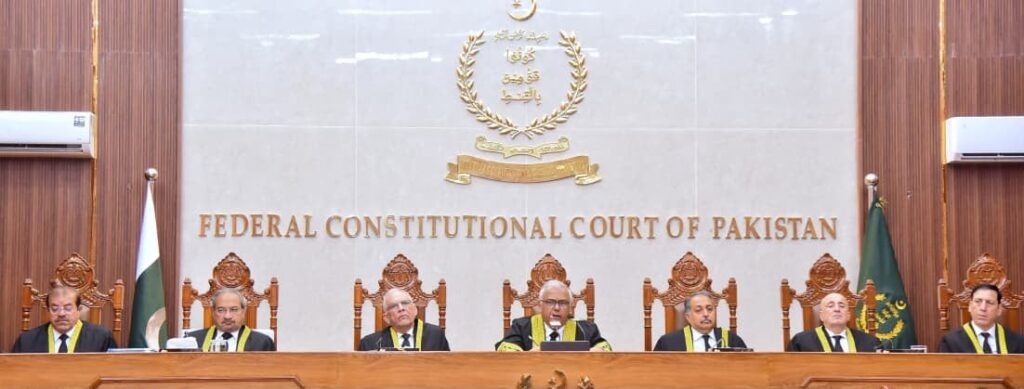
Bilawal Bhutto Zardari Highlights Importance Of July 27 AJK Elections

ISLAMABAD — Pakistan Peoples Party (PPP) Chairman Bilawal Bhutto Zardari emphasized the significance of the upcoming Azad Jammu and Kashmir (AJK) general elections, scheduled for July 27, calling them a pivotal moment for the region. He urged for dialogue to address the ongoing Kashmir crisis, describing the elections as a critical test for both the State of Kashmir and Pakistan. What Happened On Friday, Bilawal Bhutto Zardari addressed the media, expressing his views on the upcoming AJK elections. He termed these elections as the most crucial in the region’s history, highlighting the challenges faced by the people of Kashmir amidst the current geopolitical tensions. Bilawal stressed the need for a peaceful resolution to the Kashmir issue through dialogue, reiterating his party’s commitment to advocating for the rights of the Kashmiri people. Bilawal stated, “The July 27 elections are not just a political event; they are a referendum on the future of Kashmir and its people. It is imperative that all stakeholders come together to ensure a fair and transparent electoral process.” He further added that the PPP has always stood for the democratic rights of the people and will continue to support efforts towards a peaceful resolution of the Kashmir conflict. The PPP chairman’s remarks come at a time when tensions in the region remain high, with ongoing disputes between India and Pakistan over the status of Jammu and Kashmir. Bilawal’s call for dialogue is seen as a move to foster peace and stability in the region, which has witnessed decades of conflict. Background The region of Jammu and Kashmir has been a point of contention between India and Pakistan since the partition in 1947. Both countries claim the region in full but control only parts of it. The AJK elections are held to elect representatives for the legislative assembly, which governs the Pakistani-administered part of Kashmir. Historically, elections in AJK have been marred by allegations of rigging and political interference. The region’s political landscape is complex, with multiple parties vying for influence amidst a backdrop of international diplomatic tensions. The upcoming elections are particularly significant as they come at a time when both domestic and international pressures are mounting on the governments involved. Why It Matters The July 27 AJK elections are crucial not only for the political future of the region but also for the broader geopolitical dynamics between India and Pakistan. A fair and transparent election process could contribute to easing tensions and fostering dialogue between the two nations. Conversely, any perceived irregularities could exacerbate existing tensions and lead to further instability. For the people of AJK, these elections represent an opportunity to voice their aspirations and elect leaders who can advocate for their rights on both national and international platforms. The outcome of the elections could influence Pakistan’s approach to the Kashmir issue and its diplomatic relations with India. Economically, stability in the region could open avenues for development and investment, improving the quality of life for residents. Politically, a successful electoral process could strengthen democratic institutions in AJK and serve as a model for other conflict-affected regions. Key Takeaways Bilawal Bhutto Zardari calls the July 27 AJK elections the most crucial in the region’s history. He emphasizes the need for dialogue to resolve the ongoing Kashmir crisis. The elections are seen as a critical test for both the State of Kashmir and Pakistan. Fair and transparent elections could contribute to regional stability and improved Indo-Pak relations. The outcome may influence Pakistan’s diplomatic strategies and the region’s economic prospects. Source Attribution This article is based on official government statements, press releases, and public communications from relevant authorities. Author: NEN Editorial Desk | Editor: NEN Newsroom | Fact Checked By: NEN Editorial Team Author: NEN Editorial Desk  |  Editor: NEN Newsroom  |  Last Updated: July 17, 2026  |  Source: NEN Reporter This article was produced by the NEN Editorial Desk in accordance with NEN Agency’s Editorial Policy and Fact-Checking Policy.
Pakistan

PCB Launches Sports Psychology Initiative at U-19 Development Camp

MULTAN — The Pakistan Cricket Board (PCB) has launched a sports psychology program at the U-19 Skills Development Camp currently underway in Multan. This initiative aims to enhance the mental resilience and overall development of young cricketers as part of a comprehensive training regimen. What Happened The PCB has taken a progressive step by integrating sports psychology into its U-19 Skills Development Camp, which is being held in Multan. The program is designed to equip young cricketers with mental skills that complement their physical training, thereby fostering a more rounded approach to their development. The camp, which includes various skill enhancement modules, now features sessions led by experienced sports psychologists who will work with the players to improve their mental toughness, focus, and stress management skills. According to the PCB, the sports psychology component will include workshops, one-on-one counseling sessions, and group activities aimed at helping players understand the psychological aspects of competitive sports. A PCB spokesperson stated, “Our goal is to prepare our young athletes not just physically but mentally as well, so they can handle the pressures of international cricket effectively.” This initiative is part of the PCB’s broader strategy to modernize its training programs and align them with international standards. The inclusion of sports psychology is expected to aid in the personal and professional growth of the players, ultimately contributing to their performance on the field. Background Sports psychology has gained prominence in recent years as an essential component of athlete development. Internationally, teams across various sports have increasingly recognized the importance of mental conditioning in achieving peak performance. The PCB’s decision to incorporate this aspect into its training programs reflects a growing awareness of its benefits. Historically, Pakistani cricket has focused heavily on physical skills and technical training. However, with the increasing demands of modern cricket, there has been a shift towards a more holistic approach. The PCB’s move to include sports psychology in its U-19 camp is part of this evolving strategy, aimed at nurturing well-rounded athletes who can excel under pressure. Why It Matters The introduction of sports psychology at the U-19 level is a significant development for Pakistan’s cricketing future. By focusing on mental resilience, the PCB is addressing a crucial aspect of player development that has often been overlooked. This initiative is likely to have far-reaching implications for the national team’s performance, as players who are mentally prepared are better equipped to handle the rigors of international competition. Economically, a stronger national team can lead to increased sponsorships, greater fan engagement, and more significant revenue opportunities for the PCB. Socially, the program can inspire young athletes across the country to pursue cricket with a more professional mindset, understanding the importance of mental health in sports. Internationally, this move positions Pakistan as a forward-thinking cricketing nation that is willing to adopt best practices from around the world. It can enhance the country’s reputation in the global cricket community, potentially leading to more collaborative opportunities with other cricket boards and organizations. Key Takeaways The PCB has introduced a sports psychology program at the U-19 Skills Development Camp in Multan. The initiative aims to develop mental resilience and stress management skills in young cricketers. This move aligns with international standards and reflects a holistic approach to athlete development. The program can positively impact the national team’s performance and the PCB’s economic prospects. It positions Pakistan as a progressive cricketing nation on the international stage. Source Attribution This article is based on official statements and public communications from the Pakistan Cricket Board. Author: NEN Editorial Desk | Editor: NEN Newsroom | Fact Checked By: NEN Editorial Team Author: NEN Editorial Desk  |  Editor: NEN Newsroom  |  Last Updated: July 17, 2026  |  Source: NEN Reporter This article was produced by the NEN Editorial Desk in accordance with NEN Agency’s Editorial Policy and Fact-Checking Policy.

Pakistan

Short-Term Inflation Increases by 1.40% in Pakistan

ISLAMABAD — The Pakistan Bureau of Statistics (PBS) reported on Friday that the Sensitive Price Indicator (SPI)-based weekly inflation rose by 1.40% for the combined consumption group during the week ending July 16, 2026. This rise in inflation reflects ongoing economic challenges faced by the country. What Happened The latest figures from the Pakistan Bureau of Statistics reveal a 1.40% increase in the Sensitive Price Indicator (SPI) for the week concluding on July 16, 2026. This indicator tracks the price changes of essential goods and services consumed by households. The SPI is a crucial tool for understanding short-term inflationary trends, especially in a country like Pakistan, where inflation can significantly impact daily life. The increase in inflation is attributed to several factors, including fluctuations in the prices of food items, energy costs, and other essential commodities. The PBS report highlighted that prices of key items such as wheat flour, sugar, and cooking oil saw noticeable increases, contributing to the overall rise in the SPI. Additionally, utility costs, particularly electricity and gas, have also seen upward adjustments, further exacerbating the inflationary pressures. According to the PBS, the SPI is calculated based on the prices of 51 essential items collected from 17 urban centers across the country. The indicator is particularly sensitive to changes in the prices of food and energy, which constitute a significant portion of household expenditures in Pakistan. Background Inflation in Pakistan has been a persistent issue, with various economic and political factors influencing its trajectory. Historically, inflation rates have been affected by domestic supply chain disruptions, international commodity price fluctuations, and fiscal policies. The government has often struggled to maintain price stability, especially in times of economic uncertainty or political upheaval. In recent years, Pakistan has faced challenges such as currency depreciation, rising import costs, and fiscal deficits, all of which have contributed to inflationary pressures. The government has implemented various measures to curb inflation, including monetary policy adjustments and subsidies on essential goods. However, these measures have had mixed results, with inflation remaining a significant concern for policymakers and the public alike. Why It Matters The rise in short-term inflation has significant implications for the Pakistani economy and its citizens. For households, especially those with fixed or low incomes, increased inflation means a higher cost of living, which can lead to reduced purchasing power and financial strain. This situation is particularly challenging for the lower and middle-income groups who spend a larger portion of their income on essential goods and services. Economically, persistent inflation can erode consumer confidence and hinder economic growth. Businesses may face higher operational costs, leading to increased prices for goods and services, which can further fuel inflation in a vicious cycle. Additionally, inflation can impact investment decisions, as uncertainty over future costs and returns may deter both domestic and foreign investors. On a broader scale, the government’s ability to manage inflation effectively is crucial for maintaining economic stability and public trust. High inflation can lead to social unrest and political instability, as citizens demand action to alleviate the financial burden. Therefore, addressing inflation is not only an economic imperative but also a political one. Key Takeaways The Sensitive Price Indicator (SPI) increased by 1.40% for the week ending July 16, 2026. Price hikes in essential commodities like wheat flour, sugar, and cooking oil contributed to the inflation rise. Inflation poses significant challenges for households, particularly those with fixed or low incomes. Persistent inflation can hinder economic growth and affect investment decisions. Effective management of inflation is crucial for maintaining economic stability and public trust. Source Attribution This article is based on official government statements, press releases, and public communications from relevant authorities. Author: NEN Editorial Desk | Editor: NEN Newsroom | Fact Checked By: NEN Editorial Team Author: NEN Editorial Desk  |  Editor: NEN Newsroom  |  Last Updated: July 17, 2026  |  Source: NEN Reporter This article was produced by the NEN Editorial Desk in accordance with NEN Agency’s Editorial Policy and Fact-Checking Policy.

Scroll to Top