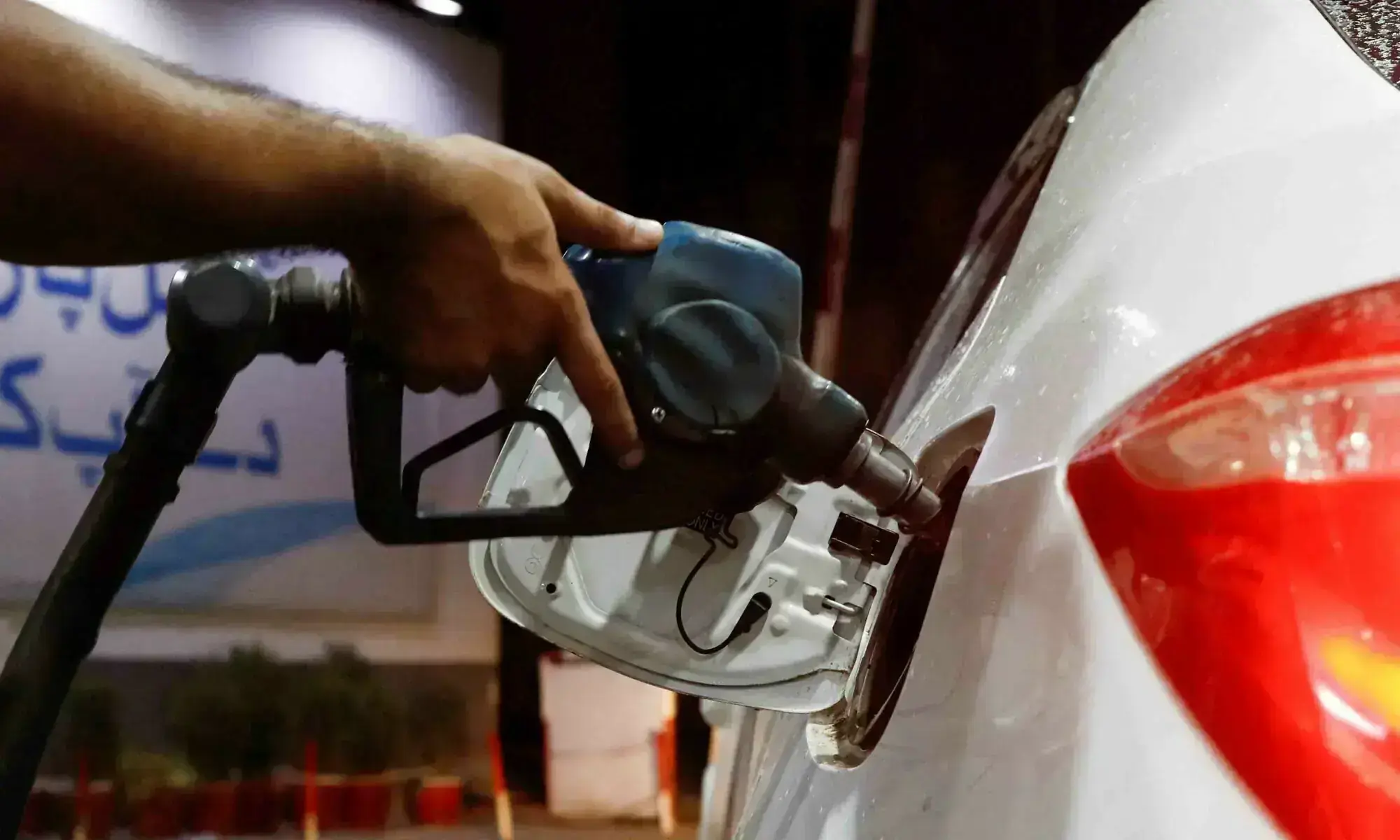
ISLAMABAD — The federal government of Pakistan has announced an increase in the prices of petroleum products, with petrol rising by Rs4.10 per litre and high-speed diesel (HSD) by Rs6.41 per litre. This revision will take effect from September 16, 2026, as per the Ministry of Energy’s latest directive.
What Happened
The Ministry of Energy (Petroleum Division) released a statement confirming the new ex-depot prices for petroleum products. The adjustment comes amid fluctuating global oil prices and aims to align domestic prices with international market trends. The Oil and Gas Regulatory Authority (OGRA) has been instrumental in advising the government on these adjustments, taking into account the current economic conditions and the need to maintain fiscal stability.
The price hike has been implemented to ensure that the government can manage its fiscal responsibilities while also addressing the needs of the petroleum sector. The Ministry emphasized that the decision was made after careful consideration of the international oil market dynamics and the country’s economic situation. The increase in prices is expected to have a ripple effect on various sectors, particularly transportation and goods distribution, which are heavily reliant on diesel.
In a statement, the Ministry of Energy noted, “The revision of petroleum prices is a necessary measure to ensure that the fiscal budget remains balanced and that the petroleum sector can continue to operate effectively.” The Ministry also highlighted that these adjustments are part of a broader strategy to stabilize the economy and manage the national budget.
Background
Pakistan’s petroleum pricing is heavily influenced by global oil prices, which have been volatile due to geopolitical tensions and fluctuating demand. Historically, the government has adjusted fuel prices to reflect changes in the international market, a practice that aims to prevent significant fiscal imbalances. The Oil and Gas Regulatory Authority (OGRA) plays a crucial role in advising the government on appropriate price adjustments, considering both global trends and domestic economic conditions.
Previous adjustments in petroleum prices have often sparked public debate and concern, given their direct impact on the cost of living and inflation. The government has occasionally provided subsidies to mitigate the impact on consumers, although such measures can strain the national budget.
Why It Matters
The increase in petrol and diesel prices is likely to have significant economic and social implications. For consumers, the rise in fuel costs will directly affect transportation expenses, leading to higher costs for commuting and goods transportation. This, in turn, could contribute to an increase in the overall cost of living, as transportation costs are a major component of the pricing of goods and services.
Economically, the government faces the challenge of balancing fiscal responsibility with public welfare. The increased revenue from higher fuel prices can help reduce budget deficits and fund essential public services. However, it also risks exacerbating inflationary pressures, which can undermine economic stability and growth.
Politically, the decision to raise fuel prices may be contentious, as it could lead to public dissatisfaction and protests. The government will need to manage public perception carefully and possibly consider measures to cushion the impact on the most vulnerable populations.
Key Takeaways
- The government has increased petrol prices by Rs4.10 and diesel by Rs6.41 per litre, effective September 16, 2026.
- The decision aligns domestic fuel prices with international market trends and aims to maintain fiscal stability.
- The price hike is expected to impact transportation costs and contribute to inflationary pressures.
- The government faces the challenge of balancing fiscal needs with public welfare concerns.
- Public response to the price increase may influence future policy decisions.
Source Attribution
This article is based on official government statements, press releases, and public communications from relevant authorities.