
Author name: NEN News

World

IT Minister Shaza Fatima Khawaja Attends World AI Conference in China

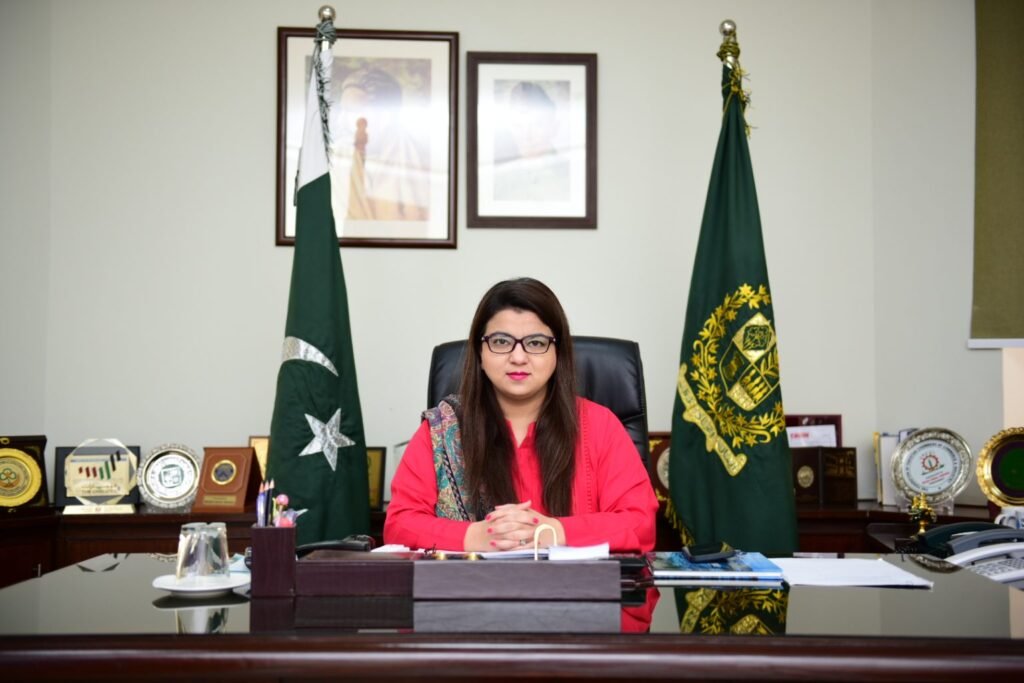
SHANGHAI — Federal Minister for Information Technology and Telecommunication Shaza Fatima Khawaja arrived in Shanghai, China, on Thursday to participate in the World Artificial Intelligence Conference (WAIC) 2026. The conference, which attracts global leaders in AI technology, serves as a platform for discussing advancements and collaborations in artificial intelligence. What Happened Minister Shaza Fatima Khawaja’s visit to China marks a significant engagement between Pakistan and the global AI community. The World Artificial Intelligence Conference, held annually in Shanghai, is a prestigious event that brings together experts, policymakers, and industry leaders from around the world to discuss the future of AI technology. This year, the conference is expected to cover a wide range of topics, including AI ethics, innovation, and international cooperation. During her visit, Minister Khawaja is scheduled to meet with several key stakeholders in the AI sector, including representatives from leading Chinese tech firms and international AI organizations. These meetings aim to foster partnerships and explore opportunities for collaboration in AI research and development. In her official statement, Minister Khawaja emphasized the importance of AI in driving economic growth and innovation in Pakistan, stating, “Our participation in WAIC 2026 underscores Pakistan’s commitment to embracing AI technology for sustainable development.” The conference also features a series of panel discussions and workshops where participants will delve into AI’s impact on various industries, including healthcare, finance, and education. Minister Khawaja is expected to highlight Pakistan’s initiatives in AI and the government’s efforts to create a conducive environment for tech innovation. Background Artificial intelligence has been rapidly evolving over the past decade, with countries around the world investing heavily in AI research and development. In Pakistan, the government has recognized the potential of AI to transform its economy and has initiated several programs to promote AI education and innovation. The Ministry of Information Technology and Telecommunication has been at the forefront of these efforts, working to integrate AI into various sectors to improve efficiency and productivity. Historically, Pakistan’s collaboration with China in technology and infrastructure has been strong, with both countries benefiting from shared expertise and resources. The China-Pakistan Economic Corridor (CPEC) has further solidified this partnership, providing a framework for cooperation in various technological domains, including AI. Why It Matters The participation of Pakistan’s IT minister in the World AI Conference is significant for several reasons. Economically, AI has the potential to revolutionize industries by automating processes, enhancing productivity, and creating new markets. For Pakistan, embracing AI technology could lead to substantial economic growth and job creation, especially in sectors like agriculture, manufacturing, and services. Socially, AI can improve the quality of life by providing solutions to complex problems in healthcare, education, and public administration. For instance, AI-driven healthcare solutions can improve diagnostic accuracy and patient care, while AI in education can offer personalized learning experiences to students across the country. Politically, engaging with international AI forums like WAIC positions Pakistan as a proactive player in the global tech landscape. It opens avenues for international collaboration, knowledge exchange, and investment, which are crucial for the country’s technological advancement and competitiveness on the global stage. Key Takeaways Federal Minister Shaza Fatima Khawaja is attending the World AI Conference in Shanghai, China. The conference is a major international event focusing on AI advancements and collaborations. Minister Khawaja aims to foster partnerships and explore AI development opportunities for Pakistan. AI holds significant economic, social, and political potential for Pakistan’s growth and innovation. Participation in international AI forums enhances Pakistan’s global tech presence and competitiveness. Source Attribution This article is based on official government statements, press releases, and public communications from relevant authorities. Author: NEN Editorial Desk | Editor: NEN Newsroom | Fact Checked By: NEN Editorial Team Author: NEN Editorial Desk  |  Editor: NEN Newsroom  |  Last Updated: July 16, 2026  |  Source: Press Release from Government of Pakistan This article was produced by the NEN Editorial Desk in accordance with NEN Agency’s Editorial Policy and Fact-Checking Policy.

World

Pakistan Releases New Foreign Exchange Forward Cover Rates

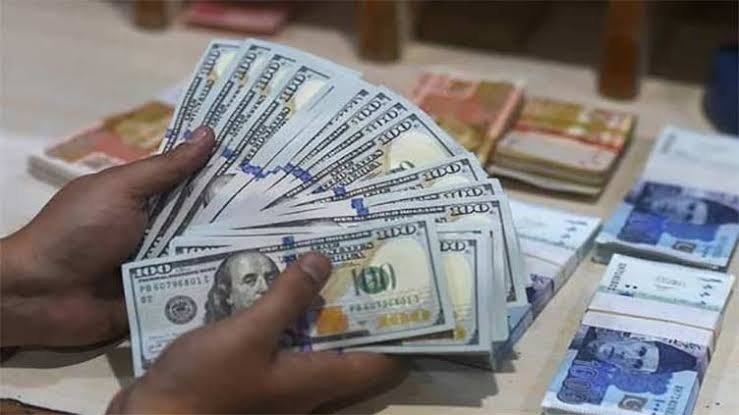
KARACHI — The Exchange Rates Committee of the Financial Markets Association of Pakistan has released the latest foreign exchange forward cover rates, providing essential guidance for financial institutions and businesses engaging in international transactions. The bulletin, issued on Thursday, outlines the conversion rates applicable for July 16, 2026, with the State Bank of Pakistan (SBP) settlement value date set for July 20, 2026. What Happened The Financial Markets Association of Pakistan’s Exchange Rates Committee announced the forward cover conversion rates for various foreign currencies, including the US dollar (USD), British pound (GBP), euro (EUR), and Japanese yen (JPY). These rates are crucial for financial institutions and businesses that engage in foreign currency transactions, as they provide a benchmark for hedging against currency risk. According to the bulletin, the conversion rate for the US dollar is set at 277.9530, the British pound at 371.5676, the euro at 317.5335, and the Japanese yen at 1.7127. These rates exclude FE-25 deposits, which are specific foreign currency accounts maintained by banks in Pakistan. The release of these rates is a routine procedure aimed at ensuring transparency and stability in the foreign exchange market. By providing a standardized set of rates, the Exchange Rates Committee helps financial institutions manage their foreign exchange exposure and plan their transactions accordingly. Background Foreign exchange forward cover rates are a vital tool in international finance, allowing businesses and financial institutions to hedge against potential fluctuations in currency values. The Financial Markets Association of Pakistan, through its Exchange Rates Committee, regularly issues these rates to provide guidance on future currency transactions. The State Bank of Pakistan plays a significant role in regulating the country’s foreign exchange market, ensuring that it remains stable and efficient. The SBP’s policies and regulations are designed to facilitate smooth international trade and investment by providing a reliable framework for currency exchange. Historically, Pakistan’s foreign exchange market has faced challenges due to external economic pressures, including trade imbalances and fluctuations in global currency markets. The issuance of forward cover rates is one of the measures taken to mitigate these challenges and provide stability to the financial sector. Why It Matters The release of forward cover rates is significant for Pakistan’s economy, as it directly impacts the cost of imports and exports, influencing the country’s trade balance. By providing a predictable framework for currency exchange, these rates help businesses plan their financial strategies and manage risks associated with currency fluctuations. For the banking sector, forward cover rates are essential for managing foreign currency deposits and loans. Banks rely on these rates to set competitive pricing for their foreign exchange products, which in turn affects their profitability and ability to offer attractive services to clients. The broader economic implications of these rates are also noteworthy. A stable and transparent foreign exchange market can enhance investor confidence, attracting foreign investment and promoting economic growth. By reducing uncertainty in currency transactions, Pakistan can strengthen its position in the global market and improve its economic resilience. Furthermore, the forward cover rates play a crucial role in the government’s economic planning. Accurate and reliable exchange rate forecasts enable policymakers to make informed decisions regarding fiscal and monetary policies, ensuring that they align with the country’s economic objectives. Key Takeaways The Financial Markets Association of Pakistan issued new forward cover rates for major currencies. These rates are crucial for hedging against currency risk in international transactions. The rates provide stability and transparency in Pakistan’s foreign exchange market. They have significant implications for trade, banking, and economic policy. Stable foreign exchange rates can enhance investor confidence and economic growth. Source Attribution This article is based on official government statements, press releases, and public communications from relevant authorities. Author: NEN Editorial Desk | Editor: NEN Newsroom | Fact Checked By: NEN Editorial Team Author: NEN Editorial Desk  |  Editor: NEN Newsroom  |  Last Updated: July 16, 2026  |  Source: NEN Reporter This article was produced by the NEN Editorial Desk in accordance with NEN Agency’s Editorial Policy and Fact-Checking Policy.

Pakistan

NBP Releases Updated Currency Exchange Rates for Major Currencies

KARACHI — The National Bank of Pakistan (NBP) has announced the latest currency exchange rates for major currencies as of Wednesday, July 16. These rates are crucial for businesses, traders, and individuals engaged in foreign transactions. What Happened The National Bank of Pakistan (NBP) released the updated exchange rates for a selection of major international currencies. As per the announcement, the selling rate for the US Dollar (USD) is set at 279.79 PKR, while the buying rate is 276.79 PKR. The British Pound (GBP) is priced at a selling rate of 378.67 PKR and a buying rate of 374.19 PKR. The Euro (EUR) stands at 320.85 PKR for selling and 317.07 PKR for buying. Additionally, the Japanese Yen (JPY) is listed at a selling rate of 1.7262 PKR and a buying rate of 1.7058 PKR. Among the Gulf currencies, the Saudi Riyal (SAR) is at 74.52 PKR for selling and 73.64 PKR for buying, while the United Arab Emirates Dirham (AED) is priced at 76.18 PKR for selling and 75.29 PKR for buying. These rates are updated regularly to reflect the current market conditions and are used by a variety of stakeholders, including importers, exporters, and foreign exchange dealers. The NBP provides these rates as a service to ensure transparency and consistency in the currency exchange market. Background The National Bank of Pakistan, a state-owned entity, plays a pivotal role in the country’s banking sector. It is responsible for managing the government’s currency exchange policies and providing updated rates to facilitate international trade and investment. The NBP’s currency rates are considered a benchmark for other financial institutions and currency dealers in Pakistan. Historically, the exchange rates in Pakistan have been influenced by various factors including inflation, foreign reserves, and international market trends. The State Bank of Pakistan (SBP) also plays a significant role in regulating these rates through monetary policy adjustments and interventions in the foreign exchange market. Why It Matters The release of updated currency exchange rates by the NBP is significant for several reasons. Firstly, it directly impacts the cost of imports and exports, which in turn affects the overall trade balance of Pakistan. A higher exchange rate for the USD, for instance, can increase the cost of imported goods, leading to inflationary pressures within the domestic market. For businesses engaged in international trade, these rates determine the profitability of transactions. Companies importing raw materials or exporting finished goods must account for these rates in their pricing strategies to maintain competitiveness in the global market. On a broader scale, the exchange rates also affect foreign investment. Investors look at currency stability as a key factor when deciding to invest in a country. Fluctuating rates can deter foreign direct investment (FDI) as they introduce an element of risk for investors seeking stable returns. Moreover, for Pakistani citizens working abroad, the exchange rates determine the value of remittances sent back home. A favorable rate increases the purchasing power of these remittances, which are a vital source of income for many families and contribute significantly to the national economy. Key Takeaways The NBP has released updated exchange rates for major currencies as of July 16. The USD is priced at 279.79 PKR for selling and 276.79 PKR for buying. Exchange rates influence import/export costs, trade balance, and inflation. Currency stability is crucial for attracting foreign investment and remittances. NBP’s rates serve as a benchmark for financial institutions and currency dealers. Source Attribution This article is based on official government statements, press releases, and public communications from relevant authorities. Author: NEN Editorial Desk | Editor: NEN Newsroom | Fact Checked By: NEN Editorial Team Author: NEN Editorial Desk  |  Editor: NEN Newsroom  |  Last Updated: July 16, 2026  |  Source: NEN Reporter This article was produced by the NEN Editorial Desk in accordance with NEN Agency’s Editorial Policy and Fact-Checking Policy.
Pakistan

Pakistan’s Textile Exports Slightly Rise to $17.9 Billion in FY2025

ISLAMABAD — Pakistan’s textile exports saw a marginal increase of 0.26 percent in the fiscal year 2025-26, reaching $17.932 billion, according to data released by the Pakistan Bureau of Statistics (PBS) on Thursday. What Happened The latest figures from the Pakistan Bureau of Statistics indicate a slight upward trend in the country’s textile exports, which totaled $17.932 billion for the fiscal year ending in June 2026. This marks a modest increase from the $17.887 billion recorded in the previous fiscal year, 2024-25. Among the various textile commodities, cotton yarn exports experienced a significant boost, rising by 12.40 percent to $765.124 million from $680.700 million. Similarly, the export of readymade garments grew by 3.87 percent, reaching $4.288 billion compared to $4.128 billion the previous year. Raw cotton exports also surged dramatically, increasing by 199 percent to $2.606 million from $0.871 million. Conversely, some textile categories faced declines. Cotton cloth exports fell by 7.55 percent to $1.672 billion from $1.808 billion. Yarn exports, excluding cotton yarn, decreased by 13.92 percent to $29.305 million from $34.042 million. Additionally, knitwear exports dropped by 0.88 percent to $4.966 billion from $5.010 billion, while bedwear exports remained almost flat, decreasing by 0.01 percent to $3.112 billion. Other categories such as towels and tents, canvas, and tarpaulin also saw reductions, with towels dropping by 1.93 percent to $1.061 billion and tents, canvas, and tarpaulin by 3.81 percent to $120.118 million. However, exports of all other textile materials increased by 8.67 percent to $790 million from $727 million. On a year-on-year basis, the textile exports for June 2026 saw a significant decline of 16.71 percent, amounting to $1.267 billion compared to $1.521 billion in June 2025. The month-on-month comparison also showed a decrease of 22.72 percent from $1.640 billion in May 2026. Background Pakistan’s textile sector is a critical component of its economy, accounting for a substantial portion of the country’s export revenue. Historically, the sector has faced challenges such as energy shortages, outdated technology, and competition from regional players like Bangladesh and Vietnam. Government policies and incentives have aimed to bolster the sector, yet external factors such as global demand fluctuations and trade policies continue to impact performance. The textile industry has been a focal point of economic strategies, with successive governments attempting to enhance its global competitiveness. The sector’s performance is often seen as a barometer of the country’s economic health, given its significant contribution to employment and GDP. Why It Matters The slight increase in textile exports, despite being marginal, is a positive indicator for Pakistan’s economy, which has been striving to stabilize amidst various challenges. The textile sector’s performance is crucial not only for its economic implications but also for its social impact, as it employs millions of workers across the country. The increase in exports of cotton yarn and readymade garments suggests a positive shift in demand for these products, potentially opening new markets and opportunities for Pakistani exporters. However, the decline in other categories like cotton cloth and knitwear highlights ongoing challenges that need addressing to sustain growth. Economically, the textile sector’s performance directly affects Pakistan’s trade balance and foreign exchange reserves. A robust textile export sector can help mitigate the country’s trade deficit, providing much-needed foreign currency inflows. On the international front, maintaining competitiveness in the textile market is essential for Pakistan to secure its position against regional competitors. The data underscores the need for continuous innovation and investment in technology and infrastructure to enhance productivity and quality. Key Takeaways Pakistan’s textile exports increased by 0.26 percent to $17.932 billion in FY2025-26. Cotton yarn and readymade garments exports showed significant growth, while cotton cloth exports declined. The textile sector remains a vital part of Pakistan’s economy, impacting employment and GDP. Challenges persist in maintaining competitiveness against regional players. Year-on-year and month-on-month data indicate volatility in export performance. Source Attribution This article is based on official government statements, press releases, and public communications from relevant authorities. Author: NEN Editorial Desk | Editor: NEN Newsroom | Fact Checked By: NEN Editorial Team Author: NEN Editorial Desk  |  Editor: NEN Newsroom  |  Last Updated: July 16, 2026  |  Source: NEN Reporter This article was produced by the NEN Editorial Desk in accordance with NEN Agency’s Editorial Policy and Fact-Checking Policy.
World

FJWU Launches New BS Programs in Data Science and Fintech

RAWALPINDI — Fatima Jinnah Women University (FJWU) has announced the introduction of new Bachelor of Science (BS) programs in Data Science, Fintech, and Forensic Science. This initiative aims to equip female students with skills that are increasingly in demand in the global job market. What Happened Fatima Jinnah Women University, located in Rawalpindi, has launched several new market-driven BS programs. The newly introduced courses include Data Science, Fintech, and Forensic Science, reflecting a strategic shift towards disciplines that are vital in today’s technology-driven economy. According to university officials, these programs are designed to provide female students with the necessary skills to excel in rapidly evolving industries. The decision to introduce these programs comes after the successful launch of the BS in Artificial Intelligence and Robotics in the previous academic year. This program reportedly received an enthusiastic response from students, prompting the university to expand its offerings in technology and science-related fields. Vice Chancellor of FJWU, Dr. Saima Hamid, stated, “Our objective is to prepare our students for the challenges of the modern world by offering courses that are aligned with current market demands.” She emphasized the importance of providing women with opportunities to excel in fields traditionally dominated by men, such as technology and finance. Background Fatima Jinnah Women University, established in 1998, is one of Pakistan’s leading institutions dedicated to women’s education. The university has consistently aimed to empower women by providing them with quality education and skills necessary for professional success. Over the years, FJWU has expanded its curriculum to include a variety of disciplines, reflecting changes in educational needs and economic trends. The introduction of these programs is part of a broader trend in Pakistani higher education institutions to align academic offerings with market needs. As industries increasingly rely on data analytics, financial technology, and forensic science, the demand for professionals in these fields has surged. Universities across the country are responding by updating their curricula to include specialized programs that cater to these growing sectors. Why It Matters The launch of these programs at FJWU is significant for several reasons. Firstly, it addresses the gender gap in STEM (Science, Technology, Engineering, and Mathematics) fields by providing women with more opportunities to pursue careers in these areas. Historically, women have been underrepresented in STEM, both globally and in Pakistan. By offering specialized programs, FJWU is helping to bridge this gap, empowering women to take on roles in high-demand sectors. Secondly, the focus on market-driven programs ensures that graduates are better prepared for the workforce. As Pakistan’s economy continues to develop, there is a growing need for skilled professionals in data science, fintech, and forensic science. These fields are not only critical to the country’s economic growth but also offer lucrative career opportunities for graduates. Furthermore, the introduction of these programs at a women’s university highlights the importance of inclusive education in driving social and economic change. By equipping women with the skills needed to succeed in modern industries, FJWU is contributing to the broader goal of gender equality and economic empowerment. Key Takeaways Fatima Jinnah Women University has launched new BS programs in Data Science, Fintech, and Forensic Science. The programs aim to equip female students with skills in high-demand fields. The initiative follows the successful introduction of the BS in AI and Robotics. These programs address the gender gap in STEM fields and prepare students for the workforce. FJWU’s efforts contribute to gender equality and economic empowerment in Pakistan. Source Attribution This article is based on official statements and public communications from Fatima Jinnah Women University. Author: NEN Editorial Desk | Editor: NEN Newsroom | Fact Checked By: NEN Editorial Team Author: NEN Editorial Desk  |  Editor: NEN Newsroom  |  Last Updated: July 16, 2026  |  Source: NEN Reporter This article was produced by the NEN Editorial Desk in accordance with NEN Agency’s Editorial Policy and Fact-Checking Policy.

World

KP Government Approves 420 Solar Tube Wells to Aid Farmers

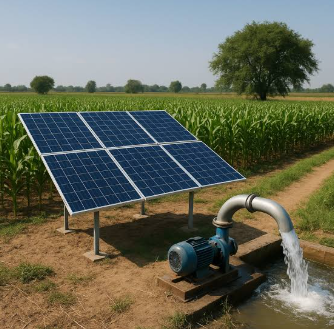
PESHAWAR — The Khyber Pakhtunkhwa (KP) government has sanctioned the installation of 420 solar-powered tube wells to enhance sustainable energy use in the agricultural sector. This initiative, announced by the Agriculture Department, aims to provide cost-effective irrigation solutions to farmers across the province. What Happened The KP government has allocated a budget of Rs two billion for the installation of 320 solar agricultural tube wells in various districts. This project is part of a broader strategy to reduce farming costs, boost agricultural productivity, and promote the use of environmentally friendly energy sources. According to the Agriculture Department, the project will be executed under two distinct schemes, benefiting thousands of acres of farmland. In addition to the 320 tube wells, a special package has been approved for the installation of 100 solar tube wells in the Kohat district, with an allocated budget of Rs225 million. This initiative is expected to improve irrigation facilities for local farmers significantly. Furthermore, the government plans to convert 100 existing agricultural tube wells to solar power, which will help in substantially reducing electricity and fuel expenses for farmers. To address water scarcity in rain-fed areas, the government has announced the construction of 450 recharge wells across the province. These wells will be geo-tagged to ensure effective monitoring and management of water resources. The Agriculture Department has indicated that more than 1,100 farmers will benefit from the project, receiving 3,540 kilowatt-hours of free solar energy. Special monitoring devices will be installed on the solar tube wells to prevent water wastage and promote efficient water use. Background Khyber Pakhtunkhwa, a province with a significant agricultural base, has been facing challenges related to water scarcity and high energy costs. The region’s reliance on traditional energy sources for irrigation has contributed to increased farming expenses and environmental concerns. The shift towards solar energy is part of the government’s broader efforts to transition to renewable energy sources, aligning with national policies aimed at reducing carbon emissions and promoting sustainable development. In recent years, Pakistan has been investing in solar energy projects to address its energy deficit and support economic growth. The KP government’s initiative is a continuation of these efforts, focusing on the agricultural sector, which is crucial for the province’s economy and food security. Why It Matters The approval of 420 solar tube wells represents a significant step towards sustainable agriculture in Khyber Pakhtunkhwa. By reducing reliance on conventional energy sources, the initiative is expected to lower operational costs for farmers, making agriculture more economically viable. This move is particularly important in a region where agriculture is a primary source of livelihood. The project also holds environmental significance, as it promotes the use of clean energy and reduces the carbon footprint associated with traditional irrigation methods. By converting existing tube wells to solar power, the government is setting a precedent for other provinces to follow, potentially leading to a nationwide shift towards renewable energy in agriculture. Socially, the initiative is likely to improve the quality of life for farmers by providing them with reliable and affordable energy solutions. The construction of recharge wells will enhance water availability in rain-fed areas, addressing a critical challenge faced by farmers in these regions. Economically, the project is expected to increase agricultural productivity, contributing to food security and economic stability in the province. By investing in renewable energy infrastructure, the KP government is fostering a more resilient agricultural sector capable of withstanding environmental and economic challenges. Key Takeaways The KP government has approved 420 solar-powered tube wells to support sustainable agriculture. A budget of Rs two billion is allocated for 320 tube wells, with an additional Rs225 million for 100 wells in Kohat. 100 existing tube wells will be converted to solar power, reducing energy costs for farmers. 450 recharge wells will be constructed to improve water availability in rain-fed areas. More than 1,100 farmers will benefit from free solar energy, promoting efficient water use. Source Attribution This article is based on official government statements, press releases, and public communications from relevant authorities. Author: NEN Editorial Desk | Editor: NEN Newsroom | Fact Checked By: NEN Editorial Team Author: NEN Editorial Desk  |  Editor: NEN Newsroom  |  Last Updated: July 16, 2026  |  Source: Press Release from Government of Pakistan This article was produced by the NEN Editorial Desk in accordance with NEN Agency’s Editorial Policy and Fact-Checking Policy.
Pakistan

Court Upholds Employment Ruling for MA Graduate in Khyber Pakhtunkhwa

ISLAMABAD — The Federal Constitutional Court has upheld a decision by the Peshawar High Court regarding the employment of a Master of Arts (MA) degree holder as a sweeper in Khyber Pakhtunkhwa (KP). The court’s ruling, issued on Thursday, dismissed an appeal challenging the employment status of the individual, directing the KP government to seek alternative employment opportunities for the graduate. What Happened The case arose when an MA-qualified individual found themselves employed as a sweeper in a government department in Khyber Pakhtunkhwa. The situation sparked a legal challenge, with the individual appealing to the Peshawar High Court for reassignment to a position more commensurate with their educational qualifications. However, the High Court ruled against the appeal, maintaining that the employment was lawful under current regulations. Following the High Court’s decision, the case was escalated to the Federal Constitutional Court. On Thursday, the court issued its verdict, upholding the previous ruling. The court acknowledged the anomaly of employing highly educated individuals in menial jobs but emphasized the legal framework’s constraints. The court further directed the KP government to explore alternative employment opportunities for the individual, stating, “It is imperative that the government recognizes the potential of its educated youth and provides them with suitable employment.” Background The issue of underemployment among highly educated individuals in Pakistan is not new. Over the years, the country has witnessed a growing number of graduates unable to find jobs that match their qualifications. This trend is particularly pronounced in regions like Khyber Pakhtunkhwa, where economic opportunities are limited, and government jobs are highly sought after due to their perceived stability. Historically, the Pakistani government has faced challenges in creating enough jobs to accommodate the increasing number of graduates entering the job market each year. This has led to a mismatch between the skills possessed by graduates and the jobs available, often resulting in overqualified individuals taking up roles that do not utilize their full potential. Why It Matters The court’s decision highlights the broader issue of underemployment and the need for systemic changes in Pakistan’s job market. For the individual involved, the ruling underscores the challenges faced by many graduates who, despite their qualifications, struggle to find suitable employment. This situation reflects a significant gap in the country’s employment policies and the need for reforms to better align educational outcomes with job market demands. Economically, the underutilization of highly educated individuals represents a loss of potential productivity and innovation. When graduates are employed in roles that do not leverage their skills, it not only affects their personal career growth but also limits the country’s economic development. Addressing this issue is crucial for Pakistan’s long-term growth and competitiveness on the global stage. Socially, the ruling draws attention to the frustration and disillusionment among the youth, who see education as a pathway to better opportunities. When these expectations are not met, it can lead to increased dissatisfaction and unrest, particularly among young people who are unable to find jobs that match their aspirations. Key Takeaways The Federal Constitutional Court upheld the employment of an MA graduate as a sweeper in KP. The court directed the KP government to find alternative employment for the individual. This case highlights the broader issue of underemployment among educated individuals in Pakistan. Economic and social implications of underemployment include lost productivity and increased youth dissatisfaction. Systemic reforms are needed to better align educational outcomes with job market demands. Source Attribution This article is based on official government statements, press releases, and public communications from relevant authorities. Author: NEN Editorial Desk | Editor: NEN Newsroom | Fact Checked By: NEN Editorial Team Author: NEN Editorial Desk  |  Editor: NEN Newsroom  |  Last Updated: July 16, 2026  |  Source: NEN Reporter This article was produced by the NEN Editorial Desk in accordance with NEN Agency’s Editorial Policy and Fact-Checking Policy.

World

ISSI Conference Urges Regional Cooperation to Tackle Emerging Challenges

ISLAMABAD — Experts at an international conference organized by the Institute of Strategic Studies Islamabad (ISSI) have emphasized the importance of sustained dialogue and regional cooperation to address evolving geopolitical and non-traditional security challenges. The conference, held in Islamabad, brought together scholars, policymakers, and international relations experts to discuss strategies for enhancing regional connectivity and international collaboration. What Happened The ISSI conference, held on October 15, 2023, served as a platform for experts to deliberate on the pressing geopolitical issues facing the region. The event featured a series of panel discussions and keynote speeches that highlighted the necessity of fostering dialogue among nations to effectively manage both traditional and non-traditional security threats. Dr. Talat Shabbir, Director of the China-Pakistan Study Centre at ISSI, stated, “The complexity of current geopolitical dynamics requires a multifaceted approach that includes cooperation at regional and international levels.” He further stressed the need for countries to engage in open dialogue to address shared concerns such as climate change, cyber security, and economic instability. Participants at the conference underscored the significance of regional connectivity projects, such as the China-Pakistan Economic Corridor (CPEC), as vital components in strengthening economic ties and ensuring stability in the region. They also discussed the role of international institutions in facilitating cooperation and conflict resolution. Ambassador Aizaz Ahmad Chaudhry, Director General of ISSI, emphasized the importance of building trust among nations to foster a cooperative environment. “Trust is the cornerstone of any successful partnership,” he remarked, adding that mutual respect and understanding are essential for achieving long-term peace and security. Background The Institute of Strategic Studies Islamabad (ISSI) is a renowned think tank in Pakistan, known for its research and analysis on strategic and security issues. The organization frequently hosts conferences and seminars to promote dialogue and understanding among nations. In recent years, the geopolitical landscape has become increasingly complex, with new challenges such as cyber threats, climate change, and economic volatility emerging alongside traditional security concerns. These issues require collaborative efforts from nations across the globe to develop effective solutions. Regional cooperation initiatives like CPEC have been pivotal in fostering economic growth and connectivity in South Asia. However, geopolitical tensions and security challenges continue to pose threats to stability in the region. Why It Matters The call for dialogue and cooperation at the ISSI conference highlights the urgent need for nations to work together in addressing the multifaceted challenges of the modern world. As geopolitical tensions rise, collaborative efforts are essential to prevent conflicts and promote peace. For Pakistan, regional cooperation is crucial for economic development and security. Initiatives like CPEC not only enhance economic ties with China but also create opportunities for regional integration, which can lead to greater stability and prosperity. On a broader scale, international cooperation is vital for tackling global issues such as climate change and cyber security. These challenges transcend national borders and require a unified approach to develop effective strategies and solutions. The emphasis on trust-building and mutual respect at the conference underscores the importance of diplomatic engagement in resolving conflicts and fostering a cooperative international environment. By prioritizing dialogue and collaboration, nations can work towards a more stable and secure future. Key Takeaways The ISSI conference emphasized the need for sustained dialogue and regional cooperation to address geopolitical and security challenges. Experts highlighted the importance of regional connectivity projects like CPEC in enhancing economic ties and stability. Building trust among nations was identified as a key factor in fostering successful international partnerships. Collaborative efforts are essential for tackling global issues such as climate change and cyber security. The conference underscored the significance of mutual respect and understanding in achieving long-term peace and security. Source Attribution This article is based on official government statements, press releases, and public communications from relevant authorities. Author: NEN Editorial Desk | Editor: NEN Newsroom | Fact Checked By: NEN Editorial Team Author: NEN Editorial Desk  |  Editor: NEN Newsroom  |  Last Updated: July 16, 2026  |  Source: NEN Reporter This article was produced by the NEN Editorial Desk in accordance with NEN Agency’s Editorial Policy and Fact-Checking Policy.
Pakistan

PHF Sets Merit-Based Criteria for National Hockey Team Selection

ISLAMABAD — The Pakistan Hockey Federation (PHF) has established a new merit-based selection criteria for the upcoming Pakistan Senior Men’s National Team World Cup Camp. This initiative, announced on Wednesday, is designed to foster a transparent, objective, and performance-oriented selection process for the national team. What Happened The PHF has finalized a comprehensive set of guidelines to ensure that players are selected based on merit for the World Cup Camp. This move aims to eliminate any biases or favoritism in the selection process, thereby promoting a fair competition among players vying for spots on the national team. The criteria were developed after extensive consultations with coaches, former players, and other stakeholders in the hockey community. According to PHF officials, the new selection criteria will focus on players’ recent performances, fitness levels, and overall contribution to the team. The federation emphasized that the selection process will be closely monitored to uphold the integrity and transparency of the procedure. “We are committed to selecting players who demonstrate exceptional skill and dedication to the sport,” a PHF spokesperson stated. The World Cup Camp is a critical phase in the preparation for the upcoming international tournaments, including the Hockey World Cup. The camp will serve as a platform for the selected players to hone their skills and strategies under the guidance of experienced coaches. The PHF believes that a merit-based selection will enhance the team’s competitiveness on the global stage. Background Historically, the selection process for Pakistan’s national hockey team has faced criticism for alleged favoritism and lack of transparency. In previous years, there have been instances where players and experts have raised concerns about the fairness of the selection process. The PHF’s decision to implement a merit-based system is part of a broader effort to reform the sport’s governance and restore confidence in the federation’s operations. Pakistan has a rich history in field hockey, having won multiple Olympic gold medals and World Cup titles. However, in recent decades, the national team’s performance has declined, leading to calls for systemic changes within the PHF. The introduction of a merit-based selection process is seen as a step towards revitalizing the sport and regaining Pakistan’s position as a formidable force in international hockey. Why It Matters The implementation of a merit-based selection criteria by the PHF is significant for several reasons. Firstly, it addresses long-standing issues of transparency and fairness in the selection process, which have been a source of frustration for players and fans alike. By ensuring that selections are based on objective criteria, the PHF aims to build a stronger, more competitive national team. Economically, a successful national team can attract sponsorships and increase the sport’s popularity, leading to greater investment in hockey infrastructure and development programs across the country. This could ultimately contribute to the sport’s growth at the grassroots level, providing more opportunities for young athletes to pursue hockey professionally. Socially, the move is expected to boost morale among players and foster a sense of trust in the federation’s leadership. It sends a message that hard work and talent will be recognized and rewarded, which could inspire a new generation of players to strive for excellence in the sport. On an international level, a merit-based selection process could enhance Pakistan’s reputation in the global hockey community. By fielding a team selected on merit, Pakistan stands a better chance of performing well in international competitions, potentially leading to improved rankings and greater respect from other hockey-playing nations. Key Takeaways The PHF has introduced a merit-based selection criteria for the national hockey team. This initiative aims to ensure transparency and fairness in the selection process. The criteria focus on players’ performance, fitness, and contribution to the team. The move addresses historical concerns about favoritism in team selection. A merit-based approach could enhance Pakistan’s competitiveness internationally. Source Attribution This article is based on official statements and public communications from the Pakistan Hockey Federation. Author: NEN Editorial Desk | Editor: NEN Newsroom | Fact Checked By: NEN Editorial Team Author: NEN Editorial Desk  |  Editor: NEN Newsroom  |  Last Updated: July 16, 2026  |  Source: NEN Reporter This article was produced by the NEN Editorial Desk in accordance with NEN Agency’s Editorial Policy and Fact-Checking Policy.

Pakistan

NBP Releases Updated Currency Exchange Rates for July 16

KARACHI — The National Bank of Pakistan (NBP) has announced the latest currency exchange rates effective from July 16, 2026. The updated rates reflect the ongoing fluctuations in the international currency markets and are crucial for businesses and individuals engaging in foreign exchange transactions. What Happened The NBP has set the selling rate for the US dollar at 279.79 PKR and the buying rate at 276.79 PKR. The British pound is listed at a selling rate of 374.67 PKR and a buying rate of 374.19 PKR. Meanwhile, the euro’s selling rate is 320.85 PKR, with a buying rate of 317.07 PKR. The Japanese yen is priced at 1.7262 PKR for selling and 1.7058 PKR for buying. Additionally, the Saudi riyal and UAE dirham are pegged at selling rates of 74.52 PKR and 76.18 PKR, respectively, with buying rates at 73.64 PKR and 75.29 PKR. Furthermore, the NBP has provided the London Interbank Offered Rate (LIBOR) for calculating interest on special USD bonds. The LIBOR rates are set at 3.6795% for one month, 3.7495% for three months, and 3.8673% for six months. These rates are pivotal for financial institutions and investors to determine the interest on various financial products and services. Background The currency exchange rates are a reflection of the economic conditions, both domestically and internationally. The NBP, being one of the largest commercial banks in Pakistan, plays a significant role in setting these rates, which are influenced by factors such as inflation, foreign exchange reserves, and global market trends. Historically, the Pakistani rupee has experienced volatility due to economic challenges, including trade deficits and fluctuating foreign investment levels. Currency rates are typically updated based on real-time data from the foreign exchange market. The NBP’s role in publishing these rates is crucial for maintaining transparency and providing guidance to market participants. The bank has been issuing these updates regularly to ensure that the market operates efficiently and that stakeholders are informed of the latest developments. Why It Matters The updated exchange rates have significant implications for various sectors of the economy. For importers and exporters, these rates determine the cost of goods and services, affecting pricing strategies and profit margins. Businesses involved in international trade must closely monitor these rates to manage currency risk and optimize their financial performance. For individuals, especially those involved in remittances or planning to travel abroad, the exchange rates impact the value of their transactions. A favorable exchange rate can result in substantial savings, while an unfavorable rate might increase costs. Consequently, the rates set by the NBP are critical for personal financial planning and budgeting. On a broader scale, the exchange rates also influence the country’s economic stability. A stable currency can attract foreign investment, bolster economic growth, and enhance the country’s creditworthiness. Conversely, significant currency fluctuations can lead to economic uncertainty, affecting investor confidence and potentially leading to inflationary pressures. Key Takeaways The NBP has updated the currency exchange rates effective July 16, 2026, for various currencies including USD, GBP, EUR, JPY, SAR, and AED. The LIBOR rates for USD bonds are set at 3.6795% for one month, 3.7495% for three months, and 3.8673% for six months. Exchange rates are crucial for businesses and individuals engaged in foreign exchange transactions, impacting costs and financial planning. The rates reflect broader economic conditions and are influenced by factors such as inflation and global market trends. Stable exchange rates are vital for economic growth, attracting foreign investment, and maintaining investor confidence. Source Attribution This article is based on official government statements, press releases, and public communications from relevant authorities. Author: NEN Editorial Desk | Editor: NEN Newsroom | Fact Checked By: NEN Editorial Team Author: NEN Editorial Desk  |  Editor: NEN Newsroom  |  Last Updated: July 16, 2026  |  Source: NEN Reporter This article was produced by the NEN Editorial Desk in accordance with NEN Agency’s Editorial Policy and Fact-Checking Policy.

Scroll to Top