
Author name: NEN News

World

Shahbaz Senior Hails FIH Invitation for 2026 World Cup as Honor for Pakistan

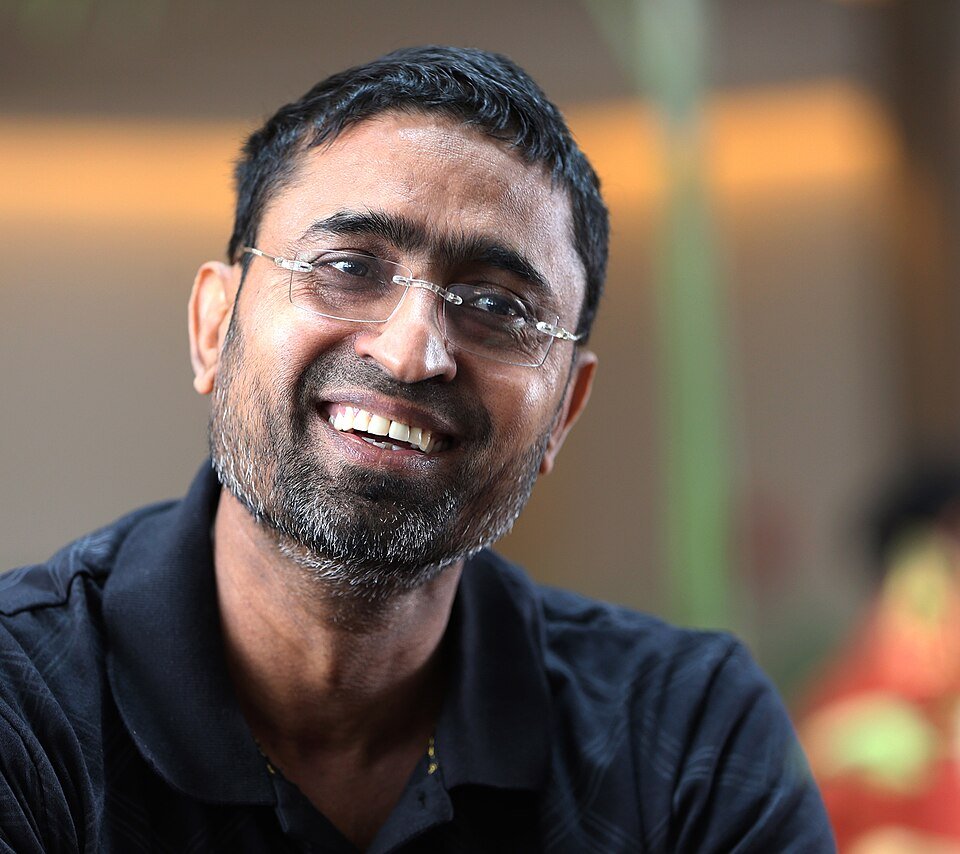
ISLAMABAD — Former Pakistan hockey captain Shahbaz Ahmad Senior has expressed his delight over receiving an invitation from the International Hockey Federation (FIH) to attend the 2026 Hockey World Cup. He described this recognition as a significant honor for both himself and Pakistan, highlighting the nation’s storied legacy in the world of hockey. What Happened Shahbaz Ahmad Senior, a legendary figure in Pakistan’s hockey history, has been invited by the FIH to participate in the 2026 Hockey World Cup. The invitation is seen as a testament to his contributions to the sport and Pakistan’s rich history in international hockey. Shahbaz Senior remarked, “This invitation is not just a personal honor but a recognition of Pakistan’s glorious legacy in world hockey.” The 2026 Hockey World Cup is set to be a major event in the international sports calendar, and Shahbaz’s inclusion underscores the respect and admiration he commands in the hockey community. Shahbaz Senior’s career is decorated with numerous accolades, including leading Pakistan to victory in the 1994 Hockey World Cup. His dynamic playing style and leadership on the field have left an indelible mark on the sport. The FIH’s invitation is a reflection of his enduring influence and the respect he continues to garner globally. Background Pakistan has a rich history in field hockey, having won three Olympic gold medals and four World Cup titles. The country’s dominance in the sport spanned several decades, particularly from the 1960s to the 1990s. Shahbaz Ahmad Senior, who captained the national team during some of its most successful years, is often credited with being one of the finest forwards in the history of the game. His leadership during the 1994 World Cup, where Pakistan emerged victorious, is particularly celebrated. Over the years, Pakistan’s presence in international hockey has waned due to various factors, including administrative challenges and a lack of investment in the sport. However, the legacy of players like Shahbaz Senior continues to inspire new generations of athletes in the country. Why It Matters The invitation to Shahbaz Ahmad Senior is significant not only for its recognition of his personal achievements but also for its potential impact on Pakistan’s hockey landscape. It serves as a reminder of the country’s historical prowess in the sport and could inspire renewed interest and investment in hockey at both grassroots and national levels. For Pakistan, a nation with a deep-rooted passion for hockey, such international recognition can help rekindle interest in the sport. It highlights the importance of nurturing talent and investing in sports infrastructure to regain its former glory. The acknowledgment from FIH could also encourage young athletes to pursue hockey, knowing that their efforts could one day earn them similar honors. On an international level, the invitation underscores the global recognition of Pakistan’s contributions to hockey. It positions the country as an integral part of the sport’s history and its ongoing narrative. This could potentially open doors for more collaborative efforts between Pakistan and international hockey bodies, fostering development and exchange programs that benefit the sport globally. Key Takeaways Shahbaz Ahmad Senior received an invitation from the International Hockey Federation for the 2026 World Cup. The invitation is a recognition of both his personal achievements and Pakistan’s historical legacy in hockey. Pakistan’s rich hockey history includes three Olympic golds and four World Cup titles. The recognition could inspire renewed interest and investment in hockey within Pakistan. International acknowledgment positions Pakistan as a key player in the global hockey narrative. Source Attribution The article is based on official statements and public communications from the International Hockey Federation and Shahbaz Ahmad Senior. Author: NEN Editorial Desk | Editor: NEN Newsroom | Fact Checked By: NEN Editorial Team Author: NEN Editorial Desk  |  Editor: NEN Newsroom  |  Last Updated: July 16, 2026  |  Source: NEN Reporter This article was produced by the NEN Editorial Desk in accordance with NEN Agency’s Editorial Policy and Fact-Checking Policy.

World

Arif Habib Stresses Capital Market’s Role in Economic Growth at SECP Event

ISLAMABAD — A developed capital market is crucial for sustainable economic growth, veteran businessman Arif Habib emphasized during the Securities and Exchange Commission of Pakistan (SECP) Talk Series held in Islamabad. The event, which took place on July 16, brought together key figures from Pakistan’s financial sector to discuss the evolution and future of the country’s capital markets. What Happened At the SECP Talk Series, Arif Habib, a prominent figure with over five decades of experience in Pakistan’s capital markets, highlighted the indispensable role of a developed capital market in fostering sustainable economic growth. The session was attended by SECP Chairman Dr. Kabir Ahmed Sidhu, commissioners, market institutions, academia, and business leaders. The discussions centered on the evolution of Pakistan’s capital markets, the importance of long-term investing, and the necessary reforms to enhance investor participation. Dr. Kabir Ahmed Sidhu opened the session by underscoring the SECP’s commitment to institutionalizing knowledge-sharing. He stated, “Our objective is to build a capital market ecosystem that is transparent, accessible, and aligned with global standards.” He also outlined ongoing reforms, such as digital investor onboarding, the implementation of the T+1 settlement cycle, and initiatives aimed at expanding the investor base to 2.5 million through greater financial inclusion and easier market access. Reflecting on the historical journey of Pakistan’s capital markets, Arif Habib traced its development from open-outcry trading floors to the current technology-driven marketplace. He emphasized that despite the evolution of markets, the core principles of successful investing remain discipline, patience, and long-term thinking. Habib pointed out that the Pakistan Stock Exchange has delivered an average annual return of approximately 22 percent over the past 22 years and a 14 percent dollar-denominated return over the last five years. He stressed the temporary nature of market volatility, advocating for long-term investment in fundamentally strong companies as a means to create sustainable wealth. Habib also highlighted the critical role of capital markets in mobilizing savings, financing businesses, strengthening corporate governance, and generating employment across various sectors, including brokerage, asset management, investment banking, research, fintech, and advisory services. Furthermore, Habib emphasized the need to increase financial literacy, particularly among young Pakistanis, to broaden participation in formal capital markets. Background Pakistan’s capital market has undergone significant transformation over the decades. The SECP, established in 1997, has been instrumental in regulating and developing the capital markets. The Pakistan Stock Exchange (PSX), which was formed by the merger of the Karachi, Lahore, and Islamabad stock exchanges, serves as the country’s primary stock exchange. The PSX has played a pivotal role in facilitating capital formation and investment opportunities. In recent years, the SECP has introduced various reforms to enhance market efficiency and investor protection. These include the introduction of a T+2 settlement cycle, the establishment of a central depository system, and the implementation of a comprehensive risk management framework. Why It Matters The development of a robust capital market is vital for Pakistan’s economic growth and stability. A well-functioning capital market provides businesses with access to capital, enabling them to expand operations, invest in innovation, and create jobs. For individual investors, it offers opportunities for wealth creation and financial security. In the context of Pakistan’s economy, which faces challenges such as fiscal deficits, inflation, and external debt, a developed capital market can play a crucial role in mobilizing domestic savings and attracting foreign investment. By facilitating efficient allocation of resources, the capital market can contribute to economic diversification and resilience. Moreover, increasing financial literacy and broadening investor participation are essential for enhancing market depth and liquidity. This, in turn, can lead to more stable and efficient markets, reducing the impact of speculative trading and market volatility. Key Takeaways Arif Habib emphasized the importance of a developed capital market for sustainable economic growth at the SECP Talk Series. The SECP is implementing reforms to enhance market transparency, accessibility, and investor participation. Pakistan’s capital market has evolved significantly, with the PSX delivering strong returns over the years. Increasing financial literacy among young Pakistanis is crucial for broadening market participation. A robust capital market can help address economic challenges and attract investment. Source Attribution This article is based on official government statements, press releases, and public communications from relevant authorities. Author: NEN Editorial Desk | Editor: NEN Newsroom | Fact Checked By: NEN Editorial Team Author: NEN Editorial Desk  |  Editor: NEN Newsroom  |  Last Updated: July 16, 2026  |  Source: Press Release from Government of Pakistan This article was produced by the NEN Editorial Desk in accordance with NEN Agency’s Editorial Policy and Fact-Checking Policy.
World

Pakistan’s Foreign Reserves Drop to $22.67 Billion

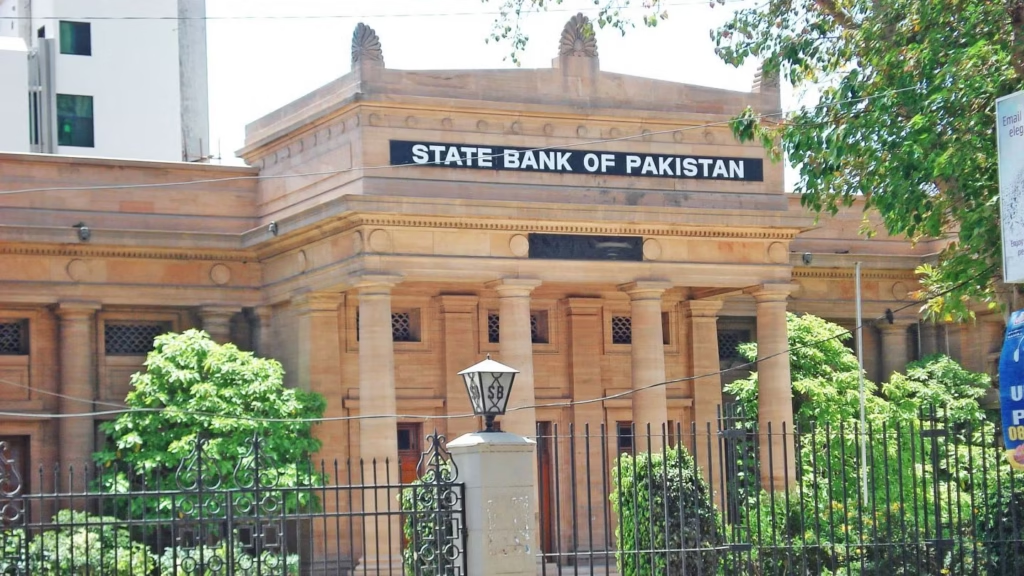
KARACHI — Pakistan’s total liquid foreign reserves have decreased to $22.67 billion as of July 10, 2026, according to official figures. The State Bank of Pakistan (SBP) reported a significant decline in its reserves, which fell by $1.245 billion during the week ending July 10, bringing the SBP’s holdings to $17.23 billion. What Happened The State Bank of Pakistan (SBP) announced that its foreign exchange reserves saw a decrease of $1.245 billion in the week ending July 10, 2026. This reduction brought the SBP’s reserves down to $17.23 billion, contributing to the country’s total liquid foreign reserves standing at $22.67 billion. The decline in reserves is attributed to external debt repayments and other financial obligations that Pakistan had to meet during this period. The dwindling reserves come at a time when Pakistan is grappling with economic challenges, including a high import bill and the need to service its external debt. The SBP’s reserves are crucial for maintaining the country’s financial stability and ensuring that it can meet its international payment obligations. The central bank has been actively managing its reserves to maintain a balance between supporting the local currency and fulfilling external commitments. In a statement, the SBP highlighted the importance of maintaining adequate reserve levels to support the economy. “The management of foreign exchange reserves is critical to ensure the stability of the Pakistani rupee and to meet the country’s international financial obligations,” the SBP stated. Background Pakistan’s foreign exchange reserves have been under pressure due to several factors, including a persistent trade deficit, rising global oil prices, and the need to repay external debt. Historically, the country has relied on financial assistance from international financial institutions and friendly countries to bolster its reserves. The International Monetary Fund (IMF) has been a key partner in providing financial support to Pakistan through various loan programs aimed at stabilizing the economy. In recent years, Pakistan has also sought to diversify its foreign exchange sources by encouraging remittances from overseas Pakistanis and attracting foreign direct investment. However, these measures have faced challenges due to global economic uncertainties and domestic economic constraints. Why It Matters The decline in Pakistan’s foreign reserves is a cause for concern as it directly impacts the country’s ability to manage its external payments and maintain economic stability. Lower reserves can lead to increased pressure on the Pakistani rupee, potentially resulting in inflationary pressures and higher import costs. This, in turn, affects the purchasing power of citizens and can lead to a higher cost of living. Economically, the reserves are vital for ensuring that Pakistan can meet its debt obligations without resorting to excessive borrowing, which could further strain the national budget. Politically, maintaining adequate reserves is crucial for the government’s credibility and its ability to negotiate favorable terms with international lenders and partners. On the international front, the state of Pakistan’s reserves is closely watched by investors and rating agencies, as it reflects the country’s financial health and its ability to honor international commitments. A stable reserve position is essential for attracting foreign investment and fostering economic growth. Key Takeaways Pakistan’s total liquid foreign reserves have decreased to $22.67 billion as of July 10, 2026. The State Bank of Pakistan’s reserves fell by $1.245 billion during the week ending July 10. The decline is attributed to external debt repayments and financial obligations. Lower reserves can impact the Pakistani rupee and lead to inflationary pressures. Maintaining adequate reserves is crucial for economic stability and international credibility. Source Attribution This article is based on official government statements, press releases, and public communications from relevant authorities. Author: NEN Editorial Desk | Editor: NEN Newsroom | Fact Checked By: NEN Editorial Team Author: NEN Editorial Desk  |  Editor: NEN Newsroom  |  Last Updated: July 16, 2026  |  Source: NEN Reporter This article was produced by the NEN Editorial Desk in accordance with NEN Agency’s Editorial Policy and Fact-Checking Policy.
World

FPCCI Highlights Need To Empower Women Entrepreneurs For Global Trade

LAHORE — The Federation of Pakistan Chambers of Commerce and Industry (FPCCI) has underscored the importance of empowering women entrepreneurs to bolster Pakistan’s economic growth and enhance its global trade competitiveness. On Thursday, FPCCI Vice President Qurrat ul Ain articulated the necessity of integrating women into international markets and equipping them with advanced skills to expand the country’s export base. What Happened During a recent address, FPCCI Vice President Qurrat ul Ain emphasized the critical role that women entrepreneurs can play in achieving sustainable economic growth. She highlighted the need for policies that facilitate women’s access to international markets and provide them with the necessary skills to compete on a global scale. “Empowering women entrepreneurs is essential for expanding Pakistan’s export base and enhancing the country’s competitiveness in the global marketplace,” she stated. Qurrat ul Ain called for comprehensive strategies to support women in business, including access to finance, mentorship programs, and skill development initiatives. She pointed out that despite the significant potential, women entrepreneurs in Pakistan face numerous challenges, such as limited access to financial resources, lack of training opportunities, and societal constraints. Addressing these barriers, she argued, would not only benefit women but also contribute to the broader economic objectives of the nation. The FPCCI’s call to action comes at a time when Pakistan is striving to improve its economic standing by diversifying its export portfolio and enhancing trade relations globally. The organization believes that women entrepreneurs are a largely untapped resource that could drive innovation and growth in various sectors, particularly in industries where women already have a strong presence, such as textiles and handicrafts. Background Pakistan has historically faced challenges in integrating women into the formal economy. According to the World Bank, women’s labor force participation in Pakistan is among the lowest in South Asia. Cultural norms, limited mobility, and lack of access to education and financial services have contributed to this disparity. Over the years, various initiatives have been launched to address these issues, but significant gaps remain. The government has introduced several policies aimed at promoting gender equality and supporting women entrepreneurs. These include the establishment of women chambers of commerce, microfinance programs tailored for women, and vocational training centers. However, the implementation of these policies has been inconsistent, and many women still find it difficult to break into the business world. Why It Matters The empowerment of women entrepreneurs is crucial for Pakistan’s economic development. By fostering an inclusive business environment, Pakistan can tap into the potential of half its population, driving innovation and increasing productivity. Empowering women in business not only contributes to economic growth but also promotes social equity and reduces poverty. On an international level, enhancing women’s participation in trade can improve Pakistan’s competitiveness. Women entrepreneurs often bring unique perspectives and innovative solutions to the marketplace, which can differentiate Pakistani products and services in global markets. This is particularly important as Pakistan seeks to diversify its exports and reduce its reliance on traditional sectors. Moreover, supporting women entrepreneurs aligns with global trends towards gender equality and sustainable development. International organizations and trade partners increasingly prioritize gender-inclusive policies, and Pakistan’s commitment to empowering women can enhance its reputation and foster stronger international partnerships. Key Takeaways FPCCI emphasizes the need to empower women entrepreneurs to boost economic growth and global trade competitiveness. Women entrepreneurs face challenges such as limited access to finance and training, which need to be addressed. Integrating women into the economy can drive innovation and productivity, benefiting the broader economic landscape. Supporting women entrepreneurs aligns with global trends towards gender equality and sustainable development. Enhancing women’s participation in trade can improve Pakistan’s international competitiveness and foster stronger partnerships. Source Attribution This article is based on official statements from the Federation of Pakistan Chambers of Commerce and Industry and public communications from relevant authorities. Author: NEN Editorial Desk | Editor: NEN Newsroom | Fact Checked By: NEN Editorial Team Author: NEN Editorial Desk  |  Editor: NEN Newsroom  |  Last Updated: July 16, 2026  |  Source: NEN Reporter This article was produced by the NEN Editorial Desk in accordance with NEN Agency’s Editorial Policy and Fact-Checking Policy.
World

D-8 Secretary General Advocates Enhanced Media Cooperation at Global Forum

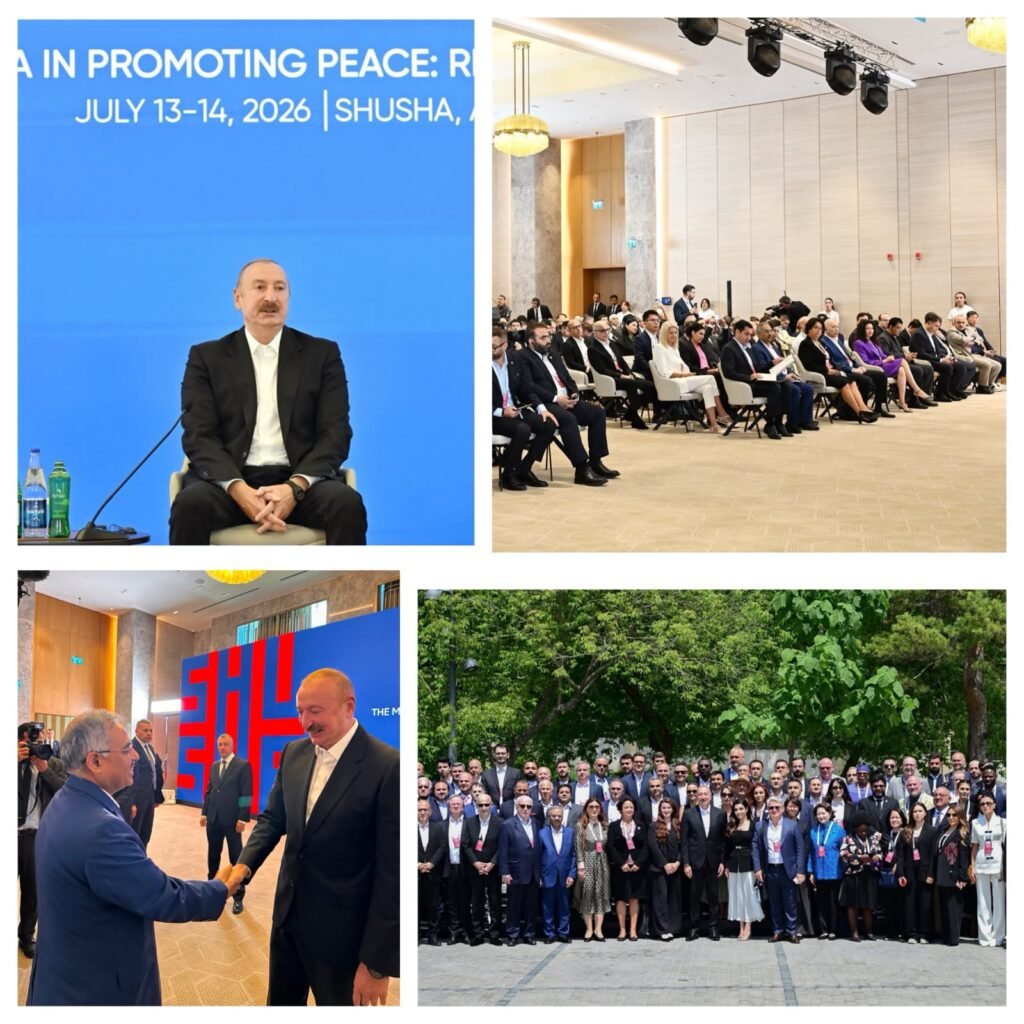
ISLAMABAD — The Secretary-General of the Developing-8 Organization for Economic Cooperation (D-8), Ambassador Sohail Mahmood, has called for greater media collaboration among member states during his address at the Shusha Global Media Forum. On July 16, Ambassador Sohail outlined his vision for the D-8 Media Excellence Center, aiming to foster innovation, capacity-building, and ethical journalism across the member nations. What Happened At the 4th Shusha Global Media Forum, Ambassador Sohail Mahmood led the D-8 delegation and emphasized the critical role of media in shaping public opinion and fostering mutual understanding among the D-8 countries. He highlighted the necessity for a cohesive media strategy that can address the challenges of misinformation and promote accurate reporting. The forum, attended by media professionals and representatives from various countries, provided a platform for discussing the evolving dynamics of global media and its impact on international relations. Ambassador Sohail proposed the establishment of the D-8 Media Excellence Center, which would serve as a hub for media innovation and capacity-building. He stated, “The center will be pivotal in enhancing the skills of media professionals and ensuring adherence to ethical journalism standards.” The initiative aims to facilitate the exchange of best practices among member states and develop a network of media professionals committed to promoting factual and unbiased reporting. The forum also addressed the challenges posed by digital transformation and the proliferation of social media platforms, which have significantly altered the media landscape. Participants discussed strategies to leverage these platforms for positive engagement and counter the spread of misinformation. Background The Developing-8 Organization for Economic Cooperation, commonly known as D-8, was established in 1997 to enhance economic cooperation among eight developing countries: Bangladesh, Egypt, Indonesia, Iran, Malaysia, Nigeria, Pakistan, and Turkey. The organization focuses on promoting sustainable development through collaboration in various sectors, including trade, agriculture, and industry. The Shusha Global Media Forum is an annual event that brings together media professionals, policymakers, and academics to discuss the challenges and opportunities in the global media landscape. The forum aims to foster dialogue and cooperation among different stakeholders to improve the quality and impact of media worldwide. Why It Matters The call for enhanced media cooperation among D-8 member states is significant in the context of increasing global challenges such as misinformation, fake news, and media polarization. By fostering collaboration, the D-8 aims to create a unified media front that can effectively address these issues and promote accurate information dissemination. For Pakistan, as a member of the D-8, this initiative presents an opportunity to strengthen its media sector by adopting best practices from other member states. It can lead to improved journalism standards and greater public trust in media institutions. Furthermore, the establishment of the D-8 Media Excellence Center could position Pakistan as a leader in media innovation and ethical journalism within the region. On an international level, enhanced media cooperation among D-8 countries could contribute to a more balanced representation of developing nations in the global media narrative. It can help counter stereotypes and provide a platform for diverse voices and perspectives, thus promoting a more inclusive and equitable global discourse. Key Takeaways Ambassador Sohail Mahmood calls for stronger media cooperation among D-8 member states at the Shusha Global Media Forum. The proposed D-8 Media Excellence Center aims to foster innovation, capacity-building, and ethical journalism. Enhanced media collaboration can help address challenges like misinformation and promote accurate reporting. Pakistan stands to benefit from improved journalism standards and greater public trust in media institutions. Internationally, the initiative could lead to a more balanced representation of developing nations in global media. Source Attribution This article is based on official government statements, press releases, and public communications from relevant authorities. Author: NEN Editorial Desk | Editor: NEN Newsroom | Fact Checked By: NEN Editorial Team Author: NEN Editorial Desk  |  Editor: NEN Newsroom  |  Last Updated: July 16, 2026  |  Source: NEN Reporter This article was produced by the NEN Editorial Desk in accordance with NEN Agency’s Editorial Policy and Fact-Checking Policy.

Pakistan

Bangladesh High Commission Commemorates July Martyrs’ Day in Islamabad

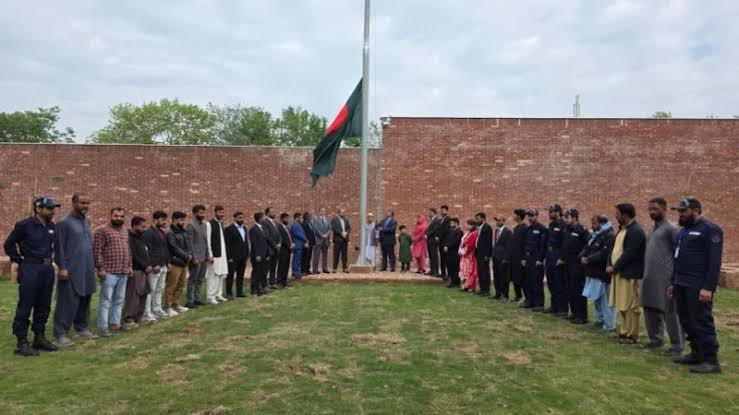
ISLAMABAD — The Bangladesh High Commission in Islamabad observed July Martyrs’ Day on Thursday, paying tribute to those who lost their lives during the July 2024 Uprising in Bangladesh. The event was attended by diplomats, members of the Bangladeshi community, academics, researchers, and public figures, who gathered to reflect on the significance of the uprising and subsequent democratic developments in Bangladesh. What Happened The commemoration of July Martyrs’ Day at the Bangladesh High Commission in Islamabad served as a solemn reminder of the sacrifices made during the July 2024 Uprising. The event featured speeches from various dignitaries who highlighted the pivotal moments of the uprising and its impact on Bangladesh’s journey towards democracy. Attendees included diplomats, scholars, and members of the Bangladeshi diaspora, all of whom contributed to a vibrant discussion on the historical and contemporary relevance of the uprising. Speakers at the event recalled the events of July 2024, when widespread protests erupted across Bangladesh, leading to significant political changes. The uprising, marked by demands for democratic reforms and greater political freedoms, resulted in the loss of many lives. The speakers emphasized the bravery and resilience of those who participated in the protests, acknowledging their role in shaping the nation’s democratic trajectory. The High Commission’s event also included a panel discussion where experts analyzed the socio-political landscape of Bangladesh post-uprising. They discussed the challenges and successes of the democratic transition, noting the importance of continued vigilance and engagement in safeguarding democratic values. Background The July 2024 Uprising in Bangladesh was a critical juncture in the country’s history. It was characterized by mass protests against authoritarian governance and calls for democratic reforms. The movement was driven by widespread dissatisfaction with the political status quo, economic hardships, and a desire for greater civil liberties. Historically, Bangladesh has experienced a tumultuous political landscape since gaining independence in 1971. The country has oscillated between democratic and authoritarian regimes, with periods of political instability and military interventions. The July 2024 Uprising was a culmination of long-standing grievances and marked a significant step towards establishing a more democratic governance framework. Why It Matters The commemoration of July Martyrs’ Day is significant not only for Bangladesh but also for the broader South Asian region. It serves as a reminder of the power of collective action in effecting political change and the importance of safeguarding democratic principles. The uprising and its aftermath have had profound implications for Bangladesh’s political development, influencing policy decisions and shaping the nation’s democratic institutions. For Pakistan, understanding the dynamics of Bangladesh’s democratic transition offers valuable insights into managing its own political challenges. Both countries share historical ties and similar socio-political contexts, making the exchange of experiences and strategies beneficial for fostering regional stability and cooperation. Furthermore, the event underscores the importance of international solidarity in supporting democratic movements. As Bangladesh continues to navigate its democratic journey, the role of the international community, including neighboring countries like Pakistan, becomes crucial in providing support and encouragement for democratic governance. Key Takeaways The Bangladesh High Commission in Islamabad commemorated July Martyrs’ Day, honoring those who lost their lives in the July 2024 Uprising. The event highlighted the significance of the uprising in Bangladesh’s democratic transition and included discussions on its historical and contemporary impact. Speakers emphasized the bravery of the protestors and the importance of continued democratic engagement. The July 2024 Uprising marked a pivotal moment in Bangladesh’s political history, leading to significant democratic reforms. The commemoration serves as a reminder of the importance of international solidarity in supporting democratic movements. Source Attribution This article is based on official government statements, press releases, and public communications from relevant authorities. Author: NEN Editorial Desk | Editor: NEN Newsroom | Fact Checked By: NEN Editorial Team Author: NEN Editorial Desk  |  Editor: NEN Newsroom  |  Last Updated: July 16, 2026  |  Source: Press Release from Government of Pakistan This article was produced by the NEN Editorial Desk in accordance with NEN Agency’s Editorial Policy and Fact-Checking Policy.
World

NBP Releases Updated Foreign Exchange Rates Amid Economic Uncertainty

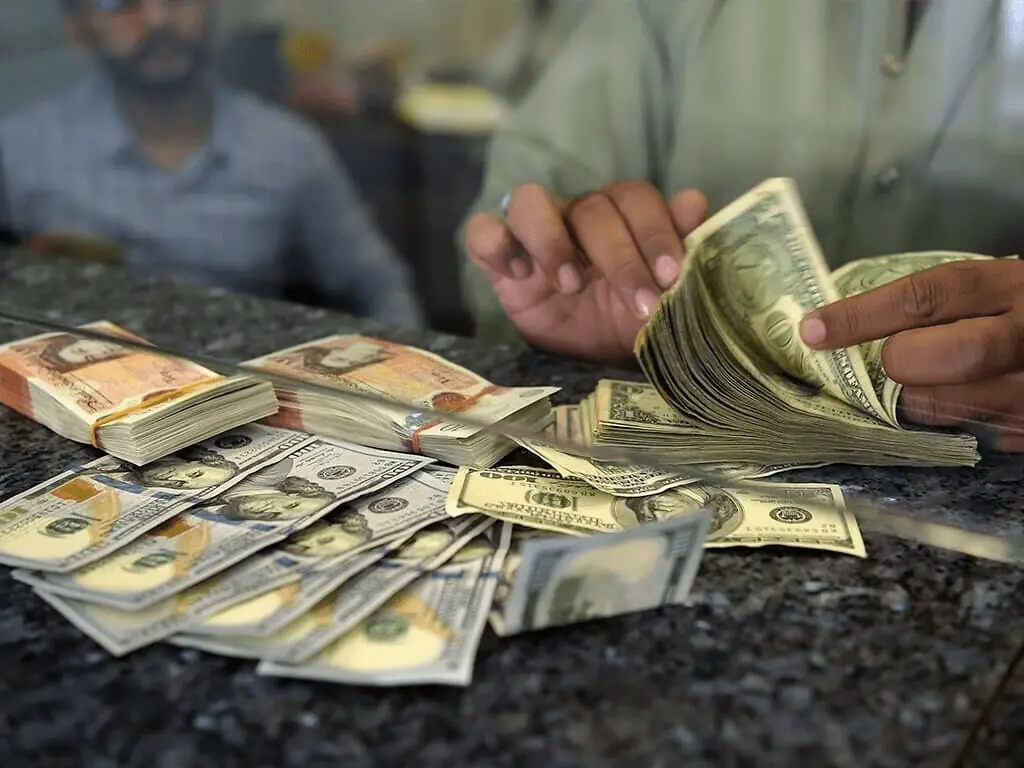
KARACHI — The National Bank of Pakistan (NBP) released its updated foreign exchange rates on Thursday, reflecting the latest figures from its Treasury Management Division. The announcement comes as Pakistan continues to navigate economic challenges, with currency fluctuations impacting both businesses and consumers. What Happened The Treasury Management Division of the NBP issued the latest exchange rates for a range of currencies, providing crucial information for importers, exporters, and financial analysts. According to the released data, the US Dollar (USD) was listed at a telegraphic transfer (TT) selling rate of PKR 278.40 and a buying rate of PKR 277.90. The Euro (EUR) was priced at a TT selling rate of PKR 319.26 and a buying rate of PKR 318.68. Other notable currencies include the British Pound (GBP), which was set at a TT selling rate of PKR 376.78 and a buying rate of PKR 376.11, and the Japanese Yen (JPY) with a selling rate of PKR 1.7176 and a buying rate of PKR 1.7145. The Swiss Franc (CHF) was listed at PKR 345.53 for selling and PKR 344.91 for buying, while the Canadian Dollar (CAD) was priced at PKR 198.20 for selling and PKR 197.84 for buying. Additional currencies such as the Australian Dollar (AUD), Swedish Krona (SEK), and Norwegian Krone (NOK) were also included in the update, reflecting minor fluctuations that could impact trade and investment decisions. The NBP also provided conversion rates for frozen foreign currency deposits, with the USD at PKR 277.9530, GBP at PKR 371.5676, and EUR at PKR 317.5335. Background Pakistan’s economy has been under significant pressure due to a combination of internal and external factors, including inflation, fiscal deficits, and geopolitical tensions. The foreign exchange rates issued by the NBP are crucial for businesses engaged in international trade, as they provide a benchmark for currency conversion and financial planning. Historically, the Pakistani Rupee has experienced volatility against major currencies, influenced by global market trends, domestic economic policies, and international trade agreements. The State Bank of Pakistan (SBP) plays a pivotal role in managing the country’s monetary policy, including interventions in the foreign exchange market to stabilize the currency. Why It Matters The release of updated foreign exchange rates by the NBP is significant for several reasons. Firstly, it directly affects the cost of imports and exports, influencing the pricing strategies of businesses engaged in international trade. Fluctuations in exchange rates can lead to increased costs for imported goods, which may be passed on to consumers, contributing to inflationary pressures. Secondly, the exchange rates impact remittances, a vital source of foreign exchange for Pakistan. With millions of Pakistanis working abroad, the value of remittances is closely tied to exchange rate movements. A stronger rupee can reduce the local currency value of remittances, affecting household incomes and spending power. Furthermore, the foreign exchange rates are a barometer of investor confidence in Pakistan’s economy. Stable and predictable exchange rates can attract foreign investment, while volatility may deter investors seeking stable returns. The NBP’s rates provide insights into market perceptions and economic conditions, influencing investment decisions. Lastly, these rates are crucial for policymakers and economists who analyze economic trends and formulate strategies to address macroeconomic challenges. Understanding exchange rate dynamics is essential for crafting effective monetary and fiscal policies that promote economic stability and growth. Key Takeaways The NBP released updated foreign exchange rates, impacting trade and financial planning. The US Dollar was listed at a TT selling rate of PKR 278.40 and a buying rate of PKR 277.90. Exchange rates influence import costs, remittances, and investor confidence in Pakistan. Stable exchange rates are vital for attracting foreign investment and economic growth. Policymakers use exchange rate data to address macroeconomic challenges. Source Attribution This article is based on official statements and public communications from the National Bank of Pakistan. Author: NEN Editorial Desk | Editor: NEN Newsroom | Fact Checked By: NEN Editorial Team Author: NEN Editorial Desk  |  Editor: NEN Newsroom  |  Last Updated: July 16, 2026  |  Source: NEN Reporter This article was produced by the NEN Editorial Desk in accordance with NEN Agency’s Editorial Policy and Fact-Checking Policy.

Pakistan

Pakistani Rupee Appreciates Slightly Against US Dollar in Interbank Market

ISLAMABAD — On Thursday, the Pakistani Rupee experienced a minor appreciation against the US Dollar, gaining 3 paisa in interbank trading. The Rupee closed at Rs 277.97, a slight improvement from the previous day’s closing rate of Rs 278.00, as reported by the Forex Association of Pakistan (FAP). What Happened In the latest interbank market activity, the Rupee showed a modest gain against the US Dollar. The currency closed at Rs 277.97, marking a 3 paisa increase from the previous trading session’s closing rate of Rs 278.00. This fluctuation reflects ongoing volatility in the foreign exchange market, influenced by various economic factors. According to the Forex Association of Pakistan, the open market buying and selling rates for the US Dollar were recorded at Rs 279.05 and Rs 279.20, respectively. This indicates a slight variation between the interbank and open market rates, a common occurrence due to differing demand and supply dynamics. The Euro also saw a change in its exchange rate, increasing by Rs 1.08 to close at Rs 318.68, compared to the previous day’s rate of Rs 317.60, as per the State Bank of Pakistan (SBP). Meanwhile, the Japanese Yen remained stable at Rs 1.71, and the British Pound rose significantly by Rs 4.24, closing at Rs 375.91 from Rs 371.67. The Emirate Dirham and Saudi Riyal experienced minor declines, with the Dirham decreasing by 1 paisa to Rs 75.68 and the Riyal by 3 paisa to Rs 74.01. These fluctuations demonstrate the dynamic nature of currency exchange rates, influenced by international trade, geopolitical events, and domestic economic policies. Background The Pakistani Rupee has faced significant pressure in recent years, primarily due to economic challenges, including a widening current account deficit and external debt obligations. The country’s reliance on imports, coupled with fluctuating global oil prices, has further strained the Rupee’s value against major currencies. Historically, the Rupee’s value against the US Dollar has been a critical indicator of the country’s economic health. The State Bank of Pakistan has occasionally intervened in the foreign exchange market to stabilize the currency, using foreign reserves to manage excessive volatility. Why It Matters The slight appreciation of the Rupee against the US Dollar is significant for several reasons. Firstly, it provides a temporary relief to importers who face higher costs when the Rupee depreciates. A stronger Rupee can help reduce the cost of imported goods, potentially easing inflationary pressures on the economy. For the general public, currency stability is crucial as it affects the prices of everyday goods and services. A stable or appreciating Rupee can lead to more predictable pricing, which is beneficial for household budgeting and financial planning. On a broader scale, currency stability is vital for attracting foreign investment. Investors seek stable economic environments to minimize risks, and a stable Rupee can enhance Pakistan’s attractiveness as an investment destination. This is particularly important as the country seeks to boost economic growth and create employment opportunities. Moreover, the exchange rate is a key factor in the country’s balance of payments. A stronger Rupee can help improve the trade balance by making exports more competitive, although it can also make imports cheaper, potentially widening the trade deficit if not managed carefully. Key Takeaways The Pakistani Rupee appreciated by 3 paisa against the US Dollar, closing at Rs 277.97 in interbank trading. The open market rates for the US Dollar were slightly higher, with buying and selling at Rs 279.05 and Rs 279.20, respectively. The Euro and British Pound saw increases against the Rupee, while the Emirate Dirham and Saudi Riyal experienced minor declines. Currency stability is crucial for economic planning, affecting import costs, inflation, and foreign investment. The Rupee’s performance is a key indicator of Pakistan’s economic health and influences the country’s balance of payments. Source Attribution This article is based on official government statements, press releases, and public communications from relevant authorities. Author: NEN Editorial Desk | Editor: NEN Newsroom | Fact Checked By: NEN Editorial Team Author: NEN Editorial Desk  |  Editor: NEN Newsroom  |  Last Updated: July 16, 2026  |  Source: NEN Reporter This article was produced by the NEN Editorial Desk in accordance with NEN Agency’s Editorial Policy and Fact-Checking Policy.
Pakistan

Federal Tax Ombudsman Rejects Review, Orders Payment Examination

ISLAMABAD — The Federal Tax Ombudsman (FTO) has dismissed a review petition challenging its prior findings in a taxpayer complaint, citing no apparent error in the original decision. The case, identified as Complaint No. 02924/LHR/ST/2026, will now proceed with an examination of the taxpayer’s payments. What Happened The FTO’s decision to decline the review petition stems from its assessment that the original findings did not contain any errors that would warrant a reconsideration. The complaint, filed under the designation 02924/LHR/ST/2026, involved a taxpayer’s grievance regarding the handling of their payments. The FTO’s role in such cases is to ensure that the tax administration is conducted fairly and transparently, providing a recourse for taxpayers who believe they have been wronged. In this instance, the taxpayer had sought a review of the FTO’s previous decision, hoping to overturn the findings. However, after a thorough examination of the case records, the FTO concluded that there was no justification for altering its original decision. Consequently, the FTO has directed that a detailed examination of the taxpayer’s payments be carried out to ensure compliance with tax regulations. The FTO’s decision underscores its commitment to maintaining the integrity of its processes and ensuring that all complaints are handled with due diligence. The examination of the taxpayer’s payments will be conducted to verify the accuracy and legality of the transactions in question, providing clarity and resolution to the matter. Background The Federal Tax Ombudsman was established to address grievances and complaints related to tax administration in Pakistan. It serves as an independent body that investigates complaints against the Federal Board of Revenue (FBR) and other tax-related authorities. The FTO’s mandate is to ensure that taxpayers are treated fairly and that tax laws are applied correctly. Historically, the FTO has played a crucial role in resolving disputes between taxpayers and the tax authorities, often acting as a mediator to facilitate fair outcomes. The office of the FTO provides an essential check on the power of tax authorities, ensuring that their actions are transparent and accountable. Why It Matters The FTO’s decision to reject the review petition is significant for several reasons. Firstly, it reinforces the FTO’s role as an impartial arbiter in tax disputes, ensuring that its decisions are based on a thorough examination of facts and evidence. This decision also highlights the importance of adhering to procedural fairness in the tax administration process. For taxpayers, the FTO’s actions provide reassurance that their grievances will be addressed with the seriousness they deserve. The examination of the taxpayer’s payments will help ensure that any discrepancies are identified and rectified, promoting trust in the tax system. Economically, the decision has broader implications for tax compliance in Pakistan. By demonstrating a commitment to fairness and transparency, the FTO encourages voluntary compliance among taxpayers, which is essential for the country’s fiscal health. A robust and fair tax system is crucial for generating the revenue needed to fund public services and infrastructure projects. On an international level, the FTO’s actions contribute to Pakistan’s reputation as a country committed to upholding the rule of law and ensuring that its tax system operates in a just manner. This can have positive implications for foreign investment, as businesses look for stable and transparent environments in which to operate. Key Takeaways The Federal Tax Ombudsman has rejected a review petition, maintaining its original findings in a taxpayer complaint. The FTO found no error in the original decision, prompting an examination of the taxpayer’s payments. The decision underscores the FTO’s commitment to procedural fairness and transparency in tax administration. The examination aims to ensure compliance with tax regulations and rectify any discrepancies. The FTO’s actions contribute to trust in Pakistan’s tax system and have broader economic and international implications. Source Attribution This article is based on official government statements, press releases, and public communications from relevant authorities. Author: NEN Editorial Desk | Editor: NEN Newsroom | Fact Checked By: NEN Editorial Team Author: NEN Editorial Desk  |  Editor: NEN Newsroom  |  Last Updated: July 16, 2026  |  Source: NEN Reporter This article was produced by the NEN Editorial Desk in accordance with NEN Agency’s Editorial Policy and Fact-Checking Policy.

Pakistan

NTC Unveils AI Infrastructure with GPUaaS and MaaS Services

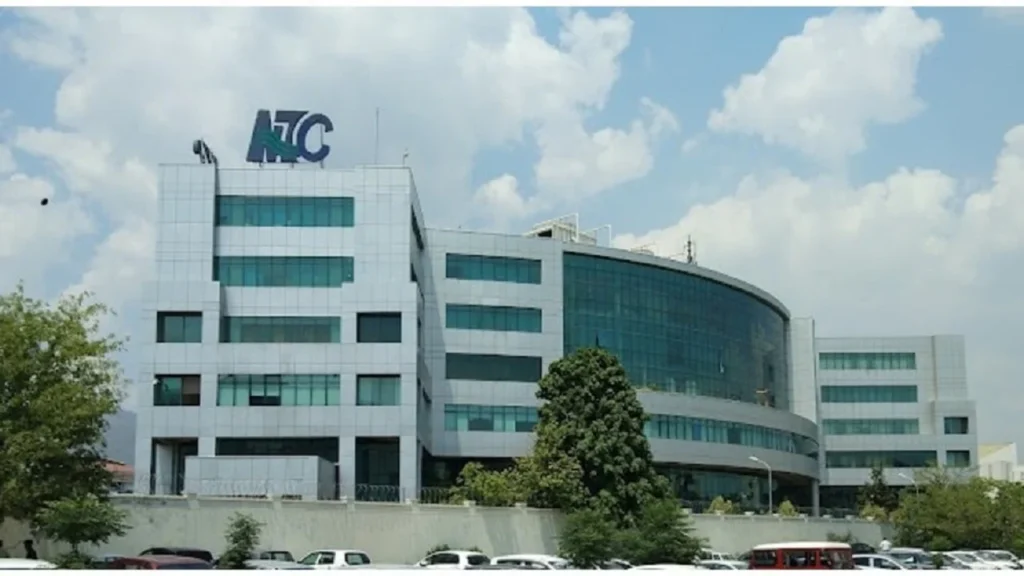
ISLAMABAD — The National Telecommunication Corporation (NTC) has announced the launch of a sovereign artificial intelligence (AI) infrastructure, introducing Graphics Processing Unit as a Service (GPUaaS) and Model as a Service (MaaS) within its secure, state-managed data centers. This initiative aims to enhance computational capabilities and support AI-driven applications across various sectors in Pakistan. What Happened The NTC’s new AI infrastructure is designed to provide high-performance computing resources through GPUaaS and MaaS, catering to the growing demand for AI solutions in both public and private sectors. By leveraging its secure data centers, NTC ensures that these services are delivered with a focus on data sovereignty and security. The infrastructure will facilitate organizations in deploying and managing AI models efficiently, enabling them to harness the power of AI without the need for significant upfront investments in hardware. According to NTC officials, the introduction of GPUaaS will allow users to access advanced graphics processing capabilities on a pay-per-use basis, making it a cost-effective solution for businesses and government agencies. Similarly, MaaS will offer a platform for developing, training, and deploying AI models, streamlining the process for entities looking to integrate AI into their operations. NTC’s spokesperson highlighted the strategic importance of this development, stating, “The launch of our AI infrastructure marks a significant step towards building a robust digital ecosystem in Pakistan. By providing cutting-edge AI services, we are empowering organizations to innovate and drive efficiency in their operations.” Background The National Telecommunication Corporation, established in 1996, is responsible for providing telecommunication services to government departments and agencies in Pakistan. Over the years, NTC has expanded its services to include data center operations, cloud services, and now AI infrastructure. This move aligns with Pakistan’s broader digital transformation strategy, which seeks to modernize the country’s digital infrastructure and promote technological innovation. Globally, the demand for AI and machine learning solutions has been on the rise, with industries such as healthcare, finance, and manufacturing increasingly relying on AI to improve efficiency and decision-making. In Pakistan, the government’s Digital Pakistan initiative has been a driving force behind the adoption of new technologies, aiming to foster a knowledge-based economy. Why It Matters The introduction of GPUaaS and MaaS by NTC is a significant development for Pakistan’s technological landscape. By providing these services, NTC is addressing the critical need for accessible and affordable AI resources, which are essential for fostering innovation and competitiveness in the global market. Economically, this initiative can reduce the barriers to entry for businesses looking to adopt AI technologies, potentially leading to increased productivity and growth across various sectors. For small and medium-sized enterprises (SMEs), in particular, the availability of cost-effective AI services can be transformative, enabling them to compete with larger corporations on a more level playing field. Socially, the deployment of AI solutions can lead to improved public services, such as enhanced healthcare delivery and more efficient public administration. By integrating AI into government operations, Pakistan can improve service delivery and citizen engagement, contributing to better governance and transparency. On an international level, the establishment of a sovereign AI infrastructure positions Pakistan as a forward-thinking nation in the realm of digital innovation. It demonstrates the country’s commitment to building a resilient and secure digital ecosystem, which is crucial for attracting foreign investment and fostering international collaborations in technology. Key Takeaways NTC has launched a sovereign AI infrastructure offering GPUaaS and MaaS services. The initiative aims to enhance computational capabilities and support AI applications. NTC’s services are designed to be cost-effective and secure, focusing on data sovereignty. This development aligns with Pakistan’s Digital Pakistan initiative and broader digital transformation goals. The AI infrastructure is expected to drive economic growth, improve public services, and enhance global competitiveness. Source Attribution This article is based on official government statements, press releases, and public communications from relevant authorities. Author: NEN Editorial Desk | Editor: NEN Newsroom | Fact Checked By: NEN Editorial Team Author: NEN Editorial Desk  |  Editor: NEN Newsroom  |  Last Updated: July 16, 2026  |  Source: NEN Reporter This article was produced by the NEN Editorial Desk in accordance with NEN Agency’s Editorial Policy and Fact-Checking Policy.

Scroll to Top