
Author name: NEN News

World

Ambassador Moin ul Haque Takes Helm as ISSI Director-General

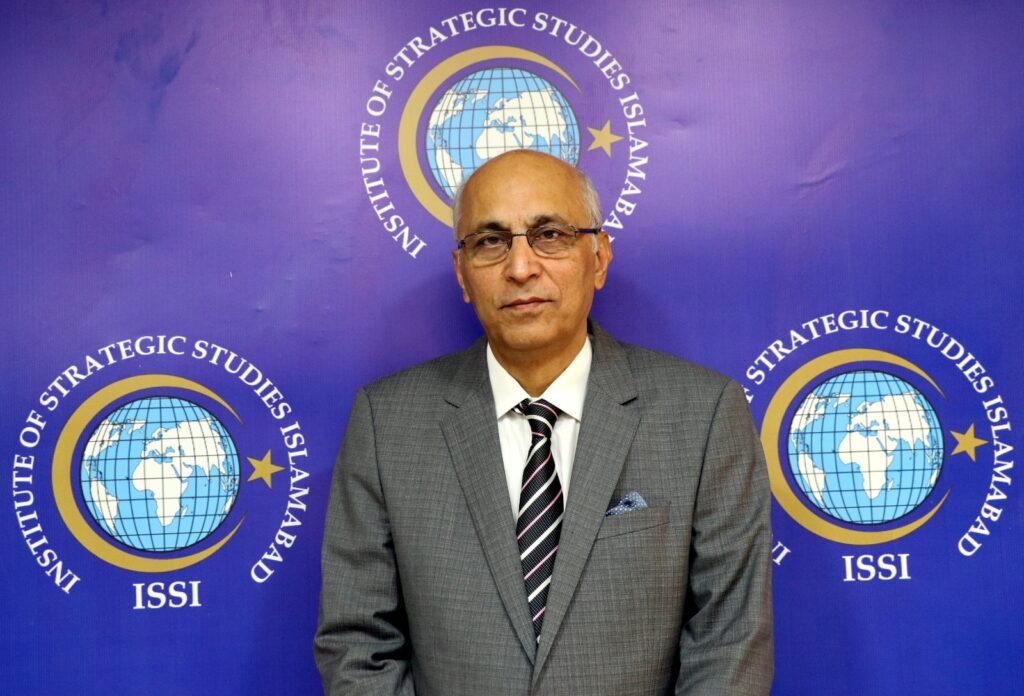
ISLAMABAD — Ambassador Moin ul Haque has officially taken over as the Director-General of the Institute of Strategic Studies Islamabad (ISSI), following the tenure completion of Ambassador Sohail Mahmood. The transition marks a new chapter for the ISSI, an influential think tank in Pakistan’s foreign policy landscape. What Happened Ambassador Moin ul Haque, a seasoned diplomat with nearly 35 years of experience, assumed the role of Director-General at the ISSI on July 17, 2023. He succeeds Ambassador Sohail Mahmood, who completed his tenure, leaving behind a legacy of strategic insights and policy recommendations. The ISSI, known for its pivotal role in shaping Pakistan’s foreign policy discourse, will now benefit from Haque’s extensive diplomatic background. Haque’s diplomatic career is marked by significant postings, including his most recent role as Pakistan’s Ambassador to China from 2020 to 2023. During his tenure in Beijing, Haque played a crucial role in strengthening Pakistan-China relations, a cornerstone of Pakistan’s foreign policy. Prior to this, he served as Ambassador to France from 2016 to 2020, where he was instrumental in enhancing bilateral ties and promoting cultural exchanges. His earlier assignments include serving as Consul General in Vancouver from 2007 to 2010 and holding key positions within the Ministry of Foreign Affairs, such as Additional Secretary (Administration), Chief of Protocol, and Director-General (Europe). Haque’s experience also spans roles in Pakistan’s embassies in Brussels, Colombo, and Ankara, as well as a Counsellor position at Pakistan’s Permanent Mission to the United Nations in New York. Background The Institute of Strategic Studies Islamabad (ISSI) is a premier research institution in Pakistan, established to provide policy recommendations and strategic insights on national and international issues. It plays a critical role in advising the government on foreign policy matters and fostering dialogue on regional security and international relations. Ambassador Sohail Mahmood, Haque’s predecessor, led the ISSI through a period of significant geopolitical shifts, focusing on regional stability and international cooperation. Under his leadership, the institute produced numerous research papers and policy briefs that contributed to Pakistan’s diplomatic strategies. Why It Matters Ambassador Moin ul Haque’s appointment as Director-General of the ISSI comes at a time when Pakistan is navigating complex international dynamics. His extensive diplomatic experience, particularly in China and Europe, positions him well to lead the institute in addressing contemporary challenges such as regional security, economic partnerships, and global diplomatic engagements. The ISSI’s research and policy recommendations are crucial for Pakistan as it seeks to balance its relations with major powers like the United States and China, while also addressing regional issues involving India and Afghanistan. Haque’s leadership is expected to bring fresh perspectives and strategies to these ongoing challenges. Furthermore, Haque’s experience in multilateral diplomacy, particularly at the United Nations, will be invaluable as Pakistan continues to engage with international institutions and forums. His tenure could also see a renewed focus on enhancing Pakistan’s soft power and cultural diplomacy, areas he emphasized during his postings in France and China. Key Takeaways Ambassador Moin ul Haque has assumed the role of Director-General at the ISSI, succeeding Ambassador Sohail Mahmood. Haque brings nearly 35 years of diplomatic experience, including recent roles as Ambassador to China and France. The ISSI plays a critical role in shaping Pakistan’s foreign policy through research and strategic insights. Haque’s leadership is expected to focus on regional security, economic partnerships, and global diplomatic engagements. His experience in multilateral diplomacy will aid Pakistan’s international relations and soft power initiatives. Source Attribution This article is based on official government statements, press releases, and public communications from relevant authorities. Author: NEN Editorial Desk | Editor: NEN Newsroom | Fact Checked By: NEN Editorial Team Author: NEN Editorial Desk  |  Editor: NEN Newsroom  |  Last Updated: July 17, 2026  |  Source: Press Release from Ministry of Foreign Affairs This article was produced by the NEN Editorial Desk in accordance with NEN Agency’s Editorial Policy and Fact-Checking Policy.

Pakistan

Muzaffargarh Resident Succumbs to Rabies at Lahore’s Mayo Hospital

MUZAFFARGARH — A 50-year-old resident of Muzaffargarh, identified as Hashim, has succumbed to rabies at Lahore’s Mayo Hospital after reportedly being bitten by stray dogs. The incident underscores the persistent public health challenge posed by rabies in Pakistan, a country where dog bites remain a significant concern. What Happened Hashim, a resident of Muzaffargarh, was initially admitted to the District Headquarters (DHQ) Hospital in Muzaffargarh after he developed symptoms of rabies following a dog attack. According to official sources, his condition quickly deteriorated, prompting medical professionals to refer him to Mayo Hospital in Lahore for specialised treatment. Despite the efforts of the medical team, Hashim passed away while undergoing treatment. Rabies is a viral disease that affects the central nervous system and is almost always fatal once symptoms appear. It is transmitted through the saliva of infected animals, most commonly through bites. Immediate wound care and timely post-exposure vaccination are critical to preventing the onset of the disease after an animal bite. Unfortunately, Hashim’s case highlights the severe consequences of delayed or inadequate medical intervention. Background Rabies remains a significant public health issue in Pakistan, with thousands of dog bite cases reported annually. The World Health Organization (WHO) has identified Pakistan as one of the countries in Asia with a high incidence of rabies, primarily due to the large population of stray dogs and limited access to vaccines in rural areas. Efforts to control the stray dog population through sterilization and vaccination programs have been implemented in various regions, but challenges persist due to resource constraints and public awareness issues. Historically, rabies has been a neglected disease in many developing countries, including Pakistan. The lack of comprehensive data and underreporting of cases further complicate efforts to address the problem effectively. The government and health organizations have been working to improve vaccination coverage and educate the public on the importance of immediate medical attention following animal bites. Why It Matters The death of Hashim from rabies brings to light the urgent need for enhanced public health measures and infrastructure in Pakistan. It highlights the critical gaps in the healthcare system, particularly in rural areas where access to medical facilities and vaccines is limited. This incident serves as a stark reminder of the devastating impact of rabies, a disease that is preventable with timely intervention. Economically, rabies poses a burden on the healthcare system, as treatment and post-exposure prophylaxis require resources that are often scarce in developing regions. Socially, the fear of rabies and dog bites affects community life, with many people, especially children, at risk of attacks from stray dogs. The psychological impact on families who lose loved ones to such preventable diseases is profound and underscores the need for comprehensive public health strategies. Internationally, Pakistan’s struggle with rabies reflects broader challenges faced by many countries in the Global South, where zoonotic diseases continue to pose significant health risks. Collaborative efforts with international health organizations and neighboring countries are essential to address these challenges and work towards the WHO’s goal of eliminating dog-mediated human rabies by 2030. Key Takeaways Hashim, a 50-year-old man from Muzaffargarh, died of rabies at Lahore’s Mayo Hospital after a dog attack. Rabies is a nearly always fatal viral disease, preventable through immediate care and vaccination. Pakistan faces significant challenges in controlling rabies due to a large stray dog population and limited healthcare access. The incident underscores the need for improved public health measures and vaccination programs in rural areas. International collaboration is crucial to achieve the goal of eliminating dog-mediated human rabies by 2030. Source Attribution This article is based on official government statements, press releases, and public communications from relevant authorities. Author: NEN Editorial Desk | Editor: NEN Newsroom | Fact Checked By: NEN Editorial Team Author: NEN Editorial Desk  |  Editor: NEN Newsroom  |  Last Updated: July 17, 2026  |  Source: NEN Reporter This article was produced by the NEN Editorial Desk in accordance with NEN Agency’s Editorial Policy and Fact-Checking Policy.
Pakistan

Tarbela Dam Spillways Opened Amid Rising Indus River Levels

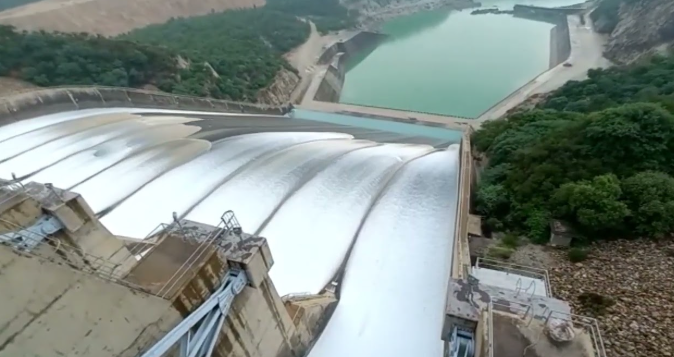
ISLAMABAD — The National Disaster Management Authority (NDMA) announced on Friday that the spillways of Tarbela Dam have been opened due to a significant increase in water flow in the Indus River. This surge is attributed to the rapid melting of glaciers and recent rainfall in the upper catchment areas. What Happened The NDMA reported that the decision to open the spillways was taken as a precautionary measure to manage the rising water levels in the Indus River, which have been exacerbated by climatic factors. The authority highlighted that the inflow of water into the Tarbela Dam has increased substantially, necessitating immediate action to prevent potential flooding downstream. The spillways, which are designed to release excess water, were activated following a comprehensive assessment of the current hydrological conditions. According to NDMA officials, the current inflow at Tarbela Dam has reached critical levels, prompting the need to release water to maintain the dam’s structural integrity and ensure the safety of surrounding communities. In a statement, an NDMA spokesperson emphasized the importance of monitoring the situation closely, noting that “the safety of the population living in the vicinity of the Indus River is our top priority.” The spokesperson also urged local authorities and residents to remain vigilant and adhere to any advisories issued by disaster management officials. Background Tarbela Dam, located on the Indus River in Khyber Pakhtunkhwa, is one of the world’s largest earth-filled dams. It plays a crucial role in Pakistan’s water management, irrigation, and power generation. The dam’s spillways are essential for regulating water levels, especially during periods of high inflow caused by seasonal changes and climatic variations. Historically, the Indus River has been prone to flooding, particularly during the monsoon season when heavy rains can lead to rapid increases in water levels. The management of water resources in the region is critical for preventing flood-related disasters, which have caused significant damage and loss of life in the past. Why It Matters The opening of Tarbela Dam’s spillways is a significant event, reflecting the ongoing challenges posed by climate change and its impact on water resources in Pakistan. The rapid melting of glaciers, coupled with erratic rainfall patterns, has intensified the risk of flooding in the Indus River basin. This situation underscores the need for effective water management strategies and disaster preparedness to mitigate the potential consequences of such natural phenomena. Economically, the management of water flow in the Indus River is vital for agriculture, which is a cornerstone of Pakistan’s economy. The river supports extensive irrigation systems that are crucial for crop production. Any disruption in water supply due to flooding can have severe repercussions on food security and livelihoods. Socially, the safety of communities living near the Indus River is paramount. Flooding poses a direct threat to lives and property, necessitating timely interventions and robust disaster response mechanisms. The NDMA’s proactive approach in opening the spillways is a critical step in safeguarding these communities from potential harm. Internationally, Pakistan’s handling of water resources is closely watched, given the transboundary nature of the Indus River, which flows into India. Effective management and cooperation are essential to ensure equitable water distribution and to prevent cross-border tensions. Key Takeaways The NDMA has opened Tarbela Dam’s spillways due to increased water inflow from glacier melt and rainfall. This measure aims to manage rising Indus River levels and prevent downstream flooding. Tarbela Dam is crucial for water management, irrigation, and power generation in Pakistan. Effective water management is vital for economic stability and food security in the region. International cooperation is necessary for managing the transboundary Indus River. Source Attribution This article is based on official statements from the National Disaster Management Authority and other relevant authorities. Author: NEN Editorial Desk | Editor: NEN Newsroom | Fact Checked By: NEN Editorial Team Author: NEN Editorial Desk  |  Editor: NEN Newsroom  |  Last Updated: July 17, 2026  |  Source: NEN Reporter This article was produced by the NEN Editorial Desk in accordance with NEN Agency’s Editorial Policy and Fact-Checking Policy.
World

Finance Minister Leads Review on GM Maize Commercialization Policy

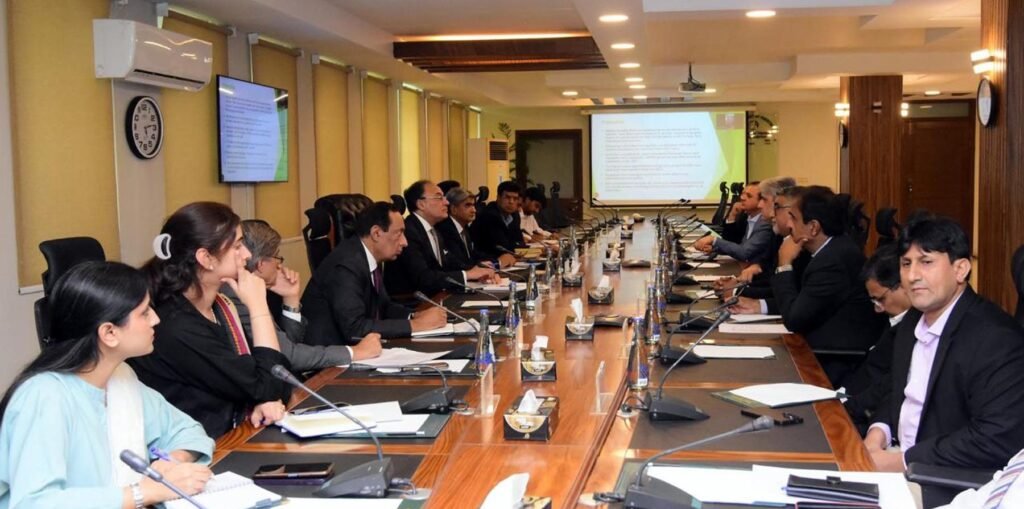
ISLAMABAD — Federal Minister for Finance and Revenue Senator Muhammad Aurangzeb chaired the first meeting of the Prime Minister’s Committee on Genetically Modified (GM) Corn on Thursday. The committee is tasked with conducting a comprehensive review of Pakistan’s policy on the commercialization of genetically modified maize, emphasizing an objective, science-based, and evidence-driven approach. What Happened The inaugural meeting, held in Islamabad, marked the beginning of a critical evaluation process concerning the introduction and commercialization of genetically modified maize in Pakistan. Minister Aurangzeb underscored the importance of a thorough review, directing the committee members to base their analysis on scientific evidence and factual data. During the meeting, the committee discussed various aspects of GM maize, including its potential benefits and risks. The focus was on understanding the implications of GM maize on agriculture, food security, and the economy. The committee aims to develop a balanced policy that considers both the technological advancements in agriculture and the concerns related to health and environmental safety. Minister Aurangzeb highlighted the need for transparency and inclusivity in the review process. He stated, “Our objective is to ensure that any policy decision regarding GM maize is in the best interest of our farmers and the nation. We must consider scientific evidence and the experiences of other countries that have adopted GM crops.” Background The debate over genetically modified organisms (GMOs) in agriculture has been ongoing globally, with countries adopting varying stances based on their agricultural needs and public opinion. In Pakistan, the introduction of GM crops has been a contentious issue, with stakeholders divided over its potential benefits and risks. Historically, Pakistan’s agriculture sector has faced challenges such as low crop yields, pest infestations, and climate change impacts. Proponents of GM crops argue that genetic modification can enhance crop resilience, increase yields, and reduce reliance on chemical pesticides. However, critics raise concerns about the long-term environmental impacts, biodiversity loss, and potential health risks associated with GMOs. The current policy review by the Prime Minister’s Committee is part of a broader effort to modernize Pakistan’s agricultural sector and align it with international standards. The committee’s findings will play a crucial role in shaping the future of GM crop commercialization in the country. Why It Matters The outcome of this policy review holds significant implications for Pakistan’s agricultural landscape and food security. With a growing population and increasing demand for food, enhancing agricultural productivity is a national priority. GM maize could potentially offer a solution by providing higher yields and reducing crop losses due to pests and diseases. Economically, the adoption of GM maize could lead to increased agricultural exports, contributing to Pakistan’s GDP and foreign exchange reserves. However, it also requires careful consideration of market access, as some countries have strict regulations on GM imports. Socially, the decision to commercialize GM maize impacts farmers directly. It could provide them with new opportunities to improve their livelihoods through higher productivity. However, it also necessitates education and support to ensure farmers can effectively manage GM crops and understand their implications. Internationally, Pakistan’s stance on GMOs can influence its trade relationships and alignments with global agricultural policies. The review process and subsequent policy decisions will be closely watched by international stakeholders, including trading partners and environmental organizations. Key Takeaways The Prime Minister’s Committee on GM Corn is reviewing Pakistan’s policy on genetically modified maize. The review emphasizes a science-based, evidence-driven approach to policy-making. GM maize commercialization could impact agricultural productivity, food security, and economic growth. The decision will affect farmers’ livelihoods and requires careful consideration of health and environmental factors. Pakistan’s policy on GMOs will influence its international trade relations and agricultural strategies. Source Attribution This article is based on official government statements, press releases, and public communications from relevant authorities. Author: NEN Editorial Desk | Editor: NEN Newsroom | Fact Checked By: NEN Editorial Team Author: NEN Editorial Desk  |  Editor: NEN Newsroom  |  Last Updated: July 17, 2026  |  Source: NEN Reporter This article was produced by the NEN Editorial Desk in accordance with NEN Agency’s Editorial Policy and Fact-Checking Policy.
World

FPCCI Hosts Event Celebrating 250 Years Of US Independence

LAHORE — The Federation of Pakistan Chambers of Commerce and Industry (FPCCI) organized a ceremony on July 16 to commemorate the 250th anniversary of the United States’ independence. The event took place at the FPCCI Regional Office in Lahore and was attended by various dignitaries, including the US Consul General in Lahore, Mr. Stetson Sanders. What Happened The FPCCI’s event marked a significant occasion, celebrating the longstanding relationship between Pakistan and the United States. Mr. Stetson Sanders, the US Consul General, expressed his gratitude towards the FPCCI for organizing the ceremony. He highlighted the importance of the bilateral ties between the two nations, stating, “The relationship between the United States and Pakistan is built on mutual respect and shared interests. Celebrating this milestone together reflects our commitment to furthering these bonds.” The ceremony featured speeches from key figures in the business community, emphasizing the economic and cultural ties that have developed over the years. FPCCI President Irfan Iqbal Sheikh spoke about the historical cooperation between the two countries, particularly in trade and commerce. “The United States has been a vital partner for Pakistan in various sectors, and our collaboration has yielded significant benefits for both sides,” he remarked. In addition to speeches, the event included cultural performances that showcased the diverse heritage of both nations. Attendees were treated to a blend of American and Pakistani music and dance, symbolizing the fusion of cultures and the spirit of friendship. Background The United States declared its independence on July 4, 1776, marking the birth of a nation that would grow to become a global superpower. Over the years, Pakistan and the United States have developed a multifaceted relationship encompassing economic, political, and cultural dimensions. The FPCCI, established in 1950, has played a crucial role in fostering economic ties and facilitating dialogue between the business communities of both countries. Historically, the US has been one of Pakistan’s largest trading partners, with bilateral trade reaching approximately $6.5 billion in recent years. The two countries have engaged in various initiatives to enhance cooperation in areas such as energy, education, and security. Why It Matters The celebration of the US Independence Day by the FPCCI underscores the importance of the bilateral relationship in the current global context. As Pakistan seeks to strengthen its economic position, the United States remains a key ally in providing trade opportunities and investment. The event highlights the ongoing efforts to deepen economic ties, which are crucial for Pakistan’s economic growth and stability. Economically, the US is a significant market for Pakistani exports, including textiles, surgical instruments, and agricultural products. Enhancing this relationship could lead to increased trade volumes, benefiting various sectors of Pakistan’s economy. Furthermore, American investment in Pakistan has the potential to spur job creation and technological advancement, contributing to the country’s development goals. Politically, the US-Pakistan relationship plays a pivotal role in regional stability. The two countries have collaborated on counter-terrorism efforts and regional security initiatives, which are vital for maintaining peace in South Asia. Strengthening diplomatic ties could lead to more robust cooperation in addressing regional challenges. Key Takeaways The FPCCI hosted a ceremony in Lahore to celebrate the 250th anniversary of US independence. US Consul General Stetson Sanders emphasized the strong bilateral ties between Pakistan and the US. The event featured cultural performances and speeches highlighting economic and cultural cooperation. The US is a major trading partner for Pakistan, with significant bilateral trade and investment opportunities. Strengthening US-Pakistan relations is crucial for economic growth and regional stability. Source Attribution This article is based on official government statements, press releases, and public communications from relevant authorities. Author: NEN Editorial Desk | Editor: NEN Newsroom | Fact Checked By: NEN Editorial Team Author: NEN Editorial Desk  |  Editor: NEN Newsroom  |  Last Updated: July 17, 2026  |  Source: NEN Reporter This article was produced by the NEN Editorial Desk in accordance with NEN Agency’s Editorial Policy and Fact-Checking Policy.
World

Pakistan and China Discuss Enhanced Cooperation in Livestock Sector

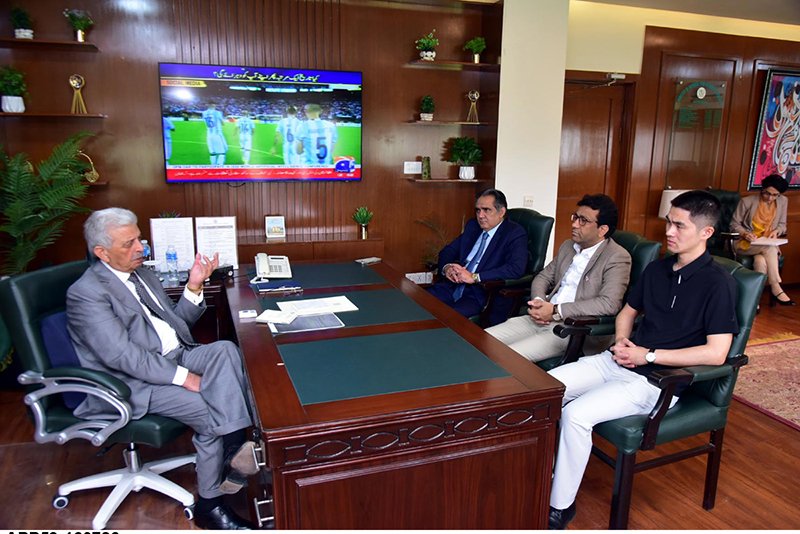
ISLAMABAD — Federal Minister for National Food Security and Research Rana Tanveer Hussain chaired a high-level meeting with a Chinese delegation to explore avenues for strengthening bilateral cooperation in the livestock sector and boosting Pakistan’s meat exports to China. What Happened On Thursday, Federal Minister Rana Tanveer Hussain hosted a Chinese delegation in Islamabad to discuss potential collaborations aimed at enhancing the livestock sector in Pakistan. The meeting focused on increasing Pakistan’s meat exports to China, a market with significant demand for quality meat products. The discussions were part of ongoing efforts to fortify economic ties between the two nations, particularly in agriculture and livestock, which are pivotal sectors for Pakistan’s economy. During the meeting, Minister Hussain emphasized the importance of tapping into the Chinese market, which has shown a growing appetite for imported meat. He stated, “Pakistan has the potential to meet China’s demand for quality meat, and we are keen on facilitating this through improved bilateral cooperation.” The Chinese delegation expressed interest in Pakistan’s livestock capabilities and acknowledged the country’s potential to become a significant supplier of meat to China. The dialogue also covered the exchange of technological expertise and best practices in livestock management. Both parties agreed on the need for further technical cooperation to enhance productivity and quality standards in the sector. The meeting concluded with a mutual commitment to continue discussions and explore concrete steps towards achieving these goals. Background Pakistan and China have enjoyed a robust bilateral relationship, with the China-Pakistan Economic Corridor (CPEC) being a cornerstone of their economic partnership. The livestock sector in Pakistan has been identified as a key area for development, given its potential to contribute significantly to the country’s GDP and export revenues. Historically, Pakistan’s meat exports have been directed towards Middle Eastern countries, but recent efforts have been made to diversify markets, with China being a prime target. China’s demand for meat has been rising due to increasing consumer affluence and urbanization, making it one of the largest importers of meat globally. Pakistan, with its vast agricultural resources and livestock population, is strategically positioned to cater to this demand. The government has been working on improving the quality and safety standards of its meat products to meet international requirements, a crucial step in accessing the Chinese market. Why It Matters The discussions between Pakistan and China hold significant implications for Pakistan’s economy. By enhancing cooperation in the livestock sector, Pakistan can potentially increase its export revenues, reduce trade deficits, and create job opportunities within the country. The livestock sector is a major source of livelihood for millions of Pakistanis, and bolstering this sector can lead to improved economic stability and growth. For China, securing a reliable source of quality meat aligns with its food security goals. As China continues to urbanize and its middle class expands, the demand for diverse and high-quality food products is expected to grow. Establishing a strong trade relationship with Pakistan in the livestock sector can help China diversify its import sources and ensure a steady supply of meat products. Furthermore, this cooperation could lead to technological and knowledge exchanges that benefit both countries. Pakistan stands to gain from advanced livestock management techniques and technologies, which could enhance productivity and quality, while China could benefit from Pakistan’s agricultural expertise and resources. Key Takeaways Pakistan and China are discussing enhanced cooperation in the livestock sector to boost meat exports. The meeting focused on tapping into China’s growing demand for imported meat products. Technological and knowledge exchanges were highlighted as key areas for collaboration. Strengthening this sector could significantly impact Pakistan’s economy and job market. China aims to diversify its meat import sources to meet increasing domestic demand. Source Attribution This article is based on official government statements, press releases, and public communications from relevant authorities. Author: NEN Editorial Desk | Editor: NEN Newsroom | Fact Checked By: NEN Editorial Team Author: NEN Editorial Desk  |  Editor: NEN Newsroom  |  Last Updated: July 17, 2026  |  Source: Press Release from Government of Pakistan This article was produced by the NEN Editorial Desk in accordance with NEN Agency’s Editorial Policy and Fact-Checking Policy.
World

Pakistani Envoys Meet Beddinghouse CEO to Boost Trade Relations

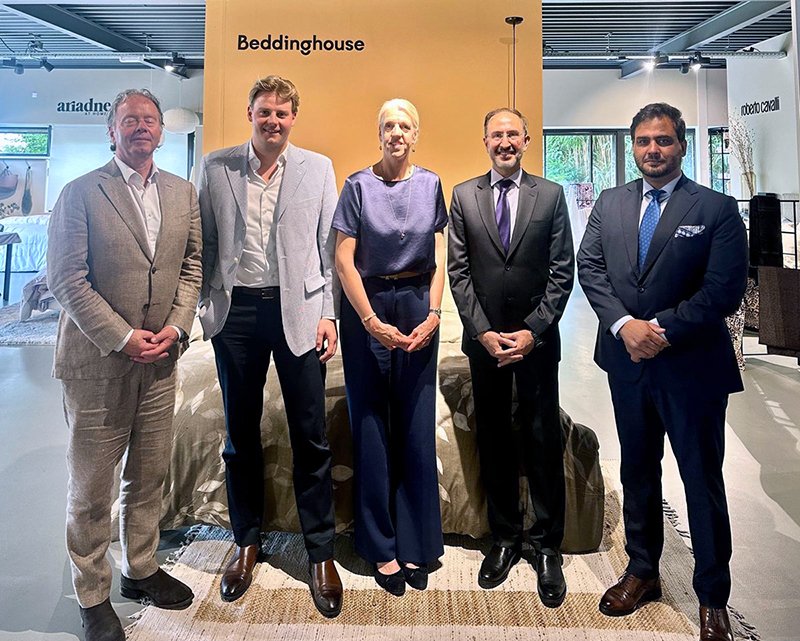
LISSE, NETHERLANDS — Ambassador Syed Haider Shah and Trade & Investment Counsellor Muhammad Shafiq Haider Virk met with Chief Executive Officer Henriëtte van Beynum at the head office of Beddinghouse on July 16 to discuss potential avenues for enhancing trade and investment between Pakistan and the Netherlands. What Happened The meeting, held at Beddinghouse’s headquarters in Lisse, aimed to explore opportunities for collaboration in the textile and home furnishings sectors. Ambassador Shah and Counsellor Virk emphasized the importance of strengthening economic ties and highlighted Pakistan’s burgeoning textile industry as a key area for potential partnership. CEO van Beynum expressed interest in exploring the possibilities of sourcing materials from Pakistan, acknowledging the country’s reputation for high-quality textile products. During the discussions, the Pakistani officials presented an overview of Pakistan’s textile sector, which is one of the largest contributors to the country’s economy. They outlined the competitive advantages offered by Pakistan, including skilled labor, cost-effective production, and a favorable business environment. The meeting also touched upon the potential for joint ventures and technology transfer to enhance productivity and innovation within the industry. CEO van Beynum noted, “Beddinghouse is always looking for new partners who can provide high-quality materials and innovative solutions. Pakistan’s textile industry is impressive, and we see potential for mutual benefits.” The discussions concluded with a mutual agreement to explore further opportunities for collaboration and to maintain an ongoing dialogue to facilitate trade relations. Background Pakistan and the Netherlands have shared a robust trade relationship, with the Netherlands being one of Pakistan’s significant trading partners in Europe. The textile industry is a cornerstone of Pakistan’s economy, accounting for a substantial portion of its exports. In recent years, Pakistan has made concerted efforts to enhance its trade relations with European countries, leveraging its Generalized Scheme of Preferences (GSP+) status with the European Union to boost exports. Beddinghouse, a leading company in the home textile sector, has a strong presence in the European market. The company is known for its innovative designs and sustainable practices. The meeting with Pakistani officials is part of Beddinghouse’s strategy to diversify its supply chain and explore new sourcing opportunities. Why It Matters The meeting between Pakistani envoys and Beddinghouse’s CEO is significant as it underscores the potential for expanding Pakistan’s textile exports to the European market. Strengthening trade relations with companies like Beddinghouse can lead to increased economic opportunities for Pakistan, potentially boosting employment and economic growth within the textile sector. For Pakistan, enhancing its export portfolio is crucial in addressing its trade deficit and stabilizing its economy. By tapping into the European market, Pakistani textile manufacturers can gain access to a wider consumer base, thereby increasing their revenue streams. Additionally, partnerships with established European companies can facilitate knowledge transfer and technological advancements, further enhancing the competitiveness of Pakistan’s textile industry. On the international front, such collaborations can foster better diplomatic relations between Pakistan and European nations, promoting a positive image of Pakistan as a reliable trade partner. This can have broader implications for Pakistan’s foreign policy and its efforts to integrate more deeply into the global economy. Key Takeaways Ambassador Syed Haider Shah and Counsellor Muhammad Shafiq Haider Virk met with Beddinghouse CEO in the Netherlands to discuss trade opportunities. The meeting focused on enhancing collaboration in the textile and home furnishings sectors. Pakistan’s textile industry is a significant economic contributor, with potential for increased exports to Europe. Strengthened trade relations can boost Pakistan’s economy and employment in the textile sector. Partnerships with European companies can lead to technological advancements and improved competitiveness for Pakistan. Source Attribution This article is based on official government statements, press releases, and public communications from relevant authorities. Author: NEN Editorial Desk | Editor: NEN Newsroom | Fact Checked By: NEN Editorial Team Author: NEN Editorial Desk  |  Editor: NEN Newsroom  |  Last Updated: July 17, 2026  |  Source: NEN Reporter This article was produced by the NEN Editorial Desk in accordance with NEN Agency’s Editorial Policy and Fact-Checking Policy.
Pakistan

Arif Habib Stresses Capital Market’s Role in Economic Growth at SECP Event

ISLAMABAD — A robust capital market is crucial for sustainable economic growth in Pakistan, according to veteran businessman Arif Habib. Speaking at the Securities and Exchange Commission of Pakistan (SECP) Talk Series on July 16, Habib emphasized the vital role that a developed capital market plays in fostering economic stability and growth. What Happened During the SECP Talk Series, Arif Habib, a prominent figure in Pakistan’s business community, highlighted the necessity of a well-developed capital market for the country’s economic advancement. The event, held in Islamabad, was attended by key stakeholders, including the SECP Chairman and other industry leaders. Habib shared insights drawn from his extensive experience of over five decades in the capital markets, underscoring the importance of regulatory frameworks and market infrastructure in attracting both local and foreign investments. Habib stated, “A developed capital market is indispensable for sustainable economic growth.” He pointed out that a strong capital market not only facilitates the mobilization of savings but also provides businesses with the necessary capital to expand and innovate. The discussion also touched upon the current challenges faced by Pakistan’s capital markets, such as limited investor participation and the need for enhanced transparency and governance. The SECP Talk Series aims to provide a platform for dialogue between regulators and market participants, fostering an environment where ideas and strategies can be shared to improve the financial ecosystem in Pakistan. The session with Arif Habib was part of a broader initiative by the SECP to engage with industry experts and gather insights on improving market operations and investor confidence. Background Pakistan’s capital market has undergone significant changes over the years, with various reforms aimed at enhancing its efficiency and attractiveness. The SECP, established in 1999, has been at the forefront of these efforts, implementing policies to improve market regulation, transparency, and investor protection. Despite these efforts, challenges such as low market capitalization relative to GDP and limited financial literacy among the general population persist. Historically, the capital market in Pakistan has been characterized by volatility and limited depth, with a small number of listed companies dominating market activity. Efforts to broaden the investor base and increase the number of listed securities have been ongoing, with mixed results. The SECP has also focused on integrating technology into market operations to streamline processes and enhance accessibility for investors. Why It Matters The development of a robust capital market is critical for Pakistan’s economic future. A well-functioning capital market can serve as a catalyst for economic growth by providing businesses with access to capital, which is essential for expansion and innovation. This, in turn, can lead to job creation and increased economic activity, contributing to overall economic stability and prosperity. Moreover, a developed capital market can attract foreign investment, which is vital for a country like Pakistan, where foreign exchange reserves are often under pressure. By improving market infrastructure and regulatory frameworks, Pakistan can position itself as an attractive destination for international investors, thereby boosting foreign direct investment (FDI) and portfolio inflows. The insights shared by Arif Habib at the SECP event highlight the need for continued reforms and stakeholder engagement to address existing challenges and unlock the full potential of Pakistan’s capital markets. Enhancing investor confidence through transparency, governance, and education is crucial for achieving sustainable economic growth. Key Takeaways Arif Habib emphasized the importance of a developed capital market for economic growth in Pakistan. The SECP Talk Series event highlighted challenges such as limited investor participation and the need for enhanced transparency. Pakistan’s capital market has seen reforms, but issues like low market capitalization and financial literacy remain. A robust capital market can attract foreign investment, crucial for economic stability and growth. Continued reforms and stakeholder engagement are essential for unlocking the potential of Pakistan’s capital markets. Source Attribution This article is based on official government statements, press releases, and public communications from relevant authorities. Author: NEN Editorial Desk | Editor: NEN Newsroom | Fact Checked By: NEN Editorial Team Author: NEN Editorial Desk  |  Editor: NEN Newsroom  |  Last Updated: July 17, 2026  |  Source: Press Release from Government of Pakistan This article was produced by the NEN Editorial Desk in accordance with NEN Agency’s Editorial Policy and Fact-Checking Policy.
World

Dr. Farooq Adil Presents Travelogue to Prime Minister Shehbaz Sharif

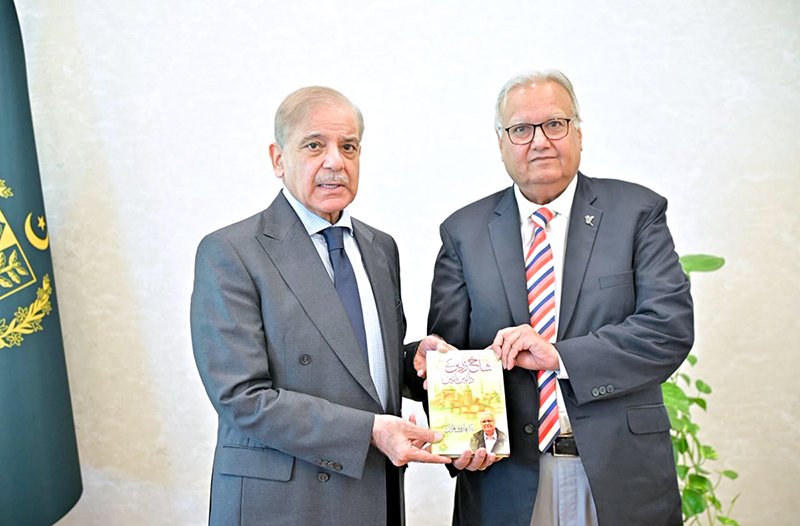
ISLAMABAD — Dr. Farooq Adil, a distinguished intellectual, author, and columnist, met with Prime Minister Shehbaz Sharif on July 16 to present his latest travelogue. The meeting took place at the Prime Minister’s office, where Dr. Adil shared insights from his travels and discussed various cultural and literary topics with the Prime Minister. What Happened During the meeting, Dr. Farooq Adil, known for his profound contributions to literature and journalism, handed over a copy of his travelogue to Prime Minister Shehbaz Sharif. The travelogue, which is a detailed account of Dr. Adil’s recent journeys, reflects his observations and experiences across different regions. The Prime Minister expressed his appreciation for Dr. Adil’s work, acknowledging the importance of literature in promoting cultural understanding and dialogue. Prime Minister Shehbaz Sharif, who has been an advocate for cultural and educational initiatives, took a keen interest in the travelogue’s content. He commended Dr. Adil for his dedication to documenting his experiences and contributing to the literary landscape of Pakistan. The meeting also served as an opportunity for both the Prime Minister and Dr. Adil to discuss the role of literature in fostering national unity and international understanding. Dr. Adil’s travelogue is expected to offer readers a unique perspective on the cultural and social dynamics of the regions he explored. His narrative style, combined with insightful commentary, provides a window into the diverse experiences that shape human interactions across borders. Background Dr. Farooq Adil has established himself as a prominent figure in Pakistani literature, with numerous publications to his name. His work often explores themes of identity, culture, and the human experience. Over the years, Dr. Adil has contributed to various national and international publications, earning him a reputation as a thought leader in intellectual circles. Prime Minister Shehbaz Sharif, since assuming office, has emphasized the importance of cultural exchange and the promotion of the arts. His administration has launched several initiatives aimed at supporting writers, artists, and cultural practitioners, recognizing their role in shaping the country’s narrative and enhancing its global image. Why It Matters The meeting between Dr. Farooq Adil and Prime Minister Shehbaz Sharif underscores the government’s commitment to supporting intellectual and cultural endeavors. By engaging with prominent literary figures, the government aims to foster a more inclusive and culturally aware society. This interaction highlights the significance of literature as a tool for diplomacy and cultural exchange, which can contribute to Pakistan’s soft power on the international stage. In a world increasingly divided by political and social tensions, literature offers a means of bridging gaps and fostering understanding. Dr. Adil’s travelogue, with its rich narratives and cultural insights, serves as a testament to the power of storytelling in connecting people across different backgrounds. The government’s support for such initiatives not only promotes cultural diversity but also enhances Pakistan’s reputation as a nation that values intellectual and artistic contributions. Furthermore, the meeting reflects a broader trend of recognizing the importance of cultural diplomacy in international relations. By supporting writers and intellectuals, Pakistan can project a more nuanced and positive image globally, which is crucial for its diplomatic and economic engagements. Key Takeaways Dr. Farooq Adil presented his travelogue to Prime Minister Shehbaz Sharif during a meeting on July 16. The travelogue offers insights into cultural and social dynamics across different regions. The meeting highlights the government’s support for intellectual and cultural endeavors. Literature is seen as a tool for fostering national unity and international understanding. The initiative aligns with Pakistan’s efforts to enhance its cultural diplomacy and global image. Source Attribution This article is based on official government statements, press releases, and public communications from relevant authorities. Author: NEN Editorial Desk | Editor: NEN Newsroom | Fact Checked By: NEN Editorial Team Author: NEN Editorial Desk  |  Editor: NEN Newsroom  |  Last Updated: July 17, 2026  |  Source: Press Release from Government of Pakistan This article was produced by the NEN Editorial Desk in accordance with NEN Agency’s Editorial Policy and Fact-Checking Policy.

World

Public Rejects PTI’s Agitation Politics, Claims Ikhtiar Wali Khan

ISLAMABAD — Prime Minister’s Coordinator for Information, Ikhtiar Wali Khan, asserted that the people of Pakistan have turned away from the politics of agitation and unrest promoted by the Pakistan Tehreek-e-Insaf (PTI). Speaking on a private television channel on Thursday, Khan emphasized that the public’s response to PTI’s previous demonstrations, including a 126-day sit-in, indicates a clear rejection of such tactics. What Happened Ikhtiar Wali Khan, serving as the Prime Minister’s Coordinator for Information, addressed the nation through a televised interview, expressing his views on the political strategies employed by PTI. He highlighted that the Pakistani populace has grown weary of the continuous agitation and protests orchestrated by PTI, which he believes have not yielded any substantial outcomes for the public. During the interview, Khan referenced PTI’s extensive 126-day sit-in, which took place in 2014, aiming to challenge the government of the time. He noted that despite the prolonged nature of the protest, it did not result in any significant political change or benefit for the citizens. Khan argued that such demonstrations only serve to disrupt daily life and do not contribute to constructive political discourse. “The people of Pakistan have shown through their actions that they desire stability and progress, not chaos and disorder,” Khan stated. He further criticized PTI’s approach, suggesting that it focuses more on creating unrest rather than presenting viable solutions to the country’s challenges. Background The PTI, led by former Prime Minister Imran Khan, has been known for its confrontational political strategies, often involving large-scale protests and sit-ins. The most notable of these was the 2014 sit-in in Islamabad, which was organized to protest alleged electoral fraud in the 2013 general elections. The sit-in lasted for 126 days and was marked by high tensions and political drama. Over the years, PTI’s approach has drawn both support and criticism. Supporters argue that such measures are necessary to hold the government accountable, while critics claim that they undermine democratic processes and create instability. The current government, led by the Pakistan Muslim League-Nawaz (PML-N), has often been at odds with PTI’s methods, advocating for dialogue and legislative processes over street protests. Why It Matters The rejection of PTI’s agitation politics by the public, as claimed by Ikhtiar Wali Khan, holds significant implications for Pakistan’s political landscape. If the public sentiment is indeed shifting towards stability and away from disruptive protests, this could lead to a more stable political environment, conducive to economic growth and development. Economically, prolonged protests and political instability can deter investment and disrupt economic activities. A move towards more stable governance could enhance investor confidence and promote economic recovery, especially in the post-pandemic period where Pakistan is striving to stabilize its economy. Socially, a reduction in political agitation could lead to a more peaceful society, where citizens can focus on development and progress rather than being embroiled in political unrest. This shift could also encourage political parties to engage in more constructive dialogues and policy-making processes, ultimately benefiting the democratic fabric of the nation. Internationally, a stable Pakistan is crucial for regional peace and security. As a key player in South Asia, Pakistan’s internal stability can influence regional dynamics, including relations with neighboring countries and its role in international forums. Key Takeaways Ikhtiar Wali Khan claims public rejection of PTI’s agitation politics. PTI’s 126-day sit-in in 2014 is cited as an example of ineffective protest. Public desire for stability could lead to economic and social benefits. Political stability in Pakistan is crucial for regional peace and security. Shift towards dialogue and policy-making may strengthen democratic processes. Source Attribution This article is based on official government statements, press releases, and public communications from relevant authorities. Author: NEN Editorial Desk | Editor: NEN Newsroom | Fact Checked By: NEN Editorial Team Author: NEN Editorial Desk  |  Editor: NEN Newsroom  |  Last Updated: July 17, 2026  |  Source: NEN Reporter This article was produced by the NEN Editorial Desk in accordance with NEN Agency’s Editorial Policy and Fact-Checking Policy.

Scroll to Top