

Author name: NEN News

World

DI Khan Wildlife Park Expansion Aims to Boost Eco-Tourism and Conservation

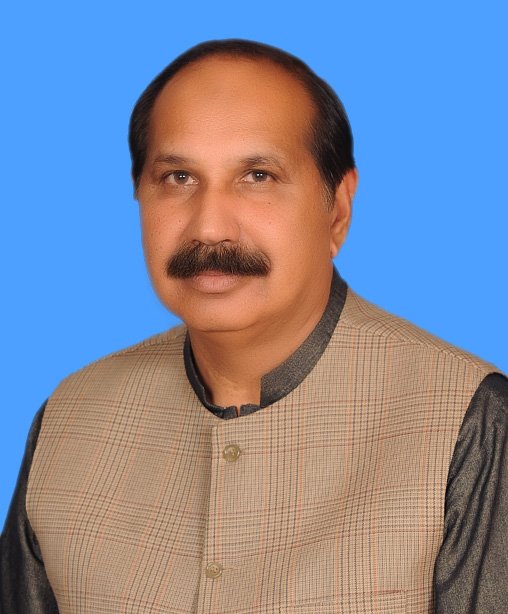
DERA ISMAIL KHAN — The expansion project of the Dera Ismail Khan Wildlife Park officially commenced with the laying of the foundation stone at a ceremony attended by Member of the National Assembly Faisal Amin Khan Gandapur. The event, held on July 17, was also graced by Conservator Wildlife, Southern Circle Bannu, Muhammad Niaz, and Project Director Khan Malook Khan, who outlined the project’s scope and objectives. What Happened The expansion of the Dera Ismail Khan Wildlife Park is a significant initiative aimed at enhancing wildlife conservation and promoting eco-tourism in the region. The ceremony marked the beginning of this ambitious project, with key stakeholders emphasizing its potential benefits. Faisal Amin Khan Gandapur highlighted that the expansion would facilitate species breeding, eco-tourism, wildlife-based research, and environmental awareness while generating sustainable revenue. He noted that the project would not only offer modern recreational facilities but also contribute to biodiversity conservation and bolster the local economy. Conservator Wildlife, Muhammad Niaz, described the project as an important milestone for the Wildlife Department, expressing optimism about its role in advancing wildlife conservation, scientific research, and public awareness. Project Director Khan Malook Khan provided a comprehensive briefing, noting that the park, established in 2014 over 30 kanals, had achieved its primary objectives of wildlife conservation and eco-tourism promotion. He explained that the growing number of visitors, especially during peak seasons like Eid and Independence Day, necessitated the park’s expansion. The expansion project involves the transfer of an additional 160 kanals from the Agriculture Department to the Wildlife Department, as approved by the provincial cabinet. The Khyber Pakhtunkhwa government has sanctioned the project under the Annual Development Programme (ADP), with construction progressing rapidly. The expanded park will feature modern animal enclosures, a walk-through aviary, bird cages, landscaped areas, walking tracks, a cafeteria, and various public amenities, enhancing its capacity to accommodate more visitors and support conservation efforts. Background The Dera Ismail Khan Wildlife Park was inaugurated in 2014, driven by the vision of the then provincial administration to conserve wildlife and promote eco-tourism. Initially spanning 30 kanals, the park aimed to provide a semi-natural habitat for wildlife, facilitate breeding programs, and serve as a center for environmental education and scientific research. Over the years, it has become a popular destination for recreation and wildlife observation, drawing visitors from across the region. The decision to expand the park stems from its success in achieving its initial goals and the increasing demand from tourists. The provincial government’s support, including the land transfer and financial backing through the ADP, underscores its commitment to enhancing the park’s facilities and capacity. Why It Matters The expansion of the Dera Ismail Khan Wildlife Park is significant for several reasons. Economically, it is expected to boost local tourism, providing a source of income for the community and creating job opportunities. The park’s development aligns with broader efforts to promote eco-tourism in Khyber Pakhtunkhwa, positioning the region as a leading destination for nature-based tourism. Environmentally, the project enhances wildlife conservation efforts, providing improved habitats for various species and supporting breeding programs. It also serves as an educational platform, raising public awareness about biodiversity and environmental protection. The park’s expansion is poised to strengthen scientific research capabilities, offering new opportunities for studies in wildlife management and conservation. Socially, the park offers recreational facilities that improve the quality of life for residents and visitors alike. By fostering a greater appreciation for nature and wildlife, the park contributes to a more environmentally conscious society. Key Takeaways The Dera Ismail Khan Wildlife Park expansion project has officially commenced, with the foundation stone laid on July 17. The project aims to enhance wildlife conservation, eco-tourism, and environmental education in the region. An additional 160 kanals of land have been allocated for the park’s expansion, approved by the provincial government. The expanded park will feature modern facilities, including animal enclosures, walking tracks, and public amenities. The initiative is expected to boost local tourism, create jobs, and support sustainable economic development. Source Attribution This article is based on official government statements, press releases, and public communications from relevant authorities. Author: NEN Editorial Desk | Editor: NEN Newsroom | Fact Checked By: NEN Editorial Team Author: NEN Editorial Desk  |  Editor: NEN Newsroom  |  Last Updated: July 17, 2026  |  Source: Press Release from Government of Pakistan This article was produced by the NEN Editorial Desk in accordance with NEN Agency’s Editorial Policy and Fact-Checking Policy.


World

Pakistan-Saudi Arabia Relations Strengthened by Economic Summit in Islamabad

ISLAMABAD — The Deputy Chairman of the Senate, Syedaal Khan Nasir, emphasized the enduring and robust relationship between Pakistan and Saudi Arabia, underpinned by faith, mutual trust, and shared progress. His remarks were made during the Saudi Company Formation and Business Expansion Summit 2026, held in Islamabad, which aimed to bolster economic ties and expand business opportunities between the two nations. What Happened The summit, organized by the Al Raee Group, was a significant event that brought together key stakeholders, including foreign diplomats, investors, and corporate executives from both national and international companies. Syedaal Khan Nasir highlighted the importance of Saudi Vision 2030, which has opened new avenues for global investment and private sector growth, offering substantial opportunities for the Pakistani business community. “Saudi Vision 2030 has created a conducive environment for investment, and the Pakistani business community stands to benefit immensely from these opportunities,” Nasir stated. He further assured that the Senate of Pakistan and the government would continue to support initiatives that promote economic growth, employment, and technology transfer. Bilal M. Zubair, Chairman of Al Raee Group, welcomed the guests and underscored Saudi Arabia’s business-friendly policies. He noted that the Kingdom now allows 100% foreign ownership, simplified banking procedures, and has removed the minimum capital requirement for various business activities, thus creating an ideal corporate environment for Pakistani businesses. The summit also saw the signing of Memorandums of Understanding (MoUs) between Al Raee Group and representatives of 12 prominent Pakistani companies from various sectors. These agreements will facilitate the establishment of operations and large-scale investments by these companies in Saudi Arabia, marking a significant milestone in bilateral investment cooperation. Background Pakistan and Saudi Arabia have historically enjoyed a close relationship, characterized by mutual support and cooperation in various fields. The ties between the two countries are deeply rooted in shared religious beliefs and cultural affinities. Over the years, both nations have worked together on numerous economic and strategic fronts, reinforcing their bilateral relationship. Saudi Vision 2030, launched by Crown Prince Mohammed bin Salman, aims to diversify the Kingdom’s economy and reduce its dependence on oil. This vision has been instrumental in attracting foreign investment and fostering economic partnerships worldwide, including with Pakistan. Why It Matters The strengthening of economic ties between Pakistan and Saudi Arabia has significant implications for both countries. For Pakistan, increased investment from Saudi Arabia can lead to job creation, technology transfer, and enhanced economic growth. The opportunities presented by Saudi Vision 2030 align with Pakistan’s own economic goals, providing a platform for Pakistani businesses to expand into new markets. For Saudi Arabia, engaging with Pakistan’s dynamic private sector can contribute to the Kingdom’s diversification efforts. The collaboration can also enhance Saudi Arabia’s strategic partnerships in South Asia, a region of growing economic importance. Moreover, the summit serves as a testament to the strong diplomatic relations between the two countries, reinforcing their commitment to mutual progress and development. The agreements signed during the summit are expected to lay the groundwork for a long-term, resilient economic partnership, benefiting both nations in the years to come. Key Takeaways The Saudi Company Formation and Business Expansion Summit 2026 was held in Islamabad to strengthen economic ties between Pakistan and Saudi Arabia. Saudi Vision 2030 offers significant opportunities for Pakistani businesses to invest and expand in Saudi Arabia. Memorandums of Understanding were signed between Al Raee Group and 12 Pakistani companies for investment in Saudi Arabia. The summit highlighted the strong diplomatic and economic relationship between the two countries. Increased investment from Saudi Arabia is expected to boost economic growth and job creation in Pakistan. Source Attribution This article is based on official government statements, press releases, and public communications from relevant authorities. Author: NEN Editorial Desk | Editor: NEN Newsroom | Fact Checked By: NEN Editorial Team Author: NEN Editorial Desk  |  Editor: NEN Newsroom  |  Last Updated: July 17, 2026  |  Source: Press Release from Government of Pakistan This article was produced by the NEN Editorial Desk in accordance with NEN Agency’s Editorial Policy and Fact-Checking Policy.
Pakistan

Commerce Minister Advocates Enhanced Pakistan-Egypt Trade Relations

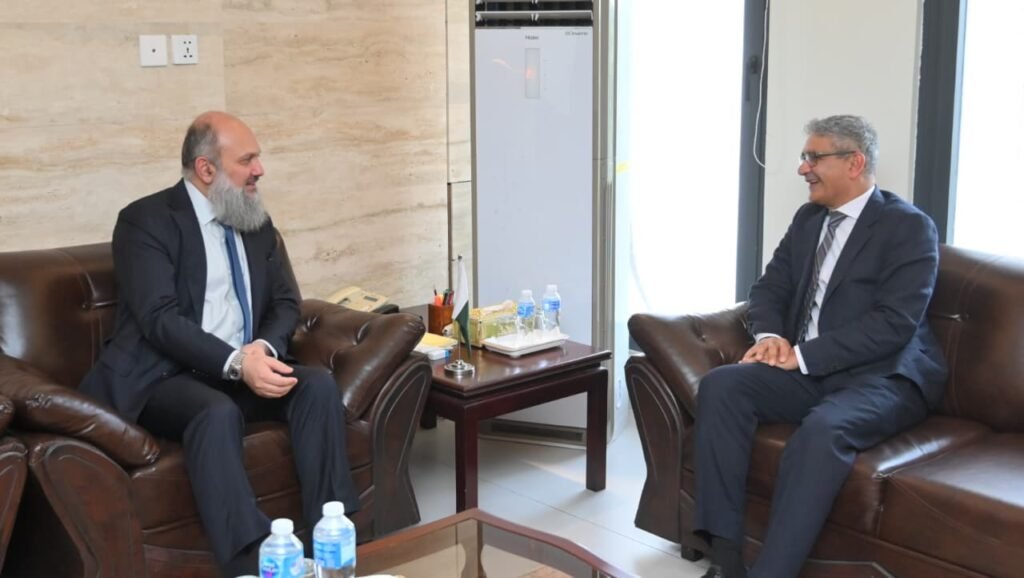
ISLAMABAD — Federal Minister for Commerce Jam Kamal Khan on Friday emphasized the need to strengthen economic ties between Pakistan and Egypt through enhanced trade and investment partnerships. He highlighted the potential for collaboration in joint production, technology cooperation, and the establishment of regional value chains. What Happened In a statement issued on Friday, Federal Minister Jam Kamal Khan called for a transformation in the economic relationship between Pakistan and Egypt. The minister underscored the importance of leveraging the existing diplomatic ties to foster a robust economic partnership. He pointed out that both countries stand to gain significantly from increased trade and investment, which could lead to mutual economic growth and development. Minister Khan noted that Pakistan and Egypt have historically enjoyed cordial relations, but there is a pressing need to translate this goodwill into tangible economic benefits. He proposed initiatives that focus on joint production and technology cooperation, which could be pivotal in enhancing the industrial capabilities of both nations. The minister also stressed the importance of integrating regional value chains, which could facilitate easier market access and boost competitiveness on a global scale. According to Minister Khan, the strategic geographical locations of Pakistan and Egypt offer unique opportunities for connecting regional markets. By capitalizing on these advantages, both countries can enhance their roles as key players in regional trade dynamics. He urged stakeholders from both nations to engage in dialogue and explore avenues for collaboration, particularly in sectors like textiles, agriculture, and technology. Background Pakistan and Egypt have maintained diplomatic relations since the mid-20th century, with both countries often supporting each other on international platforms. Historically, their economic interactions have been limited, primarily focusing on bilateral trade in goods such as textiles, rice, and cotton. However, recent global economic shifts have highlighted the need for more diversified and strategic partnerships. The governments of both countries have previously expressed interest in expanding economic ties, but concrete actions have been sporadic. The current call by Minister Khan is part of a broader strategy to revitalize these efforts and establish a more structured economic framework. This initiative aligns with Pakistan’s ongoing efforts to diversify its trade partners and reduce dependency on traditional markets. Why It Matters The call for a stronger economic partnership between Pakistan and Egypt is significant for several reasons. Economically, it presents an opportunity for both countries to diversify their trade portfolios and reduce reliance on traditional markets. By engaging in joint production and technology cooperation, Pakistan and Egypt can enhance their industrial capacities and competitiveness. Socially, stronger trade ties could lead to job creation and economic development in both countries, improving living standards and reducing poverty. Politically, enhanced economic relations could solidify diplomatic ties and promote regional stability. Such partnerships can also serve as a model for other countries in the region, encouraging collaborative economic growth. On an international level, the collaboration could position Pakistan and Egypt as key players in regional trade networks, potentially influencing trade policies and economic strategies in the broader Middle East and South Asia regions. This strategic positioning could attract further foreign investment and open new markets for both countries. Key Takeaways Federal Minister Jam Kamal Khan calls for stronger Pakistan-Egypt economic ties. Focus areas include trade, investment, joint production, and technology cooperation. Historical relations between the two countries provide a foundation for economic growth. Enhanced ties could lead to job creation and regional stability. The partnership could position both countries as key players in regional trade networks. Source Attribution This article is based on official government statements and public communications from relevant authorities. Author: NEN Editorial Desk | Editor: NEN Newsroom | Fact Checked By: NEN Editorial Team Author: NEN Editorial Desk  |  Editor: NEN Newsroom  |  Last Updated: July 17, 2026  |  Source: Press Release from Government of Pakistan This article was produced by the NEN Editorial Desk in accordance with NEN Agency’s Editorial Policy and Fact-Checking Policy.
Pakistan

Courts Not to Serve as Appellate Forums for University Appointments, Rules FCCP

ISLAMABAD — The Federal Constitutional Court of Pakistan has determined that disputes concerning appointments in public universities should not be classified as constitutional cases, thereby limiting the scope of judicial intervention in such matters. This decision, announced on July 17, overturns a previous ruling by the Sindh High Court regarding appointments at the University of Karachi. What Happened The Federal Constitutional Court issued a detailed judgment asserting that unsuccessful candidates cannot invoke constitutional jurisdiction by merely alleging transparency issues or procedural violations in university appointments. The court emphasized that its constitutional jurisdiction should only be exercised when there is a fundamental compromise in the legality of the recruitment process. The case in question involved Dr. Feroz Alam Jafri, who challenged the recruitment process for professors at the University of Karachi in the Sindh High Court. The High Court had previously nullified the appointments, citing concerns that a member of the selection committee was also a candidate for a position. However, the Federal Constitutional Court overturned this decision, reinstating the original decisions made by the university’s selection committee and syndicate. The court’s ruling underscores that intervening in every matter for judicial review would effectively transform courts into appellate forums for university appointments, which contradicts Article 199 of the Constitution. The court further noted that acting as an appellate forum for educational institutions is inconsistent with the autonomy granted to universities. Public universities are expected to conduct their recruitment processes in a fair and transparent manner, adhering strictly to their respective statutes and regulations. Background This ruling comes in the context of ongoing debates about the autonomy of educational institutions in Pakistan. The autonomy of universities is enshrined in the country’s legal framework, allowing them to manage their affairs independently, including the recruitment of faculty and staff. Article 199 of the Constitution delineates the scope of judicial review, emphasizing that courts should not overstep their jurisdiction unless there is a clear violation of fundamental rights or a significant legal breach. Historically, the judiciary in Pakistan has intervened in various administrative matters, including educational appointments, often leading to prolonged legal battles and delays in academic processes. This latest judgment aims to clarify the boundaries of judicial intervention, reinforcing the autonomy of universities while ensuring that legal oversight is reserved for cases where substantial legal violations occur. Why It Matters The ruling by the Federal Constitutional Court has significant implications for the governance of public universities in Pakistan. By reinforcing the autonomy of educational institutions, the court’s decision aims to streamline the recruitment process, reducing the likelihood of legal disputes that can disrupt academic operations. This autonomy is crucial for universities to attract and retain qualified faculty, ultimately enhancing the quality of education provided to students. Economically, the decision could lead to more efficient use of resources within universities, as legal battles over appointments can be costly and time-consuming. By limiting judicial intervention to cases of substantial legal breaches, universities can focus on their primary mission of education and research, rather than being embroiled in legal disputes. Socially, the ruling may impact the perception of fairness and transparency in university appointments. While the court emphasizes the need for fair and transparent recruitment processes, the lack of judicial oversight in routine appointments may raise concerns among stakeholders about accountability. It is imperative for universities to uphold high standards of transparency and integrity to maintain public trust. Politically, the decision reflects a broader trend towards reinforcing institutional autonomy in Pakistan, aligning with international norms that advocate for limited governmental and judicial interference in academic affairs. This alignment may enhance Pakistan’s standing in the global academic community, potentially attracting international collaborations and investments in the education sector. Key Takeaways The Federal Constitutional Court ruled that university appointment disputes should not be treated as constitutional cases. The court’s decision overturns a Sindh High Court ruling on the University of Karachi’s appointments. Judicial intervention is limited to cases where the legality of the recruitment process is fundamentally compromised. The ruling reinforces the autonomy of public universities in conducting their recruitment processes. This decision has significant economic, social, and political implications for Pakistan’s education sector. Source Attribution This article is based on official government statements, press releases, and public communications from relevant authorities. Author: NEN Editorial Desk | Editor: NEN Newsroom | Fact Checked By: NEN Editorial Team Author: NEN Editorial Desk  |  Editor: NEN Newsroom  |  Last Updated: July 17, 2026  |  Source: Press Release from Government of Pakistan This article was produced by the NEN Editorial Desk in accordance with NEN Agency’s Editorial Policy and Fact-Checking Policy.

Pakistan

Punjab Launches Housing Project Honoring Kahna Martyrs

LAHORE — Punjab Chief Minister Maryam Nawaz has inaugurated the ‘Apni Chhat, Mahfuz Chhat’ project, a housing initiative named in memory of the martyred children of the Kahna tragedy. The project, unveiled through a digital portal, aims to provide secure housing solutions to citizens, with a notable reduction in loan installments. What Happened On Tuesday, Chief Minister Maryam Nawaz announced the launch of the ‘Apni Chhat, Mahfuz Chhat’ project during a ceremony in Lahore. The initiative is dedicated to the children who lost their lives in the Kahna tragedy, a somber event that has left a lasting impact on the community. The project is designed to offer affordable housing options to residents of Punjab, with the government taking significant steps to reduce the financial burden on potential homeowners. During the launch, Chief Minister Nawaz emphasized the government’s commitment to providing safe and secure housing for all citizens. She stated, “This project is not just about building homes; it is about building a future where every family has a safe roof over their heads.” The digital portal launched alongside the project will streamline the application process, making it more accessible for citizens to apply for housing loans. The reduction in loan installments is a key feature of the project, aimed at making homeownership more attainable for low and middle-income families. The government has promised to subsidize a portion of the loan interest, easing the financial strain on applicants. Background The Kahna tragedy, which occurred earlier this year, involved a devastating incident that claimed the lives of several children in the Kahna area of Lahore. The tragedy highlighted the urgent need for improved safety measures and infrastructure in residential areas. In response, the Punjab government has prioritized housing projects that ensure safety and affordability. Historically, Punjab has faced challenges in providing adequate housing to its growing population. Previous initiatives have often been hampered by bureaucratic delays and financial constraints. However, the current administration under Chief Minister Nawaz has made housing a central focus of its development agenda, with the ‘Apni Chhat, Mahfuz Chhat’ project being a flagship initiative. Why It Matters The launch of the ‘Apni Chhat, Mahfuz Chhat’ project holds significant implications for the socio-economic landscape of Punjab. By addressing the housing needs of its citizens, the government is taking a proactive step towards reducing urban poverty and improving living conditions. Safe and affordable housing is a fundamental component of social welfare, impacting health, education, and economic stability. Economically, the project is expected to stimulate growth in the construction sector, creating jobs and boosting local businesses. The reduction in loan installments will increase accessibility to housing, potentially leading to an uptick in homeownership rates. This, in turn, can contribute to greater economic security and upward mobility for many families. Politically, the initiative reinforces the government’s commitment to addressing the needs of its citizens, particularly in the wake of the Kahna tragedy. It demonstrates a responsive and empathetic approach to governance, which could enhance public trust and support for the administration. Key Takeaways Punjab Chief Minister Maryam Nawaz launched the ‘Apni Chhat, Mahfuz Chhat’ housing project. The project is named in honor of the martyred children of the Kahna tragedy. A digital portal has been introduced to facilitate the application process for housing loans. Loan installments have been significantly reduced to make housing more affordable. The initiative is expected to boost the construction sector and improve living conditions in Punjab. Source Attribution This article is based on official government statements, press releases, and public communications from relevant authorities. Author: NEN Editorial Desk | Editor: NEN Newsroom | Fact Checked By: NEN Editorial Team Author: NEN Editorial Desk  |  Editor: NEN Newsroom  |  Last Updated: July 17, 2026  |  Source: NEN Reporter This article was produced by the NEN Editorial Desk in accordance with NEN Agency’s Editorial Policy and Fact-Checking Policy.

Pakistan

Supreme Court Upholds FBR’s Stance on Construction Material Tax Claims

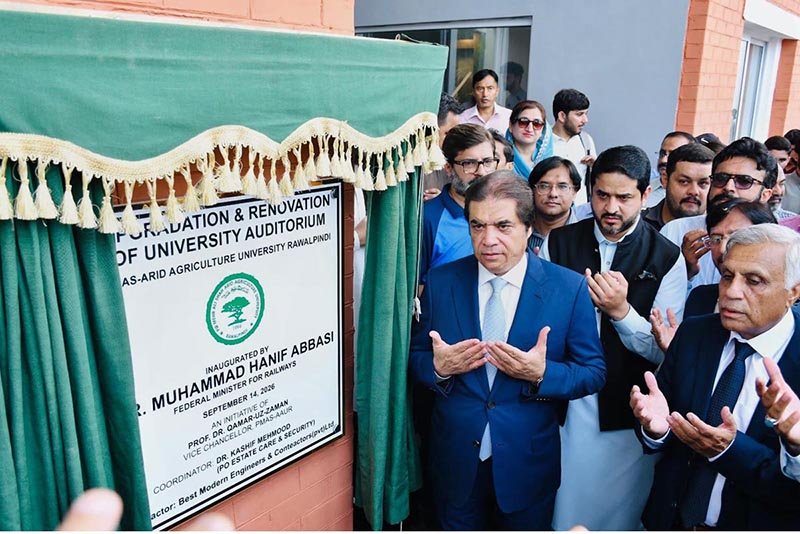
ISLAMABAD — The Supreme Court of Pakistan has delivered a verdict favoring the Federal Board of Revenue (FBR) by rejecting claims for input tax adjustments on construction materials. The decision, announced on Monday, pertains to materials such as cement and steel used in the construction of factories and other immovable structures, which the court found inadmissible under the Sales Tax Act, 1990. What Happened The Supreme Court’s ruling addressed the contentious issue of whether businesses could claim input tax adjustments for construction materials under the existing tax legislation. The court concluded that such claims do not align with the provisions of the Sales Tax Act, 1990. The judgment clarified that materials like cement and steel, integral to constructing immovable properties, are excluded from input tax adjustments. This decision came after a thorough examination of the legal framework governing sales tax in Pakistan. The court emphasized that the primary intent of the Sales Tax Act is to allow input tax adjustments for goods and services directly linked to the production and sale of taxable goods. Since construction materials are used for creating fixed assets rather than producing goods for sale, they fall outside the scope of permissible adjustments. The ruling has significant implications for businesses involved in construction and manufacturing, as it delineates the boundaries of tax claims related to construction materials. The FBR, which had previously contested the admissibility of such claims, welcomed the court’s decision as a reinforcement of the existing tax laws. Background The Sales Tax Act, 1990, serves as the foundational legal framework for sales tax in Pakistan. It outlines the conditions under which businesses can claim input tax adjustments, primarily focusing on goods and services directly related to the production process. Over the years, disputes have arisen regarding the interpretation of these provisions, particularly concerning construction materials. Prior to this ruling, various businesses sought to leverage input tax adjustments for materials used in constructing factories and other immovable assets, arguing that these materials were essential to their operations. However, the FBR maintained that such claims were not permissible, leading to legal challenges that have now culminated in the Supreme Court’s definitive ruling. Why It Matters The Supreme Court’s decision holds significant economic and legal implications for Pakistan’s business community. By upholding the FBR’s interpretation of the Sales Tax Act, the ruling sets a precedent that could influence future tax-related disputes. Businesses involved in construction and manufacturing may need to reassess their financial strategies and tax planning to align with this interpretation. Economically, the ruling could impact the cost structures of businesses that rely heavily on construction materials. Without the ability to claim input tax adjustments, these businesses might face increased operational costs, potentially affecting their pricing strategies and competitiveness in the market. This could have a ripple effect on the construction industry, influencing investment decisions and project feasibilities. From a legal perspective, the ruling underscores the importance of adhering to the precise language of tax legislation. It highlights the judiciary’s role in interpreting complex tax laws and providing clarity on contentious issues. The decision also reinforces the FBR’s authority in administering tax laws, potentially strengthening its position in future disputes. Key Takeaways The Supreme Court ruled against input tax adjustments for construction materials under the Sales Tax Act, 1990. The decision supports the FBR’s stance, clarifying the scope of admissible tax claims. Businesses may face increased costs due to the inability to claim adjustments on construction materials. The ruling sets a legal precedent that could influence future tax-related disputes. Economic implications include potential changes in pricing strategies and investment decisions in the construction sector. Source Attribution This article is based on official government statements, press releases, and public communications from relevant authorities. Author: NEN Editorial Desk | Editor: NEN Newsroom | Fact Checked By: NEN Editorial Team Author: NEN Editorial Desk  |  Editor: NEN Newsroom  |  Last Updated: July 17, 2026  |  Source: NEN Reporter This article was produced by the NEN Editorial Desk in accordance with NEN Agency’s Editorial Policy and Fact-Checking Policy.
World

PM Praises $440 Million Pakistan-China Pharma Agreements

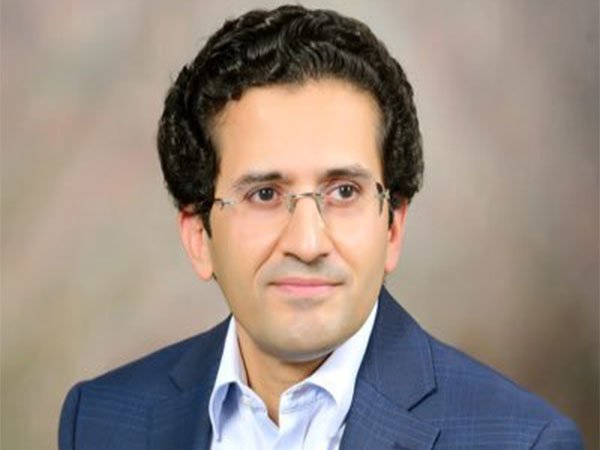
ISLAMABAD — Prime Minister Shehbaz Sharif on Friday commended the signing of nine agreements totaling $440 million between Pakistani and Chinese private enterprises in the pharmaceutical sector. This development is seen as a significant boost to bilateral economic cooperation and is expected to advance the next phase of the China-Pakistan Economic Corridor (CPEC 2.0). What Happened The agreements, signed on July 17, 2023, mark a substantial collaboration between Pakistan and China, focusing on the pharmaceutical industry. Prime Minister Shehbaz Sharif highlighted the importance of these agreements, stating that they represent a major step forward in strengthening economic ties between the two nations. The deals were formalized during a ceremony attended by representatives from both countries’ private sectors, underscoring the growing interest in collaborative ventures. Prime Minister Sharif emphasized that these agreements would not only enhance the pharmaceutical sector but also contribute significantly to the broader economic landscape of Pakistan. “This partnership will pave the way for technological advancements and increased production capabilities in our pharmaceutical industry,” he stated. The Prime Minister also noted that these agreements are aligned with the objectives of CPEC 2.0, which aims to expand economic cooperation beyond infrastructure to include sectors like health, agriculture, and technology. The agreements are expected to facilitate the transfer of technology and expertise, which will help Pakistan improve its pharmaceutical production standards and meet international quality benchmarks. This collaboration is anticipated to lead to job creation and skill development within the country, further boosting the local economy. Background The China-Pakistan Economic Corridor (CPEC) is a flagship project under China’s Belt and Road Initiative (BRI), aimed at enhancing regional connectivity and economic integration. Launched in 2013, CPEC has primarily focused on infrastructure development, including roads, energy projects, and port facilities. However, CPEC 2.0 represents a shift towards diversifying the areas of cooperation to include sectors such as technology, agriculture, and health. Historically, Pakistan and China have maintained strong diplomatic and economic relations, with China being one of Pakistan’s largest trading partners. The pharmaceutical sector in Pakistan has been growing steadily, with an increasing demand for both domestic and export markets. The collaboration with Chinese firms is expected to further accelerate this growth by introducing advanced manufacturing techniques and expanding production capacities. Why It Matters The signing of these agreements is significant for several reasons. Economically, it represents a substantial influx of investment into Pakistan’s pharmaceutical sector, which is crucial for the country’s industrial diversification and economic resilience. As Pakistan seeks to reduce its reliance on imported medicines, these agreements could help boost local production, ensuring a more self-reliant healthcare system. Socially, the collaboration is poised to enhance healthcare outcomes by providing access to affordable and high-quality medicines. This is particularly important for a country like Pakistan, where access to essential medicines remains a challenge for many. The agreements are likely to lead to improved healthcare infrastructure and services, benefiting millions of citizens. Politically, the strengthening of economic ties with China through these agreements reinforces Pakistan’s strategic partnership with its neighbor. This collaboration is expected to enhance Pakistan’s standing in the region and provide a counterbalance to other geopolitical influences. Key Takeaways Nine agreements worth $440 million were signed between Pakistani and Chinese private enterprises in the pharmaceutical sector. The agreements are part of efforts to advance CPEC 2.0, focusing on economic cooperation beyond infrastructure. The collaboration is expected to boost local pharmaceutical production and meet international quality standards. This partnership is anticipated to improve healthcare outcomes and create job opportunities in Pakistan. The agreements reinforce the strategic economic partnership between Pakistan and China. Source Attribution This article is based on official government statements, press releases, and public communications from relevant authorities. Author: NEN Editorial Desk | Editor: NEN Newsroom | Fact Checked By: NEN Editorial Team Author: NEN Editorial Desk  |  Editor: NEN Newsroom  |  Last Updated: July 17, 2026  |  Source: NEN Reporter This article was produced by the NEN Editorial Desk in accordance with NEN Agency’s Editorial Policy and Fact-Checking Policy.
Pakistan

ERC Issues High Alert Over Intensifying Monsoon Risks

ISLAMABAD — The Emergency Response Committee (ERC), established under the directives of Prime Minister Shehbaz Sharif, has issued a high alert to all federal and provincial stakeholders as monsoon risks heighten across Pakistan. The committee convened on Friday at the National Emergencies Operation Centre of the National Disaster Management Authority (NDMA) Headquarters in Islamabad to assess the country’s preparedness and emergency response strategies for the Monsoon 2026 season. What Happened The ERC, tasked with overseeing national preparedness and ensuring a coordinated response during the monsoon season, reviewed existing emergency response plans and inter-agency coordination mechanisms. During the meeting, the committee emphasized the need for maintaining a high state of operational readiness among all relevant agencies. This directive comes as meteorological forecasts predict intensified rainfall and potential flooding in various regions of the country. Prime Minister Shehbaz Sharif has mandated the ERC to ensure that all necessary measures are in place to mitigate the impact of severe weather conditions. The committee’s focus is on enhancing communication and coordination between federal and provincial bodies, as well as ensuring that resources are adequately allocated to areas most at risk. In a statement, the ERC highlighted the importance of proactive measures, stating, “All stakeholders must remain vigilant and prepared to respond swiftly to any emergencies that may arise during the monsoon season.” The committee also stressed the importance of public awareness campaigns to educate citizens about safety measures and emergency protocols. Background Pakistan has historically faced significant challenges during the monsoon season, with heavy rains often leading to widespread flooding and damage to infrastructure. The NDMA, established in 2007, plays a crucial role in disaster management and response. It coordinates with various federal and provincial agencies to implement strategies aimed at reducing the impact of natural disasters. In recent years, the government has taken steps to improve disaster preparedness, including the establishment of the ERC. This committee is responsible for ensuring that all relevant agencies are equipped and ready to respond to emergencies. The ERC’s role has become increasingly important as climate change contributes to more unpredictable and severe weather patterns. Why It Matters The issuance of a high alert by the ERC underscores the potential severity of the upcoming monsoon season. With climate change leading to more extreme weather events, the risk of flooding and other natural disasters has increased, posing significant threats to communities across Pakistan. Economically, the impact of severe monsoon conditions can be devastating. Floods can disrupt agricultural production, damage infrastructure, and lead to significant economic losses. For a country where agriculture is a key sector, such disruptions can have long-lasting effects on food security and livelihoods. Socially, the human cost of natural disasters is profound. Displacement, loss of life, and damage to homes and communities can have lasting psychological and social impacts. Ensuring that emergency response mechanisms are robust and effective is crucial to minimizing these impacts and protecting vulnerable populations. Internationally, Pakistan’s response to natural disasters is closely watched. Effective disaster management can enhance the country’s reputation and strengthen its ability to attract international aid and support. Conversely, inadequate responses can lead to criticism and undermine confidence in the government’s ability to protect its citizens. Key Takeaways The ERC has issued a high alert due to intensifying monsoon risks in Pakistan. Federal and provincial agencies are directed to maintain high operational readiness. Improved inter-agency coordination and public awareness are key focuses. Effective disaster management is crucial for minimizing economic and social impacts. Pakistan’s international reputation is influenced by its disaster response capabilities. Source Attribution This article is based on official government statements, press releases, and public communications from relevant authorities. Author: NEN Editorial Desk | Editor: NEN Newsroom | Fact Checked By: NEN Editorial Team Author: NEN Editorial Desk  |  Editor: NEN Newsroom  |  Last Updated: July 17, 2026  |  Source: NEN Reporter This article was produced by the NEN Editorial Desk in accordance with NEN Agency’s Editorial Policy and Fact-Checking Policy.
Pakistan

NBP Releases Latest Foreign Exchange Rates for Major Currencies

KARACHI — The National Bank of Pakistan (NBP) has announced the latest foreign exchange rates for major currencies as of Thursday, July 17, 2023. The Treasury Management Division of NBP provided updated buying and selling rates for a range of currencies, reflecting the current market conditions. What Happened The National Bank of Pakistan’s Treasury Management Division released the exchange rates for various currencies, indicating the buying and selling prices applicable for the day. The US dollar, a significant currency for international trade, was listed with a selling rate of 278.35 PKR and a buying rate of 277.85 PKR. The Euro, another major currency, was quoted at a selling rate of 318.40 PKR and a buying rate of 317.83 PKR. Other notable currencies included the British Pound, which had a selling rate of 374.82 PKR and a buying rate of 374.15 PKR, and the Japanese Yen, with rates of 1.7140 PKR for selling and 1.7110 PKR for buying. The exchange rates for the Swiss Franc, Canadian Dollar, and Australian Dollar were also detailed, providing comprehensive information for businesses and individuals engaged in foreign exchange transactions. Additionally, the NBP provided conversion rates for frozen foreign currency deposits, with the US dollar at 277.9464 PKR, the British Pound at 375.8391 PKR, and the Euro at 318.6377 PKR. These rates are crucial for financial planning and transactions involving foreign currency accounts. Background The National Bank of Pakistan, established in 1949, is a major financial institution in the country, playing a pivotal role in managing the nation’s foreign exchange reserves and facilitating international trade. The bank regularly updates its exchange rates to reflect the dynamic nature of the global currency markets. These updates are essential for businesses, investors, and individuals who rely on accurate and timely information for their financial decisions. Pakistan’s economy is heavily influenced by its trade relationships and foreign exchange policies. The exchange rates provided by NBP are a critical component of the financial landscape, impacting importers, exporters, and those involved in remittances. The bank’s role in providing these rates underscores its importance in the country’s economic framework. Why It Matters Accurate and timely foreign exchange rates are vital for the economic stability of Pakistan. They influence the cost of imports and exports, affecting the balance of trade and the overall economic health of the nation. Businesses engaged in international trade rely on these rates to price their goods and services competitively in the global market. For individuals, especially those with family members working abroad, exchange rates determine the value of remittances received in local currency. This can have a significant impact on household incomes and spending power. Moreover, fluctuations in exchange rates can affect inflation, as changes in the cost of imported goods and services are passed on to consumers. On a broader scale, the exchange rates reflect the economic confidence in Pakistan’s currency and its fiscal policies. Stable and predictable exchange rates can attract foreign investment, while volatility may deter investors concerned about currency risk. Thus, the NBP’s role in providing reliable exchange rate data is crucial for maintaining economic stability and fostering growth. Key Takeaways The NBP has released updated exchange rates for major currencies as of July 17, 2023. The US dollar is listed at a selling rate of 278.35 PKR and a buying rate of 277.85 PKR. Conversion rates for frozen foreign currency deposits are also provided, aiding financial planning. Accurate exchange rates are critical for businesses, investors, and individuals involved in international trade and remittances. Stable exchange rates can enhance economic confidence and attract foreign investment. Source Attribution This article is based on official statements and public communications from the National Bank of Pakistan. Author: NEN Editorial Desk | Editor: NEN Newsroom | Fact Checked By: NEN Editorial Team Author: NEN Editorial Desk  |  Editor: NEN Newsroom  |  Last Updated: July 17, 2026  |  Source: NEN Reporter This article was produced by the NEN Editorial Desk in accordance with NEN Agency’s Editorial Policy and Fact-Checking Policy.

World

Deputy Commissioner Evaluates Sambrial Hospital and Civic Services

SIALKOT — Deputy Commissioner Sialkot Awais Mushtaq conducted a comprehensive inspection of healthcare and civic services in Sambrial tehsil on July 17. The visit aimed to assess the quality and efficiency of healthcare facilities, sanitation arrangements, and other civic services in the area. What Happened During his visit, Deputy Commissioner Awais Mushtaq toured the Tehsil Headquarters (THQ) Hospital in Sambrial. He interacted with patients and thoroughly inspected various departments, including the pathology laboratory, drug store, pharmacy, outpatient department (OPD), and emergency ward. Emphasizing the importance of quality healthcare, Mushtaq directed the hospital administration to relocate the emergency ward to a newly constructed building and shift the paediatrics and gynaecology wards to newly built blocks. He stressed the need for maintaining cleanliness and ensuring the availability of medicines to provide optimal healthcare services to patients. In addition to the hospital visit, the deputy commissioner also evaluated the state of civic services in Sambrial. He inspected green belts, sanitation work under the Suthra Punjab programme, drainage channels, and the disposal station. Mushtaq visited Rehri Bazaar and the Main Bazaar, where he instructed relevant departments to enhance the sanitation system, maintain cleanliness in public spaces, and ensure the regular upkeep of green belts. To improve public safety, he ordered the construction of a protective boundary wall around the disposal station pond. Furthermore, he directed that construction debris and building materials be confined to designated sites and adequately covered to reduce dust and environmental pollution. Background Sambrial tehsil, located in the Sialkot district, is an area that has been undergoing various developmental projects aimed at improving infrastructure and public services. The Suthra Punjab programme, under which the sanitation work is being carried out, is a provincial initiative focused on enhancing cleanliness and waste management across Punjab. The programme seeks to address environmental concerns and improve the quality of life for residents through systematic waste disposal and sanitation improvements. The THQ Hospital in Sambrial serves as a critical healthcare facility for the local population, providing essential medical services. The recent inspection by the deputy commissioner highlights ongoing efforts to upgrade healthcare infrastructure and ensure the delivery of quality medical services to the community. Why It Matters The deputy commissioner’s inspection of healthcare and civic services in Sambrial is significant for several reasons. Firstly, it underscores the government’s commitment to improving public health and sanitation, which are crucial for the well-being of residents. By prioritizing the relocation and upgrading of hospital wards, the administration aims to enhance healthcare delivery and patient experience. Improved sanitation and waste management are vital for maintaining public health and preventing disease outbreaks. The directives issued by the deputy commissioner to strengthen the sanitation system and manage construction debris reflect a proactive approach to environmental management. This not only benefits the immediate community but also contributes to broader public health goals. Furthermore, the inspection serves as a reminder of the importance of accountability and oversight in public service delivery. By actively engaging with local facilities and providing directives for improvement, the deputy commissioner is fostering a culture of transparency and efficiency within government operations. Overall, these efforts align with the broader objectives of regional development and public welfare, contributing to the socio-economic progress of the Sialkot district and Punjab province as a whole. Key Takeaways Deputy Commissioner Awais Mushtaq inspected Sambrial’s THQ Hospital and civic services on July 17. He directed the relocation of hospital wards to newly constructed buildings to improve healthcare delivery. Sanitation and environmental management were key focuses, with directives to enhance cleanliness and public safety. The inspection reflects ongoing efforts to improve public health and infrastructure in the Sialkot district. These initiatives contribute to the socio-economic development of the region and align with provincial objectives. Source Attribution This article is based on official government statements, press releases, and public communications from relevant authorities. Author: NEN Editorial Desk | Editor: NEN Newsroom | Fact Checked By: NEN Editorial Team Author: NEN Editorial Desk  |  Editor: NEN Newsroom  |  Last Updated: July 17, 2026  |  Source: NEN Reporter This article was produced by the NEN Editorial Desk in accordance with NEN Agency’s Editorial Policy and Fact-Checking Policy.

Scroll to Top