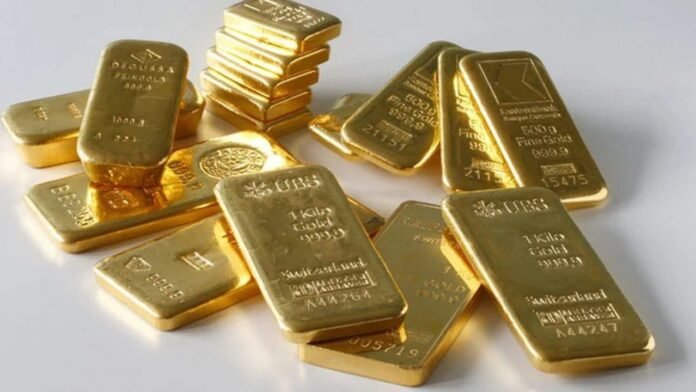
LAHORE — Gold prices have witnessed a significant decline in both Pakistani and international markets as of September 14, following a temporary stabilization. According to the All Pakistan Sarafa Association, the price of 24-karat gold in Pakistan fell by Rs3,800 per tola, bringing the new price to Rs453,336. Concurrently, the price of 10 grams of gold also saw a reduction, reflecting broader trends in the global market.
What Happened
The All Pakistan Sarafa Association reported a substantial drop in gold prices, marking a continuation of the recent volatility in the precious metals market. The price of 24-karat gold, a standard measure for purity, decreased by Rs3,800 per tola. This adjustment comes after a brief period of stability, indicating ongoing fluctuations influenced by international market dynamics.
Globally, gold prices have been under pressure due to a variety of economic factors. Analysts attribute the decline to strengthening of the US dollar and expectations of interest rate hikes by major central banks. These factors typically make gold a less attractive investment as the opportunity cost of holding non-yielding bullion increases.
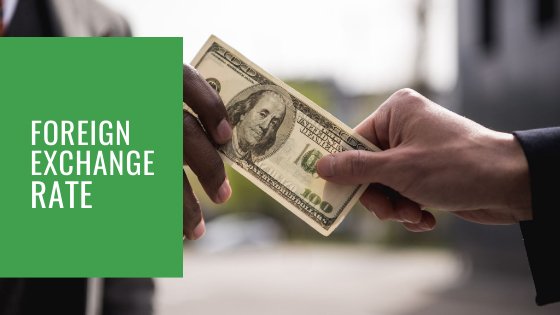
In Pakistan, the local currency’s performance against the dollar also plays a crucial role in determining gold prices. The recent depreciation of the Pakistani rupee has compounded the impact of global trends, leading to more pronounced price shifts domestically.
Background
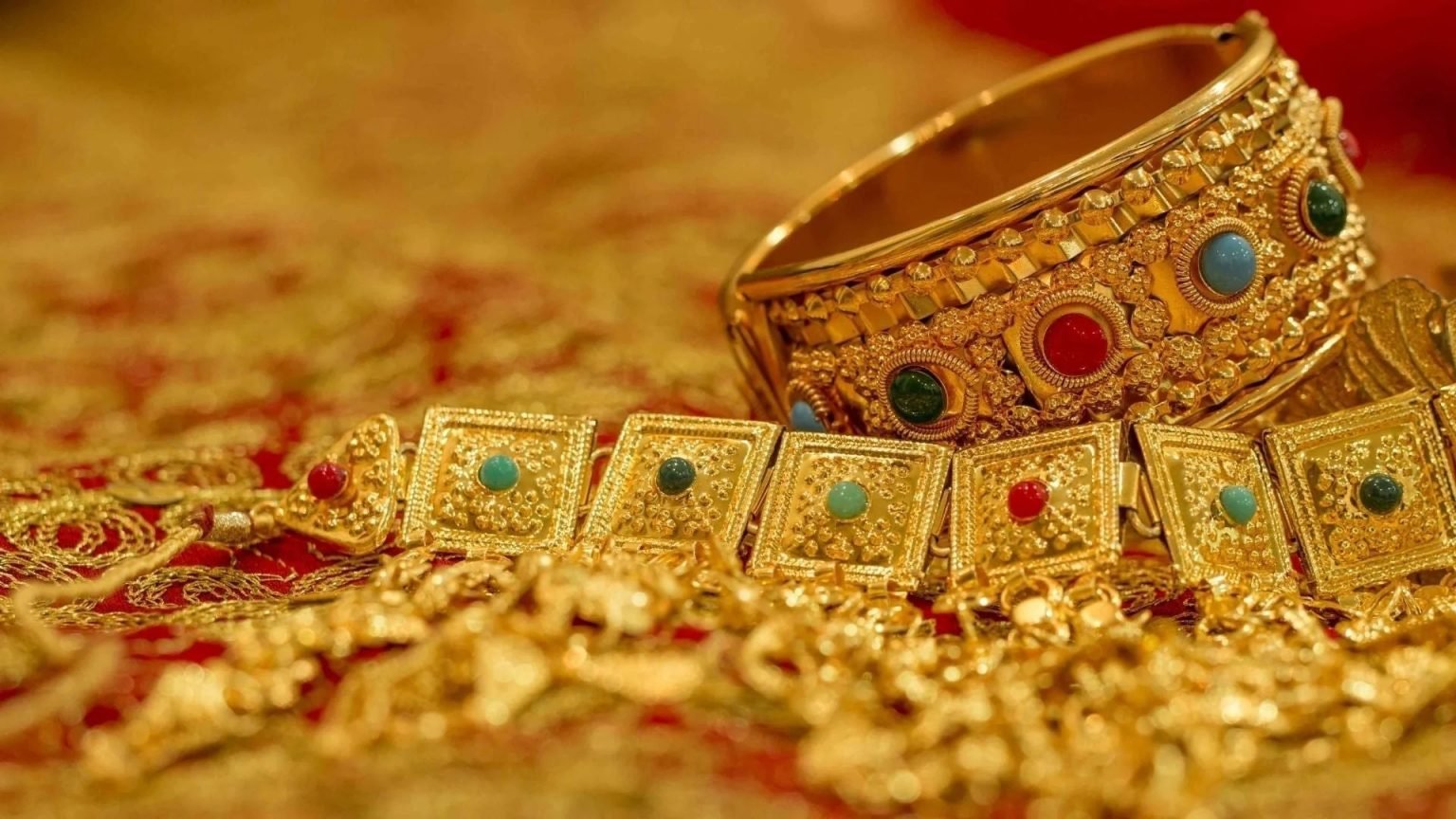
Gold has traditionally been considered a safe-haven asset, particularly during times of economic uncertainty. In Pakistan, gold is not only a popular investment but also holds cultural significance, often used in weddings and other significant life events.
The gold market in Pakistan is heavily influenced by international prices, given that the country imports a significant portion of its gold. The All Pakistan Sarafa Association, a key body in the gold trade, regularly monitors and announces price adjustments based on global market movements and domestic economic conditions.
Historically, gold prices have been volatile, influenced by geopolitical tensions, economic policies, and changes in supply and demand dynamics. In recent years, factors such as the COVID-19 pandemic and subsequent economic recovery efforts have further contributed to price fluctuations.
Why It Matters
The decline in gold prices carries significant implications for various stakeholders in Pakistan. For consumers, particularly those planning weddings or other events requiring gold purchases, the reduced prices may offer some relief. However, for investors who have traditionally relied on gold as a hedge against inflation and currency depreciation, the current volatility presents challenges.
Economically, the fluctuation in gold prices can affect the country’s trade balance. As gold imports constitute a substantial portion of Pakistan’s import bill, changes in prices can impact foreign exchange reserves and the overall economic outlook.
Politically, the government’s ability to manage economic stability is often scrutinized in light of such market changes. The interplay between gold prices, currency stability, and inflation rates is complex and requires careful policy management to mitigate adverse impacts on the economy.
Internationally, Pakistan’s gold market is a reflection of broader economic trends. The country’s response to these changes, including potential adjustments in monetary policy or import regulations, can influence its economic relationships and standing in the global market.
Key Takeaways
- The price of 24-karat gold in Pakistan decreased by Rs3,800 per tola, now at Rs453,336.
- Global market trends, including a strong US dollar and interest rate expectations, are influencing gold prices.
- Domestic factors, such as the rupee’s depreciation, exacerbate price volatility in Pakistan.
- The decline in gold prices impacts consumers, investors, and the broader economic landscape.
- Pakistan’s gold market trends are indicative of larger international economic dynamics.
Source Attribution
This article is based on official statements from the All Pakistan Sarafa Association and public communications from relevant authorities.