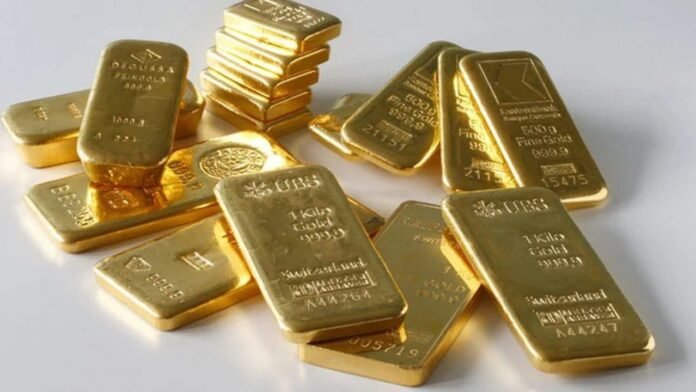
ISLAMABAD — The price of gold in Pakistan witnessed a significant decline on Monday, with the rate for 24-karat gold per tola dropping by Rs3,800. The new price settled at Rs453,336, as reported by the All Pakistan Sarafa Gems and Jewellers Association.
What Happened
The local gold market experienced a notable decrease in prices, reflecting global trends where gold prices have been fluctuating due to various economic factors. The All Pakistan Sarafa Gems and Jewellers Association announced the updated rates, which showed a reduction of Rs3,800 per tola for 24-karat gold. This adjustment brought the price down to Rs453,336 per tola, marking a significant shift in the market.
Market analysts attribute this decline to several factors, including changes in the international gold market, currency fluctuations, and domestic economic conditions. The global gold market has been under pressure due to rising interest rates and a stronger US dollar, which typically leads to lower gold prices as investors seek higher returns from other assets.
Additionally, local factors such as the Pakistani rupee’s performance against the US dollar and domestic demand for gold also play a crucial role in determining gold prices. The recent strengthening of the rupee may have contributed to the reduced gold prices, as a stronger local currency makes imports, including gold, cheaper.
Background
Gold has traditionally been a popular investment and a hedge against inflation in Pakistan. The country’s gold market is influenced by both international and domestic factors. Historically, gold prices in Pakistan have mirrored global trends, with local demand and currency exchange rates also impacting prices.
In recent years, Pakistan has faced economic challenges, including inflation and currency depreciation, which have affected the purchasing power of consumers. As a result, fluctuations in gold prices are closely monitored by investors and the general public alike.
The All Pakistan Sarafa Gems and Jewellers Association plays a key role in setting gold prices in the country, taking into account international market trends and local economic conditions. Their announcements are considered authoritative and are widely followed by traders and consumers.
Why It Matters
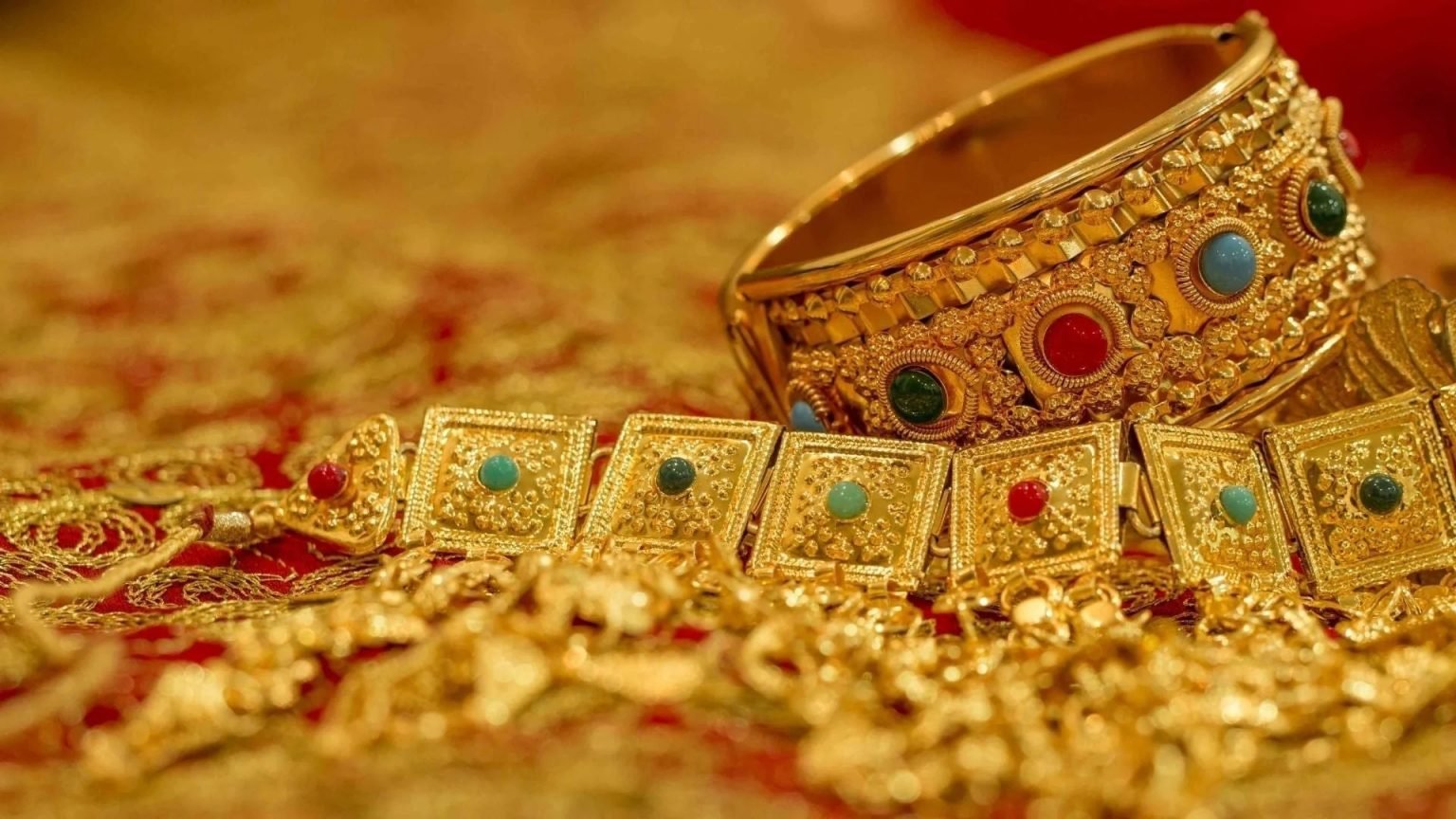
The decline in gold prices holds significant implications for various stakeholders in Pakistan. For consumers, particularly those planning weddings or other significant life events, lower gold prices can lead to cost savings. Gold jewellery is a traditional gift and investment in Pakistani culture, and price reductions can make it more accessible to a broader segment of the population.
For investors, the drop in gold prices may prompt a reassessment of investment strategies. Gold is often seen as a safe haven during economic uncertainty, and its price movements can influence investment decisions. A decrease in prices might lead some investors to diversify their portfolios or consider other investment options.
Economically, the reduction in gold prices can have broader implications. It may affect the trade balance, as gold imports become cheaper, potentially reducing the overall import bill. This could provide some relief to the country’s foreign exchange reserves, which have been under pressure in recent times.
On a macroeconomic level, the gold price drop might influence monetary policy decisions. Central banks often monitor commodity prices, including gold, as part of their economic assessments. Changes in gold prices can impact inflation expectations and influence interest rate decisions.
Key Takeaways
- Gold prices in Pakistan decreased by Rs3,800 per tola, settling at Rs453,336.
- The decline reflects global trends and local economic factors, including currency fluctuations.
- Lower gold prices may benefit consumers, especially those purchasing jewellery for cultural events.
- The drop could influence investment strategies and economic policies in Pakistan.
- Gold remains a significant investment and cultural asset in the country.
Source Attribution
This article is based on official statements and public communications from relevant authorities.