
Author name: NEN News

Pakistan

Vietnam Anticipates Early Signing of Trade Agreement with Pakistan

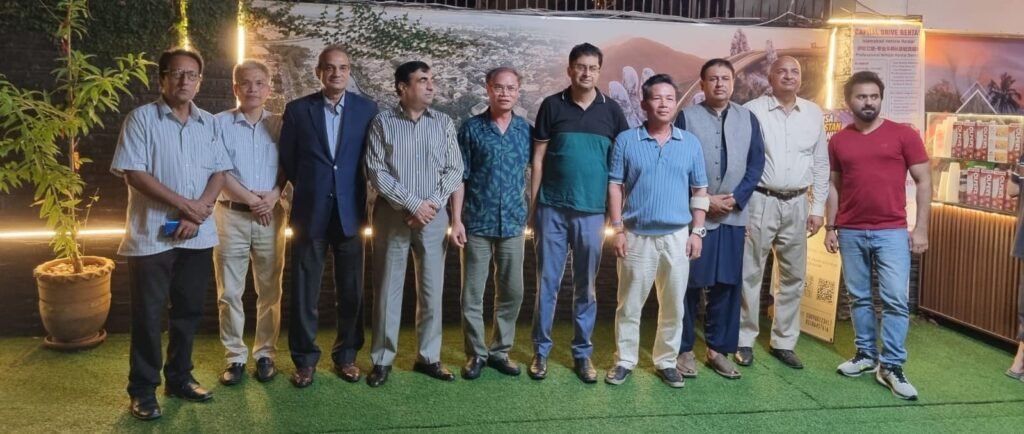
ISLAMABAD — Vietnam has expressed optimism regarding the early signing of a Preferential Trade Agreement (PTA) with Pakistan, aiming to enhance bilateral trade to USD 1 billion. The Vietnamese Ambassador to Pakistan, Pham Anh Tuan, highlighted the potential of this agreement in fostering economic ties between the two nations. What Happened On Monday, the Vietnamese Ambassador to Pakistan, Pham Anh Tuan, conveyed his positive outlook on the imminent signing of a bilateral Preferential Trade Agreement (PTA) between Vietnam and Pakistan. The ambassador described the proposed accord as a pivotal step towards promoting trade liberalization and unlocking the untapped economic potential between the two countries. The PTA is expected to significantly boost bilateral trade, targeting a milestone of USD 1 billion. The ambassador emphasized the mutual benefits of the agreement, noting that it would facilitate easier access to markets for both countries, thereby enhancing the trade volume. “We are hopeful that the PTA will be signed soon, which will serve as a key milestone in our bilateral relations,” said Pham Anh Tuan. The ambassador’s comments came during a meeting with Pakistani business leaders, where he underscored the importance of strengthening economic ties. Vietnam and Pakistan have been engaged in discussions to finalize the terms of the PTA, which aims to reduce tariffs on a range of goods and services. The agreement is anticipated to cover various sectors, including textiles, agriculture, and technology, providing a framework for increased cooperation and investment. Background The trade relations between Pakistan and Vietnam have been evolving over the years, with both countries recognizing the potential for economic collaboration. Historically, trade between the two nations has been modest, but recent efforts have focused on expanding this relationship. In recent years, Vietnam has emerged as a significant player in the global economy, known for its robust manufacturing sector and export-driven growth. Pakistan, on the other hand, has been seeking to diversify its trade partnerships and explore new markets. The proposed PTA is part of Pakistan’s broader strategy to enhance trade ties with Southeast Asian countries. The agreement aligns with Pakistan’s Look East policy, which aims to strengthen economic and diplomatic relations with countries in the Asia-Pacific region. Why It Matters The signing of the PTA between Pakistan and Vietnam holds considerable significance for both countries. Economically, it represents an opportunity to boost trade volumes and diversify export markets. For Pakistan, the agreement could open up new avenues for its textile and agricultural products in the Vietnamese market, which is known for its growing consumer base and demand for diverse products. For Vietnam, the PTA provides an opportunity to tap into Pakistan’s market, particularly in sectors where Vietnamese goods have a competitive edge. The agreement could also pave the way for increased Vietnamese investment in Pakistan, particularly in sectors such as technology and manufacturing. Politically, the PTA signifies a strengthening of bilateral relations between the two countries. It reflects a mutual commitment to fostering closer ties and enhancing cooperation on various fronts. The agreement could also serve as a model for future trade agreements between Pakistan and other countries in the region, contributing to regional economic integration. On an international level, the PTA aligns with global trends towards trade liberalization and economic collaboration. It underscores the importance of bilateral agreements in facilitating trade and investment flows, particularly in a rapidly changing global economic landscape. Key Takeaways Vietnam and Pakistan are optimistic about signing a Preferential Trade Agreement soon. The PTA aims to boost bilateral trade to USD 1 billion. The agreement is expected to cover sectors like textiles, agriculture, and technology. It aligns with Pakistan’s Look East policy to strengthen ties with Southeast Asia. The PTA reflects a commitment to enhancing economic and political relations. Source Attribution This article is based on official government statements, press releases, and public communications from relevant authorities. Author: NEN Editorial Desk | Editor: NEN Newsroom | Fact Checked By: NEN Editorial Team Author: NEN Editorial Desk  |  Editor: NEN Newsroom  |  Last Updated: July 13, 2026  |  Source: NEN Reporter This article was produced by the NEN Editorial Desk in accordance with NEN Agency’s Editorial Policy and Fact-Checking Policy.
Pakistan

National Bank Of Pakistan Releases New Exchange Rates

KARACHI — The Treasury Management Division of the National Bank of Pakistan (NBP) announced updated exchange rates on Monday, providing critical financial data for traders, businesses, and individuals involved in foreign currency transactions. The new rates reflect the dynamic nature of the global currency market and are effective immediately. What Happened The National Bank of Pakistan, a key financial institution in the country, issued its latest exchange rates for various global currencies on July 13. According to the NBP’s Treasury Management Division, the rates are as follows: the US Dollar (USD) is set at a telegraphic transfer (TT) selling rate of 278.45 and a TT buying rate of 277.95. The Euro (EUR) is listed at 317.33 for selling and 316.76 for buying. The British Pound (GBP) is available at 372.50 for selling and 371.83 for buying. Other significant currencies include the Japanese Yen (JPY) at a selling rate of 1.7180 and a buying rate of 1.7149, and the Swiss Franc (CHF) at 343.77 for selling and 343.16 for buying. The Canadian Dollar (CAD) is set at 196.61 for selling and 196.26 for buying, while the Australian Dollar (AUD) is listed at 192.94 for selling and 192.60 for buying. The exchange rates for Scandinavian currencies such as the Swedish Krona (SEK) and the Norwegian Krone (NOK) are 28.75 and 28.49 for selling, respectively. The Danish Krone (DKK) is available at 42.45 for selling. Other currencies like the New Zealand Dollar (NZD), Singapore Dollar (SGD), and Hong Kong Dollar (HKD) are set at 160.29, 215.13, and 35.52 for selling, respectively. In addition, the bank has provided rates for the Korean Won (KRW) at 0.1847 for selling, the Chinese Yuan (CNY) at 41.02, and the Malaysian Ringgit (MYR) at 68.27. The Thai Baht (THB) is listed at 8.34 for selling. Middle Eastern currencies such as the UAE Dirham (AED), Saudi Riyal (SAR), and Qatari Riyal (QAR) are set at 75.82, 74.16, and 76.39 for selling, respectively. The Kuwaiti Dinar (KWD) is noted at a significantly higher rate of 904.94 for selling. The NBP also provided conversion rates for frozen foreign currency deposits, with the USD at 278.0081, GBP at 372.8366, EUR at 317.8188, and JPY at 1.7195. These rates are set to be settled on July 15, 2026. Background The National Bank of Pakistan plays a pivotal role in the country’s financial system, offering a wide range of banking services, including foreign exchange transactions. The bank regularly updates its exchange rates to reflect market conditions, providing a benchmark for other financial institutions and businesses engaged in international trade. Exchange rates are influenced by various factors, including economic indicators, geopolitical events, and market speculation. The NBP’s updates are crucial for maintaining transparency and stability in the foreign exchange market, helping businesses and individuals make informed financial decisions. Why It Matters Exchange rates have a significant impact on Pakistan’s economy, affecting everything from the cost of imports and exports to inflation and interest rates. For businesses engaged in international trade, understanding and anticipating changes in exchange rates can be the difference between profit and loss. For individuals, especially those who remit money from abroad, these rates determine the value of their remittances. The Pakistani diaspora relies on accurate exchange rate information to maximize the value of their earnings sent back home. Furthermore, exchange rates influence the country’s foreign reserves and overall economic health. A stable and transparent exchange rate system is essential for attracting foreign investment, which is crucial for economic growth and development in Pakistan. Key Takeaways The National Bank of Pakistan has released updated exchange rates for various global currencies. The US Dollar is set at 278.45 for selling and 277.95 for buying. Exchange rates impact Pakistan’s economy, affecting trade, inflation, and foreign investment. Accurate exchange rate information is vital for businesses and individuals engaged in international transactions. The NBP’s updates contribute to transparency and stability in the foreign exchange market. Source Attribution This article is based on official government statements, press releases, and public communications from relevant authorities. Author: NEN Editorial Desk | Editor: NEN Newsroom | Fact Checked By: NEN Editorial Team Author: NEN Editorial Desk  |  Editor: NEN Newsroom  |  Last Updated: July 13, 2026  |  Source: NEN Reporter This article was produced by the NEN Editorial Desk in accordance with NEN Agency’s Editorial Policy and Fact-Checking Policy.
Pakistan

CCP Approves Lotte Group’s Restructuring of Pakistan Operations

ISLAMABAD — The Competition Commission of Pakistan (CCP) has given the green light to the Lotte Group’s internal restructuring plans concerning its operations in Pakistan. This decision, announced on Thursday, follows a thorough evaluation of the pre-merger application submitted by the South Korean conglomerate, ensuring no adverse competition concerns within the country’s food and beverage sectors. What Happened The CCP’s approval marks a significant step for the Lotte Group, allowing it to proceed with its internal restructuring efforts. The application was meticulously reviewed to assess any potential impacts on market competition in Pakistan. The CCP concluded that the restructuring would not lead to any anti-competitive practices or create a monopoly in the food and beverage industry, a sector where Lotte has a notable presence. The restructuring is part of Lotte Group’s strategic efforts to streamline its operations and enhance efficiency across its global subsidiaries. According to the CCP, the approval was granted after ensuring that the restructuring would not harm consumer interests or stifle competition in the local market. The decision aligns with the CCP’s mandate to promote fair competition and prevent monopolistic practices. A spokesperson for the CCP stated, “The Commission has thoroughly reviewed the application and found no substantial lessening of competition in the relevant markets. The restructuring is expected to bring operational efficiencies and better alignment of resources within the Lotte Group.” The approval is seen as a positive move for Lotte’s business strategy, potentially leading to enhanced market performance and consumer benefits. Background Lotte Group, a South Korean multinational conglomerate, has been operating in Pakistan for several years, primarily in the food and beverage sector. The company is known for its popular confectionery products and has established a significant market presence in the region. The restructuring initiative is part of Lotte’s broader global strategy to optimize its operations and improve profitability. The CCP, established under the Competition Act of 2010, is responsible for enforcing competition laws in Pakistan. It aims to promote fair competition in all spheres of commercial and economic activity, enhancing economic efficiency and protecting consumer welfare. The commission regularly reviews mergers and acquisitions to prevent anti-competitive practices and ensure a level playing field for businesses. Why It Matters The approval of Lotte Group’s restructuring is significant for several reasons. Economically, it underscores the CCP’s role in maintaining a competitive market environment, which is crucial for attracting foreign investment. By ensuring that such restructuring does not harm competition, the CCP helps foster a business-friendly climate that can encourage more multinational companies to invest in Pakistan. For Lotte Group, the restructuring is expected to lead to operational efficiencies and potentially lower costs, which could translate into better pricing and product offerings for consumers. This could enhance Lotte’s competitive edge in the food and beverage market, benefiting both the company and its customers. On a broader scale, this decision reflects Pakistan’s commitment to upholding competitive practices and regulatory transparency, which are vital for sustainable economic growth. It also highlights the importance of regulatory bodies like the CCP in safeguarding consumer interests while facilitating business growth. Key Takeaways The CCP has approved Lotte Group’s restructuring plans for its Pakistan operations. No competition concerns were found in the food and beverage sector following the review. The restructuring is part of Lotte’s global strategy to enhance operational efficiency. The decision reinforces Pakistan’s commitment to maintaining a competitive market environment. This move could lead to better consumer offerings and attract more foreign investment. Source Attribution This article is based on official government statements, press releases, and public communications from relevant authorities. Author: NEN Editorial Desk | Editor: NEN Newsroom | Fact Checked By: NEN Editorial Team Author: NEN Editorial Desk  |  Editor: NEN Newsroom  |  Last Updated: July 13, 2026  |  Source: NEN Reporter This article was produced by the NEN Editorial Desk in accordance with NEN Agency’s Editorial Policy and Fact-Checking Policy.
World

ICCI Highlights Need for Commercial Diplomacy to Boost Exports

ISLAMABAD — The Islamabad Chamber of Commerce and Industry (ICCI) has emphasized the necessity of integrating commercial diplomacy into Pakistan’s economic and foreign policy strategies. Acting President Tahir Ayub made this assertion on Monday while addressing a delegation of visiting industrialists, underscoring the role of diplomatic efforts in achieving sustainable export growth and attracting foreign investment. What Happened During a meeting with a group of industrialists, Tahir Ayub, Acting President of the ICCI, articulated the importance of commercial diplomacy in bolstering Pakistan’s economic prospects. He stressed that by prioritizing commercial diplomacy, Pakistan could not only enhance its export capabilities but also solidify its standing in both regional and global markets. Ayub highlighted that such a strategic approach would be instrumental in attracting foreign investment, which is crucial for the country’s economic development. Ayub noted that Pakistan’s current economic challenges necessitate a robust framework where economic and foreign policies are aligned to promote trade and investment. He remarked, “Placing commercial diplomacy at the heart of our economic and foreign policy is essential for sustainable export growth.” The meeting also included discussions on the potential benefits of fostering stronger ties with international markets and the need for a proactive approach in engaging with foreign stakeholders. The industrialists present at the meeting echoed Ayub’s sentiments, agreeing that a focus on commercial diplomacy could lead to increased market access and better trade relations. They also discussed the importance of government support in facilitating these diplomatic efforts and the need for policies that encourage innovation and competitiveness in the export sector. Background Pakistan’s economy has faced numerous challenges over the past decade, including fluctuating export levels, a widening trade deficit, and a need for increased foreign direct investment. Historically, the country’s export strategy has been hampered by a lack of diversification and reliance on a narrow range of products. Efforts to boost exports have often been met with limited success due to geopolitical tensions and inadequate infrastructure. Commercial diplomacy refers to the use of diplomatic channels and strategies to promote a country’s economic interests abroad. This includes negotiating trade agreements, fostering business partnerships, and advocating for favorable trade policies. In recent years, countries around the world have increasingly recognized the value of commercial diplomacy as a tool for economic growth. Why It Matters The emphasis on commercial diplomacy by the ICCI is significant for several reasons. Economically, it presents an opportunity for Pakistan to diversify its export base and reduce its trade deficit. By engaging more effectively with international markets, Pakistan can tap into new opportunities for growth and development. This is particularly important in the context of the global economic landscape, where competition for market access is fierce. Socially, increased exports and foreign investment can lead to job creation and improved living standards for the Pakistani population. As industries expand to meet international demand, there is potential for significant employment growth, which can contribute to poverty alleviation and economic stability. Politically, strengthening commercial diplomacy can enhance Pakistan’s geopolitical standing. By building stronger economic ties with other nations, Pakistan can improve its diplomatic relations and increase its influence on the global stage. This can lead to more favorable trade agreements and partnerships that benefit the country in the long term. Key Takeaways The ICCI stresses the importance of commercial diplomacy for sustainable export growth. Aligning economic and foreign policies is crucial for attracting foreign investment. Commercial diplomacy can enhance Pakistan’s standing in regional and global markets. Increased exports and investment can lead to job creation and economic stability. Strengthened diplomatic ties can improve Pakistan’s geopolitical influence. Source Attribution This article is based on official statements and communications from the Islamabad Chamber of Commerce and Industry. Author: NEN Editorial Desk | Editor: NEN Newsroom | Fact Checked By: NEN Editorial Team Author: NEN Editorial Desk  |  Editor: NEN Newsroom  |  Last Updated: July 13, 2026  |  Source: NEN Reporter This article was produced by the NEN Editorial Desk in accordance with NEN Agency’s Editorial Policy and Fact-Checking Policy.
Pakistan

OIC Conference Concludes with Focus on Women’s Empowerment in Member States

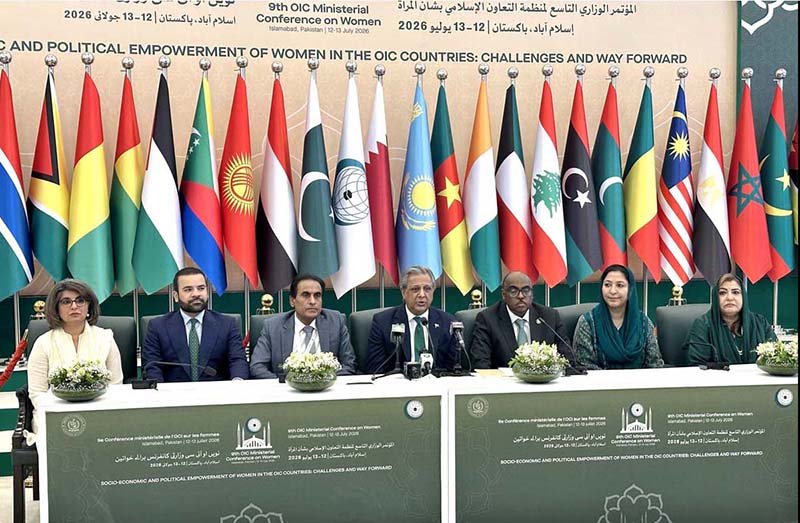
ISLAMABAD — Federal Minister for Law and Justice Azam Nazeer Tarar and Hissein Brahim Taha, Secretary-General of the Organization of Islamic Cooperation (OIC), addressed a joint press conference following the conclusion of the 9th OIC Ministerial Conference on Women. The conference, themed “Socio-Economic and Political Empowerment of Women in the OIC Countries: Challenges and Way Forward,” was hosted by the Government of Pakistan at the Convention Centre under the auspices of the Ministry of Human Rights. What Happened The 9th OIC Ministerial Conference on Women brought together representatives from OIC member states to discuss strategies for enhancing the socio-economic and political empowerment of women. The event, held in Islamabad, concluded with a joint press conference where Federal Minister Azam Nazeer Tarar and OIC Secretary-General Hissein Brahim Taha highlighted the outcomes of the discussions. The conference focused on identifying challenges faced by women in OIC countries and exploring pathways to overcome these barriers. During the press conference, Minister Tarar emphasized the importance of collective efforts to address gender disparities. “Empowering women is not just a moral imperative but also a strategic necessity for sustainable development,” he stated. Secretary-General Taha echoed these sentiments, noting that the conference served as a platform to reaffirm the commitment of OIC countries to gender equality and women’s rights. The conference featured various sessions where delegates discussed topics such as women’s access to education, healthcare, and economic opportunities. Participants also deliberated on the role of women in decision-making processes and the need for legal frameworks that support gender equality. The event concluded with a resolution calling for enhanced collaboration among member states to promote women’s empowerment. Background The Organization of Islamic Cooperation, established in 1969, is the second-largest intergovernmental organization after the United Nations, with a membership of 57 states. The OIC has been actively working to promote women’s rights and empowerment through various initiatives and conferences. The Ministerial Conference on Women is a recurring event aimed at assessing progress and setting future agendas for gender equality within the member states. Pakistan, as a member of the OIC, has hosted several international conferences focusing on women’s issues. The country has made strides in addressing gender inequality, though challenges remain. The Ministry of Human Rights in Pakistan has been instrumental in implementing policies and programs to support women’s empowerment, aligning with the goals of the OIC. Why It Matters The empowerment of women in OIC countries is crucial for achieving broader socio-economic development goals. Women constitute a significant portion of the population in these countries, and their active participation in the economy and society is essential for sustainable growth. The conference highlighted the interconnectedness of women’s empowerment with other developmental objectives, such as poverty reduction, education, and health. For Pakistan, hosting the conference underscores its commitment to gender equality and its role as a leader in the Islamic world on issues of women’s rights. The discussions and resolutions from the conference are expected to influence policy-making and legislative efforts in member states, including Pakistan. By addressing barriers to women’s empowerment, OIC countries can improve their socio-economic indicators and enhance their global standing. Internationally, the conference sends a strong message about the OIC’s dedication to gender equality. It aligns with global efforts, such as the United Nations’ Sustainable Development Goals, which emphasize gender equality as a critical component of development. The outcomes of the conference are likely to contribute to international dialogues on women’s rights and empowerment. Key Takeaways The 9th OIC Ministerial Conference on Women focused on socio-economic and political empowerment. Federal Minister Azam Nazeer Tarar and OIC Secretary-General Hissein Brahim Taha emphasized the importance of gender equality. The conference concluded with a resolution calling for enhanced collaboration among OIC member states. Pakistan’s hosting of the conference highlights its commitment to women’s rights within the Islamic world. The conference’s outcomes are expected to influence policy-making in OIC countries, aligning with global gender equality efforts. Source Attribution This article is based on official government statements, press releases, and public communications from relevant authorities. Author: NEN Editorial Desk | Editor: NEN Newsroom | Fact Checked By: NEN Editorial Team Author: NEN Editorial Desk  |  Editor: NEN Newsroom  |  Last Updated: July 13, 2026  |  Source: Press Release from Ministry of Human Rights This article was produced by the NEN Editorial Desk in accordance with NEN Agency’s Editorial Policy and Fact-Checking Policy.
Pakistan

OIC Conference Concludes with Focus on Women’s Empowerment in Member States

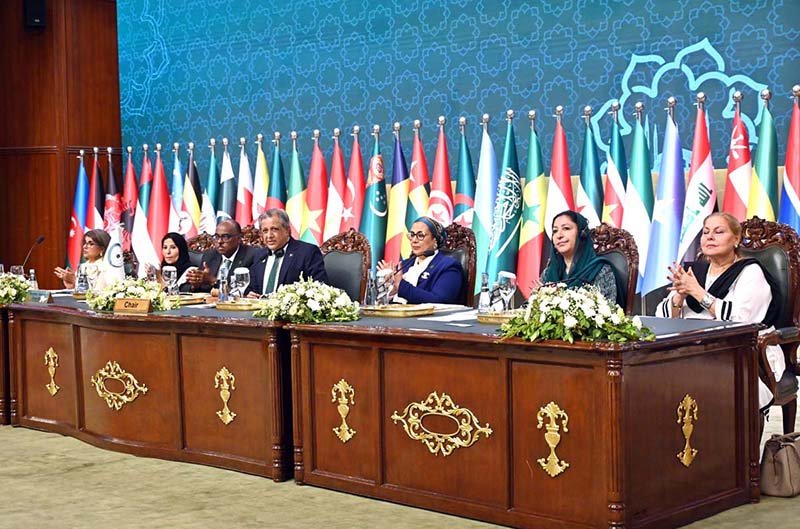
ISLAMABAD — Federal Minister for Law and Justice Azam Nazeer Tarar and Hissein Brahim Taha, Secretary-General of the Organization of Islamic Cooperation (OIC), addressed a joint press conference following the 9th OIC Ministerial Conference on Women. The event, themed “Socio-Economic and Political Empowerment of Women in the OIC Countries: Challenges and Way Forward,” was hosted by Pakistan’s Ministry of Human Rights at the Convention Centre. What Happened The conference, which concluded recently, brought together representatives from various OIC member states to discuss the pressing issues related to women’s empowerment in the Islamic world. The event aimed to identify challenges and propose actionable strategies for enhancing the socio-economic and political roles of women across member countries. During the press conference, Minister Azam Nazeer Tarar highlighted the collective commitment of OIC countries to advance women’s rights and empowerment. He stated, “The conference has reaffirmed our dedication to addressing the socio-economic and political challenges faced by women in our countries.” He emphasized the importance of collaborative efforts in overcoming these obstacles. Hissein Brahim Taha, the OIC Secretary-General, echoed these sentiments, underscoring the need for concerted actions to ensure that women in member states can fully participate in all aspects of life. “Empowering women is not just a moral imperative but a necessary condition for achieving sustainable development in our societies,” he remarked. The conference featured discussions on various topics, including education, healthcare, economic participation, and political representation of women. Delegates shared best practices and experiences from their respective countries, fostering a spirit of cooperation and mutual learning. Background The Organization of Islamic Cooperation, comprising 57 member states, has long recognized the importance of women’s empowerment as a key factor in achieving socio-economic development. Previous conferences have focused on similar themes, with the aim of creating a framework for improving women’s status in OIC countries. The OIC’s commitment to women’s issues is rooted in its Charter, which calls for the promotion of human rights, including gender equality. Over the years, the organization has launched various initiatives to support women’s education, health, and economic opportunities. Why It Matters The empowerment of women in OIC countries is crucial for several reasons. Economically, enhancing women’s participation in the workforce can significantly boost GDP growth and development. Studies have shown that gender equality in labor markets can lead to more resilient economies. Socially, empowering women contributes to better health and education outcomes for families and communities. Women who are educated and economically active are more likely to invest in their children’s education and well-being, creating a positive cycle of development. Politically, increased representation of women in decision-making processes leads to more inclusive governance. Women’s perspectives can contribute to more comprehensive policies that address the needs of all citizens. For Pakistan, hosting the conference underscores its commitment to advancing women’s rights and aligns with its national policies aimed at gender equality. The event also positions Pakistan as a leader in advocating for women’s issues within the OIC framework. Key Takeaways The 9th OIC Ministerial Conference on Women focused on socio-economic and political empowerment of women in member states. Minister Azam Nazeer Tarar and OIC Secretary-General Hissein Brahim Taha emphasized the importance of collective efforts to address women’s challenges. The conference highlighted best practices and strategies for enhancing women’s roles in society. Empowering women is seen as essential for economic growth, social development, and inclusive governance in OIC countries. Hosting the conference reinforces Pakistan’s commitment to gender equality and women’s rights. Source Attribution This article is based on official government statements, press releases, and public communications from relevant authorities. Author: NEN Editorial Desk | Editor: NEN Newsroom | Fact Checked By: NEN Editorial Team Author: NEN Editorial Desk  |  Editor: NEN Newsroom  |  Last Updated: July 13, 2026  |  Source: Press Release from Ministry of Human Rights This article was produced by the NEN Editorial Desk in accordance with NEN Agency’s Editorial Policy and Fact-Checking Policy.
Pakistan

OIC Conference Highlights Commitment to Women’s Empowerment

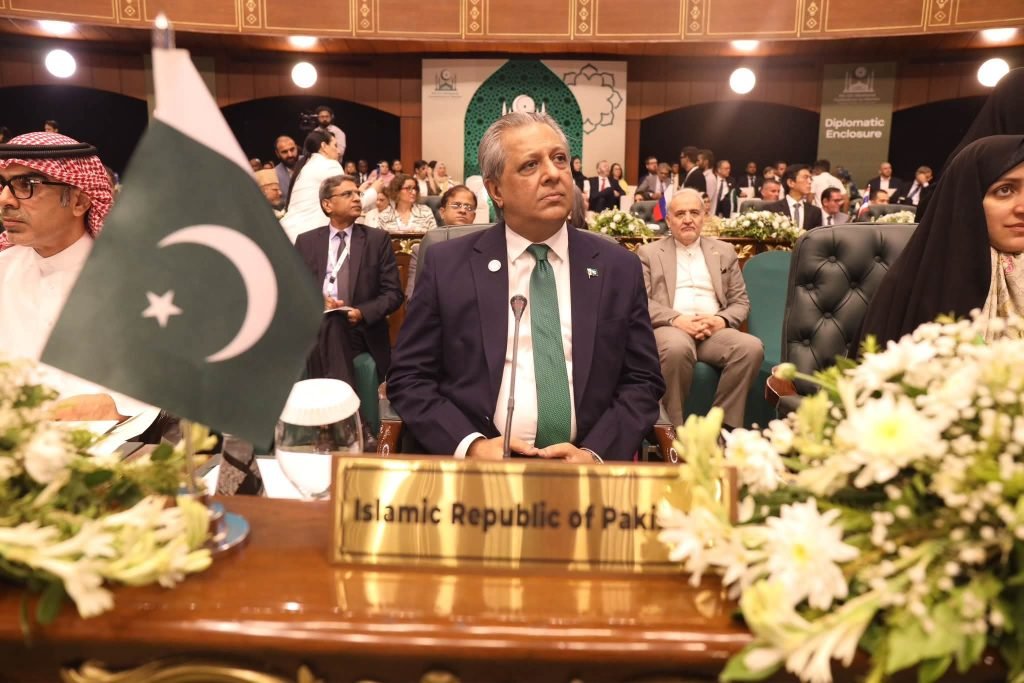
ISLAMABAD — Federal Minister for Human Rights Azam Nazeer Tarar announced on Monday that the 9th Ministerial Conference on Women of the Organisation of Islamic Cooperation (OIC) has reaffirmed the collective commitment of its member states to advance women’s rights and empowerment. The conference, held in Islamabad, brought together representatives from various OIC countries to discuss strategies and policies aimed at improving the status of women across the Islamic world. What Happened The 9th OIC Ministerial Conference on Women, hosted in Islamabad, served as a platform for member states to reaffirm their dedication to promoting gender equality and empowering women. Federal Minister Azam Nazeer Tarar emphasized the importance of the conference, noting that it reflected a unified effort among OIC nations to tackle issues related to women’s rights. During the conference, participants engaged in discussions on various topics, including education, health, economic participation, and legal rights for women. The event underscored the need for collaborative efforts to address the challenges faced by women in OIC countries. Minister Tarar highlighted that the conference was a significant step towards implementing effective policies that would lead to tangible improvements in women’s lives. In his remarks, Minister Tarar stated, “The OIC conference is a testament to our shared commitment to advancing women’s rights. It is crucial that we continue to work together to create environments where women can thrive and contribute to our societies.” The conference concluded with a joint declaration that outlined specific goals and commitments for member states to pursue in the coming years. Background The Organisation of Islamic Cooperation, established in 1969, is an intergovernmental organization comprising 57 member states. It aims to promote solidarity among Muslim nations and address issues of mutual concern, including the advancement of women’s rights. The OIC Ministerial Conference on Women is a biennial event that focuses on evaluating progress and setting new targets for gender equality within member states. Historically, the OIC has faced criticism for its slow progress in addressing gender disparities. However, recent conferences have shown a renewed commitment to tackling these issues, with member states increasingly recognizing the importance of women’s empowerment for social and economic development. Why It Matters The reaffirmation of commitment to women’s empowerment by OIC member states is significant for several reasons. Firstly, it highlights a growing recognition of the critical role women play in the development of societies. Empowering women can lead to improved economic outcomes, as increased female participation in the workforce contributes to economic growth. Moreover, advancing women’s rights is essential for achieving broader social justice and equality. By addressing issues such as education and health disparities, OIC countries can work towards creating more equitable societies. This commitment also aligns with global efforts to achieve the United Nations Sustainable Development Goals, particularly Goal 5, which focuses on gender equality. For Pakistan, hosting the conference underscores its role as a leader in the Islamic world on issues of gender equality. The event provides an opportunity for Pakistan to showcase its efforts in promoting women’s rights and to learn from the experiences of other member states. The outcomes of the conference could lead to policy changes that benefit women across the country, improving their access to education, healthcare, and economic opportunities. Key Takeaways The 9th OIC Ministerial Conference on Women reaffirmed the commitment of member states to women’s empowerment. Federal Minister Azam Nazeer Tarar emphasized the importance of collective efforts to advance women’s rights. The conference focused on education, health, economic participation, and legal rights for women. The event aligns with global efforts to achieve gender equality and the United Nations Sustainable Development Goals. Pakistan’s hosting of the conference highlights its leadership role in promoting women’s rights within the Islamic world. Source Attribution This article is based on official government statements, press releases, and public communications from relevant authorities. Author: NEN Editorial Desk | Editor: NEN Newsroom | Fact Checked By: NEN Editorial Team Author: NEN Editorial Desk  |  Editor: NEN Newsroom  |  Last Updated: July 13, 2026  |  Source: Press Release from Government of Pakistan This article was produced by the NEN Editorial Desk in accordance with NEN Agency’s Editorial Policy and Fact-Checking Policy.
Pakistan

Law Minister Honors Saudi Official for Women’s Empowerment Efforts

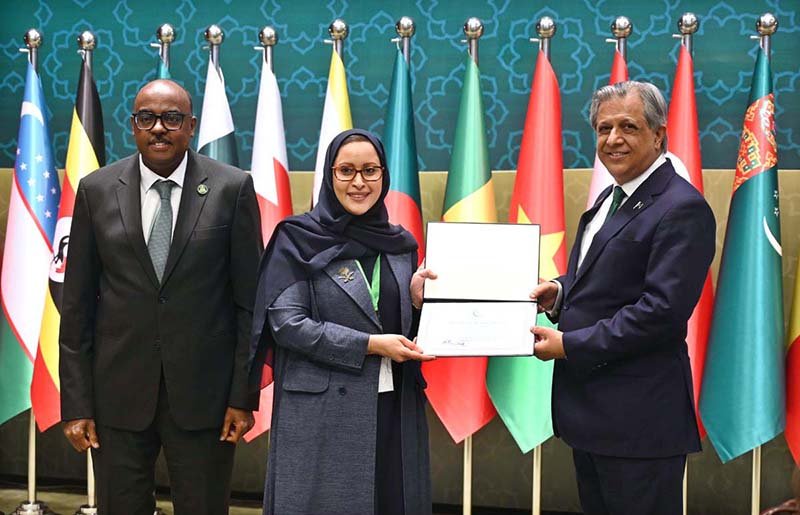
ISLAMABAD — Federal Minister for Law and Justice Azam Nazeer Tarar presented a certificate of recognition to Dr. Maimoonah Al Khalil, Secretary-General of the Family Affairs Council of the Kingdom of Saudi Arabia, for her exceptional contributions to women’s welfare and empowerment. The ceremony took place during the closing event of the 9th OIC Ministerial Conference on Women, held at the Convention Centre under the theme “Socio-Economic and Political Empowerment of Women in the OIC Countries: Challenges and Way Forward.” What Happened The 9th OIC Ministerial Conference on Women concluded with a ceremony recognizing significant contributions to women’s empowerment across OIC member states. Federal Minister Azam Nazeer Tarar presented the award to Dr. Maimoonah Al Khalil, acknowledging her efforts in advancing women’s welfare and empowerment in Saudi Arabia and beyond. The conference, attended by delegates from various OIC countries, focused on addressing the socio-economic and political challenges faced by women, aiming to chart a path forward for greater empowerment. In his address, Minister Tarar highlighted the importance of collaborative efforts among OIC countries to enhance the status of women. “Empowering women is not just a moral imperative but a socio-economic necessity,” he stated. Dr. Al Khalil expressed her gratitude for the recognition, emphasizing the shared goals of OIC nations in promoting gender equality and the empowerment of women. The conference featured discussions on various topics, including economic participation, political representation, and social inclusion of women in OIC countries. The delegates shared best practices and strategies to overcome barriers to women’s empowerment, with a focus on creating a supportive environment for women to thrive. Background The Organization of Islamic Cooperation (OIC) has been actively working to promote women’s rights and empowerment across its member states. This ministerial conference is part of ongoing efforts to address gender disparities and enhance the role of women in socio-economic development. Previous conferences have laid the groundwork for policy frameworks and action plans aimed at improving women’s access to education, healthcare, and employment opportunities. Pakistan has been a vocal advocate for women’s rights within the OIC, aligning with national policies that aim to increase female participation in various sectors. The country has implemented several initiatives to support women’s empowerment, including legislative reforms and programs to enhance women’s access to education and economic resources. Why It Matters The recognition of Dr. Maimoonah Al Khalil’s contributions underscores the importance of international collaboration in advancing women’s rights. Her work highlights the progress being made in Saudi Arabia, a country traditionally known for its conservative stance on women’s issues. This recognition reflects a broader shift towards gender equality within the region, signaling potential for further reforms and empowerment initiatives. For Pakistan, hosting the OIC Ministerial Conference on Women reinforces its commitment to gender equality and positions the country as a leader in promoting women’s rights within the Islamic world. The conference provides a platform for sharing experiences and strategies, which can inform national policies and initiatives aimed at improving the status of women. Economically, empowering women can significantly contribute to national development. Increased female participation in the workforce can lead to higher economic growth, improved family welfare, and reduced poverty levels. Politically, greater representation of women in decision-making processes can lead to more inclusive governance and policies that better address the needs of all citizens. Key Takeaways Federal Minister Azam Nazeer Tarar honored Dr. Maimoonah Al Khalil for her contributions to women’s empowerment. The recognition took place at the 9th OIC Ministerial Conference on Women in Islamabad. The conference focused on socio-economic and political empowerment of women in OIC countries. Pakistan’s hosting of the event highlights its commitment to gender equality. Empowering women is crucial for socio-economic development and inclusive governance. Source Attribution The article is based on official government statements, press releases, and public communications from relevant authorities. Author: NEN Editorial Desk | Editor: NEN Newsroom | Fact Checked By: NEN Editorial Team Author: NEN Editorial Desk  |  Editor: NEN Newsroom  |  Last Updated: July 13, 2026  |  Source: Press Release from Government of Pakistan This article was produced by the NEN Editorial Desk in accordance with NEN Agency’s Editorial Policy and Fact-Checking Policy.
Pakistan

Street Vendors in Hyderabad Adapt to Changing Consumer Trends

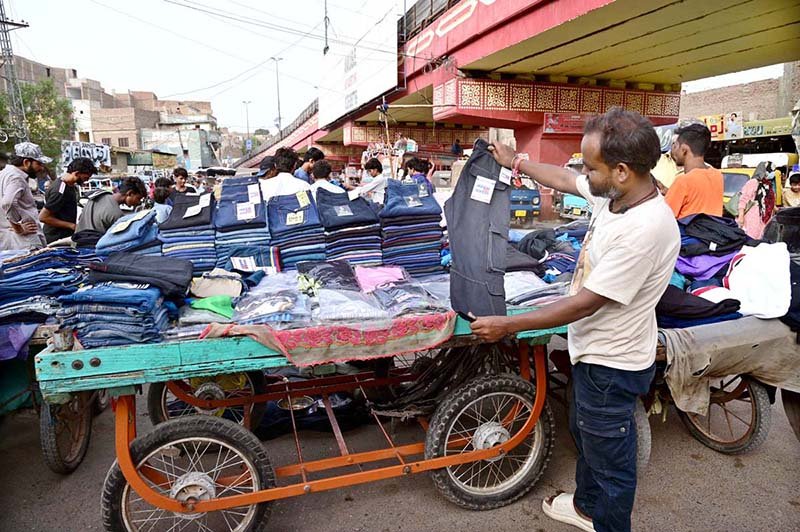
HYDERABAD — Street vendors in Hyderabad are increasingly diversifying their offerings to attract customers. On Makki Shah Road, a vendor has turned to displaying jeans as a means to draw in potential buyers, reflecting a broader trend among small business owners in the city. What Happened In the bustling city of Hyderabad, a roadside vendor on Makki Shah Road has taken an innovative approach to attract customers by prominently displaying jeans. This strategy is aimed at capturing the attention of passersby and encouraging them to stop and browse. The vendor’s stall, located in a high-traffic area, is strategically positioned to capitalize on the flow of pedestrians and vehicles. The vendor’s choice to feature jeans is indicative of a shift in consumer preferences and the need for vendors to adapt to these changes. By showcasing a product that is both practical and fashionable, the vendor hopes to appeal to a broad demographic, including young adults and working professionals who frequent the area. This approach is not isolated to Makki Shah Road. Across Hyderabad, street vendors are increasingly displaying a variety of products, from clothing to electronics, in an effort to meet the evolving demands of consumers. This trend underscores the resilience and adaptability of small business owners in the face of economic challenges and changing market dynamics. Background Street vending has long been a staple of the Pakistani economy, providing livelihoods for thousands of individuals and families. In urban centers like Hyderabad, vendors play a crucial role in the local economy, offering affordable goods and services to residents. Historically, street vendors have sold a wide range of products, from fresh produce to household items. However, in recent years, there has been a noticeable shift in the types of products being offered. With the rise of fast fashion and increased access to global trends, consumers are seeking more diverse and trendy options. This has prompted vendors to adapt their inventories, incorporating items such as clothing, accessories, and electronics, which were less common in the past. The legal framework governing street vending in Pakistan has also evolved, with local authorities implementing regulations to manage public space usage and ensure safety and hygiene standards. These regulations aim to balance the needs of vendors with those of pedestrians and local businesses. Why It Matters The adaptation of street vendors to changing consumer preferences is significant for several reasons. Economically, it highlights the agility of small businesses in responding to market demands, which is crucial for their survival and growth. By offering products that are in demand, vendors can increase their sales and improve their livelihoods. Socially, the presence of diverse street vending options contributes to the vibrancy and accessibility of urban areas. For consumers, especially those from lower-income brackets, street vendors provide affordable alternatives to retail stores, making fashion and technology more accessible. Politically, the success of street vendors can influence policy decisions regarding urban planning and economic development. As vendors continue to adapt and thrive, there may be increased pressure on local governments to support these entrepreneurs through favorable policies and infrastructure improvements. Internationally, the resilience of Pakistan’s street vendors reflects broader trends in developing economies, where informal sectors play a vital role in economic activity. The ability of these vendors to adapt to global trends underscores their importance in the global economic landscape. Key Takeaways Street vendors in Hyderabad are adapting to consumer trends by diversifying their product offerings. The display of jeans on Makki Shah Road exemplifies vendors’ efforts to attract a wider customer base. Street vending remains a crucial part of Pakistan’s economy, providing affordable goods to consumers. Changes in consumer preferences are prompting vendors to incorporate trendy items into their inventories. The resilience of street vendors highlights their importance in both local and global economic contexts. Source Attribution This article is based on official government statements, press releases, and public communications from relevant authorities. Author: NEN Editorial Desk | Editor: NEN Newsroom | Fact Checked By: NEN Editorial Team Author: NEN Editorial Desk  |  Editor: NEN Newsroom  |  Last Updated: July 13, 2026  |  Source: NEN Reporter This article was produced by the NEN Editorial Desk in accordance with NEN Agency’s Editorial Policy and Fact-Checking Policy.

Pakistan

National Bank Of Pakistan Releases Updated Foreign Exchange Rates

KARACHI — The National Bank of Pakistan (NBP) has announced the latest foreign exchange rates as of July 13, 2023, through its Treasury Management Division. These rates are crucial for businesses, travelers, and financial institutions engaging in foreign currency transactions. What Happened The Treasury Management Division of the National Bank of Pakistan released updated exchange rates for various foreign currencies on Monday. The US Dollar (USD) is now being sold at 278.45 and bought at 277.95. The Euro (EUR) stands at a selling rate of 317.33 and a buying rate of 316.76. The British Pound (GBP) is sold at 372.50 and bought at 371.83. Other currencies such as the Japanese Yen (JPY), Swiss Franc (CHF), and Canadian Dollar (CAD) are also included in the list, with selling and buying rates of 1.7180 and 1.7149, 343.77 and 343.16, and 196.61 and 196.26, respectively. Additional currencies in the updated list include the Australian Dollar (AUD) with a selling rate of 192.94 and a buying rate of 192.60, the Swedish Krona (SEK) at 28.75 and 28.70, and the Norwegian Krone (NOK) at 28.49 and 28.44. The Danish Krone (DKK) is selling at 42.45 and buying at 42.38, while the New Zealand Dollar (NZD) is listed at 160.29 for selling and 160.00 for buying. Other notable currencies include the Singapore Dollar (SGD) at 215.13 and 214.75, the Hong Kong Dollar (HKD) at 35.52 and 35.46, and the Korean Won (KRW) at 0.1847 and 0.1844. The Chinese Yuan (CNY) is selling at 41.02 and buying at 40.95, and the Malaysian Ringgit (MYR) is at 68.27 and 68.15. The Thai Baht (THB) is listed at 8.34 and 8.33, while the UAE Dirham (AED) is at 75.82 and 75.68. The Saudi Riyal (SAR) is selling at 74.16 and buying at 74.03, and the Qatari Riyal (QAR) is at 76.39 and 76.25. The Kuwaiti Dinar (KWD) is the highest valued currency on the list, selling at 904.94 and buying at 903.32. For frozen foreign currency deposits, the conversion rates are as follows: USD at 278.0081, GBP at 372.8366, EUR at 317.8188, and JPY at 1.7195. Background Exchange rates are determined by the foreign exchange market, which is influenced by a variety of factors including economic indicators, interest rates, and geopolitical stability. The National Bank of Pakistan, as a major financial institution, plays a critical role in setting these rates for the country. Historically, Pakistan’s currency exchange rates have been subject to fluctuations due to economic conditions, inflation rates, and foreign trade balances. The NBP regularly updates these rates to reflect the current market conditions, ensuring that stakeholders have access to accurate and timely information for their financial decisions. This practice is aligned with the global standards of transparency and accountability in financial reporting. Why It Matters The release of updated exchange rates by the National Bank of Pakistan is significant for several reasons. Economically, these rates directly impact the cost of imports and exports, influencing the trade balance and overall economic health of the country. Businesses that rely on importing goods must adjust their pricing strategies based on these rates, which can affect consumer prices and inflation. For individuals, especially those who travel or send remittances abroad, these rates determine the value of their money in foreign currencies. This can influence travel plans, investment decisions, and the purchasing power of remittances sent to family members in Pakistan. On a broader scale, the exchange rates reflect the economic stability and international confidence in Pakistan’s economy. A stable or strengthening currency can attract foreign investment, while a weakening currency might deter investors concerned about potential losses from currency depreciation. Key Takeaways The National Bank of Pakistan has updated its foreign exchange rates as of July 13, 2023. The US Dollar is selling at 278.45 and buying at 277.95. The Euro is listed at a selling rate of 317.33 and a buying rate of 316.76. Exchange rates impact economic activities, including trade, travel, and remittances. These rates are crucial for financial planning and decision-making for businesses and individuals. Source Attribution This article is based on official government statements, press releases, and public communications from relevant authorities. Author: NEN Editorial Desk | Editor: NEN Newsroom | Fact Checked By: NEN Editorial Team Author: NEN Editorial Desk  |  Editor: NEN Newsroom  |  Last Updated: July 13, 2026  |  Source: NEN Reporter This article was produced by the NEN Editorial Desk in accordance with NEN Agency’s Editorial Policy and Fact-Checking Policy.

Scroll to Top