

Author name: NEN News

Pakistan

Sialkot to Introduce Eco-Friendly Electric Bus Service This Month

ISLAMABAD — Sialkot is poised to launch an environmentally friendly electric bus service later this month, aiming to provide residents with a cleaner, more comfortable, and cost-effective mode of public transportation, according to local officials. The service will operate on two major routes, enhancing urban mobility and reducing the city’s carbon footprint. What Happened The announcement of the electric bus service was made by officials on Thursday, highlighting the city’s commitment to sustainable urban development. The initiative is part of a broader effort to modernize public transportation systems across Pakistan, aligning with global trends towards greener transport solutions. The new fleet of electric buses will serve two primary routes within Sialkot, offering a significant upgrade to the current public transport options. These buses are designed to provide a more comfortable travel experience while also being economically viable for daily commuters. By shifting to electric buses, the city aims to reduce vehicular emissions, contributing to improved air quality and public health. Officials have emphasized that the introduction of electric buses is expected to lower operational costs compared to traditional diesel-powered buses. This cost-effectiveness is anticipated to translate into more affordable fares for passengers, thereby encouraging more residents to opt for public transport over private vehicles. Background Sialkot, known for its vibrant industrial sector, has been grappling with increasing traffic congestion and pollution, common challenges in many urban areas across Pakistan. The city’s decision to adopt electric buses is part of a national strategy to tackle these issues through sustainable solutions. In recent years, the Pakistani government has been actively promoting the adoption of electric vehicles (EVs) as part of its National Electric Vehicle Policy, which aims to have 30% of all vehicles in the country running on electricity by 2030. This policy is designed to reduce the country’s reliance on imported fossil fuels, decrease greenhouse gas emissions, and stimulate the local economy by fostering new industries related to EV manufacturing and infrastructure. Why It Matters The introduction of electric buses in Sialkot is a significant step towards achieving Pakistan’s environmental and economic goals. By reducing emissions, the city contributes to the national effort to combat climate change, which is increasingly affecting Pakistan through extreme weather events and rising temperatures. Economically, the shift to electric buses presents an opportunity to reduce the operational costs of public transportation. Electric buses typically require less maintenance and have lower fuel costs compared to their diesel counterparts. This can lead to reduced fares, making public transport more accessible to a broader segment of the population. Socially, the initiative is expected to improve the quality of life for Sialkot’s residents. Cleaner air resulting from reduced emissions can lead to better health outcomes, while the availability of reliable and affordable public transport can enhance mobility and reduce the reliance on personal vehicles, alleviating traffic congestion. On an international level, Pakistan’s move towards electric public transportation aligns with global efforts to reduce carbon footprints and promote sustainable urban development. It positions the country as a proactive player in the global transition to green energy solutions. Key Takeaways Sialkot will launch an electric bus service later this month on two major routes. The initiative aims to provide a cleaner, more comfortable, and affordable public transport option. This move aligns with Pakistan’s National Electric Vehicle Policy targeting 30% EV adoption by 2030. Electric buses are expected to reduce operational costs and improve air quality in the city. The project supports Pakistan’s broader environmental and economic objectives. Source Attribution This article is based on official government statements, press releases, and public communications from relevant authorities. Author: NEN Editorial Desk | Editor: NEN Newsroom | Fact Checked By: NEN Editorial Team Author: NEN Editorial Desk  |  Editor: NEN Newsroom  |  Last Updated: July 09, 2026  |  Source: NEN Reporter This article was produced by the NEN Editorial Desk in accordance with NEN Agency’s Editorial Policy and Fact-Checking Policy.
Pakistan

Havelian Ayub Bridge Reconstruction Advances with Rs1 Billion Funding

ISLAMABAD — The reconstruction of the Havelian Ayub Bridge, funded by a Rs1 billion grant, is progressing as the construction of an alternate road nears completion. This initiative aims to maintain traffic flow during the bridge’s renovation. What Happened The Havelian Ayub Bridge, a crucial infrastructure component in the region, is undergoing significant reconstruction funded by a Rs1 billion allocation approved by Prime Minister Shehbaz Sharif. The project is crucial for ensuring the continued flow of traffic and connectivity in the area. As part of the reconstruction efforts, an alternate road is being constructed to facilitate uninterrupted traffic during the bridge’s renovation. Construction work on the alternate route is advancing rapidly, with engineers and laborers working diligently to meet project timelines. The alternate road is expected to be completed soon, providing a temporary solution to the traffic disruptions caused by the bridge’s reconstruction. The completion of this road is a critical step in minimizing inconvenience for commuters and ensuring smooth transportation in the region. Officials have emphasized the importance of the bridge in connecting various parts of the region and supporting local economic activities. The reconstruction project is not only a response to the bridge’s aging infrastructure but also a proactive measure to enhance its capacity and safety standards. The project is expected to bolster regional connectivity and economic growth once completed. Background The Havelian Ayub Bridge has long been a vital link for commuters and transporters in the region, facilitating the movement of goods and people. Over the years, the bridge has experienced wear and tear, necessitating comprehensive reconstruction to ensure its structural integrity and safety. The decision to allocate Rs1 billion for its reconstruction underscores the government’s commitment to improving infrastructure and addressing public safety concerns. Historically, the bridge has played a significant role in regional trade and transportation, serving as a conduit for economic activities. Its strategic location has made it an essential infrastructure asset, and its reconstruction is expected to enhance its role in supporting local economies and communities. Why It Matters The reconstruction of the Havelian Ayub Bridge is significant for several reasons. Economically, the bridge is a critical component of the region’s transportation network, facilitating trade and commerce. By ensuring the bridge’s structural integrity and safety, the project supports local businesses and economic activities that rely on efficient transportation routes. Socially, the bridge serves as a vital link for communities, enabling access to essential services such as education and healthcare. The alternate road construction during the bridge’s reconstruction is crucial in minimizing disruptions to daily life and maintaining access to these services. Politically, the government’s investment in the bridge’s reconstruction reflects its commitment to infrastructure development and public safety. The project demonstrates a proactive approach to addressing infrastructure challenges and enhancing regional connectivity, which is vital for national development. Internationally, the reconstruction aligns with broader efforts to improve infrastructure and connectivity in Pakistan, contributing to the country’s economic growth and development goals. By investing in critical infrastructure projects, Pakistan aims to enhance its competitiveness and attractiveness for investment. Key Takeaways The Havelian Ayub Bridge reconstruction is funded by a Rs1 billion grant approved by Prime Minister Shehbaz Sharif. An alternate road is being constructed to ensure uninterrupted traffic during the bridge’s renovation. The project aims to enhance regional connectivity and support local economic activities. The bridge reconstruction reflects the government’s commitment to infrastructure development and public safety. Completion of the alternate road is expected to minimize disruptions for commuters and maintain access to essential services. Source Attribution This article is based on official government statements, press releases, and public communications from relevant authorities. Author: NEN Editorial Desk | Editor: NEN Newsroom | Fact Checked By: NEN Editorial Team Author: NEN Editorial Desk  |  Editor: NEN Newsroom  |  Last Updated: July 09, 2026  |  Source: NEN Reporter This article was produced by the NEN Editorial Desk in accordance with NEN Agency’s Editorial Policy and Fact-Checking Policy.
Pakistan

ICT Police Conduct Security Operations, Check 365 Individuals Across Islamabad

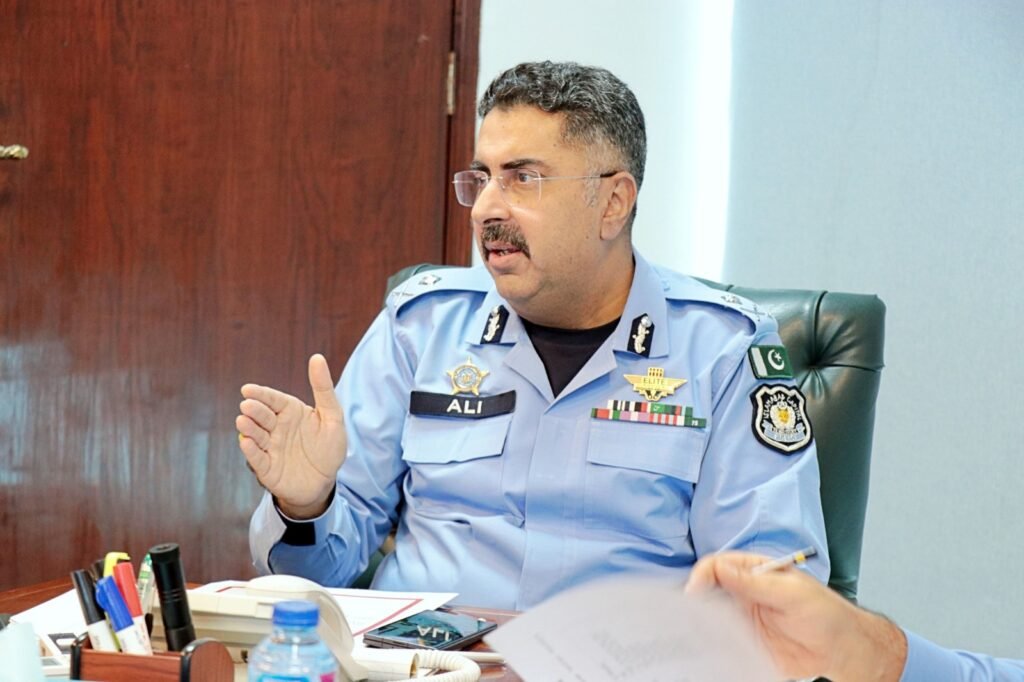
ISLAMABAD — The Islamabad Capital Territory (ICT) Police conducted comprehensive combing and search operations across seven police station jurisdictions, scrutinizing 365 individuals. This initiative is part of ongoing efforts to bolster security measures in the federal capital. What Happened The ICT Police undertook extensive security operations in various areas of Islamabad, aiming to enhance public safety and deter criminal activities. These operations were conducted in the jurisdictions of seven different police stations, reflecting a coordinated approach to maintaining law and order. According to official sources, a total of 365 individuals were checked during these operations, which were part of a broader strategy to ensure the safety of residents and visitors in the capital. The operations involved a detailed verification process, where individuals were asked to provide identification and other necessary documentation. The police also inspected vehicles and premises to identify any illegal activities or security threats. An ICT Police spokesperson stated, “These operations are crucial for maintaining peace and security in Islamabad. We are committed to ensuring that our citizens feel safe and protected.” This proactive measure comes amidst heightened concerns over security in urban areas, with law enforcement agencies taking steps to prevent any potential threats. The operations are part of a routine security protocol that aims to deter criminal elements and ensure a secure environment for all residents. Background Security operations such as these are not new to the Islamabad Capital Territory. The ICT Police have routinely conducted similar operations in the past, especially in response to specific security alerts or intelligence reports. Historically, these operations have been effective in curbing crime rates and have often led to the apprehension of individuals involved in illegal activities. The legal framework governing these operations allows the police to conduct searches and verifications under specific circumstances, particularly when there is a perceived threat to public safety. Such measures are part of the broader national security strategy, which includes collaboration with other law enforcement agencies and intelligence services. Why It Matters The recent operations by the ICT Police are significant for several reasons. Firstly, they underscore the ongoing commitment of law enforcement agencies to maintain a secure environment in the capital city, which is home to key government institutions and foreign missions. Ensuring security in Islamabad is crucial not only for the safety of its residents but also for maintaining the city’s reputation as a secure location for international diplomacy and business. Economically, a secure environment is essential for attracting investment and fostering economic growth. Businesses and investors are more likely to operate in regions where security is assured, and such operations play a vital role in creating a conducive environment for economic activities. Socially, these operations help in building public trust in law enforcement agencies. When citizens see active measures being taken to ensure their safety, it fosters a sense of security and confidence in the authorities. This is particularly important in urban areas where the risk of crime is perceived to be higher. Politically, maintaining security in Islamabad is a priority for the government, as it reflects on the administration’s ability to govern effectively and protect its citizens. The successful execution of these operations can enhance the government’s standing among the populace and demonstrate its commitment to public safety. Key Takeaways The ICT Police conducted security operations across seven jurisdictions in Islamabad, checking 365 individuals. These operations are part of ongoing efforts to enhance security and deter criminal activities in the capital. Such measures are crucial for maintaining public safety, attracting investment, and fostering economic growth. Security operations help build public trust in law enforcement and ensure a secure environment for residents. Maintaining security in Islamabad is a priority for the government, reflecting its commitment to effective governance. Source Attribution This article is based on official government statements, press releases, and public communications from relevant authorities. Author: NEN Editorial Desk | Editor: NEN Newsroom | Fact Checked By: NEN Editorial Team Author: NEN Editorial Desk  |  Editor: NEN Newsroom  |  Last Updated: July 09, 2026  |  Source: NEN Reporter This article was produced by the NEN Editorial Desk in accordance with NEN Agency’s Editorial Policy and Fact-Checking Policy.
World

Pakistan Calls for Global Cooperation Against Cross-Border Threats at UN Summit

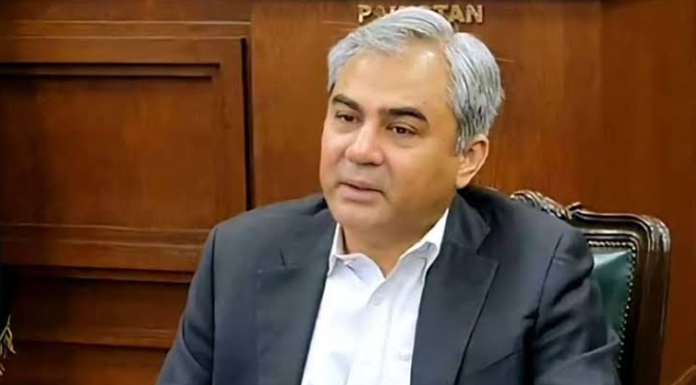
UNITED NATIONS — Pakistan’s Interior Minister Mohsin Naqvi called for enhanced international cooperation to tackle cross-border threats and terrorism during his address at the United Nations Chiefs of Police Summit (UNCOPS-2026) on Wednesday. Speaking at the iconic General Assembly Hall, Naqvi emphasized the need for member states to collaborate in addressing common security challenges that affect nations globally. What Happened During the UNCOPS-2026 summit, Interior Minister Mohsin Naqvi highlighted the pressing need for global cooperation to combat a range of transnational threats. He identified terrorism, organized crime, cybercrime, drug trafficking, human smuggling, and money laundering as significant challenges that no country can tackle alone. “These threats affect all of us; no country is safe from them, and no country can deal with them alone,” Naqvi stated, underscoring the importance of international collaboration. Naqvi urged the international community to build stronger partnerships among law enforcement agencies, share information swiftly, and trust one another to address these challenges effectively. He stressed the rapid evolution of technology and its misuse by criminals, advocating for the use of modern technology to counteract criminal activities. “We must also use modern technology to prevent them,” he said. The Interior Minister called for improving the skills of police officers, enhancing their training, and fostering innovation to better equip them in the fight against crime. He expressed hope that the summit would facilitate open, practical, and solution-oriented discussions among experienced leaders from around the world. “Let us share ideas that have worked, learn from each other’s successes, and find new ways to work together,” Naqvi urged. Background The United Nations Chiefs of Police Summit serves as a platform for police leaders worldwide to discuss strategies for enhancing international cooperation against transnational challenges. The summit aligns with the UN’s broader mandate to promote peace and security, providing a venue for member states to collaborate on global security issues. Pakistan has consistently advocated for international cooperation in combating terrorism and organized crime, given its own experiences with these challenges. The country has been actively involved in various UN initiatives aimed at strengthening global security frameworks and has often highlighted the importance of collective action in addressing security threats. Why It Matters The call for enhanced international cooperation is significant as it reflects the growing recognition of transnational threats that transcend borders and require a collective response. For Pakistan, a country that has faced its share of security challenges, this cooperation is crucial for ensuring national and regional stability. Economically, cross-border threats such as terrorism and organized crime can have detrimental effects on trade, investment, and tourism, impacting Pakistan’s economic growth. Socially, these threats pose risks to public safety and can lead to human rights violations, affecting the well-being of citizens. Politically, Pakistan’s stance at the UN summit underscores its commitment to global peace and security, potentially enhancing its diplomatic relations and standing within the international community. By advocating for cooperation, Pakistan positions itself as a proactive member of the global community, seeking to contribute to international security solutions. Key Takeaways Pakistan’s Interior Minister Mohsin Naqvi called for global cooperation against cross-border threats at the UN Chiefs of Police Summit. Naqvi identified terrorism, organized crime, cybercrime, drug trafficking, human smuggling, and money laundering as key challenges. He emphasized the need for stronger partnerships, information sharing, and the use of modern technology to combat crime. The summit provides a platform for international collaboration on security issues, aligning with the UN’s peace and security mandate. Pakistan’s call for cooperation reflects its commitment to global security and has implications for its economic, social, and political landscape. Source Attribution This article is based on official government statements, press releases, and public communications from relevant authorities. Author: NEN Editorial Desk | Editor: NEN Newsroom | Fact Checked By: NEN Editorial Team Author: NEN Editorial Desk  |  Editor: NEN Newsroom  |  Last Updated: July 09, 2026  |  Source: Press Release from Government of Pakistan This article was produced by the NEN Editorial Desk in accordance with NEN Agency’s Editorial Policy and Fact-Checking Policy.
Pakistan

Minister Advocates Enhancing Pak-Portugal Trade Ties Across Multiple Sectors

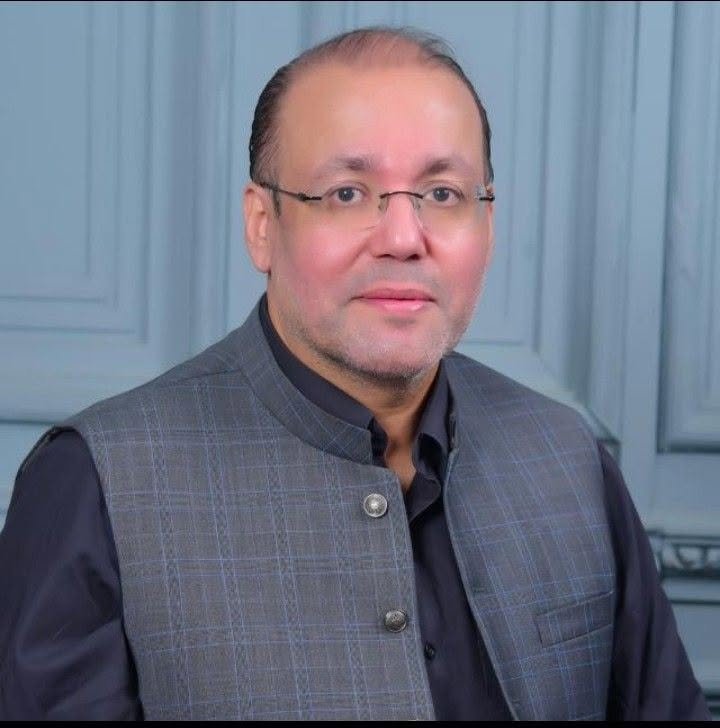
LAHORE — Punjab Minister for Industries and Commerce, Chaudhry Shafay Hussain, has emphasized the potential for expanding trade relations between Pakistan and Portugal. Speaking at a recent event, the minister highlighted opportunities for collaboration in various sectors, including industry, agriculture, tourism, textiles, and surgical instruments. What Happened During a meeting held in Lahore, Punjab Minister for Industries and Commerce Chaudhry Shafay Hussain underscored the untapped potential for bilateral trade between Pakistan and Portugal. The minister pointed out that both countries have complementary strengths that could be leveraged to enhance economic ties. “We have a vast scope for cooperation in industry, agriculture, tourism, textiles, surgical instruments, and several other sectors,” he stated. The minister’s remarks came in the context of a broader initiative to boost Pakistan’s trade relationships with European countries. He noted that Portugal, with its strategic location in Europe, could serve as a gateway for Pakistani products to enter the European market. The minister also highlighted the importance of establishing joint ventures and partnerships to facilitate technology transfer and innovation. Chaudhry Shafay Hussain further elaborated on the potential for collaboration in the tourism sector, citing Pakistan’s rich cultural heritage and natural beauty as key attractions for Portuguese tourists. He suggested that increased tourism could lead to greater cultural exchange and mutual understanding between the two nations. Background Pakistan and Portugal have maintained diplomatic relations since the mid-20th century, with trade being a significant component of their bilateral ties. Historically, the trade volume between the two countries has been modest, with textiles and apparel being the primary exports from Pakistan to Portugal. In recent years, both countries have expressed a desire to diversify their trade portfolios and explore new areas of cooperation. The Pakistani government has been actively seeking to expand its trade partnerships with European countries, particularly in light of the Generalized Scheme of Preferences Plus (GSP+) status granted by the European Union. This status allows for preferential access to the EU market, providing an impetus for Pakistani exporters to increase their presence in Europe. Why It Matters The potential expansion of trade ties between Pakistan and Portugal holds significant implications for both countries. For Pakistan, enhancing trade with Portugal could lead to increased exports, particularly in sectors where the country has a competitive advantage, such as textiles and surgical instruments. This would not only boost the country’s foreign exchange earnings but also create job opportunities and stimulate economic growth. On the other hand, Portugal stands to benefit from access to Pakistan’s growing market and its strategic position in South Asia. By establishing stronger trade links with Pakistan, Portugal could diversify its import sources and reduce dependency on traditional markets. Furthermore, collaboration in sectors like tourism and agriculture could lead to the sharing of best practices and technological advancements, benefiting both economies. The broader geopolitical context also plays a role in the significance of this potential trade expansion. Strengthening economic ties with European countries aligns with Pakistan’s strategic goal of diversifying its international partnerships, reducing reliance on a few key trading partners, and enhancing its global economic integration. Key Takeaways Punjab Minister for Industries and Commerce, Chaudhry Shafay Hussain, advocates for enhanced trade relations with Portugal. Potential sectors for collaboration include industry, agriculture, tourism, textiles, and surgical instruments. Portugal could serve as a gateway for Pakistani products to enter the European market. Strengthening trade ties aligns with Pakistan’s strategic goal of diversifying international partnerships. Increased trade could boost Pakistan’s foreign exchange earnings and create job opportunities. Source Attribution This article is based on official government statements and public communications from relevant authorities. Author: NEN Editorial Desk | Editor: NEN Newsroom | Fact Checked By: NEN Editorial Team Author: NEN Editorial Desk  |  Editor: NEN Newsroom  |  Last Updated: July 09, 2026  |  Source: Press Release from Government of Pakistan This article was produced by the NEN Editorial Desk in accordance with NEN Agency’s Editorial Policy and Fact-Checking Policy.
Pakistan

Acting President Gilani Honors Fatima Jinnah on 59th Death Anniversary

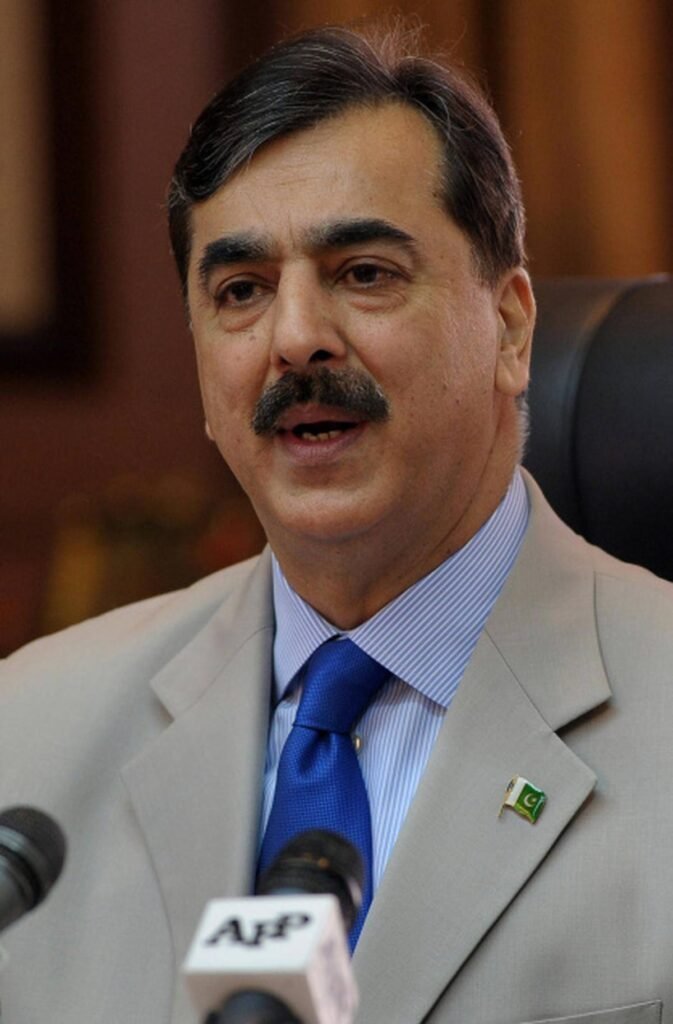
ISLAMABAD — Acting President Syed Yousuf Raza Gilani paid tribute to Fatima Jinnah on her 59th death anniversary, acknowledging her as a beacon of courage and democratic values. The commemoration took place on July 9, 2023, as the nation remembered the contributions of the woman fondly known as the ‘Madar-e-Millat’ or ‘Mother of the Nation’. What Happened On the occasion of Fatima Jinnah’s 59th death anniversary, Acting President Gilani expressed his admiration for her unwavering dedication to Pakistan’s independence and democratic principles. In a statement, he highlighted her role as a pivotal figure in the country’s struggle for freedom and her efforts to uphold the values of democracy and integrity. “Fatima Jinnah’s life was a testament to her commitment to the people of Pakistan and her steadfast belief in democratic ideals,” Gilani stated. Fatima Jinnah, the sister of Pakistan’s founding father Muhammad Ali Jinnah, was instrumental in mobilizing women and supporting the Pakistan Movement. Her political involvement continued post-independence, where she became a prominent advocate for democracy and social justice. Gilani’s tribute underscored her legacy as an inspiration for future generations, emphasizing her courage in challenging times. The anniversary was marked by various events across the country, including seminars and discussions about her contributions. Scholars and political leaders participated in these events, reflecting on her impact on Pakistan’s political landscape and her enduring legacy as a champion of women’s rights and democracy. Background Fatima Jinnah was born on July 31, 1893, in Karachi. She trained as a dental surgeon, a rare profession for women at the time, and later became a key figure in the Pakistan Movement. Her close partnership with her brother, Muhammad Ali Jinnah, was crucial in advocating for a separate nation for Muslims in the Indian subcontinent. After Pakistan’s creation in 1947, Fatima Jinnah continued to play an active role in politics. She was a vocal critic of military rule and stood against Field Marshal Ayub Khan in the 1965 presidential elections, symbolizing resistance against authoritarianism. Despite losing the election, her campaign galvanized public support for democratic governance. Why It Matters Fatima Jinnah’s legacy remains significant in Pakistan’s socio-political context. Her contributions to the independence movement and her steadfast advocacy for democracy resonate with contemporary struggles for political and social rights. Her life serves as a reminder of the pivotal role women have played in shaping Pakistan’s history. In today’s Pakistan, where democratic institutions often face challenges, Fatima Jinnah’s ideals of integrity and democratic values are particularly relevant. Her story inspires ongoing efforts to strengthen democratic processes and promote gender equality in the country. By honoring her legacy, Pakistan reaffirms its commitment to the principles she championed. Moreover, the remembrance of Fatima Jinnah’s contributions highlights the importance of historical figures in shaping national identity. Her life and work continue to inspire new generations, encouraging them to engage in civic duties and uphold democratic values. Key Takeaways Acting President Gilani paid tribute to Fatima Jinnah on her 59th death anniversary, recognizing her as a symbol of courage and democracy. Fatima Jinnah played a crucial role in the Pakistan Movement and was a staunch advocate for democratic governance. Her legacy remains influential in contemporary Pakistan, particularly in promoting women’s rights and democratic values. Commemorative events across the country highlighted her contributions and inspired public discourse on her impact. Fatima Jinnah’s life serves as a reminder of the importance of historical figures in shaping national identity and values. Source Attribution This article is based on official government statements, press releases, and public communications from relevant authorities. Author: NEN Editorial Desk | Editor: NEN Newsroom | Fact Checked By: NEN Editorial Team Author: NEN Editorial Desk  |  Editor: NEN Newsroom  |  Last Updated: July 09, 2026  |  Source: Press Release from Government of Pakistan This article was produced by the NEN Editorial Desk in accordance with NEN Agency’s Editorial Policy and Fact-Checking Policy.
Pakistan

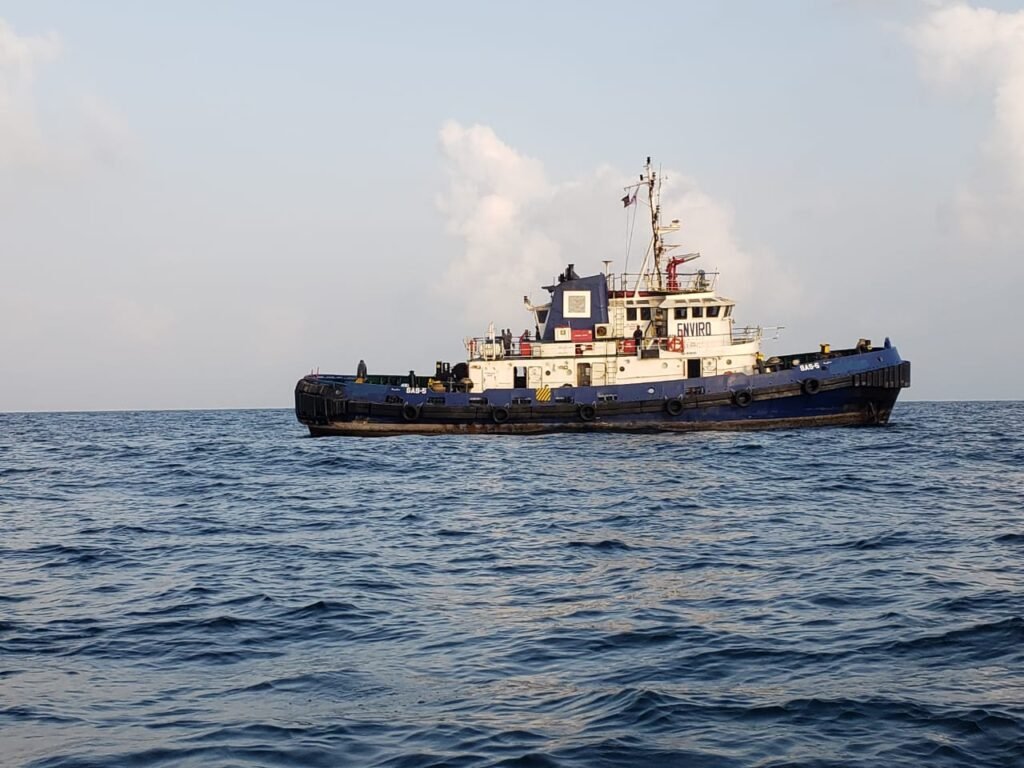
Pak Navy and PMSA Discover Missing Cargo Plane Wreckage Near Ormara

KARACHI — The Pakistan Navy and Pakistan Maritime Security Agency (PMSA) have located the wreckage of a cargo aircraft that went missing on Tuesday. The discovery was made on Wednesday, approximately 53 nautical miles south of the Ormara coast, following an extensive search operation that lasted over 12 hours. What Happened The cargo plane, which was reported missing on Tuesday, prompted an immediate search operation by the Pakistan Navy and PMSA. According to official statements, the aircraft was last in contact with air traffic control before it disappeared from radar screens. The search operation involved multiple naval and maritime assets, including ships and aircraft, which were deployed to scour the area where the plane was last detected. After more than half a day of intensive search efforts, the wreckage was finally located in the sea, confirming the aircraft’s unfortunate fate. The Pakistan Navy and PMSA coordinated closely to ensure a thorough search, utilizing advanced maritime surveillance technologies. An official from the Pakistan Navy stated, “Our teams worked tirelessly to locate the wreckage, and we are now focused on investigating the cause of the incident.” Details regarding the cargo plane’s origin, destination, and the nature of its cargo have not been disclosed. Additionally, information on the crew and potential survivors remains unavailable as recovery operations continue. The authorities have pledged to conduct a comprehensive investigation to determine the factors that led to the aircraft’s disappearance and subsequent crash. Background The incident marks another chapter in the history of aviation challenges faced by Pakistan. The country’s aviation sector has been under scrutiny due to previous incidents involving both commercial and cargo aircraft. In recent years, the government has implemented stricter regulations and oversight to enhance aviation safety. The Civil Aviation Authority (CAA) has been actively involved in monitoring and improving safety standards across all airlines operating within the country. Ormara, located along Pakistan’s Makran coast, is a strategic location for maritime activities. The area is frequently patrolled by the Pakistan Navy and PMSA due to its proximity to key shipping routes and its significance in regional maritime security. Why It Matters This incident underscores the ongoing challenges in ensuring aviation safety within Pakistan’s airspace. The discovery of the wreckage not only provides closure to the immediate search operation but also raises questions about the safety protocols and maintenance standards of cargo aircraft operating in the region. The investigation into the crash will be crucial in identifying potential lapses or technical failures that could have contributed to the accident. The economic implications of such incidents are significant, as they can affect the confidence of international businesses relying on air cargo services in Pakistan. Ensuring robust safety measures is essential for maintaining the country’s reputation as a reliable hub for regional and international trade. Moreover, the incident highlights the critical role of the Pakistan Navy and PMSA in maritime security and search and rescue operations. Their swift response and effective coordination demonstrate the capabilities of Pakistan’s maritime forces in handling emergencies, which is crucial for national security and regional stability. Key Takeaways The Pakistan Navy and PMSA located the wreckage of a missing cargo plane near Ormara. The search operation lasted over 12 hours and involved multiple naval assets. Details about the plane’s cargo, crew, and potential survivors are still under investigation. The incident raises concerns about aviation safety and maintenance standards in Pakistan. The Pakistan Navy and PMSA’s response highlights their role in maritime security. Source Attribution This article is based on official government statements, press releases, and public communications from relevant authorities. Author: NEN Editorial Desk | Editor: NEN Newsroom | Fact Checked By: NEN Editorial Team Author: NEN Editorial Desk  |  Editor: NEN Newsroom  |  Last Updated: July 09, 2026  |  Source: NEN Reporter This article was produced by the NEN Editorial Desk in accordance with NEN Agency’s Editorial Policy and Fact-Checking Policy.
World

UN Chief Urges De-escalation Amid US-Iran Military Tensions

UNITED NATIONS — UN Secretary-General Antonio Guterres has expressed deep concern over the recent escalation of military tensions between the United States and Iran in the Gulf region. On Wednesday, he called for immediate measures to de-escalate the situation and emphasized the importance of resuming negotiations to achieve a long-lasting resolution to the ongoing Middle East conflict. What Happened The renewed military confrontations between the US and Iran have raised alarms at the United Nations, with Secretary-General Antonio Guterres highlighting the potential threat these incidents pose to diplomatic progress. His spokesperson stated, “These incidents risk derailing the diplomatic progress achieved between Iran and the United States.” The confrontations have reportedly involved naval and aerial encounters in the strategically significant Gulf region, which is a critical artery for global oil shipments. The tensions have been escalating since early July, with both nations accusing each other of provocative actions. The US military has reported several instances of Iranian vessels approaching American ships in a manner deemed unsafe. In response, Iran has accused the US of intruding into its territorial waters and airspace. Guterres has urged both nations to exercise maximum restraint and avoid any actions that could further escalate the situation. He emphasized the need for dialogue and diplomacy as the primary means to resolve the disputes, urging both countries to return to the negotiating table to address their differences. Background The relationship between the United States and Iran has been fraught with tension for decades, with the nuclear issue being a significant point of contention. In 2015, Iran and six world powers, including the US, reached a landmark agreement known as the Joint Comprehensive Plan of Action (JCPOA), aimed at curbing Iran’s nuclear program in exchange for lifting economic sanctions. However, in 2018, the US unilaterally withdrew from the agreement under President Donald Trump, leading to a resurgence of hostilities. Since then, both nations have engaged in a series of confrontations, including the targeted killing of Iranian General Qasem Soleimani by the US in 2020 and subsequent retaliatory actions by Iran. These events have contributed to a volatile situation in the Middle East, with the Gulf region often being the focal point of military tensions. Why It Matters The renewed military tensions between the US and Iran have significant implications for regional stability and international security. The Gulf region, through which a substantial portion of the world’s oil supply is transported, is particularly vulnerable to disruptions caused by military conflicts. Any escalation could lead to a spike in global oil prices, affecting economies worldwide, including Pakistan’s, which relies heavily on imported oil. Moreover, the tensions threaten to undermine diplomatic efforts aimed at resolving broader Middle East conflicts. The international community, including the European Union and other stakeholders, has been working to bring both parties back to the negotiating table to revive the JCPOA. A failure to de-escalate could derail these efforts, leading to a prolonged period of instability in the region. For Pakistan, a nation with deep economic and strategic ties to both the US and Iran, the situation presents a diplomatic challenge. Pakistan has historically advocated for peaceful resolutions to international conflicts and may find itself in a position to mediate or facilitate dialogue between the two nations. Key Takeaways UN Secretary-General Antonio Guterres calls for de-escalation of US-Iran military tensions. Recent confrontations in the Gulf region threaten diplomatic progress between the two nations. The Gulf’s strategic importance for global oil supply underscores the need for stability. Renewed tensions could impact global oil prices, affecting economies worldwide. Pakistan may play a role in advocating for peaceful resolutions in the region. Source Attribution This article is based on official statements and public communications from the United Nations and other relevant authorities. Author: NEN Editorial Desk | Editor: NEN Newsroom | Fact Checked By: NEN Editorial Team Author: NEN Editorial Desk  |  Editor: NEN Newsroom  |  Last Updated: July 09, 2026  |  Source: NEN Reporter This article was produced by the NEN Editorial Desk in accordance with NEN Agency’s Editorial Policy and Fact-Checking Policy.

Pakistan

National Assembly Reviews Potato Crisis and Mango Export Strategy

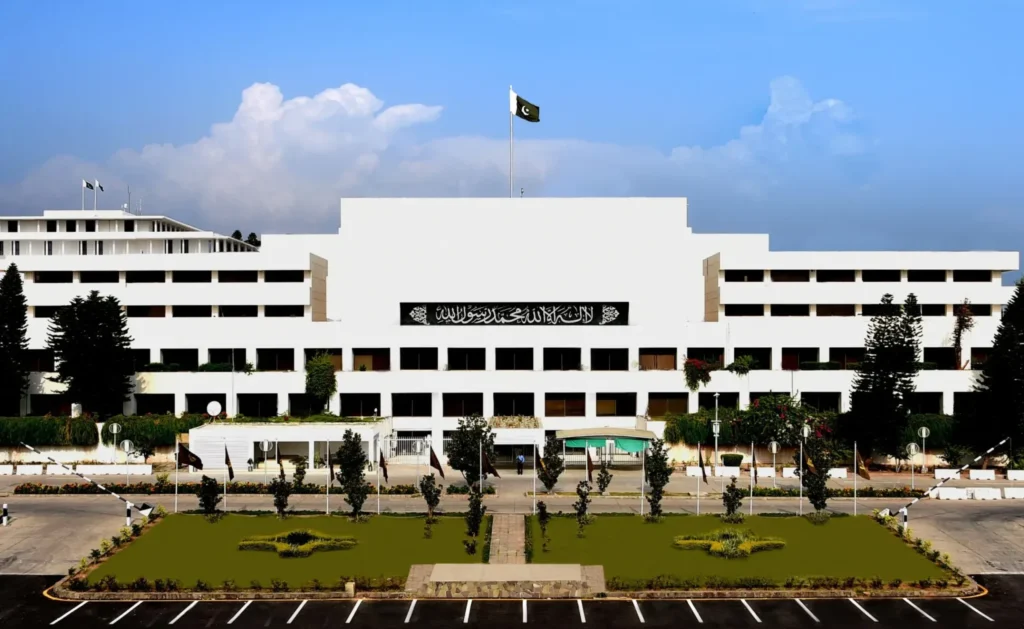
ISLAMABAD — The National Assembly Standing Committee on National Food Security and Research convened on Wednesday to address the ongoing potato crop crisis and strategize on mango export improvements. The 28th meeting, chaired by Syed Tariq Hussain, MNA, took place in Committee Room No. 7 at the Parliament House in Islamabad. What Happened The meeting began with the recitation of the Holy Quran, followed by the confirmation of the previous meeting’s minutes. The committee focused on two pressing agricultural issues: the potato crop crisis and the enhancement of mango exports. Members of the committee, along with representatives from relevant ministries and agricultural bodies, engaged in discussions aimed at finding viable solutions to these challenges. The potato crop crisis has been a significant concern due to adverse weather conditions affecting yields, leading to supply shortages and price hikes in local markets. The committee reviewed reports from agricultural experts and government officials to assess the extent of the damage and explore potential remedies. Syed Tariq Hussain emphasized the need for immediate intervention to stabilize the potato market and protect both farmers and consumers from further economic strain. On the topic of mango exports, the committee examined current export strategies and identified areas for improvement. Pakistan, being one of the largest producers of mangoes, faces challenges in meeting international quality standards and expanding its market reach. The committee discussed potential partnerships with international buyers and the implementation of advanced agricultural practices to enhance the quality and shelf life of mangoes. Background Pakistan’s agricultural sector is a crucial component of its economy, contributing significantly to GDP and employment. The potato crop crisis is part of a broader pattern of challenges faced by the sector, including climate change, water scarcity, and outdated farming techniques. Historically, potato production has been susceptible to fluctuations due to these factors, affecting both domestic supply and export potential. Mangoes, often referred to as the ‘king of fruits’, are a major export commodity for Pakistan. The country has traditionally exported mangoes to the Middle East, Europe, and North America. However, issues such as pest control, compliance with international phytosanitary standards, and logistical hurdles have limited growth in this sector. Why It Matters The potato crop crisis and mango export challenges have significant implications for Pakistan’s economy and food security. Potatoes are a staple food, and disruptions in their supply can lead to increased food prices, affecting the purchasing power of ordinary citizens. Addressing this crisis is essential to prevent inflationary pressures and ensure food availability. Improving mango exports is vital for boosting foreign exchange earnings and enhancing the agricultural sector’s contribution to the national economy. By overcoming export barriers and improving quality standards, Pakistan can increase its share in the global mango market, benefiting farmers and the economy at large. Moreover, these discussions highlight the need for sustainable agricultural practices and policy reforms to mitigate the impact of climate change and other challenges. The outcomes of the committee’s deliberations could set a precedent for addressing similar agricultural issues in the future, promoting resilience and growth in the sector. Key Takeaways The National Assembly committee addressed the potato crop crisis and mango export strategy. Adverse weather has impacted potato yields, causing supply shortages and price hikes. Pakistan aims to improve mango export quality and expand its international market reach. The agricultural sector’s challenges underscore the need for sustainable practices and policy reforms. Successful strategies could enhance food security and economic stability in Pakistan. Source Attribution This article is based on official government statements, press releases, and public communications from relevant authorities. Author: NEN Editorial Desk | Editor: NEN Newsroom | Fact Checked By: NEN Editorial Team Author: NEN Editorial Desk  |  Editor: NEN Newsroom  |  Last Updated: July 09, 2026  |  Source: NEN Reporter This article was produced by the NEN Editorial Desk in accordance with NEN Agency’s Editorial Policy and Fact-Checking Policy.

Pakistan

Lahore Qalandars Art Exhibition Features Umer Jarral’s Sold-Out Paintings

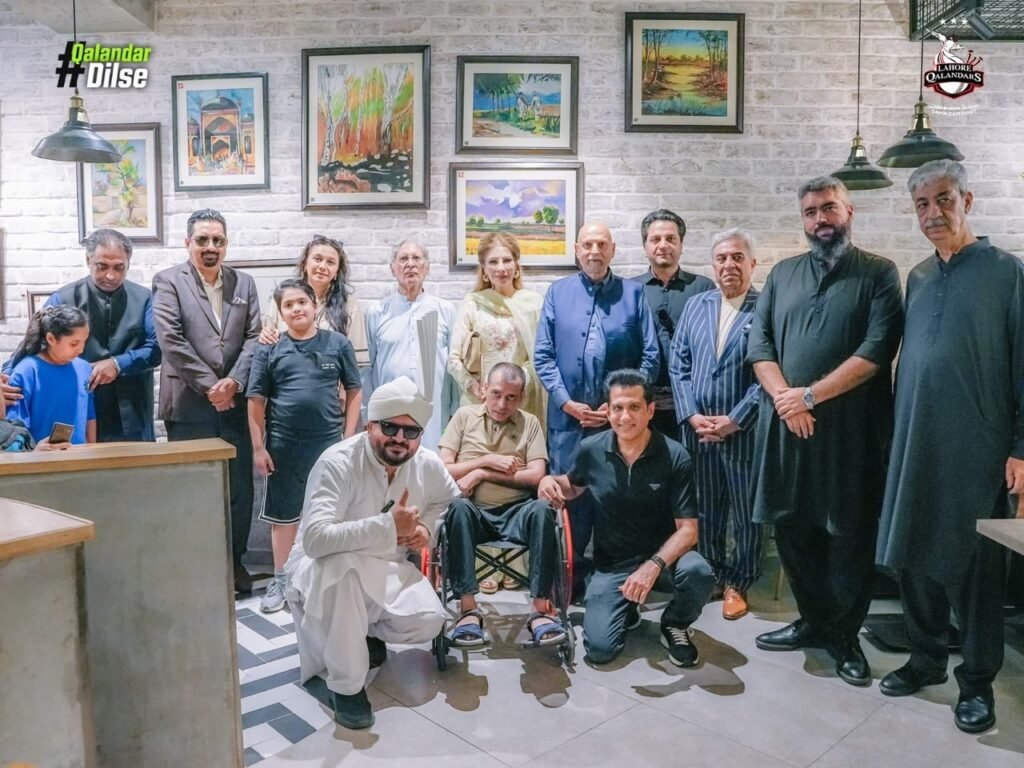
LAHORE — The Lahore Qalandars hosted an art exhibition on Wednesday, showcasing the work of Umer Jarral, an artist with cerebral palsy, at Burger O’Clock, their official partner. The exhibition, which highlighted Jarral’s exceptional talent, saw all his paintings sold within an hour, underscoring the community’s support for inclusivity and artistic expression. What Happened The event, organized by the Lahore Qalandars, aimed to celebrate the artistic achievements of Umer Jarral, an artist who has overcome significant physical challenges to pursue his passion for painting. Jarral, who lives with cerebral palsy, has developed a unique style that resonates with art enthusiasts and collectors alike. The exhibition featured a collection of his latest works, each reflecting his personal journey and creative vision. According to attendees, the exhibition was a testament to Jarral’s skill and determination. Within just an hour of opening, all of his paintings were sold, demonstrating the high demand for his work. The event was attended by art lovers, supporters of the Lahore Qalandars, and members of the local community, all eager to witness Jarral’s creations and support his artistic endeavors. The Lahore Qalandars, known for their commitment to social causes, expressed their pride in hosting the event. A spokesperson for the team stated, “We are thrilled to have had the opportunity to showcase Umer Jarral’s incredible talent. His work is not only a reflection of his artistic skill but also an inspiration to us all.” Background Umer Jarral’s journey as an artist is a remarkable story of resilience and creativity. Despite the challenges posed by cerebral palsy, Jarral has pursued his passion for art with unwavering dedication. His work has been recognized in various exhibitions, both locally and nationally, earning him a reputation as a talented and inspirational figure in the art community. The Lahore Qalandars, a prominent team in the Pakistan Super League (PSL), have a history of engaging in community outreach and supporting various social causes. Their collaboration with Burger O’Clock for this exhibition is part of their broader efforts to promote inclusivity and support individuals with disabilities. Why It Matters The success of Umer Jarral’s exhibition holds significant implications for the broader discourse on inclusivity and support for artists with disabilities in Pakistan. By providing a platform for Jarral’s work, the Lahore Qalandars have highlighted the importance of recognizing and nurturing talent irrespective of physical challenges. This event serves as a reminder of the potential for art to bridge societal gaps and foster a more inclusive community. Economically, the rapid sale of Jarral’s paintings reflects a growing appreciation for diverse artistic expressions in Pakistan. It also underscores the potential for artists with disabilities to achieve financial independence through their work. Socially, the exhibition has sparked conversations about the need for greater support systems and opportunities for individuals with disabilities in the arts. Politically, events like these can influence policy discussions around disability rights and accessibility in Pakistan. By showcasing the achievements of artists like Jarral, there is potential to advocate for more inclusive policies and initiatives that support the disabled community. Key Takeaways The Lahore Qalandars hosted an art exhibition for Umer Jarral, an artist with cerebral palsy. All of Jarral’s paintings were sold within an hour, highlighting strong community support. The event underscores the importance of inclusivity and support for artists with disabilities. Jarral’s success reflects a growing appreciation for diverse artistic expressions in Pakistan. The exhibition has potential implications for policy discussions on disability rights and accessibility. Source Attribution This article is based on official statements and public communications from the Lahore Qalandars and relevant authorities. Author: NEN Editorial Desk | Editor: NEN Newsroom | Fact Checked By: NEN Editorial Team Author: NEN Editorial Desk  |  Editor: NEN Newsroom  |  Last Updated: July 08, 2026  |  Source: NEN Reporter This article was produced by the NEN Editorial Desk in accordance with NEN Agency’s Editorial Policy and Fact-Checking Policy.

Scroll to Top