

Author name: NEN News

Pakistan

PCB and Beaconhouse Launch Programme to Enhance Cricketers’ Communication Skills

LAHORE — The Pakistan Cricket Board (PCB) and Beaconhouse School System (BSS) have joined forces to launch a new programme aimed at enhancing the communication skills of the country’s top cricketers. The initiative, titled ‘Communication Skills for Professional Cricketers’, commenced in Lahore and is being attended by players participating in the National Cricket Academy (NCA) camp. What Happened The collaboration between PCB and BSS is designed to address the growing need for effective communication skills among professional athletes. The programme, which consists of 11 interactive sessions, aims to equip cricketers with the necessary skills to manage media interactions, enhance teamwork, and improve leadership capabilities. This initiative underscores the importance of communication as a critical component of professional sports. Fareeha Ahmad, Director of Education Development at Beaconhouse School System, highlighted the significance of the programme, stating, “We are honoured to collaborate with the Pakistan Cricket Board on a programme that supports the holistic development of Pakistan’s national athletes. Through this customised programme, our aim is to support players as they represent themselves, their teams and Pakistan with even greater confidence and professionalism.” The sessions are tailored specifically for the high-pressure environment of professional cricket, focusing on areas such as media readiness, active listening, emotional intelligence, self-awareness, and emotional regulation. Practical scenarios and simulations are used to help players apply these skills effectively both on and off the field. Background The initiative comes as part of a broader effort by the PCB to foster the development of cricketers beyond their athletic abilities. Historically, communication has been viewed as a soft skill; however, in the context of modern sports, it has become essential for athletes to engage effectively with media, sponsors, and fans. This programme is a continuation of PCB’s commitment to developing well-rounded athletes who can serve as ambassadors for the sport and the country. Beaconhouse School System, known for its leadership in educational development, has extended its expertise beyond traditional classroom settings to support professional athletes. This partnership reflects a growing trend of educational institutions collaborating with sports organizations to enhance the skill sets of athletes in areas that are crucial for their professional and personal development. Why It Matters The programme’s significance extends beyond individual skill enhancement; it represents a strategic move to elevate the overall standard of professional cricket in Pakistan. By equipping cricketers with robust communication skills, the PCB aims to improve the players’ interactions with international media and stakeholders, thereby enhancing the global image of Pakistani cricket. Effective communication is crucial in managing public perceptions and building a positive brand for both the players and the sport. As athletes increasingly become public figures, their ability to communicate effectively can influence sponsorship deals, fan engagement, and media coverage. This programme is expected to contribute to the professional growth of cricketers, enabling them to handle high-pressure situations with poise and confidence. Furthermore, this initiative aligns with Pakistan’s broader goals of promoting sports as a means of international diplomacy and cultural exchange. By fostering better communication skills, cricketers can serve as more effective representatives of Pakistan on the global stage, potentially opening doors for international collaborations and opportunities. Key Takeaways The PCB and Beaconhouse School System have launched a programme to enhance cricketers’ communication skills. The initiative consists of 11 interactive sessions focusing on media readiness, emotional intelligence, and leadership. This programme aims to improve the global image of Pakistani cricket by equipping players with essential communication skills. Effective communication is increasingly important for athletes in managing media interactions and public perceptions. The collaboration reflects a growing trend of educational institutions supporting professional sports development. Source Attribution This article is based on official statements and public communications from the Pakistan Cricket Board and Beaconhouse School System. Author: NEN Editorial Desk | Editor: NEN Newsroom | Fact Checked By: NEN Editorial Team Author: NEN Editorial Desk  |  Editor: NEN Newsroom  |  Last Updated: July 08, 2026  |  Source: NEN Reporter This article was produced by the NEN Editorial Desk in accordance with NEN Agency’s Editorial Policy and Fact-Checking Policy.
World

Finance Minister Urges Balanced SECP Reforms for Business Growth

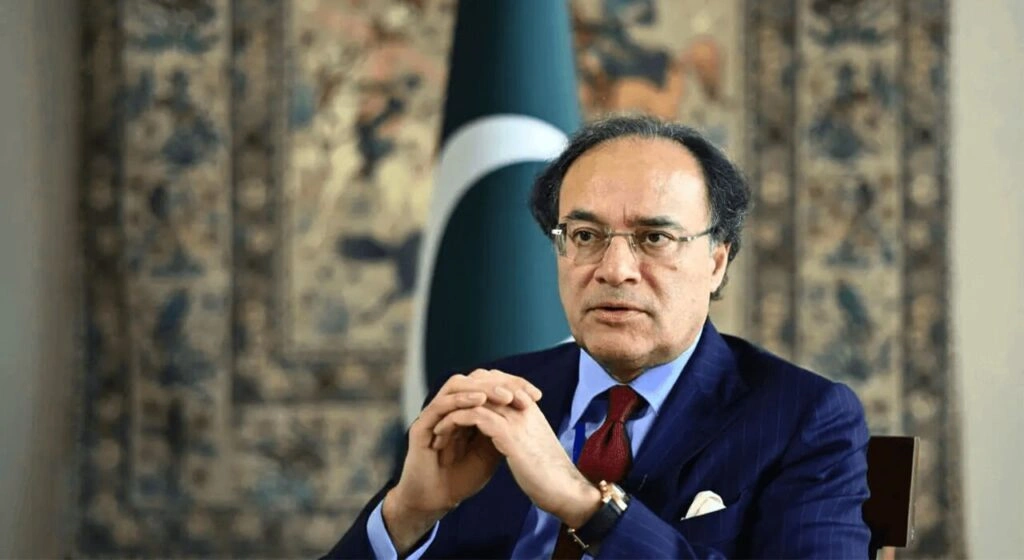
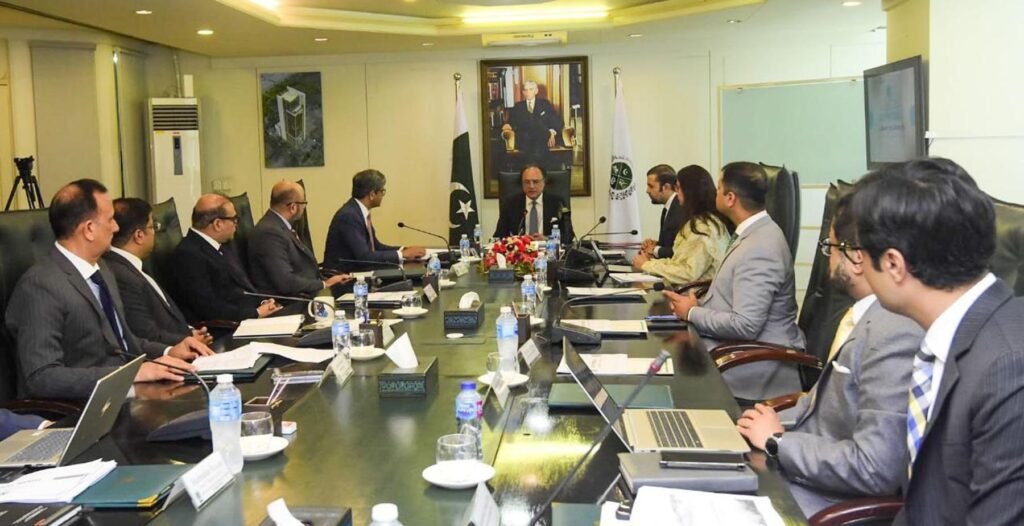
ISLAMABAD — The Federal Minister for Finance and Revenue, Senator Muhammad Aurangzeb, has called for a balanced approach in the Securities and Exchange Commission of Pakistan (SECP) reforms to enhance business growth. On July 8, during a review meeting, he emphasized the need for a regulatory framework that supports ease of doing business while ensuring effective law enforcement. What Happened In a detailed review session held in Islamabad, Finance Minister Muhammad Aurangzeb discussed ongoing reforms within the SECP aimed at fostering a more conducive business environment in Pakistan. The minister highlighted the dual objectives of facilitating business operations and maintaining stringent regulatory oversight to ensure transparency and fairness in the market. “A business-friendly regulatory framework is essential to encourage investment, support entrepreneurship, and strengthen economic growth,” stated Minister Aurangzeb. He underscored the importance of striking a balance between regulatory facilitation and enforcement, suggesting that this balance is crucial for attracting both domestic and international investors. The minister also addressed the need for reforms that are not only comprehensive but also adaptable to the rapidly changing global economic landscape. He urged the SECP to consider international best practices and incorporate them into the local regulatory framework to enhance competitiveness. During the meeting, SECP officials presented updates on various reform initiatives, including measures to streamline regulatory procedures and reduce bureaucratic hurdles. These initiatives are part of a broader strategy to improve Pakistan’s ranking in the World Bank’s Ease of Doing Business Index. Background The SECP, as Pakistan’s apex regulatory body for the corporate sector, plays a pivotal role in shaping the business landscape. Historically, the commission has been tasked with ensuring compliance with corporate laws, promoting investor protection, and facilitating capital formation. Over the years, various reforms have been introduced to modernize the regulatory framework and align it with global standards. In recent years, Pakistan has been striving to improve its business environment to attract foreign investment and stimulate economic growth. The government has introduced several policy measures aimed at reducing the cost of doing business and enhancing regulatory efficiency. These efforts are part of a broader economic reform agenda to boost the country’s economic resilience and sustainability. Why It Matters The emphasis on balanced SECP reforms is significant for several reasons. Economically, a well-regulated business environment can lead to increased investor confidence, which is critical for attracting foreign direct investment (FDI). With Pakistan’s economy facing challenges such as fiscal deficits and inflation, boosting FDI is vital for sustainable economic growth. Socially, a transparent and fair regulatory framework can help reduce corruption and increase trust among businesses and consumers. This can lead to more equitable economic opportunities and contribute to social stability. Politically, the government’s commitment to regulatory reforms can enhance its credibility both domestically and internationally. By aligning with international best practices, Pakistan can strengthen its economic ties with global partners and improve its standing in international markets. Furthermore, the SECP’s reforms are expected to have a positive impact on small and medium-sized enterprises (SMEs), which are crucial for job creation and economic diversification. By simplifying regulatory processes, SMEs can operate more efficiently and contribute more significantly to the national economy. Key Takeaways Finance Minister Aurangzeb calls for balanced SECP reforms to boost business growth. The focus is on creating a business-friendly environment while ensuring effective law enforcement. Reforms aim to improve Pakistan’s Ease of Doing Business ranking and attract foreign investment. SECP is incorporating international best practices into the local regulatory framework. Reforms are expected to benefit SMEs and enhance economic resilience. Source Attribution This article is based on official government statements, press releases, and public communications from relevant authorities. Author: NEN Editorial Desk | Editor: NEN Newsroom | Fact Checked By: NEN Editorial Team Author: NEN Editorial Desk  |  Editor: NEN Newsroom  |  Last Updated: July 08, 2026  |  Source: Press Release from Government of Pakistan This article was produced by the NEN Editorial Desk in accordance with NEN Agency’s Editorial Policy and Fact-Checking Policy.

World

Finance Minister Evaluates SECP’s Progress, Highlights Business Reforms

ISLAMABAD — Federal Minister for Finance and Revenue, Senator Muhammad Aurangzeb, conducted a comprehensive review of the Securities and Exchange Commission of Pakistan’s (SECP) performance on Wednesday. The meeting, held at the SECP headquarters, focused on regulatory reforms and initiatives aimed at enhancing the ease of doing business in Pakistan. What Happened The meeting was convened to evaluate the SECP’s current performance metrics and to discuss future strategies for regulatory improvements. Finance Minister Aurangzeb underscored the importance of creating a conducive business environment by implementing effective regulatory frameworks. He stated, “Our goal is to make Pakistan a more attractive destination for investment by simplifying regulatory processes and ensuring transparency.” During the session, the SECP presented its recent achievements and ongoing projects. The commission highlighted its efforts in digital transformation, which include the introduction of new online services to facilitate businesses. These services are part of a broader strategy to reduce bureaucratic hurdles and expedite business operations. The Finance Minister acknowledged the progress made by the SECP but emphasized the need for continuous improvement. He directed the commission to focus on enhancing its regulatory oversight and ensuring compliance with international standards. “We must align our regulatory practices with global benchmarks to foster investor confidence,” Aurangzeb added. The meeting also addressed the challenges faced by the SECP, such as resource constraints and the need for capacity building. The Finance Minister assured the commission of the government’s support in overcoming these hurdles, highlighting the importance of a robust regulatory body in achieving economic growth. Background The Securities and Exchange Commission of Pakistan, established in 1997, serves as the primary regulatory authority for the corporate sector and capital markets in Pakistan. Over the years, the SECP has been instrumental in implementing reforms aimed at modernizing the financial sector and promoting transparency. In recent years, Pakistan has been striving to improve its Ease of Doing Business ranking, as assessed by the World Bank. The government’s efforts have included simplifying tax procedures, reducing the time required to start a business, and enhancing contract enforcement mechanisms. The SECP plays a crucial role in these initiatives by streamlining regulatory processes and facilitating private sector growth. The commission’s reforms are aligned with the government’s broader economic agenda, which focuses on attracting foreign investment and boosting domestic economic activity. Why It Matters The Finance Minister’s review of the SECP’s performance is significant as it underscores the government’s commitment to fostering a business-friendly environment. Regulatory reforms are vital for attracting foreign direct investment (FDI) and encouraging local entrepreneurship, both of which are essential for Pakistan’s economic development. By focusing on ease of doing business, the government aims to reduce the cost and complexity of regulatory compliance, thereby enabling businesses to operate more efficiently. This is particularly important for small and medium-sized enterprises (SMEs), which are often disproportionately affected by regulatory burdens. Moreover, aligning Pakistan’s regulatory framework with international standards is crucial for enhancing the country’s competitiveness in the global market. Improved regulatory practices can lead to increased investor confidence, which in turn can stimulate economic growth and job creation. The SECP’s ongoing digital transformation efforts are also noteworthy, as they reflect a shift towards more transparent and efficient regulatory processes. By leveraging technology, the commission can provide better services to businesses and ensure greater compliance with regulations. Key Takeaways Finance Minister Aurangzeb reviewed the SECP’s performance, emphasizing regulatory reforms. The SECP is focusing on digital transformation to enhance business facilitation. Regulatory improvements aim to align with international standards and boost investor confidence. The government supports the SECP’s efforts to overcome resource and capacity challenges. Enhancing ease of doing business is crucial for attracting investment and fostering economic growth. Source Attribution This article is based on official government statements, press releases, and public communications from relevant authorities. Author: NEN Editorial Desk | Editor: NEN Newsroom | Fact Checked By: NEN Editorial Team Author: NEN Editorial Desk  |  Editor: NEN Newsroom  |  Last Updated: July 08, 2026  |  Source: Press Release from Government of Pakistan This article was produced by the NEN Editorial Desk in accordance with NEN Agency’s Editorial Policy and Fact-Checking Policy.
Pakistan

SBP Governor Calls for Specialized Banking Products for Priority Sectors

ISLAMABAD — Governor of the State Bank of Pakistan (SBP), Jameel Ahmad, on Wednesday called on banks to innovate beyond traditional lending practices and develop specialized financial products tailored to the needs of priority sectors such as agriculture and small and medium enterprises (SMEs). This appeal comes amid ongoing efforts to bolster economic growth by enhancing sector-specific financing solutions. What Happened During a conference held in Islamabad, SBP Governor Jameel Ahmad emphasized the need for banks to move away from their heavy reliance on government-supported schemes. He urged financial institutions to create products that align with the unique cash-flow cycles of key sectors, notably agriculture and SMEs. Ahmad highlighted that these sectors are crucial for Pakistan’s economic development and require tailored financial services to maximize their potential. “Banks must innovate and develop sector-specific products that can meet the distinct financial needs of agriculture, SMEs, and other productive sectors,” Ahmad stated. He noted that traditional lending approaches often fail to address the specific challenges faced by these sectors, such as seasonal cash flow fluctuations in agriculture and the diverse financial requirements of SMEs. The governor’s remarks underscore a strategic shift in the central bank’s approach, aiming to stimulate economic growth by enhancing access to finance in sectors that have historically been underserved by traditional banking products. Ahmad’s call to action is part of a broader initiative to foster a more inclusive financial ecosystem in Pakistan. Background The State Bank of Pakistan has long recognized the importance of agriculture and SMEs in driving economic growth and employment. Historically, these sectors have been underfinanced due to perceived risks and the lack of tailored financial products. The central bank has previously introduced various schemes to encourage lending to these sectors, including subsidized credit lines and risk-sharing facilities. Despite these efforts, challenges remain. Many banks continue to rely heavily on government-backed schemes rather than developing their own sector-specific products. This reliance limits the financial sector’s ability to fully meet the diverse needs of priority sectors. The SBP’s recent push for innovation in financial products is an attempt to address these gaps and promote sustainable economic development. Why It Matters The call for specialized banking products is significant for several reasons. Economically, agriculture and SMEs are vital components of Pakistan’s economy, contributing significantly to GDP and employment. By developing tailored financial solutions, banks can help unlock the potential of these sectors, leading to increased productivity and economic growth. Socially, enhancing access to finance for agriculture and SMEs can lead to greater financial inclusion, particularly in rural areas where these sectors are predominant. Improved access to credit can empower small business owners and farmers, enabling them to invest in technology, expand operations, and improve livelihoods. Politically, the initiative aligns with government priorities to promote economic stability and growth. By encouraging banks to innovate and develop specialized products, the SBP is supporting national efforts to create a more resilient and diversified economy. Internationally, the move could enhance Pakistan’s competitiveness by improving the efficiency and productivity of its key economic sectors. This could attract foreign investment and strengthen the country’s position in global markets. Key Takeaways SBP Governor Jameel Ahmad urges banks to develop specialized products for agriculture and SMEs. Banks are encouraged to move beyond traditional lending and government-supported schemes. Specialized financial products can address the unique needs and cash-flow cycles of priority sectors. Enhanced access to finance for these sectors is crucial for economic growth and financial inclusion. The initiative supports national efforts to create a more resilient and diversified economy. Source Attribution This article is based on official statements and public communications from the State Bank of Pakistan. Author: NEN Editorial Desk | Editor: NEN Newsroom | Fact Checked By: NEN Editorial Team Author: NEN Editorial Desk  |  Editor: NEN Newsroom  |  Last Updated: July 08, 2026  |  Source: Press Release from State Bank of Pakistan (SBP) This article was produced by the NEN Editorial Desk in accordance with NEN Agency’s Editorial Policy and Fact-Checking Policy.
Pakistan

Torghar Imposes Section 144 Along Indus Amid Monsoon Flood Threats

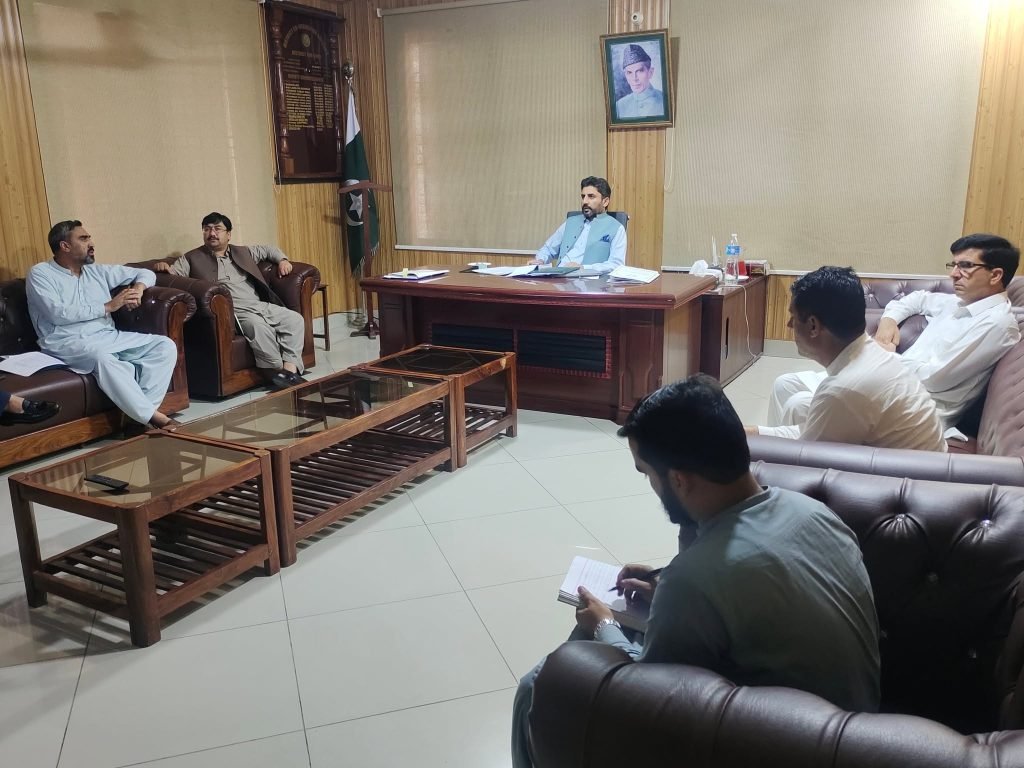
TORGHAR — The Torghar district administration has enforced Section 144 along the Indus River and other susceptible water channels as a precautionary measure against potential flooding during the ongoing monsoon season. This decision, announced by Deputy Commissioner Dr Yasir Imran, aims to mitigate hazards associated with rising water levels. What Happened In response to the increasing threat of floods due to monsoon rains, Deputy Commissioner Dr Yasir Imran has implemented Section 144 of the Code of Criminal Procedure along the Indus River within Torghar district. This legal provision prohibits gatherings and activities that could endanger public safety in flood-prone areas. The decision, effective immediately, seeks to prevent any untoward incidents arising from the swelling river and its tributaries. Dr Yasir Imran stated, “The enforcement of Section 144 is a necessary step to ensure the safety of residents and to prevent any potential disasters caused by the rising water levels.” The administration has urged residents to adhere to the restrictions and cooperate with local authorities to ensure public safety. The monsoon season, which typically spans from June to September, brings heavy rainfall that significantly increases the water levels in rivers across Pakistan. The Indus River, being one of the largest and most significant water bodies in the country, poses a considerable risk of flooding, particularly in low-lying areas like Torghar. Background Section 144 of the Code of Criminal Procedure is a legal tool used by authorities in Pakistan to maintain public order and safety. It allows the imposition of restrictions on public gatherings and activities in specific areas to prevent potential threats to peace and security. Historically, this section has been employed during times of civil unrest, public health emergencies, and natural disasters. Torghar, located in the Khyber Pakhtunkhwa province, is particularly vulnerable to flooding due to its proximity to the Indus River. The region has experienced significant flood events in the past, leading to loss of life, displacement of communities, and damage to infrastructure. The monsoon season exacerbates these risks, necessitating proactive measures by local authorities. Why It Matters The imposition of Section 144 in Torghar is a critical step in safeguarding the lives and properties of residents in flood-prone areas. Flooding poses a severe threat to the region’s socio-economic stability, affecting agriculture, infrastructure, and livelihoods. By restricting activities along the riverbanks, the administration aims to minimize the risk of accidents and ensure a coordinated response in case of emergencies. Economically, the potential impact of flooding can be devastating. The destruction of crops and infrastructure not only affects local communities but also contributes to broader economic challenges for the province and the country. The proactive measures taken by the Torghar administration highlight the importance of disaster preparedness in mitigating these risks. Socially, the enforcement of Section 144 underscores the need for public awareness and cooperation in disaster management efforts. Residents’ compliance with the restrictions is crucial in preventing loss of life and ensuring the effectiveness of emergency response operations. This initiative also reflects the government’s commitment to prioritizing public safety and resilience in the face of natural disasters. Key Takeaways Torghar district has enforced Section 144 along the Indus River due to monsoon flood risks. Deputy Commissioner Dr Yasir Imran emphasizes the need for public cooperation and safety. Section 144 restricts activities in flood-prone areas to prevent potential hazards. The region’s vulnerability to flooding necessitates proactive disaster management measures. Compliance with restrictions is vital for effective emergency response and public safety. Source Attribution This article is based on official government statements, press releases, and public communications from relevant authorities. Author: NEN Editorial Desk | Editor: NEN Newsroom | Fact Checked By: NEN Editorial Team Author: NEN Editorial Desk  |  Editor: NEN Newsroom  |  Last Updated: July 08, 2026  |  Source: NEN Reporter This article was produced by the NEN Editorial Desk in accordance with NEN Agency’s Editorial Policy and Fact-Checking Policy.
Pakistan

District Administration Intensifies Anti-Dengue Efforts with New Measures

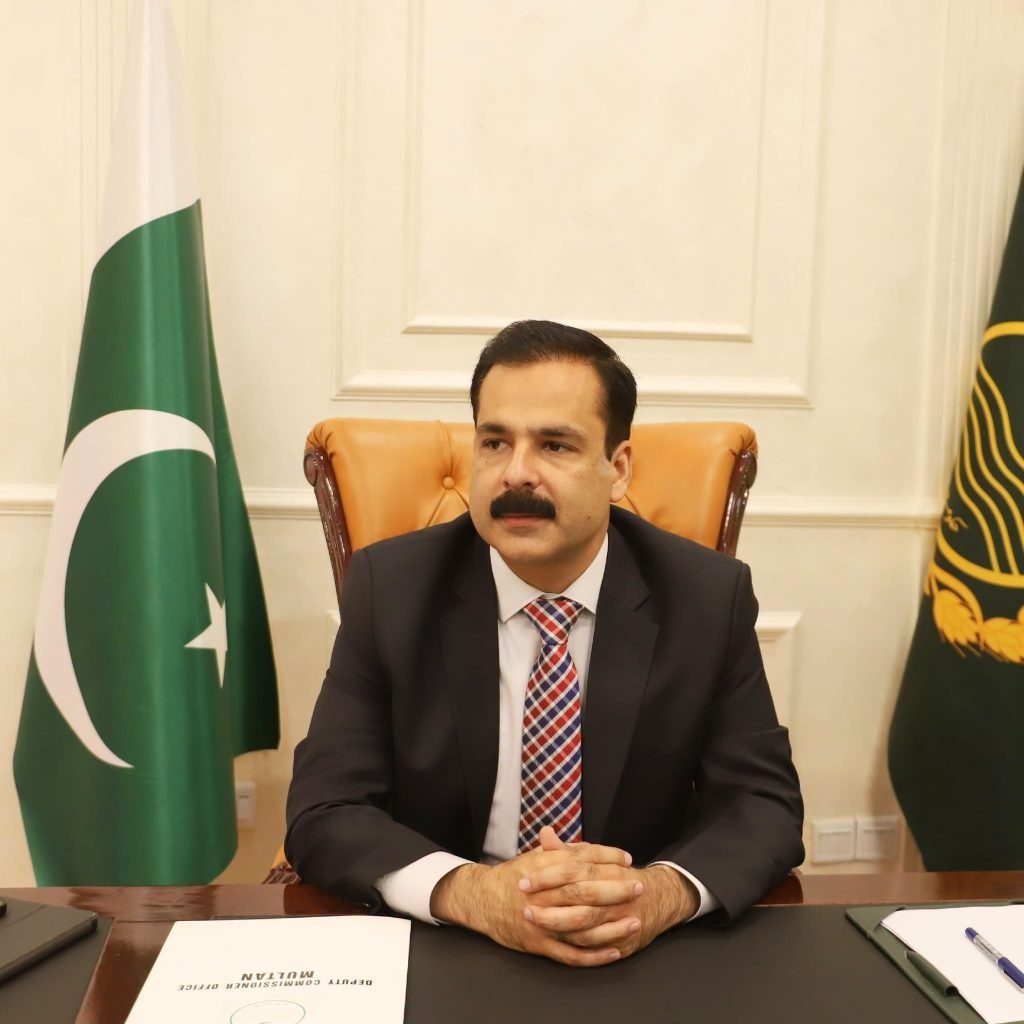
LAHORE — In response to rising concerns over dengue fever, the district administration has announced an intensified campaign to combat the spread of the disease. This decision, led by Deputy Commissioner Dr. Faisal Saleem, involves the formation of special teams dedicated to the eradication of dengue larvae across the region. What Happened The district administration is taking proactive steps to address the increasing incidence of dengue fever, a mosquito-borne viral infection that poses significant health risks. On the directives of Deputy Commissioner Dr. Faisal Saleem, the administration has decided to enhance its anti-dengue campaign by forming specialized teams tasked with targeting and eliminating dengue larvae breeding sites. These teams will conduct thorough inspections and implement measures to control the mosquito population, particularly in high-risk areas. Dr. Faisal Saleem emphasized the importance of community involvement in the campaign, urging residents to cooperate with the teams and ensure that their surroundings are free from stagnant water, which serves as a breeding ground for mosquitoes. “Public cooperation is crucial in our fight against dengue. We need everyone to be vigilant and report any potential breeding sites,” he stated. The intensified campaign will include door-to-door inspections, fumigation drives, and public awareness programs aimed at educating citizens about preventive measures. The administration is also coordinating with local health departments to ensure a comprehensive approach to dengue prevention and control. Background Dengue fever has been a recurring health challenge in Pakistan, particularly during the monsoon season when mosquito breeding is at its peak. The country has experienced several dengue outbreaks in the past, with significant numbers of cases reported annually. In response, the government has implemented various strategies to combat the disease, including public health campaigns, vector control measures, and improved diagnostic and treatment facilities. The World Health Organization (WHO) classifies dengue as one of the top ten threats to global health, underscoring the need for effective prevention and control strategies. In Pakistan, efforts to curb the spread of dengue have been ongoing, with varying degrees of success. The current initiative by the Lahore district administration is part of a broader national effort to reduce the incidence of the disease. Why It Matters The intensified anti-dengue campaign is crucial for several reasons. Firstly, dengue fever poses a significant public health risk, with severe cases leading to complications such as dengue hemorrhagic fever and dengue shock syndrome, which can be fatal. By targeting the mosquito population and reducing breeding sites, the administration aims to lower the incidence of the disease and protect public health. Economically, dengue outbreaks can strain healthcare resources and lead to increased medical expenses for affected families. By preventing outbreaks, the administration can alleviate the financial burden on both the healthcare system and the community. Furthermore, effective dengue control measures contribute to the overall well-being of the population, enhancing productivity and quality of life. On a broader scale, successful dengue prevention efforts can serve as a model for other regions facing similar challenges. By demonstrating effective strategies and community engagement, Lahore’s initiative could inspire similar campaigns across Pakistan, contributing to a nationwide reduction in dengue cases. Key Takeaways The district administration, led by Deputy Commissioner Dr. Faisal Saleem, is intensifying efforts to combat dengue. Special teams have been formed to eliminate dengue larvae and conduct public awareness campaigns. Community cooperation is essential for the success of the anti-dengue drive. Dengue poses significant health and economic risks, making prevention efforts crucial. Lahore’s campaign could serve as a model for other regions in Pakistan. Source Attribution This article is based on official government statements, press releases, and public communications from relevant authorities. Author: NEN Editorial Desk | Editor: NEN Newsroom | Fact Checked By: NEN Editorial Team Author: NEN Editorial Desk  |  Editor: NEN Newsroom  |  Last Updated: July 08, 2026  |  Source: NEN Reporter This article was produced by the NEN Editorial Desk in accordance with NEN Agency’s Editorial Policy and Fact-Checking Policy.

Pakistan

Rawalpindi Enforces Zero-Tolerance Policy Against Dengue

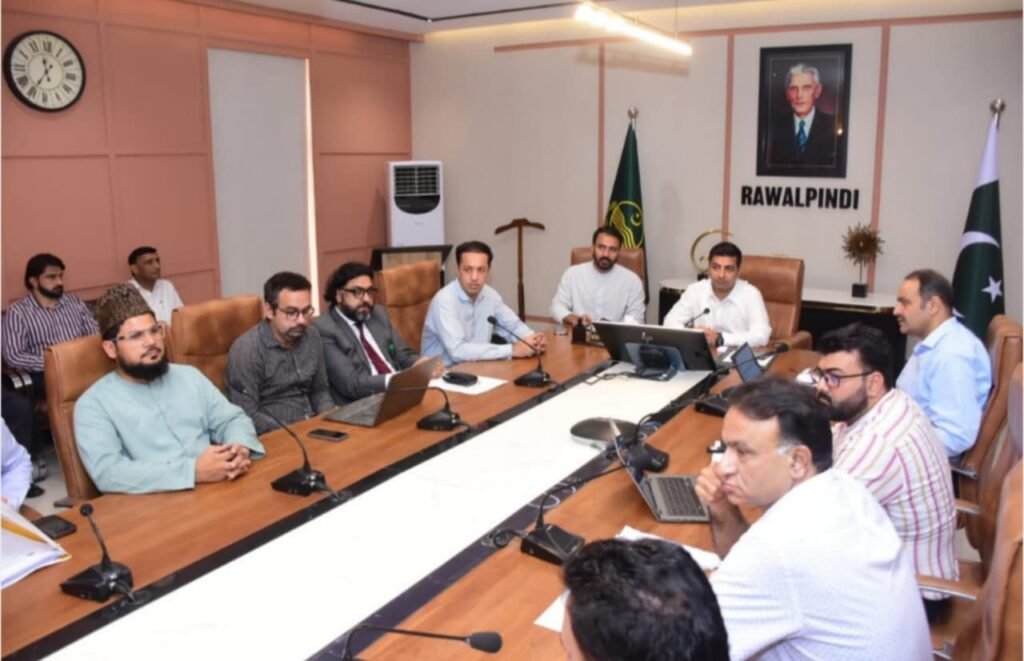
RAWALPINDI — Deputy Commissioner Rawalpindi Captain (R) Nadeem Nasir has mandated a strict enforcement of a zero-tolerance policy against dengue, urging all allied departments to maintain an active and coordinated presence in the field. This directive comes as part of efforts to curb the spread of dengue fever, which poses a significant public health challenge in the region. What Happened In a decisive move to combat the persistent threat of dengue fever, Deputy Commissioner Rawalpindi Captain (R) Nadeem Nasir has instructed all relevant departments to rigorously implement a zero-tolerance policy. This directive was issued during a recent meeting held to assess the current dengue situation and strategize on effective control measures. Nasir emphasized the importance of a coordinated approach among various departments to ensure comprehensive coverage and effectiveness in dengue prevention efforts. The directive calls for intensified field operations, including regular inspections and fumigation activities in high-risk areas. The deputy commissioner highlighted the necessity of maintaining a vigilant stance, particularly in regions with a history of dengue outbreaks. He stated, “All departments must work in unison to ensure that preventive measures are not only implemented but also sustained throughout the dengue season.” Furthermore, Nasir underscored the role of public awareness in controlling the spread of dengue. He urged community leaders and local organizations to actively participate in educational campaigns aimed at informing the public about preventive measures, such as eliminating stagnant water sources where mosquitoes breed. Background Dengue fever, a mosquito-borne viral infection, has been a recurring public health issue in Pakistan, particularly during the monsoon season when mosquito populations thrive. The government has previously launched various initiatives to combat dengue, including public awareness campaigns and enhanced surveillance systems. However, the disease continues to pose a significant challenge due to factors such as urbanization, climate change, and inadequate waste management. Historically, Rawalpindi has been one of the districts most affected by dengue outbreaks. The local administration has frequently implemented emergency measures to control the spread, including fumigation drives and public health campaigns. Despite these efforts, the area remains vulnerable to dengue outbreaks, necessitating ongoing vigilance and proactive measures. Why It Matters The enforcement of a zero-tolerance policy against dengue in Rawalpindi is crucial for several reasons. Firstly, dengue fever poses a serious health risk, with potential complications leading to severe illness or death. By implementing stringent control measures, the local administration aims to reduce the incidence of dengue cases and prevent potential outbreaks. Economically, the impact of dengue outbreaks can be substantial. The healthcare system faces increased pressure during outbreaks, with hospitals often overwhelmed by the number of patients requiring treatment. This not only strains medical resources but also incurs significant costs for both the government and affected families. By preventing outbreaks, the policy aims to alleviate the economic burden associated with dengue. Socially, the policy’s success hinges on community involvement and public awareness. Educating the public about preventive measures is essential for controlling the spread of dengue. Community engagement can lead to more effective implementation of preventive strategies, such as eliminating mosquito breeding sites and promoting the use of mosquito repellents. On an international level, effective dengue control measures can enhance Pakistan’s reputation in managing public health challenges. This can lead to increased confidence among international partners and potential investors, who view effective disease control as a marker of a stable and well-managed public health system. Key Takeaways Deputy Commissioner Rawalpindi has ordered strict enforcement of a zero-tolerance policy against dengue. Allied departments are required to maintain an active, coordinated presence in the field. Public awareness and community involvement are crucial for effective dengue prevention. Dengue outbreaks pose significant health, economic, and social challenges. Successful dengue control can enhance Pakistan’s international reputation in public health management. Source Attribution This article is based on official government statements, press releases, and public communications from relevant authorities. Author: NEN Editorial Desk | Editor: NEN Newsroom | Fact Checked By: NEN Editorial Team Author: NEN Editorial Desk  |  Editor: NEN Newsroom  |  Last Updated: July 08, 2026  |  Source: NEN Reporter This article was produced by the NEN Editorial Desk in accordance with NEN Agency’s Editorial Policy and Fact-Checking Policy.

Pakistan

Lahore High Court Acquits Man Previously Sentenced to Life in Murder Case

LAHORE — The Lahore High Court (LHC) has acquitted Shah Muhammad, who was serving a life sentence for murder, after reviewing his appeal and overturning the trial court’s decision. The acquittal was announced in a detailed 12-page judgment issued on Wednesday by Chief Justice Aalia Neelum. What Happened Shah Muhammad, who had been convicted of murder and sentenced to life imprisonment, was acquitted by the LHC following a successful appeal against his conviction. The court’s decision was based on the prosecution’s failure to establish guilt beyond reasonable doubt. Chief Justice Aalia Neelum highlighted several inconsistencies in the prosecution’s case, which included contradictions in the First Information Report (FIR), witness statements, and the overall narrative presented by the prosecution. The court found that the identification parade conducted was neither reliable nor legally compliant. Witnesses failed to identify Shah Muhammad or provide descriptions of the suspects in the FIR, undermining the credibility of the identification process. The judgment also pointed out an extraordinary delay in proceedings, deficiencies in evidence, and flaws in the investigation, all of which cast significant doubt on the prosecution’s case. Furthermore, the court deemed the forensic evidence and the alleged recovery of the murder weapon from Shah Muhammad as unreliable, refusing to use these as a basis for conviction. Chief Justice Neelum emphasized that the benefit of the doubt is a legal right of the accused, not a concession, and reiterated that a criminal conviction requires proof beyond reasonable doubt—an obligation unmet in this case. The LHC ordered the immediate release of Shah Muhammad, instructing prison authorities to free him without delay unless he is implicated in another case. Background The case against Shah Muhammad has been ongoing for several years, originating from a murder charge that led to his life sentence. The trial court had initially found him guilty, but the verdict was challenged on appeal. The LHC’s recent decision underscores the importance of due process and the need for the prosecution to meet the burden of proof in criminal cases. Historically, the Pakistani judicial system has faced criticism for prolonged legal proceedings and issues related to the reliability of evidence and witness testimonies. This case highlights these systemic challenges and the critical role of appellate courts in ensuring justice. Why It Matters The acquittal of Shah Muhammad by the LHC is significant for several reasons. It underscores the judiciary’s role in safeguarding the rights of individuals against wrongful convictions, which is crucial in maintaining public trust in the legal system. The case also brings attention to the procedural flaws and evidentiary issues that can plague criminal cases in Pakistan. From a social perspective, the decision highlights the importance of rigorous legal standards in criminal proceedings, ensuring that individuals are not wrongfully deprived of their liberty. This case serves as a reminder of the legal principle that it is better for a guilty person to go free than for an innocent person to be wrongfully convicted. Economically, wrongful convictions can burden the state with unnecessary costs associated with lengthy incarcerations and legal appeals. Ensuring that convictions are based on solid evidence can help mitigate these costs and allocate judicial resources more efficiently. Internationally, the case may influence perceptions of Pakistan’s judicial system, demonstrating a commitment to upholding justice and human rights. This could have broader implications for Pakistan’s legal reforms and international relations, particularly in areas related to human rights and legal standards. Key Takeaways The Lahore High Court acquitted Shah Muhammad, overturning his life sentence for murder. The court identified significant inconsistencies and procedural flaws in the prosecution’s case. Chief Justice Aalia Neelum emphasized the legal right to the benefit of the doubt for the accused. The case highlights systemic issues in Pakistan’s judicial process, including evidence reliability. The decision has broader implications for justice, legal reform, and international perceptions of Pakistan. Source Attribution This article is based on official government statements, press releases, and public communications from relevant authorities. Author: NEN Editorial Desk | Editor: NEN Newsroom | Fact Checked By: NEN Editorial Team Author: NEN Editorial Desk  |  Editor: NEN Newsroom  |  Last Updated: July 08, 2026  |  Source: Press Release from Government of Pakistan This article was produced by the NEN Editorial Desk in accordance with NEN Agency’s Editorial Policy and Fact-Checking Policy.
Pakistan

MOL Pakistan Backs Football Tournament to Boost Youth Engagement

PESHAWAR — MOL Pakistan Oil and Gas Company B.V. has announced its sponsorship of the All KP MOL Football Tournament in Lachi, District Kohat. This initiative is part of the company’s Corporate Social Responsibility (CSR) programme, aimed at fostering youth engagement and community development in its operational areas. What Happened The All KP MOL Football Tournament, organized by Al Masoom Football Club, Lachi, is set to feature 32 teams from across the Khyber Pakhtunkhwa region. The event is designed to provide a platform for young athletes to showcase their talents and promote sportsmanship. MOL Pakistan’s sponsorship underscores its commitment to supporting local communities and encouraging active lifestyles among the youth. The tournament is expected to attract significant local interest, with matches scheduled to take place over several weeks. According to a representative from MOL Pakistan, the initiative is part of a broader strategy to engage with the community and contribute positively to the areas where the company operates. “We believe in the power of sports to bring people together and inspire positive change,” the representative stated. Al Masoom Football Club, the organizer of the event, has expressed gratitude for the support from MOL Pakistan. The club’s spokesperson highlighted the importance of such initiatives in providing opportunities for young people to develop their skills and gain exposure to competitive sports. Background MOL Pakistan has been active in the region for several years, primarily focusing on oil and gas exploration and production. As part of its CSR efforts, the company has invested in various community development projects, including education, health, and infrastructure. The sponsorship of the football tournament is a continuation of these efforts, aimed at enhancing the quality of life for residents in the company’s operational areas. Football has a growing following in Pakistan, with increasing interest at both the grassroots and professional levels. Initiatives like the All KP MOL Football Tournament play a crucial role in nurturing local talent and providing pathways for young athletes to pursue sports professionally. Why It Matters The sponsorship of the All KP MOL Football Tournament by MOL Pakistan holds significant implications for the local community and the broader region. Economically, such events can stimulate local businesses, as they draw spectators and participants from various areas, increasing demand for local services and products. Socially, the tournament provides a constructive outlet for youth, diverting them from potentially negative influences and fostering a sense of community and teamwork. In a region where opportunities for youth engagement are limited, sports can play a pivotal role in personal development and community cohesion. Politically, the involvement of a major corporation like MOL Pakistan in community initiatives can enhance the company’s relationship with local stakeholders, building goodwill and potentially smoothing operations in the region. This can lead to more stable and cooperative interactions between the company and the communities it serves. Internationally, the tournament highlights Pakistan’s growing interest in sports development, aligning with global trends of using sports as a tool for social change and community development. It underscores the potential for sports to act as a bridge between different cultures and communities. Key Takeaways MOL Pakistan is sponsoring the All KP MOL Football Tournament in Lachi, Kohat. The initiative is part of the company’s CSR programme to promote community development. 32 teams from Khyber Pakhtunkhwa are participating, highlighting local talent. The tournament aims to foster youth engagement and promote sportsmanship. Such events can have economic, social, and political benefits for the region. Source Attribution This article is based on official government statements, press releases, and public communications from relevant authorities. Author: NEN Editorial Desk | Editor: NEN Newsroom | Fact Checked By: NEN Editorial Team Author: NEN Editorial Desk  |  Editor: NEN Newsroom  |  Last Updated: July 08, 2026  |  Source: NEN Reporter This article was produced by the NEN Editorial Desk in accordance with NEN Agency’s Editorial Policy and Fact-Checking Policy.

Pakistan

GCUF to Host Inaugural National Macro Futsal Championship on July 13

FAISALABAD — Government College University Faisalabad (GCUF) is set to host the inaugural National Macro Futsal Championship on July 13 and 14. The event, organized in collaboration with the Divisional Sports Department and supported by the Pakistan Macro Futsal Federation, will take place at the university’s Multipurpose Sports Complex on its New Campus located on Jhang Road. What Happened The National Macro Futsal Championship marks a significant milestone for futsal in Pakistan, as it is the first event of its kind to be held at a national level. The championship will feature teams from various regions across the country, competing for top honors in this fast-paced, indoor variant of football. The event is expected to draw significant attention from sports enthusiasts and aims to promote futsal as a mainstream sport in Pakistan. According to the organizers, the championship will include a series of matches over the two-day period, with teams showcasing their skills in a bid to claim the championship title. The GCUF Multipurpose Sports Complex, known for its state-of-the-art facilities, will provide the perfect venue for the tournament. The complex is equipped to handle large crowds, ensuring a vibrant atmosphere for both players and spectators. In a statement, a representative from the Pakistan Macro Futsal Federation expressed excitement about the championship, stating, “This event is a significant step forward in promoting futsal in Pakistan. We are thrilled to see such enthusiasm from the participating teams and look forward to a competitive and entertaining tournament.” Background Futsal, a variant of football played on a smaller, indoor pitch, has been gaining popularity worldwide due to its fast-paced and skill-intensive nature. In Pakistan, the sport has been gradually growing, with local leagues and tournaments being organized in various cities. The Pakistan Macro Futsal Federation has been instrumental in promoting the sport, working towards establishing a structured framework for futsal competitions in the country. Government College University Faisalabad has a history of supporting sports and physical education, with its sports complex hosting numerous events over the years. The university’s collaboration with the Divisional Sports Department and the futsal federation for this championship underscores its commitment to fostering sports development at both local and national levels. Why It Matters The hosting of the National Macro Futsal Championship represents a significant development for sports in Pakistan. By bringing together teams from across the country, the event not only provides a platform for athletes to showcase their talents but also fosters a sense of unity and sportsmanship. This championship could serve as a catalyst for the growth of futsal in Pakistan, encouraging more young athletes to take up the sport. Economically, the event could have positive implications for the local community in Faisalabad. With teams, officials, and spectators visiting the city, there is potential for increased business for local hotels, restaurants, and other service providers. Additionally, the media coverage of the championship could enhance Faisalabad’s reputation as a hub for sporting events. On a broader scale, the successful organization of the championship could pave the way for future national and international futsal events in Pakistan. This aligns with the country’s efforts to diversify its sports portfolio and increase its presence on the international sports stage. The championship also highlights the importance of collaboration between educational institutions, sports federations, and government bodies in promoting sports development. Key Takeaways GCUF will host the first National Macro Futsal Championship on July 13 and 14. The event is organized in collaboration with the Divisional Sports Department and the Pakistan Macro Futsal Federation. Teams from across Pakistan will compete at the GCUF Multipurpose Sports Complex. The championship aims to promote futsal as a mainstream sport in Pakistan. The event could boost local businesses and enhance Faisalabad’s reputation as a sports hub. Source Attribution This article is based on official government statements, press releases, and public communications from relevant authorities. Author: NEN Editorial Desk | Editor: NEN Newsroom | Fact Checked By: NEN Editorial Team Author: NEN Editorial Desk  |  Editor: NEN Newsroom  |  Last Updated: July 08, 2026  |  Source: NEN Reporter This article was produced by the NEN Editorial Desk in accordance with NEN Agency’s Editorial Policy and Fact-Checking Policy.

Scroll to Top