

Author name: NEN News

Pakistan

Rupee Strengthens Marginally Against US Dollar in Interbank Market

ISLAMABAD — The Pakistani Rupee appreciated by three paisa against the US Dollar in interbank trading on Wednesday, closing at Rs 278.07 compared to the previous day’s rate of Rs 278.10. What Happened On Wednesday, the Pakistani Rupee experienced a slight appreciation against the US Dollar in the interbank market. The Forex Association of Pakistan reported that the Rupee closed at Rs 278.07, gaining three paisa from the previous day’s closing rate of Rs 278.10. This minor gain reflects ongoing fluctuations in the foreign exchange market influenced by various economic factors. In the open market, the buying and selling rates for the US Dollar were recorded at Rs 278.95 and Rs 279.15, respectively. The exchange rates for other major currencies also showed varying trends. The Euro depreciated by 17 paisa, closing at Rs 317.68 from the previous day’s Rs 317.85, as per figures from the State Bank of Pakistan. The Japanese Yen maintained its value, closing at Rs 1.71. Meanwhile, the British Pound saw a slight increase, rising by 29 paisa to close at Rs 371.76, up from Rs 372.05 the previous day. The Emirate Dirham experienced a minimal decrease, closing at Rs 75.71 after a one paisa drop. The Saudi Riyal remained unchanged at Rs 74.06. Background The Pakistani Rupee’s performance against the US Dollar and other foreign currencies is influenced by several factors, including the country’s economic policies, inflation rates, and international trade dynamics. Historically, the Rupee has experienced volatility due to political instability, fluctuating foreign reserves, and external debt obligations. In recent years, the State Bank of Pakistan has taken measures to stabilize the Rupee by adjusting interest rates and implementing monetary policies aimed at controlling inflation and boosting economic growth. The government’s efforts to secure foreign investments and loans have also played a role in influencing the Rupee’s value. Why It Matters The exchange rate of the Pakistani Rupee against the US Dollar is a critical indicator of the country’s economic health. A stronger Rupee can reduce the cost of imports, thereby easing inflationary pressures on essential goods and services. This can benefit consumers by making imported goods more affordable and stabilizing prices in the domestic market. Conversely, a weaker Rupee increases the cost of imports, contributing to higher inflation and putting pressure on the country’s foreign exchange reserves. This can lead to increased borrowing costs and impact Pakistan’s ability to service its external debt. The Rupee’s performance also affects the competitiveness of Pakistani exports. A stable or appreciating Rupee can make exports more expensive for foreign buyers, potentially reducing demand. However, it can also signal economic stability, attracting foreign investment and boosting investor confidence in the country’s financial markets. For policymakers, maintaining a balanced exchange rate is crucial for economic planning and achieving long-term growth objectives. The Rupee’s fluctuations are closely monitored by businesses, investors, and government officials as they navigate the challenges of a globalized economy. Key Takeaways The Pakistani Rupee appreciated by three paisa against the US Dollar, closing at Rs 278.07 in interbank trading. The buying and selling rates for the US Dollar in the open market were Rs 278.95 and Rs 279.15, respectively. The Euro depreciated by 17 paisa, while the British Pound increased by 29 paisa against the Rupee. The Japanese Yen and Saudi Riyal remained unchanged, while the Emirate Dirham decreased by one paisa. The Rupee’s performance is crucial for import costs, inflation, and economic stability in Pakistan. Source Attribution This article is based on official government statements, press releases, and public communications from relevant authorities. Author: NEN Editorial Desk | Editor: NEN Newsroom | Fact Checked By: NEN Editorial Team Author: NEN Editorial Desk  |  Editor: NEN Newsroom  |  Last Updated: July 08, 2026  |  Source: NEN Reporter This article was produced by the NEN Editorial Desk in accordance with NEN Agency’s Editorial Policy and Fact-Checking Policy.
Pakistan

Joint Committee Formed to Address Tobacco Growers’ Concerns in Khyber Pakhtunkhwa

PESHAWAR — The Sarhad Chamber of Commerce and Industry (SCCI) and the Regional Tax Office (RTO) in Peshawar have announced the formation of a joint committee aimed at addressing the grievances of tobacco growers and dealers in Khyber Pakhtunkhwa. This decision was made public on July 8, following a series of discussions between the two entities. What Happened The SCCI and RTO have collaborated to establish a five-member committee comprising representatives from both the chamber and the tobacco growers and dealers association. This initiative is a response to longstanding issues faced by those involved in the tobacco trade within the region. The committee is tasked with identifying the primary challenges and proposing viable solutions to improve the situation for all stakeholders involved. According to officials, the committee will engage in regular consultations with tobacco growers and dealers to ensure their concerns are adequately addressed. The joint effort is expected to facilitate a more streamlined communication process between the industry stakeholders and the government, potentially leading to policy adjustments that better reflect the needs of the local tobacco sector. “We are committed to resolving the issues faced by tobacco growers and dealers in Khyber Pakhtunkhwa,” said a representative from the SCCI. “This committee will serve as a bridge between the industry and regulatory bodies, ensuring that grievances are heard and addressed promptly.” The formation of the committee comes at a critical time, as the tobacco industry in Pakistan faces numerous challenges, including taxation issues and regulatory hurdles. By bringing together representatives from the SCCI and the growers and dealers association, the hope is to develop strategies that can support the sector’s growth while ensuring compliance with tax regulations. Background The tobacco industry in Khyber Pakhtunkhwa has historically been a significant contributor to the local economy, providing employment to thousands of individuals. However, the sector has faced challenges due to fluctuating market prices, regulatory changes, and taxation policies that growers and dealers argue are burdensome. In recent years, the government has implemented various tax reforms aimed at increasing revenue from the tobacco sector. While these measures are intended to boost the national economy, they have also led to increased costs for growers and dealers, prompting calls for more supportive policies. The SCCI has been actively involved in advocating for the rights of local businesses, including those in the tobacco sector. By forming this committee, the chamber aims to ensure that the voices of tobacco growers and dealers are heard in policy discussions. Why It Matters The establishment of this joint committee is significant for several reasons. Economically, the tobacco industry plays a crucial role in Khyber Pakhtunkhwa, contributing to both local and national revenues. Addressing the grievances of growers and dealers is essential for maintaining the sector’s viability and ensuring that it continues to provide employment and economic benefits to the region. Socially, the livelihoods of many families in Khyber Pakhtunkhwa depend on the tobacco industry. By addressing the industry’s challenges, the committee can help secure the financial stability of these families, reducing the risk of poverty and economic hardship. Politically, the move demonstrates a willingness by the government and industry bodies to collaborate in finding solutions to complex issues. This could set a precedent for how other sectors might address similar challenges, promoting a more cooperative approach to economic development in Pakistan. Key Takeaways A joint committee has been formed by SCCI and RTO to address the concerns of tobacco growers and dealers in Khyber Pakhtunkhwa. The committee will consist of five members, including representatives from the SCCI and the growers/dealers association. The initiative aims to improve communication and propose solutions to the challenges faced by the tobacco industry. The tobacco sector is a critical part of the local economy, and addressing its issues is vital for economic stability. This collaborative approach may serve as a model for addressing similar challenges in other sectors. Source Attribution This article is based on official statements and public communications from the Sarhad Chamber of Commerce and Industry and the Regional Tax Office, Peshawar. Author: NEN Editorial Desk | Editor: NEN Newsroom | Fact Checked By: NEN Editorial Team Author: NEN Editorial Desk  |  Editor: NEN Newsroom  |  Last Updated: July 08, 2026  |  Source: NEN Reporter This article was produced by the NEN Editorial Desk in accordance with NEN Agency’s Editorial Policy and Fact-Checking Policy.
Pakistan

SAPM Haroon Akhtar Khan Opens SMEDA Headquarters in Islamabad

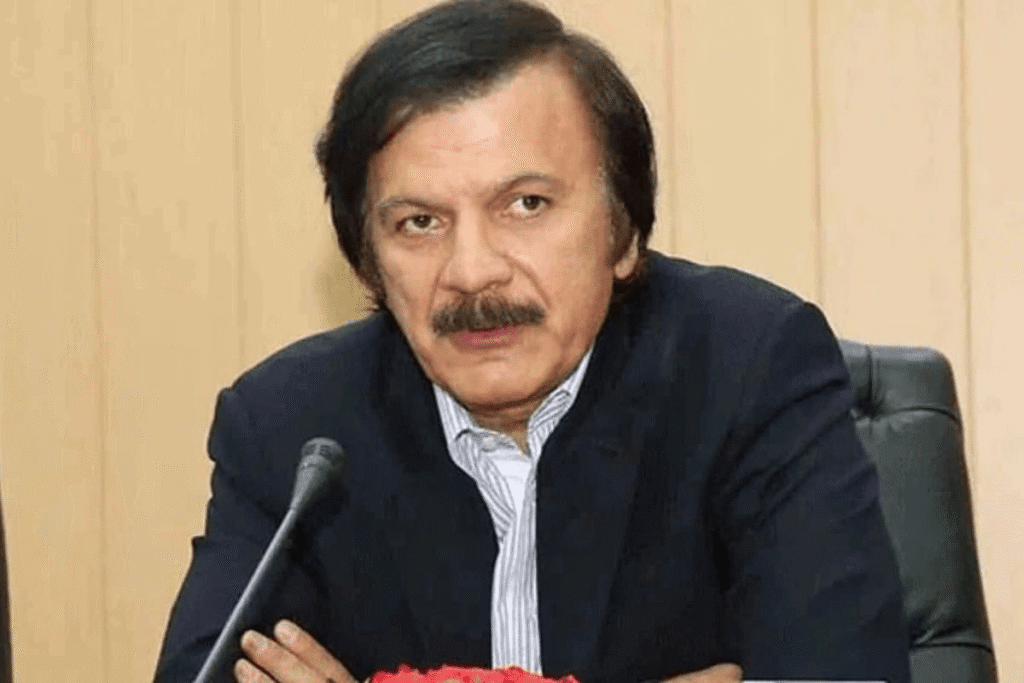
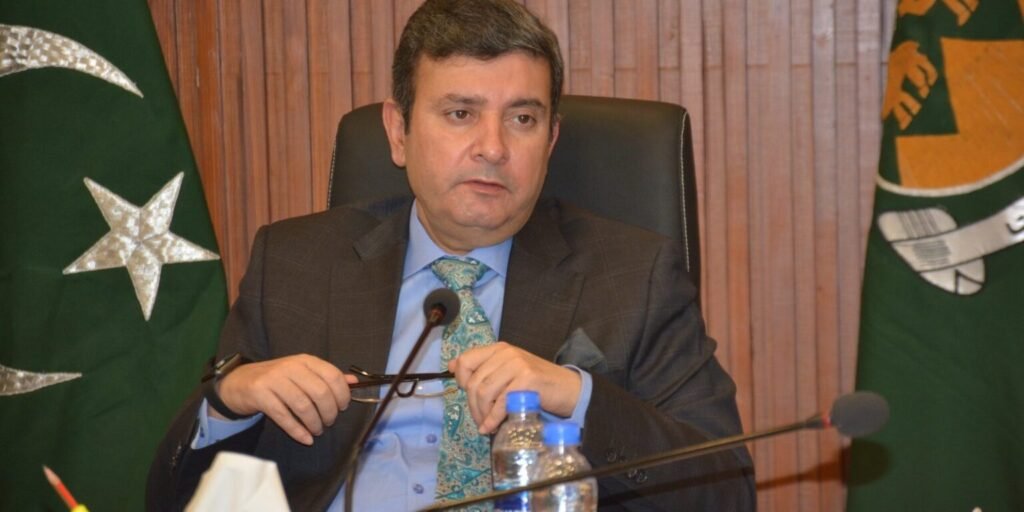
ISLAMABAD — Special Assistant to the Prime Minister on Industries and Production, Haroon Akhtar Khan, inaugurated the new headquarters of the Small and Medium Enterprises Development Authority (SMEDA) in Islamabad on Wednesday. This development is part of the government’s ongoing efforts to bolster support for Pakistan’s micro, small, and medium enterprises (MSMEs). What Happened The inauguration ceremony, held on July 8, was attended by various government officials, business leaders, and representatives from the MSME sector. Haroon Akhtar Khan emphasized the government’s commitment to enhancing the operational capabilities of SMEDA to better serve the needs of small and medium enterprises across the country. “The establishment of this new headquarters is a testament to our dedication to providing robust institutional support to the MSME sector,” Khan stated during his address. The new SMEDA headquarters is expected to streamline the agency’s operations, providing a centralized location for coordinating efforts to support and develop MSMEs. This move is anticipated to facilitate better communication and collaboration among stakeholders involved in the MSME sector, ultimately leading to more effective policy implementation and support measures. SMEDA has been instrumental in providing advisory services, training, and financial assistance to small businesses in Pakistan. The new headquarters will enhance its capacity to deliver these services more efficiently. The agency aims to foster an environment conducive to the growth of MSMEs, which are considered vital for economic development and job creation in Pakistan. Background SMEDA was established in 1998 as an autonomous body under the Ministry of Industries and Production. Its primary objective is to facilitate the growth and development of MSMEs by providing a range of services, including business development support, policy advocacy, and access to finance. Over the years, SMEDA has played a crucial role in shaping the MSME landscape in Pakistan. The MSME sector is a significant contributor to Pakistan’s economy, accounting for approximately 40% of the GDP and employing around 80% of the non-agricultural labor force. Despite its importance, the sector faces numerous challenges, including limited access to finance, inadequate infrastructure, and regulatory hurdles. The government has been working to address these issues through various initiatives, including the strengthening of SMEDA’s capabilities. Why It Matters The inauguration of the new SMEDA headquarters is a strategic move aimed at enhancing the agency’s ability to support the MSME sector more effectively. By centralizing its operations, SMEDA can improve service delivery, streamline processes, and foster greater collaboration among stakeholders. This is expected to lead to more targeted and impactful support for MSMEs, ultimately contributing to their growth and sustainability. For Pakistan’s economy, the development of a robust MSME sector is crucial. MSMEs are not only a significant source of employment but also play a vital role in driving innovation and competitiveness. By strengthening institutional support for these enterprises, the government aims to create a more conducive environment for entrepreneurship and economic diversification. Internationally, a thriving MSME sector can enhance Pakistan’s economic resilience and competitiveness. By addressing the challenges faced by MSMEs, the government can help these businesses integrate into global value chains, access new markets, and contribute to export growth. This aligns with Pakistan’s broader economic goals of increasing exports and reducing the trade deficit. Key Takeaways Haroon Akhtar Khan inaugurated the new SMEDA headquarters in Islamabad on July 8. The new facility aims to enhance SMEDA’s capacity to support MSMEs in Pakistan. SMEDA plays a crucial role in providing advisory services and financial assistance to small businesses. The MSME sector is vital for Pakistan’s economy, contributing significantly to GDP and employment. Strengthening SMEDA’s capabilities aligns with the government’s broader economic goals. Source Attribution This article is based on official government statements, press releases, and public communications from relevant authorities. Author: NEN Editorial Desk | Editor: NEN Newsroom | Fact Checked By: NEN Editorial Team Author: NEN Editorial Desk  |  Editor: NEN Newsroom  |  Last Updated: July 08, 2026  |  Source: NEN Reporter This article was produced by the NEN Editorial Desk in accordance with NEN Agency’s Editorial Policy and Fact-Checking Policy.
World

FPCCI Celebrates 75 Years Of Pakistan-China Diplomatic Relations

ISLAMABAD — The Federation of Pakistan Chambers of Commerce and Industry (FPCCI) marked the 75th anniversary of diplomatic ties between Pakistan and China with a ceremony at its Regional Office on Wednesday. The event highlighted the enduring partnership between the two nations, emphasizing economic collaboration and mutual development. What Happened The FPCCI hosted a commemorative event to celebrate the 75th anniversary of diplomatic relations between Pakistan and China, underscoring the robust partnership that has developed over the decades. The ceremony, held at the FPCCI Regional Office, was attended by key figures from both countries, including business leaders, diplomats, and government officials. During the event, FPCCI President Irfan Iqbal Sheikh praised the longstanding relationship, stating, “The friendship between Pakistan and China is exemplary and has stood the test of time.” He highlighted the significant economic projects undertaken as part of the China-Pakistan Economic Corridor (CPEC), which have been pivotal in enhancing trade and infrastructure development in Pakistan. Chinese Ambassador to Pakistan, Nong Rong, also addressed the gathering, reaffirming China’s commitment to strengthening bilateral ties. He noted, “China and Pakistan have always supported each other, and our cooperation has brought tangible benefits to both nations.” The ambassador emphasized the importance of continued collaboration in various sectors, including technology, energy, and education. The event featured discussions on future opportunities for economic cooperation, with a focus on expanding trade and investment. Participants expressed optimism about the potential for increased collaboration in emerging industries, such as renewable energy and digital technology. Background Diplomatic relations between Pakistan and China were formally established in 1951, marking the beginning of a strategic partnership that has grown stronger over the years. The two countries have consistently supported each other on international platforms and have developed a multifaceted relationship encompassing economic, military, and cultural ties. The China-Pakistan Economic Corridor (CPEC), a flagship project under China’s Belt and Road Initiative, has been a cornerstone of this relationship. Launched in 2015, CPEC aims to enhance connectivity between the two nations through infrastructure development, energy projects, and special economic zones. It has attracted significant Chinese investment into Pakistan, contributing to the country’s economic growth and development. Why It Matters The commemoration of 75 years of diplomatic relations between Pakistan and China is significant for several reasons. Economically, the partnership has been instrumental in driving growth and development in Pakistan. The CPEC projects, in particular, have created jobs, improved infrastructure, and increased energy capacity, contributing to the country’s overall economic stability. Politically, the relationship between Pakistan and China serves as a stabilizing factor in the region. Both countries have consistently supported each other in international forums, strengthening their positions on global issues. This partnership also provides Pakistan with a reliable ally amidst regional tensions. Socially, the collaboration between the two nations has fostered cultural exchange and understanding. Educational initiatives and people-to-people exchanges have enriched the cultural landscape of both countries, promoting mutual respect and cooperation. Internationally, the strong ties between Pakistan and China highlight the importance of strategic alliances in a rapidly changing global landscape. As both countries navigate complex geopolitical challenges, their partnership serves as a model for other nations seeking to build resilient and mutually beneficial relationships. Key Takeaways The FPCCI commemorated the 75th anniversary of Pakistan-China diplomatic relations with a ceremony attended by key figures from both countries. The event highlighted the economic collaboration between the two nations, particularly through the China-Pakistan Economic Corridor (CPEC). Chinese Ambassador Nong Rong reaffirmed China’s commitment to strengthening bilateral ties and exploring new areas of cooperation. The partnership between Pakistan and China has significant economic, political, and social implications for both countries and the broader region. The commemoration underscores the enduring nature of the Pakistan-China relationship and its importance in the global context. Source Attribution This article is based on official government statements, press releases, and public communications from relevant authorities. Author: NEN Editorial Desk | Editor: NEN Newsroom | Fact Checked By: NEN Editorial Team Author: NEN Editorial Desk  |  Editor: NEN Newsroom  |  Last Updated: July 08, 2026  |  Source: NEN Reporter This article was produced by the NEN Editorial Desk in accordance with NEN Agency’s Editorial Policy and Fact-Checking Policy.

Pakistan

LCCI Hosts Third ‘One Day One University’ Session in Lahore

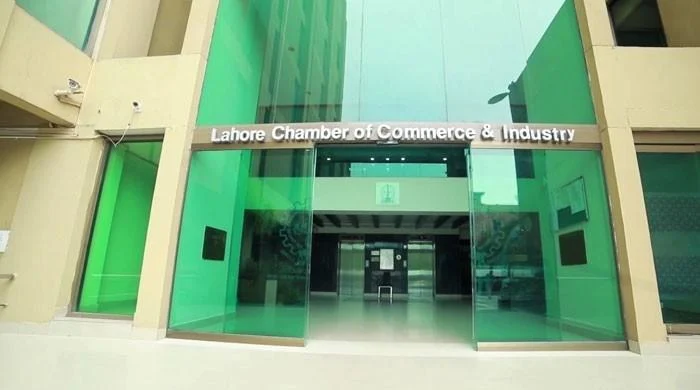
LAHORE — The Lahore Chamber of Commerce and Industry (LCCI) held the third session of its ‘One Day One University’ initiative on Wednesday. The event showcased innovative products, projects, and research initiatives developed by students from the University of South Asia, Lahore. What Happened The ‘One Day One University’ initiative by LCCI aims to bridge the gap between academia and industry by providing a platform for students to display their innovative ideas and projects. This session featured an exhibition where students from the University of South Asia presented a variety of innovative products and prototypes. The event was attended by industry leaders, educators, and students, fostering an environment of collaboration and knowledge exchange. During the session, participants had the opportunity to engage with industry professionals, receive feedback on their projects, and explore potential commercial applications for their innovations. The exhibition included projects from various fields, such as technology, engineering, and business, highlighting the diverse talents of the students. LCCI President Kashif Anwar emphasized the importance of such initiatives in promoting innovation and entrepreneurship among young people. He stated, “This initiative is crucial for nurturing the next generation of entrepreneurs and innovators who will drive Pakistan’s economic growth.” The event also included panel discussions and workshops aimed at enhancing students’ understanding of industry expectations and the skills required to succeed in a competitive job market. These sessions provided valuable insights into the challenges and opportunities within various sectors. Background The ‘One Day One University’ initiative was launched by LCCI to foster collaboration between educational institutions and the business community. The program is designed to provide students with exposure to real-world business challenges and opportunities to apply their academic knowledge in practical settings. By hosting these sessions, LCCI aims to promote a culture of innovation and entrepreneurship among students, preparing them for future careers. Previous sessions have been held with other universities in Lahore, each focusing on different aspects of innovation and industry collaboration. These events have been well-received by participants and have led to the development of several successful projects and partnerships. Why It Matters The ‘One Day One University’ initiative is significant for several reasons. Firstly, it addresses the gap between academia and industry, a common challenge in Pakistan’s education system. By providing a platform for students to showcase their work, the program encourages practical application of academic knowledge and fosters innovation. Economically, the initiative supports the development of a skilled workforce capable of contributing to Pakistan’s growth. As students engage with industry professionals, they gain insights into market needs and trends, enhancing their employability and entrepreneurial potential. Socially, the program promotes a culture of innovation and collaboration, encouraging students to think creatively and work together to solve real-world problems. This approach not only benefits the students but also contributes to the broader goal of national development by fostering a generation of problem-solvers and leaders. Internationally, initiatives like ‘One Day One University’ can enhance Pakistan’s reputation as a hub for innovation and education. By showcasing the talents and capabilities of its students, Pakistan can attract investment and partnerships from global industries, further boosting its economic prospects. Key Takeaways The LCCI hosted the third session of ‘One Day One University’ in Lahore, featuring student innovations. The initiative aims to bridge the gap between academia and industry, promoting innovation. Students presented projects in various fields, engaging with industry leaders for feedback. The program supports economic growth by developing a skilled and innovative workforce. It enhances Pakistan’s international reputation as a center for education and innovation. Source Attribution This article is based on official statements and public communications from the Lahore Chamber of Commerce and Industry. Author: NEN Editorial Desk | Editor: NEN Newsroom | Fact Checked By: NEN Editorial Team Author: NEN Editorial Desk  |  Editor: NEN Newsroom  |  Last Updated: July 08, 2026  |  Source: NEN Reporter This article was produced by the NEN Editorial Desk in accordance with NEN Agency’s Editorial Policy and Fact-Checking Policy.
Pakistan

Punjab CNF Executes 75 Anti-Narcotics Raids, 87 Arrested in Two Weeks

LAHORE — The Punjab Counter Narcotics Force (CNF) has conducted a series of 75 intelligence-driven operations across the province over the past two weeks, leading to the arrest of 87 individuals. These operations resulted in the recovery of over 156 kilograms of various narcotics, with an estimated street value exceeding Rs 29.5 million. What Happened The CNF’s concerted efforts over the last fortnight have been part of a broader initiative to curb the illegal drug trade in Punjab. According to official reports, the operations were meticulously planned and executed based on actionable intelligence, targeting key locations known for drug trafficking activities. The raids were conducted in multiple districts, including Lahore, Faisalabad, and Rawalpindi, among others. In addition to the arrests, the CNF seized a significant quantity of narcotics, including heroin, hashish, and synthetic drugs. The authorities have highlighted that these operations are part of an ongoing strategy to dismantle drug networks and prevent the proliferation of narcotics within the community. A CNF spokesperson stated, “Our operations are aimed at not just apprehending those involved in the drug trade but also at disrupting the supply chains and networks that enable these illegal activities.” The arrested individuals are currently under investigation, and the CNF is working closely with other law enforcement agencies to trace the origins and distribution networks of the confiscated drugs. The operations have been lauded for their precision and effectiveness in tackling the drug menace in the region. Background The CNF has been at the forefront of anti-narcotics efforts in Punjab, a province that has been grappling with drug-related issues for years. The force was established to specifically address the rising concerns over drug abuse and trafficking. Historically, Punjab has been a critical transit point for narcotics due to its geographical location, which necessitates stringent measures to control the influx and distribution of illegal substances. In recent years, the Punjab government has intensified its anti-drug campaigns, focusing on both enforcement and awareness. The CNF’s operations are part of this comprehensive approach, which also includes rehabilitation programs for drug users and educational initiatives aimed at preventing drug abuse among the youth. Why It Matters The successful execution of these operations by the CNF is significant for several reasons. Economically, the seizure of drugs worth over Rs 29.5 million represents a substantial disruption to the illegal drug market, potentially affecting the financial operations of drug cartels and traffickers. This economic impact is crucial in weakening the influence of organized crime groups that rely on drug trafficking as a major source of revenue. Socially, the operations contribute to the safety and well-being of communities across Punjab. Drug abuse has far-reaching implications, including health crises, increased crime rates, and social instability. By removing a large quantity of narcotics from circulation, the CNF is helping to reduce the availability of drugs on the streets, which can lead to a decrease in drug-related crimes and health issues. Politically, these operations bolster the government’s stance on maintaining law and order and demonstrate a commitment to addressing the drug problem head-on. This can enhance public trust in law enforcement agencies and the government’s ability to protect its citizens from the dangers of drug abuse. Key Takeaways The Punjab CNF conducted 75 anti-narcotics operations in two weeks, arresting 87 suspects. Over 156 kilograms of narcotics were seized, valued at more than Rs 29.5 million. The operations targeted key drug trafficking locations across multiple districts. The initiative is part of a broader strategy to dismantle drug networks in Punjab. The operations have significant economic, social, and political implications for the region. Source Attribution This article is based on official government statements, press releases, and public communications from relevant authorities. Author: NEN Editorial Desk | Editor: NEN Newsroom | Fact Checked By: NEN Editorial Team Author: NEN Editorial Desk  |  Editor: NEN Newsroom  |  Last Updated: July 08, 2026  |  Source: NEN Reporter This article was produced by the NEN Editorial Desk in accordance with NEN Agency’s Editorial Policy and Fact-Checking Policy.
Pakistan

Balochistan Initiates Employment Drive for Educated Youth in Nasirabad

QUETTA — The Balochistan government has launched an initiative to provide employment opportunities for educated youth in the Nasirabad district, aligning with the vision of Chief Minister of Balochistan. This effort aims to address the growing need for job creation in the region, particularly for young graduates. What Happened In a concerted effort to tackle unemployment among educated youth, the Balochistan government, under the directive of Chief Secretary Shakeel Qadir Khan, has commenced interviews for the position of Assistant Computer Operator in the Nasirabad district. This initiative is spearheaded by Provincial Minister for Communications and Works Mir Saleem Khan Khosa and Provincial Secretary Babar Khan, with the process being overseen by Chief Engineer Communications and Works Naseerabad Zone Bashir Nasir. The interview panel consisted of several key officials, including Admin Officer Amanullah Bangulzai, Superintending Engineers Fida Hussain Khosa and Arsala Khan Rind, and representatives from the Commissioner’s Office such as Sherullah Khosa, Muhammad Iqbal Marri, and Muhammad Akram Umrani. Sub-Divisional Officers Abid Ali Pahanur and Ghulam Ishaq Mastoi were also present during the proceedings. Chief Engineer Bashir Nasir confirmed that a total of 37 candidates had been shortlisted for the interviews. He emphasized the government’s commitment to ensuring that appointments are made based on transparency, merit, and qualifications. “The appointment of deserving and qualified candidates is being ensured based on complete transparency, merit, and qualification,” he stated. Following the recruitment of new candidates, the government anticipates an improvement in public service delivery and enhanced employment prospects for the educated youth in the region. Background Balochistan, Pakistan’s largest province by area, has long grappled with issues of unemployment and underdevelopment. The provincial government has been actively seeking ways to create job opportunities and improve the socio-economic conditions of its residents. The current initiative is part of a broader strategy to integrate educated youth into the workforce, thereby reducing unemployment and fostering economic growth. Historically, the province has faced challenges due to its remote location, lack of infrastructure, and limited industrial activity. These factors have contributed to a high unemployment rate, particularly among young graduates who often find it difficult to secure jobs that match their qualifications. Why It Matters This employment initiative is significant for several reasons. Economically, it aims to reduce the unemployment rate among educated youth in Nasirabad, a district that has traditionally struggled with job scarcity. By providing employment opportunities, the government hopes to stimulate local economic activity and improve the livelihoods of its residents. Socially, the initiative seeks to empower young graduates by offering them a chance to utilize their skills and education in meaningful employment. This empowerment is crucial for fostering a sense of purpose and belonging among the youth, which can lead to greater social stability and reduced crime rates. Politically, the initiative reflects the Balochistan government’s commitment to addressing the needs of its constituents and enhancing public service delivery. By prioritizing transparency and merit in the recruitment process, the government aims to build trust and credibility among the public, which is essential for maintaining political stability and support. On a broader scale, successful implementation of such initiatives can serve as a model for other provinces facing similar challenges, potentially leading to nationwide improvements in employment and economic conditions. Key Takeaways The Balochistan government has launched an employment initiative for educated youth in Nasirabad. Interviews for Assistant Computer Operator positions are being conducted with a focus on transparency and merit. This initiative aims to reduce unemployment and improve public service delivery in the region. The effort reflects the government’s commitment to socio-economic development and political stability. Successful implementation could serve as a model for similar initiatives in other provinces. Source Attribution This article is based on official government statements, press releases, and public communications from relevant authorities. Author: NEN Editorial Desk | Editor: NEN Newsroom | Fact Checked By: NEN Editorial Team Author: NEN Editorial Desk  |  Editor: NEN Newsroom  |  Last Updated: July 08, 2026  |  Source: Press Release from Government of Pakistan This article was produced by the NEN Editorial Desk in accordance with NEN Agency’s Editorial Policy and Fact-Checking Policy.
Pakistan

Pakistan Urges Restraint Amid Rising Regional Tensions

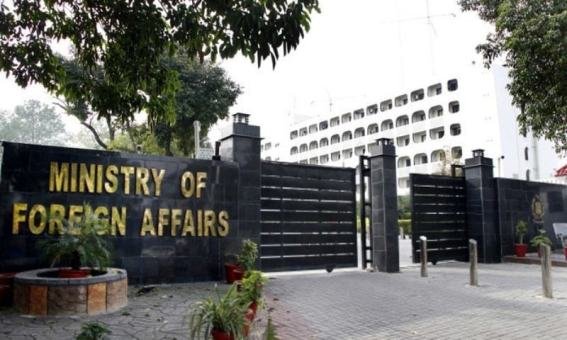
ISLAMABAD — Pakistan has expressed deep concern over the recent escalation in regional tensions, urging all involved parties to exercise restraint. The Foreign Office issued a statement on Wednesday, highlighting the importance of dialogue and diplomacy to maintain peace and stability in the region. What Happened The Foreign Office of Pakistan, in a statement released on Wednesday, conveyed its apprehensions regarding the rising tensions in the region. The statement emphasized the need for all parties to avoid actions that could further destabilize the already volatile situation. “There is no alternative to continued engagement, dialogue, and diplomacy to achieve the shared goal of peace,” the statement read. This call for restraint comes amid a backdrop of increasing hostilities and confrontations in the region, which have raised concerns about potential conflicts. While specific incidents or countries involved were not detailed in the statement, the emphasis was clearly on preventing any actions that might exacerbate tensions. The Foreign Office’s statement aligns with Pakistan’s longstanding policy of advocating for peaceful resolutions to conflicts through diplomatic means. This approach is seen as essential for ensuring long-term regional stability and security. Background Pakistan’s call for restraint is not an isolated incident but part of a broader historical context where the country has often found itself in the midst of regional tensions. The South Asian region has been a hotspot for geopolitical conflicts, with historical disputes often flaring up into larger confrontations. In recent years, Pakistan has consistently advocated for peace and dialogue, particularly in its relations with neighboring countries. The country has been involved in various diplomatic efforts to resolve issues through peaceful means, reflecting its commitment to regional stability. Historically, the region has seen numerous conflicts, including wars and military standoffs, which have had significant implications for the security and economic development of the countries involved. Pakistan’s emphasis on diplomacy is aimed at breaking this cycle of conflict and fostering a more stable environment. Why It Matters The call for restraint by Pakistan’s Foreign Office carries significant implications for regional and international politics. The South Asian region is home to several nuclear-armed states, making any escalation in tensions particularly concerning for global security. A conflict in this region could have far-reaching consequences, not only for the countries involved but also for international peace and security. Economically, the region is interconnected, with trade and investment flows that could be severely disrupted by any conflict. This would have a direct impact on the livelihoods of millions of people, exacerbating poverty and instability. By advocating for dialogue and diplomacy, Pakistan is seeking to protect these economic interests and promote sustainable development. Socially, prolonged tensions and conflicts can lead to humanitarian crises, with displaced populations and human rights violations becoming more prevalent. Pakistan’s stance is aimed at preventing such outcomes and ensuring that the region remains a place where people can live in peace and prosperity. Internationally, Pakistan’s call for restraint is likely to be welcomed by global powers and international organizations that have an interest in maintaining stability in the region. It positions Pakistan as a responsible actor on the global stage, committed to peace and security. Key Takeaways Pakistan has expressed deep concern over escalating regional tensions and urged restraint. The Foreign Office emphasized the importance of dialogue and diplomacy for peace. Pakistan’s call aligns with its historical advocacy for peaceful conflict resolution. Regional tensions have significant economic, social, and international implications. Pakistan’s stance is likely to be supported by global powers and international organizations. Source Attribution This article is based on official government statements and public communications from relevant authorities. Author: NEN Editorial Desk | Editor: NEN Newsroom | Fact Checked By: NEN Editorial Team Author: NEN Editorial Desk  |  Editor: NEN Newsroom  |  Last Updated: July 08, 2026  |  Source: NEN Reporter This article was produced by the NEN Editorial Desk in accordance with NEN Agency’s Editorial Policy and Fact-Checking Policy.
World

World Bank Delegation Briefed On Punjab Revenue Authority Reforms

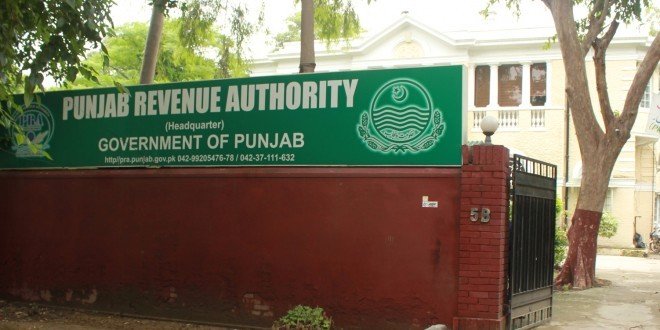
LAHORE — A World Bank delegation, led by Clelia Rontoyanni, met with Punjab Revenue Authority (PRA) Chairman Moazzam Iqbal Sipra at the PRA Headquarters on Wednesday. The meeting focused on the PRA’s reform agenda, modernization initiatives, and key institutional programs. What Happened The World Bank delegation’s visit to the PRA Headquarters in Lahore was a significant step in fostering international cooperation on tax reform and modernization. Clelia Rontoyanni, who led the delegation, engaged in discussions with PRA Chairman Moazzam Iqbal Sipra regarding the authority’s ongoing efforts to enhance its operational efficiency and transparency. During the meeting, the PRA’s reform agenda was thoroughly outlined. This agenda includes a series of modernization initiatives aimed at improving tax collection mechanisms, streamlining processes, and enhancing service delivery. Chairman Sipra emphasized the importance of these reforms in increasing the authority’s revenue collection capabilities and ensuring compliance with international standards. The discussions also covered key institutional programs that the PRA is implementing to achieve its reform objectives. These programs are designed to integrate technology into tax administration, thereby reducing manual processes and increasing accuracy in data handling. The delegation was informed about the PRA’s efforts to foster a culture of compliance among taxpayers through awareness campaigns and educational initiatives. Both parties exchanged insights on global best practices in revenue administration, with the World Bank delegation offering their expertise and support in implementing these practices within the PRA’s framework. The meeting concluded with a mutual agreement to continue collaboration and explore further opportunities for technical assistance and knowledge sharing. Background The Punjab Revenue Authority was established to streamline and enhance the tax collection process in the province of Punjab. Over the years, the authority has undertaken various initiatives to modernize its operations and improve efficiency. The PRA’s reform agenda is part of a broader effort by the Punjab government to enhance public sector governance and service delivery. The World Bank has been a longstanding partner in Pakistan’s development efforts, providing financial and technical assistance in various sectors, including tax reform. The bank’s involvement in the PRA’s reform initiatives underscores its commitment to supporting Pakistan in achieving sustainable economic growth and development. Why It Matters The meeting between the World Bank delegation and the PRA is significant for several reasons. Firstly, it highlights the ongoing efforts to modernize Pakistan’s tax administration system, which is crucial for increasing government revenue and reducing fiscal deficits. Efficient tax collection is vital for funding public services and infrastructure projects, which are essential for economic growth and development. Secondly, the collaboration with the World Bank brings international expertise and best practices to the PRA’s reform efforts. This partnership is likely to enhance the authority’s capacity to implement effective tax policies and improve compliance rates among taxpayers. By adopting global standards, the PRA can ensure greater transparency and accountability in its operations. Furthermore, the successful implementation of the PRA’s reform agenda could serve as a model for other provinces in Pakistan, encouraging them to undertake similar modernization initiatives. This could lead to a more harmonized and efficient tax administration system across the country, ultimately benefiting the national economy. Key Takeaways The World Bank delegation met with the Punjab Revenue Authority to discuss tax reform initiatives. The PRA’s reform agenda focuses on modernization, efficiency, and transparency in tax collection. International collaboration with the World Bank brings expertise and best practices to the PRA. Successful reforms could boost government revenue and serve as a model for other provinces. The meeting underscores the importance of efficient tax administration for economic growth. Source Attribution This article is based on official government statements, press releases, and public communications from relevant authorities. Author: NEN Editorial Desk | Editor: NEN Newsroom | Fact Checked By: NEN Editorial Team Author: NEN Editorial Desk  |  Editor: NEN Newsroom  |  Last Updated: July 08, 2026  |  Source: NEN Reporter This article was produced by the NEN Editorial Desk in accordance with NEN Agency’s Editorial Policy and Fact-Checking Policy.

Pakistan

Street Vendor Sells Safety Helmets Amid Traffic Concerns on Murree Road

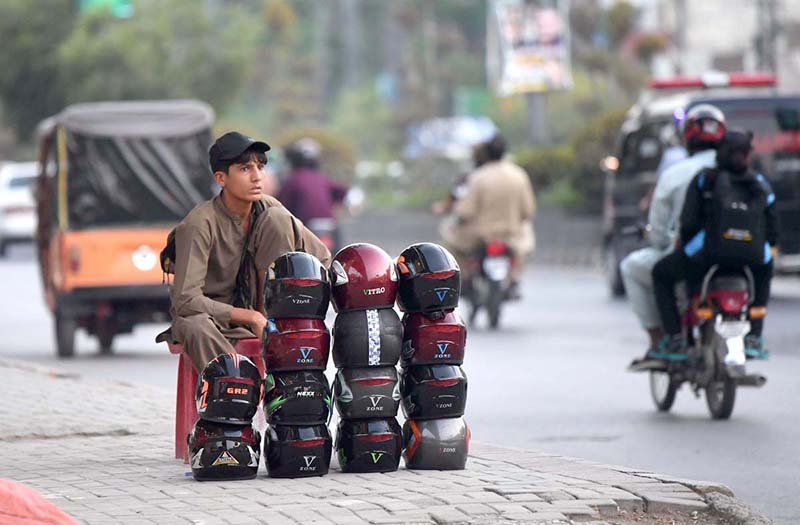
RAWALPINDI — A young vendor stationed on the bustling Murree Road is attempting to attract customers to purchase safety helmets displayed on the footpath. This scene unfolds as the vendor hopes to cater to the needs of motorcyclists in the area, which is notorious for its heavy traffic and safety concerns. What Happened The vendor, whose identity remains undisclosed, has set up a small stall on the footpath along Murree Road, a major thoroughfare in Rawalpindi. The helmets are neatly arranged, aiming to catch the attention of passersby, particularly motorcyclists who frequent this busy route. Despite the scorching July heat, the vendor remains hopeful for sales as he waits for customers. Murree Road is one of the busiest roads in Rawalpindi, connecting the city to Islamabad and serving as a critical artery for daily commuters. The presence of a vendor selling safety helmets highlights an entrepreneurial response to the high demand for protective gear among motorcyclists, who are often seen navigating the congested traffic without adequate protection. In addition to the vendor’s efforts, the road itself is experiencing significant traffic issues. A large number of motorcycles are parked on Sixth Road, a connecting street, which is creating obstacles for the smooth flow of traffic. The congestion is a growing concern for local authorities, who are being urged to address the situation to ensure safety and ease of movement for all road users. Background Murree Road has long been a focal point of traffic management challenges in Rawalpindi. As a primary route for commuters traveling between Rawalpindi and Islamabad, it is frequently congested, especially during peak hours. The road’s strategic importance has led to various infrastructure projects aimed at improving traffic flow, yet challenges persist. In Pakistan, the use of motorcycles is widespread due to their affordability and fuel efficiency. However, the lack of proper safety measures, including helmet use, has been a persistent issue. According to the Pakistan Bureau of Statistics, road traffic accidents are a leading cause of injury and fatalities in the country, with motorcyclists being particularly vulnerable. Efforts to enforce helmet laws have been inconsistent, contributing to the ongoing safety risks faced by motorcyclists. Vendors like the one on Murree Road play a crucial role in making safety gear accessible to the public, albeit in an informal setting. Why It Matters The presence of a vendor selling safety helmets on Murree Road underscores the urgent need for improved road safety measures in Pakistan. With a high number of motorcyclists using this route daily, the availability of helmets is a critical step towards reducing the risk of head injuries in the event of accidents. Economically, the vendor’s initiative reflects the entrepreneurial spirit prevalent in Pakistan, where individuals often create opportunities in response to market demands. By providing affordable safety gear, such vendors contribute to public safety while sustaining their livelihoods. Socially, the situation highlights the broader issue of road safety in Pakistan. Despite existing regulations mandating helmet use, enforcement remains lax, and public awareness campaigns are needed to emphasize the importance of protective gear. The congestion on Sixth Road further illustrates the need for comprehensive traffic management solutions to ensure the safety of all commuters. Politically, the scenario calls for action from local authorities to address both traffic congestion and safety concerns. Effective policy implementation and infrastructure improvements are essential to enhance road safety and facilitate smoother traffic flow, benefiting the citizens of Rawalpindi and beyond. Key Takeaways A vendor on Murree Road is selling safety helmets to motorcyclists, addressing a critical safety need. Murree Road is a major traffic artery in Rawalpindi, facing congestion and safety challenges. Helmet use among motorcyclists is crucial for reducing road traffic injuries and fatalities. Local authorities are urged to address the traffic congestion on Sixth Road for smoother flow. The situation highlights the need for better enforcement of road safety regulations in Pakistan. Source Attribution This article is based on official government statements, press releases, and public communications from relevant authorities. Author: NEN Editorial Desk | Editor: NEN Newsroom | Fact Checked By: NEN Editorial Team Author: NEN Editorial Desk  |  Editor: NEN Newsroom  |  Last Updated: July 08, 2026  |  Source: NEN Reporter This article was produced by the NEN Editorial Desk in accordance with NEN Agency’s Editorial Policy and Fact-Checking Policy.

Scroll to Top