
Author name: NEN News

Pakistan

Balochistan Initiates Employment Drive for Educated Youth in Nasirabad

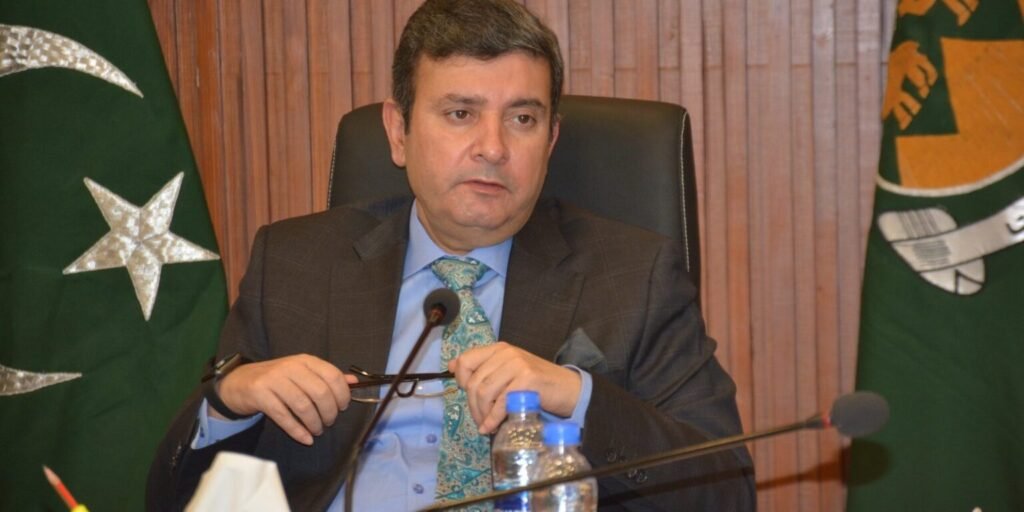
QUETTA — The Balochistan government has launched an initiative to provide employment opportunities for educated youth in the Nasirabad district, aligning with the vision of Chief Minister of Balochistan. This effort aims to address the growing need for job creation in the region, particularly for young graduates. What Happened In a concerted effort to tackle unemployment among educated youth, the Balochistan government, under the directive of Chief Secretary Shakeel Qadir Khan, has commenced interviews for the position of Assistant Computer Operator in the Nasirabad district. This initiative is spearheaded by Provincial Minister for Communications and Works Mir Saleem Khan Khosa and Provincial Secretary Babar Khan, with the process being overseen by Chief Engineer Communications and Works Naseerabad Zone Bashir Nasir. The interview panel consisted of several key officials, including Admin Officer Amanullah Bangulzai, Superintending Engineers Fida Hussain Khosa and Arsala Khan Rind, and representatives from the Commissioner’s Office such as Sherullah Khosa, Muhammad Iqbal Marri, and Muhammad Akram Umrani. Sub-Divisional Officers Abid Ali Pahanur and Ghulam Ishaq Mastoi were also present during the proceedings. Chief Engineer Bashir Nasir confirmed that a total of 37 candidates had been shortlisted for the interviews. He emphasized the government’s commitment to ensuring that appointments are made based on transparency, merit, and qualifications. “The appointment of deserving and qualified candidates is being ensured based on complete transparency, merit, and qualification,” he stated. Following the recruitment of new candidates, the government anticipates an improvement in public service delivery and enhanced employment prospects for the educated youth in the region. Background Balochistan, Pakistan’s largest province by area, has long grappled with issues of unemployment and underdevelopment. The provincial government has been actively seeking ways to create job opportunities and improve the socio-economic conditions of its residents. The current initiative is part of a broader strategy to integrate educated youth into the workforce, thereby reducing unemployment and fostering economic growth. Historically, the province has faced challenges due to its remote location, lack of infrastructure, and limited industrial activity. These factors have contributed to a high unemployment rate, particularly among young graduates who often find it difficult to secure jobs that match their qualifications. Why It Matters This employment initiative is significant for several reasons. Economically, it aims to reduce the unemployment rate among educated youth in Nasirabad, a district that has traditionally struggled with job scarcity. By providing employment opportunities, the government hopes to stimulate local economic activity and improve the livelihoods of its residents. Socially, the initiative seeks to empower young graduates by offering them a chance to utilize their skills and education in meaningful employment. This empowerment is crucial for fostering a sense of purpose and belonging among the youth, which can lead to greater social stability and reduced crime rates. Politically, the initiative reflects the Balochistan government’s commitment to addressing the needs of its constituents and enhancing public service delivery. By prioritizing transparency and merit in the recruitment process, the government aims to build trust and credibility among the public, which is essential for maintaining political stability and support. On a broader scale, successful implementation of such initiatives can serve as a model for other provinces facing similar challenges, potentially leading to nationwide improvements in employment and economic conditions. Key Takeaways The Balochistan government has launched an employment initiative for educated youth in Nasirabad. Interviews for Assistant Computer Operator positions are being conducted with a focus on transparency and merit. This initiative aims to reduce unemployment and improve public service delivery in the region. The effort reflects the government’s commitment to socio-economic development and political stability. Successful implementation could serve as a model for similar initiatives in other provinces. Source Attribution This article is based on official government statements, press releases, and public communications from relevant authorities. Author: NEN Editorial Desk | Editor: NEN Newsroom | Fact Checked By: NEN Editorial Team Author: NEN Editorial Desk  |  Editor: NEN Newsroom  |  Last Updated: July 08, 2026  |  Source: Press Release from Government of Pakistan This article was produced by the NEN Editorial Desk in accordance with NEN Agency’s Editorial Policy and Fact-Checking Policy.
Pakistan

Pakistan Urges Restraint Amid Rising Regional Tensions

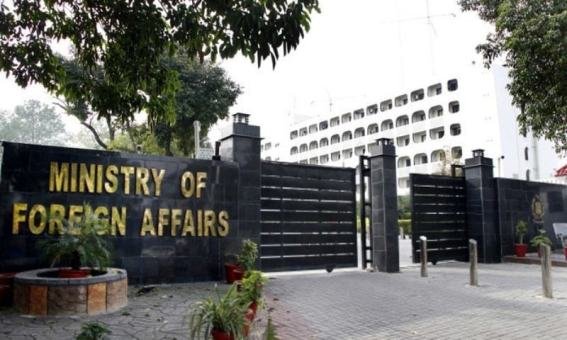
ISLAMABAD — Pakistan has expressed deep concern over the recent escalation in regional tensions, urging all involved parties to exercise restraint. The Foreign Office issued a statement on Wednesday, highlighting the importance of dialogue and diplomacy to maintain peace and stability in the region. What Happened The Foreign Office of Pakistan, in a statement released on Wednesday, conveyed its apprehensions regarding the rising tensions in the region. The statement emphasized the need for all parties to avoid actions that could further destabilize the already volatile situation. “There is no alternative to continued engagement, dialogue, and diplomacy to achieve the shared goal of peace,” the statement read. This call for restraint comes amid a backdrop of increasing hostilities and confrontations in the region, which have raised concerns about potential conflicts. While specific incidents or countries involved were not detailed in the statement, the emphasis was clearly on preventing any actions that might exacerbate tensions. The Foreign Office’s statement aligns with Pakistan’s longstanding policy of advocating for peaceful resolutions to conflicts through diplomatic means. This approach is seen as essential for ensuring long-term regional stability and security. Background Pakistan’s call for restraint is not an isolated incident but part of a broader historical context where the country has often found itself in the midst of regional tensions. The South Asian region has been a hotspot for geopolitical conflicts, with historical disputes often flaring up into larger confrontations. In recent years, Pakistan has consistently advocated for peace and dialogue, particularly in its relations with neighboring countries. The country has been involved in various diplomatic efforts to resolve issues through peaceful means, reflecting its commitment to regional stability. Historically, the region has seen numerous conflicts, including wars and military standoffs, which have had significant implications for the security and economic development of the countries involved. Pakistan’s emphasis on diplomacy is aimed at breaking this cycle of conflict and fostering a more stable environment. Why It Matters The call for restraint by Pakistan’s Foreign Office carries significant implications for regional and international politics. The South Asian region is home to several nuclear-armed states, making any escalation in tensions particularly concerning for global security. A conflict in this region could have far-reaching consequences, not only for the countries involved but also for international peace and security. Economically, the region is interconnected, with trade and investment flows that could be severely disrupted by any conflict. This would have a direct impact on the livelihoods of millions of people, exacerbating poverty and instability. By advocating for dialogue and diplomacy, Pakistan is seeking to protect these economic interests and promote sustainable development. Socially, prolonged tensions and conflicts can lead to humanitarian crises, with displaced populations and human rights violations becoming more prevalent. Pakistan’s stance is aimed at preventing such outcomes and ensuring that the region remains a place where people can live in peace and prosperity. Internationally, Pakistan’s call for restraint is likely to be welcomed by global powers and international organizations that have an interest in maintaining stability in the region. It positions Pakistan as a responsible actor on the global stage, committed to peace and security. Key Takeaways Pakistan has expressed deep concern over escalating regional tensions and urged restraint. The Foreign Office emphasized the importance of dialogue and diplomacy for peace. Pakistan’s call aligns with its historical advocacy for peaceful conflict resolution. Regional tensions have significant economic, social, and international implications. Pakistan’s stance is likely to be supported by global powers and international organizations. Source Attribution This article is based on official government statements and public communications from relevant authorities. Author: NEN Editorial Desk | Editor: NEN Newsroom | Fact Checked By: NEN Editorial Team Author: NEN Editorial Desk  |  Editor: NEN Newsroom  |  Last Updated: July 08, 2026  |  Source: NEN Reporter This article was produced by the NEN Editorial Desk in accordance with NEN Agency’s Editorial Policy and Fact-Checking Policy.
World

World Bank Delegation Briefed On Punjab Revenue Authority Reforms

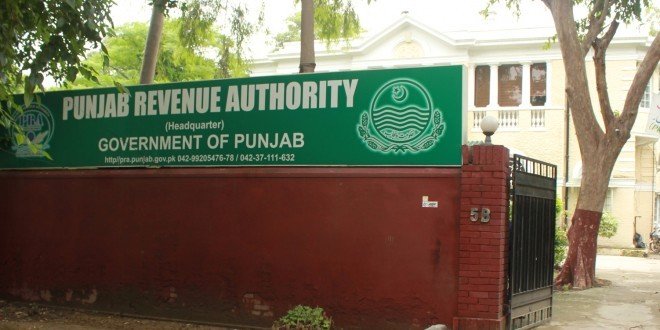
LAHORE — A World Bank delegation, led by Clelia Rontoyanni, met with Punjab Revenue Authority (PRA) Chairman Moazzam Iqbal Sipra at the PRA Headquarters on Wednesday. The meeting focused on the PRA’s reform agenda, modernization initiatives, and key institutional programs. What Happened The World Bank delegation’s visit to the PRA Headquarters in Lahore was a significant step in fostering international cooperation on tax reform and modernization. Clelia Rontoyanni, who led the delegation, engaged in discussions with PRA Chairman Moazzam Iqbal Sipra regarding the authority’s ongoing efforts to enhance its operational efficiency and transparency. During the meeting, the PRA’s reform agenda was thoroughly outlined. This agenda includes a series of modernization initiatives aimed at improving tax collection mechanisms, streamlining processes, and enhancing service delivery. Chairman Sipra emphasized the importance of these reforms in increasing the authority’s revenue collection capabilities and ensuring compliance with international standards. The discussions also covered key institutional programs that the PRA is implementing to achieve its reform objectives. These programs are designed to integrate technology into tax administration, thereby reducing manual processes and increasing accuracy in data handling. The delegation was informed about the PRA’s efforts to foster a culture of compliance among taxpayers through awareness campaigns and educational initiatives. Both parties exchanged insights on global best practices in revenue administration, with the World Bank delegation offering their expertise and support in implementing these practices within the PRA’s framework. The meeting concluded with a mutual agreement to continue collaboration and explore further opportunities for technical assistance and knowledge sharing. Background The Punjab Revenue Authority was established to streamline and enhance the tax collection process in the province of Punjab. Over the years, the authority has undertaken various initiatives to modernize its operations and improve efficiency. The PRA’s reform agenda is part of a broader effort by the Punjab government to enhance public sector governance and service delivery. The World Bank has been a longstanding partner in Pakistan’s development efforts, providing financial and technical assistance in various sectors, including tax reform. The bank’s involvement in the PRA’s reform initiatives underscores its commitment to supporting Pakistan in achieving sustainable economic growth and development. Why It Matters The meeting between the World Bank delegation and the PRA is significant for several reasons. Firstly, it highlights the ongoing efforts to modernize Pakistan’s tax administration system, which is crucial for increasing government revenue and reducing fiscal deficits. Efficient tax collection is vital for funding public services and infrastructure projects, which are essential for economic growth and development. Secondly, the collaboration with the World Bank brings international expertise and best practices to the PRA’s reform efforts. This partnership is likely to enhance the authority’s capacity to implement effective tax policies and improve compliance rates among taxpayers. By adopting global standards, the PRA can ensure greater transparency and accountability in its operations. Furthermore, the successful implementation of the PRA’s reform agenda could serve as a model for other provinces in Pakistan, encouraging them to undertake similar modernization initiatives. This could lead to a more harmonized and efficient tax administration system across the country, ultimately benefiting the national economy. Key Takeaways The World Bank delegation met with the Punjab Revenue Authority to discuss tax reform initiatives. The PRA’s reform agenda focuses on modernization, efficiency, and transparency in tax collection. International collaboration with the World Bank brings expertise and best practices to the PRA. Successful reforms could boost government revenue and serve as a model for other provinces. The meeting underscores the importance of efficient tax administration for economic growth. Source Attribution This article is based on official government statements, press releases, and public communications from relevant authorities. Author: NEN Editorial Desk | Editor: NEN Newsroom | Fact Checked By: NEN Editorial Team Author: NEN Editorial Desk  |  Editor: NEN Newsroom  |  Last Updated: July 08, 2026  |  Source: NEN Reporter This article was produced by the NEN Editorial Desk in accordance with NEN Agency’s Editorial Policy and Fact-Checking Policy.
Pakistan

Street Vendor Sells Safety Helmets Amid Traffic Concerns on Murree Road

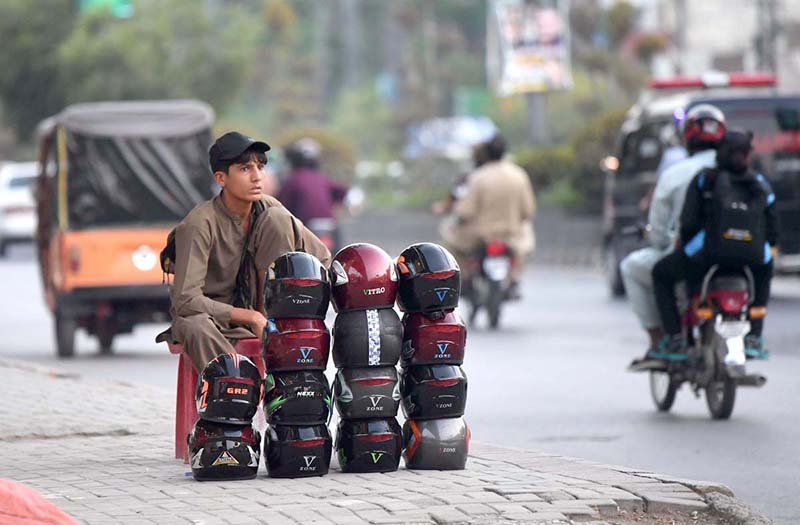
RAWALPINDI — A young vendor stationed on the bustling Murree Road is attempting to attract customers to purchase safety helmets displayed on the footpath. This scene unfolds as the vendor hopes to cater to the needs of motorcyclists in the area, which is notorious for its heavy traffic and safety concerns. What Happened The vendor, whose identity remains undisclosed, has set up a small stall on the footpath along Murree Road, a major thoroughfare in Rawalpindi. The helmets are neatly arranged, aiming to catch the attention of passersby, particularly motorcyclists who frequent this busy route. Despite the scorching July heat, the vendor remains hopeful for sales as he waits for customers. Murree Road is one of the busiest roads in Rawalpindi, connecting the city to Islamabad and serving as a critical artery for daily commuters. The presence of a vendor selling safety helmets highlights an entrepreneurial response to the high demand for protective gear among motorcyclists, who are often seen navigating the congested traffic without adequate protection. In addition to the vendor’s efforts, the road itself is experiencing significant traffic issues. A large number of motorcycles are parked on Sixth Road, a connecting street, which is creating obstacles for the smooth flow of traffic. The congestion is a growing concern for local authorities, who are being urged to address the situation to ensure safety and ease of movement for all road users. Background Murree Road has long been a focal point of traffic management challenges in Rawalpindi. As a primary route for commuters traveling between Rawalpindi and Islamabad, it is frequently congested, especially during peak hours. The road’s strategic importance has led to various infrastructure projects aimed at improving traffic flow, yet challenges persist. In Pakistan, the use of motorcycles is widespread due to their affordability and fuel efficiency. However, the lack of proper safety measures, including helmet use, has been a persistent issue. According to the Pakistan Bureau of Statistics, road traffic accidents are a leading cause of injury and fatalities in the country, with motorcyclists being particularly vulnerable. Efforts to enforce helmet laws have been inconsistent, contributing to the ongoing safety risks faced by motorcyclists. Vendors like the one on Murree Road play a crucial role in making safety gear accessible to the public, albeit in an informal setting. Why It Matters The presence of a vendor selling safety helmets on Murree Road underscores the urgent need for improved road safety measures in Pakistan. With a high number of motorcyclists using this route daily, the availability of helmets is a critical step towards reducing the risk of head injuries in the event of accidents. Economically, the vendor’s initiative reflects the entrepreneurial spirit prevalent in Pakistan, where individuals often create opportunities in response to market demands. By providing affordable safety gear, such vendors contribute to public safety while sustaining their livelihoods. Socially, the situation highlights the broader issue of road safety in Pakistan. Despite existing regulations mandating helmet use, enforcement remains lax, and public awareness campaigns are needed to emphasize the importance of protective gear. The congestion on Sixth Road further illustrates the need for comprehensive traffic management solutions to ensure the safety of all commuters. Politically, the scenario calls for action from local authorities to address both traffic congestion and safety concerns. Effective policy implementation and infrastructure improvements are essential to enhance road safety and facilitate smoother traffic flow, benefiting the citizens of Rawalpindi and beyond. Key Takeaways A vendor on Murree Road is selling safety helmets to motorcyclists, addressing a critical safety need. Murree Road is a major traffic artery in Rawalpindi, facing congestion and safety challenges. Helmet use among motorcyclists is crucial for reducing road traffic injuries and fatalities. Local authorities are urged to address the traffic congestion on Sixth Road for smoother flow. The situation highlights the need for better enforcement of road safety regulations in Pakistan. Source Attribution This article is based on official government statements, press releases, and public communications from relevant authorities. Author: NEN Editorial Desk | Editor: NEN Newsroom | Fact Checked By: NEN Editorial Team Author: NEN Editorial Desk  |  Editor: NEN Newsroom  |  Last Updated: July 08, 2026  |  Source: NEN Reporter This article was produced by the NEN Editorial Desk in accordance with NEN Agency’s Editorial Policy and Fact-Checking Policy.

Pakistan

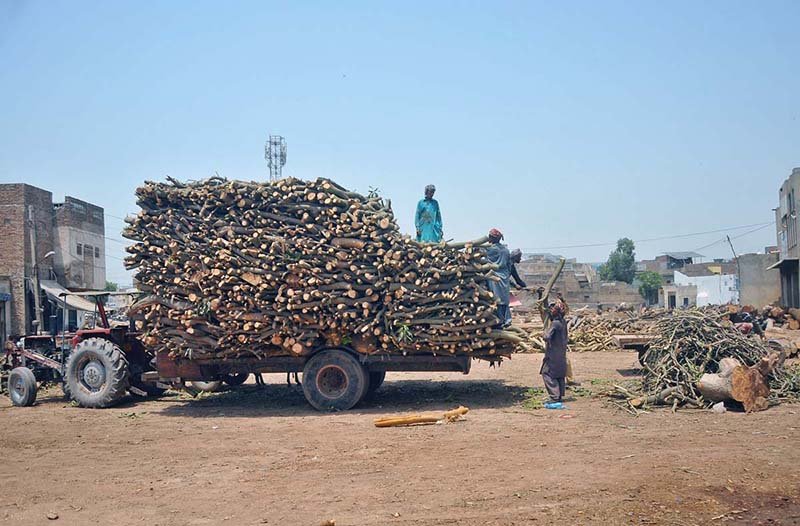
Labourers Load Timber Amid Rising Demand at Multan Wood Market

MULTAN — Labourers were observed diligently loading freshly cut timber onto tractor trolleys for transportation at a bustling local wood market in Multan on July 8. The activity highlights the ongoing demand for timber in the region, driven by construction and furniture industries. What Happened In the heart of Multan, a city known for its rich cultural heritage and vibrant markets, labourers were seen working tirelessly to load timber onto tractor trolleys. This timber, freshly cut and sourced from nearby forests, is destined for various construction and furniture manufacturing sites across the region. The workers, equipped with basic tools and machinery, coordinate to ensure the efficient loading and transportation of the timber, which is a critical resource for the local economy. One of the labourers, Muhammad Ali, shared his perspective on the work. “We start early in the morning and continue until late afternoon. The demand for timber is high, especially with ongoing construction projects in the city,” he stated. The labour-intensive process involves not only loading but also securing the timber for safe transport to its final destinations. The local wood market in Multan serves as a hub for timber traders and buyers from surrounding areas. According to market vendors, the demand for timber has seen a steady increase, particularly due to urban development projects and a surge in the furniture business. “Timber is essential for both construction and making furniture. We see a lot of customers coming in to purchase in bulk,” said a vendor at the market. Background Timber markets in Pakistan, including Multan, have historically been pivotal in supporting the construction and furniture industries. The availability of timber is largely dependent on the forestry sector, which has faced challenges such as deforestation and illegal logging. However, government initiatives aimed at reforestation and sustainable forest management have been introduced to address these issues. In recent years, the construction sector in Pakistan has experienced significant growth, spurred by urbanization and infrastructure development projects. This has led to increased demand for construction materials, including timber. Additionally, the furniture industry, which relies heavily on timber, has expanded both domestically and internationally, contributing to the economic importance of timber markets. Why It Matters The bustling activity at the Multan wood market underscores the economic significance of the timber industry in Pakistan. Timber is a critical component in construction and furniture manufacturing, sectors that are vital for economic development and employment generation. The continued demand for timber reflects broader economic trends, including urban expansion and increased consumer spending on home furnishings. From an environmental perspective, the reliance on timber also raises concerns about sustainable forestry practices. While timber markets contribute to economic growth, they also highlight the need for balanced resource management to prevent deforestation and ensure long-term ecological health. The government’s role in implementing policies for sustainable forestry is crucial to maintaining this balance. Socially, the timber industry provides employment opportunities for many labourers and traders, supporting livelihoods in both urban and rural areas. The labour-intensive nature of the work means that it remains a significant source of income for many families, particularly in regions where alternative employment options may be limited. Key Takeaways Labourers in Multan are actively engaged in loading freshly cut timber for transportation, reflecting high demand. The timber market in Multan is a key supplier for construction and furniture industries in the region. Economic growth in construction and furniture sectors drives the demand for timber, impacting local markets. Sustainable forestry practices are essential to balance economic benefits with environmental conservation. The timber industry provides crucial employment opportunities, supporting local economies and livelihoods. Source Attribution This article is based on official government statements, press releases, and public communications from relevant authorities. Author: NEN Editorial Desk | Editor: NEN Newsroom | Fact Checked By: NEN Editorial Team Author: NEN Editorial Desk  |  Editor: NEN Newsroom  |  Last Updated: July 08, 2026  |  Source: NEN Reporter This article was produced by the NEN Editorial Desk in accordance with NEN Agency’s Editorial Policy and Fact-Checking Policy.
World

AJGL Monthly Golf Match 2026 Scheduled in Lahore on July 21

ISLAMABAD — The Ace Junior Golf League (AJGL) is set to host its Monthly Match 2026 at the Lahore Garrison Greens Golf Club on July 21, offering a competitive stage for young golfers nationwide. This event is part of AJGL’s ongoing efforts to nurture emerging talent in the sport. What Happened The AJGL Monthly Match 2026, scheduled for July 21, will take place at the Lahore Garrison Greens Golf Club. The event is designed to provide young golfers from across Pakistan with an opportunity to showcase their skills in a competitive environment. According to the organisers, the match is open to both AJGL members and non-members, welcoming participants from any city. The deadline for entry submissions is set for July 20. Participants will compete in one of four age-based categories: Birdie (ages 6-10), Eagle (ages 10-14), Albatross (ages 14-18), and Elite (ages 18-21). The Birdie category will be played over nine holes, with a course yardage ranging from 2,000 to 3,000 yards. The Eagle and Albatross categories will compete over 18 holes, with yardages of 4,500-5,000 and 5,500-6,000 yards, respectively. The Elite category will also be contested over 18 holes, on a course exceeding 6,000 yards. The league is committed to adhering to international standards of golf, with prizes awarded based solely on gross scores. Four best gross prizes will be distributed in each category, contingent on the level of participation. The competition will be governed by the Rules of Golf, along with local rules established by the host club and championship committee. Participants are allowed to use distance-measuring devices, provided these devices do not include additional features. Background The Ace Junior Golf League has been instrumental in promoting junior golf in Pakistan, focusing on skill development, golf psychology, and mental strength. By organizing regular competitive events, AJGL aims to provide young golfers with the necessary exposure and experience to excel in the sport. The league’s commitment to international standards ensures that participants gain valuable insights into the competitive nature of golf at a young age. Lahore Garrison Greens Golf Club, the venue for the upcoming match, is renowned for its world-class facilities and has hosted numerous national and international golf events. The club’s commitment to maintaining high standards makes it an ideal location for the AJGL Monthly Match 2026. Why It Matters The AJGL Monthly Match 2026 holds significant importance for the development of junior golf in Pakistan. By providing a platform for young golfers to compete, the league helps to identify and nurture talent from an early age. This initiative is crucial for the long-term growth of golf in the country, as it encourages participation from diverse backgrounds and regions. Economically, events like these contribute to the local economy by attracting participants and spectators to the area, boosting tourism and related industries. Socially, the match promotes inclusivity by welcoming juniors from all backgrounds, fostering a sense of community and sportsmanship among young athletes. On an international level, the AJGL’s adherence to global standards prepares young golfers for potential participation in international tournaments, enhancing Pakistan’s reputation in the global golfing community. This exposure is vital for young athletes aspiring to compete on larger stages, potentially leading to increased opportunities for scholarships and professional careers in golf. Key Takeaways The AJGL Monthly Match 2026 will be held on July 21 at Lahore Garrison Greens Golf Club. The event is open to junior golfers from across Pakistan, with entries closing on July 20. Participants will compete in four age-based categories, adhering to international golf standards. The competition aims to promote junior golf through skill development and regular competitive opportunities. The event contributes to local economic activity and fosters inclusivity in sports. Source Attribution This article is based on official statements and public communications from the Ace Junior Golf League and event organisers. Author: NEN Editorial Desk | Editor: NEN Newsroom | Fact Checked By: NEN Editorial Team Author: NEN Editorial Desk  |  Editor: NEN Newsroom  |  Last Updated: July 08, 2026  |  Source: NEN Reporter This article was produced by the NEN Editorial Desk in accordance with NEN Agency’s Editorial Policy and Fact-Checking Policy.

World

IRSA Releases 284,600 Cusecs of Water Amid Rising Inflows

ISLAMABAD — The Indus River System Authority (IRSA) announced on Wednesday the release of 284,600 cusecs of water from various rim stations, responding to an inflow of 386,900 cusecs. This strategic release is part of IRSA’s ongoing efforts to manage water resources effectively amidst fluctuating inflow levels. What Happened According to the latest data provided by IRSA, the water level in the River Indus at Tarbela Dam has reached 1488.04 feet, which is significantly above the dead level of 1402.00 feet. The inflow and outflow at Tarbela Dam were recorded at 238,800 cusecs and 156,300 cusecs, respectively. This indicates a careful balance between storage and release to maintain optimal water levels. In the Jhelum River, the water level at Mangla Dam was recorded at 1167.70 feet, surpassing its dead level of 1,050 feet by 117.70 feet. The inflow and outflow figures for Mangla Dam stood at 31,800 cusecs and 12,000 cusecs, respectively, showcasing a managed release to ensure downstream water availability. Further downstream, the release of water at Kalabagh, Taunsa, Guddu, and Sukkur was measured at 223,700, 176,800, 112,800, and 50,000 cusecs, respectively. Additionally, River Kabul at Nowshera saw a release of 48,500 cusecs, while River Chenab at Marala released 37,900 cusecs. These figures highlight the comprehensive management of water distribution across various regions. Background IRSA, established in 1992, plays a crucial role in the equitable distribution of water resources among Pakistan’s provinces. The authority is tasked with managing the complex network of rivers and reservoirs, ensuring that water needs for agriculture, industry, and domestic use are met efficiently. Historical challenges, such as seasonal variations and regional disputes over water allocation, have necessitated a robust management framework, which IRSA continues to uphold. Pakistan’s reliance on its river systems for agriculture and hydropower generation underscores the importance of effective water management. The country’s water resources are primarily fed by the Indus River and its tributaries, making IRSA’s role pivotal in maintaining water security. Why It Matters The release of 284,600 cusecs of water by IRSA is significant for several reasons. Economically, it supports the agricultural sector, which is the backbone of Pakistan’s economy, by ensuring adequate water supply for irrigation. This, in turn, impacts food security and the livelihoods of millions of farmers who depend on consistent water availability for their crops. Socially, the management of water resources is critical in preventing conflicts between provinces over water allocation. IRSA’s role in balancing the needs of different regions helps maintain social harmony and prevents disputes that could arise from perceived inequities in water distribution. On an environmental level, the controlled release of water helps maintain ecological balance in riverine systems, supporting biodiversity and preventing issues such as soil erosion and salinity that can arise from mismanaged water resources. Internationally, effective water management by IRSA contributes to Pakistan’s ability to meet its obligations under the Indus Waters Treaty with India, a key component of regional water-sharing agreements. This ensures that Pakistan can negotiate and cooperate with its neighbors on shared water resources from a position of strength. Key Takeaways IRSA released 284,600 cusecs of water in response to an inflow of 386,900 cusecs. The water levels at Tarbela and Mangla Dams are significantly above their respective dead levels. Effective water management supports Pakistan’s agricultural sector and prevents regional disputes. IRSA’s actions are crucial for maintaining ecological balance and fulfilling international treaty obligations. The release supports both economic stability and social harmony across provinces. Source Attribution This article is based on official government statements, press releases, and public communications from relevant authorities. Author: NEN Editorial Desk | Editor: NEN Newsroom | Fact Checked By: NEN Editorial Team Author: NEN Editorial Desk  |  Editor: NEN Newsroom  |  Last Updated: July 08, 2026  |  Source: NEN Reporter This article was produced by the NEN Editorial Desk in accordance with NEN Agency’s Editorial Policy and Fact-Checking Policy.
World

Pakistani Student Honored With ‘Progress Star’ Award in China

BEIJING — A Pakistani student has been awarded the prestigious ‘Progress Star’ at Northeast Normal University (NENU) in China, recognizing his academic achievements during the second semester of the 2025-2026 academic year. The accolade highlights the student’s exceptional performance among preparatory overseas students. What Happened The ‘Progress Star’ award was conferred upon a 20-year-old Pakistani student who has distinguished himself through outstanding academic performance at Northeast Normal University, located in Changchun, China. This award is part of the university’s initiative to acknowledge and encourage academic excellence among international students. The student, whose identity has not been publicly disclosed, was recognized for his dedication and hard work in his studies, setting a benchmark for his peers. According to university officials, the ‘Progress Star’ is awarded to students who demonstrate significant improvement and excellence in their academic pursuits. The Pakistani student was selected from a pool of talented international students, underscoring the competitive nature of the award. The ceremony, held at the university campus, was attended by faculty members, international students, and representatives from the Pakistani Embassy in China. The award not only celebrates the student’s academic success but also strengthens the educational ties between Pakistan and China. It is a testament to the growing presence and impact of Pakistani students in Chinese educational institutions. The recipient expressed gratitude for the support received from both the university and the Pakistani community in China, which he credited as instrumental in his academic journey. Background Northeast Normal University is one of China’s prominent institutions, known for its emphasis on teacher education and international collaboration. The university has been hosting a significant number of international students, particularly from Pakistan, as part of China’s Belt and Road Initiative, which aims to enhance educational and cultural exchanges. Pakistani students have been increasingly enrolling in Chinese universities, attracted by the quality of education and the opportunities for cultural exchange. This trend has been facilitated by various scholarship programs and bilateral agreements between the two countries, promoting educational cooperation. The ‘Progress Star’ award is part of a broader effort by Chinese universities to recognize and reward the contributions of international students. It reflects China’s commitment to fostering a diverse and inclusive educational environment. Why It Matters The recognition of a Pakistani student with the ‘Progress Star’ award holds significant implications for both Pakistan and China. For Pakistan, it highlights the success of its students on an international platform, showcasing their ability to excel in competitive academic environments. This can inspire more Pakistani students to pursue education abroad, particularly in China, where opportunities for academic and cultural enrichment are abundant. For China, the award underscores its role as a global educational hub, attracting talent from around the world. It reinforces the country’s commitment to international education and its strategic partnerships with countries like Pakistan. The growing number of Pakistani students in China also reflects the strengthening of bilateral relations, contributing to mutual understanding and cooperation. On a broader scale, the success of Pakistani students in China can have positive economic and social impacts. Educated individuals returning to Pakistan can contribute to the country’s development, bringing new skills and perspectives gained from their experiences abroad. Moreover, such achievements can enhance Pakistan’s image on the global stage, promoting it as a nation capable of producing world-class talent. Key Takeaways A Pakistani student received the ‘Progress Star’ award at Northeast Normal University in China. The award recognizes academic excellence among preparatory overseas students. This achievement highlights the growing presence of Pakistani students in Chinese educational institutions. The award strengthens educational ties between Pakistan and China, promoting bilateral cooperation. The success of Pakistani students abroad can have positive implications for Pakistan’s development and international image. Source Attribution This article is based on official statements and public communications from Northeast Normal University and relevant authorities. Author: NEN Editorial Desk | Editor: NEN Newsroom | Fact Checked By: NEN Editorial Team Author: NEN Editorial Desk  |  Editor: NEN Newsroom  |  Last Updated: July 08, 2026  |  Source: NEN Reporter This article was produced by the NEN Editorial Desk in accordance with NEN Agency’s Editorial Policy and Fact-Checking Policy.
World

Saudi Arabia Advances Helicopter Manufacturing with Industry Workshop

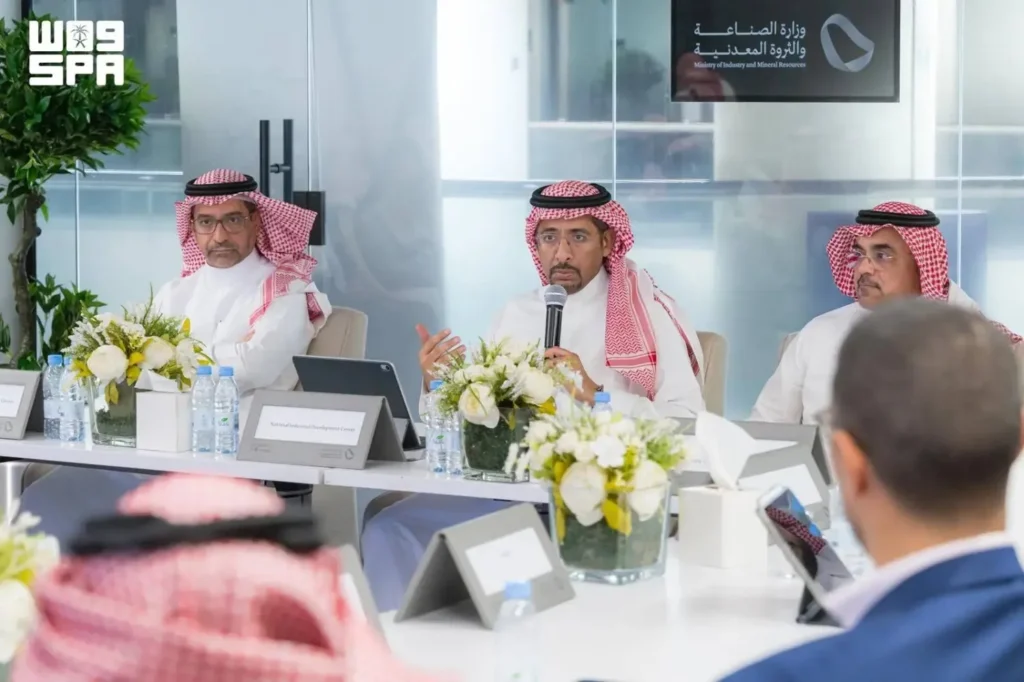
RIYADH — The Ministry of Industry and Mineral Resources of Saudi Arabia recently conducted a workshop aimed at advancing the localization of helicopter manufacturing within the Kingdom. Held in partnership with the National Center for Industrial Development and the global aviation giant Airbus, the workshop marks a significant step in Saudi Arabia’s efforts to enhance its domestic aerospace capabilities. What Happened The workshop, organized by the Ministry of Industry and Mineral Resources, focused on the Kingdom’s ambitious national helicopter manufacturing project. This initiative is part of Saudi Arabia’s broader Vision 2030 strategy, which seeks to diversify the economy and reduce reliance on oil revenues by fostering local industries. Airbus, a key player in the global aviation sector, collaborated with the ministry to provide insights and share expertise on the technical and logistical aspects of helicopter production. During the workshop, industry experts and stakeholders discussed various strategies to boost local manufacturing capabilities. The sessions included presentations on the latest technological advancements in helicopter design and production, as well as discussions on potential challenges and solutions. The workshop also highlighted the importance of developing a skilled workforce capable of supporting the industry’s growth. According to a statement from the Ministry of Industry and Mineral Resources, the workshop is a critical component of the Kingdom’s strategy to establish a robust aerospace sector. The ministry emphasized the role of international partnerships, like the one with Airbus, in achieving these goals. The collaboration is expected to facilitate technology transfer, enhance local expertise, and ultimately lead to the establishment of a self-sustaining helicopter manufacturing industry in Saudi Arabia. Background Saudi Arabia’s Vision 2030, unveiled in 2016, is a comprehensive plan to transform the Kingdom’s economy by reducing dependence on oil, diversifying income sources, and developing public service sectors such as health, education, infrastructure, recreation, and tourism. A key element of this vision is the development of local industries, including aerospace and defense, which are seen as critical to the nation’s economic diversification and security objectives. The Kingdom has been making concerted efforts to localize its defense manufacturing capabilities. In recent years, Saudi Arabia has signed several agreements with international defense companies to establish joint ventures and manufacturing facilities within the country. The focus on helicopter manufacturing aligns with these broader efforts to build a self-reliant defense industry. Why It Matters The localization of helicopter manufacturing in Saudi Arabia is significant for several reasons. Economically, it represents a move towards reducing the Kingdom’s reliance on imported military equipment, thereby retaining more capital within the country. By developing a domestic aerospace industry, Saudi Arabia can create high-skilled jobs, stimulate technological innovation, and enhance its industrial base. Politically, this initiative strengthens Saudi Arabia’s strategic autonomy. By developing local manufacturing capabilities, the Kingdom can reduce its dependence on foreign suppliers for critical defense needs, thus enhancing national security. This move is particularly important in the context of regional security dynamics, where self-reliance in defense capabilities is increasingly seen as a strategic imperative. On an international level, the collaboration with Airbus underscores Saudi Arabia’s willingness to engage with global industry leaders to achieve its Vision 2030 objectives. Such partnerships not only facilitate technology transfer but also position the Kingdom as a competitive player in the global aerospace market. Key Takeaways Saudi Arabia’s Ministry of Industry and Mineral Resources held a workshop on helicopter manufacturing localization. The initiative is part of the Kingdom’s Vision 2030 to diversify its economy and develop local industries. Airbus is collaborating with Saudi Arabia to provide expertise and facilitate technology transfer. The project aims to create high-skilled jobs and enhance Saudi Arabia’s strategic autonomy in defense. International partnerships are crucial for achieving the Kingdom’s aerospace industry goals. Source Attribution This article is based on official government statements, press releases, and public communications from relevant authorities. Author: NEN Editorial Desk | Editor: NEN Newsroom | Fact Checked By: NEN Editorial Team Author: NEN Editorial Desk  |  Editor: NEN Newsroom  |  Last Updated: July 08, 2026  |  Source: Press Release from Government of Pakistan This article was produced by the NEN Editorial Desk in accordance with NEN Agency’s Editorial Policy and Fact-Checking Policy.

World

UNGA Overwhelmingly Votes to Continue Debate on Cuba Embargo

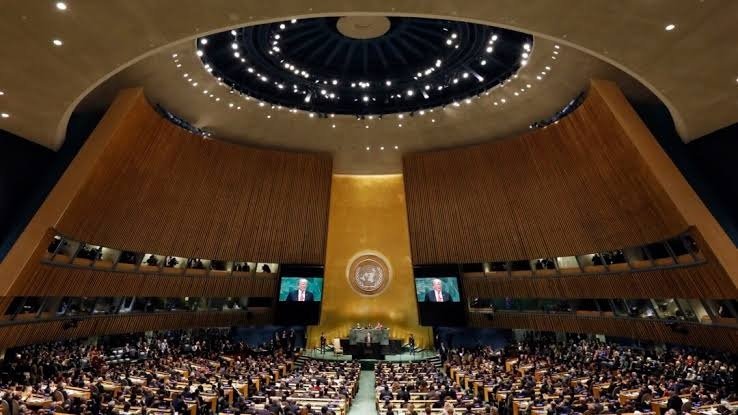
NEW YORK — The United Nations General Assembly (UNGA) voted 136-9 on Tuesday to override a United States attempt to halt discussions on the ongoing embargo against Cuba. Pakistan was among the nations advocating for the continuation of the debate, highlighting the increasing hardships faced by the Cuban population due to the decades-long sanctions. What Happened The UN General Assembly convened to address the longstanding embargo imposed by the United States on Cuba, a measure that has been in place for over six decades. In a decisive move, 136 member states voted in favor of continuing the debate, effectively rejecting the U.S. proposal to cease discussions on the matter. Nine nations sided with the U.S., while 12 abstained from the vote. Pakistan, aligning with the majority, emphasized the humanitarian impact of the embargo on the Cuban people. The Pakistani representative at the UN stated, “The embargo has not only stifled economic growth in Cuba but has also exacerbated the suffering of its citizens, particularly in the wake of global economic challenges.” The debate at the UNGA comes amid growing international calls for the lifting of the embargo, which critics argue has failed to achieve its intended political objectives while causing significant economic hardship for ordinary Cubans. The U.S., however, maintains that the embargo is a necessary tool to pressure the Cuban government on issues related to human rights and political freedoms. Background The U.S. embargo against Cuba was first imposed in 1960 following the Cuban Revolution and the nationalization of American-owned properties in Cuba. Over the years, the embargo has been strengthened through various legislative measures, including the Cuban Democracy Act of 1992 and the Helms-Burton Act of 1996. These laws aim to isolate Cuba economically until it transitions to a democratic government. Despite periodic attempts to ease restrictions, such as during the Obama administration, the core elements of the embargo remain intact. The UNGA has repeatedly called for the lifting of the embargo, with annual votes overwhelmingly in favor of ending it. However, these resolutions are non-binding and have not led to substantive policy changes by the U.S. Why It Matters The UNGA’s decision to continue the debate on the Cuban embargo underscores the growing international consensus against unilateral sanctions that disproportionately affect civilian populations. For Pakistan, supporting the debate aligns with its broader foreign policy goals of advocating for equitable international relations and humanitarian considerations. Economically, the embargo has significantly hindered Cuba’s development, limiting its access to international markets and financial systems. This has resulted in shortages of essential goods, including food and medicine, exacerbating the hardships faced by ordinary Cubans. The continuation of the debate at the UNGA keeps the issue in the international spotlight, potentially increasing pressure on the U.S. to reconsider its stance. Politically, the vote reflects a shift in global attitudes towards unilateral sanctions, with many countries advocating for multilateral approaches to conflict resolution and human rights advocacy. The debate also highlights the diplomatic isolation of the U.S. on this issue, as evidenced by the overwhelming majority against its proposal. Key Takeaways The UNGA voted 136-9 to continue discussions on the U.S. embargo against Cuba. Pakistan supported the continuation of the debate, citing humanitarian concerns. The embargo has been in place since 1960, with significant economic impacts on Cuba. The UNGA’s decision reflects a broader international consensus against unilateral sanctions. The debate maintains international pressure on the U.S. to reconsider its policy. Source Attribution This article is based on official government statements, press releases, and public communications from relevant authorities. Author: NEN Editorial Desk | Editor: NEN Newsroom | Fact Checked By: NEN Editorial Team Author: NEN Editorial Desk  |  Editor: NEN Newsroom  |  Last Updated: July 08, 2026  |  Source: NEN Reporter This article was produced by the NEN Editorial Desk in accordance with NEN Agency’s Editorial Policy and Fact-Checking Policy.

Scroll to Top