
Author name: NEN News

World

Pakistan, Kazakhstan Discuss Cooperation in Digital Transformation

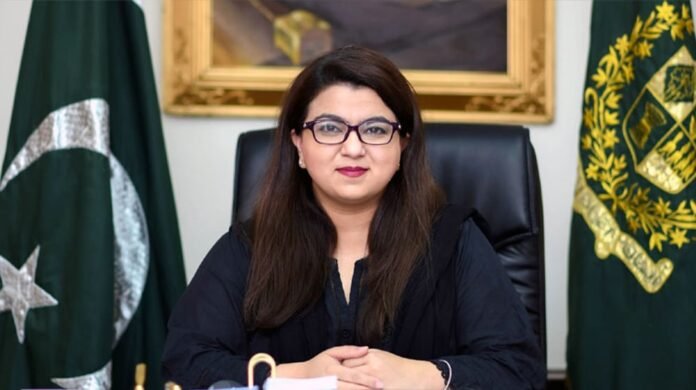
ISLAMABAD — Federal Minister for Information Technology and Telecommunication Shaza Fatima Khawaja met with Kazakhstan’s Deputy Prime Minister and Minister of Digital Development, Zhaslan Madiyev, on Monday. The meeting took place during the Geneva Digital Week and the Global Dialogue Summit, where the two leaders explored potential areas of cooperation in digital transformation. What Happened Federal Minister Shaza Fatima Khawaja engaged in a bilateral meeting with Kazakhstan’s Deputy Prime Minister Zhaslan Madiyev to discuss collaborative efforts in the realm of digital transformation. The meeting was part of her high-level engagements at the Geneva Digital Week and the Global Dialogue Summit. Both leaders expressed a keen interest in enhancing cooperation between Pakistan and Kazakhstan, particularly in the fields of information technology and digital development. During the discussions, Shaza Fatima Khawaja highlighted Pakistan’s strides in digital innovation and the government’s commitment to fostering a robust digital ecosystem. She emphasized the potential for mutual benefits through shared knowledge and expertise in digital technologies. Zhaslan Madiyev, on his part, conveyed Kazakhstan’s interest in learning from Pakistan’s experiences and implementing similar initiatives to boost its digital infrastructure. The meeting underscored the importance of international collaboration in digital transformation, with both countries recognizing the need to leverage technological advancements to drive economic growth and improve public services. The dialogue also touched upon the potential for joint ventures and partnerships in areas such as e-governance, cybersecurity, and digital skills development. Background Pakistan and Kazakhstan have historically maintained cordial relations, with both countries being members of various international organizations, including the United Nations and the Organization of Islamic Cooperation. In recent years, there has been a growing emphasis on strengthening economic and technological ties between the two nations. The Geneva Digital Week and the Global Dialogue Summit serve as platforms for countries to exchange ideas and best practices in digital transformation. These events bring together leaders and experts from around the world to discuss the challenges and opportunities presented by digital technologies. Pakistan has been actively pursuing digital transformation as part of its national agenda, with initiatives aimed at improving digital infrastructure, promoting e-governance, and enhancing digital literacy among its population. The government’s efforts are aligned with its vision to create a knowledge-based economy and position Pakistan as a key player in the global digital landscape. Why It Matters The meeting between Shaza Fatima Khawaja and Zhaslan Madiyev is significant as it highlights the growing importance of digital transformation in international relations. For Pakistan, collaboration with Kazakhstan presents an opportunity to expand its digital footprint and leverage new technologies to address domestic challenges. Economically, enhanced cooperation in digital transformation can lead to increased trade and investment opportunities between the two countries. By sharing expertise and resources, Pakistan and Kazakhstan can develop innovative solutions that drive economic growth and create new job opportunities in the digital sector. Socially, the collaboration can lead to improved public services and greater access to digital tools for citizens in both countries. This is particularly important for Pakistan, where digital inclusion remains a key priority for the government. By learning from Kazakhstan’s experiences, Pakistan can enhance its digital infrastructure and ensure that more people have access to the benefits of digital technologies. On an international level, the partnership between Pakistan and Kazakhstan can serve as a model for other countries seeking to collaborate on digital transformation initiatives. It underscores the importance of cross-border cooperation in addressing global challenges and highlights the role of technology in fostering international development. Key Takeaways Pakistan and Kazakhstan are exploring cooperation in digital transformation during high-level meetings. The discussions focused on enhancing digital infrastructure and sharing expertise in digital technologies. Collaboration can lead to economic growth, improved public services, and increased digital inclusion. The partnership underscores the importance of international cooperation in digital transformation. Pakistan aims to leverage this collaboration to enhance its position in the global digital landscape. Source Attribution This article is based on official government statements, press releases, and public communications from relevant authorities. Author: NEN Editorial Desk | Editor: NEN Newsroom | Fact Checked By: NEN Editorial Team Author: NEN Editorial Desk  |  Editor: NEN Newsroom  |  Last Updated: July 06, 2026  |  Source: Press Release from Government of Pakistan This article was produced by the NEN Editorial Desk in accordance with NEN Agency’s Editorial Policy and Fact-Checking Policy.

Pakistan

KP Government Receives Rs 34.88 Trillion in Federal Funds Over Five Years

PESHAWAR — The Khyber Pakhtunkhwa (KP) government has received more than Rs 34.88 trillion in federal funds over the past five years, according to official documents presented in the provincial assembly on Monday. These funds were transferred by the federal government under the National Finance Commission (NFC) Award between 2021 and 2025. What Happened The KP government has been allocated a substantial sum of Rs 34.88 trillion from the federal government over a period of five years, as revealed in official documents. These funds are part of the National Finance Commission (NFC) Award, which is a mechanism for the distribution of financial resources between the federal and provincial governments in Pakistan. The funds are intended to support various developmental and administrative activities within the province. The documents, presented during a session of the provincial assembly, highlight the financial allocations made from 2021 to 2025. The NFC Award is a constitutional obligation, ensuring that provinces receive a fair share of federal revenues, and these allocations are critical for the functioning and development of the provinces. The KP government has been utilizing these funds for infrastructure development, health, education, and other essential services. Speaking on the occasion, a provincial assembly member emphasized the importance of these funds in addressing the developmental needs of the province. “The federal funds have been instrumental in supporting our initiatives to improve infrastructure and public services,” the member stated. Background The National Finance Commission (NFC) Award is a constitutional mechanism established under Article 160 of the Constitution of Pakistan. It is designed to ensure a fair distribution of financial resources between the federal and provincial governments. The award is revised periodically, taking into account various factors such as population, poverty levels, and revenue generation capabilities of the provinces. Historically, the NFC Award has been a subject of significant political negotiation, with provinces often advocating for a larger share of the federal revenue pie. The current award, under which KP received its funds, reflects these negotiations and the broader fiscal policy framework aimed at equitable resource distribution. Why It Matters The allocation of Rs 34.88 trillion to the KP government is significant for several reasons. Economically, these funds are crucial for the province’s development, enabling the government to invest in critical infrastructure projects, healthcare systems, and educational institutions. Such investments are expected to enhance the quality of life for residents and stimulate economic growth within the province. Socially, the funds help address disparities in service delivery, particularly in remote and underdeveloped areas of KP. By improving access to essential services, the provincial government can work towards reducing poverty and enhancing social welfare. Politically, the distribution of funds under the NFC Award underscores the importance of federal-provincial cooperation in Pakistan’s governance structure. The equitable distribution of resources is a cornerstone of maintaining national unity and ensuring that all regions of the country can progress. Internationally, the effective utilization of these funds can enhance Pakistan’s image as a country committed to balanced regional development. It demonstrates the government’s dedication to fulfilling constitutional obligations and promoting equitable growth across its provinces. Key Takeaways The KP government received Rs 34.88 trillion in federal funds over five years under the NFC Award. The funds are aimed at supporting developmental and administrative activities in the province. The NFC Award is a constitutional mechanism for resource distribution between federal and provincial governments. The allocation supports infrastructure, health, education, and other essential services in KP. Effective use of these funds is crucial for economic growth and social welfare in the province. Source Attribution This article is based on official government statements, press releases, and public communications from relevant authorities. Author: NEN Editorial Desk | Editor: NEN Newsroom | Fact Checked By: NEN Editorial Team Author: NEN Editorial Desk  |  Editor: NEN Newsroom  |  Last Updated: July 06, 2026  |  Source: NEN Reporter This article was produced by the NEN Editorial Desk in accordance with NEN Agency’s Editorial Policy and Fact-Checking Policy.

Pakistan

Gold Prices Decrease by Rs2,400 Per Tola in Pakistan

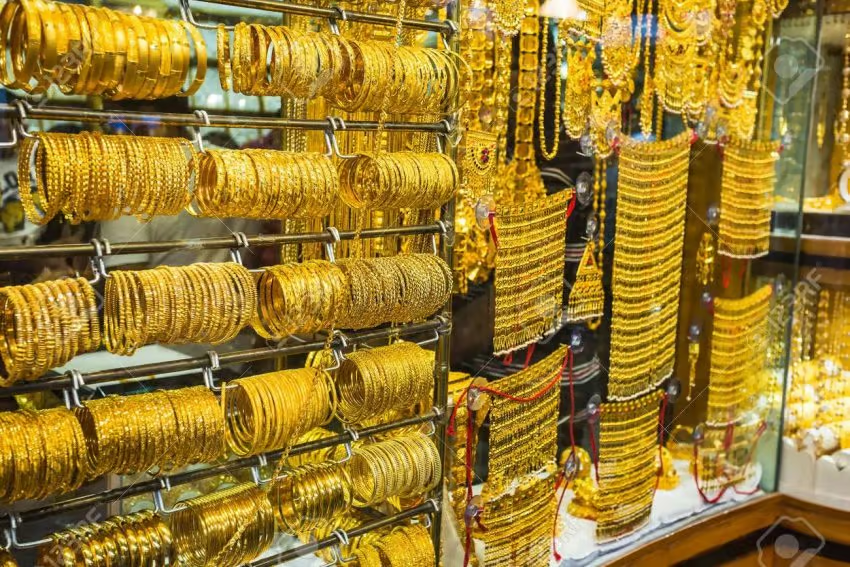
ISLAMABAD — The price of gold in Pakistan’s local market experienced a significant drop on Monday, with the rate for 24-karat gold per tola decreasing by Rs2,400. This adjustment brings the price to Rs437,436, as reported by the All Pakistan Sarafa Gems and Jewellers Association. What Happened The gold market in Pakistan saw a notable shift as prices for 24-karat gold fell by Rs2,400 per tola. This decline was confirmed by the All Pakistan Sarafa Gems and Jewellers Association, which regularly updates the market with the latest gold rates. The new price for 24-karat gold stands at Rs437,436 per tola. This change reflects fluctuations in the international gold market, which often influences local prices. The drop in gold prices comes amid varying trends in the global market, where gold rates have been subject to volatility due to economic uncertainties and geopolitical tensions. In Pakistan, gold is not only a precious metal but also a popular investment and a traditional component of cultural ceremonies, making its price a matter of significant interest to the public. Market analysts suggest that the recent decrease in gold prices could be attributed to a stronger Pakistani rupee against the US dollar, as well as changes in international gold prices. The local currency’s performance often impacts the cost of imported goods, including gold, which is primarily traded in US dollars. Background Gold has historically been a preferred form of investment in Pakistan, serving as a hedge against inflation and currency devaluation. The country’s gold market is influenced by several factors, including international gold prices, currency exchange rates, and domestic demand. The All Pakistan Sarafa Gems and Jewellers Association plays a crucial role in setting and announcing daily gold rates, which are keenly followed by investors and consumers alike. Over the past few years, gold prices in Pakistan have seen significant fluctuations, often mirroring global trends. The COVID-19 pandemic, for instance, led to a surge in gold prices worldwide as investors sought safe-haven assets amidst economic uncertainty. However, as global economies began to recover, gold prices started to stabilize, though they remain sensitive to geopolitical developments and economic indicators. Why It Matters The decrease in gold prices has several implications for Pakistan’s economy and its citizens. For consumers, particularly those planning weddings or other cultural events where gold jewelry is traditionally exchanged, the reduction in prices could offer some financial relief. Lower gold prices may encourage more purchases, boosting the local jewelry market. From an economic perspective, the drop in gold prices could indicate a strengthening of the Pakistani rupee, which would be a positive sign for the country’s economy. A stronger currency can reduce the cost of imports, including gold, and help manage inflationary pressures. However, for investors who have traditionally relied on gold as a safe investment, the decrease in prices might prompt a reevaluation of their investment strategies. They may need to consider diversifying their portfolios to mitigate risks associated with gold price volatility. Internationally, the fluctuation in gold prices can affect Pakistan’s trade balance, as gold is a significant import. A decrease in gold prices may reduce the overall import bill, potentially improving the country’s trade deficit. Key Takeaways The price of 24-karat gold in Pakistan has decreased by Rs2,400 per tola, now at Rs437,436. This change reflects fluctuations in the international gold market and the strengthening of the Pakistani rupee. Lower gold prices could benefit consumers, especially those purchasing jewelry for cultural events. Investors may need to reassess their strategies due to the volatility in gold prices. The decrease may positively impact Pakistan’s trade balance by reducing the import bill. Source Attribution This article is based on official statements from the All Pakistan Sarafa Gems and Jewellers Association and public communications from relevant authorities. Author: NEN Editorial Desk | Editor: NEN Newsroom | Fact Checked By: NEN Editorial Team Author: NEN Editorial Desk  |  Editor: NEN Newsroom  |  Last Updated: July 06, 2026  |  Source: NEN Reporter This article was produced by the NEN Editorial Desk in accordance with NEN Agency’s Editorial Policy and Fact-Checking Policy.
World

Pakistan Plans Rs 9.8 Billion Footwear Hub Near Lahore to Boost Investment

ISLAMABAD — The Pakistani government has unveiled plans to establish a Rs 9.8 billion footwear industrial hub near Lahore, aiming to attract substantial foreign investment and modernize the sector. The initiative, spearheaded by the Ministry of Industries and Production, is set to transform the country’s footwear manufacturing landscape. What Happened The government has announced its intention to develop a dedicated footwear industrial hub near Lahore, with a total investment of Rs 9.8 billion. This project is part of a strategic effort to enhance Pakistan’s industrial capabilities and attract foreign investment into the footwear sector. Official documents indicate that the Small and Medium Enterprises Development Authority (SMEDA) will lead the project execution, with the Board of Investment (BoI) and provincial industry departments serving as key partners. The footwear sector in Pakistan, particularly around Lahore, is currently characterized by informal and semi-organized production units. The absence of a dedicated industrial zone has led to fragmented manufacturing, elevated logistics costs, and limited technological advancements. The new hub aims to address these issues by offering a purpose-built industrial platform equipped with necessary infrastructure and compliance services. The project is scheduled to be completed over five years, with phased funding allocations: Rs 280 million in FY2026-27, Rs 5.32 billion in FY2027-28, Rs 2.8 billion in FY2028-29, and Rs 1.4 billion in FY2029-30. The hub will include facilities such as internal roads, electricity and gas supply networks, water and sanitation systems, and shared utility buildings. A significant feature of the hub will be a technology adoption platform, including a demonstration center with modern equipment like cutting lines and automated stitching machinery. This is expected to facilitate technology transfer and enable manufacturers to shift towards higher-value, export-oriented production. Background Pakistan’s footwear industry has long been a significant contributor to the economy, yet it has struggled with challenges related to informal production and lack of infrastructure. Historically, the sector has relied on small-scale operations with limited access to modern technology and investment. The government’s new initiative seeks to change this by providing a structured environment that encourages growth and attracts international investors. The initiative aligns with broader economic policies aimed at industrialization and export enhancement. By creating a specialized hub, the government hopes to replicate the success of similar industrial zones in other sectors, which have proven effective in boosting productivity and exports. Why It Matters The establishment of the footwear industrial hub is poised to have significant economic and social impacts. Economically, it is expected to attract both domestic and foreign investment, thereby increasing production capacity and export potential. The hub’s focus on technology adoption will likely lead to higher-quality products and enhanced competitiveness in international markets. Socially, the project promises to create numerous job opportunities, contributing to economic development in the region. By formalizing the sector and providing modern infrastructure, the hub could significantly improve working conditions and wages for workers traditionally employed in informal settings. Politically, the project demonstrates the government’s commitment to industrial development and economic diversification. It aligns with national goals of increasing exports and reducing reliance on traditional sectors like agriculture. The successful implementation of the hub could serve as a model for other industries seeking similar modernization and investment attraction. Key Takeaways The Pakistani government plans to establish a Rs 9.8 billion footwear industrial hub near Lahore. The project aims to attract foreign investment and modernize the footwear sector. SMEDA will lead the execution, with support from the BoI and provincial departments. The hub will include technology adoption platforms and shared facilities to boost production. The initiative is expected to enhance exports, create jobs, and improve sector competitiveness. Source Attribution The article is based on official government statements, press releases, and public communications from relevant authorities. Author: NEN Editorial Desk | Editor: NEN Newsroom | Fact Checked By: NEN Editorial Team Author: NEN Editorial Desk  |  Editor: NEN Newsroom  |  Last Updated: July 06, 2026  |  Source: Press Release from Ministry of Industries & Production This article was produced by the NEN Editorial Desk in accordance with NEN Agency’s Editorial Policy and Fact-Checking Policy.
World

Xi Jinping Congratulates Trump on 250th Anniversary of U.S. Independence

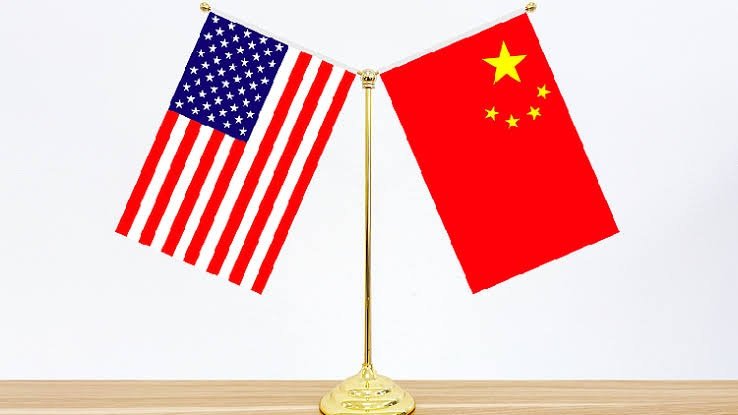
BEIJING — Chinese President Xi Jinping extended his congratulations to former U.S. President Donald Trump on the occasion of the 250th anniversary of the United States’ Declaration of Independence, according to a statement from the Chinese foreign ministry. The message was conveyed by spokesperson Mao Ning on Monday, reflecting China’s diplomatic engagement with the U.S. during this significant milestone. What Happened President Xi Jinping’s message was delivered on behalf of both the Chinese government and its people, marking a gesture of goodwill towards the United States. The congratulatory note highlights the importance China places on maintaining diplomatic relations with the U.S., despite ongoing tensions between the two nations. The Chinese foreign ministry spokesperson, Mao Ning, emphasized the significance of this anniversary, acknowledging the historical importance of the U.S. Declaration of Independence, which was adopted on July 4, 1776. The message from President Xi was part of a broader diplomatic tradition where leaders exchange greetings on national holidays and significant anniversaries. This practice is seen as a way to reinforce bilateral ties and promote mutual understanding, even amid geopolitical challenges. The Chinese government’s acknowledgment of the U.S. milestone underscores its recognition of the historical and global influence of the United States. Background The United States declared its independence from Great Britain on July 4, 1776, a pivotal moment in world history that laid the foundation for the modern democratic state. The Declaration of Independence, primarily authored by Thomas Jefferson, articulated the colonies’ desire for sovereignty and self-governance. Over the centuries, the U.S. has commemorated this event as Independence Day, a federal holiday celebrated with various patriotic displays and activities. China and the United States have had a complex relationship characterized by cooperation and competition. While economic ties have been strong, political and military tensions have occasionally strained relations. Recent years have seen increased friction over trade, technology, and regional security issues. Despite these challenges, both nations have continued to engage diplomatically, recognizing the importance of their bilateral relationship in addressing global issues. Why It Matters The exchange of congratulatory messages between China and the U.S. is significant in the context of their current diplomatic relations. As two of the world’s largest economies and influential global powers, the nature of their relationship has far-reaching implications for international stability and economic growth. President Xi’s message to former President Trump may also signal China’s intent to maintain open lines of communication with the U.S., regardless of leadership changes in Washington. For the U.S., China’s acknowledgment of its independence anniversary serves as a reminder of the global recognition of its historical achievements and its role as a leader in promoting democratic values. This gesture can be seen as an opportunity to foster dialogue and potentially ease tensions, contributing to a more stable international environment. Moreover, the diplomatic exchange underscores the importance of historical milestones in international relations. Such events provide a platform for countries to reaffirm their commitment to peaceful coexistence and mutual respect, which are essential for addressing shared global challenges such as climate change, public health, and economic development. Key Takeaways President Xi Jinping congratulated former U.S. President Donald Trump on the 250th anniversary of the U.S. Declaration of Independence. The message was delivered by Chinese foreign ministry spokesperson Mao Ning, emphasizing diplomatic engagement. The U.S. Declaration of Independence is a significant historical event, marking the birth of the modern democratic state. China and the U.S. have a complex relationship, balancing cooperation with competition in various spheres. The exchange highlights the importance of maintaining diplomatic channels amid global tensions. Source Attribution This article is based on official government statements and public communications from relevant authorities. Author: NEN Editorial Desk | Editor: NEN Newsroom | Fact Checked By: NEN Editorial Team Author: NEN Editorial Desk  |  Editor: NEN Newsroom  |  Last Updated: July 06, 2026  |  Source: Press Release from Government of Pakistan This article was produced by the NEN Editorial Desk in accordance with NEN Agency’s Editorial Policy and Fact-Checking Policy.

Pakistan

Kyodo News Bureau Chief Meets APP Managing Director in Islamabad

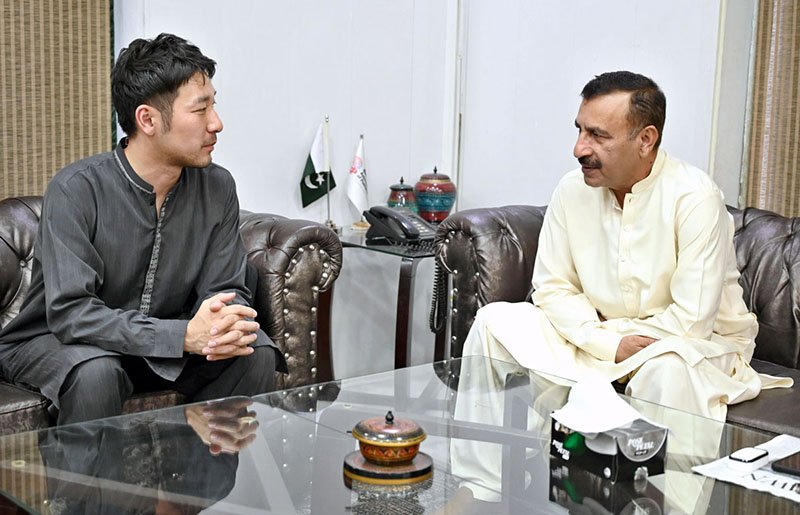
ISLAMABAD — Tatsuya Suga, the Islamabad Bureau Chief for Kyodo News, a prominent Japanese news agency, met with Muhammad Asim Khichi, the Managing Director of the Associated Press of Pakistan (APP), at the APP Headquarters in Islamabad on July 6. The meeting aimed to foster media collaboration and explore opportunities for mutual cooperation between the two news agencies. What Happened The meeting between Tatsuya Suga and Muhammad Asim Khichi was held at the APP Headquarters, marking a significant step in strengthening ties between the Japanese and Pakistani media outlets. During the meeting, both parties discussed various aspects of media collaboration, including the exchange of news content and the potential for joint projects that could benefit both agencies. Muhammad Asim Khichi, while welcoming Tatsuya Suga, emphasized the importance of international cooperation in the media sector. He stated, “The exchange of news and information between APP and Kyodo News can enhance the understanding of our respective audiences and contribute to a more informed global community.” Tatsuya Suga expressed his appreciation for the warm reception and highlighted the significance of the meeting in building a bridge between the two countries through media. He remarked, “Kyodo News is keen to explore avenues for collaboration with APP, as such partnerships are crucial in today’s interconnected world.” As a gesture of goodwill, Muhammad Asim Khichi presented a souvenir to Tatsuya Suga, symbolizing the beginning of what both parties hope will be a fruitful partnership. Background The Associated Press of Pakistan, established in 1947, is the country’s national news agency, providing news coverage on a wide range of topics, including politics, economy, and culture. It plays a pivotal role in disseminating information both domestically and internationally. Kyodo News, founded in 1945, is one of Japan’s leading news agencies, known for its comprehensive coverage of domestic and international news. With a network of correspondents across the globe, Kyodo News is a significant player in the global media landscape. This meeting is part of APP’s ongoing efforts to expand its international partnerships and enhance its global reach. By collaborating with international news agencies like Kyodo News, APP aims to bring diverse perspectives to its audience and enrich its news content. Why It Matters The meeting between Kyodo News and APP is significant for several reasons. Firstly, it underscores the importance of international media cooperation in an era where global events are increasingly interconnected. By sharing news and insights, both agencies can provide their audiences with a more comprehensive understanding of global issues. Economically, such collaborations can lead to the sharing of resources and expertise, potentially reducing costs and increasing efficiency for both agencies. This can be particularly beneficial in an industry where financial constraints are a common challenge. Socially, the partnership can foster greater cultural understanding between Japan and Pakistan. By exchanging news stories and cultural content, both countries can learn more about each other’s societies, traditions, and values, promoting mutual respect and appreciation. On a broader scale, this collaboration aligns with Pakistan’s efforts to strengthen its international relations and enhance its global image. By partnering with a reputable Japanese news agency, APP can showcase Pakistan’s developments and achievements to a wider audience, potentially attracting international interest and investment. Key Takeaways Tatsuya Suga of Kyodo News met with APP Managing Director Muhammad Asim Khichi in Islamabad. The meeting focused on enhancing media collaboration and exploring joint projects. Both agencies aim to exchange news content to provide diverse perspectives to their audiences. The partnership can foster cultural understanding and strengthen international relations. APP’s collaboration with Kyodo News aligns with its goal to expand its global reach. Source Attribution This article is based on official government statements, press releases, and public communications from relevant authorities. Author: NEN Editorial Desk | Editor: NEN Newsroom | Fact Checked By: NEN Editorial Team Author: NEN Editorial Desk  |  Editor: NEN Newsroom  |  Last Updated: July 06, 2026  |  Source: Press Release from Government of Pakistan This article was produced by the NEN Editorial Desk in accordance with NEN Agency’s Editorial Policy and Fact-Checking Policy.

World

Pakistan-Russia Conference Highlights Academic Collaboration

ISLAMABAD — The First Pakistan–Russia International Student Research Conference, held for the 2025–2026 academic year, has underscored the growing academic collaboration between the two nations. Organized jointly by the Department of International Relations at the Federal Urdu University of Arts, Science and Technology (FUUAST) in Islamabad, the Financial University under the Government of the Russian Federation in Moscow, and the Consortium for Asia Pacific & Eurasian Studies (CAPES), the event was conducted online, facilitating a wide range of academic exchanges. What Happened The conference, which took place virtually, served as a platform for students and academics from Pakistan and Russia to present their research findings and discuss potential areas for further cooperation. Participants engaged in discussions on various topics, including international relations, economic strategies, and cultural exchanges. The event was marked by a series of presentations and panel discussions that highlighted the importance of academic partnerships in fostering mutual understanding and cooperation between the two countries. Dr. Muhammad Zafar Iqbal, head of the Department of International Relations at FUUAST, emphasized the significance of such collaborations in enhancing educational standards and research capabilities. “This conference is a testament to the strong academic ties between Pakistan and Russia, and it opens new avenues for joint research projects and academic exchanges,” he stated. Representatives from the Financial University in Moscow echoed these sentiments, noting that the collaboration would not only benefit the academic communities in both countries but also contribute to broader geopolitical understanding. The event featured over 50 research papers and presentations, with topics ranging from economic policy to cultural diplomacy. Background Pakistan and Russia have been strengthening their bilateral relations over recent years, with a particular focus on education and research. Historically, the two countries have shared a complex relationship, influenced by geopolitical dynamics and regional alliances. However, recent efforts have been made to enhance cooperation in various sectors, including education, energy, and defense. The establishment of academic partnerships is part of a broader strategy to build people-to-people connections and foster long-term collaboration. The Pakistan-Russia International Student Research Conference is one of several initiatives aimed at promoting educational exchanges and joint research endeavors. Why It Matters The academic collaboration between Pakistan and Russia holds significant implications for both countries. For Pakistan, engaging with Russian academic institutions provides access to advanced research methodologies and educational resources, which can enhance the quality of education and research output in the country. This collaboration also aligns with Pakistan’s broader educational goals of improving higher education standards and fostering international partnerships. On the international stage, the strengthening of Pakistan-Russia academic ties can contribute to a more balanced geopolitical landscape. As both countries seek to diversify their international alliances, academic collaboration serves as a non-political avenue to build trust and understanding. This can potentially lead to increased cooperation in other areas, such as trade and security. For Russia, engaging with Pakistani academic institutions offers an opportunity to expand its influence in South Asia and to gain insights into the region’s socio-political dynamics. The collaboration can also facilitate cultural exchanges, helping to break down stereotypes and build mutual respect between the two nations. Key Takeaways The First Pakistan–Russia International Student Research Conference highlights growing academic ties between the two countries. The event featured over 50 research papers and presentations, fostering academic exchanges. Such collaborations enhance educational standards and research capabilities in both nations. The partnership aligns with broader geopolitical strategies to diversify international alliances. Academic collaboration can lead to increased cooperation in trade and security. Source Attribution This article is based on official government statements, press releases, and public communications from relevant authorities. Author: NEN Editorial Desk | Editor: NEN Newsroom | Fact Checked By: NEN Editorial Team Author: NEN Editorial Desk  |  Editor: NEN Newsroom  |  Last Updated: July 06, 2026  |  Source: NEN Reporter This article was produced by the NEN Editorial Desk in accordance with NEN Agency’s Editorial Policy and Fact-Checking Policy.

Pakistan

PCB Unveils AI-Powered TruMan 3 Bowling Machine at NCA Lahore

LAHORE — The Pakistan Cricket Board (PCB) has made history by becoming the first cricket board globally to introduce the AI-powered TruMan 3 bowling machine. The unveiling took place on Monday at the National Cricket Academy (NCA) in Lahore, marking a significant advancement in the use of technology for player development. What Happened The Pakistan Cricket Board (PCB) on Monday introduced the TruMan 3, an advanced AI-powered bowling machine, at the National Cricket Academy (NCA) in Lahore. This innovative machine is designed to simulate a wide range of bowling styles and conditions, offering players an unprecedented level of training precision. The TruMan 3 utilizes artificial intelligence to mimic the delivery styles of various bowlers, allowing players to practice against different types of deliveries, from fast-paced bouncers to deceptive spin balls. According to PCB officials, the machine’s AI capabilities will enable it to analyze a batsman’s performance and adjust its deliveries to target specific weaknesses, thereby providing a more tailored and effective training experience. The introduction of the TruMan 3 is part of the PCB’s broader strategy to integrate advanced technology into cricket training and player development programs. PCB Chairman Zaka Ashraf commented on the unveiling, stating, “The TruMan 3 represents a leap forward in how we prepare our players. By harnessing AI technology, we can offer our athletes a more dynamic and challenging training environment, which is crucial for their growth and success on the international stage.” Background The introduction of AI technology in sports is not entirely new, but its application in cricket has been limited until now. The PCB’s decision to adopt the TruMan 3 reflects a growing trend among sports organizations to leverage technology for performance enhancement. Historically, cricket training has relied heavily on human coaches and traditional equipment, but the advent of AI presents new opportunities to refine training methodologies. In recent years, the PCB has been actively seeking ways to improve its training facilities and methodologies. The National Cricket Academy in Lahore has been at the forefront of these efforts, serving as a hub for innovation and development in Pakistani cricket. The integration of the TruMan 3 into the NCA’s training regimen is expected to set a new standard for cricket training in Pakistan and beyond. Why It Matters The introduction of the TruMan 3 AI-powered bowling machine is a significant development for the PCB and Pakistani cricket as a whole. This move underscores the PCB’s commitment to modernizing its training facilities and adopting cutting-edge technology to enhance player performance. By providing players with access to advanced training tools, the PCB aims to improve the competitiveness of Pakistani cricketers on the international stage. Economically, the adoption of such technology could have far-reaching implications for the PCB. As the first cricket board to implement the TruMan 3, the PCB positions itself as a leader in cricket innovation, potentially attracting sponsorships and partnerships with tech companies. This could lead to increased investment in Pakistani cricket, benefiting players and the sport’s infrastructure. On a broader scale, the use of AI in cricket training could influence other cricket boards to follow suit, leading to a global shift in how the sport is practiced and played. The PCB’s pioneering step may inspire other nations to explore similar technological advancements, ultimately raising the standard of cricket worldwide. Key Takeaways The PCB has introduced the AI-powered TruMan 3 bowling machine at the NCA in Lahore. This makes the PCB the first cricket board in the world to adopt this technology. The TruMan 3 uses AI to simulate various bowling styles and tailor training to individual players. The move is part of the PCB’s strategy to modernize cricket training and enhance player performance. The adoption of AI technology could attract new investments and partnerships for the PCB. Source Attribution This article is based on official statements from the Pakistan Cricket Board and public communications from relevant authorities. Author: NEN Editorial Desk | Editor: NEN Newsroom | Fact Checked By: NEN Editorial Team Author: NEN Editorial Desk  |  Editor: NEN Newsroom  |  Last Updated: July 06, 2026  |  Source: NEN Reporter This article was produced by the NEN Editorial Desk in accordance with NEN Agency’s Editorial Policy and Fact-Checking Policy.

World

National Bank of Pakistan Releases Updated Foreign Exchange Rates

KARACHI — The Treasury Management Division of the National Bank of Pakistan (NBP) released the latest foreign exchange rates on Monday, providing updated figures for various global currencies. These rates are crucial for businesses, investors, and individuals engaged in foreign trade and transactions. What Happened The National Bank of Pakistan’s Treasury Management Division announced the exchange rates for a range of international currencies against the Pakistani Rupee. As of the latest update, the US Dollar (USD) is being sold at 278.50 PKR and bought at 278.00 PKR. The Euro (EUR) stands at a selling rate of 318.37 PKR and a buying rate of 317.80 PKR. The British Pound (GBP) is listed at 371.58 PKR for selling and 370.91 PKR for buying. Other notable currencies include the Japanese Yen (JPY), which is being sold at 1.7209 PKR and bought at 1.7178 PKR, and the Swiss Franc (CHF), with a selling rate of 346.23 PKR and a buying rate of 345.60 PKR. The Canadian Dollar (CAD) is available at 195.99 PKR for selling and 195.64 PKR for buying, while the Australian Dollar (AUD) is at 192.89 PKR for selling and 192.54 PKR for buying. In addition, the exchange rates for Scandinavian currencies such as the Swedish Krona (SEK) and Norwegian Krone (NOK) are 28.86 PKR and 28.31 PKR for selling, respectively. The Danish Krone (DKK) is listed at a selling rate of 42.60 PKR. Other currencies such as the New Zealand Dollar (NZD), Singapore Dollar (SGD), and Hong Kong Dollar (HKD) are priced at 158.38 PKR, 215.47 PKR, and 35.51 PKR for selling, respectively. The rates for the Korean Won (KRW), Chinese Yuan (CNY), and Malaysian Ringgit (MYR) are also provided, with selling rates of 0.1818 PKR, 41.01 PKR, and 68.35 PKR, respectively. The Thai Baht (THB) is at 8.38 PKR, the UAE Dirham (AED) at 75.83 PKR, and the Saudi Riyal (SAR) at 74.18 PKR for selling. For frozen foreign currency deposits, the conversion rates are slightly adjusted, with the USD at 278.0921 PKR, GBP at 371.8647 PKR, EUR at 318.4988 PKR, and JPY at 1.7289 PKR. Background The National Bank of Pakistan, a key player in the country’s banking sector, regularly updates its foreign exchange rates to reflect global market conditions. These rates are essential for determining the value of foreign currencies in local transactions and are used by businesses and individuals involved in international trade, travel, and investment. Exchange rates are influenced by various factors, including economic indicators, geopolitical events, and market speculation. The NBP, as a state-owned institution, plays a critical role in stabilizing the currency market by providing transparent and timely updates on exchange rates. Why It Matters Accurate and up-to-date exchange rates are vital for Pakistan’s economy, which relies heavily on imports and exports. The fluctuation of currency values can significantly impact the cost of goods and services, affecting inflation and purchasing power. For businesses engaged in international trade, these rates determine the profitability of transactions and influence pricing strategies. For individuals, especially those who remit money from abroad, exchange rates affect the amount of local currency received. This is particularly important in Pakistan, where remittances form a substantial part of the economy. The timely release of exchange rates by the NBP helps individuals and businesses make informed financial decisions. On a broader scale, exchange rates reflect the country’s economic health and stability. A stable currency can attract foreign investment, while volatility may deter investors. Therefore, the NBP’s role in providing reliable exchange rates is crucial for maintaining economic confidence and stability. Key Takeaways The NBP has released updated exchange rates for various international currencies against the Pakistani Rupee. The US Dollar is being sold at 278.50 PKR and bought at 278.00 PKR. Exchange rates are crucial for businesses and individuals engaged in foreign trade and transactions. Timely updates on exchange rates help maintain economic stability and confidence. Exchange rates are influenced by global market conditions and economic indicators. Source Attribution This article is based on official government statements, press releases, and public communications from relevant authorities. Author: NEN Editorial Desk | Editor: NEN Newsroom | Fact Checked By: NEN Editorial Team Author: NEN Editorial Desk  |  Editor: NEN Newsroom  |  Last Updated: July 06, 2026  |  Source: NEN Reporter This article was produced by the NEN Editorial Desk in accordance with NEN Agency’s Editorial Policy and Fact-Checking Policy.

World

Pakistan’s Exchange Rates Adjusted Amid Global Economic Shifts

KARACHI — The Exchange Rates Committee of the Financial Markets Association of Pakistan has released the latest foreign exchange rates bulletin, reflecting updated conversion rates for major currencies as of July 6, 2026. These rates are crucial for forward cover for deposits, excluding FE-25 deposits, with the State Bank of Pakistan (SBP) settlement value date set for July 8, 2026. What Happened The committee announced the following conversion rates: the US dollar (USD) stands at 278.0921 Pakistani rupees, the British pound (GBP) at 371.8647 rupees, the euro (EUR) at 318.4788 rupees, and the Japanese yen (JPY) at 1.7289 rupees. These rates are determined by the committee’s assessment of current market conditions and are used by financial institutions for various transactions, including forward contracts and currency hedging. These adjustments come as Pakistan navigates a complex global economic landscape, with fluctuating currency values impacting trade, investment, and economic planning. The exchange rates are crucial for businesses engaged in international trade, as they affect the cost of imports and exports, influencing pricing strategies and profit margins. According to the Financial Markets Association, these rates are set after careful consideration of international currency trends and domestic economic indicators. The association plays a key role in ensuring that Pakistan’s financial markets operate smoothly and efficiently, providing necessary guidance to market participants. Background Exchange rates in Pakistan are influenced by a variety of factors, including global economic trends, domestic economic policies, and geopolitical developments. Historically, the Pakistani rupee has faced depreciation pressures due to trade imbalances, inflation, and external debt obligations. The State Bank of Pakistan, along with financial associations, monitors these trends closely to stabilize the currency and maintain economic stability. In recent years, Pakistan has implemented several measures to strengthen its foreign exchange reserves and improve the balance of payments. These include securing loans from international financial institutions, encouraging remittances from overseas Pakistanis, and promoting exports. The exchange rate policy is a critical component of these efforts, as it directly affects the country’s economic competitiveness and financial health. Why It Matters The adjustment of exchange rates has significant implications for Pakistan’s economy. A stronger US dollar, for instance, can increase the cost of imports, leading to higher prices for goods and services within the country. This can contribute to inflationary pressures, affecting the purchasing power of consumers and overall economic stability. Conversely, a weaker rupee can make Pakistani exports more competitive in international markets, potentially boosting export revenues and supporting economic growth. However, it also increases the cost of servicing foreign debt, which is a major concern for Pakistan given its substantial external liabilities. For businesses and investors, understanding exchange rate trends is crucial for making informed financial decisions. Companies involved in international trade must manage currency risk to protect their profit margins, while investors consider exchange rate movements when assessing the potential returns on foreign investments. On a broader scale, exchange rate stability is essential for maintaining investor confidence and attracting foreign direct investment. It signals economic stability and sound financial management, which are key factors for long-term economic development. Key Takeaways The Financial Markets Association of Pakistan has issued updated exchange rates for July 6, 2026. The US dollar is valued at 278.0921 rupees, the British pound at 371.8647 rupees, the euro at 318.4788 rupees, and the Japanese yen at 1.7289 rupees. Exchange rate adjustments impact trade costs, inflation, and economic planning in Pakistan. Understanding currency trends is crucial for businesses and investors managing financial risks. Stable exchange rates are vital for attracting investment and ensuring economic stability. Source Attribution This article is based on official government statements, press releases, and public communications from relevant authorities. Author: NEN Editorial Desk | Editor: NEN Newsroom | Fact Checked By: NEN Editorial Team Author: NEN Editorial Desk  |  Editor: NEN Newsroom  |  Last Updated: July 06, 2026  |  Source: NEN Reporter This article was produced by the NEN Editorial Desk in accordance with NEN Agency’s Editorial Policy and Fact-Checking Policy.

Scroll to Top