
Author name: NEN News

World

President Zardari Embarks On Historic Four-Day Visit To Kyrgyz Republic

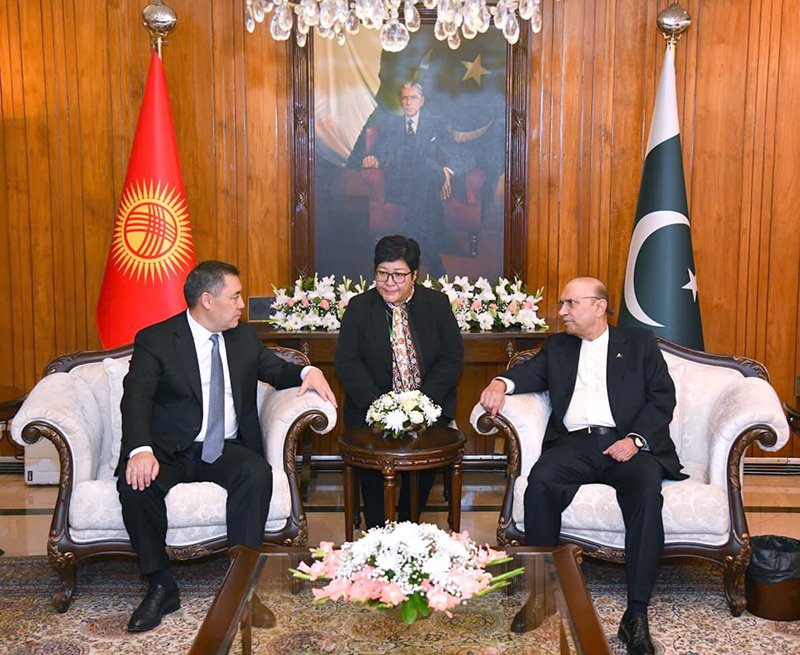
ISLAMABAD — President Asif Ali Zardari commenced a four-day official visit to the Kyrgyz Republic on July 6, 2026, marking the first visit by a Pakistani president to the Central Asian nation in over two decades. The visit, which runs until July 9, is at the invitation of Kyrgyz President Sadyr Zhaparov and is aimed at strengthening bilateral ties. What Happened President Zardari’s visit represents a significant moment in Pakistan-Kyrgyzstan relations, being the first presidential visit in 21 years. The trip follows Kyrgyz President Sadyr Zhaparov’s visit to Pakistan in December 2025, highlighting a renewed commitment to enhancing diplomatic engagement between the two countries. According to a press release from the President House, the visit underscores the upward trajectory of high-level interactions. During his stay, President Zardari is scheduled to engage in a one-on-one meeting with President Zhaparov, followed by delegation-level talks. These discussions are expected to cover a wide range of topics, including trade, investment, energy, mining, agriculture, textiles, the halal industry, healthcare, pharmaceuticals, the digital economy, education, tourism, and people-to-people exchanges. In addition to these talks, President Zardari will also meet with the Speaker of the Kyrgyz Parliament for a courtesy call. This visit is seen as an opportunity to further solidify the warm and fraternal relations that Pakistan and Kyrgyzstan share, rooted in common history, faith, culture, and aspirations for regional peace and prosperity. Background Pakistan and Kyrgyzstan have enjoyed longstanding diplomatic relations since the latter’s independence following the dissolution of the Soviet Union in 1991. The two countries have cooperated on various fronts, including trade, cultural exchanges, and regional security. The last visit by a Pakistani president to Kyrgyzstan was in 2005, underscoring the significance of the current visit in revitalizing bilateral ties. Historically, both nations have been part of various regional initiatives aimed at enhancing connectivity and cooperation in Central and South Asia. These include the Shanghai Cooperation Organization (SCO) and the Economic Cooperation Organization (ECO), which provide platforms for dialogue and collaboration on economic and security issues. Why It Matters The visit holds substantial significance for both Pakistan and Kyrgyzstan, as it aims to deepen bilateral cooperation in various sectors. For Pakistan, strengthening ties with Central Asian countries like Kyrgyzstan is crucial for expanding its economic and strategic footprint in the region. Enhanced cooperation in trade and investment could open new markets for Pakistani goods and services, while collaboration in energy and mining could help address Pakistan’s energy needs. For Kyrgyzstan, bolstering relations with Pakistan offers opportunities to diversify its economic partnerships and enhance regional connectivity. The discussions on agriculture, textiles, and the halal industry could lead to increased trade and investment, benefiting both economies. Additionally, the focus on education and tourism could foster greater cultural and people-to-people exchanges, further cementing the relationship between the two nations. On a broader scale, the visit is a reflection of the evolving geopolitical dynamics in Central and South Asia. As regional powers seek to enhance connectivity and cooperation, Pakistan’s engagement with Kyrgyzstan could contribute to greater regional stability and economic integration. Key Takeaways President Zardari’s visit marks the first by a Pakistani president to Kyrgyzstan in 21 years. The visit aims to enhance bilateral cooperation in trade, investment, and various other sectors. Discussions will cover regional and international developments of mutual interest. The visit underscores the importance of Pakistan’s engagement with Central Asian countries. Strengthening ties with Kyrgyzstan could have significant economic and strategic benefits for Pakistan. Source Attribution This article is based on official government statements, press releases, and public communications from relevant authorities. Author: NEN Editorial Desk | Editor: NEN Newsroom | Fact Checked By: NEN Editorial Team Author: NEN Editorial Desk  |  Editor: NEN Newsroom  |  Last Updated: July 06, 2026  |  Source: Press Release from Government of Pakistan This article was produced by the NEN Editorial Desk in accordance with NEN Agency’s Editorial Policy and Fact-Checking Policy.

World

Iftikhar Ali Malik Congratulates US on 250th Independence Anniversary

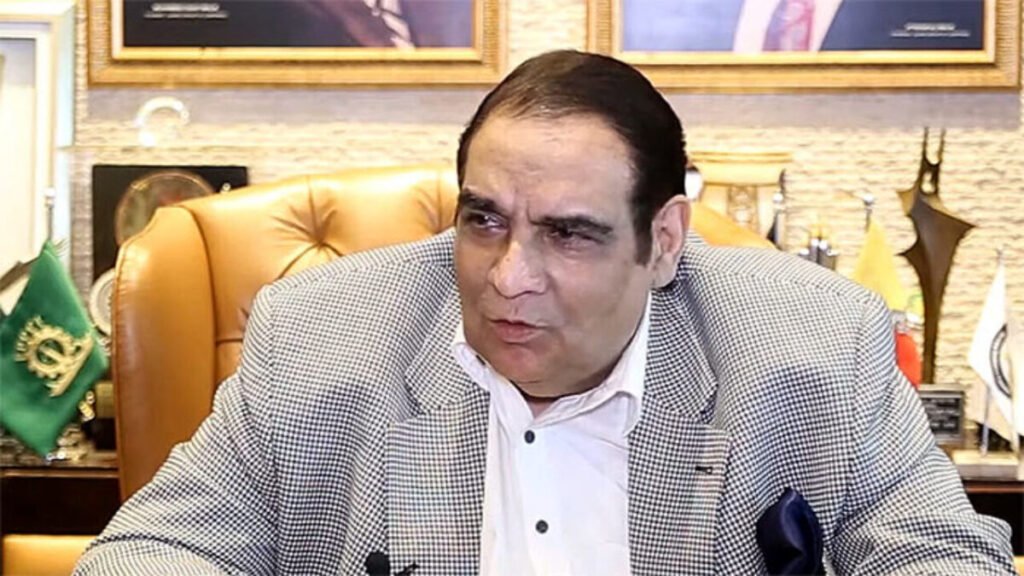
ISLAMABAD — Iftikhar Ali Malik, former president of the SAARC Chamber of Commerce and Industry and founder of the US-Pakistan Joint Business Council, extended his congratulations to the United States on its 250th Independence Anniversary. On Monday, Malik expressed his warm regards to the American government and its people, marking a significant milestone in the history of the United States. What Happened In a statement released on Monday, Iftikhar Ali Malik conveyed his heartfelt congratulations to the United States as it celebrated its 250th Independence Anniversary. Malik, a prominent figure in fostering economic ties between Pakistan and the United States, emphasized the longstanding relationship between the two nations. He remarked on the shared values of democracy and freedom that have been the cornerstone of the bilateral relations between Pakistan and the United States. Malik highlighted the importance of this historic occasion, noting that the United States has been a beacon of hope and democracy for many around the world. “The United States has played a pivotal role in promoting peace and prosperity globally, and its 250 years of independence is a testament to its enduring commitment to these principles,” he stated. He further added that the US-Pakistan Joint Business Council, which he founded, has been instrumental in strengthening economic ties and fostering mutual understanding between the business communities of both countries. Malik expressed optimism that the relationship between Pakistan and the United States would continue to grow stronger in the coming years. Background The United States declared its independence on July 4, 1776, making 2026 its 250th anniversary. Over the centuries, the United States has evolved into one of the world’s leading economic and political powers. The relationship between Pakistan and the United States has seen various phases, from strategic alliances during the Cold War to cooperation in the fight against terrorism in recent decades. Iftikhar Ali Malik has been a key figure in promoting trade and economic relations between Pakistan and the United States. As a former president of the SAARC Chamber of Commerce and Industry, he has played a significant role in regional economic integration and cooperation. The US-Pakistan Joint Business Council, under his leadership, has facilitated numerous business exchanges and collaborations, enhancing the economic partnership between the two countries. Why It Matters The felicitation from Iftikhar Ali Malik underscores the importance of the US-Pakistan relationship, particularly in the context of economic and strategic cooperation. The United States has been one of Pakistan’s largest trading partners, with bilateral trade amounting to billions of dollars annually. This relationship is crucial for Pakistan’s economic growth and stability, providing access to one of the largest markets in the world. Moreover, the United States has been a significant source of foreign aid and investment for Pakistan, contributing to various sectors including education, health, and infrastructure. The partnership has also been vital in addressing regional security challenges, with both countries collaborating on counter-terrorism efforts and promoting regional peace. The 250th Independence Anniversary of the United States serves as a reminder of the shared democratic values and mutual interests that bind the two nations. As global dynamics continue to evolve, maintaining strong bilateral relations with the United States remains a strategic priority for Pakistan. The congratulatory message from Malik reflects a commitment to furthering these ties and exploring new avenues of cooperation. Key Takeaways Iftikhar Ali Malik congratulated the United States on its 250th Independence Anniversary. Malik emphasized the strong economic and strategic ties between Pakistan and the United States. The US-Pakistan Joint Business Council plays a crucial role in fostering bilateral trade relations. The United States is one of Pakistan’s largest trading partners and a key source of foreign aid. Maintaining strong US-Pakistan relations is vital for regional security and economic growth. Source Attribution This article is based on official statements and public communications from relevant authorities. Author: NEN Editorial Desk | Editor: NEN Newsroom | Fact Checked By: NEN Editorial Team Author: NEN Editorial Desk  |  Editor: NEN Newsroom  |  Last Updated: July 06, 2026  |  Source: NEN Reporter This article was produced by the NEN Editorial Desk in accordance with NEN Agency’s Editorial Policy and Fact-Checking Policy.
Pakistan

March Train Crash Inquiry Blames Nine Employees for Accidents

ISLAMABAD — Pakistan Railways has concluded its investigation into two major train accidents that occurred in March 2026, identifying human error and technical failures as the primary causes. The inquiry has led to departmental actions against nine employees, including a station master and head train examiner, who were found culpable in the incidents. What Happened The inquiry by Pakistan Railways focused on two significant accidents involving the Shalimar Express and the Tezgam Express. The Shalimar Express collision was attributed to errors by six employees, including a station master and a head train examiner, who were deemed responsible for the mishap. Meanwhile, the derailment of the Tezgam Express was linked to the actions of three employees. These findings have prompted Pakistan Railways to initiate disciplinary measures against the involved personnel. According to the investigation, both accidents were exacerbated by inadequate safety protocols at railway crossings and poor track maintenance. A senior official from Pakistan Railways stated, “The inquiry has revealed critical lapses in adherence to safety standards, which, if addressed, could prevent future incidents.” The report highlighted the need for improved training and oversight to ensure compliance with safety regulations. The Shalimar Express accident occurred when the train collided with another stationary train due to miscommunication and negligence, resulting in significant damage and disruptions. The Tezgam Express derailment, on the other hand, was caused by a failure to adhere to speed limits and track conditions, leading to the train leaving the tracks and causing injuries to several passengers. Background Pakistan’s railway system has a long history of accidents, often attributed to outdated infrastructure, insufficient maintenance, and human error. The rail network, one of the oldest in the region, has struggled with modernization and safety improvements due to financial constraints and bureaucratic hurdles. Previous incidents have prompted calls for comprehensive reforms, but progress has been slow. In recent years, the government has announced several initiatives to upgrade the railway infrastructure, including collaborations with international partners. However, challenges remain in implementing these plans effectively, with safety concerns continuing to pose significant risks to passengers and operations. Why It Matters The findings of the March train crash inquiry underscore the persistent safety challenges facing Pakistan Railways. With millions of passengers relying on train services annually, ensuring the safety and reliability of the railway network is crucial for public confidence and economic stability. The recent accidents highlight the urgent need for systemic reforms to address both human and technical deficiencies. Economically, railway accidents can lead to substantial financial losses, not only in terms of damage to infrastructure and rolling stock but also through disruptions to trade and passenger services. These incidents can deter potential investments in the sector, further hindering efforts to modernize and expand the railway network. Socially, train accidents have a significant impact on communities, often resulting in injuries, fatalities, and long-term trauma for those involved. The lack of safety can erode public trust in the railway system, pushing passengers towards alternative, often more expensive, modes of transportation. Internationally, improving railway safety is essential for Pakistan’s connectivity and trade with neighboring countries. As part of regional economic corridors, a reliable railway system can facilitate smoother trade flows and enhance Pakistan’s position in regional logistics networks. Key Takeaways Pakistan Railways’ inquiry into March 2026 train accidents blames nine employees for human errors. Accidents were linked to inadequate safety protocols at crossings and poor track maintenance. Disciplinary actions have been initiated against responsible personnel to prevent future incidents. Historical challenges in Pakistan’s railway system include outdated infrastructure and slow reforms. Improving railway safety is crucial for public confidence, economic stability, and regional connectivity. Source Attribution This article is based on official government statements, press releases, and public communications from relevant authorities. Author: NEN Editorial Desk | Editor: NEN Newsroom | Fact Checked By: NEN Editorial Team Author: NEN Editorial Desk  |  Editor: NEN Newsroom  |  Last Updated: July 06, 2026  |  Source: NEN Reporter This article was produced by the NEN Editorial Desk in accordance with NEN Agency’s Editorial Policy and Fact-Checking Policy.

Pakistan

Chief Secretary Gilgit-Baltistan Reviews Diamer Basha Dam Progress

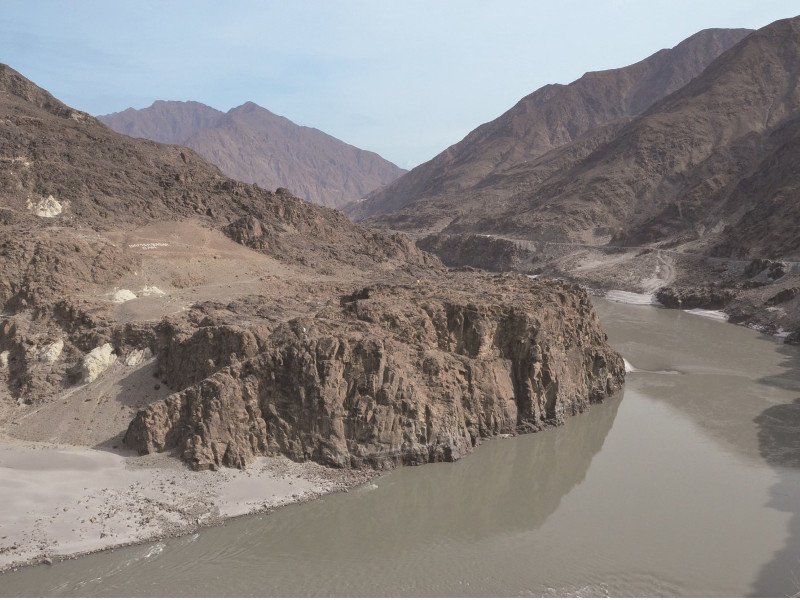
GILGIT — Chief Secretary Gilgit-Baltistan (GB) Arshad Majeed visited the Diamer district on July 5 to assess the ongoing progress of the Diamer Basha Dam Project. His visit focused on addressing land acquisition and resettlement challenges, implementing confidence-building measures, and evaluating key development initiatives associated with the project. What Happened During his visit, Chief Secretary Arshad Majeed engaged with local officials and project stakeholders to gain insights into the current status of the Diamer Basha Dam Project. The project, which is a critical component of Pakistan’s energy and water management strategy, has faced several challenges, particularly in terms of land acquisition and the resettlement of affected communities. Chief Secretary Majeed emphasized the importance of resolving these issues promptly to ensure the project’s smooth progression. He stated, “The government is committed to addressing all outstanding issues and will work towards strengthening inter-agency coordination to facilitate the project’s timely completion.” His remarks underscored the government’s dedication to overcoming bureaucratic hurdles and fostering collaboration among various stakeholders. The visit also included discussions on confidence-building measures aimed at gaining the trust and cooperation of local communities. These measures are crucial in ensuring that the affected populations are adequately compensated and resettled, thereby minimizing disruptions and grievances. The Chief Secretary highlighted that the government of Gilgit-Baltistan (GoGB) is fully supportive of these efforts and will provide the necessary resources to achieve these objectives. Background The Diamer Basha Dam Project is a significant infrastructure initiative in Pakistan, designed to enhance the country’s water storage capacity and generate hydroelectric power. Located on the Indus River, the dam is expected to produce 4,500 megawatts of electricity and store 8.1 million acre-feet of water. The project has been in the planning stages for several decades, with construction officially commencing in 2020. The project has faced numerous challenges, including financial constraints, legal disputes over land acquisition, and concerns from local communities about displacement and environmental impacts. Despite these hurdles, the government has remained steadfast in its commitment to completing the dam, recognizing its potential to contribute significantly to Pakistan’s energy security and agricultural productivity. Why It Matters The Diamer Basha Dam Project holds immense significance for Pakistan’s economic and social development. As a major component of the country’s energy strategy, the dam is expected to alleviate power shortages and reduce reliance on fossil fuels, thereby contributing to a more sustainable energy mix. The hydroelectric power generated by the dam will provide a reliable source of electricity, supporting industrial growth and improving the quality of life for millions of citizens. Furthermore, the dam’s water storage capacity will play a crucial role in managing the country’s water resources, particularly in the face of climate change and increasing water scarcity. By regulating river flows and providing irrigation water, the dam will enhance agricultural productivity and food security, benefiting farmers and rural communities across Pakistan. The project’s successful completion also has geopolitical implications, as it strengthens Pakistan’s infrastructure and economic resilience. This, in turn, enhances the country’s ability to engage in regional cooperation and attract foreign investment, bolstering its position on the international stage. Key Takeaways Chief Secretary Gilgit-Baltistan Arshad Majeed visited Diamer to review the Diamer Basha Dam Project. The visit focused on land acquisition, resettlement issues, and confidence-building measures. The Diamer Basha Dam is crucial for Pakistan’s energy and water management strategies. Successful completion of the dam will enhance energy security and agricultural productivity. The project has significant economic, social, and geopolitical implications for Pakistan. Source Attribution The article is based on official government statements, press releases, and public communications from relevant authorities. Author: NEN Editorial Desk | Editor: NEN Newsroom | Fact Checked By: NEN Editorial Team Author: NEN Editorial Desk  |  Editor: NEN Newsroom  |  Last Updated: July 06, 2026  |  Source: NEN Reporter This article was produced by the NEN Editorial Desk in accordance with NEN Agency’s Editorial Policy and Fact-Checking Policy.

World

CTI Anticipates Major Export Deals at International Carpet Expo

LAHORE — The Carpet Training Institute (CTI) is poised to secure export deals worth millions of dollars during an upcoming international carpet exhibition in Pakistan. CTI Chairperson Ijaz-ur-Rehman announced on Sunday that the event will not only bolster the carpet industry but also showcase the craftsmanship of local artisans to a global audience. What Happened The international carpet exhibition, set to be held in Lahore, is expected to attract buyers and traders from around the world, offering a platform for Pakistani carpet manufacturers to display their products. According to CTI Chairperson Ijaz-ur-Rehman, the event will facilitate the signing of export agreements that could significantly enhance the country’s carpet export market. “We are optimistic that this exhibition will result in deals worth millions of dollars, which will be a substantial boost for our industry,” Rehman stated. The exhibition aims to highlight the unique skills and techniques of Pakistani craftsmen, whose work is renowned for its intricate designs and high quality. By engaging with international buyers, the event seeks to open new markets for Pakistani carpets, which have traditionally been a significant export product for the country. Rehman emphasized the importance of such events in promoting local talent and increasing the visibility of Pakistani products on the international stage. He noted that the exhibition would serve as a critical opportunity for local manufacturers to establish connections with global buyers, potentially leading to long-term business relationships. Background Pakistan has a long history of carpet weaving, with its products being highly valued for their craftsmanship and quality. The industry has been a vital part of the country’s economy, providing employment to thousands of artisans and contributing significantly to export revenues. However, in recent years, the industry has faced challenges, including competition from other countries and a lack of modern marketing strategies. In response, initiatives like the international carpet exhibition have been organized to revitalize the sector. These events aim to provide a platform for local manufacturers to showcase their work and attract international buyers, thereby increasing export opportunities and supporting the industry’s growth. Why It Matters The international carpet exhibition is crucial for several reasons. Economically, it represents a significant opportunity for Pakistan to increase its export revenues. The potential deals resulting from the exhibition could inject much-needed foreign exchange into the economy, supporting the country’s balance of payments. Socially, the event highlights the skills and talents of Pakistani artisans, providing them with a platform to gain international recognition. This not only boosts the morale of local craftsmen but also encourages the preservation of traditional weaving techniques that are part of Pakistan’s cultural heritage. Politically, successful international trade events can enhance Pakistan’s image as a viable trading partner, fostering better diplomatic relations with participating countries. By demonstrating the ability to host large-scale international events, Pakistan can improve its standing in the global community. Furthermore, the exhibition aligns with the government’s broader economic goals of increasing exports and diversifying the country’s trade portfolio. By focusing on sectors like the carpet industry, Pakistan can reduce its reliance on traditional exports and explore new markets. Key Takeaways The international carpet exhibition in Lahore is expected to result in export deals worth millions of dollars. The event will showcase the skills of Pakistani artisans to a global audience. The carpet industry is a significant contributor to Pakistan’s economy and employment. The exhibition aligns with national goals of increasing exports and diversifying trade. Successful trade events can enhance Pakistan’s international image and diplomatic relations. Source Attribution This article is based on official statements and public communications from the Carpet Training Institute and relevant authorities. Author: NEN Editorial Desk | Editor: NEN Newsroom | Fact Checked By: NEN Editorial Team Author: NEN Editorial Desk  |  Editor: NEN Newsroom  |  Last Updated: July 06, 2026  |  Source: NEN Reporter This article was produced by the NEN Editorial Desk in accordance with NEN Agency’s Editorial Policy and Fact-Checking Policy.
Pakistan

Government Initiatives Aim to Revive Pakistan’s Real Estate Sector

LAHORE — The Federal Parliamentary Secretary for the Ministry of Planning & Development, Hafiz Mian Muhammad Nauman, announced on Saturday that the government has implemented a series of relief measures designed to rejuvenate Pakistan’s real estate sector. These initiatives are intended to boost investment, restore market confidence, and stimulate broader economic activity. What Happened During a seminar titled “Relief given by government to real estate sector and its impact,” Hafiz Mian Muhammad Nauman outlined the government’s strategy to revitalize the real estate market. The measures include tax incentives, streamlined regulatory processes, and financial support mechanisms aimed at encouraging both domestic and foreign investment in the sector. Nauman emphasized that these steps are crucial for reviving a sector that has been significantly impacted by economic downturns and the COVID-19 pandemic. Nauman highlighted that the real estate sector is a key driver of economic growth, contributing significantly to GDP and employment. “The government is committed to providing a conducive environment for investors and developers,” he stated, adding that these measures are expected to generate thousands of jobs and spur related industries such as construction, manufacturing, and services. The seminar, attended by industry stakeholders, policymakers, and investors, served as a platform for discussing the potential impacts of these relief measures. Participants expressed optimism about the government’s approach, noting that a revitalized real estate sector could lead to increased economic stability and growth. Background The real estate sector in Pakistan has faced numerous challenges over the past few years, including regulatory hurdles, fluctuating market conditions, and the global economic impact of the COVID-19 pandemic. Historically, the sector has been a significant contributor to Pakistan’s economy, accounting for a substantial portion of GDP and providing employment to millions. However, recent years have seen a decline in investment and development activity. In response, the government has periodically introduced policies aimed at revitalizing the sector. Previous initiatives have included tax amnesties, reductions in capital gains tax, and incentives for overseas Pakistanis to invest in real estate. Despite these efforts, the sector has struggled to regain its former momentum. Why It Matters The revitalization of the real estate sector is crucial for Pakistan’s economic recovery. As one of the largest sectors in the country, it has a multiplier effect on the economy, influencing a wide range of industries from construction to financial services. By stimulating real estate activity, the government hopes to create jobs, increase demand for building materials, and boost related sectors. Furthermore, a thriving real estate market can attract foreign direct investment, which is essential for improving Pakistan’s balance of payments and foreign exchange reserves. The government’s measures are also expected to enhance urban development and infrastructure, contributing to improved living standards and urban planning. On a social level, increased real estate activity can lead to more affordable housing options, addressing the housing deficit faced by many urban areas in Pakistan. This not only improves quality of life but also supports social stability by reducing overcrowding and improving access to essential services. Key Takeaways The government has introduced relief measures to revive the real estate sector, focusing on investment and market confidence. These measures include tax incentives and streamlined regulatory processes to attract both domestic and foreign investors. The real estate sector is a key economic driver, with potential to create jobs and stimulate related industries. Revitalizing the sector can enhance urban development and improve housing affordability. Increased real estate activity is expected to attract foreign direct investment, boosting economic stability. Source Attribution This article is based on official government statements and public communications from relevant authorities. Author: NEN Editorial Desk | Editor: NEN Newsroom | Fact Checked By: NEN Editorial Team Author: NEN Editorial Desk  |  Editor: NEN Newsroom  |  Last Updated: July 05, 2026  |  Source: NEN Reporter This article was produced by the NEN Editorial Desk in accordance with NEN Agency’s Editorial Policy and Fact-Checking Policy.

Pakistan

NDMA Warns of Potential Flood Risks in Northern Pakistan, July 6–10

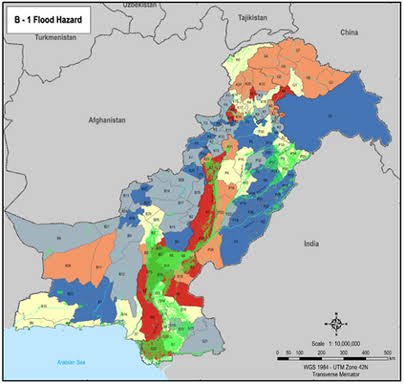
ISLAMABAD — The National Disaster Management Authority (NDMA) has issued a warning regarding an active weather system set to impact northern Pakistan from July 6 to 10. The system is expected to bring widespread rain and thunderstorms, potentially increasing river flows and heightening the risk of flash floods, urban flooding, and landslides in vulnerable regions. What Happened The NDMA has mapped out the potential rainfall and river situation in anticipation of the approaching weather system. According to the authority, the northern areas of Pakistan, including parts of Khyber Pakhtunkhwa, Gilgit-Baltistan, and Azad Jammu and Kashmir, are likely to experience significant rainfall. The NDMA has emphasized the need for preparedness, urging local administrations to take precautionary measures to mitigate the impact of potential flooding. In a statement, the NDMA highlighted that the expected weather conditions could lead to increased river flows, particularly in the Indus River and its tributaries. This increase may result in flash floods and urban flooding, especially in low-lying areas. The authority has also warned of possible landslides in hilly regions, which could disrupt transportation and communication networks. The NDMA has advised residents in the affected areas to remain vigilant and follow the instructions of local authorities. They have also recommended that people avoid unnecessary travel during the forecasted period of heavy rainfall. Emergency services are on high alert, and contingency plans have been activated to ensure a swift response to any incidents arising from the adverse weather conditions. Background Pakistan is no stranger to the challenges posed by monsoon rains, which typically occur from July to September. The country has experienced severe flooding in the past, with significant loss of life and property. In 2010, Pakistan faced one of its worst floods in history, affecting over 20 million people and causing widespread devastation. The NDMA, established in 2007, plays a crucial role in coordinating disaster management efforts across the country, working closely with provincial disaster management authorities and other stakeholders. Over the years, the NDMA has developed comprehensive strategies to address the risks associated with natural disasters, focusing on preparedness, response, and recovery. The authority regularly issues weather advisories and collaborates with meteorological departments to ensure timely dissemination of information to the public and relevant agencies. Why It Matters The potential for flooding and landslides poses significant risks to life and property in northern Pakistan. The impact of such natural disasters can be devastating, particularly for communities living in vulnerable areas. Flooding can lead to the displacement of populations, destruction of infrastructure, and disruption of essential services, including healthcare and education. Economically, the damage caused by floods can be substantial, affecting agriculture, industry, and trade. Crops may be destroyed, leading to food shortages and increased prices. Infrastructure damage can hinder economic activities, affecting livelihoods and slowing down development efforts. The cost of recovery and reconstruction can strain government resources, diverting funds from other critical areas. Socially, the aftermath of natural disasters can exacerbate existing inequalities, with marginalized communities often bearing the brunt of the impact. Access to relief and recovery resources may be limited, further entrenching poverty and vulnerability. Ensuring effective disaster management and response is crucial to minimizing these impacts and supporting affected communities in rebuilding their lives. Key Takeaways The NDMA has issued a warning for potential flash floods, urban flooding, and landslides in northern Pakistan from July 6 to 10. Widespread rain and thunderstorms are expected to increase river flows, particularly in the Indus River and its tributaries. Residents in affected areas are advised to remain vigilant and follow local authorities’ instructions to ensure safety. Past experiences with monsoon floods highlight the importance of preparedness and effective disaster management. The economic and social impacts of flooding can be severe, affecting livelihoods and exacerbating inequalities. Source Attribution This article is based on official government statements, press releases, and public communications from relevant authorities. Author: NEN Editorial Desk | Editor: NEN Newsroom | Fact Checked By: NEN Editorial Team Author: NEN Editorial Desk  |  Editor: NEN Newsroom  |  Last Updated: July 05, 2026  |  Source: NEN Reporter This article was produced by the NEN Editorial Desk in accordance with NEN Agency’s Editorial Policy and Fact-Checking Policy.

Pakistan

Over 232,000 Register Online for Hajj 2027 Within First Two Weeks

ISLAMABAD — The Ministry of Religious Affairs and Interfaith Harmony announced that over 232,000 individuals have registered online for Hajj 2027 within the first 14 days of the campaign. This substantial number reflects a strong public interest in participating in the pilgrimage. What Happened The Ministry of Religious Affairs and Interfaith Harmony reported an impressive turnout for the Hajj 2027 registration, with more than 232,000 aspiring pilgrims signing up online in the initial two weeks. The registration process, which commenced on June 21, 2023, was designed to be user-friendly, allowing applicants to complete their registrations from the comfort of their homes. A ministry spokesperson highlighted the success of the online platform, noting that it facilitated a smooth and efficient registration experience for the applicants. The ministry has implemented several measures to ensure the registration process is accessible and efficient. These include detailed guidance on the official website and a dedicated helpline to assist applicants with any queries or technical issues. The spokesperson emphasized the importance of this digital approach, stating, “Our aim is to make the Hajj registration process as convenient as possible for all aspiring pilgrims.” The registration period for Hajj 2027 is part of a broader initiative covering the years 2027 to 2030, allowing the ministry to plan and manage the logistics of the pilgrimage effectively. The overwhelming response in the first two weeks suggests that the ministry’s efforts to streamline the process have been well-received by the public. Background Hajj, one of the five pillars of Islam, is an annual pilgrimage to Mecca that Muslims are required to perform at least once in their lifetime, provided they have the means to do so. The Ministry of Religious Affairs and Interfaith Harmony is responsible for organizing and managing the pilgrimage for Pakistani citizens. In recent years, the ministry has increasingly relied on digital platforms to facilitate the registration and management of Hajj applications. Historically, the registration process involved physical forms and in-person submissions, which often led to long queues and delays. In response, the ministry introduced an online registration system to streamline the process and reduce the burden on applicants. This digital shift aligns with the government’s broader strategy to enhance e-governance and improve public service delivery. Why It Matters The significant number of registrations for Hajj 2027 underscores the enduring importance of the pilgrimage in the lives of Pakistani Muslims. It also highlights the effectiveness of the ministry’s efforts to modernize the registration process through digital means. By facilitating online registrations, the ministry has not only made the process more accessible but also reduced the administrative burden associated with handling large volumes of paper applications. Economically, the streamlined registration process can lead to cost savings for both the government and the applicants. By reducing the need for physical infrastructure and personnel to manage registrations, the ministry can allocate resources more efficiently. For applicants, the convenience of online registration eliminates the need for travel and time off work, thereby minimizing associated costs. On a broader scale, the successful implementation of the online registration system serves as a model for other government services aiming to transition to digital platforms. It reflects the potential for technology to enhance public service delivery and improve citizen engagement with government processes. Key Takeaways Over 232,000 individuals registered online for Hajj 2027 within the first 14 days. The Ministry of Religious Affairs and Interfaith Harmony facilitated the process through a user-friendly online platform. The initiative is part of a broader plan covering Hajj registrations from 2027 to 2030. The digital registration system reflects a successful shift towards e-governance in Pakistan. The process offers economic benefits by reducing administrative costs and applicant expenses. Source Attribution This article is based on official government statements and public communications from the Ministry of Religious Affairs and Interfaith Harmony. Author: NEN Editorial Desk | Editor: NEN Newsroom | Fact Checked By: NEN Editorial Team Author: NEN Editorial Desk  |  Editor: NEN Newsroom  |  Last Updated: July 05, 2026  |  Source: NEN Reporter This article was produced by the NEN Editorial Desk in accordance with NEN Agency’s Editorial Policy and Fact-Checking Policy.

World

Government Advances Rural Development with Key Infrastructure Projects

FAISALABAD — The Adviser to the Prime Minister on Political and Public Affairs, Senator Rana Sanaullah Khan, announced on Sunday that the government is accelerating efforts to enhance public welfare and rural development through significant infrastructure projects. These initiatives include improvements in gas supply, road infrastructure, and healthcare services, aiming to provide essential civic amenities across the country. What Happened During a recent address in Faisalabad, Senator Rana Sanaullah Khan detailed the government’s commitment to implementing its agenda focused on public welfare and rural development. He highlighted that the administration is actively pursuing large-scale projects designed to improve the quality of life for citizens, particularly in rural areas. These projects encompass a range of sectors, including gas supply, road infrastructure, and healthcare, with the goal of ensuring that essential services reach underserved communities. Senator Sanaullah emphasized the importance of these projects in promoting economic growth and improving living standards. He stated, “The government is dedicated to providing the necessary infrastructure to support the development of rural areas, which will, in turn, contribute to the overall prosperity of the nation.” The adviser also mentioned that these projects are part of a broader strategy to address the needs of the population and reduce the urban-rural divide. The focus on infrastructure development is seen as a crucial step in enhancing connectivity and accessibility, which are vital for economic activities and social integration. By improving road networks, the government aims to facilitate better transportation of goods and services, thereby boosting local economies and creating job opportunities. Background Pakistan has historically faced challenges in providing adequate infrastructure and services to its rural population. The disparity between urban and rural areas in terms of access to basic amenities has been a persistent issue. Previous governments have initiated various programs to address these challenges, but progress has often been slow due to financial constraints and administrative hurdles. In recent years, the government has prioritized infrastructure development as a means to stimulate economic growth and improve living conditions. This approach aligns with international development goals, which emphasize the importance of infrastructure in achieving sustainable development and poverty reduction. Why It Matters The government’s focus on infrastructure projects is significant for several reasons. Economically, improved infrastructure can lead to increased productivity and competitiveness by reducing transportation costs and facilitating trade. This is particularly important for rural areas, where agricultural activities are a primary source of income. Socially, better infrastructure can enhance access to education and healthcare, leading to improved health outcomes and educational attainment. This, in turn, can contribute to poverty alleviation and social mobility, helping to bridge the gap between urban and rural communities. Politically, the successful implementation of these projects can strengthen the government’s credibility and public support. By delivering on promises to improve living standards, the administration can build trust with constituents and demonstrate its commitment to addressing their needs. Internationally, Pakistan’s efforts to develop its infrastructure align with global trends and commitments to sustainable development. By investing in infrastructure, the country can position itself as a more attractive destination for foreign investment and enhance its role in regional economic integration. Key Takeaways The government is prioritizing large-scale infrastructure projects to enhance public welfare and rural development. Projects focus on improving gas supply, road infrastructure, and healthcare services. Infrastructure development is expected to boost economic growth and reduce the urban-rural divide. Improved infrastructure can lead to better access to education and healthcare, contributing to poverty alleviation. Successful implementation of these projects can enhance the government’s credibility and public support. Source Attribution This article is based on official government statements and public communications from relevant authorities. Author: NEN Editorial Desk | Editor: NEN Newsroom | Fact Checked By: NEN Editorial Team Author: NEN Editorial Desk  |  Editor: NEN Newsroom  |  Last Updated: July 05, 2026  |  Source: NEN Reporter This article was produced by the NEN Editorial Desk in accordance with NEN Agency’s Editorial Policy and Fact-Checking Policy.

Pakistan

Police Capture Suspect in PAF Officer’s Murder Within Nine Hours

ISLAMABAD — Islamabad Capital Territory (ICT) Police successfully apprehended the prime suspect in the murder of Pakistan Air Force (PAF) Group Captain Asim Tariq Shaheed within nine hours of the incident. The swift operation, which took place on July 5, 2023, was led by Inspector General of Police (IGP) Rizvi and involved a coordinated effort by 11 police teams. What Happened Group Captain Asim Tariq Shaheed, a respected officer in the Pakistan Air Force, was tragically murdered, prompting a rapid response from the ICT Police. The operation to capture the suspect was extensive, involving over 1,100 police personnel. The police utilized a combination of Safe City surveillance, Artificial Intelligence (AI) technology, and human intelligence to track down the suspect. IGP Rizvi stated that the operation was a testament to the police force’s commitment to swiftly bringing perpetrators to justice. “The use of advanced technology and the dedication of our officers played a crucial role in the quick resolution of this case,” he said. The suspect was apprehended in a location identified through surveillance and intelligence gathering, although specific details of the arrest were not disclosed to the public. The murder of Group Captain Asim Tariq Shaheed has sent shockwaves through the military and civilian communities, highlighting the risks faced by those in service. The swift action by the police has been praised by both government officials and the general public as a demonstration of effective law enforcement. Background Group Captain Asim Tariq Shaheed was a distinguished officer in the Pakistan Air Force, known for his dedication and service. His murder marks a significant and tragic event, drawing attention to the security challenges faced by military personnel in Pakistan. The ICT Police, under the leadership of IGP Rizvi, have been focusing on enhancing their operational capabilities through the integration of technology and intelligence to combat crime more effectively. The Safe City project, which played a significant role in this operation, is an initiative aimed at improving urban safety through the use of surveillance cameras and AI. This project has been pivotal in solving various high-profile cases in the past, and its role in the current operation underscores its importance in modern policing strategies. Why It Matters The swift capture of the suspect in Group Captain Asim Tariq Shaheed’s murder case is significant for several reasons. Firstly, it demonstrates the effectiveness of the ICT Police’s operational strategies, particularly their use of technology and intelligence in solving crimes. This success may bolster public confidence in law enforcement agencies, which is crucial for maintaining social order and safety. Secondly, the incident underscores the ongoing security challenges faced by military personnel in Pakistan. The murder of a high-ranking officer like Group Captain Asim Tariq Shaheed raises concerns about the safety of those serving in the armed forces and may prompt a review of security measures for military personnel. Finally, the case highlights the broader implications of crime on national security and the importance of rapid response capabilities. The ability of law enforcement agencies to quickly resolve such cases is vital for deterring future crimes and maintaining stability in the region. Key Takeaways The ICT Police arrested the suspect in Group Captain Asim Tariq Shaheed’s murder within nine hours. The operation involved 11 police teams and over 1,100 personnel, utilizing AI and Safe City surveillance. The swift action demonstrates the effectiveness of modern policing strategies in Pakistan. The incident raises concerns about the security of military personnel in the country. The case highlights the importance of rapid response in maintaining national security. Source Attribution This article is based on official government statements, press releases, and public communications from relevant authorities. Author: NEN Editorial Desk | Editor: NEN Newsroom | Fact Checked By: NEN Editorial Team Author: NEN Editorial Desk  |  Editor: NEN Newsroom  |  Last Updated: July 05, 2026  |  Source: NEN Reporter This article was produced by the NEN Editorial Desk in accordance with NEN Agency’s Editorial Policy and Fact-Checking Policy.

Scroll to Top