
Author name: Yasir Zubairi

Yasir Zubairi is the founder and publisher of NEN Agency (News Era Network). He leads NEN's coverage of Pakistan's national affairs, economy, foreign relations and sports, and is responsible for the accuracy and standards of every story published on nenagency.com.

GCUF Syndicate Endorses Key Academic, Financial, Administrative Reforms
Pakistan

GCUF Syndicate Endorses Key Academic, Financial, Administrative Reforms

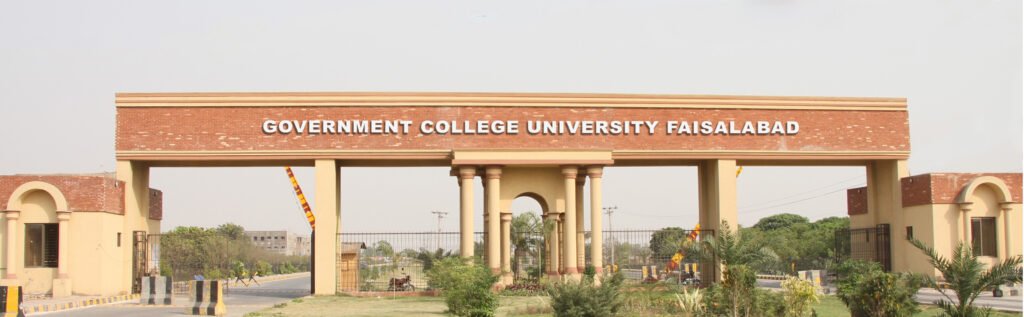
FAISALABAD — The Syndicate of Government College University Faisalabad (GCUF) has sanctioned significant academic, financial, and administrative reforms during its 77th meeting. The session was presided over by Vice Chancellor Prof. Dr. Rauf-i-Azam at the Vice Chancellor Secretariat, New Campus. What Happened The meeting of the GCUF Syndicate saw the approval of several pivotal measures aimed at enhancing the university’s operational efficiency and academic standards. The Vice Chancellor, Prof. Dr. Rauf-i-Azam, led the discussions, emphasizing the need for strategic improvements across various domains of the university’s functioning. Among the key decisions was the endorsement of new academic programs designed to align with contemporary educational demands and market trends. These programs are expected to broaden the academic offerings of GCUF, making it more competitive and appealing to prospective students. Additionally, the syndicate approved a comprehensive financial plan aimed at optimizing resource allocation and ensuring fiscal sustainability. Administrative reforms were also a focal point of the meeting. The syndicate agreed on measures to streamline administrative processes, enhance transparency, and improve governance. This includes the implementation of digital solutions to facilitate more efficient management and communication within the university. Prof. Dr. Rauf-i-Azam highlighted the importance of these reforms, stating, “Our objective is to position GCUF as a leading institution that not only excels in academic excellence but also in administrative efficiency and financial prudence.” He further added that these steps are crucial for the university’s growth and its ability to meet the evolving needs of students and faculty alike. Background Government College University Faisalabad, established in 2002, has been a prominent institution in the region, offering a wide range of undergraduate and postgraduate programs. Over the years, GCUF has expanded its academic portfolio and infrastructure to accommodate a growing student population. The university’s governance structure includes a syndicate, which is responsible for making key decisions related to its academic, financial, and administrative affairs. The syndicate’s role is critical in shaping the university’s strategic direction and ensuring that it adheres to the policies and standards set by the Higher Education Commission of Pakistan. Previous meetings have focused on infrastructure development, faculty recruitment, and curriculum enhancement, reflecting the university’s commitment to continuous improvement. Why It Matters The approval of these measures by the GCUF Syndicate is significant for several reasons. Firstly, the introduction of new academic programs is expected to attract a diverse student body, thereby increasing enrollment and enhancing the university’s reputation. This aligns with national educational goals to improve higher education accessibility and quality. Financially, the approved plan aims to ensure that GCUF can sustain its operations without compromising on quality. By optimizing resource allocation, the university can invest in critical areas such as research, faculty development, and infrastructure, which are essential for maintaining academic excellence. Administratively, the reforms are poised to create a more transparent and efficient governance model. This is particularly important in the context of Pakistan’s higher education sector, where issues of governance and accountability have been longstanding challenges. By adopting digital solutions, GCUF sets a precedent for other institutions to follow, potentially leading to broader systemic improvements. Overall, these reforms are not only pivotal for GCUF but also contribute to the broader objectives of enhancing the quality and competitiveness of higher education in Pakistan. As the country strives to improve its educational standards, initiatives like these play a crucial role in achieving those goals. Key Takeaways The GCUF Syndicate approved major academic, financial, and administrative reforms in its 77th meeting. New academic programs have been introduced to align with market trends and educational demands. A comprehensive financial plan has been endorsed to optimize resource allocation and ensure sustainability. Administrative reforms include digital solutions to enhance transparency and efficiency. These measures aim to position GCUF as a leading institution in academic excellence and governance. Source Attribution This article is based on official statements and public communications from Government College University Faisalabad. Author: NEN Editorial Desk | Editor: NEN Newsroom | Fact Checked By: NEN Editorial Team Author: NEN Editorial Desk  |  Editor: NEN Newsroom  |  Last Updated: July 29, 2026  |  Source: NEN Reporter This article was produced by the NEN Editorial Desk in accordance with NEN Agency’s Editorial Policy and Fact-Checking Policy.

Punjab Revenue Authority Targets EIMS Non-Compliance in Business Sector
Pakistan

Punjab Revenue Authority Targets EIMS Non-Compliance in Business Sector

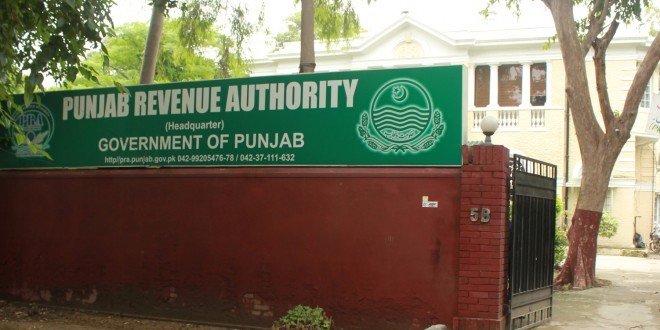
LAHORE — The Punjab Revenue Authority (PRA) is set to intensify its enforcement actions against businesses that fail to comply with the Electronic Invoice Monitoring System (EIMS). This decision was announced by PRA Chairman Moazzam Iqbal Sipra during a recent meeting held to evaluate the authority’s performance in business registration, EIMS implementation, and tax collection. What Happened On Wednesday, PRA Chairman Moazzam Iqbal Sipra convened a meeting to scrutinize the divisional performance of the authority concerning business registration and tax collection. During this meeting, he emphasized the need for strict enforcement against businesses not adhering to the EIMS. The system, which is crucial for monitoring sales and ensuring tax compliance, has faced resistance from some sectors, prompting the PRA to take decisive steps. The Chairman instructed field officers to expedite their efforts in ensuring that businesses across Punjab are registered and compliant with the EIMS. He stated, “The integrity of our tax system relies on the full implementation of the EIMS. Non-compliance will not be tolerated, and strict actions will be taken against violators.” The meeting underscored the importance of the EIMS in enhancing transparency and accountability within the business sector. The PRA’s initiative is part of a broader strategy to increase tax revenues by ensuring that all taxable transactions are accurately reported. The meeting also reviewed the progress of ongoing campaigns aimed at increasing business registration and compliance rates. Background The Electronic Invoice Monitoring System was introduced as a part of the government’s efforts to modernize the tax collection process and curb tax evasion. The system requires businesses to issue electronic invoices for every transaction, thereby creating a digital record that can be monitored by tax authorities. This initiative aligns with global practices where digital invoicing is used to enhance tax compliance and reduce the informal economy. Historically, tax evasion has been a significant challenge in Pakistan, with a large portion of the economy operating informally. The introduction of systems like EIMS is seen as a crucial step towards formalizing the economy and broadening the tax base. The PRA has been actively working to integrate technology into its operations, aiming to improve efficiency and transparency. Why It Matters The enforcement of EIMS is pivotal for Pakistan’s economic stability and growth. By ensuring that businesses comply with electronic invoicing, the government can significantly increase its tax revenues, which are essential for funding public services and infrastructure projects. This move is expected to reduce the tax gap, which is the difference between the taxes owed and the taxes collected. For businesses, compliance with the EIMS means adapting to new technological requirements, which may initially pose challenges, especially for smaller enterprises. However, in the long run, it is anticipated to streamline operations and reduce the burden of manual record-keeping. The increased transparency and accountability could also enhance the business environment, attracting more investment into the region. On a broader scale, the successful implementation of the EIMS could serve as a model for other provinces in Pakistan, encouraging nationwide adoption of similar systems. This could lead to a more uniform and efficient tax system across the country, contributing to economic growth and development. Key Takeaways The Punjab Revenue Authority is enforcing strict compliance with the Electronic Invoice Monitoring System. PRA Chairman Moazzam Iqbal Sipra has directed field officers to accelerate enforcement efforts. The EIMS aims to enhance tax compliance and transparency in business transactions. Successful implementation could significantly increase tax revenues and reduce the informal economy. This initiative aligns with global practices and could serve as a model for other regions in Pakistan. Source Attribution This article is based on official government statements and public communications from relevant authorities. Author: NEN Editorial Desk | Editor: NEN Newsroom | Fact Checked By: NEN Editorial Team Author: NEN Editorial Desk  |  Editor: NEN Newsroom  |  Last Updated: July 29, 2026  |  Source: NEN Reporter This article was produced by the NEN Editorial Desk in accordance with NEN Agency’s Editorial Policy and Fact-Checking Policy.
Ikhtiar Wali Rebukes PPP for Remarks on AJK Election Results
Pakistan

Ikhtiar Wali Rebukes PPP for Remarks on AJK Election Results

ISLAMABAD — Ikhtiar Wali Khan, the Prime Minister’s Coordinator for Information in Khyber Pakhtunkhwa, has publicly criticized the Pakistan Peoples Party (PPP) leadership for their comments on the recent Azad Jammu and Kashmir (AJK) elections. Wali’s remarks came in response to statements made by PPP Chairman Bilawal Bhutto Zardari and Sindh Information Minister Sharjeel Inam Memon, which he described as expressions of frustration over the election results. What Happened Ikhtiar Wali Khan addressed the media to express his disapproval of the statements made by PPP leaders concerning the AJK elections. He specifically targeted Bilawal Bhutto Zardari and Sharjeel Inam Memon, accusing them of making baseless allegations about the election process. “Their remarks are a clear indication of their disappointment with the outcome,” Wali stated, emphasizing that the elections were conducted in a free and fair manner. The AJK elections, held recently, have been a subject of contention among various political parties in Pakistan. The PPP, which has historically had a significant influence in the region, expressed concerns over the transparency and fairness of the electoral process. However, Wali dismissed these concerns, asserting that the elections were conducted under strict regulations and oversight. Wali further remarked that the PPP’s allegations were an attempt to undermine the democratic process and discredit the electoral victory of the ruling party. He urged the PPP leadership to accept the results gracefully and focus on constructive political engagement rather than resorting to unfounded accusations. Background The Azad Jammu and Kashmir elections are a significant political event in Pakistan, as they determine the leadership of the semi-autonomous region. Historically, these elections have been closely watched, with major political parties vying for influence. The most recent elections saw a competitive race, with the ruling party securing a majority of the seats. In the past, elections in AJK have occasionally been marred by allegations of irregularities and disputes among political parties. The Election Commission of Pakistan, responsible for overseeing the process, has implemented measures to ensure transparency and fairness. Despite these efforts, political tensions often arise, reflecting the high stakes involved in the region’s governance. Why It Matters The criticism from Ikhtiar Wali highlights the ongoing political tensions between the ruling party and the PPP, one of the major opposition parties in Pakistan. The AJK elections serve as a microcosm of the broader political dynamics in the country, where allegations of electoral misconduct are not uncommon. Such disputes can have significant implications for political stability and governance. For the citizens of AJK, the elections are crucial in determining their regional leadership and addressing local issues. Allegations of unfair practices can undermine public confidence in the electoral process and democratic institutions. It is essential for political parties to engage constructively to maintain the integrity of the democratic process. On an international level, the AJK elections are observed closely due to the region’s strategic importance and its role in the broader geopolitical context of South Asia. Ensuring transparent and fair elections is vital for Pakistan’s image as a democratic nation committed to upholding the rule of law and democratic principles. Key Takeaways Ikhtiar Wali Khan criticized PPP leaders for their comments on the AJK elections. Wali accused the PPP of expressing frustration over the election results. The AJK elections are a significant political event with implications for regional governance. Allegations of electoral misconduct can impact public confidence and political stability. Ensuring fair elections is crucial for Pakistan’s democratic image internationally. Source Attribution This article is based on official government statements, press releases, and public communications from relevant authorities. Author: NEN Editorial Desk | Editor: NEN Newsroom | Fact Checked By: NEN Editorial Team Author: NEN Editorial Desk  |  Editor: NEN Newsroom  |  Last Updated: July 29, 2026  |  Source: NEN Reporter This article was produced by the NEN Editorial Desk in accordance with NEN Agency’s Editorial Policy and Fact-Checking Policy.

Hyderabad Bar Association Visits Election Commission Secretariat in Islamabad
Pakistan

Hyderabad Bar Association Visits Election Commission Secretariat in Islamabad

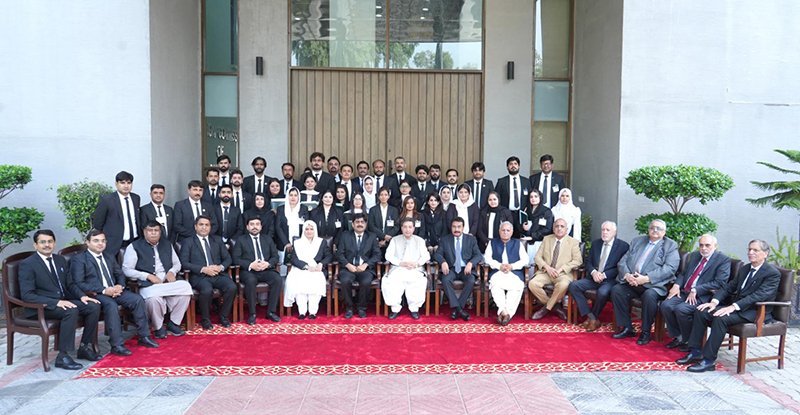
ISLAMABAD — Chief Election Commissioner Sikandar Sultan Raja, along with officials from the Election Commission of Pakistan (ECP), welcomed a delegation from the Hyderabad High Court Bar Association at the Election Commission Secretariat on Tuesday. The visit aimed to enhance understanding of the electoral process and foster collaboration between legal professionals and electoral authorities. What Happened The delegation from the Hyderabad High Court Bar Association, comprising senior lawyers and legal experts, visited the Election Commission Secretariat in Islamabad. The visit was part of a study tour intended to provide the delegation with insights into the functioning and responsibilities of the ECP. Chief Election Commissioner Sikandar Sultan Raja and other senior ECP officials engaged with the delegation, discussing various aspects of the electoral process in Pakistan. During the visit, the delegation was briefed on the ECP’s role in ensuring free and fair elections across the country. The discussions covered topics such as the electoral roll, voter registration, and measures to enhance transparency and accountability in the election process. The ECP officials highlighted the commission’s ongoing efforts to improve the electoral framework, including the use of technology to streamline operations. Chief Election Commissioner Raja emphasized the importance of collaboration between the judiciary and the election commission to uphold democratic principles. He stated, “The judiciary plays a crucial role in the electoral process, and its cooperation is vital for the success of free and fair elections.” The delegation expressed appreciation for the ECP’s efforts and shared their perspectives on legal challenges related to elections. They also discussed potential areas for further collaboration, particularly in the context of legal reforms and electoral dispute resolution. Background The Election Commission of Pakistan is an independent constitutional body responsible for organizing and conducting elections in Pakistan. It ensures that elections are held in a transparent, impartial, and just manner. The ECP has been working on various reforms to enhance the electoral process, including the introduction of electronic voting machines and biometric verification systems. The Hyderabad High Court Bar Association, representing legal professionals from the Hyderabad region, plays a significant role in the legal landscape of Pakistan. The association frequently engages with government bodies and institutions to advocate for legal reforms and the protection of legal rights. Why It Matters The visit of the Hyderabad High Court Bar Association to the Election Commission Secretariat is significant for several reasons. Firstly, it underscores the importance of collaboration between legal professionals and electoral authorities in strengthening democratic processes. By fostering dialogue and understanding, such interactions can lead to more effective legal frameworks and improved electoral practices. Secondly, the visit highlights the ongoing efforts of the ECP to engage with various stakeholders in the electoral process. By opening its doors to legal experts and other professionals, the ECP demonstrates its commitment to transparency and accountability. This approach can enhance public trust in the electoral system and encourage greater participation in the democratic process. Furthermore, the discussions during the visit could pave the way for legal reforms that address current challenges in the electoral system. By involving legal professionals in the conversation, the ECP can gain valuable insights into potential legal issues and develop strategies to mitigate them. This collaboration can ultimately lead to a more robust and resilient electoral framework in Pakistan. Key Takeaways The Hyderabad High Court Bar Association visited the Election Commission Secretariat for a study tour. Discussions focused on the electoral process, transparency, and collaboration between the judiciary and ECP. The visit highlights the ECP’s commitment to engaging with stakeholders and enhancing the electoral framework. The collaboration aims to strengthen democratic processes and improve public trust in elections. Potential legal reforms and strategies were discussed to address electoral challenges. Source Attribution This article is based on official government statements, press releases, and public communications from relevant authorities. Author: NEN Editorial Desk | Editor: NEN Newsroom | Fact Checked By: NEN Editorial Team Author: NEN Editorial Desk  |  Editor: NEN Newsroom  |  Last Updated: July 29, 2026  |  Source: Press Release from Government of Pakistan This article was produced by the NEN Editorial Desk in accordance with NEN Agency’s Editorial Policy and Fact-Checking Policy.

UN Warns of Escalating Climate Disasters Amid Rising Heatwaves and Wildfires
World

UN Warns of Escalating Climate Disasters Amid Rising Heatwaves and Wildfires

UNITED NATIONS — Climate-driven disasters are intensifying, reaching what the United Nations describes as “nightmare proportions,” primarily due to the global reliance on fossil fuels. This warning was issued by UN Climate Change Executive Secretary Simon Stiell on Wednesday, as he highlighted the urgent need for action in response to the escalating climate crisis. What Happened In a recent statement, Simon Stiell, Executive Secretary of the UN Climate Change, emphasized the alarming increase in climate-related disasters, attributing this surge to humanity’s continued dependence on fossil fuels. “The climate alarm is blaring from every direction,” Stiell remarked, as he pointed to the record-breaking temperatures and widespread wildfires that have been occurring globally. The statement comes as many regions brace for another wave of extreme heat, which experts predict will exacerbate existing environmental challenges. Stiell’s comments underscore the severity of the current climate situation, with the UN official warning that the costs of inaction are becoming increasingly unbearable. The ongoing heatwaves and wildfires are not isolated incidents but part of a broader pattern of climate change-induced disasters that are becoming more frequent and severe. According to Stiell, these events serve as a stark reminder of the need for immediate and comprehensive action to mitigate the impacts of climate change. Background The growing frequency of extreme weather events is a direct consequence of climate change, driven largely by the burning of fossil fuels which releases greenhouse gases into the atmosphere. This has led to rising global temperatures, melting ice caps, and shifting weather patterns. The Paris Agreement, adopted in 2015, aims to limit global warming to well below 2 degrees Celsius above pre-industrial levels, yet progress has been slow, with many countries struggling to meet their emission reduction targets. Historically, the international community has faced challenges in addressing climate change due to economic and political interests. The reliance on fossil fuels for energy and economic growth has been a significant barrier to implementing effective climate policies. Despite numerous international conferences and agreements, the pace of change has been insufficient to curb the rising trend of climate-related disasters. Why It Matters The implications of the UN’s warning are profound, with potential economic, social, and political impacts. Economically, the cost of climate-related disasters is staggering, with billions of dollars spent on disaster response and recovery efforts. These costs are expected to rise as the frequency and intensity of such events increase, placing a significant burden on national economies and diverting resources from other critical areas such as healthcare and education. Socially, the impact of climate change is disproportionately felt by vulnerable communities, particularly in developing countries. These populations often lack the resources and infrastructure needed to effectively respond to and recover from climate disasters. As a result, climate change exacerbates existing inequalities, leading to increased poverty and displacement. Politically, the failure to address climate change effectively can lead to instability and conflict. Resource scarcity, driven by changing weather patterns and environmental degradation, can exacerbate tensions within and between nations. As countries grapple with the impacts of climate change, international cooperation and leadership will be crucial in developing and implementing effective solutions. Key Takeaways The UN has issued a stark warning about the increasing frequency and severity of climate-related disasters. Fossil fuel dependency is identified as a primary driver of climate change and its associated impacts. Economic, social, and political consequences of climate inaction are significant and far-reaching. Immediate and comprehensive action is needed to mitigate the impacts of climate change. International cooperation is essential in addressing the global climate crisis effectively. Source Attribution This article is based on official statements and public communications from the United Nations and relevant authorities. Author: NEN Editorial Desk | Editor: NEN Newsroom | Fact Checked By: NEN Editorial Team Author: NEN Editorial Desk  |  Editor: NEN Newsroom  |  Last Updated: July 29, 2026  |  Source: NEN Reporter This article was produced by the NEN Editorial Desk in accordance with NEN Agency’s Editorial Policy and Fact-Checking Policy.

Azadi Cup Tenpin Bowling Championship to Begin August 8 in Islamabad
Pakistan

Azadi Cup Tenpin Bowling Championship to Begin August 8 in Islamabad

ISLAMABAD — The Azadi Cup Tenpin Bowling Championship is set to commence on August 8 at the Leisure City Bowling Club, located in Safa Gold Mall, F-7 Markaz, Islamabad. Organized by the Pakistan Tenpin Bowling Federation (PTBF), the event will attract players from across the country, showcasing their skills in a competitive environment. What Happened The Pakistan Tenpin Bowling Federation has announced the schedule for the much-anticipated Azadi Cup Tenpin Bowling Championship, which will take place from August 8. The event will be held at the Leisure City Bowling Club, a premier venue known for hosting national and international bowling events. According to Lt. Col. (R) Kamran Khalid Janjua, Secretary General of PTBF, the championship will feature a range of categories, allowing both seasoned professionals and emerging talent to compete. Participants from various regions of Pakistan are expected to gather in Islamabad, bringing together a diverse group of athletes. The championship aims to promote tenpin bowling as a sport and provide a platform for players to demonstrate their abilities. “We are excited to host the Azadi Cup, which not only celebrates our country’s independence but also encourages the growth of tenpin bowling in Pakistan,” said Lt. Col. (R) Kamran Khalid Janjua. The event is anticipated to draw significant attention from sports enthusiasts and the general public, with organizers ensuring that all necessary arrangements are in place for a successful championship. The PTBF has been actively working to increase the sport’s popularity and improve the infrastructure required for training and competitions. Background Tenpin bowling has been gaining popularity in Pakistan over the past decade, with the PTBF playing a crucial role in its development. Established to promote and regulate the sport, the federation has organized numerous events to engage the youth and foster competitive spirit. The Azadi Cup, named in honor of Pakistan’s Independence Day, has become an annual fixture in the country’s sports calendar. Historically, bowling in Pakistan was limited to a few urban centers, but recent efforts by the PTBF have expanded its reach. The federation has been instrumental in setting up training facilities and organizing workshops to introduce the sport to new audiences. The Azadi Cup serves as both a celebration of the sport’s growth and an opportunity to scout for talent that can represent Pakistan in international competitions. Why It Matters The Azadi Cup Tenpin Bowling Championship holds significant importance for several reasons. Economically, it provides a boost to local businesses, including hotels, restaurants, and transport services, as players and spectators travel to Islamabad for the event. The influx of visitors contributes to the city’s economy, supporting various sectors. Socially, the championship promotes sportsmanship and healthy competition among the youth. It encourages physical activity and offers an alternative form of recreation, which is crucial in a country where sports infrastructure is still developing. By engaging young people in sports, events like the Azadi Cup help in reducing sedentary lifestyles and promoting a culture of fitness. Politically, the event underscores Pakistan’s commitment to sports development and international engagement. By hosting national championships, the country positions itself as a hub for sports in the region, which can lead to increased opportunities for hosting international tournaments. This aligns with broader government objectives to enhance Pakistan’s image on the global stage. Key Takeaways The Azadi Cup Tenpin Bowling Championship will start on August 8 in Islamabad. The event is organized by the Pakistan Tenpin Bowling Federation at Leisure City Bowling Club. Players from across Pakistan will participate, promoting the sport nationally. The championship contributes economically and socially to Islamabad. The event aligns with Pakistan’s goals to enhance its sports infrastructure and international presence. Source Attribution This article is based on official statements and public communications from the Pakistan Tenpin Bowling Federation. Author: NEN Editorial Desk | Editor: NEN Newsroom | Fact Checked By: NEN Editorial Team Author: NEN Editorial Desk  |  Editor: NEN Newsroom  |  Last Updated: July 29, 2026  |  Source: NEN Reporter This article was produced by the NEN Editorial Desk in accordance with NEN Agency’s Editorial Policy and Fact-Checking Policy.

Pakistan Stock Exchange Sheds Over 1,580 Points Amid Selling Pressure
Pakistan

Pakistan Stock Exchange Sheds Over 1,580 Points Amid Selling Pressure

ISLAMABAD — The Pakistan Stock Exchange (PSX) experienced a significant downturn on Wednesday, with the benchmark KSE-100 Index plummeting by 1,580.90 points. This decline, representing a 0.89 percent drop, saw the index close at 176,042.99 points compared to the previous session’s 177,623.88 points. What Happened The PSX faced a substantial sell-off as investors reacted to a combination of domestic and international factors. The KSE-100 Index, which serves as a barometer for market performance, saw a sharp decline, reflecting the market’s bearish sentiment. The trading session was marked by a lack of buying interest, leading to a significant drop in stock prices across various sectors. Market analysts attributed the decline to several factors, including ongoing political uncertainties and economic challenges facing the country. The depreciation of the Pakistani rupee against the US dollar has also contributed to investor apprehension, as it raises concerns about inflation and the cost of imports. In addition, global economic trends have influenced investor behavior. The anticipation of interest rate hikes by major economies, such as the United States, has led to a shift in investment strategies, with investors seeking safer assets. This global trend has exerted additional pressure on emerging markets like Pakistan. Commenting on the situation, a market analyst stated, “The current market sentiment is driven by a combination of local economic challenges and global uncertainties. Investors are cautious, and this is reflected in the significant sell-off we witnessed today.” Background The Pakistan Stock Exchange has been experiencing volatility over the past few months, influenced by both domestic and international factors. Historically, the PSX has been sensitive to political developments and macroeconomic indicators. The country’s economic policies, fiscal deficits, and foreign exchange reserves have been under scrutiny, affecting investor confidence. In recent years, Pakistan has faced economic challenges, including a high inflation rate and a widening current account deficit. These issues have been exacerbated by political instability and delays in implementing structural reforms. The government has been negotiating with international financial institutions to secure financial assistance and stabilize the economy. Why It Matters The decline in the PSX is significant for several reasons. Economically, it reflects the challenges facing Pakistan’s financial markets and the broader economy. A sustained downturn in the stock market can erode investor confidence, leading to reduced capital inflows and investment in the country. Socially, the impact of a declining stock market can be felt by ordinary citizens, particularly those with investments in stocks or mutual funds. A decrease in market value can affect savings and retirement funds, impacting financial security for many individuals. Politically, the performance of the stock market is often seen as an indicator of economic health. A struggling market can put pressure on the government to implement policies that stabilize the economy and restore investor confidence. This situation may influence upcoming policy decisions and economic reforms. Internationally, the performance of the PSX can affect Pakistan’s standing in global financial markets. A volatile market may deter foreign investors, who seek stability and predictable returns. This can impact Pakistan’s ability to attract foreign direct investment, which is crucial for economic growth and development. Key Takeaways The PSX KSE-100 Index fell by 1,580.90 points, a 0.89 percent decrease. Investor sentiment was influenced by domestic economic challenges and global trends. The depreciation of the Pakistani rupee contributed to market apprehension. The decline reflects broader economic and political uncertainties in Pakistan. Internationally, the PSX’s performance affects investor confidence and capital inflows. Source Attribution This article is based on official government statements, press releases, and public communications from relevant authorities. Author: NEN Editorial Desk | Editor: NEN Newsroom | Fact Checked By: NEN Editorial Team Author: NEN Editorial Desk  |  Editor: NEN Newsroom  |  Last Updated: July 29, 2026  |  Source: NEN Reporter This article was produced by the NEN Editorial Desk in accordance with NEN Agency’s Editorial Policy and Fact-Checking Policy.
LCCI Calls for Enhanced Facilities at Lahore Airport
Pakistan

LCCI Calls for Enhanced Facilities at Lahore Airport

LAHORE — The Lahore Chamber of Commerce and Industry (LCCI) has called on the federal government and relevant authorities to enhance passenger facilities and improve traffic management at Allama Iqbal International Airport. LCCI President Faheem Ur Rehman Saigol emphasized the need for practical steps to address these issues, highlighting their importance for both domestic and international travelers. What Happened On July 29, LCCI President Faheem Ur Rehman Saigol publicly urged the Ministry of Interior and other relevant authorities to implement measures that would improve the infrastructure and services at Lahore’s Allama Iqbal International Airport. Saigol’s remarks were part of a broader appeal to enhance the airport’s capacity to handle increasing passenger volumes and streamline administrative processes. Saigol acknowledged the efforts already made by the federal government to improve airport facilities but stressed that more needs to be done to meet the growing demands. “The airport is a gateway to our country, and its facilities should reflect the standards we wish to uphold,” Saigol stated in his address. He pointed out specific areas requiring attention, including passenger amenities, traffic flow management, and overall administrative efficiency. The LCCI’s call for action comes amid increasing passenger traffic at the airport, which serves as a major hub for both domestic and international flights. The chamber highlighted the necessity of upgrading facilities to ensure a smooth and efficient experience for travelers, which in turn could boost tourism and business opportunities in the region. Background Allama Iqbal International Airport, named after the renowned philosopher and poet Allama Iqbal, is one of Pakistan’s busiest airports. Over the years, it has undergone several expansions to accommodate rising passenger numbers. The airport serves as a critical link for Lahore, connecting it to various international destinations and facilitating trade and tourism. The demand for improved facilities at the airport is not new. In recent years, there have been multiple calls from business communities and travelers for enhancements to infrastructure and services. Previous upgrades have included the expansion of terminal buildings and the introduction of modern amenities. However, the rapid growth in air travel has continued to outpace these improvements, necessitating further action. Why It Matters The call for enhanced facilities at Allama Iqbal International Airport holds significant implications for Pakistan’s economic and social landscape. As a major entry point into the country, the airport’s efficiency and capacity directly impact tourism and international business relations. Improved facilities could lead to increased tourist arrivals, boosting the local economy and creating job opportunities in the hospitality and service sectors. Moreover, efficient airport operations are crucial for attracting foreign investment. A well-managed airport with state-of-the-art facilities can enhance Pakistan’s image as a favorable destination for business, encouraging multinational companies to explore opportunities within the country. This, in turn, could lead to increased economic activity and growth. On a social level, improved airport facilities enhance the travel experience for citizens, reducing stress and inconvenience. This is particularly important for the large number of Pakistanis living abroad who frequently travel between their home country and their places of residence. Ensuring a smooth travel experience can strengthen ties with the diaspora, fostering a sense of connection and pride in the country’s infrastructure. Key Takeaways LCCI President Faheem Ur Rehman Saigol has called for improved facilities at Lahore’s Allama Iqbal International Airport. The appeal focuses on enhancing passenger amenities, traffic management, and administrative efficiency. Improved airport facilities could boost tourism, attract foreign investment, and create economic opportunities. The airport’s efficiency is vital for maintaining strong international business relations and enhancing Pakistan’s global image. Enhanced facilities would improve the travel experience for both domestic and international passengers. Source Attribution This article is based on official statements and public communications from the Lahore Chamber of Commerce and Industry and relevant authorities. Author: NEN Editorial Desk | Editor: NEN Newsroom | Fact Checked By: NEN Editorial Team Author: NEN Editorial Desk  |  Editor: NEN Newsroom  |  Last Updated: July 29, 2026  |  Source: Press Release from Ministry of Interior This article was produced by the NEN Editorial Desk in accordance with NEN Agency’s Editorial Policy and Fact-Checking Policy.
SBP Calls for Research Papers Ahead of National Economic Conference
Pakistan

SBP Calls for Research Papers Ahead of National Economic Conference

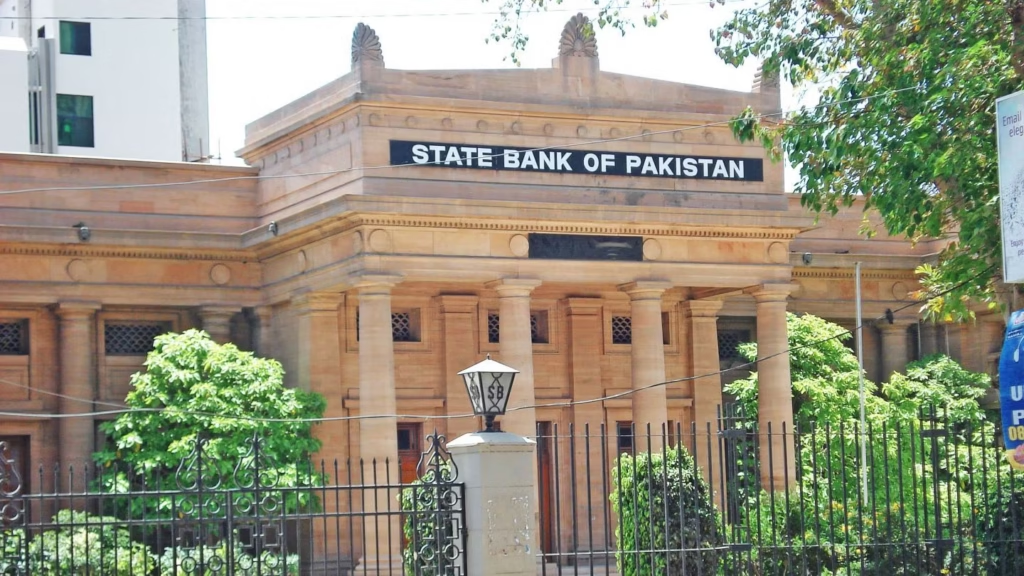
KARACHI — The State Bank of Pakistan (SBP) has announced plans to host the National Conference on Pakistan Economy, inviting researchers, academics, and policymakers to submit original research papers. The conference, aimed at addressing economic challenges and formulating future strategies, will provide a platform for discussion on policy initiatives and key reforms. What Happened On Wednesday, the State Bank of Pakistan unveiled its plan to convene the National Conference on Pakistan Economy, a significant event aimed at tackling the country’s pressing economic issues. The central bank has extended an invitation to researchers, academics, and policymakers to contribute their insights through high-quality research papers. These papers are expected to provide a comprehensive analysis of the current economic landscape, explore potential policy initiatives, and propose key reforms necessary for sustainable growth. The conference is designed to foster a collaborative environment where experts can exchange ideas and strategies to address the multifaceted economic challenges facing Pakistan. By encouraging the submission of research papers, the SBP aims to gather diverse perspectives and innovative solutions that can inform the country’s economic policies and strategic direction. According to the SBP’s announcement, the conference will cover a wide range of topics, including macroeconomic stability, fiscal policy, monetary policy, and structural reforms. The central bank emphasized the importance of evidence-based research in shaping effective economic policies and highlighted the role of academic contributions in driving policy innovation. Background Pakistan’s economy has faced numerous challenges in recent years, including high inflation, fiscal deficits, and a volatile exchange rate. The government and the SBP have been working to implement reforms aimed at stabilizing the economy and promoting sustainable growth. Previous efforts have included measures to enhance fiscal discipline, improve tax collection, and manage external debt. The National Conference on Pakistan Economy is part of a broader initiative by the SBP to engage with stakeholders and leverage academic expertise in addressing these challenges. Historically, the SBP has organized similar conferences and seminars to facilitate dialogue between policymakers and researchers, with the goal of aligning economic policies with empirical evidence and global best practices. Why It Matters The upcoming conference holds significant importance for Pakistan’s economic trajectory. By bringing together experts from various fields, the SBP aims to create a comprehensive framework for addressing the country’s economic challenges. This initiative is crucial for several reasons: Firstly, the conference provides an opportunity to reassess current policies and identify areas that require reform. With input from researchers and policymakers, the SBP can develop strategies that are both innovative and grounded in empirical evidence. This approach is essential for tackling complex issues such as inflation control, fiscal management, and economic growth. Secondly, the conference underscores the importance of collaboration between the public and academic sectors. By involving academics in the policy-making process, the SBP can benefit from cutting-edge research and diverse perspectives. This collaboration can lead to more effective and sustainable economic policies that are responsive to the needs of the Pakistani population. Lastly, the conference is an opportunity to showcase Pakistan’s commitment to economic reform on an international stage. By engaging with global experts and sharing insights, Pakistan can strengthen its economic partnerships and attract foreign investment. This is particularly important as the country seeks to enhance its economic resilience and competitiveness in the global market. Key Takeaways The SBP has announced the National Conference on Pakistan Economy, inviting research papers from experts. The conference aims to address economic challenges and propose policy initiatives and reforms. It provides a platform for collaboration between researchers, academics, and policymakers. The conference is part of the SBP’s broader initiative to engage stakeholders in economic policy-making. It highlights Pakistan’s commitment to economic reform and international collaboration. Source Attribution This article is based on official government statements, press releases, and public communications from relevant authorities. Author: NEN Editorial Desk | Editor: NEN Newsroom | Fact Checked By: NEN Editorial Team Author: NEN Editorial Desk  |  Editor: NEN Newsroom  |  Last Updated: July 29, 2026  |  Source: NEN Reporter This article was produced by the NEN Editorial Desk in accordance with NEN Agency’s Editorial Policy and Fact-Checking Policy.

Chinese Ambassador Jiang Zaidong Visits Confucius Institute at UAF
Pakistan

Chinese Ambassador Jiang Zaidong Visits Confucius Institute at UAF

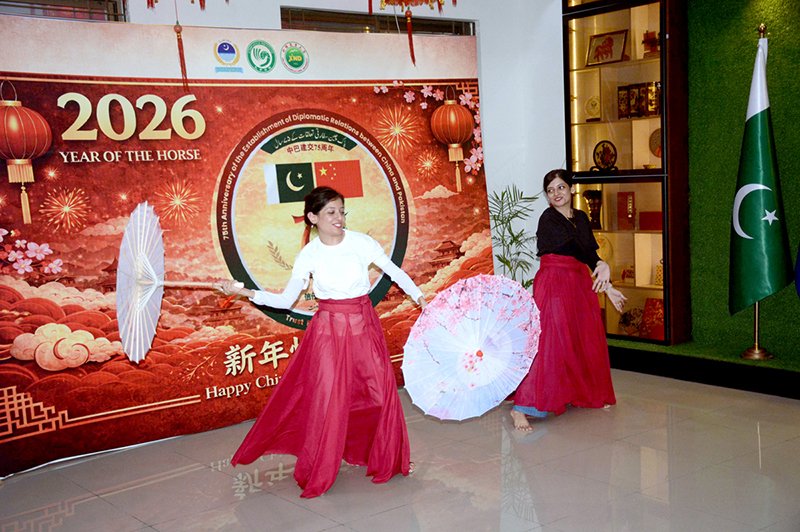
FAISALABAD — Chinese Ambassador to Pakistan, Jiang Zaidong, was warmly welcomed by students of the University of Agriculture Faisalabad (UAF) during his visit to the Confucius Institute at the university. The visit, which took place on July 29, 2026, featured a cultural tableau presented by the students, showcasing the strong educational and cultural ties between Pakistan and China. What Happened During his visit to the University of Agriculture Faisalabad, Ambassador Jiang Zaidong was greeted with a vibrant cultural performance by the students. The tableau, a traditional form of artistic expression, was organized to honor the ambassador and to highlight the cultural exchange facilitated by the Confucius Institute. The event underscored the importance of educational and cultural collaboration between the two nations. Ambassador Jiang, in his address, expressed his appreciation for the warm reception and emphasized the role of the Confucius Institute in fostering mutual understanding and cooperation. “The Confucius Institute plays a pivotal role in bridging cultural and educational gaps between our countries,” he stated. He further highlighted the importance of such institutes in promoting language learning and cultural exchange. The visit also included a group photo session with the students and faculty, symbolizing the friendship and partnership between China and Pakistan. The Confucius Institute at UAF has been instrumental in promoting Chinese language and culture, offering various programs and activities that enhance bilateral relations. Background The Confucius Institute at the University of Agriculture Faisalabad is part of a global network of institutes established to promote Chinese language and culture. These institutes are a collaborative effort between Chinese universities and host institutions worldwide. The UAF Confucius Institute has been active in organizing cultural events, language courses, and exchange programs, contributing significantly to the understanding of Chinese culture in Pakistan. Historically, China and Pakistan have shared a strong diplomatic relationship, often referred to as an “all-weather friendship.” This partnership extends beyond political and economic ties, encompassing educational and cultural exchanges that have been facilitated by institutions like the Confucius Institute. Why It Matters The visit of Ambassador Jiang Zaidong to the Confucius Institute at UAF is a testament to the enduring relationship between China and Pakistan. It highlights the importance of cultural diplomacy in strengthening bilateral ties. The presence of the Confucius Institute in Faisalabad serves as a bridge for cultural and educational exchange, fostering a deeper understanding between the two nations. For Pakistan, such visits and collaborations are crucial in enhancing educational opportunities and cultural awareness. They provide students with the chance to engage with different cultures, broadening their perspectives and preparing them for global challenges. The institute’s activities also contribute to the local economy by attracting students and scholars interested in Chinese language and culture. On a broader scale, the relationship between China and Pakistan is significant for regional stability and development. Educational and cultural exchanges form the foundation of a strong partnership that extends into economic and strategic domains. The Confucius Institute’s role in this context is vital, as it nurtures the next generation of leaders who will continue to uphold and advance this partnership. Key Takeaways Chinese Ambassador Jiang Zaidong visited the Confucius Institute at the University of Agriculture Faisalabad. The visit featured a cultural tableau by UAF students, celebrating Pakistan-China relations. The Confucius Institute promotes Chinese language and culture, enhancing bilateral ties. Such cultural exchanges are crucial for educational and economic development in Pakistan. The visit underscores the importance of cultural diplomacy in strengthening international relations. Source Attribution This article is based on official government statements, press releases, and public communications from relevant authorities. Author: NEN Editorial Desk | Editor: NEN Newsroom | Fact Checked By: NEN Editorial Team Author: NEN Editorial Desk  |  Editor: NEN Newsroom  |  Last Updated: July 29, 2026  |  Source: NEN Reporter This article was produced by the NEN Editorial Desk in accordance with NEN Agency’s Editorial Policy and Fact-Checking Policy.

Scroll to Top