

Author name: Yasir Zubairi

Yasir Zubairi is the founder and publisher of NEN Agency (News Era Network). He leads NEN's coverage of Pakistan's national affairs, economy, foreign relations and sports, and is responsible for the accuracy and standards of every story published on nenagency.com.

Pakistan Railways Finalizes March Train Crash Probe, Nine Found Responsible
Pakistan

Pakistan Railways Finalizes March Train Crash Probe, Nine Found Responsible

ISLAMABAD — Pakistan Railways has concluded its investigation into two significant train accidents that took place in March 2026. The findings, presented to the National Assembly Standing Committee on Railways, identify both human error and technical failures as primary causes, leading to disciplinary actions against nine employees. What Happened The inquiry into the March train crashes has revealed a troubling combination of track faults and unmanned crossings as major contributors to the incidents. The investigation, which has been a priority for Pakistan Railways, was aimed at understanding the root causes of these accidents to prevent future occurrences. According to the report, the accidents resulted from a mix of human negligence and technical issues, prompting immediate departmental actions against nine railway employees deemed responsible. Detailed in the report, the accidents occurred due to lapses in track maintenance and the absence of personnel at critical crossings. These findings were presented during a session of the National Assembly Standing Committee on Railways, where officials emphasized the need for urgent reforms within the railway system to enhance safety standards. “The safety of passengers is our utmost priority, and we are committed to addressing the deficiencies highlighted in the report,” a senior railway official stated. The inquiry’s conclusions have led to a series of recommendations, including the need for improved training for railway staff and the modernization of track infrastructure. The report also calls for increased investment in automated systems to monitor and manage railway operations more effectively. Background Train accidents have been a recurring issue in Pakistan, with the railway system suffering from chronic underinvestment and outdated infrastructure. Historically, the railway network has been plagued by insufficient maintenance, leading to frequent derailments and collisions. The March 2026 incidents are part of a long-standing pattern of safety challenges faced by Pakistan Railways. In recent years, the government has pledged to revamp the railway system, promising significant investments to modernize infrastructure and improve safety protocols. However, progress has been slow, and the recent accidents underscore the urgent need for comprehensive reforms. Why It Matters The findings of the March train crash probe hold significant implications for Pakistan’s railway sector. With nine employees held accountable, the report highlights systemic issues that have long plagued the country’s railways. The accountability measures taken could set a precedent for future incidents, emphasizing the importance of responsibility and transparency in public service operations. Economically, the accidents and their aftermath could impact public confidence in the railway system, which is a vital mode of transportation for millions of Pakistanis. The need for a reliable and safe railway network is crucial for economic stability and growth, as it facilitates the movement of goods and people across the country. Socially, the accidents have raised concerns about passenger safety and the effectiveness of current safety measures. The report’s recommendations for improved training and infrastructure upgrades are critical steps towards rebuilding trust with the public. Internationally, the probe’s findings may influence foreign investment in Pakistan’s infrastructure projects. Potential investors often assess the safety and reliability of a country’s transportation systems before committing resources. Demonstrating a commitment to addressing these issues could enhance Pakistan’s attractiveness as an investment destination. Key Takeaways The inquiry into the March train crashes identified human error and technical failures as key causes. Nine Pakistan Railways employees have been held responsible and face departmental action. Recommendations include improved staff training and modernization of railway infrastructure. Train accidents continue to challenge Pakistan’s railway system, necessitating urgent reforms. The findings may impact public confidence and influence international investment in Pakistan’s infrastructure. Source Attribution This article is based on official government statements and public communications from relevant authorities. Author: NEN Editorial Desk | Editor: NEN Newsroom | Fact Checked By: NEN Editorial Team Author: NEN Editorial Desk  |  Editor: NEN Newsroom  |  Last Updated: July 21, 2026  |  Source: NEN Reporter This article was produced by the NEN Editorial Desk in accordance with NEN Agency’s Editorial Policy and Fact-Checking Policy.

China-Pakistan Corn Partnership Crucial for Food Security and Trade
World

China-Pakistan Corn Partnership Crucial for Food Security and Trade

BEIJING — Researchers from China and Pakistan have underscored the critical importance of their countries’ collaboration in the corn sector, emphasizing its potential to enhance food security and agricultural trade. This discussion took place at the 2026 Beijing-Tianjin-Hebei Fresh Edible Corn Industry Development Conference, where experts highlighted the benefits of bilateral cooperation in corn production, seed technology, and cross-border grain trade. What Happened The conference, held in Beijing, brought together foreign and Chinese researchers who focused on the growing agricultural ties between China and Pakistan. They discussed the pivotal role of these partnerships in increasing corn production and advancing seed technology. The event was part of the larger Sino-Foreign collaboration framework aimed at boosting agricultural productivity and trade between the two nations. Experts at the conference pointed out that the partnership has already led to significant advancements in corn production techniques and seed innovation. These developments are expected to contribute to the stability of food supplies in both countries, which is increasingly important in the face of global food security challenges. “Our collaboration with Pakistan in the corn sector is not only about trade but also about ensuring food security for both nations,” said a Chinese agricultural expert during the conference. The discussions also covered the potential for expanding cross-border grain trade, which could open new markets and enhance economic ties between the two countries. The conference served as a platform for experts to exchange ideas on how to further strengthen this partnership, with a focus on sustainable agricultural practices and technological innovation. Background The China-Pakistan Economic Corridor (CPEC), a flagship project under China’s Belt and Road Initiative, has been a significant driver of economic cooperation between the two countries. Agriculture is a key component of CPEC, with several projects aimed at enhancing agricultural productivity and trade. The corn partnership is part of this broader framework, which seeks to leverage China’s technological expertise and Pakistan’s agricultural potential. Historically, Pakistan has been an agrarian economy, with agriculture contributing significantly to its GDP. However, challenges such as outdated farming techniques and climate change have hindered growth. The partnership with China offers an opportunity to address these issues through technology transfer and investment in modern agricultural practices. Why It Matters The collaboration between China and Pakistan in the corn sector is crucial for several reasons. Economically, it provides Pakistan with access to advanced agricultural technologies and practices, which can boost productivity and increase exports. This, in turn, can help stabilize Pakistan’s economy, which has been facing challenges such as inflation and trade deficits. Socially, the partnership has the potential to improve food security in Pakistan, where a significant portion of the population is dependent on agriculture for their livelihoods. By increasing corn production and improving seed technology, the partnership can help ensure a stable food supply, reducing the risk of food shortages and price volatility. On an international level, the partnership strengthens the economic ties between China and Pakistan, reinforcing their strategic alliance. It also positions both countries as key players in the global agricultural market, with the potential to influence grain trade dynamics in the region. Key Takeaways China and Pakistan are deepening their collaboration in the corn sector to enhance food security and trade. The partnership focuses on advancing corn production techniques and seed technology. Economic benefits include increased agricultural productivity and potential export growth for Pakistan. The collaboration is part of the broader China-Pakistan Economic Corridor initiative. This partnership strengthens the strategic and economic ties between the two nations. Source Attribution This article is based on official government statements, press releases, and public communications from relevant authorities. Author: NEN Editorial Desk | Editor: NEN Newsroom | Fact Checked By: NEN Editorial Team Author: NEN Editorial Desk  |  Editor: NEN Newsroom  |  Last Updated: July 21, 2026  |  Source: NEN Reporter This article was produced by the NEN Editorial Desk in accordance with NEN Agency’s Editorial Policy and Fact-Checking Policy.

Pakistan, Canada Commit to Strengthening Strategic Collaboration
World

Pakistan, Canada Commit to Strengthening Strategic Collaboration

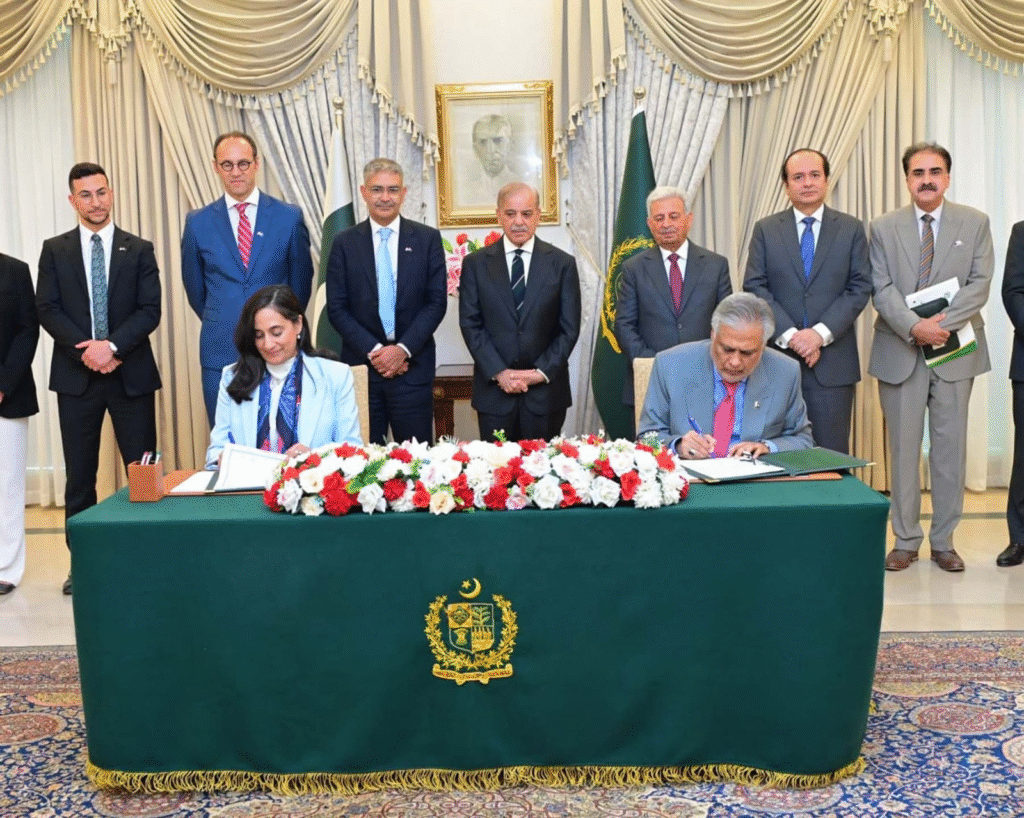
ISLAMABAD — Pakistan and Canada have reaffirmed their commitment to strengthening bilateral consultations and exploring new avenues for strategic collaboration. This was highlighted during a meeting between Pakistan’s Deputy Prime Minister and Minister of Foreign Affairs, Senator Mohammad Ishaq Dar, and Canada’s Minister for Foreign Affairs, Anita Anand, during her official visit to Pakistan on July 20, 2026. What Happened The meeting marked Foreign Minister Anita Anand’s first visit to Pakistan since assuming office. The two leaders engaged in a series of discussions aimed at enhancing Pakistan-Canada bilateral relations. A joint statement issued by both countries emphasized the successful holding of the 6th round of Bilateral Consultations in February 2026, which set the stage for renewed momentum in their diplomatic engagement. During the talks, both sides expressed a shared resolve to boost trade and investment, as well as to foster people-to-people exchanges. The Deputy Prime Minister updated Minister Anand on Pakistan’s mediation efforts in the regional conflict, acknowledging the Islamabad Memorandum of Understanding as a significant step toward a sustainable ceasefire. Both ministers underscored the importance of upholding commitments under this agreement. The discussions also highlighted the contributions of the Pakistani diaspora in Canada, which numbers over 300,000, and the presence of more than 9,000 Pakistani students in Canadian institutions. The ministers agreed on the importance of strengthening cultural exchanges, tourism, and mobility between the two nations. They also recognized the value of parliamentary exchanges and pledged to enhance cooperation between their respective legislatures. Emphasizing trade and investment as key drivers for mutual prosperity, the ministers welcomed progress toward a Pakistan-Canada Foreign Investment Protection and Promotion Agreement (FIPA). They agreed to revive the Pakistan-Canada Joint Working Group on Trade and Investment to expedite negotiations and explore business opportunities in sectors such as clean energy, mining, infrastructure, and emerging technologies. The ministers noted the strategic importance of energy security and diversification, agreeing to encourage investments in renewable energy sectors, including solar, wind, and battery storage technologies. They highlighted Canadian company JCM Power’s successful bid for the 240 MW Dhabeji Hybrid Wind-Solar Project in partnership with K-Electric, which has received necessary regulatory approvals. Background Pakistan and Canada have a long-standing relationship characterized by cooperation in various fields, including trade, education, and cultural exchanges. The two countries have held multiple rounds of bilateral consultations to address mutual interests and challenges. The Islamabad Memorandum of Understanding, referenced during the meeting, represents a significant diplomatic effort by Pakistan to mediate regional conflicts and promote peace. The Pakistani diaspora in Canada plays a vital role in bridging cultural and economic ties between the two nations. Over the years, both countries have worked to enhance these connections through educational exchanges and trade agreements. The potential for increased collaboration in renewable energy and technology sectors aligns with global trends towards sustainability and innovation. Why It Matters The reaffirmation of strategic collaboration between Pakistan and Canada holds significant implications for both countries. Economically, the focus on trade and investment could lead to increased business opportunities and economic resilience. The potential conclusion of the FIPA and the revival of the Joint Working Group on Trade and Investment signal a commitment to facilitating smoother business operations and attracting foreign investments. Socially, the emphasis on people-to-people exchanges and cultural ties enhances mutual understanding and cooperation. The acknowledgment of the Pakistani diaspora’s contributions underscores the importance of inclusive policies that benefit citizens of both nations. Politically, Pakistan’s mediation efforts in regional conflicts and the resulting agreements, such as the Islamabad MoU, demonstrate its role as a proactive player in promoting peace and stability. Canada’s support for these initiatives reflects a shared commitment to addressing global challenges collaboratively. Key Takeaways Pakistan and Canada reaffirmed their commitment to strategic collaboration during a high-level meeting. Both countries aim to boost trade, investment, and people-to-people exchanges. The Islamabad Memorandum of Understanding is a cornerstone of their diplomatic efforts for regional peace. Renewable energy and technology sectors are key areas for future collaboration. The Pakistani diaspora in Canada plays a crucial role in strengthening bilateral ties. Source Attribution This article is based on official government statements, press releases, and public communications from relevant authorities. Author: NEN Editorial Desk | Editor: NEN Newsroom | Fact Checked By: NEN Editorial Team Author: NEN Editorial Desk  |  Editor: NEN Newsroom  |  Last Updated: July 21, 2026  |  Source: Press Release from Ministry of Foreign Affairs This article was produced by the NEN Editorial Desk in accordance with NEN Agency’s Editorial Policy and Fact-Checking Policy.

Pakistan Hockey Federation Denies Dissolving Selection Committee
Pakistan

Pakistan Hockey Federation Denies Dissolving Selection Committee

ISLAMABAD — The Pakistan Hockey Federation (PHF) has officially dismissed rumors circulating on social media that it has dissolved its selection committee and transferred all selection responsibilities to the coaching staff. The federation described these claims as baseless and unfounded in an official statement released on Monday. What Happened Reports emerged on various social media platforms suggesting that the PHF had made a significant organizational change by dissolving its selection committee. According to these rumors, the federation had allegedly shifted all selection powers to the coaching staff, effectively eliminating the committee’s role in team selection. The PHF, however, was quick to refute these claims, emphasizing that the selection committee remains intact and continues to function as per its mandate. In a statement, a PHF spokesperson clarified, “The reports circulating on social media are completely baseless. The selection committee has not been dissolved, and no such decision has been made by the federation.” The spokesperson further assured fans and stakeholders that the PHF is committed to maintaining transparency and integrity in its selection processes. The PHF’s swift response highlights the organization’s proactive approach in addressing misinformation and ensuring that accurate information is communicated to the public. The federation also reiterated its dedication to the development and promotion of hockey in Pakistan, emphasizing that any decisions regarding team selection would be made with the utmost consideration for the sport’s best interests. Background The Pakistan Hockey Federation, established in 1948, is the governing body for field hockey in Pakistan. It is responsible for overseeing all aspects of the sport, including the national team’s selection, training, and participation in international competitions. The selection committee, a crucial component of the PHF, is tasked with selecting players for the national team based on performance, fitness, and potential. Historically, the PHF has faced challenges, including financial constraints and declining performance on the international stage. Despite these hurdles, the federation has been working to revive the sport’s popularity and competitiveness in Pakistan. The selection committee plays a vital role in this revival by ensuring that the best talent is identified and nurtured for national representation. Why It Matters The rumors of the selection committee’s dissolution, if true, would have significant implications for the governance of hockey in Pakistan. The selection committee is instrumental in maintaining a merit-based system for player selection, ensuring that decisions are made objectively and transparently. Transferring all selection powers to the coaching staff could potentially lead to conflicts of interest and undermine the integrity of the selection process. Moreover, the PHF’s denial of these rumors underscores the importance of combating misinformation in the digital age. Social media platforms, while valuable for communication, can also be sources of unverified information that can damage reputations and create unnecessary confusion. The PHF’s prompt response serves as a reminder of the need for organizations to actively manage their public image and address false narratives swiftly. For the players and fans of Pakistani hockey, the assurance that the selection committee remains operational is crucial. It reinforces confidence in the system and ensures that player selections are based on merit and performance. This trust is essential for fostering a competitive and fair environment that encourages the development of hockey talent in the country. Key Takeaways The Pakistan Hockey Federation has denied rumors of dissolving its selection committee. The PHF emphasized that the selection committee continues to function as usual. Social media reports suggesting a transfer of selection powers to coaching staff were deemed baseless. The PHF’s response highlights the importance of addressing misinformation swiftly. The assurance of a functioning selection committee maintains trust in the hockey selection process. Source Attribution This article is based on official statements and public communications from the Pakistan Hockey Federation. Author: NEN Editorial Desk | Editor: NEN Newsroom | Fact Checked By: NEN Editorial Team Author: NEN Editorial Desk  |  Editor: NEN Newsroom  |  Last Updated: July 21, 2026  |  Source: NEN Reporter This article was produced by the NEN Editorial Desk in accordance with NEN Agency’s Editorial Policy and Fact-Checking Policy.
NBP Releases Updated Currency Exchange Rates in Karachi
Pakistan

NBP Releases Updated Currency Exchange Rates in Karachi

KARACHI — The National Bank of Pakistan (NBP) has announced the latest buying and selling rates for major foreign currencies as of Monday, July 20. These rates are crucial for businesses and individuals engaged in foreign exchange transactions across the country. What Happened The NBP has released the updated exchange rates for major currencies, including the US dollar, which is a significant benchmark for the Pakistani rupee. According to the NBP’s latest figures, the selling rate for the US dollar stands at 279.74 PKR, while the buying rate is slightly lower. These rates are pivotal for importers, exporters, and travelers who rely on accurate currency conversion for their financial planning and transactions. The currency rates are issued regularly by the NBP to provide transparency and facilitate smooth financial operations in the foreign exchange market. The rates are determined based on a variety of factors, including international market trends, supply and demand dynamics, and economic indicators. NBP’s role as a leading financial institution in Pakistan includes providing reliable currency exchange services, which are essential for maintaining economic stability and fostering international trade. The updated rates are disseminated through various channels to ensure accessibility for all stakeholders involved in currency exchange activities. Background Currency exchange rates are a crucial aspect of Pakistan’s financial ecosystem, impacting a wide range of economic activities. The NBP, as a state-owned bank, plays a central role in setting these rates, which are influenced by the State Bank of Pakistan’s monetary policies and global economic conditions. Historically, the Pakistani rupee has experienced fluctuations against major currencies due to factors such as inflation, trade deficits, and geopolitical developments. In recent years, the currency market has been particularly volatile, necessitating timely updates from financial institutions like the NBP. The NBP’s currency rates are used by a variety of sectors, including import-export businesses, financial institutions, and individual consumers. Accurate exchange rates are vital for these entities to manage costs, forecast revenues, and make informed financial decisions. Why It Matters The release of updated currency rates by the NBP holds significant implications for Pakistan’s economy. For businesses involved in international trade, these rates determine the cost of imports and the competitiveness of exports. A higher exchange rate for the US dollar, for example, can increase the cost of imported goods, affecting pricing strategies and profit margins. For individual consumers, currency rates influence the cost of foreign travel, education abroad, and remittances. As Pakistan is a major recipient of remittances from overseas workers, fluctuations in exchange rates can impact the value of money sent back home, affecting household incomes. On a macroeconomic level, stable and transparent currency rates contribute to investor confidence and economic stability. They enable policymakers to assess the health of the economy and make informed decisions regarding fiscal and monetary policies. In the context of global economic uncertainties, the role of NBP in providing reliable currency rates becomes even more critical. It helps mitigate the risks associated with currency volatility and supports the broader economic objectives of growth and stability. Key Takeaways The NBP has released updated buying and selling rates for major currencies, including the US dollar. The selling rate for the US dollar is 279.74 PKR, with a slightly lower buying rate. Currency rates are essential for businesses, consumers, and policymakers in managing financial transactions and economic planning. Fluctuations in exchange rates can significantly impact the cost of imports, exports, and remittances. NBP’s role in providing transparent and reliable currency rates supports economic stability and investor confidence. Source Attribution The article is based on official government statements, press releases, and public communications from relevant authorities. Author: NEN Editorial Desk | Editor: NEN Newsroom | Fact Checked By: NEN Editorial Team Author: NEN Editorial Desk  |  Editor: NEN Newsroom  |  Last Updated: July 21, 2026  |  Source: NEN Reporter This article was produced by the NEN Editorial Desk in accordance with NEN Agency’s Editorial Policy and Fact-Checking Policy.
NA Speaker Congratulates UK Prime Minister Andy Burnham on Election
World

NA Speaker Congratulates UK Prime Minister Andy Burnham on Election

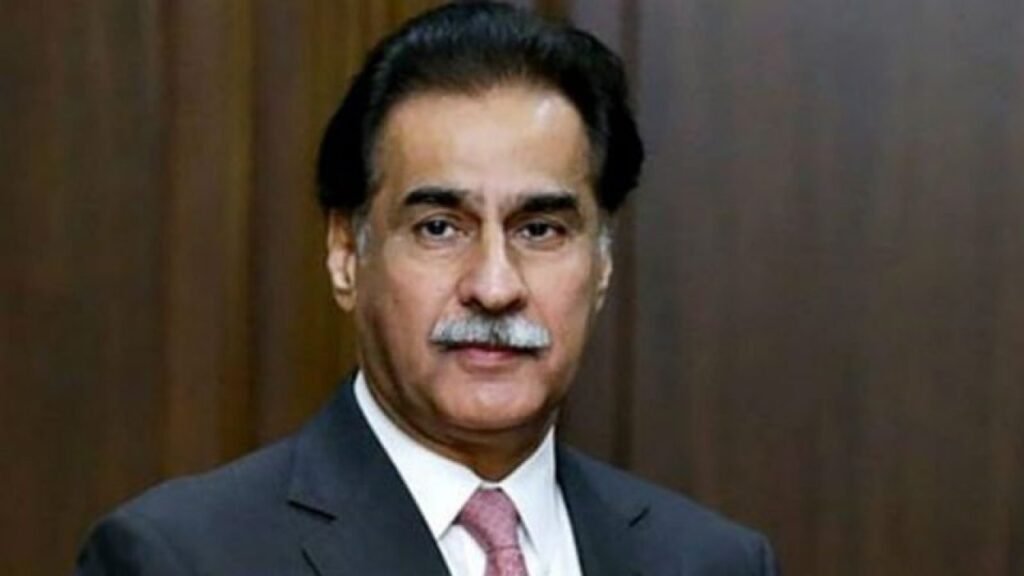
ISLAMABAD — Speaker of the National Assembly, Sardar Ayaz Sadiq, has extended his heartfelt congratulations to Andy Burnham on his election as the Prime Minister of the United Kingdom. The congratulatory message was conveyed on July 20, highlighting the Speaker’s warm wishes for the newly elected leader. What Happened Sardar Ayaz Sadiq, the Speaker of Pakistan’s National Assembly, reached out to Andy Burnham to offer his congratulations following Burnham’s successful election as the Prime Minister of the United Kingdom. In his message, Sadiq expressed his warmest felicitations and best wishes for Burnham as he assumes his new role. The Speaker’s message reflects the diplomatic ties and mutual respect between Pakistan and the United Kingdom, emphasizing the importance of continued collaboration and friendship between the two nations. Andy Burnham, who has been a prominent figure in British politics, was elected as the Prime Minister following a decisive electoral victory. His election marks a significant moment in UK politics, as he is expected to bring new perspectives and policies to the forefront. The election results have been closely watched by international observers, given the UK’s influential role on the global stage. In his congratulatory message, Speaker Sadiq highlighted the shared history and values between Pakistan and the UK, expressing optimism for strengthened bilateral relations under Burnham’s leadership. The message underscored the potential for enhanced cooperation in various sectors, including trade, education, and cultural exchanges. Background Andy Burnham’s rise to the position of Prime Minister comes after a notable political career, including his tenure as the Mayor of Greater Manchester. Known for his progressive policies and focus on social justice, Burnham has been a vocal advocate for issues such as healthcare reform and economic equality. His leadership style and policy priorities are expected to shape the UK’s domestic and international agenda in the coming years. The United Kingdom and Pakistan have a long-standing relationship, characterized by historical ties and significant diaspora communities. Over the years, both countries have engaged in diplomatic, economic, and cultural exchanges, fostering a partnership that benefits both nations. The election of a new Prime Minister in the UK presents an opportunity to further enhance these relations, building on existing agreements and exploring new avenues for collaboration. Why It Matters The election of Andy Burnham as the UK Prime Minister holds significant implications for international relations, particularly in the context of UK-Pakistan ties. As both countries navigate complex global challenges, including economic recovery post-pandemic, climate change, and security concerns, effective leadership and diplomatic engagement are crucial. For Pakistan, maintaining strong relations with the UK is vital, given the substantial Pakistani diaspora in Britain and the economic ties between the two nations. The UK is one of Pakistan’s largest trading partners in Europe, and continued collaboration can lead to increased trade opportunities, investment, and economic growth. Moreover, Burnham’s leadership may influence the UK’s foreign policy priorities, impacting global issues such as climate action and international development. Pakistan, as a developing nation facing its own environmental challenges, stands to benefit from potential partnerships in sustainable development and green technology. On a broader scale, Burnham’s election could signal shifts in the UK’s approach to international diplomacy, affecting its relationships with key allies and global institutions. As a member of the Commonwealth, Pakistan is poised to engage with the UK on multilateral platforms, addressing shared concerns and advocating for common interests. Key Takeaways NA Speaker Sardar Ayaz Sadiq congratulated Andy Burnham on becoming the UK Prime Minister. Burnham’s election is significant for UK politics and international relations. Pakistan-UK relations may strengthen under Burnham’s leadership, with potential for increased cooperation. Burnham’s policies could impact global issues, including climate change and economic development. The UK remains a key partner for Pakistan, with opportunities for enhanced trade and investment. Source Attribution This article is based on official government statements and public communications from relevant authorities. Author: NEN Editorial Desk | Editor: NEN Newsroom | Fact Checked By: NEN Editorial Team Author: NEN Editorial Desk  |  Editor: NEN Newsroom  |  Last Updated: July 21, 2026  |  Source: Press Release from Government of Pakistan This article was produced by the NEN Editorial Desk in accordance with NEN Agency’s Editorial Policy and Fact-Checking Policy.
Deputy Prime Minister Congratulates Ed Miliband on New UK Role
World

Deputy Prime Minister Congratulates Ed Miliband on New UK Role

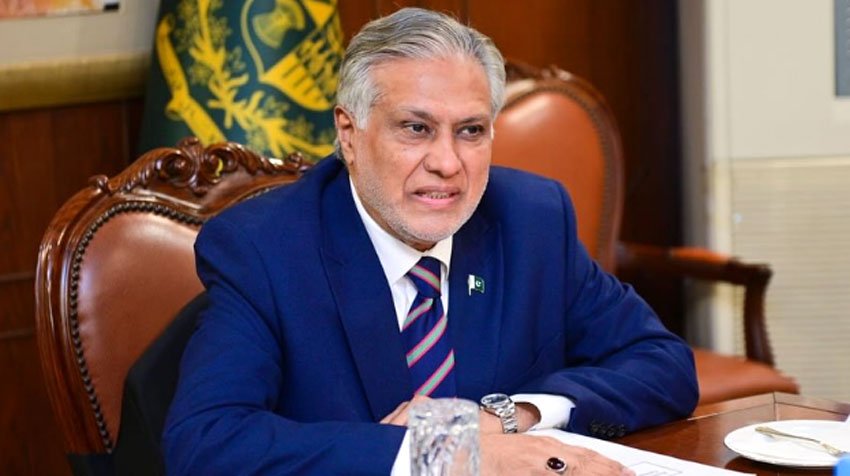
ISLAMABAD — Deputy Prime Minister and Foreign Minister Senator Muhammad Ishaq Dar extended his congratulations to Ed Miliband on his appointment as the United Kingdom’s Secretary of State for Foreign, Commonwealth and Development Affairs. The congratulatory message was shared on social media on Monday, highlighting the enduring relationship between Pakistan and the UK. What Happened On July 20, Deputy Prime Minister Muhammad Ishaq Dar publicly congratulated Ed Miliband, who has recently taken office as the UK’s Secretary of State for Foreign, Commonwealth and Development Affairs. In a post on X, formerly known as Twitter, Dar expressed his warm regards and noted the longstanding diplomatic ties between Pakistan and the United Kingdom. He stated, “Pakistan and the United Kingdom share a longstanding and valued relationship, and I look forward to working closely with you to further strengthen our bilateral ties.” Ed Miliband, a prominent figure in the UK’s Labour Party, assumed his new role amidst a reshuffling of the UK cabinet. His appointment is seen as a strategic move by the UK government to bolster its foreign policy initiatives, particularly in the context of global challenges such as climate change, international trade, and development cooperation. The Deputy Prime Minister’s message underscores the importance of the UK-Pakistan relationship, which has been characterized by mutual cooperation in various fields including trade, education, and security. The UK is one of Pakistan’s largest trading partners in Europe, and both countries have historically collaborated on numerous international platforms. Background The diplomatic relationship between Pakistan and the United Kingdom dates back to Pakistan’s independence in 1947. Over the years, both nations have engaged in extensive collaboration across various sectors. The UK has been a significant partner in Pakistan’s development efforts, providing aid and support in areas such as education, health, and infrastructure. Ed Miliband, who previously served as the Leader of the Labour Party and Leader of the Opposition from 2010 to 2015, is known for his focus on social justice and climate change. His appointment as Secretary of State for Foreign, Commonwealth and Development Affairs is expected to bring a renewed emphasis on these issues within the UK’s foreign policy agenda. Historically, the UK has played a pivotal role in Pakistan’s socio-economic development. The two countries have also maintained strong people-to-people ties, with a significant Pakistani diaspora residing in the UK, contributing to the multicultural fabric of British society. Why It Matters The appointment of Ed Miliband to a key foreign affairs position in the UK government holds significant implications for Pakistan-UK relations. As Pakistan seeks to strengthen its international alliances, maintaining a robust relationship with the UK is crucial. The UK has been a consistent supporter of Pakistan on various international forums, advocating for economic aid and development assistance. Economically, the UK is an important market for Pakistani goods, with bilateral trade reaching approximately £3 billion annually. The continuation of strong diplomatic ties ensures that trade relations can be further enhanced, benefiting both economies. Additionally, the UK’s support in educational initiatives has been instrumental in improving literacy and educational standards in Pakistan. Politically, the collaboration between the two countries can contribute to regional stability. Both nations have a vested interest in counter-terrorism and ensuring peace in South Asia. The UK’s influence in global politics can serve as a platform for Pakistan to address its concerns on international issues, including climate change and sustainable development. Key Takeaways Deputy Prime Minister Ishaq Dar congratulated Ed Miliband on his appointment as the UK’s Secretary of State for Foreign, Commonwealth and Development Affairs. The UK-Pakistan relationship is characterized by strong diplomatic, economic, and educational ties. Ed Miliband’s focus on climate change and social justice could influence UK foreign policy towards Pakistan. The UK is a major trading partner for Pakistan, with bilateral trade reaching approximately £3 billion annually. Maintaining strong relations with the UK is crucial for Pakistan’s international diplomatic and economic strategies. Source Attribution This article is based on official government statements, press releases, and public communications from relevant authorities. Author: NEN Editorial Desk | Editor: NEN Newsroom | Fact Checked By: NEN Editorial Team Author: NEN Editorial Desk  |  Editor: NEN Newsroom  |  Last Updated: July 21, 2026  |  Source: NEN Reporter This article was produced by the NEN Editorial Desk in accordance with NEN Agency’s Editorial Policy and Fact-Checking Policy.

CCP Penalizes Firm Rs. 5 Million Over Fraudulent Trademark Use
World

CCP Penalizes Firm Rs. 5 Million Over Fraudulent Trademark Use

ISLAMABAD — The Competition Commission of Pakistan (CCP) has levied a Rs. 5 million fine on M/s MCI-Bureau of Inspection & Certifications Pakistan for the unauthorized use of a trademark resembling that of Bureau Veritas, a prominent French company in the testing and certification sector. This decision comes under Section 10 of the Competition Act, 2010, aimed at preventing deceptive marketing practices. What Happened The CCP’s action against M/s MCI-Bureau of Inspection & Certifications Pakistan was prompted by the firm’s adoption of a trademark and logo that closely mirrored those of Bureau Veritas. Bureau Veritas is a globally recognized entity in testing, inspection, and certification services, headquartered in France. The CCP found that MCI’s use of a similar trademark could mislead consumers into believing that they were affiliated with or endorsed by Bureau Veritas, thereby violating competitive practices outlined in the Competition Act. The CCP’s decision to impose a substantial penalty underscores its commitment to maintaining fair competition and protecting consumer interests. According to the CCP, the infringement was a clear attempt to capitalize on the established reputation and goodwill of Bureau Veritas, potentially confusing consumers and harming the competitive landscape. In a statement, the CCP emphasized the importance of distinguishing one’s brand identity and warned other firms against engaging in similar deceptive practices. The commission reiterated its dedication to upholding the principles of fair competition and ensuring that businesses operate within the legal framework set by Pakistani law. Background The Competition Act, 2010, serves as a cornerstone in Pakistan’s regulatory framework for promoting fair competition. Section 10 specifically addresses deceptive marketing practices, prohibiting businesses from engaging in conduct that can mislead consumers about the nature, characteristics, or quality of goods and services. The act empowers the CCP to investigate and penalize entities that breach these provisions. Bureau Veritas, established in 1828, is a leader in the global testing, inspection, and certification industry, with operations spanning over 140 countries. Its brand and logo are well-known and trusted worldwide, making unauthorized use a significant issue in terms of intellectual property rights and consumer protection. Why It Matters This case highlights the challenges faced by regulatory bodies in safeguarding intellectual property rights and ensuring fair competition in Pakistan’s business environment. The CCP’s decision to impose a hefty fine serves as a deterrent to other companies that might consider similar practices. By enforcing the Competition Act, the CCP aims to foster a business climate where innovation and fair competition thrive, ultimately benefiting consumers and the economy. The implications of this ruling extend beyond the immediate parties involved. For consumers, it reinforces the assurance that regulatory bodies are actively working to protect their interests against misleading practices. For businesses, it underscores the necessity of adhering to ethical marketing practices and respecting intellectual property rights. On an international level, the CCP’s action demonstrates Pakistan’s commitment to aligning with global standards in competition law and intellectual property protection. This can enhance the country’s reputation as a fair and competitive market, potentially attracting more foreign investment. Key Takeaways The CCP fined M/s MCI-Bureau of Inspection & Certifications Pakistan Rs. 5 million for trademark infringement. The penalty was imposed for using a logo similar to Bureau Veritas, violating the Competition Act, 2010. The case emphasizes the importance of protecting intellectual property rights and maintaining fair competition. This action by the CCP serves as a warning to other firms against deceptive marketing practices. The decision aligns Pakistan’s regulatory practices with international standards, potentially boosting foreign investment. Source Attribution This article is based on official government statements, press releases, and public communications from relevant authorities. Author: NEN Editorial Desk | Editor: NEN Newsroom | Fact Checked By: NEN Editorial Team Author: NEN Editorial Desk  |  Editor: NEN Newsroom  |  Last Updated: July 20, 2026  |  Source: Press Release from Government of Pakistan This article was produced by the NEN Editorial Desk in accordance with NEN Agency’s Editorial Policy and Fact-Checking Policy.
Pakistan Emerges As Leading Halal Meat Exporter, Experts Highlight Policy Success
World

Pakistan Emerges As Leading Halal Meat Exporter, Experts Highlight Policy Success

ISLAMABAD — Pakistan is rapidly establishing itself as a prominent exporter of halal meat, driven by effective policy measures and strategic industry advancements, experts revealed at a recent seminar in Islamabad. The event, held on July 20, underscored the potential of Pakistan’s livestock and meat sector to significantly contribute to the nation’s economic growth, export diversification, and employment generation. What Happened The seminar, attended by industry leaders, policymakers, and agricultural experts, focused on the transformative potential of Pakistan’s halal meat industry. Experts emphasized that with the right policies, technological innovations, and adherence to international quality standards, Pakistan could further solidify its position in the global halal meat market. Speakers at the seminar highlighted the importance of value addition in the meat processing sector, which could enhance product quality and increase export revenues. They pointed out that Pakistan’s geographical location and agricultural resources provide a competitive advantage in meeting the growing global demand for halal meat. Dr. Ahmed Khan, a leading agricultural economist, stated, “Pakistan’s halal meat industry has the potential to become a key driver of economic growth. By investing in modern technology and ensuring compliance with international standards, we can expand our market share significantly.” Participants also discussed the need for government support in terms of subsidies and incentives to encourage private sector investment in the meat industry. This, they argued, would help in overcoming challenges such as inadequate infrastructure and limited access to international markets. Background Pakistan’s journey towards becoming a leading halal meat exporter has been marked by significant policy shifts and strategic investments. Historically, the country has relied heavily on traditional agricultural practices, but recent years have seen a concerted effort to modernize the sector. The government has introduced several initiatives aimed at improving livestock management, enhancing meat quality, and expanding export markets. These include the establishment of modern slaughterhouses, the introduction of quality certification programs, and partnerships with international organizations to boost compliance with global standards. Pakistan’s halal meat exports have traditionally been directed towards the Middle East, but there is a growing interest in tapping into markets in Southeast Asia, Europe, and Africa. Why It Matters The rise of Pakistan as a leading halal meat exporter holds significant implications for the country’s economy and its international trade relationships. Economically, the sector’s growth could lead to increased foreign exchange earnings, reduced unemployment, and greater economic diversification. Socially, the expansion of the halal meat industry could result in improved livelihoods for rural communities involved in livestock farming. As demand for halal meat increases globally, Pakistan’s farmers stand to benefit from higher incomes and improved living standards. On the international stage, Pakistan’s enhanced role in the halal meat market could strengthen its trade ties with key partners, particularly in the Middle East and Southeast Asia. This could lead to increased geopolitical influence and opportunities for broader economic collaboration. The successful expansion of the halal meat industry also underscores the importance of strategic policy-making and innovation in driving economic growth. It serves as a model for other sectors seeking to enhance their global competitiveness. Key Takeaways Pakistan is emerging as a leading exporter of halal meat, driven by effective policies and industry advancements. Experts emphasize the importance of value addition and compliance with international quality standards. The halal meat sector’s growth could significantly boost Pakistan’s economy and employment rates. Government support and private sector investment are crucial for overcoming industry challenges. Pakistan’s enhanced role in the global halal meat market could strengthen international trade relationships. Source Attribution This article is based on official government statements, press releases, and public communications from relevant authorities. Author: NEN Editorial Desk | Editor: NEN Newsroom | Fact Checked By: NEN Editorial Team Author: NEN Editorial Desk  |  Editor: NEN Newsroom  |  Last Updated: July 20, 2026  |  Source: NEN Reporter This article was produced by the NEN Editorial Desk in accordance with NEN Agency’s Editorial Policy and Fact-Checking Policy.

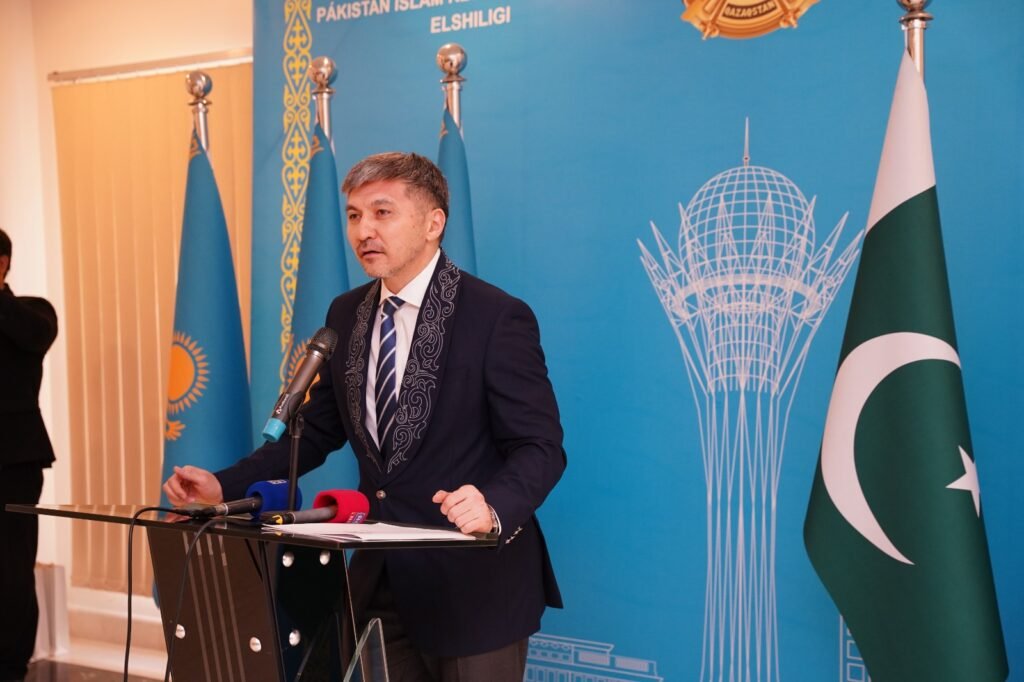
Kazakh Ambassador Highlights Connectivity for Pakistan-Central Asia Trade Growth
Pakistan

Kazakh Ambassador Highlights Connectivity for Pakistan-Central Asia Trade Growth

ISLAMABAD — Ambassador Yerzhan Kistafin of Kazakhstan emphasized the critical role of rail and road connectivity in boosting trade between Pakistan and Central Asia on Monday. He highlighted that the future cooperation in the energy sector between Pakistan and Kazakhstan hinges on the development of regional infrastructure. What Happened During a meeting held in Islamabad, Ambassador Yerzhan Kistafin articulated the necessity of enhancing transportation links to facilitate trade expansion between Pakistan and Central Asian countries. The ambassador pointed out that the current infrastructure, particularly in rail and road networks, is insufficient to meet the growing demands of trade and economic cooperation in the region. Ambassador Kistafin noted, “The development of robust rail and road networks is essential for unlocking the trade potential between our regions. Without these critical infrastructures, our ambitions for increased economic collaboration will remain unfulfilled.” He further emphasized the strategic importance of Pakistan as a gateway to Central Asia, which could significantly benefit from improved connectivity. The ambassador also mentioned that Kazakhstan is keen on exploring energy cooperation with Pakistan, but such initiatives would require substantial improvements in regional infrastructure. He stressed that both countries must work together to overcome logistical challenges that currently impede trade and economic integration. Background Pakistan and Kazakhstan have historically shared cordial relations, with both countries expressing a mutual interest in strengthening economic ties. The two nations have been part of various regional forums aimed at enhancing trade and cooperation, such as the Economic Cooperation Organization (ECO) and the Shanghai Cooperation Organization (SCO). Despite these efforts, trade volumes between Pakistan and Central Asian countries remain relatively low, primarily due to inadequate transportation infrastructure. The existing road networks are often plagued by logistical bottlenecks, while rail connectivity is limited, affecting the timely and cost-effective movement of goods. In recent years, Pakistan has been working on several infrastructure projects under the China-Pakistan Economic Corridor (CPEC), which aims to improve connectivity within the region. However, experts argue that more targeted efforts are needed to connect with Central Asian states effectively. Why It Matters The emphasis on improving rail and road connectivity is crucial for Pakistan’s economic ambitions. Enhanced transportation links could open up new markets for Pakistani goods in Central Asia, potentially leading to a significant increase in exports. This, in turn, would contribute to economic growth and job creation within Pakistan. For Central Asian countries, improved connectivity with Pakistan offers access to the Arabian Sea, facilitating trade with global markets. This could lead to a diversification of their economic partnerships and a reduction in dependency on traditional trading routes. Moreover, the development of infrastructure is likely to attract foreign investment in both regions, particularly in sectors such as energy, logistics, and manufacturing. This could foster greater economic integration and stability in Central Asia and Pakistan, contributing to regional peace and development. On a strategic level, improved connectivity could enhance Pakistan’s role as a regional hub, strengthening its geopolitical influence in Central Asia. This aligns with Pakistan’s broader foreign policy objectives of fostering regional cooperation and economic integration. Key Takeaways Ambassador Yerzhan Kistafin emphasized the importance of rail and road connectivity for boosting trade between Pakistan and Central Asia. Improved infrastructure is essential for future energy cooperation between Pakistan and Kazakhstan. Current trade volumes remain low due to inadequate transportation links. Enhanced connectivity could open new markets for Pakistani goods and attract foreign investment. Improving infrastructure aligns with Pakistan’s strategic goals of regional cooperation and economic integration. Source Attribution This article is based on official government statements, press releases, and public communications from relevant authorities. Author: NEN Editorial Desk | Editor: NEN Newsroom | Fact Checked By: NEN Editorial Team Author: NEN Editorial Desk  |  Editor: NEN Newsroom  |  Last Updated: July 20, 2026  |  Source: NEN Reporter This article was produced by the NEN Editorial Desk in accordance with NEN Agency’s Editorial Policy and Fact-Checking Policy.

Scroll to Top