

Author name: Yasir Zubairi

Yasir Zubairi is the founder and publisher of NEN Agency (News Era Network). He leads NEN's coverage of Pakistan's national affairs, economy, foreign relations and sports, and is responsible for the accuracy and standards of every story published on nenagency.com.

Pakistan Clinches Seven Medals, Best Under-16 Title at Asian Ju-jitsu Championship
World

Pakistan Clinches Seven Medals, Best Under-16 Title at Asian Ju-jitsu Championship

ISLAMABAD — Pakistan achieved a remarkable feat at the Asian Ju-jitsu Championship 2026 held in Almaty, Kazakhstan, by securing seven medals and earning the title of Best Under-16 Team of Asia. This accomplishment marks a significant milestone for the country’s ju-jitsu program, reflecting years of dedication and strategic development. What Happened The championship concluded with Pakistan’s tally standing at two gold, three silver, and two bronze medals. The event, which took place in Almaty, saw fierce competition among young athletes from across Asia. On the final day, Ebad ur Rehman secured a bronze medal in the Under-18 Fighting System (85kg) category by defeating his Indian counterpart. Additionally, in the Under-21 Men’s Duo Show System, the pair of Umer Yaseen and Ebad ur Rehman clinched silver medals, bringing Pakistan’s total medal count to seven. The medal and closing ceremony was attended by prominent figures, including Secretary General of the South Asian Ju-jitsu Regional Association and Pakistan Ju-jitsu Federation Tariq Ali, and Trade and Investment Counsellor at the Embassy of Pakistan in Kazakhstan, Rizwana Qazi. The Chairman of the Pakistan Ju-jitsu Federation expressed his pride in the athletes, coaches, and officials, attributing the success to their collective commitment and strategic planning. Tariq Ali, who also serves as the Secretary General of the Pakistan Ju-jitsu Federation and team leader, highlighted the significance of this achievement. He stated, “The performance demonstrated the growing strength of Pakistan’s ju-jitsu programme and will motivate the team ahead of future Asian and World Championships.” Background Ju-jitsu, a martial art focusing on grappling and ground fighting, has been gaining popularity in Pakistan over the past decade. The Pakistan Ju-jitsu Federation has been actively working to promote the sport at both national and international levels. Historically, Pakistan has participated in various international ju-jitsu competitions, gradually improving its performance and standing in the global arena. The Asian Ju-jitsu Championship is a prestigious event that attracts top talent from across the continent. It provides a platform for young athletes to showcase their skills and compete at an international level. Pakistan’s participation and success in these championships reflect the country’s growing capabilities in martial arts. Why It Matters The success of Pakistani athletes at the Asian Ju-jitsu Championship holds significant implications for the country’s sports landscape. Firstly, it highlights the potential of young athletes in Pakistan to excel in international competitions, thereby enhancing the country’s reputation in the global sports community. Economically, such achievements can attract investment in sports infrastructure and training facilities, which are crucial for nurturing future talent. The government and private sector may be more inclined to support sports initiatives, seeing the potential for international success. Socially, the success serves as an inspiration for young people across Pakistan, encouraging them to pursue sports as a viable career option. It also promotes a healthy lifestyle and the values of discipline and teamwork among the youth. Internationally, Pakistan’s growing prowess in ju-jitsu could lead to stronger ties with other countries through sports diplomacy. Participating in and hosting international sports events can foster goodwill and cultural exchange, contributing to Pakistan’s soft power on the global stage. Key Takeaways Pakistan won seven medals at the Asian Ju-jitsu Championship 2026 in Almaty, Kazakhstan. The team secured the title of Best Under-16 Team of Asia. The event showcased the growing strength of Pakistan’s ju-jitsu programme. Success in international sports can inspire youth and attract investment in sports infrastructure. Pakistan’s achievements in ju-jitsu enhance its reputation in the global sports community. Source Attribution This article is based on official government statements, press releases, and public communications from relevant authorities. Author: NEN Editorial Desk | Editor: NEN Newsroom | Fact Checked By: NEN Editorial Team Author: NEN Editorial Desk  |  Editor: NEN Newsroom  |  Last Updated: July 17, 2026  |  Source: NEN Reporter This article was produced by the NEN Editorial Desk in accordance with NEN Agency’s Editorial Policy and Fact-Checking Policy.


Bilawal Bhutto Zardari Highlights Importance Of July 27 AJK Elections
Pakistan

Bilawal Bhutto Zardari Highlights Importance Of July 27 AJK Elections

ISLAMABAD — Pakistan Peoples Party (PPP) Chairman Bilawal Bhutto Zardari emphasized the significance of the upcoming Azad Jammu and Kashmir (AJK) general elections, scheduled for July 27, calling them a pivotal moment for the region. He urged for dialogue to address the ongoing Kashmir crisis, describing the elections as a critical test for both the State of Kashmir and Pakistan. What Happened On Friday, Bilawal Bhutto Zardari addressed the media, expressing his views on the upcoming AJK elections. He termed these elections as the most crucial in the region’s history, highlighting the challenges faced by the people of Kashmir amidst the current geopolitical tensions. Bilawal stressed the need for a peaceful resolution to the Kashmir issue through dialogue, reiterating his party’s commitment to advocating for the rights of the Kashmiri people. Bilawal stated, “The July 27 elections are not just a political event; they are a referendum on the future of Kashmir and its people. It is imperative that all stakeholders come together to ensure a fair and transparent electoral process.” He further added that the PPP has always stood for the democratic rights of the people and will continue to support efforts towards a peaceful resolution of the Kashmir conflict. The PPP chairman’s remarks come at a time when tensions in the region remain high, with ongoing disputes between India and Pakistan over the status of Jammu and Kashmir. Bilawal’s call for dialogue is seen as a move to foster peace and stability in the region, which has witnessed decades of conflict. Background The region of Jammu and Kashmir has been a point of contention between India and Pakistan since the partition in 1947. Both countries claim the region in full but control only parts of it. The AJK elections are held to elect representatives for the legislative assembly, which governs the Pakistani-administered part of Kashmir. Historically, elections in AJK have been marred by allegations of rigging and political interference. The region’s political landscape is complex, with multiple parties vying for influence amidst a backdrop of international diplomatic tensions. The upcoming elections are particularly significant as they come at a time when both domestic and international pressures are mounting on the governments involved. Why It Matters The July 27 AJK elections are crucial not only for the political future of the region but also for the broader geopolitical dynamics between India and Pakistan. A fair and transparent election process could contribute to easing tensions and fostering dialogue between the two nations. Conversely, any perceived irregularities could exacerbate existing tensions and lead to further instability. For the people of AJK, these elections represent an opportunity to voice their aspirations and elect leaders who can advocate for their rights on both national and international platforms. The outcome of the elections could influence Pakistan’s approach to the Kashmir issue and its diplomatic relations with India. Economically, stability in the region could open avenues for development and investment, improving the quality of life for residents. Politically, a successful electoral process could strengthen democratic institutions in AJK and serve as a model for other conflict-affected regions. Key Takeaways Bilawal Bhutto Zardari calls the July 27 AJK elections the most crucial in the region’s history. He emphasizes the need for dialogue to resolve the ongoing Kashmir crisis. The elections are seen as a critical test for both the State of Kashmir and Pakistan. Fair and transparent elections could contribute to regional stability and improved Indo-Pak relations. The outcome may influence Pakistan’s diplomatic strategies and the region’s economic prospects. Source Attribution This article is based on official government statements, press releases, and public communications from relevant authorities. Author: NEN Editorial Desk | Editor: NEN Newsroom | Fact Checked By: NEN Editorial Team Author: NEN Editorial Desk  |  Editor: NEN Newsroom  |  Last Updated: July 17, 2026  |  Source: NEN Reporter This article was produced by the NEN Editorial Desk in accordance with NEN Agency’s Editorial Policy and Fact-Checking Policy.
Pakistan

PCB Launches Sports Psychology Initiative at U-19 Development Camp

MULTAN — The Pakistan Cricket Board (PCB) has launched a sports psychology program at the U-19 Skills Development Camp currently underway in Multan. This initiative aims to enhance the mental resilience and overall development of young cricketers as part of a comprehensive training regimen. What Happened The PCB has taken a progressive step by integrating sports psychology into its U-19 Skills Development Camp, which is being held in Multan. The program is designed to equip young cricketers with mental skills that complement their physical training, thereby fostering a more rounded approach to their development. The camp, which includes various skill enhancement modules, now features sessions led by experienced sports psychologists who will work with the players to improve their mental toughness, focus, and stress management skills. According to the PCB, the sports psychology component will include workshops, one-on-one counseling sessions, and group activities aimed at helping players understand the psychological aspects of competitive sports. A PCB spokesperson stated, “Our goal is to prepare our young athletes not just physically but mentally as well, so they can handle the pressures of international cricket effectively.” This initiative is part of the PCB’s broader strategy to modernize its training programs and align them with international standards. The inclusion of sports psychology is expected to aid in the personal and professional growth of the players, ultimately contributing to their performance on the field. Background Sports psychology has gained prominence in recent years as an essential component of athlete development. Internationally, teams across various sports have increasingly recognized the importance of mental conditioning in achieving peak performance. The PCB’s decision to incorporate this aspect into its training programs reflects a growing awareness of its benefits. Historically, Pakistani cricket has focused heavily on physical skills and technical training. However, with the increasing demands of modern cricket, there has been a shift towards a more holistic approach. The PCB’s move to include sports psychology in its U-19 camp is part of this evolving strategy, aimed at nurturing well-rounded athletes who can excel under pressure. Why It Matters The introduction of sports psychology at the U-19 level is a significant development for Pakistan’s cricketing future. By focusing on mental resilience, the PCB is addressing a crucial aspect of player development that has often been overlooked. This initiative is likely to have far-reaching implications for the national team’s performance, as players who are mentally prepared are better equipped to handle the rigors of international competition. Economically, a stronger national team can lead to increased sponsorships, greater fan engagement, and more significant revenue opportunities for the PCB. Socially, the program can inspire young athletes across the country to pursue cricket with a more professional mindset, understanding the importance of mental health in sports. Internationally, this move positions Pakistan as a forward-thinking cricketing nation that is willing to adopt best practices from around the world. It can enhance the country’s reputation in the global cricket community, potentially leading to more collaborative opportunities with other cricket boards and organizations. Key Takeaways The PCB has introduced a sports psychology program at the U-19 Skills Development Camp in Multan. The initiative aims to develop mental resilience and stress management skills in young cricketers. This move aligns with international standards and reflects a holistic approach to athlete development. The program can positively impact the national team’s performance and the PCB’s economic prospects. It positions Pakistan as a progressive cricketing nation on the international stage. Source Attribution This article is based on official statements and public communications from the Pakistan Cricket Board. Author: NEN Editorial Desk | Editor: NEN Newsroom | Fact Checked By: NEN Editorial Team Author: NEN Editorial Desk  |  Editor: NEN Newsroom  |  Last Updated: July 17, 2026  |  Source: NEN Reporter This article was produced by the NEN Editorial Desk in accordance with NEN Agency’s Editorial Policy and Fact-Checking Policy.
Short-Term Inflation Increases by 1.40% in Pakistan
Pakistan

Short-Term Inflation Increases by 1.40% in Pakistan

ISLAMABAD — The Pakistan Bureau of Statistics (PBS) reported on Friday that the Sensitive Price Indicator (SPI)-based weekly inflation rose by 1.40% for the combined consumption group during the week ending July 16, 2026. This rise in inflation reflects ongoing economic challenges faced by the country. What Happened The latest figures from the Pakistan Bureau of Statistics reveal a 1.40% increase in the Sensitive Price Indicator (SPI) for the week concluding on July 16, 2026. This indicator tracks the price changes of essential goods and services consumed by households. The SPI is a crucial tool for understanding short-term inflationary trends, especially in a country like Pakistan, where inflation can significantly impact daily life. The increase in inflation is attributed to several factors, including fluctuations in the prices of food items, energy costs, and other essential commodities. The PBS report highlighted that prices of key items such as wheat flour, sugar, and cooking oil saw noticeable increases, contributing to the overall rise in the SPI. Additionally, utility costs, particularly electricity and gas, have also seen upward adjustments, further exacerbating the inflationary pressures. According to the PBS, the SPI is calculated based on the prices of 51 essential items collected from 17 urban centers across the country. The indicator is particularly sensitive to changes in the prices of food and energy, which constitute a significant portion of household expenditures in Pakistan. Background Inflation in Pakistan has been a persistent issue, with various economic and political factors influencing its trajectory. Historically, inflation rates have been affected by domestic supply chain disruptions, international commodity price fluctuations, and fiscal policies. The government has often struggled to maintain price stability, especially in times of economic uncertainty or political upheaval. In recent years, Pakistan has faced challenges such as currency depreciation, rising import costs, and fiscal deficits, all of which have contributed to inflationary pressures. The government has implemented various measures to curb inflation, including monetary policy adjustments and subsidies on essential goods. However, these measures have had mixed results, with inflation remaining a significant concern for policymakers and the public alike. Why It Matters The rise in short-term inflation has significant implications for the Pakistani economy and its citizens. For households, especially those with fixed or low incomes, increased inflation means a higher cost of living, which can lead to reduced purchasing power and financial strain. This situation is particularly challenging for the lower and middle-income groups who spend a larger portion of their income on essential goods and services. Economically, persistent inflation can erode consumer confidence and hinder economic growth. Businesses may face higher operational costs, leading to increased prices for goods and services, which can further fuel inflation in a vicious cycle. Additionally, inflation can impact investment decisions, as uncertainty over future costs and returns may deter both domestic and foreign investors. On a broader scale, the government’s ability to manage inflation effectively is crucial for maintaining economic stability and public trust. High inflation can lead to social unrest and political instability, as citizens demand action to alleviate the financial burden. Therefore, addressing inflation is not only an economic imperative but also a political one. Key Takeaways The Sensitive Price Indicator (SPI) increased by 1.40% for the week ending July 16, 2026. Price hikes in essential commodities like wheat flour, sugar, and cooking oil contributed to the inflation rise. Inflation poses significant challenges for households, particularly those with fixed or low incomes. Persistent inflation can hinder economic growth and affect investment decisions. Effective management of inflation is crucial for maintaining economic stability and public trust. Source Attribution This article is based on official government statements, press releases, and public communications from relevant authorities. Author: NEN Editorial Desk | Editor: NEN Newsroom | Fact Checked By: NEN Editorial Team Author: NEN Editorial Desk  |  Editor: NEN Newsroom  |  Last Updated: July 17, 2026  |  Source: NEN Reporter This article was produced by the NEN Editorial Desk in accordance with NEN Agency’s Editorial Policy and Fact-Checking Policy.
Six Vessels Dock at Port Qasim with Diverse Cargo
World

Six Vessels Dock at Port Qasim with Diverse Cargo

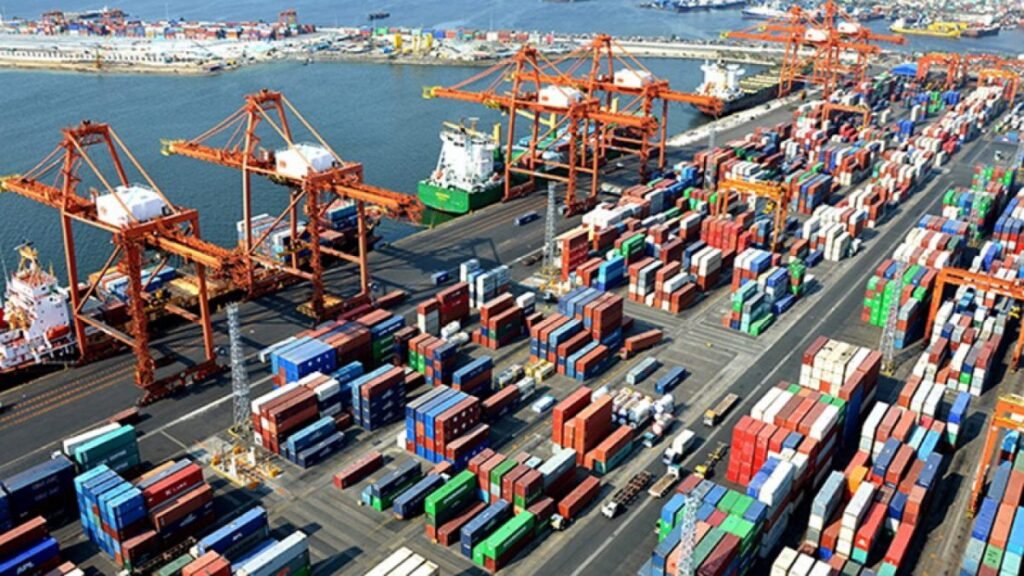
KARACHI — Six vessels, including Bai Chay Bridge and APL Qingdao, arrived at Port Qasim on Thursday, carrying diverse cargo such as containers, palm oil, LNG, and coal, marking a significant day in shipping activity. What Happened On Thursday, Port Qasim witnessed the arrival of six ships, enhancing its role as a vital hub for Pakistan’s maritime trade. The vessels, Bai Chay Bridge, APL Qingdao, Zeal Start, British Contributor, Feng De Hai, and Akij Pearl, berthed at various terminals within the port, including the Qasim International Container Terminal, Liquid Cargo Terminal, Engro Elengy Terminal, Port Qasim Electric Power Terminal, and Bulk Cargo Terminal-4. These ships brought in a variety of essential goods, including containers, palm oil, liquefied natural gas (LNG), and coal. The docking of these vessels underscores the port’s capacity to handle a wide range of cargo types, reflecting its strategic importance in facilitating Pakistan’s trade and energy supply. The Bai Chay Bridge and APL Qingdao, in particular, are noted for their container shipments, while the Zeal Start and British Contributor carried palm oil and LNG, respectively. The Feng De Hai and Akij Pearl delivered coal, which is crucial for energy production in the country. Port Qasim’s efficient handling of these shipments is critical for maintaining the flow of goods and energy resources, which are vital for Pakistan’s economy. The port’s ability to accommodate such diverse cargo types highlights its operational flexibility and strategic significance. Background Port Qasim, located in Karachi, is one of Pakistan’s busiest and most strategically important ports. Established in the 1970s, it has grown to become a key player in the country’s maritime trade. The port’s facilities have been continually upgraded to handle increasing volumes of cargo, including containers, bulk goods, and liquid cargo. It serves as a crucial gateway for imports and exports, contributing significantly to the national economy. Historically, Port Qasim has played a vital role in supporting Pakistan’s industrial and energy sectors. The port’s terminals are equipped to handle a variety of cargo, from agricultural products to industrial raw materials and energy resources. Its strategic location and comprehensive facilities make it an essential component of Pakistan’s trade infrastructure. Why It Matters The arrival of these six ships at Port Qasim is significant for several reasons. Economically, the import of containers, palm oil, LNG, and coal supports various sectors critical to Pakistan’s growth. Containers often carry consumer goods, industrial equipment, and raw materials necessary for manufacturing. Palm oil is a staple in the food industry, while LNG is increasingly vital for energy generation as Pakistan seeks to diversify its energy sources away from traditional fossil fuels. Coal remains an essential component of Pakistan’s energy mix, despite global shifts towards renewable energy. The delivery of coal by Feng De Hai and Akij Pearl ensures continuity in power generation, which is crucial for both industrial operations and household consumption. Socially, the efficient operation of Port Qasim supports employment and economic stability in the region. The port’s activities create jobs and stimulate economic activity, contributing to the livelihoods of thousands of people. Furthermore, the timely import of goods helps stabilize prices and ensures the availability of essential commodities in the market. Internationally, the port’s operations reflect Pakistan’s integration into global trade networks. By efficiently handling diverse cargo types, Port Qasim strengthens Pakistan’s trade relationships and enhances its reputation as a reliable trade partner. Key Takeaways Six ships, including Bai Chay Bridge and APL Qingdao, arrived at Port Qasim with diverse cargo. The vessels carried containers, palm oil, LNG, and coal, highlighting the port’s operational capacity. Port Qasim plays a crucial role in supporting Pakistan’s economy and energy needs. The port’s activities contribute to employment and economic stability in the region. Efficient cargo handling enhances Pakistan’s international trade relationships. Source Attribution This article is based on official government statements, press releases, and public communications from relevant authorities. Author: NEN Editorial Desk | Editor: NEN Newsroom | Fact Checked By: NEN Editorial Team Author: NEN Editorial Desk  |  Editor: NEN Newsroom  |  Last Updated: July 17, 2026  |  Source: NEN Reporter This article was produced by the NEN Editorial Desk in accordance with NEN Agency’s Editorial Policy and Fact-Checking Policy.
DI Khan Wildlife Park Expansion Aims to Boost Eco-Tourism and Conservation
Pakistan

DI Khan Wildlife Park Expansion Aims to Boost Eco-Tourism and Conservation

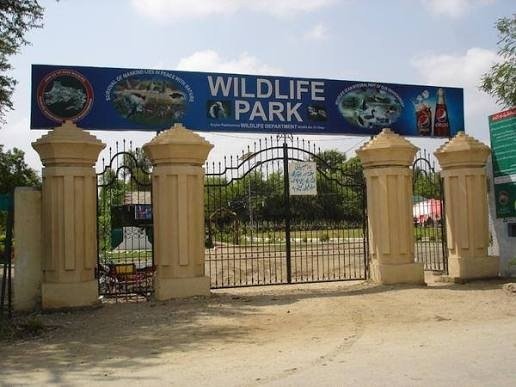
DERA ISMAIL KHAN — The expansion project of the Dera Ismail Khan Wildlife Park officially commenced with the laying of the foundation stone at a ceremony attended by Member of the National Assembly Faisal Amin Khan Gandapur. The event, held on July 17, was also graced by Conservator Wildlife, Southern Circle Bannu, Muhammad Niaz, and Project Director Khan Malook Khan, who outlined the project’s scope and objectives. What Happened The expansion of the Dera Ismail Khan Wildlife Park is a significant initiative aimed at enhancing wildlife conservation and promoting eco-tourism in the region. The ceremony marked the beginning of this ambitious project, with key stakeholders emphasizing its potential benefits. Faisal Amin Khan Gandapur highlighted that the expansion would facilitate species breeding, eco-tourism, wildlife-based research, and environmental awareness while generating sustainable revenue. He noted that the project would not only offer modern recreational facilities but also contribute to biodiversity conservation and bolster the local economy. Conservator Wildlife, Muhammad Niaz, described the project as an important milestone for the Wildlife Department, expressing optimism about its role in advancing wildlife conservation, scientific research, and public awareness. Project Director Khan Malook Khan provided a comprehensive briefing, noting that the park, established in 2014 over 30 kanals, had achieved its primary objectives of wildlife conservation and eco-tourism promotion. He explained that the growing number of visitors, especially during peak seasons like Eid and Independence Day, necessitated the park’s expansion. The expansion project involves the transfer of an additional 160 kanals from the Agriculture Department to the Wildlife Department, as approved by the provincial cabinet. The Khyber Pakhtunkhwa government has sanctioned the project under the Annual Development Programme (ADP), with construction progressing rapidly. The expanded park will feature modern animal enclosures, a walk-through aviary, bird cages, landscaped areas, walking tracks, a cafeteria, and various public amenities, enhancing its capacity to accommodate more visitors and support conservation efforts. Background The Dera Ismail Khan Wildlife Park was inaugurated in 2014, driven by the vision of the then provincial administration to conserve wildlife and promote eco-tourism. Initially spanning 30 kanals, the park aimed to provide a semi-natural habitat for wildlife, facilitate breeding programs, and serve as a center for environmental education and scientific research. Over the years, it has become a popular destination for recreation and wildlife observation, drawing visitors from across the region. The decision to expand the park stems from its success in achieving its initial goals and the increasing demand from tourists. The provincial government’s support, including the land transfer and financial backing through the ADP, underscores its commitment to enhancing the park’s facilities and capacity. Why It Matters The expansion of the Dera Ismail Khan Wildlife Park is significant for several reasons. Economically, it is expected to boost local tourism, providing a source of income for the community and creating job opportunities. The park’s development aligns with broader efforts to promote eco-tourism in Khyber Pakhtunkhwa, positioning the region as a leading destination for nature-based tourism. Environmentally, the project enhances wildlife conservation efforts, providing improved habitats for various species and supporting breeding programs. It also serves as an educational platform, raising public awareness about biodiversity and environmental protection. The park’s expansion is poised to strengthen scientific research capabilities, offering new opportunities for studies in wildlife management and conservation. Socially, the park offers recreational facilities that improve the quality of life for residents and visitors alike. By fostering a greater appreciation for nature and wildlife, the park contributes to a more environmentally conscious society. Key Takeaways The Dera Ismail Khan Wildlife Park expansion project has officially commenced, with the foundation stone laid on July 17. The project aims to enhance wildlife conservation, eco-tourism, and environmental education in the region. An additional 160 kanals of land have been allocated for the park’s expansion, approved by the provincial government. The expanded park will feature modern facilities, including animal enclosures, walking tracks, and public amenities. The initiative is expected to boost local tourism, create jobs, and support sustainable economic development. Source Attribution This article is based on official government statements, press releases, and public communications from relevant authorities. Author: NEN Editorial Desk | Editor: NEN Newsroom | Fact Checked By: NEN Editorial Team Author: NEN Editorial Desk  |  Editor: NEN Newsroom  |  Last Updated: July 17, 2026  |  Source: Press Release from Government of Pakistan This article was produced by the NEN Editorial Desk in accordance with NEN Agency’s Editorial Policy and Fact-Checking Policy.

Pakistan-Saudi Arabia Relations Strengthened by Economic Summit in Islamabad
World

Pakistan-Saudi Arabia Relations Strengthened by Economic Summit in Islamabad

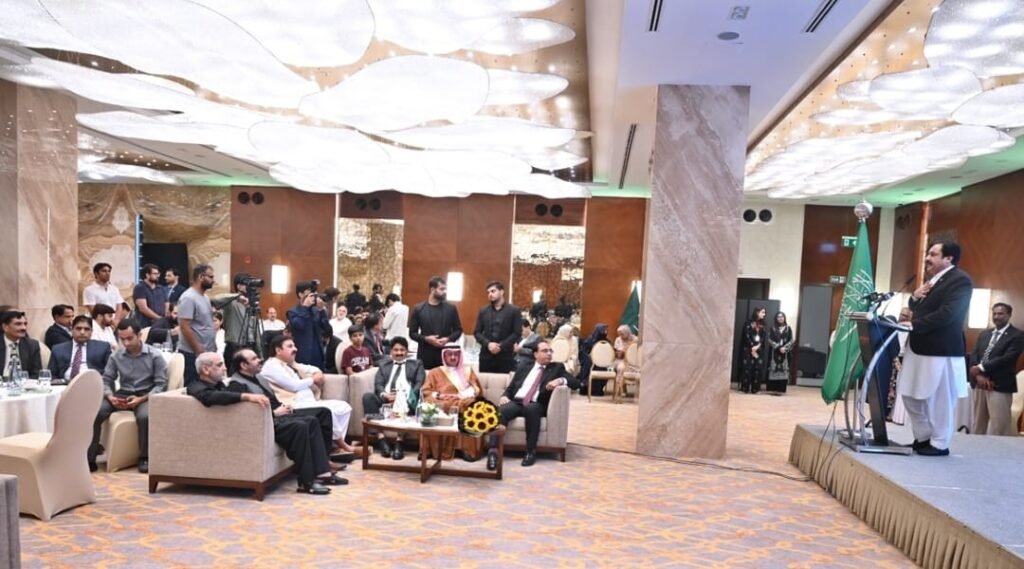
ISLAMABAD — The Deputy Chairman of the Senate, Syedaal Khan Nasir, emphasized the enduring and robust relationship between Pakistan and Saudi Arabia, underpinned by faith, mutual trust, and shared progress. His remarks were made during the Saudi Company Formation and Business Expansion Summit 2026, held in Islamabad, which aimed to bolster economic ties and expand business opportunities between the two nations. What Happened The summit, organized by the Al Raee Group, was a significant event that brought together key stakeholders, including foreign diplomats, investors, and corporate executives from both national and international companies. Syedaal Khan Nasir highlighted the importance of Saudi Vision 2030, which has opened new avenues for global investment and private sector growth, offering substantial opportunities for the Pakistani business community. “Saudi Vision 2030 has created a conducive environment for investment, and the Pakistani business community stands to benefit immensely from these opportunities,” Nasir stated. He further assured that the Senate of Pakistan and the government would continue to support initiatives that promote economic growth, employment, and technology transfer. Bilal M. Zubair, Chairman of Al Raee Group, welcomed the guests and underscored Saudi Arabia’s business-friendly policies. He noted that the Kingdom now allows 100% foreign ownership, simplified banking procedures, and has removed the minimum capital requirement for various business activities, thus creating an ideal corporate environment for Pakistani businesses. The summit also saw the signing of Memorandums of Understanding (MoUs) between Al Raee Group and representatives of 12 prominent Pakistani companies from various sectors. These agreements will facilitate the establishment of operations and large-scale investments by these companies in Saudi Arabia, marking a significant milestone in bilateral investment cooperation. Background Pakistan and Saudi Arabia have historically enjoyed a close relationship, characterized by mutual support and cooperation in various fields. The ties between the two countries are deeply rooted in shared religious beliefs and cultural affinities. Over the years, both nations have worked together on numerous economic and strategic fronts, reinforcing their bilateral relationship. Saudi Vision 2030, launched by Crown Prince Mohammed bin Salman, aims to diversify the Kingdom’s economy and reduce its dependence on oil. This vision has been instrumental in attracting foreign investment and fostering economic partnerships worldwide, including with Pakistan. Why It Matters The strengthening of economic ties between Pakistan and Saudi Arabia has significant implications for both countries. For Pakistan, increased investment from Saudi Arabia can lead to job creation, technology transfer, and enhanced economic growth. The opportunities presented by Saudi Vision 2030 align with Pakistan’s own economic goals, providing a platform for Pakistani businesses to expand into new markets. For Saudi Arabia, engaging with Pakistan’s dynamic private sector can contribute to the Kingdom’s diversification efforts. The collaboration can also enhance Saudi Arabia’s strategic partnerships in South Asia, a region of growing economic importance. Moreover, the summit serves as a testament to the strong diplomatic relations between the two countries, reinforcing their commitment to mutual progress and development. The agreements signed during the summit are expected to lay the groundwork for a long-term, resilient economic partnership, benefiting both nations in the years to come. Key Takeaways The Saudi Company Formation and Business Expansion Summit 2026 was held in Islamabad to strengthen economic ties between Pakistan and Saudi Arabia. Saudi Vision 2030 offers significant opportunities for Pakistani businesses to invest and expand in Saudi Arabia. Memorandums of Understanding were signed between Al Raee Group and 12 Pakistani companies for investment in Saudi Arabia. The summit highlighted the strong diplomatic and economic relationship between the two countries. Increased investment from Saudi Arabia is expected to boost economic growth and job creation in Pakistan. Source Attribution This article is based on official government statements, press releases, and public communications from relevant authorities. Author: NEN Editorial Desk | Editor: NEN Newsroom | Fact Checked By: NEN Editorial Team Author: NEN Editorial Desk  |  Editor: NEN Newsroom  |  Last Updated: July 17, 2026  |  Source: Press Release from Government of Pakistan This article was produced by the NEN Editorial Desk in accordance with NEN Agency’s Editorial Policy and Fact-Checking Policy.

Commerce Minister Advocates Enhanced Pakistan-Egypt Trade Relations
Pakistan

Commerce Minister Advocates Enhanced Pakistan-Egypt Trade Relations

ISLAMABAD — Federal Minister for Commerce Jam Kamal Khan on Friday emphasized the need to strengthen economic ties between Pakistan and Egypt through enhanced trade and investment partnerships. He highlighted the potential for collaboration in joint production, technology cooperation, and the establishment of regional value chains. What Happened In a statement issued on Friday, Federal Minister Jam Kamal Khan called for a transformation in the economic relationship between Pakistan and Egypt. The minister underscored the importance of leveraging the existing diplomatic ties to foster a robust economic partnership. He pointed out that both countries stand to gain significantly from increased trade and investment, which could lead to mutual economic growth and development. Minister Khan noted that Pakistan and Egypt have historically enjoyed cordial relations, but there is a pressing need to translate this goodwill into tangible economic benefits. He proposed initiatives that focus on joint production and technology cooperation, which could be pivotal in enhancing the industrial capabilities of both nations. The minister also stressed the importance of integrating regional value chains, which could facilitate easier market access and boost competitiveness on a global scale. According to Minister Khan, the strategic geographical locations of Pakistan and Egypt offer unique opportunities for connecting regional markets. By capitalizing on these advantages, both countries can enhance their roles as key players in regional trade dynamics. He urged stakeholders from both nations to engage in dialogue and explore avenues for collaboration, particularly in sectors like textiles, agriculture, and technology. Background Pakistan and Egypt have maintained diplomatic relations since the mid-20th century, with both countries often supporting each other on international platforms. Historically, their economic interactions have been limited, primarily focusing on bilateral trade in goods such as textiles, rice, and cotton. However, recent global economic shifts have highlighted the need for more diversified and strategic partnerships. The governments of both countries have previously expressed interest in expanding economic ties, but concrete actions have been sporadic. The current call by Minister Khan is part of a broader strategy to revitalize these efforts and establish a more structured economic framework. This initiative aligns with Pakistan’s ongoing efforts to diversify its trade partners and reduce dependency on traditional markets. Why It Matters The call for a stronger economic partnership between Pakistan and Egypt is significant for several reasons. Economically, it presents an opportunity for both countries to diversify their trade portfolios and reduce reliance on traditional markets. By engaging in joint production and technology cooperation, Pakistan and Egypt can enhance their industrial capacities and competitiveness. Socially, stronger trade ties could lead to job creation and economic development in both countries, improving living standards and reducing poverty. Politically, enhanced economic relations could solidify diplomatic ties and promote regional stability. Such partnerships can also serve as a model for other countries in the region, encouraging collaborative economic growth. On an international level, the collaboration could position Pakistan and Egypt as key players in regional trade networks, potentially influencing trade policies and economic strategies in the broader Middle East and South Asia regions. This strategic positioning could attract further foreign investment and open new markets for both countries. Key Takeaways Federal Minister Jam Kamal Khan calls for stronger Pakistan-Egypt economic ties. Focus areas include trade, investment, joint production, and technology cooperation. Historical relations between the two countries provide a foundation for economic growth. Enhanced ties could lead to job creation and regional stability. The partnership could position both countries as key players in regional trade networks. Source Attribution This article is based on official government statements and public communications from relevant authorities. Author: NEN Editorial Desk | Editor: NEN Newsroom | Fact Checked By: NEN Editorial Team Author: NEN Editorial Desk  |  Editor: NEN Newsroom  |  Last Updated: July 17, 2026  |  Source: Press Release from Government of Pakistan This article was produced by the NEN Editorial Desk in accordance with NEN Agency’s Editorial Policy and Fact-Checking Policy.

Courts Not to Serve as Appellate Forums for University Appointments, Rules FCCP
Pakistan

Courts Not to Serve as Appellate Forums for University Appointments, Rules FCCP

ISLAMABAD — The Federal Constitutional Court of Pakistan has determined that disputes concerning appointments in public universities should not be classified as constitutional cases, thereby limiting the scope of judicial intervention in such matters. This decision, announced on July 17, overturns a previous ruling by the Sindh High Court regarding appointments at the University of Karachi. What Happened The Federal Constitutional Court issued a detailed judgment asserting that unsuccessful candidates cannot invoke constitutional jurisdiction by merely alleging transparency issues or procedural violations in university appointments. The court emphasized that its constitutional jurisdiction should only be exercised when there is a fundamental compromise in the legality of the recruitment process. The case in question involved Dr. Feroz Alam Jafri, who challenged the recruitment process for professors at the University of Karachi in the Sindh High Court. The High Court had previously nullified the appointments, citing concerns that a member of the selection committee was also a candidate for a position. However, the Federal Constitutional Court overturned this decision, reinstating the original decisions made by the university’s selection committee and syndicate. The court’s ruling underscores that intervening in every matter for judicial review would effectively transform courts into appellate forums for university appointments, which contradicts Article 199 of the Constitution. The court further noted that acting as an appellate forum for educational institutions is inconsistent with the autonomy granted to universities. Public universities are expected to conduct their recruitment processes in a fair and transparent manner, adhering strictly to their respective statutes and regulations. Background This ruling comes in the context of ongoing debates about the autonomy of educational institutions in Pakistan. The autonomy of universities is enshrined in the country’s legal framework, allowing them to manage their affairs independently, including the recruitment of faculty and staff. Article 199 of the Constitution delineates the scope of judicial review, emphasizing that courts should not overstep their jurisdiction unless there is a clear violation of fundamental rights or a significant legal breach. Historically, the judiciary in Pakistan has intervened in various administrative matters, including educational appointments, often leading to prolonged legal battles and delays in academic processes. This latest judgment aims to clarify the boundaries of judicial intervention, reinforcing the autonomy of universities while ensuring that legal oversight is reserved for cases where substantial legal violations occur. Why It Matters The ruling by the Federal Constitutional Court has significant implications for the governance of public universities in Pakistan. By reinforcing the autonomy of educational institutions, the court’s decision aims to streamline the recruitment process, reducing the likelihood of legal disputes that can disrupt academic operations. This autonomy is crucial for universities to attract and retain qualified faculty, ultimately enhancing the quality of education provided to students. Economically, the decision could lead to more efficient use of resources within universities, as legal battles over appointments can be costly and time-consuming. By limiting judicial intervention to cases of substantial legal breaches, universities can focus on their primary mission of education and research, rather than being embroiled in legal disputes. Socially, the ruling may impact the perception of fairness and transparency in university appointments. While the court emphasizes the need for fair and transparent recruitment processes, the lack of judicial oversight in routine appointments may raise concerns among stakeholders about accountability. It is imperative for universities to uphold high standards of transparency and integrity to maintain public trust. Politically, the decision reflects a broader trend towards reinforcing institutional autonomy in Pakistan, aligning with international norms that advocate for limited governmental and judicial interference in academic affairs. This alignment may enhance Pakistan’s standing in the global academic community, potentially attracting international collaborations and investments in the education sector. Key Takeaways The Federal Constitutional Court ruled that university appointment disputes should not be treated as constitutional cases. The court’s decision overturns a Sindh High Court ruling on the University of Karachi’s appointments. Judicial intervention is limited to cases where the legality of the recruitment process is fundamentally compromised. The ruling reinforces the autonomy of public universities in conducting their recruitment processes. This decision has significant economic, social, and political implications for Pakistan’s education sector. Source Attribution This article is based on official government statements, press releases, and public communications from relevant authorities. Author: NEN Editorial Desk | Editor: NEN Newsroom | Fact Checked By: NEN Editorial Team Author: NEN Editorial Desk  |  Editor: NEN Newsroom  |  Last Updated: July 17, 2026  |  Source: Press Release from Government of Pakistan This article was produced by the NEN Editorial Desk in accordance with NEN Agency’s Editorial Policy and Fact-Checking Policy.

Punjab Launches Housing Project Honoring Kahna Martyrs
Pakistan

Punjab Launches Housing Project Honoring Kahna Martyrs

LAHORE — Punjab Chief Minister Maryam Nawaz has inaugurated the ‘Apni Chhat, Mahfuz Chhat’ project, a housing initiative named in memory of the martyred children of the Kahna tragedy. The project, unveiled through a digital portal, aims to provide secure housing solutions to citizens, with a notable reduction in loan installments. What Happened On Tuesday, Chief Minister Maryam Nawaz announced the launch of the ‘Apni Chhat, Mahfuz Chhat’ project during a ceremony in Lahore. The initiative is dedicated to the children who lost their lives in the Kahna tragedy, a somber event that has left a lasting impact on the community. The project is designed to offer affordable housing options to residents of Punjab, with the government taking significant steps to reduce the financial burden on potential homeowners. During the launch, Chief Minister Nawaz emphasized the government’s commitment to providing safe and secure housing for all citizens. She stated, “This project is not just about building homes; it is about building a future where every family has a safe roof over their heads.” The digital portal launched alongside the project will streamline the application process, making it more accessible for citizens to apply for housing loans. The reduction in loan installments is a key feature of the project, aimed at making homeownership more attainable for low and middle-income families. The government has promised to subsidize a portion of the loan interest, easing the financial strain on applicants. Background The Kahna tragedy, which occurred earlier this year, involved a devastating incident that claimed the lives of several children in the Kahna area of Lahore. The tragedy highlighted the urgent need for improved safety measures and infrastructure in residential areas. In response, the Punjab government has prioritized housing projects that ensure safety and affordability. Historically, Punjab has faced challenges in providing adequate housing to its growing population. Previous initiatives have often been hampered by bureaucratic delays and financial constraints. However, the current administration under Chief Minister Nawaz has made housing a central focus of its development agenda, with the ‘Apni Chhat, Mahfuz Chhat’ project being a flagship initiative. Why It Matters The launch of the ‘Apni Chhat, Mahfuz Chhat’ project holds significant implications for the socio-economic landscape of Punjab. By addressing the housing needs of its citizens, the government is taking a proactive step towards reducing urban poverty and improving living conditions. Safe and affordable housing is a fundamental component of social welfare, impacting health, education, and economic stability. Economically, the project is expected to stimulate growth in the construction sector, creating jobs and boosting local businesses. The reduction in loan installments will increase accessibility to housing, potentially leading to an uptick in homeownership rates. This, in turn, can contribute to greater economic security and upward mobility for many families. Politically, the initiative reinforces the government’s commitment to addressing the needs of its citizens, particularly in the wake of the Kahna tragedy. It demonstrates a responsive and empathetic approach to governance, which could enhance public trust and support for the administration. Key Takeaways Punjab Chief Minister Maryam Nawaz launched the ‘Apni Chhat, Mahfuz Chhat’ housing project. The project is named in honor of the martyred children of the Kahna tragedy. A digital portal has been introduced to facilitate the application process for housing loans. Loan installments have been significantly reduced to make housing more affordable. The initiative is expected to boost the construction sector and improve living conditions in Punjab. Source Attribution This article is based on official government statements, press releases, and public communications from relevant authorities. Author: NEN Editorial Desk | Editor: NEN Newsroom | Fact Checked By: NEN Editorial Team Author: NEN Editorial Desk  |  Editor: NEN Newsroom  |  Last Updated: July 17, 2026  |  Source: NEN Reporter This article was produced by the NEN Editorial Desk in accordance with NEN Agency’s Editorial Policy and Fact-Checking Policy.

Scroll to Top