
Author name: Yasir Zubairi

Yasir Zubairi is the founder and publisher of NEN Agency (News Era Network). He leads NEN's coverage of Pakistan's national affairs, economy, foreign relations and sports, and is responsible for the accuracy and standards of every story published on nenagency.com.

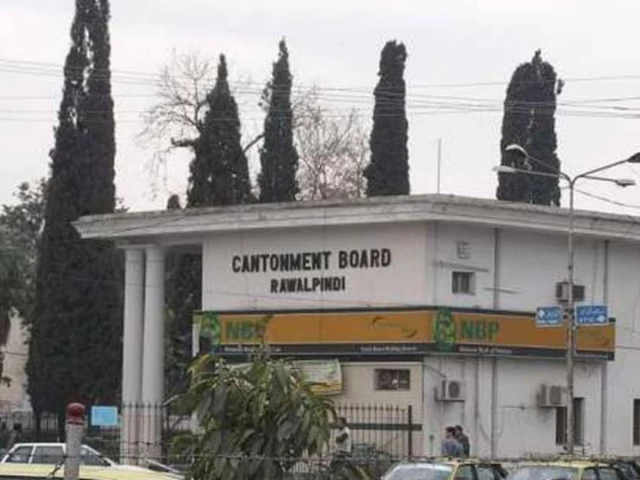
Rawalpindi Cantonment Board’s Cleanliness Initiative Receives Widespread Praise
Pakistan

Rawalpindi Cantonment Board’s Cleanliness Initiative Receives Widespread Praise

RAWALPINDI — The Rawalpindi Cantonment Board’s (RCB) recent cleanliness drive has garnered widespread acclaim from traders, political figures, and local citizens, who commend the board’s efforts in maintaining sanitation across key commercial areas. What Happened The Rawalpindi Cantonment Board (RCB) has launched an extensive cleanliness campaign aimed at enhancing sanitation standards in major commercial hubs within the cantonment area. This initiative has been met with positive feedback from various segments of society, including the Central Anjuman-e-Tajiran Rawalpindi Cantt, which represents the local traders. Traders and citizens have expressed their appreciation for the RCB’s efforts in ensuring that the commercial areas are kept clean and hygienic. According to a statement from the Central Anjuman-e-Tajiran, the cleanliness drive has significantly improved the aesthetic appeal and sanitation conditions of the area, which, in turn, has positively impacted business activities. Local political and social figures have also lauded the RCB’s initiative, highlighting the importance of maintaining cleanliness for public health and environmental sustainability. The drive has reportedly involved the deployment of additional sanitation workers and resources to ensure thorough cleaning of streets, markets, and public spaces. In response to the positive feedback, an RCB official stated, “We are committed to maintaining a clean and healthy environment for our citizens and traders. The success of this drive is a testament to the hard work and dedication of our sanitation teams.” Background The Rawalpindi Cantonment Board is responsible for municipal services within the cantonment area, including sanitation, waste management, and public health. Over the years, the RCB has undertaken various initiatives to improve the living standards of residents and the operational environment for businesses. Historically, cleanliness and sanitation have been pressing issues in many urban areas of Pakistan, including Rawalpindi. The RCB’s current drive is part of a broader effort to address these challenges by implementing systematic waste management practices and raising public awareness about the importance of cleanliness. Previous efforts by the RCB to improve sanitation have included community engagement programs and collaboration with local organizations to promote sustainable waste disposal practices. Why It Matters The cleanliness drive by the Rawalpindi Cantonment Board is significant for several reasons. Firstly, it addresses the long-standing issue of inadequate sanitation in urban areas, which affects public health and quality of life. By ensuring cleaner environments, the RCB contributes to reducing the risk of disease outbreaks and improving overall community well-being. Economically, a cleaner and more aesthetically pleasing environment attracts more customers to commercial areas, boosting local businesses and contributing to economic growth. Traders have noted an increase in foot traffic and customer satisfaction, which they attribute to the improved cleanliness of the area. Socially, the initiative fosters a sense of community pride and responsibility. By involving local stakeholders, such as traders and citizens, the RCB encourages collective efforts towards maintaining cleanliness, which can lead to more sustainable outcomes. On a broader scale, successful sanitation initiatives like this one can serve as models for other municipalities across Pakistan, demonstrating the benefits of proactive waste management and community engagement. Key Takeaways The Rawalpindi Cantonment Board’s cleanliness drive has been praised by traders, citizens, and political figures. The initiative has improved sanitation in major commercial hubs, enhancing business activities. Local stakeholders have expressed satisfaction with the RCB’s efforts to maintain a clean environment. The drive highlights the importance of cleanliness for public health, economic growth, and community pride. Successful sanitation practices in Rawalpindi could serve as a model for other regions in Pakistan. Source Attribution This article is based on official government statements, press releases, and public communications from relevant authorities. Author: NEN Editorial Desk | Editor: NEN Newsroom | Fact Checked By: NEN Editorial Team Author: NEN Editorial Desk  |  Editor: NEN Newsroom  |  Last Updated: July 14, 2026  |  Source: NEN Reporter This article was produced by the NEN Editorial Desk in accordance with NEN Agency’s Editorial Policy and Fact-Checking Policy.
Punjab Government Reshuffles Senior Bureaucracy, Transfers Key Officials
Pakistan

Punjab Government Reshuffles Senior Bureaucracy, Transfers Key Officials

LAHORE — The Punjab government announced a significant reshuffle in its senior bureaucracy on Tuesday, transferring and appointing several high-ranking officials, including directors general and deputy commissioners. The changes were detailed in a notification issued by the Services and General Administration Department (S&GAD). What Happened The Punjab government’s decision to reshuffle its senior bureaucratic ranks involves the transfer and posting of numerous directors general (DGs), deputy commissioners (DCs), and administrative secretaries. This move, as outlined in the official notification from the Services and General Administration Department, aims to enhance administrative efficiency and address the evolving needs of the provincial administration. Among the notable changes, several DGs have been reassigned to different departments, while multiple DCs have been transferred to new districts. The reshuffle also includes the appointment of new administrative secretaries to various departments, reflecting the government’s intent to optimize governance and service delivery at the provincial level. A senior official from the Punjab government, speaking on condition of anonymity, stated, “These transfers are part of the government’s routine administrative adjustments to ensure that the right individuals are in positions where they can contribute most effectively to the province’s development goals.” The reshuffle is expected to bring fresh perspectives and renewed energy to the departments affected, with the aim of improving public service delivery and addressing the challenges faced by the province. Background Administrative reshuffles are a common practice in Pakistan’s provincial governments, often undertaken to streamline operations and address inefficiencies. The Punjab government, being the largest provincial administration in the country, frequently undergoes such changes to adapt to new policy directions and governance strategies. Historically, these reshuffles have been used as tools to align the bureaucracy with the government’s developmental priorities. Past instances have seen similar large-scale transfers, especially in times of new government formations or shifts in policy focus. The Services and General Administration Department plays a crucial role in managing the careers of civil servants in Punjab, ensuring that appointments and transfers align with the broader objectives of the provincial government. Why It Matters The reshuffle in Punjab’s senior bureaucracy holds significant implications for the province’s administrative landscape. By repositioning key officials, the government aims to enhance its capacity to implement policies effectively and respond to the needs of its citizens. Economically, these changes could impact the execution of development projects, as new officials bring different priorities and management styles. This could either accelerate or delay ongoing initiatives, depending on the adaptability of the incoming officers. Socially, the reshuffle may affect public service delivery, particularly in areas such as health, education, and infrastructure. Efficient administration is crucial for maintaining public trust and ensuring that government services reach the intended beneficiaries. Politically, the reshuffle reflects the government’s strategic approach to governance, potentially influencing its relationship with the public and other stakeholders. By appointing officials aligned with its vision, the government seeks to reinforce its agenda and maintain stability within the province. On an international level, the efficiency of provincial administrations like Punjab’s can affect foreign investment and partnerships, as investors often consider the stability and effectiveness of local governance when making decisions. Key Takeaways The Punjab government has conducted a major reshuffle of its senior bureaucratic ranks, affecting several directors general and deputy commissioners. The changes are intended to enhance administrative efficiency and align with the province’s developmental goals. Such reshuffles are a routine part of governance in Pakistan, aimed at optimizing public service delivery. The impact of these changes will be felt across economic, social, and political spheres within the province. Effective administration is crucial for maintaining public trust and attracting international investment. Source Attribution This article is based on official government statements, press releases, and public communications from relevant authorities. Author: NEN Editorial Desk | Editor: NEN Newsroom | Fact Checked By: NEN Editorial Team Author: NEN Editorial Desk  |  Editor: NEN Newsroom  |  Last Updated: July 14, 2026  |  Source: NEN Reporter This article was produced by the NEN Editorial Desk in accordance with NEN Agency’s Editorial Policy and Fact-Checking Policy.

Pakistan Calls for UN Measures to Safeguard Communities from Mineral Exploitation
World

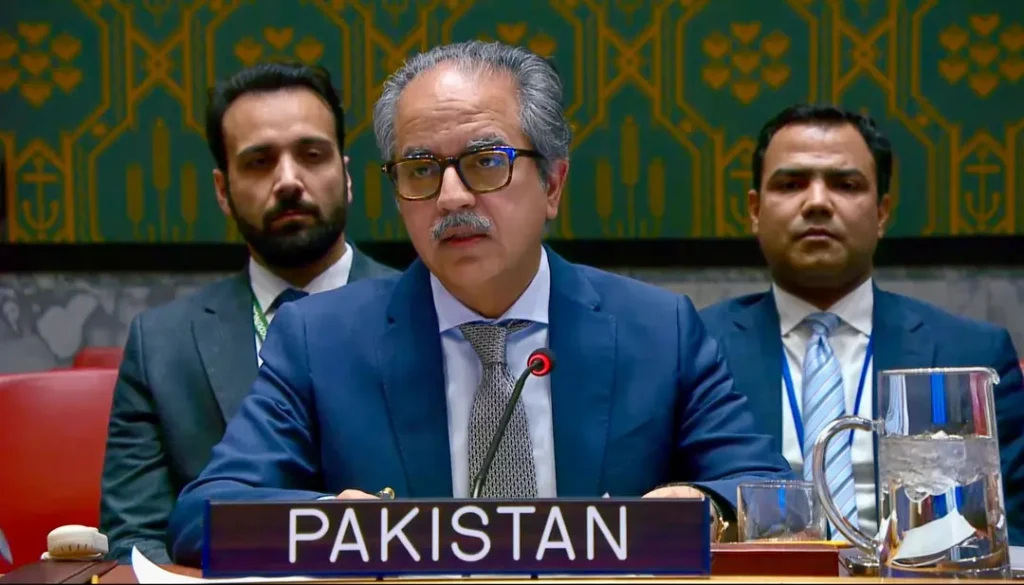
Pakistan Calls for UN Measures to Safeguard Communities from Mineral Exploitation

NEW YORK — Pakistan has called on the United Nations to take decisive action to protect local communities from the global rush for mineral resources. During a session of the UN Security Council, Pakistan emphasized the importance of sovereign control over natural resources, aligning itself with African nations facing similar challenges. The session focused on how the illicit exploitation of minerals fuels armed conflicts and the need for a regulatory framework to ensure that resource wealth benefits local communities. What Happened At a recent UN Security Council meeting, Pakistan’s representative highlighted the urgent need for international measures to protect local communities from the adverse effects of the global scramble for minerals. The discussion centered on the illicit exploitation of natural resources, which has been identified as a significant factor in fueling armed conflicts, particularly in resource-rich regions of Africa. Pakistan underscored the importance of sovereign control over natural wealth, advocating for a regulatory framework that ensures resource wealth is used to benefit local populations. Pakistan’s stance was in solidarity with African nations, many of which have experienced the detrimental impacts of unregulated mineral extraction. The session explored potential strategies to curb the illicit trade and ensure that the economic benefits of mineral resources are equitably distributed. The call for action comes amid growing concerns over the exploitation of minerals, which often leads to environmental degradation and social unrest in affected regions. During the session, Pakistan reiterated its commitment to supporting international efforts aimed at establishing a fair and transparent system for the governance of natural resources. The representative stressed that the exploitation of minerals should not come at the expense of local communities, who often bear the brunt of environmental and social consequences. Background The issue of mineral exploitation has long been a contentious topic at the international level. Many resource-rich countries, particularly in Africa, have struggled with the challenges posed by the illicit extraction and trade of minerals. This has often led to armed conflicts, as various groups vie for control over lucrative resources. The UN Security Council has been actively involved in addressing these issues, seeking to develop frameworks that promote sustainable and equitable resource management. Historically, the lack of effective regulation has allowed for the exploitation of mineral resources to proceed unchecked, resulting in significant environmental and social impacts. Countries like the Democratic Republic of the Congo have been particularly affected, with mineral wealth fueling prolonged conflicts and undermining development efforts. The UN has recognized the need for a comprehensive approach that addresses both the economic and security dimensions of mineral exploitation. Why It Matters The call for UN action by Pakistan highlights the broader implications of mineral exploitation on global peace and security. The unregulated extraction of minerals not only exacerbates conflicts but also undermines efforts to achieve sustainable development goals. For Pakistan, a country with its own rich mineral resources, the issue is particularly pertinent as it seeks to balance economic development with environmental and social considerations. The economic impact of mineral exploitation is significant, with the potential to generate substantial revenue for resource-rich countries. However, without proper regulation, these benefits often fail to reach local communities, leading to increased inequality and social unrest. By advocating for a regulatory framework, Pakistan is pushing for a system that ensures the equitable distribution of resource wealth, thereby promoting stability and development. Internationally, the issue of mineral exploitation is closely linked to broader geopolitical dynamics. As global demand for minerals continues to rise, the competition for resources is likely to intensify, with significant implications for international relations. The UN’s role in facilitating dialogue and cooperation among member states is crucial in addressing these challenges and promoting a more equitable and sustainable approach to resource management. Key Takeaways Pakistan has urged the UN to take action to protect local communities from the global scramble for minerals. The UN Security Council discussed the illicit exploitation of minerals and its role in fueling armed conflicts. Pakistan emphasized the importance of sovereign control over natural resources and supported African nations facing similar challenges. The call for a regulatory framework aims to ensure that resource wealth benefits local communities. The issue of mineral exploitation has significant economic, social, and geopolitical implications. Source Attribution This article is based on official government statements, press releases, and public communications from relevant authorities. Author: NEN Editorial Desk | Editor: NEN Newsroom | Fact Checked By: NEN Editorial Team Author: NEN Editorial Desk  |  Editor: NEN Newsroom  |  Last Updated: July 14, 2026  |  Source: NEN Reporter This article was produced by the NEN Editorial Desk in accordance with NEN Agency’s Editorial Policy and Fact-Checking Policy.
National Bank of Pakistan Releases Updated Exchange Rates
Pakistan

National Bank of Pakistan Releases Updated Exchange Rates

KARACHI — The Treasury Management Division of the National Bank of Pakistan (NBP) announced the latest exchange rates on Tuesday, providing detailed figures for various currencies against the Pakistani Rupee. This update is crucial for businesses, investors, and individuals involved in foreign exchange transactions. What Happened On July 14, 2026, the National Bank of Pakistan (NBP) released its updated exchange rates, reflecting the buying and selling rates for a range of international currencies. The exchange rates are a critical reference for financial transactions and currency trading within Pakistan. According to the NBP, the US Dollar (USD) is being sold at PKR 278.40 and bought at PKR 277.90. Meanwhile, the Euro (EUR) is available at a selling rate of PKR 317.21 and a buying rate of PKR 316.64. Other significant currencies include the British Pound (GBP), which is being sold at PKR 372.01 and bought at PKR 371.34, and the Japanese Yen (JPY), with a selling rate of PKR 1.7157 and a buying rate of PKR 1.7126. The Swiss Franc (CHF) is listed at PKR 342.23 for selling and PKR 341.62 for buying. The Canadian Dollar (CAD) stands at PKR 197.02 for selling and PKR 196.66 for buying, while the Australian Dollar (AUD) is at PKR 192.99 for selling and PKR 192.65 for buying. Additionally, the NBP provided rates for other currencies such as the Swedish Krona (SEK), Norwegian Krone (NOK), Danish Krone (DKK), New Zealand Dollar (NZD), Singapore Dollar (SGD), Hong Kong Dollar (HKD), Korean Won (KRW), Chinese Yuan (CNY), Malaysian Ringgit (MYR), Thai Baht (THB), UAE Dirham (AED), Saudi Riyal (SAR), Qatar Riyal (QAR), and Kuwaiti Dinar (KWD). These rates are essential for businesses engaged in international trade and individuals who need to convert currency for travel or remittances. The conversion rate for frozen foreign currency deposits was also provided, with the US Dollar at PKR 277.9964, the British Pound at PKR 372.3483, the Euro at PKR 317.6664, and the Japanese Yen at PKR 1.7147. The settlement date for these rates is set for July 16, 2026. Background The National Bank of Pakistan, established in 1949, is one of the largest commercial banks in the country, playing a pivotal role in Pakistan’s financial sector. It serves as a key institution for managing foreign exchange and providing financial services to both individuals and businesses. The bank’s Treasury Management Division is responsible for setting and updating exchange rates, which are influenced by various factors including international market trends, economic conditions, and monetary policies. Exchange rates are crucial for Pakistan’s economy, particularly given the country’s reliance on imports and exports. The rates affect the cost of goods and services, impacting inflation and purchasing power. The NBP regularly updates these rates to reflect changes in the global financial markets and to ensure stability in the foreign exchange market. Why It Matters The release of updated exchange rates by the National Bank of Pakistan holds significant implications for the country’s economy. Accurate and timely exchange rate information is essential for businesses engaged in international trade, as it affects pricing, cost management, and profit margins. For exporters, a favorable exchange rate can enhance competitiveness in global markets, while importers may face higher costs if the local currency depreciates. For the general public, exchange rates influence the cost of living, particularly for imported goods. Fluctuations in currency values can lead to changes in the prices of everyday items, affecting household budgets. Additionally, Pakistanis working abroad and sending remittances back home are directly impacted by exchange rate variations, as these determine the value of their earnings in local currency. On a broader scale, exchange rates are indicative of the country’s economic health and stability. They reflect investor confidence and can influence foreign investment decisions. A stable exchange rate regime is crucial for attracting foreign direct investment, which is vital for economic growth and development in Pakistan. Key Takeaways The National Bank of Pakistan has released updated exchange rates for various currencies. The US Dollar is being sold at PKR 278.40 and bought at PKR 277.90. Exchange rates are crucial for businesses, investors, and individuals involved in foreign transactions. Fluctuations in exchange rates can impact inflation, cost of living, and economic stability. Accurate exchange rate information is essential for international trade and investment decisions. Source Attribution This article is based on official government statements, press releases, and public communications from relevant authorities. Author: NEN Editorial Desk | Editor: NEN Newsroom | Fact Checked By: NEN Editorial Team Author: NEN Editorial Desk  |  Editor: NEN Newsroom  |  Last Updated: July 14, 2026  |  Source: Press Release from Government of Pakistan This article was produced by the NEN Editorial Desk in accordance with NEN Agency’s Editorial Policy and Fact-Checking Policy.

Pakistan Aims to Boost Agricultural and Trade Ties with Spain
Pakistan

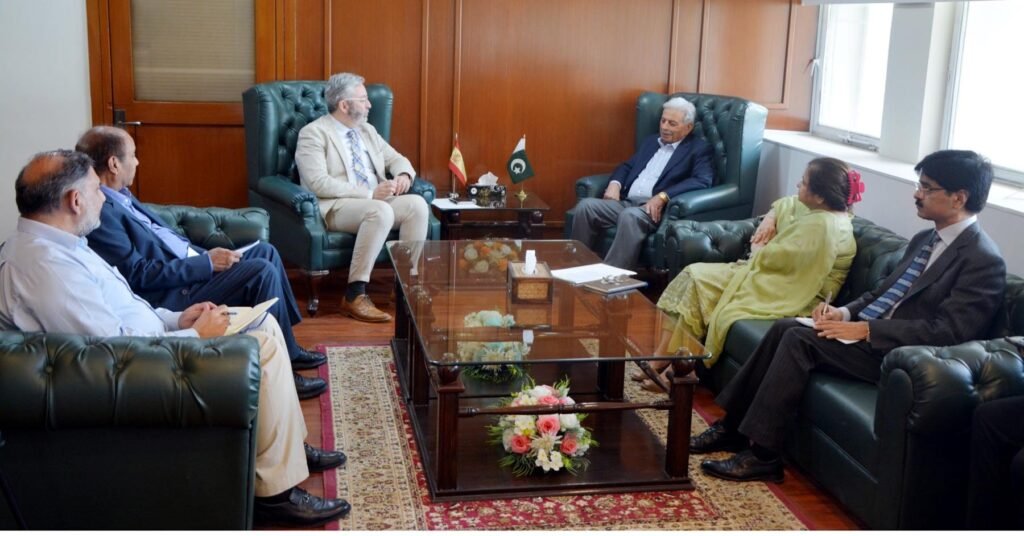
Pakistan Aims to Boost Agricultural and Trade Ties with Spain

ISLAMABAD — Pakistan is actively pursuing enhanced agricultural and trade relations with Spain, focusing on modern agricultural technologies to improve productivity and climate resilience. Minister for National Food Security and Research, Rana Tanveer Hussain, highlighted these ambitions during discussions on Tuesday. What Happened Minister Rana Tanveer Hussain emphasized the critical need for Pakistan to adopt advanced agricultural technologies to bolster its agricultural output and withstand climate challenges. He underscored the importance of collaborating with Spain, a country known for its innovative agricultural practices, to achieve these objectives. The minister’s remarks came during a meeting aimed at exploring potential areas of cooperation between the two nations. Hussain pointed out that Pakistan’s agricultural sector, which is a cornerstone of the national economy, faces significant challenges due to climate change. He stated, “Strengthening our ties with Spain in the field of modern agricultural technologies is crucial for enhancing our productivity and ensuring climate resilience.” The minister also noted the potential benefits of such collaboration for both countries, particularly in terms of trade and economic growth. The discussions also touched upon the broader scope of trade relations between Pakistan and Spain. The minister expressed optimism about increasing bilateral trade volumes and exploring new markets for Pakistani agricultural products in Spain. He indicated that both countries could benefit from a more robust trade partnership, leveraging each other’s strengths in agriculture and technology. Background Pakistan’s agricultural sector is a vital part of its economy, contributing approximately 24% to the GDP and employing nearly 42% of the labor force. However, the sector faces numerous challenges, including water scarcity, outdated farming practices, and the impacts of climate change. The government has been seeking international partnerships to modernize its agricultural practices and improve food security. Spain, on the other hand, is recognized for its advanced agricultural technologies and practices, particularly in areas like water management, crop diversification, and sustainable farming. The European nation has a strong agricultural export sector, with its products reaching markets worldwide. This makes Spain a strategic partner for Pakistan in its efforts to modernize agriculture and expand trade. Why It Matters The potential partnership between Pakistan and Spain holds significant implications for both countries. For Pakistan, collaboration with Spain could lead to the adoption of advanced agricultural technologies, which are essential for increasing crop yields and ensuring food security in the face of climate change. This is particularly vital as Pakistan grapples with the effects of erratic weather patterns and water shortages. Economically, a stronger trade relationship with Spain could open new markets for Pakistani products, boosting exports and contributing to economic growth. This is crucial for Pakistan as it seeks to diversify its export base and reduce its trade deficit. By tapping into Spain’s extensive agricultural expertise, Pakistan can enhance its competitiveness in the global market. For Spain, the partnership offers opportunities to expand its influence and market presence in South Asia. By sharing its agricultural innovations with Pakistan, Spain can strengthen its diplomatic and economic ties in the region, potentially leading to increased trade and investment opportunities. Key Takeaways Pakistan is seeking to enhance its agricultural productivity and climate resilience through cooperation with Spain. Minister Rana Tanveer Hussain emphasized the importance of adopting modern agricultural technologies. The partnership aims to boost bilateral trade and open new markets for Pakistani products. Spain’s expertise in advanced agricultural practices makes it a strategic partner for Pakistan. The collaboration could have significant economic and environmental benefits for both countries. Source Attribution This article is based on official government statements and public communications from relevant authorities. Author: NEN Editorial Desk | Editor: NEN Newsroom | Fact Checked By: NEN Editorial Team Author: NEN Editorial Desk  |  Editor: NEN Newsroom  |  Last Updated: July 14, 2026  |  Source: NEN Reporter This article was produced by the NEN Editorial Desk in accordance with NEN Agency’s Editorial Policy and Fact-Checking Policy.
FESCO Introduces RAAST-Enabled Digital Bill Payment System
Pakistan

FESCO Introduces RAAST-Enabled Digital Bill Payment System

FAISALABAD — The Faisalabad Electric Supply Company (FESCO) has launched a new digital bill payment system powered by the RAAST platform, allowing consumers to pay their electricity bills instantly and securely through mobile banking applications. This initiative, announced on Monday, aims to streamline the payment process for FESCO’s customers by eliminating additional charges and enhancing convenience. What Happened FESCO has integrated the RAAST (Rapid Account-Based Settlement System) into its billing operations, providing consumers with a modern, efficient, and cost-effective method to settle their electricity bills. The system is designed to facilitate instant payments via mobile banking applications, offering a seamless experience for users. According to FESCO officials, this move is part of a broader effort to digitize payment processes and improve customer service. The integration of RAAST allows consumers to pay their bills without incurring any extra charges, a significant advantage over traditional payment methods. FESCO’s Chief Executive Officer, during the launch event, emphasized the importance of this digital transformation in enhancing operational efficiency and customer satisfaction. “Our goal is to make bill payments as convenient and secure as possible for our consumers,” he stated. FESCO serves a large customer base in the Faisalabad region, and the introduction of this digital payment system is expected to benefit thousands of consumers who rely on the company for their electricity needs. The new system is accessible through various mobile banking platforms, making it widely available to users across different financial institutions. Background RAAST is Pakistan’s first instant payment system, developed by the State Bank of Pakistan to promote financial inclusion and digital transactions. Launched in 2021, RAAST aims to provide a secure and efficient payment infrastructure that supports real-time transactions across the country. The system is part of the government’s broader strategy to digitize the economy and reduce reliance on cash transactions. FESCO’s adoption of RAAST represents a significant step in the utility sector’s digital transformation. Traditionally, electricity bill payments in Pakistan have been made through physical bank branches or designated payment centers, a process often associated with long queues and delays. By leveraging RAAST, FESCO is aligning itself with the national agenda of promoting digital financial services. Why It Matters The introduction of the RAAST-powered digital bill payment system by FESCO holds substantial implications for both consumers and the broader utility sector in Pakistan. Economically, the system reduces transaction costs for consumers by eliminating additional charges typically associated with bill payments. This cost-saving measure is particularly beneficial for low-income households, who can now manage their utility expenses more effectively. Socially, the digital payment system enhances accessibility and convenience for consumers, allowing them to pay bills from the comfort of their homes. This is especially significant in rural areas, where access to physical payment centers can be limited. By facilitating digital transactions, FESCO is contributing to the broader goal of financial inclusion in Pakistan. On a national level, FESCO’s initiative supports the government’s vision of a digital economy, encouraging other utility companies to adopt similar technologies. This move is expected to accelerate the adoption of digital financial services across various sectors, promoting transparency and efficiency in financial transactions. Key Takeaways FESCO has launched a digital bill payment system using the RAAST platform. The system allows instant, secure payments via mobile banking applications. Consumers can pay their bills without incurring additional charges. RAAST is part of Pakistan’s strategy to promote digital financial inclusion. This initiative supports the national agenda of digitizing the economy. Source Attribution This article is based on official statements and public communications from the Faisalabad Electric Supply Company and relevant authorities. Author: NEN Editorial Desk | Editor: NEN Newsroom | Fact Checked By: NEN Editorial Team Author: NEN Editorial Desk  |  Editor: NEN Newsroom  |  Last Updated: July 14, 2026  |  Source: NEN Reporter This article was produced by the NEN Editorial Desk in accordance with NEN Agency’s Editorial Policy and Fact-Checking Policy.
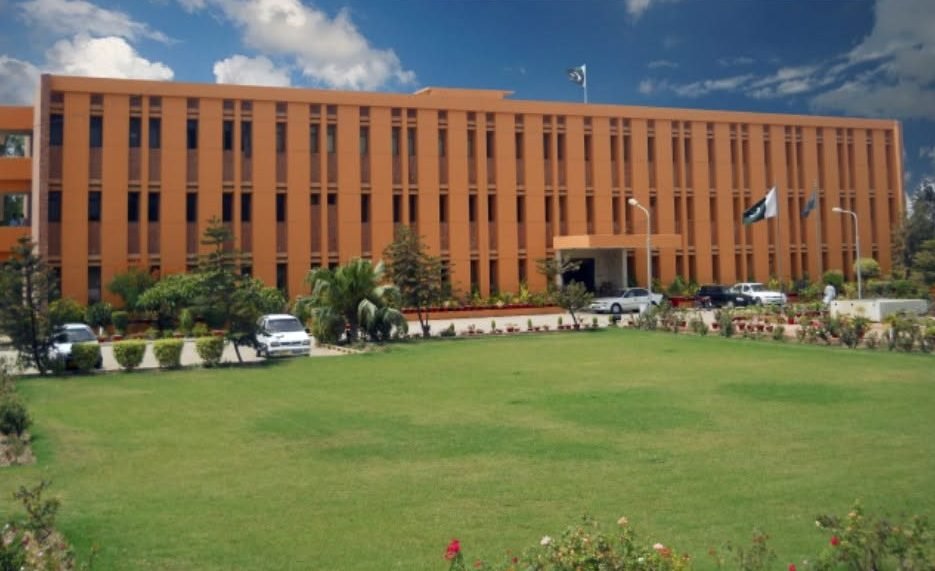
FIA Investigates Disappearance of 12 Pakistani Youths in Iran
World

FIA Investigates Disappearance of 12 Pakistani Youths in Iran

ISLAMABAD — The Federal Investigation Agency (FIA) has initiated an investigation into the disappearance of 12 Pakistani youths in Iran. The probe was launched after cases were registered through the FIA’s Anti-Human Trafficking Circle in Lahore, raising concerns about potential human trafficking activities affecting Pakistani nationals abroad. What Happened The FIA’s Anti-Human Trafficking Circle in Lahore has taken up the case of 12 Pakistani youths who have reportedly gone missing in Iran. According to official sources, the youths were believed to have traveled to Iran under circumstances that are now being scrutinized for possible links to human trafficking networks. The investigation aims to uncover the circumstances surrounding their disappearance and to determine if they were victims of trafficking. Officials have stated that the families of the missing individuals reported their disappearance after losing contact with them. The FIA is working closely with Iranian authorities and other relevant agencies to gather information and trace the whereabouts of these individuals. “We are committed to ensuring the safe return of our citizens and will leave no stone unturned in our investigation,” an FIA spokesperson said. The investigation is in its preliminary stages, and the FIA has not yet disclosed specific details about the youths’ travel routes or the individuals or groups that might be involved in their disappearance. However, the agency has emphasized the importance of international cooperation in addressing cross-border human trafficking issues. Background Human trafficking has been a persistent issue affecting Pakistan, with many citizens falling victim to traffickers promising better opportunities abroad. The FIA has been actively involved in combating human trafficking and has established specialized units to address this challenge. In recent years, there have been several high-profile cases involving the trafficking of Pakistani nationals to various countries, including Iran, Turkey, and European nations. The Anti-Human Trafficking Circle of the FIA is tasked with investigating cases of human smuggling and trafficking, working in coordination with international law enforcement agencies. The agency has previously conducted successful operations leading to the rescue and repatriation of trafficked individuals, as well as the arrest of traffickers operating within and outside Pakistan. Why It Matters The disappearance of these 12 youths highlights the ongoing threat of human trafficking faced by Pakistani citizens seeking opportunities abroad. The investigation by the FIA is crucial not only for the safe recovery of these individuals but also for dismantling trafficking networks that exploit vulnerable populations. This case underscores the need for increased vigilance and cooperation between countries to combat human trafficking. Economically, human trafficking has severe implications for Pakistan, as it often involves the loss of young, productive individuals who could otherwise contribute to the country’s development. Socially, it affects families and communities, causing distress and uncertainty about the fate of their loved ones. Politically, it challenges the government’s ability to protect its citizens and uphold human rights. Internationally, the case could impact Pakistan’s relations with Iran and other countries involved in the investigation. Effective collaboration and resolution of such cases can strengthen diplomatic ties and enhance mutual trust in addressing transnational crimes. Key Takeaways The FIA is investigating the disappearance of 12 Pakistani youths in Iran, suspecting human trafficking. The Anti-Human Trafficking Circle in Lahore is leading the investigation, coordinating with Iranian authorities. Human trafficking remains a significant issue for Pakistan, affecting its citizens seeking opportunities abroad. The case highlights the need for international cooperation to combat human trafficking networks. Successful resolution of the case could enhance Pakistan’s diplomatic relations with Iran and other nations. Source Attribution This article is based on official government statements, press releases, and public communications from relevant authorities. Author: NEN Editorial Desk | Editor: NEN Newsroom | Fact Checked By: NEN Editorial Team Author: NEN Editorial Desk  |  Editor: NEN Newsroom  |  Last Updated: July 14, 2026  |  Source: NEN Reporter This article was produced by the NEN Editorial Desk in accordance with NEN Agency’s Editorial Policy and Fact-Checking Policy.
574 Candidates Sit SAU Postgraduate Admission Test for 2026
Pakistan

574 Candidates Sit SAU Postgraduate Admission Test for 2026

TANDOJAM — Sindh Agriculture University (SAU) conducted its entry test for postgraduate degree programs for the academic year 2026 on Tuesday. A total of 574 candidates participated in the examination, which took place at designated centers across the university’s faculties. What Happened The Sindh Agriculture University, located in Tandojam, organized the entry test for its upcoming postgraduate programs. The test was held to evaluate the academic readiness of candidates seeking admission for the 2026 academic year. According to university officials, a total of 574 candidates appeared for the examination, which was conducted in a controlled environment to ensure fairness and transparency. The examination centers were strategically set up across various faculties within the university to accommodate the large number of applicants. Each center was equipped with the necessary facilities to provide a conducive environment for the candidates. The university administration ensured that all COVID-19 safety protocols were strictly followed, including social distancing and the mandatory wearing of masks. Dr. Fateh Marri, Vice Chancellor of SAU, expressed satisfaction with the smooth conduct of the test. He stated, “The university is committed to maintaining high standards of academic excellence and transparency in the admission process. We are pleased with the turnout and the discipline shown by the candidates.” The results of the entry test are expected to be announced in the coming weeks, after which successful candidates will proceed to the next stage of the admission process. The university offers a range of postgraduate programs in agriculture and related fields, attracting students from various regions. Background Sindh Agriculture University is one of the leading institutions in Pakistan dedicated to agricultural education and research. Established in 1977, the university has been instrumental in advancing agricultural practices and education in the region. It offers undergraduate, postgraduate, and doctoral programs in various disciplines related to agriculture, veterinary sciences, and rural development. The university’s admission process for postgraduate programs is highly competitive, with a rigorous selection procedure that includes an entry test, interviews, and academic evaluations. The entry test serves as a critical component in assessing the candidates’ knowledge and aptitude for advanced studies in agriculture. Why It Matters The successful conduct of the entry test at Sindh Agriculture University holds significant implications for the academic and agricultural landscape of Pakistan. As the country continues to grapple with challenges in food security and agricultural productivity, institutions like SAU play a pivotal role in training the next generation of agricultural scientists and professionals. The postgraduate programs offered by SAU are designed to equip students with advanced knowledge and skills necessary to address contemporary agricultural challenges. By fostering a new cadre of educated professionals, the university contributes to the development of innovative solutions for sustainable agriculture, which is crucial for Pakistan’s economic growth and food security. Furthermore, the admission of a diverse group of students from different regions enhances the exchange of ideas and experiences, promoting a more integrated approach to agricultural education and research. This diversity is essential for developing comprehensive strategies that address the unique agricultural needs of various regions within Pakistan. The entry test also underscores the importance of maintaining academic integrity and transparency in the admission process, ensuring that only the most qualified candidates are selected for these prestigious programs. This commitment to excellence not only enhances the university’s reputation but also ensures that graduates are well-prepared to contribute meaningfully to the agricultural sector. Key Takeaways Sindh Agriculture University conducted its postgraduate entry test for the 2026 academic year. A total of 574 candidates participated in the examination held at the university’s faculties. The test was conducted under strict COVID-19 safety protocols. SAU plays a crucial role in advancing agricultural education and research in Pakistan. The results of the test will determine the next steps in the admission process. Source Attribution This article is based on official statements and public communications from Sindh Agriculture University. Author: NEN Editorial Desk | Editor: NEN Newsroom | Fact Checked By: NEN Editorial Team Author: NEN Editorial Desk  |  Editor: NEN Newsroom  |  Last Updated: July 14, 2026  |  Source: NEN Reporter This article was produced by the NEN Editorial Desk in accordance with NEN Agency’s Editorial Policy and Fact-Checking Policy.
National Tour Guide Training Program 2026 Successfully Concludes
Pakistan

National Tour Guide Training Program 2026 Successfully Concludes

ISLAMABAD — The Pakistan Tourism Development Corporation (PTDC), operating under the Ministry of Inter-Provincial Coordination (IPC), has concluded the National Tour Guide Training Program 2026. The program culminated in a certificate distribution ceremony at the PTDC head office, marking the successful completion of a significant initiative aimed at enhancing the skills of tour guides across Pakistan. What Happened The National Tour Guide Training Program 2026, organized by the PTDC, officially concluded with a ceremony attended by key officials and participants. The program, which spanned several months, was designed to equip aspiring and current tour guides with essential skills and knowledge to improve the quality of tourism services in Pakistan. The training covered various aspects of tour guiding, including communication skills, cultural awareness, and emergency response techniques. During the ceremony, certificates were awarded to participants who successfully completed the training modules. Officials from the PTDC and the Ministry of Inter-Provincial Coordination praised the participants for their dedication and commitment to enhancing their professional skills. “This program is a step forward in promoting tourism in Pakistan by ensuring that our tour guides are well-trained and knowledgeable,” said a senior PTDC official. The training program is part of a broader strategy by the PTDC to boost tourism in Pakistan by improving service standards and ensuring that tourists have a memorable and safe experience. The initiative aligns with the government’s vision to make Pakistan a preferred tourist destination by 2030. Background The PTDC has been actively working to promote tourism in Pakistan, recognizing its potential as a significant contributor to the national economy. In recent years, the government has implemented various initiatives to attract both domestic and international tourists. The National Tour Guide Training Program is one such initiative aimed at professionalizing the tourism sector. Historically, Pakistan has been home to a rich cultural heritage and diverse landscapes, offering immense potential for tourism. However, challenges such as inadequate infrastructure and lack of trained personnel have hindered the sector’s growth. The PTDC’s training programs are designed to address these challenges by providing comprehensive training to individuals involved in the tourism industry. Why It Matters The successful completion of the National Tour Guide Training Program 2026 is a significant development for Pakistan’s tourism sector. By enhancing the skills of tour guides, the program aims to improve the overall tourist experience, which is crucial for attracting more visitors to the country. Well-trained tour guides can provide insightful information, ensure safety, and enhance the cultural experience for tourists, thereby increasing satisfaction and encouraging repeat visits. Economically, the tourism sector has the potential to create numerous job opportunities and contribute to GDP growth. As Pakistan seeks to diversify its economy, tourism can play a pivotal role in generating revenue and promoting cultural exchange. The training program is a step towards realizing this potential by ensuring that the workforce is equipped to meet international standards. On a social level, promoting tourism can foster greater understanding and appreciation of Pakistan’s cultural heritage. By training tour guides to be ambassadors of the country’s history and traditions, the program helps preserve and promote Pakistan’s rich cultural legacy. Key Takeaways The National Tour Guide Training Program 2026 concluded with a certificate ceremony at PTDC head office. The program aimed to enhance the skills of tour guides, focusing on communication, cultural awareness, and emergency response. The initiative is part of PTDC’s broader strategy to promote tourism and improve service standards in Pakistan. Improving the quality of tour guides is crucial for attracting more tourists and boosting the economy. Training programs like this help preserve and promote Pakistan’s cultural heritage. Source Attribution This article is based on official government statements, press releases, and public communications from relevant authorities. Author: NEN Editorial Desk | Editor: NEN Newsroom | Fact Checked By: NEN Editorial Team Author: NEN Editorial Desk  |  Editor: NEN Newsroom  |  Last Updated: July 14, 2026  |  Source: NEN Reporter This article was produced by the NEN Editorial Desk in accordance with NEN Agency’s Editorial Policy and Fact-Checking Policy.

Jamshoro Launches Crackdown on Illegal Wheat Hoarding and Unlicensed Flour Mills
World

Jamshoro Launches Crackdown on Illegal Wheat Hoarding and Unlicensed Flour Mills

HYDERABAD — Deputy Commissioner Jamshoro Zain-ul-Abideen Memon announced a comprehensive crackdown on illegal wheat hoarding and unlicensed flour mills during a meeting held on Tuesday. This initiative aims to ensure an adequate supply of flour across the district by enforcing strict adherence to the government’s wheat policy. What Happened During the meeting, Deputy Commissioner Memon emphasized the need for decisive action against individuals and businesses involved in illegal wheat storage. He directed District Food Controller Shahzad Ahmed Shahani to take immediate legal measures against traders and flour mills storing wheat beyond the government-prescribed limits. The meeting resolved to implement indiscriminate legal action against violators, ensuring compliance with the wheat policy. District Food Controller Shahani reported that operations against illegal wheat hoarding had already commenced in Sehwan and Kotri talukas. Under the government policy, traders are permitted to store a maximum of 1,000 metric tonnes of wheat. Any storage beyond this limit is deemed illegal and subject to legal action. The deputy commissioner further instructed officials to inspect rice mills, pulse mills, and cotton factories, as these locations could potentially conceal illegally stored wheat. Any wheat confiscated during inspections is to be transferred to government warehouses under relevant regulations. Additionally, Deputy Commissioner Memon directed assistant commissioners to enforce the officially notified prices of naan and roti at local hotels, tandoors, and naan shops. Legal action will be taken against those found charging above the prescribed rates, ensuring that consumers are not exploited. The meeting was attended by ADC-I Babar Khan Nizamani, ADC-II Muhammad Tariq Kaka, District Food Controller Shahzad Ahmed Shahani, assistant commissioners from various talukas, police officials, and officers from other relevant departments. Background Wheat is a staple food in Pakistan, and its availability and pricing are critical to the country’s food security. The government has established policies to regulate wheat storage and distribution to prevent shortages and inflation. Illegal hoarding disrupts the market, leading to artificial scarcity and inflated prices, which can severely impact low-income households. Previous efforts to curb such practices have included legal actions and policy enforcement to stabilize the market. Historically, the Sindh province has faced challenges with wheat hoarding and unlicensed flour mills, prompting repeated government interventions. These measures are part of broader efforts to ensure food security and maintain market stability, especially during peak demand periods. Why It Matters The crackdown on illegal wheat hoarding and unlicensed flour mills is significant for several reasons. Economically, it aims to stabilize wheat prices and ensure affordability for consumers, particularly those in vulnerable communities. By enforcing storage limits and regulating flour mills, the government seeks to prevent artificial shortages that can lead to price hikes. Socially, the initiative addresses concerns about food security, ensuring that essential commodities like wheat are accessible to all segments of the population. This is particularly crucial in a country where a large portion of the population relies on wheat-based products as dietary staples. Politically, the government’s actions demonstrate a commitment to enforcing policies that protect consumer interests and maintain market integrity. It reflects an effort to uphold the rule of law and deter illegal activities that undermine economic stability. Internationally, such measures can enhance Pakistan’s reputation as a country capable of managing its agricultural resources effectively. It also aligns with global efforts to combat food insecurity and promote sustainable agricultural practices. Key Takeaways Deputy Commissioner Jamshoro has initiated a crackdown on illegal wheat hoarding and unlicensed flour mills. Traders are limited to storing a maximum of 1,000 metric tonnes of wheat under government policy. Operations against illegal hoarding have begun in Sehwan and Kotri talukas. Assistant commissioners are tasked with enforcing official prices for naan and roti. The initiative aims to stabilize wheat prices and ensure food security. Source Attribution This article is based on official government statements, press releases, and public communications from relevant authorities. Author: NEN Editorial Desk | Editor: NEN Newsroom | Fact Checked By: NEN Editorial Team Author: NEN Editorial Desk  |  Editor: NEN Newsroom  |  Last Updated: July 14, 2026  |  Source: NEN Reporter This article was produced by the NEN Editorial Desk in accordance with NEN Agency’s Editorial Policy and Fact-Checking Policy.

Scroll to Top