Author name: Yasir Zubairi

Yasir Zubairi is the founder and publisher of NEN Agency (News Era Network). He leads NEN's coverage of Pakistan's national affairs, economy, foreign relations and sports, and is responsible for the accuracy and standards of every story published on nenagency.com.

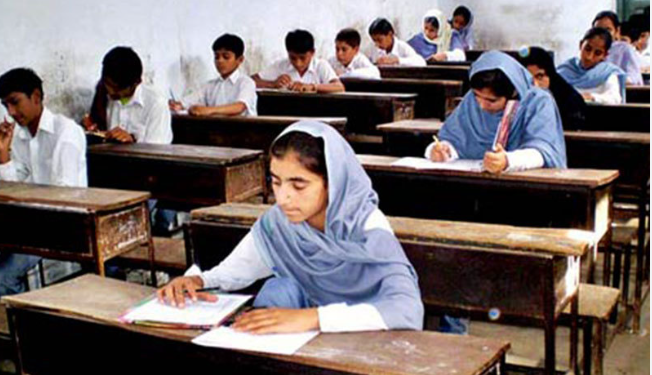
96% of Pakistani Higher Secondary Schools Equipped with Basic Facilities
Pakistan

96% of Pakistani Higher Secondary Schools Equipped with Basic Facilities

ISLAMABAD — A recent report by the Associated Press of Pakistan (APP) reveals that 96% of higher secondary schools in Pakistan now possess essential facilities like drinking water and boundary walls. This marks a significant boost in the infrastructure of public schools nationwide. What Happened The report states that essential infrastructure availability in higher secondary schools has reached 96%, a substantial increase from previous years. This development reflects efforts by the government and educational authorities to enhance education quality by ensuring students have necessary amenities. Priorities include providing clean drinking water and secure boundary walls. Data suggests this initiative addresses longstanding challenges the education sector in Pakistan faces. Historically, a lack of basic amenities in schools has been a barrier to student attendance and retention, especially in rural and underprivileged areas. By overcoming these issues, the government aims to create a more conducive learning environment and improve educational outcomes. An official from the Ministry of Education emphasized these improvements’ importance, stating, “Ensuring our schools have the necessary infrastructure is crucial for providing quality education to all students. We are committed to continuing this progress and addressing any remaining gaps in our educational facilities.” Background Pakistan’s education sector has faced numerous challenges, including inadequate infrastructure, teacher shortages, and low enrollment rates. Many public schools, particularly in rural areas, historically lacked basic facilities like clean drinking water, toilets, and boundary walls, essential for a safe, healthy learning environment. The government has worked to improve this situation through various initiatives and policies aiming to increase education funding and enhance school infrastructure. The latest data showing 96% of higher secondary schools with basic facilities demonstrates these efforts’ success. This progress aligns with broader objectives in Pakistan’s education policy, which seeks to increase access to quality education and improve literacy rates nationwide. Why It Matters Improving school infrastructure directly impacts the education quality students receive. Access to basic facilities such as clean drinking water and secure premises is vital for maintaining student health and safety, which affects their learning ability. Furthermore, these facilities’ availability influences school attendance and retention rates. Students are more likely to attend and remain in school when they have access to a safe, supportive learning environment. This is particularly crucial in rural and underserved areas, where educational opportunities are often limited. From an economic perspective, enhancing educational infrastructure is key to Pakistan’s long-term development. A well-educated population is better equipped to contribute to the country’s economic growth and development. By investing in education, the government is laying the groundwork for a more prosperous and equitable society. Internationally, these advancements can boost Pakistan’s reputation as a country committed to advancing education and achieving global educational standards. This can positively impact international partnerships and collaborations in the education sector. Key Takeaways A recent APP report indicates 96% of higher secondary schools in Pakistan now have basic facilities. The initiative addresses longstanding education sector challenges, particularly in rural areas. Improved school infrastructure can enhance educational quality and student retention. Economic and international benefits include a better-educated workforce and improved global reputation.
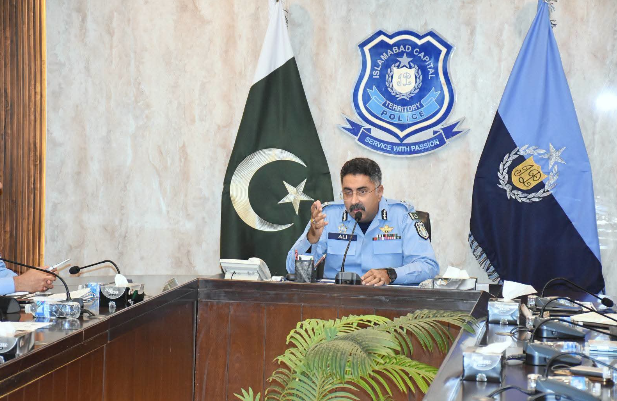

IGP Rizvi Emphasizes Merit in Islamabad Police Recruitment Process
Pakistan

IGP Rizvi Emphasizes Merit in Islamabad Police Recruitment Process

ISLAMABAD — Inspector General of Police (IGP) Islamabad, Syed Ali Nasir Rizvi, convened a meeting on Wednesday to evaluate preparations for the upcoming recruitment drive in the Islamabad Police. He highlighted the necessity of a transparent, merit-based, and efficient process. Meeting Highlights At the Islamabad Police Headquarters, IGP Rizvi examined the detailed plans and logistical arrangements for recruitment. Senior police officials, including Deputy Inspectors General, attended. The IGP stressed adherence to merit and transparency to maintain recruitment integrity. “We must ensure that the recruitment process is free from biases and upholds the highest standards of transparency,” IGP Rizvi stated. He instructed officers to implement robust measures to prevent malpractice or favoritism, including rigorous application scrutiny, transparent examinations, and impartial candidate evaluations. The meeting also outlined the recruitment timeline, set to begin in the coming weeks. The drive will fill various roles, addressing the need for increased manpower to boost law enforcement capabilities in Islamabad. Reform Initiatives The Islamabad Police are undergoing reforms to improve efficiency and public trust. Previous recruitment faced criticism over nepotism and transparency issues. In response, strategies now focus on merit-based selection to attract qualified individuals. Historically, the Islamabad Police play a crucial role in maintaining law and order in the capital, facing challenges from resource constraints and a growing population. This recruitment is part of a broader initiative to modernize and enhance operational effectiveness. Importance of Merit and Transparency The emphasis on merit and transparency is crucial. It addresses public concerns about fair hiring practices, aiming to restore confidence and demonstrate accountability. Economically, selecting qualified candidates improves police efficiency and public safety, fostering a stable environment for economic activities. Politically, it aligns with governmental reforms promoting transparency and meritocracy across public institutions in Pakistan. Internationally, these efforts enhance Pakistan’s image as a reform-driven country, potentially attracting foreign investment and fostering international cooperation in security and law enforcement. Key Takeaways IGP Rizvi emphasized a transparent, merit-based recruitment process. The drive aims to fill positions to enhance law enforcement capabilities. Reforms address past criticisms, promoting transparency. The initiative is part of broader governmental efforts to promote public sector transparency.

Rescue 1122 Implements Emergency Plan for Youm-e-Ashura
Pakistan

Rescue 1122 Implements Emergency Plan for Youm-e-Ashura

RAWALPINDI — Rescue 1122 Rawalpindi has finalized a comprehensive emergency response plan to ensure the safety and well-being of participants during Youm-e-Ashura processions and gatherings. This plan is designed to provide timely emergency services on the 10th of Muharram, a significant day in the Islamic calendar observed by Shia Muslims worldwide. Proactive Measures by Rescue 1122 Rescue 1122, a leading emergency service in Pakistan, has implemented proactive measures to address potential emergencies during Youm-e-Ashura in Rawalpindi. The plan involves deploying ambulances, fire tenders, and rescue vehicles strategically along procession routes and major gathering points. This initiative ensures an immediate response to medical emergencies or incidents during the events. The plan includes over 500 personnel, comprising paramedics, firefighters, and rescue workers on standby to provide first aid, medical assistance, and firefighting services when needed. Rescue 1122 has coordinated with local hospitals to ensure additional medical staff and resources can handle any surge in patients during the observance. Real-Time Monitoring and Coordination A central control room has been set up by Rescue 1122 to monitor the situation in real-time. This control room is crucial for communication and coordination with law enforcement and security agencies, ensuring incidents are managed effectively. Citizens are urged to cooperate with authorities and adhere to safety guidelines for a peaceful Youm-e-Ashura observance. Significance of Youm-e-Ashura Youm-e-Ashura on the 10th of Muharram marks the martyrdom of Imam Hussain at the Battle of Karbala. It holds immense religious significance for Shia Muslims, commemorated through processions and gatherings. In Pakistan, these events attract large crowds, requiring robust security and emergency measures for public safety. Youm-e-Ashura processions have historically faced security challenges, including sectarian violence and terrorist attacks. Authorities across Pakistan, including Rescue 1122, consistently implement comprehensive security and emergency plans to safeguard participants and maintain public order. Importance of the Emergency Plan The special emergency plan by Rescue 1122 underscores preparedness in managing large-scale public events of religious and cultural significance. By ensuring swift responses to emergencies, Rescue 1122 aims to minimize potential risks and enhance participant safety. Additionally, the plan reflects the broader efforts by Pakistani authorities to maintain peace and security during religious observances. Amid sectarian tensions and security threats, the proactive measures by Rescue 1122 foster public security and help prevent disruptions. Furthermore, successful implementation of such plans can serve as a model for future events. It demonstrates the effectiveness of coordinated emergency response strategies, protecting lives and reinforcing public trust in emergency services and government institutions.

Punjab Food Authority Fines Rs 1.15 Million for Food Safety Violations
Pakistan

Punjab Food Authority Fines Rs 1.15 Million for Food Safety Violations

LAHORE — The Punjab Food Authority (PFA) has imposed fines totaling Rs 1.15 million on various food production units for breaching food safety standards and standard operating procedures (SOPs). This crackdown, led by the Director General of PFA, targeted 14 locations across the province. Inspection Details In a dedicated effort to safeguard public health, the PFA conducted inspections at multiple food production sites. These checks were part of an ongoing campaign to eliminate substandard and unsafe food products from the market. The inspection teams uncovered numerous breaches of food safety regulations across 14 sites. Reported violations included using expired ingredients, maintaining unsanitary production environments, and neglecting essential hygiene practices. Consequently, several production units were sealed, and fines worth Rs 1.15 million were issued to these establishments. The Director General of PFA affirmed the authority’s commitment to strict food safety measures: “Our teams remain vigilant and will continue to take decisive action against food safety breaches.” This operation is part of PFA’s broader strategy to protect consumer health by ensuring food products adhere to mandated standards. The PFA actively monitors food production and distribution channels to prevent the circulation of substandard products. PFA’s Mandate and Achievements Established under the Punjab Food Authority Act 2011, the PFA oversees the regulation and monitoring of the food industry in Punjab. Its objectives include ensuring that food is safe, hygienic, and fit for consumption. Through regular inspections, public awareness initiatives, and strict enforcement of laws, the PFA has enhanced food safety over the years. Previous enforcement efforts have significantly improved food safety standards across Punjab, with the PFA playing a key role in shutting down illegal food operations and penalizing non-compliant businesses. Importance of PFA Actions The PFA’s efforts are crucial for several reasons: They protect consumers from health risks associated with unsafe and substandard food, such as foodborne illnesses, which can lead to hospitalizations and fatalities. Economically, ensuring high food safety standards increases consumer confidence in local food products, essential for the food industry’s growth. Trusted products encourage consumer spending and support local businesses. Politically, the PFA’s decisive actions affirm the government’s commitment to public health and safety, reinforcing its role as a protector of citizen welfare and enhancing public trust in state institutions. The adherence to food safety standards also carries international significance. Countries that strictly regulate food safety have better access to global markets, contributing to broader economic growth and development.

Minister Praises Efficient Federal Budget Preparation Process
Business

Minister Praises Efficient Federal Budget Preparation Process

ISLAMABAD — Federal Minister for Parliamentary Affairs Tariq Fazal Chaudhary commended the National Assembly Secretariat and related departments for their efficient and coordinated work in preparing the federal budget. His remarks came during a session on Wednesday, emphasizing the collaborative efforts of various governmental bodies in finalizing the budget. Efficient Coordination in Budget Preparation During the Wednesday session, Minister Chaudhary praised the National Assembly Secretariat and associated departments for their meticulous efforts in federal budget preparation. According to him, the entire process was executed efficiently and in a highly coordinated manner. This ensured the budget was timely and met all necessary requirements. He emphasized the importance of teamwork among different governmental bodies. Chaudhary stated, “The seamless collaboration between the National Assembly Secretariat and other departments was crucial for the timely budget completion.” He acknowledged the hard work of the officials involved, contributing to the smooth preparation process. Multiple Stages in Budget Process The budget preparation process is complex and involves several stages, including consultations, drafting, and final approvals. This process requires input from numerous departments to ensure all financial needs are addressed. The minister’s commendation reflects the successful execution of these tasks by the entities involved. Importance of the Federal Budget The preparation of Pakistan’s federal budget is an annual exercise involving extensive planning and coordination. It typically starts months in advance with consultations between the Ministry of Finance, the National Assembly, and other relevant departments. The budget outlines the government’s financial plans for the upcoming fiscal year, detailing expected revenues and expenditures. Historically, Pakistan’s budget preparation has faced challenges like delays and disagreements among stakeholders. Recent efforts, however, have focused on improving efficiency and transparency. Involvement of various governmental bodies ensures the budget reflects the country’s economic priorities and addresses citizens’ needs. Impact on Economic Sectors The federal budget is a crucial document setting the financial direction of the country for the coming year. It impacts sectors like education, healthcare, infrastructure, and defense, by allocating necessary funds and resources. An efficiently prepared budget is essential to ensure these sectors receive adequate funding and can operate effectively. Minister Chaudhary’s praise highlights the government’s commitment to transparency and efficiency in financial planning. By recognizing involved departments’ efforts, the government aims to build public trust in its financial management capabilities, crucial for economic stability. A well-prepared budget can positively influence investor confidence, showcasing the government’s ability to manage finances responsibly. This can lead to increased foreign investment, vital for Pakistan’s economic growth and development. Key Takeaways Federal Minister Tariq Fazal Chaudhary praised the efficient and coordinated efforts in federal budget preparation. The National Assembly Secretariat and related departments were commended for their teamwork. The budget preparation process involves multiple stages requiring input from various governmental bodies. An efficiently prepared budget boosts public trust and can enhance investor confidence.

China-Pakistan Event Highlights Need for UNSC Resolution Enforcement
World

China-Pakistan Event Highlights Need for UNSC Resolution Enforcement

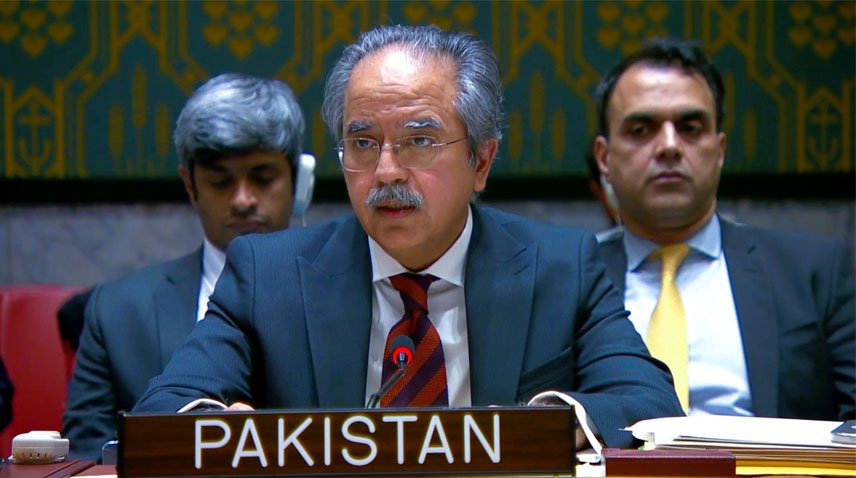
NEW YORK — During an informal meeting at the United Nations Security Council (UNSC) on Tuesday, delegates stressed the critical need for robust enforcement of the Council’s resolutions. They argued that without effective implementation, these resolutions are inadequate. The event featured representatives from China and Pakistan, focusing on enhancing the UNSC’s credibility and effectiveness in maintaining global peace and security. Meeting Highlights The informal meeting was held at the United Nations headquarters and included participation from various international delegates, notably from China and Pakistan. Speakers stressed the importance of consistent enforcement of UNSC resolutions, as inconsistency diminishes their impact. There was a call for stronger mechanisms to monitor and report compliance. A key theme was the need for non-selective implementation of UNSC decisions. Selective enforcement was seen as undermining the Council’s authority and eroding trust among member states. A Pakistani representative noted, “The credibility of the UNSC is at stake if resolutions are not applied equally to all member states.” China’s delegate reiterated these concerns, emphasizing that the UNSC’s effectiveness relies on unbiased mandate enforcement. The call for reform was linked to international relations, where geopolitical interests can affect UNSC resolution application. UNSC Background The United Nations Security Council is tasked with maintaining international peace and security, empowered to issue binding resolutions that member states must implement. However, enforcement consistency has historically varied, attracting criticism and calls for reform to ensure equity and transparency in UNSC operations. Past selective enforcement, particularly involving major powers with veto rights, has led to a lack of accountability and hindered the UNSC’s decisive action in conflicts. Significance of Reforms The discussions at the China-Pakistan event highlight the urgent need for UNSC reforms to enhance its legitimacy and effectiveness. Selective resolution enforcement not only weakens the Council’s authority but also undermines global trust in its conflict management capabilities. For countries like Pakistan, consistent application of UNSC resolutions is critical for regional stability. The call for non-selective enforcement is vital amid ongoing global tensions. As challenges like cybersecurity and climate change arise, the UNSC’s role in addressing them becomes crucial. Fair resolution enforcement is essential for fostering an international cooperative environment. For both Pakistan and China, with vested interests in regional stability, enforcing UNSC resolutions is strategic. The event emphasized the need for collective efforts to address current system shortcomings and work towards equitable global governance frameworks. Key Takeaways The UNSC’s effectiveness is consistently undermined by selective resolution enforcement. Speakers at the event advocated for stronger monitoring and reporting frameworks. The need for non-selective implementation and broad reform was strongly highlighted. Global trust in the UN’s peace management capabilities is affected by inconsistent resolutions. Pakistan and China emphasize the strategic importance of enforcement for regional stability.

Kashmiri Widows Face Ongoing Hardship Amid Conflict
Pakistan

Kashmiri Widows Face Ongoing Hardship Amid Conflict

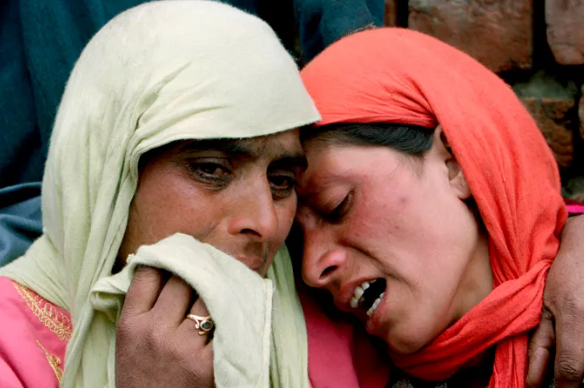
SRINAGAR — Kashmiri widows and half-widows suffer profound hardship amid the ongoing conflict in Indian Illegally Occupied Jammu and Kashmir (IIOJK). Over the past 37 years, the number of women who have lost their spouses to confirmed death or disappearance has surged. This has left thousands grappling with grief and economic uncertainty. The Impact of Conflict The prolonged Kashmir conflict has considerably increased the number of widows and half-widows. These women face economic hardship, social stigma, and psychological trauma. The term ‘half-widows’ describes women whose husbands have vanished without confirmation of their status, increasing their distress and uncertainty. Without formal support or recognition from authorities, these women fend for themselves and their families. The absence of a legal framework addressing their situation exacerbates their plight. Consequently, they struggle to access basic necessities, living in poverty and insecurity. “The pain of not knowing what happened to my husband is unbearable,” said one anonymous half-widow. “Every day is a struggle to survive and provide for my children.” Historical Background The Kashmir conflict traces back to the partition of India and Pakistan in 1947. Both nations claim the region in full but control only parts, resulting in several wars and ongoing skirmishes. This conflict has caused thousands of deaths and disappearances, profoundly impacting civilians. Kashmiri widows and half-widows remain a neglected demographic, with scant attention from local and international spheres. Despite their numbers, no comprehensive policy exists to support or address their needs. This lack of institutional support leaves many vulnerable to exploitation and further marginalization. Humanitarian Concerns The situation for widows and half-widows in Kashmir is a critical humanitarian issue, mirroring broader socio-political challenges. While the conflict leads to loss of life, it also perpetuates poverty and instability cycles. These women’s struggles underscore the urgent need for resolving the Kashmir conflict, affecting millions. Economically, the absence of a male breadwinner forces many to seek work in a region with few opportunities. Often this means taking low-paying, insecure jobs, affecting their families’ future prospects, especially children’s education. Socially, they face stigma and isolation as widowhood is often stigmatized. This societal prejudice can lead to mental health issues, compounding their challenges. At the international level, Kashmir remains contentious between India and Pakistan, with significant regional stability and security implications. Addressing the widows’ needs could aid peace-building efforts. Key Takeaways The prolonged conflict has significantly increased Kashmiri widows and half-widows’ numbers. These women encounter economic hardship, social stigma, and trauma. They lack formal support and legal recognition for their situation. Their plight underscores the need for resolution to the Kashmir conflict. Meeting their needs could support regional peace-building efforts.

Pakistan And Iran Commit To Enhanced Security Cooperation Amid Regional Calm
Business

Pakistan And Iran Commit To Enhanced Security Cooperation Amid Regional Calm

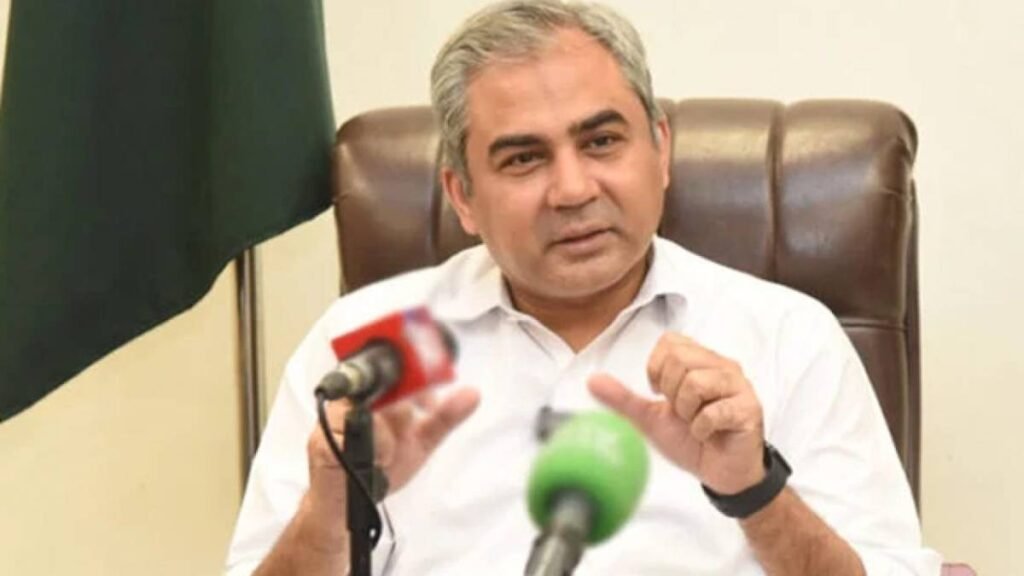
ISLAMABAD — Pakistan and Iran have agreed to enhance their security cooperation as regional tensions ease. This development resulted from talks between Pakistan’s Interior Minister Mohsin Naqvi and Iranian counterpart Eskandar Momeni, centering on security, counterterrorism, cybersecurity, and immigration. Details of the Meeting The interior ministers met to reinforce bilateral ties and address shared security concerns. These discussions follow a recent peace agreement that has stabilized the region. Both aimed to strengthen their collaboration in areas like counterterrorism and cybersecurity. Minister Naqvi stressed the need for joint efforts with Iran to tackle issues such as border security and terrorism. “Our cooperation is crucial for ensuring peace and stability in the region,” Naqvi stated. Momeni agreed, emphasizing the importance of coordinated efforts to secure their shared border. The talks also addressed immigration issues. Both sides recognized the need to manage cross-border movements better, focusing on illegal immigration and improving legal frameworks for people movement between the countries. Historical Context Pakistan and Iran, sharing a lengthy border, have faced challenges like cross-border terrorism and illegal immigration. Various agreements have been made to enhance border security and manage immigration more effectively. The peace agreement has reduced tensions and opened new opportunities for cooperation. Geopolitical factors have influenced Pakistan-Iran relations, including ties with other regional powers. Nevertheless, both recognize the importance of a stable border, leading to ongoing dialogues and cooperative agreements. Significance for the Region This enhanced security collaboration has multiple implications. Economically, it could facilitate trade and commerce, boosting local economies and regional prosperity. The reduction in border tensions might lead to increased investment opportunities, as businesses feel more confident in the region’s stability. Socially, security improvements could enhance the quality of life for border communities who suffer from cross-border conflicts and illegal activities. Addressing these issues can instill a sense of security and stability among the populations. Key Takeaways Pakistan and Iran commit to strengthening security cooperation amidst easing regional tensions. Focus areas include counterterrorism, cybersecurity, and immigration management. Efforts aim at improving border security and tackling illegal immigration challenges. Expected positive economic and social impacts for communities along the border. This collaboration might serve as a model for regional cooperation in addressing common challenges.

Massive Fire Devastates H-9 Bazaar in Islamabad, Shops Reduced to Ashes
Business

Massive Fire Devastates H-9 Bazaar in Islamabad, Shops Reduced to Ashes

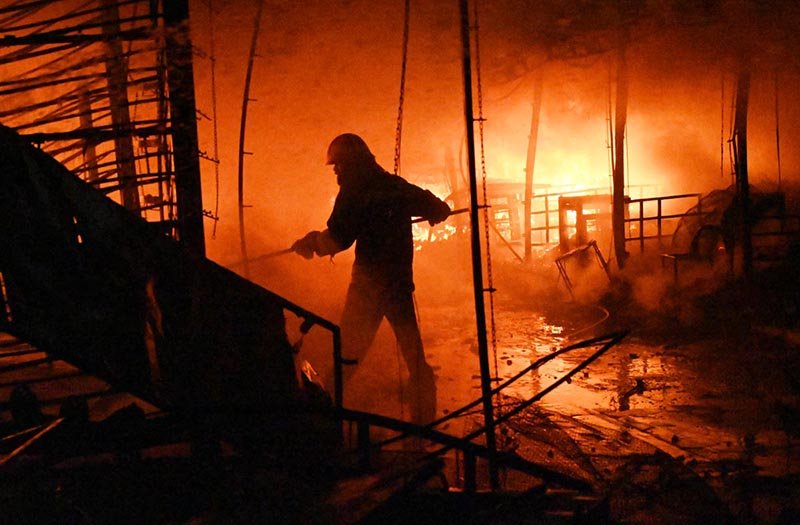
A massive fire erupted at the weekly H-9 Bazaar in Islamabad’s Peshawar Mor on June 23, causing extensive damage to numerous shops and stalls. Firefighters and rescue teams were dispatched to control the blaze, but shopkeepers and vendors were left devastated as their livelihoods were consumed by the flames. Fire Details The fire broke out late at night in the bustling H-9 Bazaar, rapidly spreading through tightly packed stalls and shops. Although the Islamabad fire department and rescue teams responded quickly, the inferno consumed a significant portion of the market. The metal frameworks of shops were reduced to charred remnants, and eyewitnesses reported flames visible from miles away. Shopkeepers watched helplessly as their goods and investments were destroyed. Many, who had been operating in the market for years, face severe financial losses. Initial reports suggest an electrical short circuit may have triggered the blaze. Firefighter Efforts A firefighter at the scene explained, “The fire was extremely challenging to control due to the dense arrangement of stalls and the flammable materials stored within them. We are doing our best to prevent the fire from spreading to nearby areas.” Background of H-9 Bazaar The H-9 Bazaar, also known as the Sunday Market, is a popular shopping destination in Islamabad, attracting thousands of visitors weekly. The market offers a wide range of products, including clothing, electronics, fresh produce, and household items at competitive prices. Managed by the Capital Development Authority (CDA), the market is subject to its infrastructure and safety regulations. Similar incidents have occurred in various Pakistani markets, often due to inadequate safety measures and outdated electrical systems. A lack of a comprehensive fire safety protocol is a recurring problem, with authorities frequently criticized for not enforcing regulations effectively. Economic and Safety Implications The destruction of the H-9 Bazaar significantly impacts the local economy and the livelihoods of many vendors who rely on the market for income. Rebuilding businesses from scratch will be daunting, especially for uninsured vendors. This incident underscores the urgent need for improved safety measures in markets across Pakistan. The recurring nature of such fires reveals systemic issues in market management and safety enforcement. Authorities must prioritize modern fire safety standards and ensure regular inspections to prevent future tragedies. On a broader scale, the incident raises questions about urban planning and infrastructure development in rapidly expanding cities like Islamabad. As urban areas grow, robust safety frameworks become essential for protecting businesses and consumers. Key Takeaways A massive fire destroyed the H-9 Bazaar in Islamabad, affecting numerous shops and stalls. The cause of the fire is suspected to be an electrical short circuit, though investigations are ongoing. The incident highlights the need for improved fire safety measures and enforcement in markets. The economic impact is severe, with many shopkeepers facing significant financial losses. Authorities are urged to implement modern safety standards to prevent future incidents. Source Attribution The information in this article is sourced from the Associated Press of Pakistan (APP).

FIH Issues Apology to Pakistan Hockey Federation Over Flag Error
Sports

FIH Issues Apology to Pakistan Hockey Federation Over Flag Error

ISLAMABAD — The International Hockey Federation (FIH) issued a formal apology to the Pakistan Hockey Federation (PHF) for incorrectly displaying Pakistan’s national flag during a Hockey Pro League match in London. The apology was conveyed in a letter addressed to PHF President Mohyuddin Ahmad Wani, dated June 23, 2023. Incident Details During a Hockey Pro League match in London, the Pakistani flag was incorrectly displayed. The error was quickly identified, prompting an official apology from the FIH. Hilary Atkinson, Director of the FIH Hockey Pro League, expressed sincere regret for the mistake in a letter to the PHF. The letter emphasized the importance of national symbols and assured the PHF of the federation’s commitment to preventing similar errors in the future. FIH’s Commitment Atkinson wrote, “We deeply regret the incorrect display of the Pakistani flag during our recent event. We understand the significance of national symbols and assure you of our dedication to maintaining the highest standards in all our events.” The FIH has reviewed its protocols to prevent such incidents, highlighting respect for participating nations and their symbols. The PHF acknowledged the apology, with President Mohyuddin Ahmad Wani appreciating the FIH’s swift response. He stressed the importance of respecting national emblems in international sporting events, which foster goodwill and sportsmanship. Background on the Hockey Pro League The FIH Hockey Pro League is an annual international field hockey competition featuring national teams from around the globe. It serves as a key platform for teams to compete at a high level and gain ranking points. Matches are hosted in various countries, providing a global stage for the sport. National flags are typically displayed during these events, symbolizing the pride and participation of the competing nations. Pakistan has a rich history in field hockey, having won multiple Olympic and World Cup titles. The national flag holds deep significance, representing the nation’s identity and pride. Any misrepresentation is taken seriously, warranting immediate correction and an apology. Importance of Cultural Sensitivity This incident underscores the importance of cultural sensitivity and accuracy in international events. Correct representation of national symbols is crucial for maintaining diplomatic respect and fostering positive international relations. Errors like this could lead to diplomatic tensions if not promptly addressed. For Pakistan, proper display of its national flag at international events pertains to national pride and protocol. The FIH’s swift apology helps to mitigate potential diplomatic fallout and reiterates the importance of mutual respect among nations participating in global sports events. This incident highlights the broader issue of cultural awareness in international sports. As sports events become increasingly global, organizers must ensure all cultural and national symbols are respected and accurately represented. This fosters an environment of inclusivity and respect, essential for the spirit of international sportsmanship. Key Takeaways FIH issued an apology to PHF for the incorrect display of Pakistan’s flag during a Pro League match in London. The apology was formally addressed to PHF President Mohyuddin Ahmad Wani. The incident emphasizes the importance of accurate representation of national symbols in international events. Pakistan deeply values its national symbols, and their correct representation is crucial.

Scroll to Top