

Author name: Yasir Zubairi

Yasir Zubairi is the founder and publisher of NEN Agency (News Era Network). He leads NEN's coverage of Pakistan's national affairs, economy, foreign relations and sports, and is responsible for the accuracy and standards of every story published on nenagency.com.

Government Allocates Rs74.92 Billion for Water Projects to Prevent Flooding
Pakistan

Government Allocates Rs74.92 Billion for Water Projects to Prevent Flooding

ISLAMABAD — The Pakistani government has announced a budget of Rs74.92 billion for 35 water-sector projects in the fiscal year 2026-27. These initiatives aim to safeguard approximately 15.76 million people from potential flooding and increase water storage capacity by 12.8 million acre-feet (MAF), as part of a comprehensive strategy to enhance water management across the nation. What Happened The government has committed significant financial resources to a series of water management projects designed to mitigate the impact of floods and improve water storage capabilities. The allocation of Rs74.92 billion is intended for 35 distinct projects that encompass dam construction, irrigation system upgrades, flood management strategies, urban water supply improvements, and the implementation of real-time water monitoring systems. These projects are part of a broader national plan to address the challenges posed by climate change and frequent flooding. The aim is to protect vulnerable populations and ensure a more reliable water supply for agricultural and urban needs. The projects are expected to be rolled out over the next few years, with completion targeted by the end of the 2026-27 fiscal year. The initiative reflects the government’s commitment to sustainable water management and disaster preparedness. A government spokesperson highlighted the importance of these projects, stating, “Our goal is to create a resilient water infrastructure that can withstand the challenges of climate change and provide security to millions of Pakistanis.” Background Pakistan has a long history of dealing with severe floods, which have caused significant damage to infrastructure, agriculture, and human life. The country’s geographical and climatic conditions make it particularly susceptible to flooding, with monsoon rains often leading to widespread devastation. In recent years, the government has taken steps to improve its flood management strategies, including the construction of new dams and the rehabilitation of existing ones. The National Water Policy, introduced in 2018, provides a framework for managing water resources sustainably, emphasizing the need for improved infrastructure and technology to cope with water-related challenges. Previous flood events, such as those in 2010 and 2022, highlighted the urgent need for enhanced water management systems. These disasters prompted the government to prioritize investments in water infrastructure to prevent future occurrences and minimize their impact. Why It Matters The allocation of Rs74.92 billion for water projects is a critical step towards safeguarding Pakistan’s population and economy from the adverse effects of flooding. By increasing water storage capacity and enhancing flood management systems, the government aims to reduce the vulnerability of communities living in flood-prone areas. Economically, these projects are expected to boost agricultural productivity by ensuring a more reliable water supply for irrigation. This is particularly important for Pakistan, where agriculture is a major component of the economy, employing a significant portion of the workforce and contributing to food security. Socially, the projects will provide much-needed protection to millions of people who are at risk of losing their homes and livelihoods to floods. By investing in infrastructure that can withstand extreme weather events, the government is working to build resilience among its citizens. Internationally, Pakistan’s efforts to improve water management align with global climate change adaptation strategies. The country’s proactive approach could serve as a model for other nations facing similar challenges, highlighting the importance of investing in sustainable infrastructure to combat the effects of climate change. Key Takeaways The government has allocated Rs74.92 billion for 35 water-sector projects in 2026-27. The projects aim to protect 15.76 million people from floods and increase water storage by 12.8 MAF. Initiatives include dam construction, irrigation upgrades, and real-time water monitoring. These efforts are part of a broader strategy to enhance disaster preparedness and water security. The projects are expected to boost agricultural productivity and improve resilience to climate change. Source Attribution This article is based on official government statements, press releases, and public communications from relevant authorities. Author: NEN Editorial Desk | Editor: NEN Newsroom | Fact Checked By: NEN Editorial Team Author: NEN Editorial Desk  |  Editor: NEN Newsroom  |  Last Updated: September 10, 2026  |  Source: NEN Reporter This article was produced by the NEN Editorial Desk in accordance with NEN Agency’s Editorial Policy and Fact-Checking Policy.

CDWP Approves Rs 5.7 Billion for SAF Games Infrastructure Upgrade
Pakistan

CDWP Approves Rs 5.7 Billion for SAF Games Infrastructure Upgrade

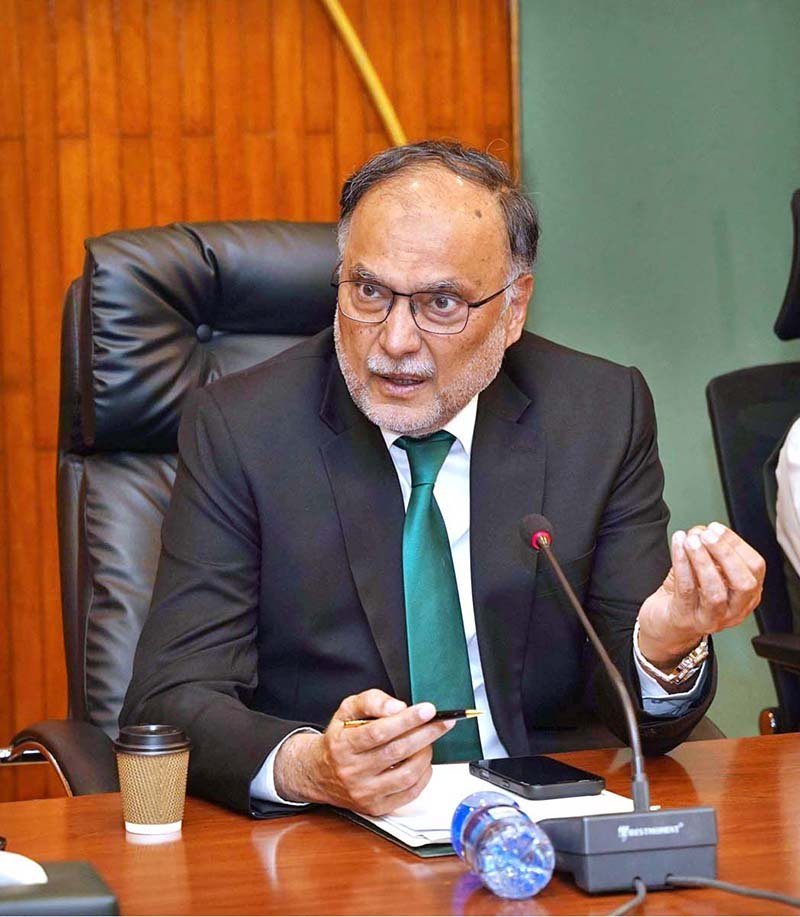
ISLAMABAD — The Central Development Working Party (CDWP) has approved a comprehensive package valued at Rs 5.7 billion for the upgradation of sports infrastructure in preparation for the upcoming South Asian Federation (SAF) Games. The decision was made during a meeting chaired by Deputy Chairman Planning Commission and Federal Minister for Planning, Development and Special Initiatives Ahsan Iqbal. What Happened During the meeting held on September 10, the CDWP reviewed and sanctioned a series of projects aimed at enhancing the sports infrastructure in Pakistan. The initiative is part of the government’s broader strategy to ensure that the country is well-prepared to host the SAF Games, a significant regional sporting event. The approved package includes the renovation and construction of various sports facilities across the country. Federal Minister Ahsan Iqbal emphasized the importance of these developments, stating, “The upgradation of sports infrastructure is crucial for not only hosting the SAF Games successfully but also for promoting sports culture in the country.” The projects will focus on modernizing existing facilities and constructing new ones to meet international standards, thereby providing athletes with the necessary resources to excel. The planned upgrades include improvements to stadiums, training facilities, and athlete accommodations. Specific projects will be undertaken in major cities like Islamabad, Lahore, and Karachi, where the bulk of the games will be held. The initiative is expected to be completed in phases, ensuring that all facilities are ready in time for the event. Background The SAF Games, a biennial multi-sport event, involves athletes from South Asian countries competing in various disciplines. Pakistan has previously hosted the event, with the last occasion being in 2004. The games are seen as an opportunity to foster regional cooperation and showcase the sporting talents of the participating nations. The CDWP, a key body within Pakistan’s planning framework, is responsible for approving development projects and ensuring their alignment with national priorities. The approval of the Rs 5.7 billion package reflects the government’s commitment to enhancing the country’s sports infrastructure and its readiness to host international events. Why It Matters The approval of this package is significant for several reasons. Economically, the development of sports infrastructure is expected to generate employment opportunities and stimulate local economies. The construction and renovation projects will require skilled labor, thereby providing job opportunities for many Pakistanis. Socially, the improved infrastructure will encourage greater participation in sports, particularly among the youth. By providing state-of-the-art facilities, the government aims to inspire a new generation of athletes and promote a healthy lifestyle. This initiative aligns with the broader objectives of enhancing social cohesion and national pride through sports. Politically, successfully hosting the SAF Games will bolster Pakistan’s image on the international stage, demonstrating its capability to organize large-scale events. This can lead to increased tourism and international investment, further benefiting the country’s economy. Furthermore, the initiative highlights Pakistan’s commitment to regional cooperation through sports, fostering goodwill among South Asian nations. By investing in infrastructure that meets international standards, Pakistan is positioning itself as a key player in the regional sports arena. Key Takeaways The CDWP has approved a Rs 5.7 billion package for upgrading sports infrastructure for the SAF Games. The initiative includes renovation and construction of facilities in major cities like Islamabad, Lahore, and Karachi. The project aims to enhance sports culture, provide employment, and boost Pakistan’s international image. The SAF Games are a significant regional event, promoting cooperation among South Asian countries. The development aligns with the government’s broader objectives of social and economic progress through sports. Source Attribution This article is based on official government statements, press releases, and public communications from relevant authorities. Author: NEN Editorial Desk | Editor: NEN Newsroom | Fact Checked By: NEN Editorial Team Author: NEN Editorial Desk  |  Editor: NEN Newsroom  |  Last Updated: September 10, 2026  |  Source: NEN Reporter This article was produced by the NEN Editorial Desk in accordance with NEN Agency’s Editorial Policy and Fact-Checking Policy.
Gold Prices Drop by Rs600 Per Tola in Pakistan
Pakistan

Gold Prices Drop by Rs600 Per Tola in Pakistan

ISLAMABAD — The price of 24-karat gold in Pakistan’s local market experienced a decrease of Rs600 per tola on Thursday, settling at Rs462,336. This change was reported by the All Pakistan Sarafa Gems and Jewellers Association, reflecting fluctuations in the global gold market and local currency dynamics. What Happened On Thursday, the All Pakistan Sarafa Gems and Jewellers Association announced a reduction in the price of 24-karat gold, which fell by Rs600 per tola. The new price is set at Rs462,336. Similarly, the price of 10 grams of 24-karat gold dropped by Rs515, bringing it to Rs396,378. The 22-karat gold also saw a decline, with the price for 10 grams decreasing, although specific figures were not detailed in the report. The decrease in gold prices is attributed to several factors, including international market trends and the performance of the Pakistani rupee against the US dollar. Gold prices are often influenced by global economic conditions, including inflation rates and currency valuations, which can impact local pricing. The association regularly updates gold prices based on these factors, providing a benchmark for jewelers and consumers across the country. The latest adjustment reflects ongoing volatility in the precious metals market, which has been affected by various geopolitical and economic developments worldwide. Background Gold has traditionally been a popular investment and a hedge against inflation in Pakistan. The country’s gold market is significantly influenced by international trends, as well as local demand and supply dynamics. Historically, gold prices in Pakistan have been subject to fluctuations due to changes in the global market and domestic economic conditions. The All Pakistan Sarafa Gems and Jewellers Association plays a pivotal role in setting gold prices in the country. It provides daily updates that reflect the current market conditions and guide both jewelers and consumers in their transactions. The association’s pricing is closely watched by investors and traders who view gold as a safe haven asset. In recent years, gold prices have shown a general upward trend, driven by economic uncertainties and currency fluctuations. However, periodic declines, such as the current reduction, are not uncommon and are often linked to short-term market corrections or changes in investor sentiment. Why It Matters The decline in gold prices holds significant implications for various stakeholders in Pakistan. For consumers, particularly those planning weddings or other events where gold jewelry is traditionally gifted, the reduction offers a temporary relief in costs. This can lead to increased purchasing activity, benefiting local jewelers and the broader economy. For investors, the drop in prices may present an opportunity to purchase gold at a lower cost, potentially leading to increased investment activity. However, it also reflects underlying economic conditions that could affect broader financial markets and economic stability. Economically, the fluctuation in gold prices can impact the country’s trade balance. As a major importer of gold, Pakistan’s foreign exchange reserves and currency valuation can be influenced by changes in gold import costs. A decrease in prices may reduce the overall cost of imports, positively affecting the trade deficit. On a broader scale, the gold market’s performance is often seen as an indicator of economic health. Fluctuations in gold prices can signal shifts in investor confidence and economic outlook, both domestically and internationally. As such, the recent price drop is closely monitored by economists and policymakers for potential impacts on economic planning and policy formulation. Key Takeaways The price of 24-karat gold in Pakistan decreased by Rs600 per tola, settling at Rs462,336. The reduction is influenced by global market trends and local currency performance. Gold remains a key investment and cultural asset in Pakistan, impacting consumer behavior and economic conditions. Fluctuations in gold prices can affect Pakistan’s trade balance and foreign exchange reserves. The gold market’s performance is an indicator of broader economic health and investor confidence. Source Attribution This article is based on official statements and public communications from relevant authorities. Author: NEN Editorial Desk | Editor: NEN Newsroom | Fact Checked By: NEN Editorial Team Author: NEN Editorial Desk  |  Editor: NEN Newsroom  |  Last Updated: September 10, 2026  |  Source: NEN Reporter This article was produced by the NEN Editorial Desk in accordance with NEN Agency’s Editorial Policy and Fact-Checking Policy.
Pakistan Approves Rs 5.7 Billion Sports Infrastructure Package for SAG
Pakistan

Pakistan Approves Rs 5.7 Billion Sports Infrastructure Package for SAG

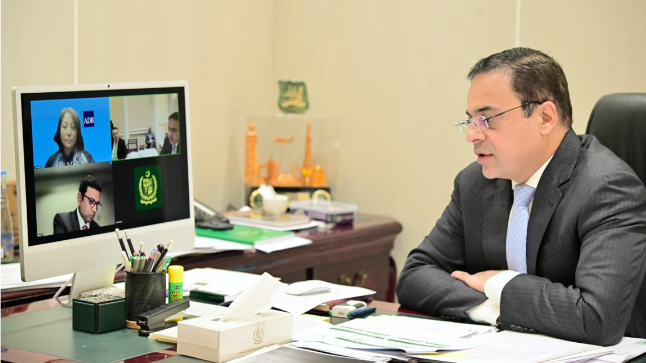
ISLAMABAD — Pakistan’s Central Development Working Party (CDWP) has approved a significant Rs 5.7 billion package aimed at enhancing sports infrastructure in preparation for the upcoming South Asian Games (SAG). Secretary Inter Provincial Coordination (IPC) Mohyuddin Ahmad Wani announced the approval on Thursday, highlighting its importance for the successful hosting of the event. What Happened The CDWP’s decision to approve the Rs 5.7 billion package marks a pivotal step in Pakistan’s preparations for the South Asian Games, scheduled to be hosted in the country. Secretary IPC Mohyuddin Ahmad Wani emphasized that this investment is crucial for upgrading sports facilities to meet international standards. The package includes the development and renovation of various sports complexes and stadiums across the nation, ensuring they are equipped to host a wide range of sporting events. Wani stated, “The approval of this package is a testament to our commitment to providing world-class facilities for athletes and ensuring the success of the South Asian Games in Pakistan.” The funds will be allocated towards modernizing existing infrastructure and constructing new venues where necessary, with a focus on sustainability and accessibility. The South Asian Games, a multi-sport event held among athletes from South Asia, is an opportunity for Pakistan to showcase its capabilities in hosting international sporting events. The government aims to use this event to foster regional cooperation and promote sports tourism in the country. Background The South Asian Games were first held in 1984 and have since become a significant event in the region, promoting unity and sportsmanship among South Asian nations. Pakistan has previously hosted the games in 1989 and 2004, with the upcoming event marking its third opportunity to do so. Historically, the games have served as a platform for athletes from the region to compete at an international level, often acting as a stepping stone to larger global competitions. Pakistan’s sports infrastructure has faced challenges over the years, with many facilities requiring upgrades to meet international standards. The government’s decision to invest in this infrastructure underscores its commitment to revitalize sports in the country and provide athletes with the resources they need to excel. Why It Matters The approval of the Rs 5.7 billion package is significant for several reasons. Economically, the investment is expected to create jobs and stimulate local economies through the construction and renovation of sports facilities. Additionally, hosting the South Asian Games has the potential to boost tourism, as athletes, officials, and spectators from across the region visit Pakistan. Socially, the development of sports infrastructure can have a lasting impact on communities by providing youth with access to quality sports facilities, encouraging physical activity, and fostering a culture of sportsmanship and teamwork. This investment also aligns with Pakistan’s broader goals of promoting peace and cooperation in the region through sports diplomacy. Politically, successfully hosting the South Asian Games can enhance Pakistan’s reputation on the international stage, demonstrating its ability to organize and manage large-scale events. This could lead to increased opportunities for the country to host other international competitions in the future. Key Takeaways The CDWP has approved a Rs 5.7 billion package to enhance sports infrastructure for the South Asian Games. The investment will focus on upgrading and constructing sports facilities across Pakistan. The South Asian Games offer an opportunity for Pakistan to boost tourism and foster regional cooperation. The development of sports infrastructure can have positive economic and social impacts on local communities. Successfully hosting the games could enhance Pakistan’s international reputation and lead to future opportunities. Source Attribution This article is based on official government statements and public communications from relevant authorities. Author: NEN Editorial Desk | Editor: NEN Newsroom | Fact Checked By: NEN Editorial Team Author: NEN Editorial Desk  |  Editor: NEN Newsroom  |  Last Updated: September 10, 2026  |  Source: NEN Reporter This article was produced by the NEN Editorial Desk in accordance with NEN Agency’s Editorial Policy and Fact-Checking Policy.
Pakistan and ADB Commit to Finalizing ML-1 Railway Project Design
World

Pakistan and ADB Commit to Finalizing ML-1 Railway Project Design

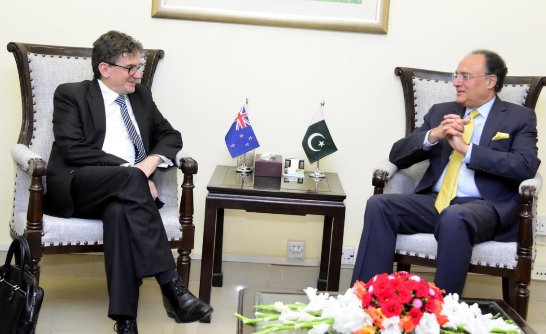
ISLAMABAD — Pakistan and the Asian Development Bank (ADB) have reaffirmed their commitment to expedite the finalization of the Main Line-1 (ML-1) railway project design. This was discussed in a meeting held on September 9, 2023, between Federal Minister for Economic Affairs Senator Ahad Cheema and an ADB delegation in Islamabad. What Happened The meeting, which took place in Islamabad, focused on reviewing the progress of the ML-1 railway project, a critical infrastructure initiative aimed at upgrading Pakistan’s railway system. Federal Minister Ahad Cheema emphasized the importance of completing the project design promptly to ensure the timely commencement of subsequent phases. The ADB delegation informed the meeting that their technical team is actively engaged in the design phase and is committed to meeting the project deadlines. The ML-1 project is a major component of the China-Pakistan Economic Corridor (CPEC) and is expected to significantly enhance Pakistan’s rail transport capacity. The project involves the upgradation of the existing railway track from Karachi to Peshawar, covering a distance of approximately 1,872 kilometers. Once completed, it will improve the speed, efficiency, and safety of rail travel across the country. During the meeting, both parties discussed the technical and financial aspects of the project, with the ADB assuring continued support and collaboration. The ADB’s involvement is crucial, as it provides not only financial assistance but also technical expertise to ensure the project’s success. Background The ML-1 railway project is part of a broader initiative under the CPEC framework, which aims to enhance infrastructure connectivity between Pakistan and China. The project has been in the planning stages for several years, with multiple phases of development envisioned. It is considered one of the largest infrastructure projects in Pakistan’s history, with an estimated cost of around $6.8 billion. The project was initially conceived to address the deteriorating condition of Pakistan’s railway infrastructure, which has suffered from decades of underinvestment. The existing railway lines are plagued by outdated technology and insufficient capacity, resulting in frequent delays and safety concerns. The ML-1 project aims to address these issues by modernizing the railway system, thereby facilitating economic growth and regional connectivity. Why It Matters The successful implementation of the ML-1 project holds significant economic and social implications for Pakistan. By modernizing the railway infrastructure, the project is expected to boost trade and commerce, reduce transportation costs, and create employment opportunities. Improved rail connectivity will facilitate the movement of goods and people across the country, enhancing economic integration and regional development. Moreover, the ML-1 project is a critical component of the CPEC, a flagship initiative under China’s Belt and Road Initiative (BRI). The project’s completion will strengthen Pakistan’s strategic partnership with China and bolster its position as a key player in regional connectivity. It is also expected to attract further foreign investment, contributing to Pakistan’s economic growth and development. For the citizens of Pakistan, the project promises improved travel experiences, with faster and safer train services. It will also alleviate road congestion and reduce the environmental impact of transportation by shifting more freight and passenger traffic to rail. Key Takeaways Pakistan and ADB have reaffirmed their commitment to finalizing the ML-1 railway project design. The project is a key component of the China-Pakistan Economic Corridor (CPEC). ML-1 aims to modernize Pakistan’s railway infrastructure, covering approximately 1,872 kilometers. The project is expected to boost economic growth, create jobs, and enhance regional connectivity. Successful completion will strengthen Pakistan’s strategic partnership with China. Source Attribution This article is based on official government statements, press releases, and public communications from relevant authorities. Author: NEN Editorial Desk | Editor: NEN Newsroom | Fact Checked By: NEN Editorial Team Author: NEN Editorial Desk  |  Editor: NEN Newsroom  |  Last Updated: September 10, 2026  |  Source: NEN Reporter This article was produced by the NEN Editorial Desk in accordance with NEN Agency’s Editorial Policy and Fact-Checking Policy.
New Zealand Envoy Meets Pakistan Finance Minister to Boost Economic Ties
World

New Zealand Envoy Meets Pakistan Finance Minister to Boost Economic Ties

ISLAMABAD — The Federal Minister for Finance and Revenue, Senator Muhammad Aurangzeb, met with the High Commissioner-designate of New Zealand to Pakistan, David Pine, on September 9 to discuss enhancing bilateral economic relations. The meeting underscored both countries’ commitment to strengthening trade, investment, and business-to-business cooperation. What Happened During the meeting held in Islamabad, Finance Minister Muhammad Aurangzeb and High Commissioner-designate David Pine discussed various avenues for deepening economic ties between Pakistan and New Zealand. Accompanied by Ms. Avanthi Kalansooriya, a policy advisor, Pine emphasized New Zealand’s interest in exploring new trade opportunities with Pakistan. The discussions focused on enhancing bilateral trade, fostering investment, and facilitating business collaborations. David Pine expressed New Zealand’s willingness to support Pakistan in various sectors, including agriculture, technology, and education. He noted, “New Zealand sees great potential in Pakistan’s market and is eager to explore areas where both nations can mutually benefit.” The meeting also highlighted the importance of creating a conducive environment for businesses from both countries to thrive. Finance Minister Aurangzeb welcomed the New Zealand envoy’s commitment to strengthening economic ties and assured full cooperation from Pakistan’s government. He stated, “Pakistan is open to foreign investment and is keen on building strong economic partnerships with countries like New Zealand.” The meeting concluded with both parties agreeing to continue dialogue and explore practical steps to enhance economic collaboration. Background Pakistan and New Zealand have historically maintained cordial relations, with both countries being members of the Commonwealth of Nations. Over the years, trade between the two nations has been modest, with room for significant growth. New Zealand primarily exports dairy products, wool, and meat to Pakistan, while Pakistan exports textiles, rice, and leather goods to New Zealand. In recent years, both countries have expressed a desire to expand their economic relationship beyond traditional trade. The meeting between the finance minister and the New Zealand envoy is part of ongoing efforts to identify new areas of cooperation and increase bilateral trade volumes. Why It Matters The meeting between Pakistan’s finance minister and the New Zealand envoy is significant as it represents a concerted effort to boost economic ties between the two nations. For Pakistan, enhancing trade relations with New Zealand could lead to increased foreign investment, job creation, and access to advanced technologies, particularly in agriculture and education. Economically, stronger ties with New Zealand could help Pakistan diversify its trade partners and reduce its reliance on traditional markets. This diversification is crucial for Pakistan’s economic stability, especially in light of global economic uncertainties. Politically, the strengthening of bilateral relations could enhance Pakistan’s standing in the Asia-Pacific region, providing it with a strategic partner in New Zealand. For New Zealand, expanding economic ties with Pakistan presents an opportunity to tap into a large and growing market. With Pakistan’s population exceeding 220 million, there is significant potential for New Zealand businesses to expand their footprint in South Asia. Additionally, collaboration in sectors such as agriculture and education could lead to knowledge exchange and innovation, benefiting both countries. Key Takeaways Finance Minister Muhammad Aurangzeb and New Zealand’s envoy David Pine discussed enhancing economic ties. The meeting focused on trade, investment, and business-to-business cooperation between Pakistan and New Zealand. New Zealand is interested in exploring opportunities in agriculture, technology, and education in Pakistan. Strengthening economic relations could lead to increased foreign investment and job creation in Pakistan. Both countries aim to diversify their trade partnerships and enhance bilateral cooperation. Source Attribution This article is based on official government statements and public communications from relevant authorities. Author: NEN Editorial Desk | Editor: NEN Newsroom | Fact Checked By: NEN Editorial Team Author: NEN Editorial Desk  |  Editor: NEN Newsroom  |  Last Updated: September 10, 2026  |  Source: Press Release from Government of Pakistan This article was produced by the NEN Editorial Desk in accordance with NEN Agency’s Editorial Policy and Fact-Checking Policy.
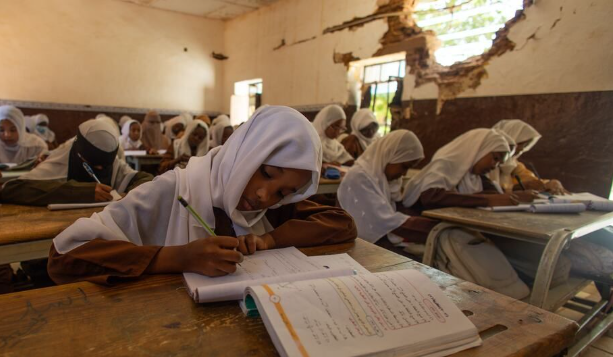
UN Report: 93 Million Children Worldwide Out Of School Due To Attacks
World

UN Report: 93 Million Children Worldwide Out Of School Due To Attacks

UNITED NATIONS — As the new academic year begins in the northern hemisphere, a shocking report reveals that 93 million children are deprived of education due to an unprecedented surge in attacks on learning institutions, according to the United Nations global fund, Education Cannot Wait. What Happened The report, released on Wednesday, highlights the severe impact of violence and insecurity on education systems worldwide. Education Cannot Wait, a UN fund dedicated to supporting education in emergencies, has raised alarms over the escalating number of attacks targeting schools, students, and educators. These attacks have resulted in the closure of numerous educational facilities, leaving millions of children without access to learning. Yasmine Sherif, Director of Education Cannot Wait, stated, “Education is under attack on an unprecedented scale. The right to education is being violated for millions of children, which has long-term implications for their futures and for global stability.” The report underscores that the attacks are not confined to one region but are a global phenomenon, affecting countries across Africa, the Middle East, Asia, and Latin America. In addition to direct attacks, the report cites factors such as displacement due to conflict, natural disasters, and economic instability as contributors to the growing number of children out of school. The COVID-19 pandemic has further exacerbated the situation, disrupting education systems worldwide and hindering recovery efforts. Background The issue of attacks on education is not new. Over the past decade, there has been a disturbing trend of increasing violence against educational institutions. The Global Coalition to Protect Education from Attack (GCPEA) has documented thousands of incidents where schools have been bombed, burned, or occupied by armed forces. This has led to international efforts to safeguard education, including the Safe Schools Declaration, an inter-governmental political commitment to protect students, teachers, and schools during armed conflict. Despite these efforts, the frequency and severity of attacks have continued to rise, with devastating consequences for educational access and quality. The UN and other international bodies have repeatedly called for stronger measures to prevent and respond to these attacks, emphasizing the critical role of education in achieving peace and development goals. Why It Matters The implications of 93 million children being out of school are profound, affecting not only the individuals but also their communities and countries. Education is a fundamental human right and a key driver of economic development and social cohesion. Without access to education, children are more likely to fall into cycles of poverty, violence, and exploitation. Economically, the loss of educational opportunities can lead to a significant reduction in a country’s potential for growth and innovation. Countries with high numbers of out-of-school children often face challenges in developing a skilled workforce, which is essential for competing in the global economy. Socially, education plays a crucial role in promoting tolerance, understanding, and peace. Children who miss out on education are more vulnerable to recruitment by armed groups and are less likely to participate in civic life. This can perpetuate cycles of conflict and instability, undermining efforts to build sustainable peace. Internationally, the situation calls for urgent action and increased investment in education in crisis-affected areas. The UN and its partners are urging governments, donors, and private sector actors to prioritize education in their humanitarian responses and development plans. Key Takeaways 93 million children worldwide are out of school due to attacks on education and other factors. Education Cannot Wait highlights the global scale of the crisis, affecting multiple regions. Violence against educational institutions has been rising over the past decade. The lack of education has severe economic and social implications for affected countries. Urgent international action and investment are needed to address the crisis. Source Attribution This article is based on official statements and reports from the United Nations and Education Cannot Wait. Author: NEN Editorial Desk | Editor: NEN Newsroom | Fact Checked By: NEN Editorial Team Author: NEN Editorial Desk  |  Editor: NEN Newsroom  |  Last Updated: September 10, 2026  |  Source: NEN Reporter This article was produced by the NEN Editorial Desk in accordance with NEN Agency’s Editorial Policy and Fact-Checking Policy.

Kashmiri Delegates Address Human Rights Violations at UNHRC Session
World

Kashmiri Delegates Address Human Rights Violations at UNHRC Session

ISLAMABAD — Kashmiri delegates have brought attention to the severe human rights violations occurring in Indian illegally occupied Jammu and Kashmir (IIOJK) during the 63rd session of the United Nations Human Rights Council (UNHRC) in Geneva. The session, held on September 10, 2023, saw delegates urging the international community to take immediate action to address the ongoing crisis in the region. What Happened During the UNHRC session, delegates from Kashmir, including Ms Shamim Shawl and Ms Mehr un Nisa, delivered statements highlighting the dire human rights situation in IIOJK. They emphasized the need for urgent international intervention to alleviate the suffering of the Kashmiri people. The delegates underscored the lack of basic human rights and freedoms, citing numerous instances of alleged abuses by Indian security forces. Ms Shamim Shawl, in her address, detailed the various forms of human rights violations faced by the residents of IIOJK, including arbitrary detentions, enforced disappearances, and restrictions on freedom of expression. She called on the UNHRC to take a proactive stance in addressing these issues, emphasizing the importance of international oversight in ensuring accountability. Ms Mehr un Nisa also spoke on the occasion, drawing attention to the impact of prolonged conflict on women and children in the region. She highlighted how the ongoing military presence has disrupted daily life and access to essential services, including education and healthcare. The delegates appealed for a comprehensive international response to address these humanitarian concerns. Background The region of Jammu and Kashmir has been a flashpoint between India and Pakistan since the partition of the Indian subcontinent in 1947. Both countries claim the region in full but control only parts of it. The situation escalated significantly in August 2019 when the Indian government revoked the special status of Jammu and Kashmir, leading to widespread protests and a heightened military presence. Since then, there have been numerous reports of human rights abuses, including restrictions on movement, communication blackouts, and the detention of political leaders. Various international human rights organizations have called for investigations into these allegations, but the situation remains tense and unresolved. Why It Matters The ongoing human rights situation in IIOJK has significant implications for regional stability and international relations. The continued unrest poses a threat to peace between nuclear-armed neighbors India and Pakistan, both of which have fought multiple wars over the region. The international community’s response, or lack thereof, could influence diplomatic relations and impact regional security dynamics. For the people of IIOJK, the human rights violations represent a daily struggle for dignity and justice. The restrictions on freedoms and the reported abuses have created an environment of fear and uncertainty, affecting every aspect of life. The international community’s engagement is crucial in facilitating dialogue and ensuring that the rights of the Kashmiri people are protected. Economically, the instability in the region has hindered development and investment, exacerbating poverty and limiting opportunities for growth. The humanitarian crisis also places a burden on neighboring regions, as displaced populations seek refuge and assistance. Key Takeaways Kashmiri delegates have highlighted human rights violations in IIOJK at the UNHRC session in Geneva. The delegates called for international intervention to address the ongoing crisis in the region. Human rights abuses in IIOJK include arbitrary detentions and restrictions on freedom of expression. The situation in IIOJK has significant implications for regional stability and international relations. Economic instability and humanitarian concerns continue to affect the lives of the Kashmiri people. Source Attribution This article is based on official government statements, press releases, and public communications from relevant authorities. Author: NEN Editorial Desk | Editor: NEN Newsroom | Fact Checked By: NEN Editorial Team Author: NEN Editorial Desk  |  Editor: NEN Newsroom  |  Last Updated: September 10, 2026  |  Source: NEN Reporter This article was produced by the NEN Editorial Desk in accordance with NEN Agency’s Editorial Policy and Fact-Checking Policy.

Top Players Triumph at Meinhardt National Ranking Tennis Championships
World

Top Players Triumph at Meinhardt National Ranking Tennis Championships

ISLAMABAD — The 1st Meinhardt Grade A+ National Ranking Tennis Championships continued at the PTF Tennis Complex in Islamabad on Tuesday, showcasing the prowess of Pakistan’s top tennis players. The event saw leading national players advancing through their respective matches, highlighting the competitive spirit of the tournament. What Happened The championships, which have attracted over 400 entries across 11 categories, witnessed several decisive victories in the initial rounds. In the Men’s Singles first round, Saqib Hayat defeated Aqil Khan with a commanding 6-1, 6-1 scoreline. M. Haziq Aasim also secured a straightforward win against Haziq Areejo, finishing 6-1, 6-1. Other notable performances included Mudassir Murtaza’s 6-2, 6-0 victory over Razik Sultan and Aqeel Khan’s 6-2, 6-2 win against Ahmad Babar. Muzammil Murtaza advanced by defeating Ahmad Chudary 6-3, 6-0. In the Men’s Doubles, the pair of Shehryar Anees and M. Hamza Aasim overcame Hamza Rehmat and Uzair Khan with a 6-3, 6-2 victory. The Ladies’ Singles first round was marked by one-sided matches, with Areem Salman, Rumaisa Malik, and Esha Jawad all securing wins without dropping a game. Bismal Zia, Zara Khan, and Maheen Zahra also advanced with similar dominance. The Boys’ 18 & Under Singles saw Shayan Afridi defeating Haziq Ali Areejo 6-0, 6-4, while Ahmed Hussain made a comeback to beat Moazzam Babar 3-6, 6-2, 6-1. In the Boys’ 14 & Under Singles, players like Behroze Maimoon and Mustafa Saud emerged victorious in their opening matches. The Boys’ 12 & Under Singles featured wins for M. Aayan and Arham Khan among others. The tournament, which offers a total prize purse of Rs 2 million, is expected to provide high-quality competitive tennis and an opportunity for players to improve their national rankings. President of the Pakistan Tennis Federation (PTF), Aisam-ul-Haq Qureshi, and Secretary General Zia-ud-Din Tufail expressed their best wishes to all participants, emphasizing the championship’s role in the development of tennis in Pakistan. Background The Meinhardt Grade A+ National Ranking Tennis Championships are part of a series of events aimed at boosting the profile of tennis in Pakistan. The Pakistan Tennis Federation has been actively working to promote the sport by organizing national and international events, providing platforms for local talent to compete and gain exposure. Historically, tennis in Pakistan has struggled with limited infrastructure and funding, but recent efforts by the PTF and sponsors like Meinhardt have been pivotal in revitalizing the sport. Why It Matters The championships are significant for several reasons. Firstly, they provide a crucial platform for local players to gain competitive experience and improve their national rankings, which is essential for their progression to international tournaments. Secondly, the involvement of corporate sponsors like Meinhardt underscores the increasing interest and investment in sports other than cricket in Pakistan. This diversification is vital for nurturing a broader sports culture in the country. Economically, the tournament brings attention to the potential for sports tourism and related industries, which can contribute to local economies. Socially, it inspires young athletes by showcasing the success of national players, encouraging participation in sports at grassroots levels. Politically, successful sports events can enhance Pakistan’s image as a capable host of international competitions, potentially attracting more events in the future. Key Takeaways The Meinhardt Grade A+ National Ranking Tennis Championships are underway in Islamabad, with over 400 participants. Top national players have advanced in their respective categories, showcasing their skills and competitive spirit. The tournament offers a Rs 2 million prize purse, emphasizing its significance in the national tennis calendar. PTF leadership has highlighted the event’s role in promoting tennis and improving player rankings. The championships reflect growing corporate interest in supporting sports development in Pakistan. Source Attribution This article is based on official government statements, press releases, and public communications from relevant authorities. Author: NEN Editorial Desk | Editor: NEN Newsroom | Fact Checked By: NEN Editorial Team Author: NEN Editorial Desk  |  Editor: NEN Newsroom  |  Last Updated: September 10, 2026  |  Source: NEN Reporter This article was produced by the NEN Editorial Desk in accordance with NEN Agency’s Editorial Policy and Fact-Checking Policy.

Galiyat Hosts Pakistan’s Inaugural 100-Mile Ultra Trail Challenge
Pakistan

Galiyat Hosts Pakistan’s Inaugural 100-Mile Ultra Trail Challenge

GALIYAT — Over the course of three days, 48 dedicated runners completed Pakistan’s first 100-mile multi-stage ultra trail running challenge in the scenic region of Galiyat. Organized by Xtreme Adventures, the event marked a significant milestone in the country’s sporting calendar, drawing participants to the challenging terrain between Namli Gali and Barmi Gali. What Happened The ultra trail challenge, held from September 1 to September 3, 2023, saw runners tackle approximately 40 kilometers each day, with the course demanding over 2,000 meters of elevation gain. The event was designed to test the endurance and resilience of participants, as they navigated through rugged mountain trails and varying weather conditions. The race commenced at Namli Gali, a popular tourist spot known for its lush forests and breathtaking views, and concluded at Barmi Gali, another picturesque location in the Galiyat region. Participants hailed from various parts of Pakistan, showcasing a diverse mix of amateur and seasoned trail runners. The event not only challenged the physical limits of the runners but also highlighted the natural beauty of Pakistan’s northern landscapes. According to the organizers, the race aimed to promote adventure sports in the country and encourage a healthy lifestyle among the youth. One of the participants, Ali Khan, expressed his exhilaration upon completing the race, stating, “The experience was both physically and mentally demanding, but the sense of achievement at the finish line was unparalleled.” The event concluded with a ceremony where runners were awarded medals and certificates in recognition of their remarkable feat. Background Trail running is a relatively new sport in Pakistan, with limited infrastructure and events compared to traditional sports like cricket and hockey. However, interest in outdoor and adventure sports has been growing, spurred by the country’s diverse geography that offers ideal conditions for such activities. The Galiyat region, with its dense forests, rolling hills, and cool climate, provides a perfect backdrop for trail running events. In recent years, there have been efforts to develop and promote adventure tourism in Pakistan. The government and private organizations have been working to improve facilities and create opportunities for both local and international tourists to explore the country’s natural landscapes through activities like hiking, climbing, and trail running. Why It Matters The successful completion of Pakistan’s first 100-mile ultra trail challenge is significant for several reasons. Economically, such events have the potential to boost local tourism by attracting adventure enthusiasts from across the globe. This not only benefits the hospitality and service sectors but also creates employment opportunities for local communities. Socially, the event serves as an inspiration for the youth, promoting physical fitness and a healthy lifestyle. With rising concerns over health issues related to sedentary lifestyles, such initiatives can play a crucial role in encouraging more people to engage in physical activities. Politically, the event positions Pakistan as a viable destination for international sporting events, potentially leading to increased foreign investment in the sports and tourism sectors. This aligns with the government’s vision of diversifying the economy and reducing reliance on traditional industries. Internationally, hosting a successful ultra trail challenge enhances Pakistan’s image as a safe and attractive destination for tourists and sports enthusiasts. It showcases the country’s capability to organize large-scale events, which could lead to further opportunities in hosting international competitions. Key Takeaways Pakistan hosted its first 100-mile multi-stage ultra trail challenge in Galiyat. 48 runners completed the event over three days, covering 40 kilometers daily. The race aimed to promote adventure sports and healthy lifestyles in Pakistan. The event highlights Pakistan’s potential as a destination for international sporting events. Successful events like this can boost local tourism and economic growth. Source Attribution This article is based on official statements and public communications from relevant authorities. Author: NEN Editorial Desk | Editor: NEN Newsroom | Fact Checked By: NEN Editorial Team Author: NEN Editorial Desk  |  Editor: NEN Newsroom  |  Last Updated: September 10, 2026  |  Source: NEN Reporter This article was produced by the NEN Editorial Desk in accordance with NEN Agency’s Editorial Policy and Fact-Checking Policy.

Scroll to Top