
Author name: Yasir Zubairi

Yasir Zubairi is the founder and publisher of NEN Agency (News Era Network). He leads NEN's coverage of Pakistan's national affairs, economy, foreign relations and sports, and is responsible for the accuracy and standards of every story published on nenagency.com.

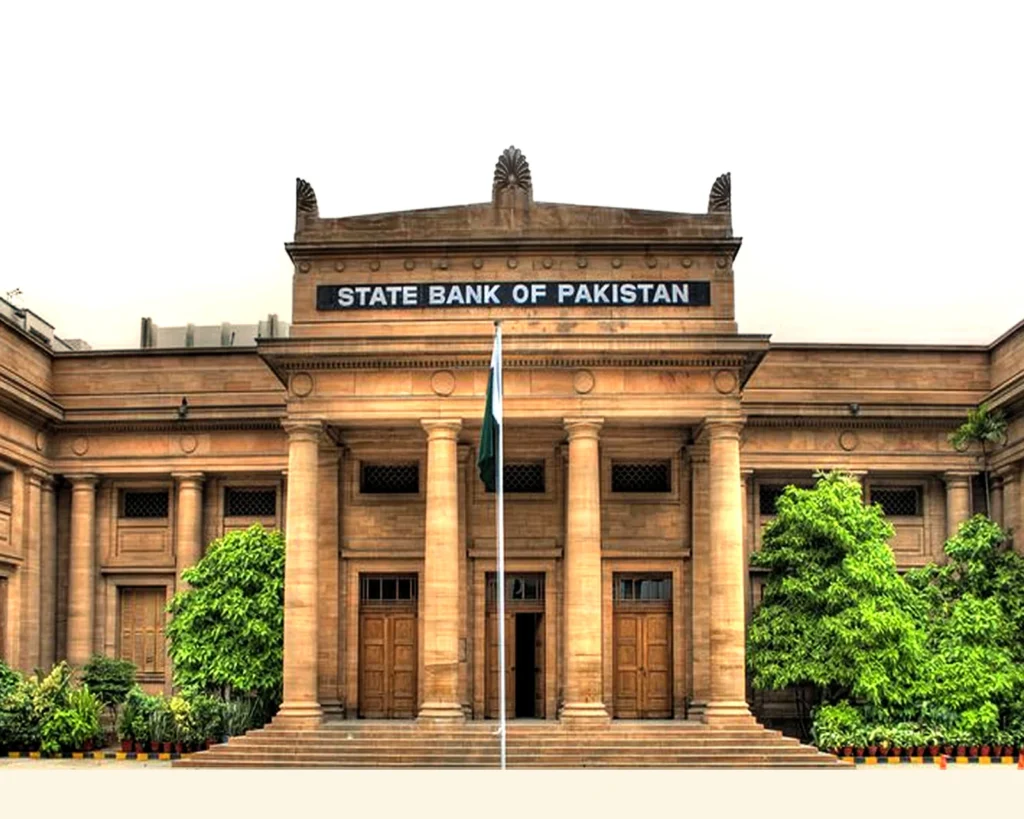
SBP Names Domestic Systemically Important Banks for 2026
Pakistan

SBP Names Domestic Systemically Important Banks for 2026

KARACHI — The State Bank of Pakistan (SBP) announced on Friday the designation of Domestic Systemically Important Banks (D-SIBs) for the year 2026. This designation, part of the SBP’s regulatory framework, includes United Bank Limited, Habib Bank Limited, and National Bank of Pakistan. What Happened The State Bank of Pakistan, in a statement released on August 21, outlined the selection of three major banks as Domestic Systemically Important Banks for the year 2026. This decision follows a comprehensive evaluation process aligned with the SBP’s framework for D-SIBs. The banks identified—United Bank Limited, Habib Bank Limited, and National Bank of Pakistan—are recognized for their significant role in the stability and functioning of the country’s financial system. The designation process involves a rigorous assessment of the banks’ size, interconnectedness, substitutability, and complexity. These criteria are crucial in determining the impact that a bank’s distress or failure could have on the broader financial system and economy. The SBP’s framework aims to ensure that these banks maintain higher capital buffers and adhere to stricter regulatory requirements to mitigate systemic risks. In its announcement, the SBP emphasized the importance of these banks in maintaining economic stability. “The identification of D-SIBs underscores our commitment to safeguarding the financial system,” stated an SBP official. The central bank also noted that these institutions would be subject to enhanced supervisory measures to ensure their resilience. Background The concept of Domestic Systemically Important Banks was introduced following the global financial crisis of 2008, which highlighted the need for stronger regulatory oversight of large financial institutions. In Pakistan, the SBP developed a framework to identify and regulate D-SIBs, aiming to prevent any potential threats to the financial system. Historically, the SBP has designated D-SIBs annually, with the criteria and framework evolving to address emerging risks and challenges. The framework requires designated banks to hold additional capital reserves, conduct regular stress testing, and implement recovery and resolution plans. In previous years, the SBP has consistently identified major banks such as United Bank Limited and Habib Bank Limited as D-SIBs, reflecting their significant market presence and critical role in the economy. Why It Matters The designation of D-SIBs is crucial for maintaining financial stability in Pakistan. These banks play a pivotal role in the economy, handling a substantial portion of the country’s deposits and loans. Their failure could have severe repercussions, leading to a loss of confidence in the banking sector and broader economic instability. By imposing stricter regulatory requirements on D-SIBs, the SBP aims to ensure that these banks remain resilient in the face of financial shocks. This is particularly important given the current economic challenges facing Pakistan, including inflationary pressures and external debt obligations. Furthermore, the designation aligns with international best practices, as seen in other countries where systemically important banks are subject to heightened scrutiny. This not only protects the domestic financial system but also enhances Pakistan’s credibility in the global financial community. For citizens, the stability of these banks means greater confidence in the safety of their deposits and the reliability of financial services. It also reassures investors and businesses, fostering a conducive environment for economic growth and development. Key Takeaways The SBP has designated United Bank Limited, Habib Bank Limited, and National Bank of Pakistan as D-SIBs for 2026. The designation is part of the SBP’s framework to enhance financial stability by imposing stricter regulatory requirements on these banks. D-SIBs are required to maintain higher capital buffers and adhere to enhanced supervisory measures. The designation is crucial for preventing systemic risks and ensuring the resilience of Pakistan’s financial system. This initiative aligns with international practices and bolsters confidence in Pakistan’s banking sector. Source Attribution This article is based on official statements from the State Bank of Pakistan and public communications from relevant authorities. Author: NEN Editorial Desk | Editor: NEN Newsroom | Fact Checked By: NEN Editorial Team Author: NEN Editorial Desk  |  Editor: NEN Newsroom  |  Last Updated: August 21, 2026  |  Source: NEN Reporter This article was produced by the NEN Editorial Desk in accordance with NEN Agency’s Editorial Policy and Fact-Checking Policy.
Pakistani And Malaysian Leaders Affirm Strengthened Bilateral Relations
Pakistan

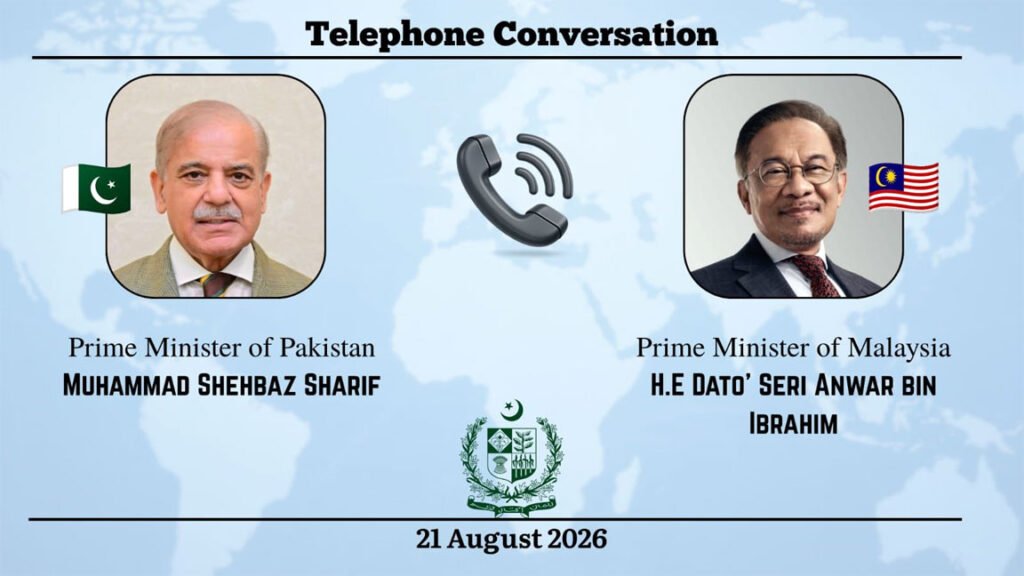
Pakistani And Malaysian Leaders Affirm Strengthened Bilateral Relations

ISLAMABAD — Prime Minister Shehbaz Sharif and Malaysian Prime Minister Dato Seri Anwar bin Ibrahim expressed satisfaction over the positive trajectory of bilateral ties during a telephone conversation on Friday evening. The discussion, which was described as warm and cordial, focused on matters of mutual interest, including economic cooperation and regional stability. What Happened Prime Minister Shehbaz Sharif reached out to his Malaysian counterpart, Dato Seri Anwar bin Ibrahim, to discuss the progress in bilateral relations between Pakistan and Malaysia. The conversation took place on Friday evening, where both leaders acknowledged the strengthening of ties and the promising direction in which their relationship is heading. Prime Minister Sharif also inquired about Prime Minister Anwar’s health, extending his wishes for a swift and complete recovery. During the call, the two leaders emphasized the importance of enhancing economic cooperation and exploring new avenues for trade and investment. They discussed potential sectors for collaboration, including technology, agriculture, and renewable energy. Both leaders agreed that there is significant potential to increase bilateral trade, which currently stands at approximately $1.3 billion annually, according to recent trade figures. Prime Minister Sharif and Prime Minister Anwar also touched upon regional security issues, reaffirming their commitment to peace and stability in the Asia-Pacific region. They underscored the importance of collective efforts to address challenges such as terrorism and climate change, which affect both nations. Background Pakistan and Malaysia have enjoyed a longstanding relationship, marked by shared cultural and religious ties as well as mutual economic interests. The two countries established diplomatic relations in 1957, and since then, have collaborated on various international platforms, including the United Nations and the Organisation of Islamic Cooperation (OIC). In recent years, both nations have sought to deepen their economic partnership. In 2007, Pakistan and Malaysia signed a Free Trade Agreement (FTA), which was the first of its kind for Pakistan. This agreement has facilitated increased trade and investment flows between the two countries. Additionally, Malaysia is home to a significant Pakistani diaspora, which further strengthens the bilateral relationship. Why It Matters The reaffirmation of strong bilateral ties between Pakistan and Malaysia is significant for several reasons. Economically, both countries stand to benefit from increased trade and investment. With Malaysia being one of the leading economies in Southeast Asia, Pakistan can leverage this relationship to boost its own economic growth and development. For Pakistan, enhancing ties with Malaysia could lead to increased foreign direct investment, particularly in sectors such as technology and renewable energy. This aligns with Pakistan’s broader economic strategy to diversify its economy and reduce reliance on traditional sectors such as textiles and agriculture. Politically, the strengthened relationship with Malaysia can provide Pakistan with greater influence in the Asia-Pacific region. Both countries are members of the Association of Southeast Asian Nations (ASEAN) Regional Forum, and closer ties could enhance Pakistan’s engagement with other ASEAN member states. Furthermore, the collaboration on regional security and environmental issues highlights the shared challenges both countries face. By working together, Pakistan and Malaysia can contribute to regional stability and address global concerns such as climate change more effectively. Key Takeaways Prime Minister Shehbaz Sharif and Malaysian Prime Minister Anwar Ibrahim expressed satisfaction over the positive trajectory of bilateral relations. The leaders discussed enhancing economic cooperation, with a focus on trade, investment, and potential sectors like technology and renewable energy. Both countries reaffirmed their commitment to regional peace and stability, addressing shared challenges such as terrorism and climate change. The relationship between Pakistan and Malaysia is underpinned by shared cultural and religious ties, as well as mutual economic interests. Strengthened ties could lead to increased foreign direct investment in Pakistan and greater influence in the Asia-Pacific region. Source Attribution This article is based on official government statements and public communications from relevant authorities. Author: NEN Editorial Desk | Editor: NEN Newsroom | Fact Checked By: NEN Editorial Team Author: NEN Editorial Desk  |  Editor: NEN Newsroom  |  Last Updated: August 21, 2026  |  Source: Press Release from Government of Pakistan This article was produced by the NEN Editorial Desk in accordance with NEN Agency’s Editorial Policy and Fact-Checking Policy.
Chairman Senate Meets Malaysian Home Affairs Minister at Parliament House
Pakistan

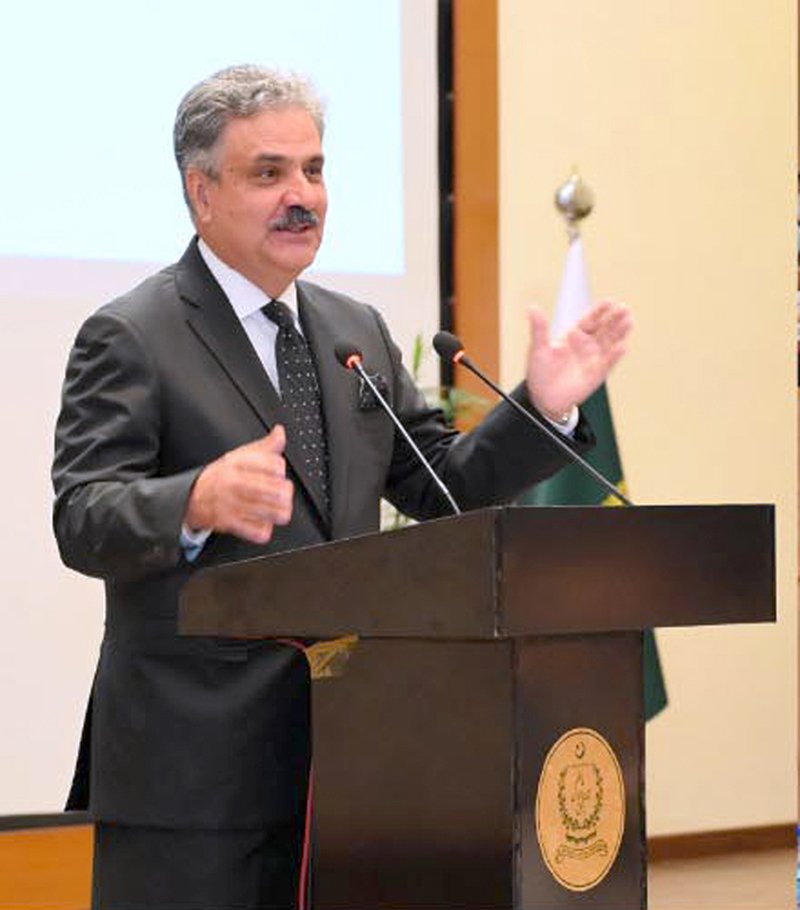
Chairman Senate Meets Malaysian Home Affairs Minister at Parliament House

ISLAMABAD — Chairman Senate Syed Yousuf Raza Gilani held a meeting with Saifuddin Nasution Ismail, Malaysia’s Minister of Home Affairs, at the Parliament House on August 21. The meeting focused on enhancing bilateral relations and exploring avenues for cooperation between Pakistan and Malaysia. What Happened The meeting between Chairman Senate Syed Yousuf Raza Gilani and Malaysian Minister of Home Affairs Saifuddin Nasution Ismail took place at the Parliament House in Islamabad. The discussions revolved around strengthening the diplomatic ties between the two nations, with a particular emphasis on security cooperation and mutual interests in regional stability. During the meeting, both leaders expressed their commitment to deepening collaboration in various sectors, including trade, investment, and education. They acknowledged the historical ties between Pakistan and Malaysia and emphasized the need to build on this foundation for future growth. Gilani highlighted Pakistan’s strategic location and its potential as a gateway to Central Asia, which could be beneficial for Malaysian businesses looking to expand their reach. Saifuddin Nasution Ismail, representing the Malaysian delegation, underscored the importance of people-to-people contact and cultural exchanges to foster a better understanding between the two countries. He also expressed interest in learning from Pakistan’s experiences in counter-terrorism and security management. Both parties agreed to continue dialogue on these issues and explore new areas of cooperation, particularly in the context of the evolving geopolitical landscape in the region. Background Pakistan and Malaysia have maintained cordial relations since the establishment of diplomatic ties in 1957. Over the years, both countries have engaged in various bilateral agreements and have been active members of international forums such as the Organisation of Islamic Cooperation (OIC) and the United Nations. In recent years, there have been several high-level visits between the two nations, aimed at enhancing economic and political cooperation. The focus has often been on trade and investment, with Malaysia being one of the key investors in Pakistan’s telecom and energy sectors. The two countries have also collaborated on educational initiatives, with numerous Pakistani students pursuing higher education in Malaysia. Additionally, both nations have shared concerns regarding regional security and have worked together in various capacities to address these issues. Why It Matters The meeting between Chairman Senate Gilani and Minister Saifuddin Nasution Ismail is significant as it reinforces the commitment of both nations to strengthen their bilateral relationship amidst a complex international environment. As both countries face challenges related to security and economic development, such high-level engagements are crucial for fostering mutual understanding and cooperation. For Pakistan, enhancing ties with Malaysia could lead to increased foreign investment and economic opportunities. Malaysia’s experience in sectors such as technology and infrastructure can provide valuable insights for Pakistan’s own development initiatives. Additionally, collaboration in security and counter-terrorism efforts can help both nations address common threats more effectively. On the international stage, a stronger Pakistan-Malaysia relationship could contribute to greater regional stability, particularly in the context of South Asia and Southeast Asia. As both countries navigate their roles in the broader geopolitical landscape, their partnership can serve as a model for other nations seeking to balance economic growth with security concerns. Key Takeaways Chairman Senate Syed Yousuf Raza Gilani met with Malaysian Home Affairs Minister Saifuddin Nasution Ismail to discuss bilateral cooperation. The meeting focused on enhancing ties in trade, investment, education, and security. Both leaders emphasized the importance of people-to-people contact and cultural exchanges. Pakistan and Malaysia have a history of diplomatic relations dating back to 1957. The meeting highlights the strategic importance of strengthening Pakistan-Malaysia relations in the current geopolitical context. Source Attribution This article is based on official government statements, press releases, and public communications from relevant authorities. Author: NEN Editorial Desk | Editor: NEN Newsroom | Fact Checked By: NEN Editorial Team Author: NEN Editorial Desk  |  Editor: NEN Newsroom  |  Last Updated: August 21, 2026  |  Source: Press Release from Government of Pakistan This article was produced by the NEN Editorial Desk in accordance with NEN Agency’s Editorial Policy and Fact-Checking Policy.
Chief Justice Yahya Afridi Addresses Civil Services Probationary Officers
Pakistan

Chief Justice Yahya Afridi Addresses Civil Services Probationary Officers

ISLAMABAD — Chief Justice of Pakistan, Justice Yahya Afridi, addressed a delegation of probationary officers from the 54th Common Training Program at the Civil Services Academy (CSA) during a session at the Supreme Court of Pakistan. The event, held on Tuesday, aimed to enlighten the officers on the judiciary’s role and responsibilities in upholding the rule of law. What Happened Justice Yahya Afridi engaged with the probationary officers, emphasizing the critical role that civil servants play in the governance and administration of the country. He highlighted the importance of integrity, dedication, and impartiality in their duties. “The judiciary and civil services are pillars of the state, and it is imperative that both work in harmony to ensure justice and good governance,” Justice Afridi stated. The Chief Justice elaborated on the judiciary’s function in interpreting the law and protecting citizens’ rights. He encouraged the officers to maintain a strong ethical foundation and to serve the nation with a commitment to fairness and transparency. The discussion also touched upon the challenges faced by the judiciary, including case backlogs and the need for judicial reforms to enhance efficiency. Justice Afridi’s address was part of a broader initiative to familiarize new civil servants with the workings of various state institutions. The session included a question-and-answer segment, where officers had the opportunity to engage directly with the Chief Justice, seeking insights into the legal system and its intersection with civil administration. Background The 54th Common Training Program is part of the foundational training for new entrants into Pakistan’s civil services. The Civil Services Academy, located in Lahore, is responsible for equipping these officers with the necessary skills and knowledge to perform their roles effectively. The program includes various modules covering administrative, legal, and policy aspects, aimed at developing well-rounded public servants. Pakistan’s judiciary has historically played a pivotal role in shaping the country’s legal and political landscape. The Supreme Court, as the apex court, has been instrumental in interpreting constitutional matters and ensuring the enforcement of fundamental rights. The interaction between the judiciary and civil services is crucial for maintaining the balance of power and ensuring effective governance. Why It Matters The engagement between the Chief Justice and the probationary officers underscores the importance of collaboration between the judiciary and civil services. As future leaders in public administration, these officers will be at the forefront of implementing policies and ensuring the rule of law. Their understanding of the judiciary’s role is vital for fostering a culture of accountability and transparency within government institutions. The session also reflects ongoing efforts to address systemic challenges within Pakistan’s judicial system. By fostering dialogue and understanding between different branches of government, there is potential for reforms that could reduce case backlogs and improve access to justice for ordinary citizens. Furthermore, this interaction highlights the judiciary’s commitment to engaging with other state institutions to promote good governance. Such initiatives are essential in building a more robust and responsive legal framework that can adapt to the needs of a changing society. Key Takeaways Chief Justice Yahya Afridi addressed probationary officers from the Civil Services Academy at the Supreme Court. The discussion focused on the roles of the judiciary and civil services in governance and justice. Justice Afridi emphasized integrity, dedication, and impartiality in public service. The session is part of efforts to enhance understanding between state institutions and promote judicial reforms. The interaction aims to prepare future civil servants for effective governance and policy implementation. Source Attribution This article is based on official government statements, press releases, and public communications from relevant authorities. Author: NEN Editorial Desk | Editor: NEN Newsroom | Fact Checked By: NEN Editorial Team Author: NEN Editorial Desk  |  Editor: NEN Newsroom  |  Last Updated: August 21, 2026  |  Source: Press Release from Government of Pakistan This article was produced by the NEN Editorial Desk in accordance with NEN Agency’s Editorial Policy and Fact-Checking Policy.
Traditional Clay Pottery Captivates Young Visitors in Gilgit Market
Pakistan

Traditional Clay Pottery Captivates Young Visitors in Gilgit Market

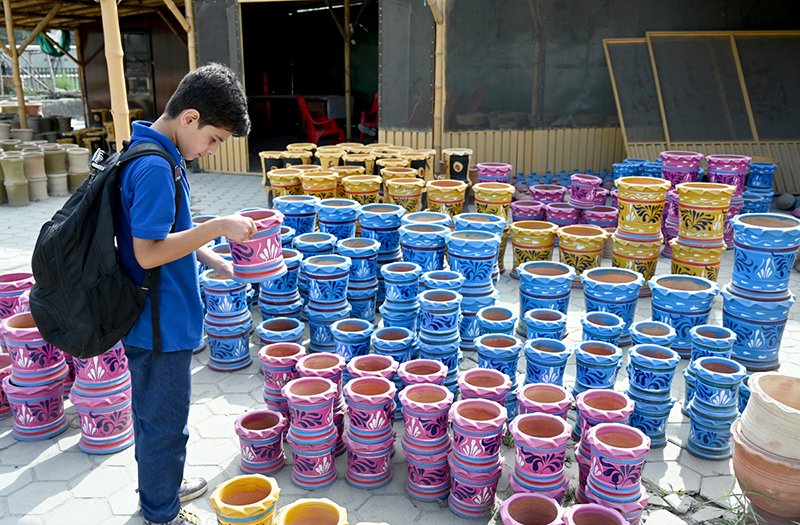
GILGIT — A vibrant display of traditional clay pots at a local pottery market in Gilgit has captured the interest of young visitors, reflecting a growing appreciation for cultural heritage among the youth. The market, known for its array of colorful and intricately designed pottery, is a testament to the rich artisanal traditions of the region. What Happened On August 21, a local pottery market in Gilgit became a center of attraction as a youngster was seen deeply engrossed in the vibrant display of traditional clay pots. These pots, crafted by skilled artisans, are renowned for their vivid colors and intricate designs that draw on centuries-old techniques. The market, bustling with activity, offered a glimpse into the cultural richness that the region is known for. Artisans at the market expressed their delight at the interest shown by younger generations. “It’s encouraging to see young people taking an interest in our traditional crafts,” said Muhammad Ali, a local potter. “These pots are not just decorative items; they are a part of our history and identity.” The market serves as both a commercial hub and a cultural showcase, where artisans display their skills and sell their creations to locals and tourists alike. The pottery on display includes a variety of items ranging from everyday kitchenware to decorative pieces, each telling a story of the region’s cultural and artistic heritage. The vibrant colors and unique patterns are achieved through traditional glazing techniques passed down through generations. Background The tradition of pottery in Gilgit and the broader Gilgit-Baltistan region has deep historical roots. Pottery has been a significant part of the local culture for centuries, with artisans using locally sourced clay to create functional and decorative items. The craft has been preserved through generations, with techniques and designs evolving over time while maintaining their traditional essence. Historically, pottery was not only a craft but a necessity, providing essential household items. Over time, as industrial products became more prevalent, traditional pottery faced challenges in maintaining its relevance. However, recent years have seen a resurgence in interest, driven by both a desire to preserve cultural heritage and a growing market for artisanal goods. Why It Matters The renewed interest in traditional pottery among young people in Gilgit is significant for several reasons. Economically, it provides a boost to local artisans who rely on their craft for their livelihood. The market for traditional pottery is expanding, with both locals and tourists seeking unique, handmade items that reflect the cultural identity of the region. Socially, the interest of younger generations in traditional crafts helps preserve cultural heritage. As globalization and modernization continue to influence lifestyles, maintaining a connection to traditional arts and crafts becomes crucial for cultural continuity. This interest ensures that the skills and knowledge of pottery-making are passed down, keeping the tradition alive for future generations. Politically and internationally, the promotion of traditional crafts can enhance cultural diplomacy. By showcasing the unique cultural heritage of Gilgit-Baltistan, Pakistan can strengthen its cultural ties with other nations and promote a positive image on the global stage. Additionally, supporting traditional crafts aligns with sustainable development goals by promoting sustainable economic growth and cultural preservation. Key Takeaways The pottery market in Gilgit showcases traditional clay pots, attracting interest from young visitors. Artisans express optimism as younger generations show appreciation for cultural heritage. The resurgence of interest in traditional crafts supports local economies and cultural preservation. Traditional pottery plays a role in cultural diplomacy and sustainable development. The market reflects the rich artisanal traditions of the Gilgit-Baltistan region. Source Attribution This article is based on official government statements, press releases, and public communications from relevant authorities. Author: NEN Editorial Desk | Editor: NEN Newsroom | Fact Checked By: NEN Editorial Team Author: NEN Editorial Desk  |  Editor: NEN Newsroom  |  Last Updated: August 21, 2026  |  Source: NEN Reporter This article was produced by the NEN Editorial Desk in accordance with NEN Agency’s Editorial Policy and Fact-Checking Policy.
Eight Muslim Nations Condemn Israel’s E1 Settlement Plan in East Jerusalem
World

Eight Muslim Nations Condemn Israel’s E1 Settlement Plan in East Jerusalem

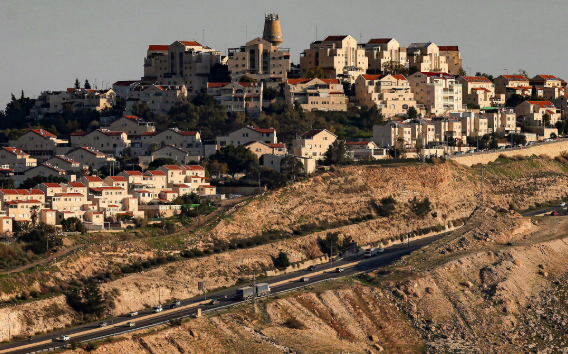
ISLAMABAD — Eight Muslim countries have collectively condemned Israel’s E1 settlement plan in East Jerusalem, asserting it violates international law and undermines peace efforts. The Foreign Ministers of Pakistan, Egypt, Türkiye, Indonesia, Jordan, Qatar, Saudi Arabia, and the United Arab Emirates issued a joint statement on Friday rejecting the plan and related settlement activities. What Happened The joint statement was released following a meeting of the Foreign Ministers from the eight nations, who expressed their unified stance against Israel’s continued settlement expansion in the Occupied Palestinian Territory. The ministers categorically rejected the E1 settlement plan, a controversial project that aims to connect the Ma’ale Adumim settlement with Jerusalem, effectively cutting off East Jerusalem from the West Bank. The statement emphasized that such actions are illegal under international law and pose a serious threat to the viability of a two-state solution. The E1 plan has been a point of contention for years, with critics arguing that it would make a contiguous Palestinian state impossible. The ministers urged the international community to take decisive action to halt Israel’s settlement activities and protect the rights of the Palestinian people. “We call upon the United Nations and international partners to ensure accountability and uphold the principles of international law,” the statement read. The ministers also reiterated their support for the Palestinian cause and the establishment of an independent Palestinian state with East Jerusalem as its capital. Background The E1 settlement plan has been a longstanding issue in the Israeli-Palestinian conflict. Proposed in the early 1990s, the plan has faced international criticism due to its potential to disrupt the territorial continuity of a future Palestinian state. The area in question, located east of Jerusalem, is strategically significant as it connects the northern and southern parts of the West Bank. Israel’s settlement activities have been a major obstacle in peace negotiations, with Palestinians and many in the international community viewing them as illegal under the Fourth Geneva Convention. Despite multiple United Nations resolutions calling for a halt to settlement expansion, Israel has continued to pursue such projects, citing security concerns and historical claims to the land. Why It Matters The rejection of the E1 settlement plan by these eight Muslim countries highlights the ongoing tensions in the Middle East and the challenges facing the peace process. The settlement expansion not only threatens the feasibility of a two-state solution but also exacerbates regional instability. The international community’s response to this issue could significantly impact diplomatic relations and efforts to mediate peace in the region. For Pakistan and other Muslim-majority countries, supporting the Palestinian cause is a matter of principle and solidarity. The joint statement serves as a reminder of the collective stance of these nations against actions perceived as undermining Palestinian sovereignty and rights. Economically, the continuation of settlement activities could lead to further sanctions and international isolation for Israel, affecting its trade relations and economic partnerships. Socially, the expansion of settlements often leads to increased tensions and violence, affecting the lives of both Israelis and Palestinians in the region. Key Takeaways Eight Muslim countries have condemned Israel’s E1 settlement plan in East Jerusalem. The plan is considered illegal under international law and threatens the two-state solution. The joint statement calls for international action to halt settlement activities. The E1 area is strategically significant, impacting the territorial continuity of the West Bank. The issue underscores ongoing regional tensions and the challenges to achieving peace. Source Attribution This article is based on official government statements, press releases, and public communications from relevant authorities. Author: NEN Editorial Desk | Editor: NEN Newsroom | Fact Checked By: NEN Editorial Team Author: NEN Editorial Desk  |  Editor: NEN Newsroom  |  Last Updated: August 21, 2026  |  Source: NEN Reporter This article was produced by the NEN Editorial Desk in accordance with NEN Agency’s Editorial Policy and Fact-Checking Policy.
Thousands Gather for 403rd Urs of Sufi Saint Hazrat Mian Mir in Lahore
Pakistan

Thousands Gather for 403rd Urs of Sufi Saint Hazrat Mian Mir in Lahore

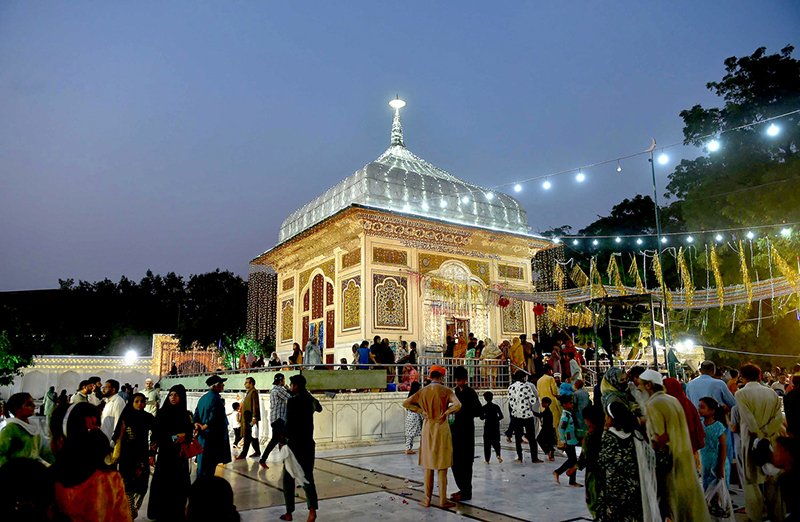
LAHORE — Thousands of devotees gathered at the shrine of Sufi saint Hazrat Mian Mir in Lahore on August 21 to celebrate the 403rd Urs, a traditional commemoration of the saint’s death anniversary. The event was marked by spiritual activities, including the lighting of candles and earthen lamps, as well as the performance of dhamal, a form of Sufi dance. What Happened The 403rd Urs of Hazrat Mian Mir, a revered Sufi saint, drew a large number of attendees to his shrine in Lahore. The annual celebration, which honors the saint’s spiritual legacy, featured a series of devotional activities. Devotees from various parts of the country participated in the event, showcasing their reverence and spiritual connection to the saint. Participants engaged in traditional rituals such as lighting candles and earthen lamps, symbolizing the illumination of the soul and the continuation of the saint’s spiritual guidance. A Malang, or devotee, was seen performing dhamal, a rhythmic Sufi dance that embodies spiritual ecstasy and devotion. The atmosphere was charged with a sense of communal spirituality and reverence. Security measures were heightened to ensure the safety of the attendees. The local administration coordinated with law enforcement agencies to manage the large crowds and maintain order during the event. The celebration provided an opportunity for devotees to express their faith and seek blessings at the shrine. Background Hazrat Mian Mir, born in 1550, is a prominent figure in the Sufi tradition, known for his teachings on love, tolerance, and spirituality. He is credited with bridging the gap between different religious communities during his lifetime. His shrine in Lahore has been a site of pilgrimage for centuries, attracting followers who seek spiritual solace and guidance. The Urs of Hazrat Mian Mir is an annual event that commemorates his death anniversary. It is a time when devotees gather to pay homage to the saint, reflecting on his teachings and the impact he has had on their lives. The celebration is characterized by devotional music, prayers, and communal gatherings, fostering a sense of unity and spiritual renewal among participants. Why It Matters The Urs celebration of Hazrat Mian Mir holds significant cultural and spiritual importance in Pakistan. It serves as a reminder of the enduring influence of Sufi saints in promoting values of peace, tolerance, and unity in a diverse society. The event highlights the rich spiritual heritage of the region and its role in shaping cultural identity. Economically, the Urs attracts visitors from across the country, boosting local businesses and the hospitality sector in Lahore. The influx of pilgrims provides a temporary economic uplift to the area, as attendees often spend on accommodation, food, and transportation. Socially, the event fosters a sense of community and shared purpose among participants. It provides a platform for people from different backgrounds to come together in celebration of a common spiritual heritage, promoting social cohesion and understanding. In a broader context, the Urs of Hazrat Mian Mir underscores the importance of preserving cultural and spiritual traditions in the face of modern challenges. It serves as a testament to the resilience of spiritual practices that continue to inspire and guide individuals in their personal and communal lives. Key Takeaways The 403rd Urs of Hazrat Mian Mir in Lahore attracted thousands of devotees, marking a significant spiritual event. Traditional rituals such as lighting candles and performing dhamal were central to the celebration. The event underscores the cultural and spiritual significance of Sufi traditions in Pakistan. The Urs provides economic benefits to the local community through increased tourism and spending. The celebration promotes social cohesion by bringing together people from diverse backgrounds. Source Attribution This article is based on official government statements, press releases, and public communications from relevant authorities. Author: NEN Editorial Desk | Editor: NEN Newsroom | Fact Checked By: NEN Editorial Team Author: NEN Editorial Desk  |  Editor: NEN Newsroom  |  Last Updated: August 21, 2026  |  Source: NEN Reporter This article was produced by the NEN Editorial Desk in accordance with NEN Agency’s Editorial Policy and Fact-Checking Policy.
PHF Initiates Grassroots Hockey Program in Punjab Schools
Pakistan

PHF Initiates Grassroots Hockey Program in Punjab Schools

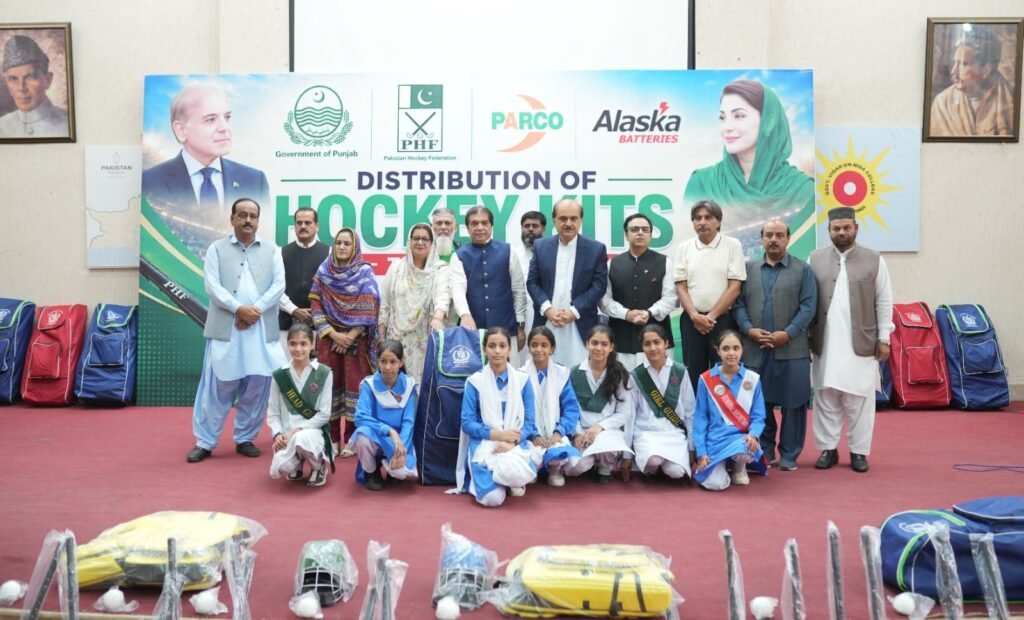
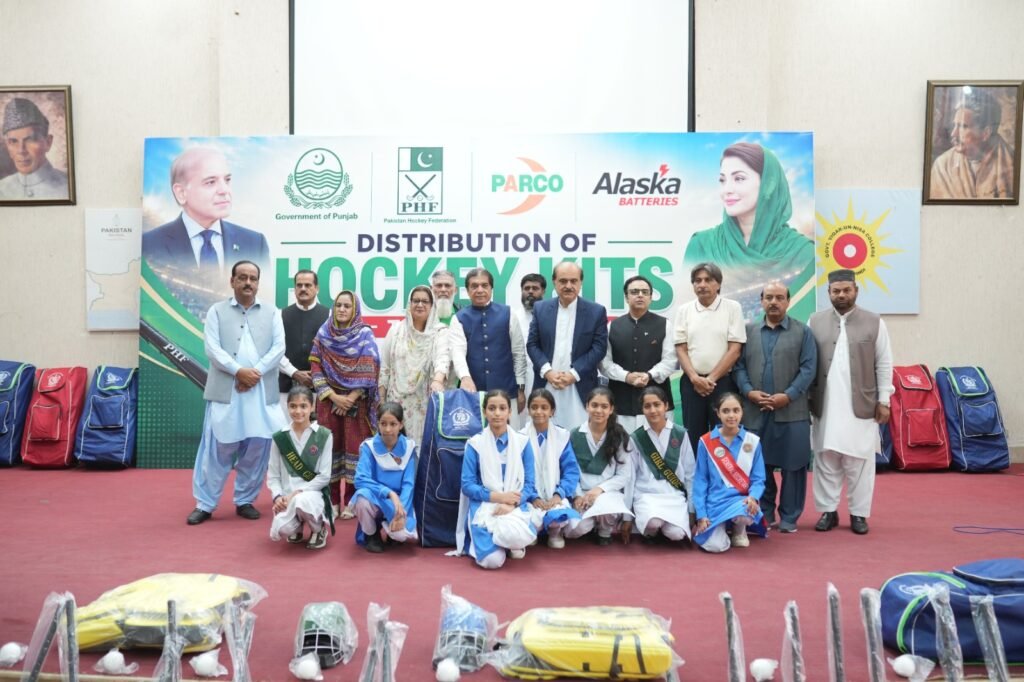
RAWALPINDI — The Pakistan Hockey Federation (PHF) has embarked on a significant initiative to rejuvenate hockey at the grassroots level by launching a school hockey development program in Punjab. As part of this initiative, hockey kits were distributed to 145 schools in Rawalpindi, marking a substantial step towards fostering young talent in the sport. What Happened The PHF’s new program aims to revive interest and participation in hockey among schoolchildren, which has been waning over the years. On Wednesday, the federation distributed hockey kits to 145 schools in Rawalpindi, a move that is expected to benefit thousands of students. The distribution ceremony was attended by local officials, school representatives, and PHF members who emphasized the importance of grassroots development in sports. PHF President Brigadier (R) Khalid Sajjad Khokhar highlighted the federation’s commitment to restoring Pakistan’s former glory in hockey. “Our goal is to provide young players with the necessary resources and training to excel in hockey,” he stated. The initiative is part of a broader strategy to identify and nurture talent from a young age, ensuring a steady pipeline of skilled players for national teams in the future. The hockey kits provided include sticks, balls, and protective gear, ensuring that schools have the basic equipment needed to conduct regular training sessions. This effort is complemented by planned workshops and training camps that will be organized by the PHF to enhance the skills of young players and coaches alike. Background Pakistan has a rich history in field hockey, having won multiple Olympic gold medals and World Cups in the past. However, the sport has seen a decline in recent decades due to various factors, including lack of funding, inadequate infrastructure, and limited grassroots development. The PHF has been actively working to address these issues through various initiatives aimed at reviving the sport across the country. In recent years, the PHF has focused on improving the domestic hockey league structure and enhancing training facilities. The school hockey development program is a continuation of these efforts, targeting the foundational level to ensure long-term growth and success. Why It Matters The launch of the grassroots hockey program is crucial for several reasons. Firstly, it addresses the critical need for early sports education and development, which is essential for producing world-class athletes. By engaging children at the school level, the PHF hopes to instill a passion for hockey and develop the next generation of players who can compete internationally. Economically, the program could have a positive impact by creating opportunities for sports-related employment, such as coaching and sports management. It also aligns with broader national goals of promoting physical education and healthy lifestyles among youth, which can lead to improved public health outcomes. Socially, the initiative fosters community engagement and teamwork, providing a constructive outlet for young people. It also helps in building a sense of national pride and unity through sports, which has historically been a unifying factor in Pakistan. Key Takeaways The PHF has launched a grassroots hockey development program in Punjab, distributing kits to 145 schools in Rawalpindi. This initiative aims to revive interest in hockey among schoolchildren and develop future talent. The program includes the provision of essential equipment and plans for training camps and workshops. Reviving hockey at the grassroots level is vital for restoring Pakistan’s historical success in the sport. The initiative is expected to have positive economic, social, and health impacts across the region. Source Attribution This article is based on official statements and public communications from the Pakistan Hockey Federation and relevant authorities. Author: NEN Editorial Desk | Editor: NEN Newsroom | Fact Checked By: NEN Editorial Team Author: NEN Editorial Desk  |  Editor: NEN Newsroom  |  Last Updated: August 21, 2026  |  Source: NEN Reporter This article was produced by the NEN Editorial Desk in accordance with NEN Agency’s Editorial Policy and Fact-Checking Policy.
PHF Initiates Hockey Development Program Across Punjab Schools
Pakistan

PHF Initiates Hockey Development Program Across Punjab Schools

RAWALPINDI — The Pakistan Hockey Federation (PHF) has launched an ambitious grassroots hockey initiative aimed at revitalizing the sport in Punjab. On Tuesday, the federation distributed hockey kits to 145 schools in Rawalpindi, marking the formal commencement of the school hockey development program. What Happened The PHF’s latest initiative is part of a broader strategy to rejuvenate field hockey in Pakistan by focusing on the youth. The distribution of hockey kits to 145 schools in Rawalpindi is intended to encourage young students to take up the sport, thereby strengthening the foundation of hockey in the country. The kits, which include hockey sticks, balls, and protective gear, were handed over to the schools in a ceremony attended by PHF officials and local education authorities. PHF President Brigadier (Retd) Khalid Sajjad Khokhar emphasized the importance of nurturing talent from a young age. “Our aim is to revive hockey in Pakistan by starting at the grassroots level. We believe that by providing the necessary equipment and support, we can inspire a new generation of players,” he stated during the event. The initiative is part of a series of efforts by the PHF to address the decline in Pakistan’s hockey performance on the international stage. By focusing on school-level engagement, the federation hopes to identify and develop talent early, ensuring a steady pipeline of skilled players for the future. Background Pakistan has a storied history in field hockey, having won three Olympic gold medals and four World Cup titles. However, the country’s performance has waned in recent decades due to a lack of investment in youth development and infrastructure. The PHF has been under pressure to reverse this trend and restore Pakistan’s status as a hockey powerhouse. In recent years, the federation has launched several initiatives aimed at improving the sport’s infrastructure and coaching standards. The school hockey development program is the latest in these efforts, reflecting a strategic shift towards grassroots engagement. This approach is seen as crucial for rebuilding the sport from the ground up and ensuring long-term success. Why It Matters The revival of hockey in Pakistan is not just a matter of national pride but also has significant implications for the country’s sports culture and youth development. By investing in grassroots programs, the PHF is addressing the root causes of the sport’s decline, such as the lack of access to quality equipment and training facilities for young players. This initiative is expected to have a positive impact on the local communities in Punjab, where hockey has historically been a popular sport. By engaging schools and encouraging student participation, the program aims to foster a culture of sportsmanship and teamwork among the youth. This could lead to improved physical health and social cohesion in the region. Moreover, the success of this program could serve as a model for other provinces, potentially leading to a nationwide revival of field hockey. Such a development would not only enhance Pakistan’s international standing in the sport but also contribute to the country’s broader goals of youth empowerment and community development. Key Takeaways The PHF has launched a grassroots hockey initiative in Punjab, distributing kits to 145 schools in Rawalpindi. This program aims to revive field hockey in Pakistan by focusing on youth engagement and development. PHF President Khalid Sajjad Khokhar highlighted the importance of nurturing young talent to restore Pakistan’s hockey legacy. The initiative is part of broader efforts to address the decline in Pakistan’s international hockey performance. Successful implementation could lead to a nationwide revival of field hockey and contribute to youth empowerment. Source Attribution This article is based on official statements and public communications from the Pakistan Hockey Federation and local education authorities. Author: NEN Editorial Desk | Editor: NEN Newsroom | Fact Checked By: NEN Editorial Team Author: NEN Editorial Desk  |  Editor: NEN Newsroom  |  Last Updated: August 21, 2026  |  Source: NEN Reporter This article was produced by the NEN Editorial Desk in accordance with NEN Agency’s Editorial Policy and Fact-Checking Policy.

Commerce Minister Advocates AI-Powered Trade Ecosystem for Pakistan
Pakistan

Commerce Minister Advocates AI-Powered Trade Ecosystem for Pakistan

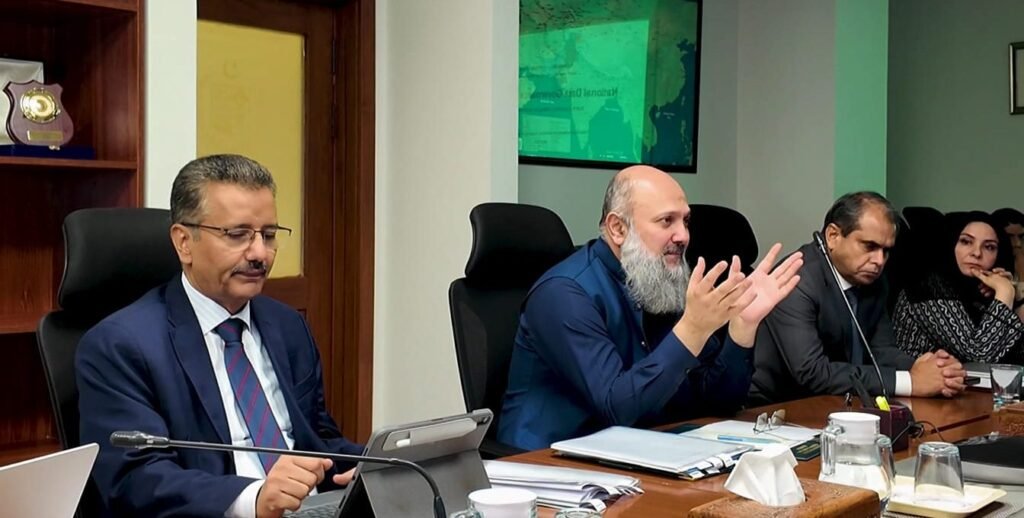
ISLAMABAD — Federal Minister for Commerce Jam Kamal Khan has initiated discussions with key stakeholders to establish a sovereign cloud and AI-powered trade ecosystem in Pakistan. The meetings, held with representatives from the Pakistan Digital Authority (PDA) and Sky47, aim to create a secure and integrated digital framework for the Ministry of Commerce and its associated entities. What Happened In a series of meetings, Commerce Minister Jam Kamal Khan engaged with the Pakistan Digital Authority and Sky47 to explore the potential development of an advanced digital ecosystem. The proposed system would leverage artificial intelligence and cloud technology to enhance the efficiency and security of trade operations within the Ministry of Commerce and its affiliated organizations. The discussions focused on creating a digital infrastructure that would facilitate seamless data management and secure transactions, thereby modernizing Pakistan’s trade mechanisms. According to the Ministry of Commerce, the initiative aims to integrate AI technologies to streamline processes, reduce bureaucratic inefficiencies, and improve service delivery. Minister Khan emphasized the importance of adopting cutting-edge technologies to keep pace with global trade practices and enhance Pakistan’s competitiveness in international markets. “The development of a sovereign cloud and AI-enabled ecosystem is crucial for the modernization of our trade infrastructure,” Minister Khan stated. The meetings also highlighted the potential benefits of such a system, including enhanced data security, improved decision-making capabilities, and increased transparency in trade operations. The collaboration with Sky47, a key player in cloud technology, is expected to bring technical expertise and innovative solutions to the project. Background Pakistan’s trade sector has long been a critical component of its economy, contributing significantly to GDP and employment. However, the sector faces challenges such as outdated infrastructure, inefficiencies, and security concerns. In recent years, there has been a growing emphasis on digital transformation to address these issues and align with global standards. The government’s Digital Pakistan initiative, launched in 2019, aims to harness technology to improve governance, economic growth, and public service delivery. The proposed AI-powered trade ecosystem aligns with this vision, seeking to leverage technology to enhance trade operations and economic performance. Why It Matters The establishment of a sovereign cloud and AI-powered trade ecosystem holds significant implications for Pakistan’s economic future. By modernizing trade infrastructure, the initiative could lead to increased efficiency, reduced costs, and improved competitiveness in global markets. This is particularly important as Pakistan seeks to expand its export base and attract foreign investment. Economically, the integration of AI and cloud technology could drive innovation and productivity, contributing to GDP growth. The enhanced security and transparency offered by the system could also boost investor confidence, making Pakistan a more attractive destination for international trade partnerships. Socially, the initiative could lead to job creation in the tech sector and related industries, providing new opportunities for skilled workers. The digital transformation of trade operations could also improve service delivery, benefiting businesses and consumers alike. Politically, the move underscores the government’s commitment to digitalization and modernization, aligning with broader efforts to improve governance and public sector efficiency. The successful implementation of such a system could serve as a model for other sectors, furthering Pakistan’s digital transformation agenda. Key Takeaways Commerce Minister Jam Kamal Khan is advocating for a sovereign cloud and AI-powered trade ecosystem. The initiative aims to modernize trade infrastructure and enhance efficiency and security. Meetings were held with the Pakistan Digital Authority and Sky47 to explore development options. The project aligns with the Digital Pakistan initiative to improve governance and economic growth. The proposed system could boost competitiveness, attract investment, and create job opportunities. Source Attribution This article is based on official government statements, press releases, and public communications from relevant authorities. Author: NEN Editorial Desk | Editor: NEN Newsroom | Fact Checked By: NEN Editorial Team Author: NEN Editorial Desk  |  Editor: NEN Newsroom  |  Last Updated: August 21, 2026  |  Source: Press Release from Ministry of Commerce This article was produced by the NEN Editorial Desk in accordance with NEN Agency’s Editorial Policy and Fact-Checking Policy.

Scroll to Top