
Author name: Yasir Zubairi

Yasir Zubairi is the founder and publisher of NEN Agency (News Era Network). He leads NEN's coverage of Pakistan's national affairs, economy, foreign relations and sports, and is responsible for the accuracy and standards of every story published on nenagency.com.

Arts Council Karachi Stages Three Plays by Playwright Bee Gul
Pakistan

Arts Council Karachi Stages Three Plays by Playwright Bee Gul

KARACHI — The Arts Council of Pakistan Karachi recently showcased a theatrical production featuring three distinct plays by the renowned playwright Bee Gul. Directed by the acclaimed theatre director Khalid Ahmed, the event took place at the Arts Council’s auditorium, drawing significant attention from theatre enthusiasts and critics alike. What Happened The Arts Council of Pakistan Karachi presented a trio of plays titled “Badal Gaye Ho,” “Prologue,” and “15 Minute Aur.” Each play, penned by Bee Gul, offered a unique narrative and thematic exploration, reflecting the playwright’s signature style of addressing complex social issues with depth and nuance. “Badal Gaye Ho” delved into the intricacies of personal transformation and the societal pressures that accompany change. The play’s narrative was lauded for its insightful portrayal of human relationships and the inevitable evolution of personal identities. “Prologue” served as an introspective piece, examining the prelude to significant life events and the anticipation that precedes them. The play’s minimalist approach and focus on character-driven storytelling resonated with audiences, highlighting Bee Gul’s ability to capture the subtleties of human emotion. The third play, “15 Minute Aur,” presented a fast-paced narrative that explored the concept of time and its impact on decision-making. Through sharp dialogues and a compelling storyline, the play challenged audiences to reflect on their own perceptions of time and urgency. Director Khalid Ahmed’s involvement added a layer of expertise to the production, with his direction praised for its ability to bring out the best in the performers while maintaining the integrity of Bee Gul’s writing. The collaboration between Ahmed and Gul was seen as a significant factor in the production’s success, as both are respected figures in Pakistan’s theatre scene. Background The Arts Council of Pakistan Karachi has long been a hub for cultural and artistic expression, hosting numerous events that promote local talent and provide a platform for creative voices. Bee Gul, known for her work in television and theatre, has gained acclaim for her ability to tackle challenging themes with sensitivity and insight. Khalid Ahmed, a veteran in the field of theatre, has directed numerous successful productions and is known for his innovative approach to storytelling. His collaboration with Bee Gul marks another chapter in his illustrious career, further cementing his reputation as a leading figure in Pakistani theatre. Why It Matters The staging of these plays is significant for several reasons. Firstly, it highlights the Arts Council of Pakistan Karachi’s commitment to fostering local talent and providing a platform for diverse voices in the arts. By showcasing works by a prominent playwright like Bee Gul, the council continues to support and elevate Pakistani theatre on both a national and international stage. Furthermore, the themes explored in these plays resonate deeply with contemporary audiences, addressing issues such as identity, time, and societal change. In a rapidly evolving world, these narratives offer valuable insights and provoke thoughtful discussions, encouraging audiences to reflect on their own experiences and perspectives. The collaboration between Bee Gul and Khalid Ahmed also underscores the importance of partnerships in the arts, bringing together creative minds to produce work that is both impactful and engaging. Their combined expertise not only enhances the quality of the production but also sets a benchmark for future theatrical endeavors in Pakistan. Key Takeaways The Arts Council of Pakistan Karachi staged three plays by Bee Gul, directed by Khalid Ahmed. The plays addressed themes of identity, time, and societal change, resonating with contemporary audiences. This production underscores the Arts Council’s role in promoting local talent and diverse voices. The collaboration between Bee Gul and Khalid Ahmed highlights the importance of creative partnerships in theatre. The event contributes to the elevation of Pakistani theatre on national and international platforms. Source Attribution This article is based on official statements and public communications from the Arts Council of Pakistan Karachi. Author: NEN Editorial Desk | Editor: NEN Newsroom | Fact Checked By: NEN Editorial Team Author: NEN Editorial Desk  |  Editor: NEN Newsroom  |  Last Updated: August 10, 2026  |  Source: NEN Reporter This article was produced by the NEN Editorial Desk in accordance with NEN Agency’s Editorial Policy and Fact-Checking Policy.
Silk Route Festival Organisers Meet Sri Lankan High Commissioner
World

Silk Route Festival Organisers Meet Sri Lankan High Commissioner

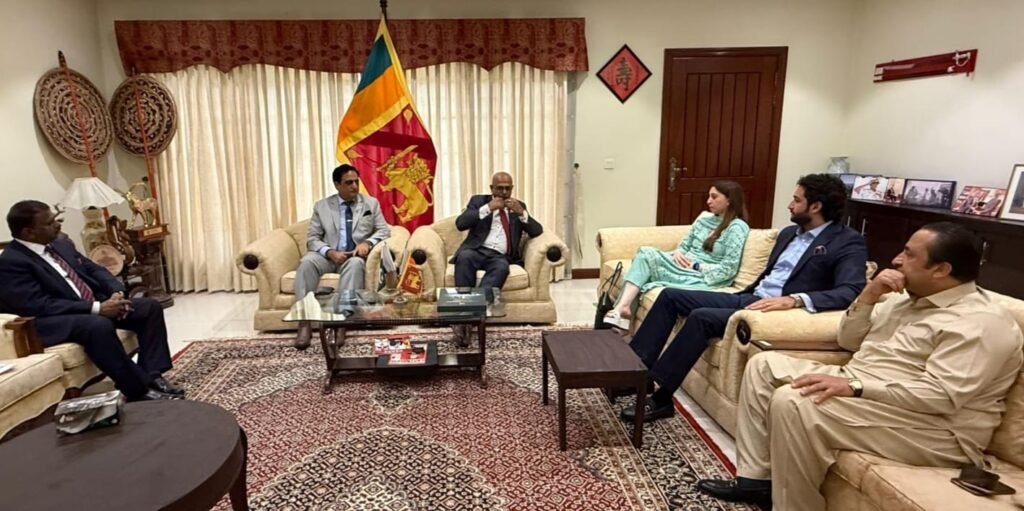
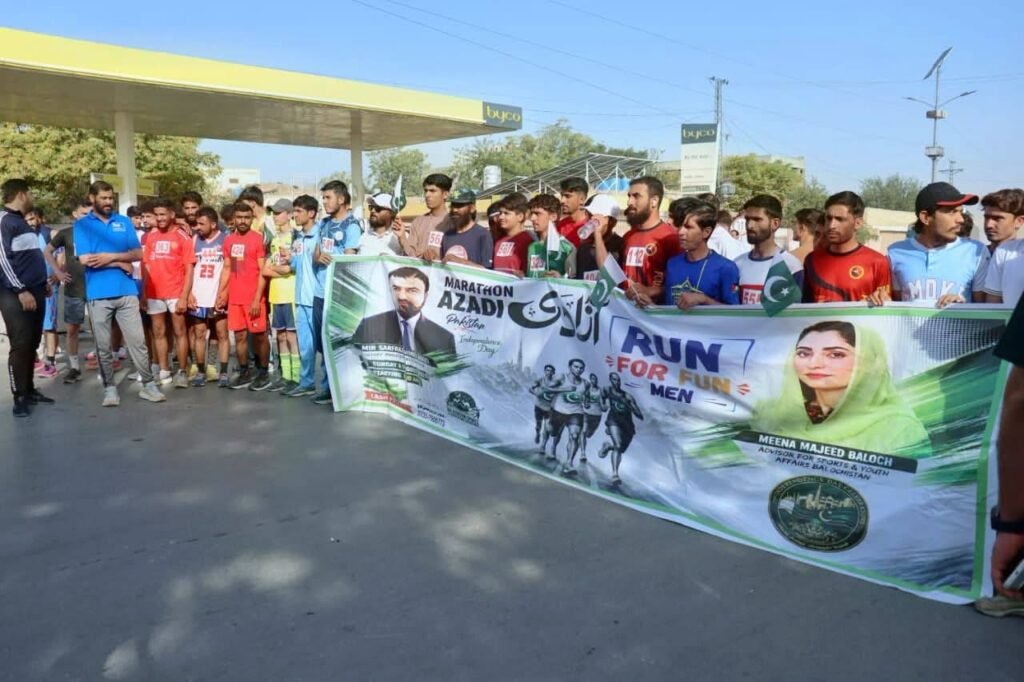
ISLAMABAD — A delegation from the Silk Route Festival, led by Vice Admiral Ahmed Saeed HI (M) and Sadaf Khalid Khan, Director and Global Coordinator of Silk Route Enterprises, met with the High Commissioner of Sri Lanka to Pakistan, Rear Admiral Fred Senevirathne, at his official residence. The meeting aimed to discuss potential collaborations and strengthen cultural ties between Pakistan and Sri Lanka. What Happened The meeting took place at the official residence of the High Commissioner, where the delegation was warmly received. Vice Admiral Ahmed Saeed and Sadaf Khalid Khan presented the objectives and future plans of the Silk Route Festival, highlighting its role in promoting cultural exchange and economic cooperation along the historic Silk Route. The festival, which aims to celebrate the rich cultural heritage of countries along the Silk Route, seeks to foster greater understanding and collaboration among participating nations. During the discussions, Rear Admiral Fred Senevirathne expressed Sri Lanka’s interest in participating in the festival and emphasized the importance of such events in enhancing bilateral relations. He stated, “Sri Lanka is keen to engage in cultural initiatives that bring our nations closer and promote mutual understanding.” The High Commissioner also discussed potential areas of cooperation, including tourism, trade, and cultural exchanges. The delegation from the Silk Route Festival shared insights into the festival’s planned activities, which include cultural performances, exhibitions, and trade fairs. They also discussed the possibility of organizing joint events with Sri Lankan cultural institutions to showcase the diverse traditions and heritage of both countries. Background The Silk Route Festival is an annual event that aims to revive the historical significance of the Silk Route, which was a network of trade routes connecting the East and West. Historically, the Silk Route facilitated the exchange of goods, ideas, and culture, significantly impacting the civilizations it connected. In recent years, there has been a renewed interest in the Silk Route as countries seek to strengthen economic and cultural ties through initiatives like China’s Belt and Road Initiative. Pakistan and Sri Lanka have a history of strong bilateral relations, with cooperation in various sectors including trade, defense, and cultural exchange. The Silk Route Festival provides an opportunity to further enhance these ties by promoting cultural understanding and economic collaboration. Why It Matters The meeting between the Silk Route Festival organisers and the Sri Lankan High Commissioner is significant for several reasons. Economically, the festival has the potential to boost tourism and trade between Pakistan and Sri Lanka by showcasing their cultural heritage to a wider audience. This can lead to increased economic activity and opportunities for businesses in both countries. Socially, the festival promotes cultural exchange and understanding, which are crucial for fostering peaceful and cooperative international relations. By highlighting the shared cultural heritage of countries along the Silk Route, the festival encourages dialogue and collaboration, contributing to regional stability. Politically, the engagement between Pakistan and Sri Lanka through cultural initiatives like the Silk Route Festival can strengthen diplomatic ties and enhance cooperation in other areas, such as security and development. As both countries navigate complex regional dynamics, such collaborations can serve as a foundation for more comprehensive partnerships. Key Takeaways The Silk Route Festival delegation met with the Sri Lankan High Commissioner to discuss cultural collaboration. The festival aims to promote cultural exchange and economic cooperation along the historic Silk Route. Sri Lanka expressed interest in participating in the festival to enhance bilateral relations with Pakistan. The meeting highlights the potential for increased tourism and trade between the two countries. Cultural initiatives like the Silk Route Festival can strengthen diplomatic ties and regional stability. Source Attribution This article is based on official government statements, press releases, and public communications from relevant authorities. Author: NEN Editorial Desk | Editor: NEN Newsroom | Fact Checked By: NEN Editorial Team Author: NEN Editorial Desk  |  Editor: NEN Newsroom  |  Last Updated: August 09, 2026  |  Source: NEN Reporter This article was produced by the NEN Editorial Desk in accordance with NEN Agency’s Editorial Policy and Fact-Checking Policy.
Quetta Hosts ‘Run for Fun’ Marathon During Independence Day Festivities
Pakistan

Quetta Hosts ‘Run for Fun’ Marathon During Independence Day Festivities

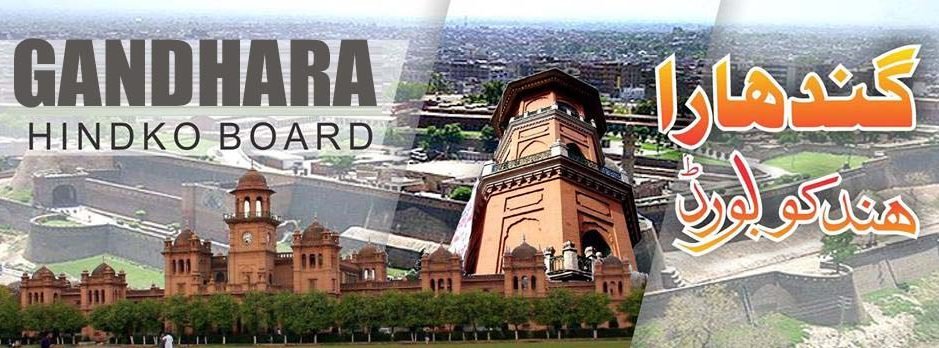
QUETTA — The city of Quetta came alive with vibrant celebrations as it hosted the ‘Run for Fun’ marathon, a key event in the ongoing Independence Day festivities across Balochistan. Organized by the Department of Sports and Youth Affairs Balochistan, the marathon took place under the special instructions of Chief Minister Mir Sarfraz Bugti. What Happened The ‘Run for Fun’ marathon, held in Quetta, was a part of the larger Independence Day celebrations aimed at promoting cultural and sporting activities throughout the province. The event saw enthusiastic participation from residents of all ages, who gathered to celebrate the spirit of freedom and unity. The marathon route was carefully planned to showcase the scenic beauty of Quetta, allowing participants to enjoy the city’s landscape as they ran. Chief Minister Mir Sarfraz Bugti, who has been actively promoting such events, emphasized the importance of community engagement in fostering a sense of national pride. “Events like these bring our community together and remind us of the values that our country stands for,” he stated in a public address. The marathon concluded with a prize distribution ceremony, where winners were awarded medals and certificates for their participation and performance. The event was not only a sporting activity but also a cultural celebration, featuring local music and traditional dances that highlighted the rich heritage of Balochistan. Food stalls offering traditional Balochi cuisine added to the festive atmosphere, making it a memorable day for all attendees. Background Balochistan, Pakistan’s largest province by area, has a rich cultural heritage and a history of celebrating national events with enthusiasm. The Independence Day celebrations in Balochistan have traditionally included a variety of activities, from cultural shows to sports events, aimed at fostering unity and patriotism among the people. In recent years, the provincial government has placed a greater emphasis on organizing events that engage the youth and promote a healthy lifestyle. The ‘Run for Fun’ marathon is one such initiative, reflecting a broader strategy to integrate sports into the cultural fabric of the province. This approach aligns with national efforts to promote sports and physical activities as a means to improve public health and social cohesion. Why It Matters The ‘Run for Fun’ marathon is significant for several reasons. Firstly, it serves as a platform for community building, bringing together people from different walks of life to celebrate a common cause. Such events are crucial in a diverse province like Balochistan, where fostering unity and understanding is essential for social harmony. Economically, events like these can boost local businesses, particularly those in the hospitality and retail sectors, as they attract participants and spectators from various regions. The influx of visitors can lead to increased demand for local products and services, providing a temporary economic boost to the area. Politically, the successful organization of such events reflects positively on the provincial government’s ability to engage with its citizens and promote a sense of national identity. It demonstrates a commitment to investing in the social infrastructure that supports community well-being and national pride. On an international level, showcasing Balochistan’s cultural and sporting events can enhance Pakistan’s image as a nation that values diversity and community engagement. It highlights the country’s efforts to promote peace and unity through cultural diplomacy. Key Takeaways The ‘Run for Fun’ marathon in Quetta was part of Balochistan’s Independence Day celebrations. Organized by the Department of Sports and Youth Affairs, the event aimed to promote community engagement and national pride. Participants enjoyed a scenic route, cultural performances, and traditional Balochi cuisine. The event supports local businesses and reflects positively on the provincial government’s citizen engagement efforts. Such events enhance Pakistan’s international image by showcasing its cultural diversity and unity. Source Attribution This article is based on official government statements, press releases, and public communications from relevant authorities. Author: NEN Editorial Desk | Editor: NEN Newsroom | Fact Checked By: NEN Editorial Team Author: NEN Editorial Desk  |  Editor: NEN Newsroom  |  Last Updated: August 09, 2026  |  Source: NEN Reporter This article was produced by the NEN Editorial Desk in accordance with NEN Agency’s Editorial Policy and Fact-Checking Policy.
Gandhara Hindko Board Adopts Digital Printing Amid Funding Challenges
Pakistan

Gandhara Hindko Board Adopts Digital Printing Amid Funding Challenges

PESHAWAR — The Gandhara Hindko Board has transitioned to digital printing due to a lack of financial support from the Khyber Pakhtunkhwa government over the past four years. This shift aims to sustain the board’s literary and cultural initiatives despite the funding shortfall, according to a board official. What Happened The Gandhara Hindko Board, a prominent cultural and literary organization dedicated to preserving and promoting the Hindko language and culture, has been compelled to adopt digital printing methods. This decision comes after the Khyber Pakhtunkhwa government ceased its financial contributions, which had been a crucial source of support for the board’s activities. An official from the board stated, “We have not received any funding from the government for the last four years, which has significantly impacted our operations.” In response to this financial constraint, the board has shifted its focus to digital printing, a more cost-effective method compared to traditional printing techniques. This transition is intended to ensure the continuity of their publications and cultural events, which include literary magazines, books, and cultural programs that highlight the rich heritage of the Hindko-speaking community. The board has historically played a vital role in the cultural landscape of Khyber Pakhtunkhwa by organizing events, publishing literary works, and conducting research on the Hindko language. The shift to digital printing is seen as a necessary adaptation to maintain these efforts in the absence of government funding. Background The Gandhara Hindko Board was established with the mission of preserving the Hindko language and culture, which is predominantly spoken in parts of Khyber Pakhtunkhwa and northern Punjab. Over the years, the board has been instrumental in publishing a variety of literary works, including poetry, prose, and research papers, that contribute to the understanding and appreciation of Hindko heritage. Historically, the board has relied on government funding to support its activities. However, the withdrawal of financial aid from the Khyber Pakhtunkhwa government has posed significant challenges, forcing the board to seek alternative methods to sustain its operations. The transition to digital printing is part of a broader strategy to adapt to the changing financial landscape and continue its cultural mission. Why It Matters The Gandhara Hindko Board’s shift to digital printing is significant for several reasons. Economically, it highlights the challenges faced by cultural organizations in Pakistan that rely on government support. The lack of funding not only threatens the survival of these organizations but also impacts the preservation of regional languages and cultures, which are integral to the country’s diverse heritage. Socially, the board’s efforts to continue its work through digital means underscore the importance of cultural preservation in fostering community identity and cohesion. The Hindko-speaking community, which has a rich cultural history, stands to benefit from the continued availability of literary and cultural resources that celebrate their language and traditions. Politically, the situation draws attention to the need for consistent government support for cultural initiatives. It raises questions about the prioritization of cultural heritage in policy-making and the potential consequences of neglecting such areas. The board’s experience may prompt discussions on how to better support cultural organizations, ensuring they have the resources needed to thrive. Key Takeaways The Gandhara Hindko Board has shifted to digital printing due to a lack of government funding. This transition aims to sustain the board’s literary and cultural activities. The board has not received financial support from the Khyber Pakhtunkhwa government for four years. The shift highlights challenges faced by cultural organizations reliant on government aid. The situation underscores the importance of preserving regional languages and cultures in Pakistan. Source Attribution This article is based on official statements and public communications from the Gandhara Hindko Board. Author: NEN Editorial Desk | Editor: NEN Newsroom | Fact Checked By: NEN Editorial Team Author: NEN Editorial Desk  |  Editor: NEN Newsroom  |  Last Updated: August 09, 2026  |  Source: NEN Reporter This article was produced by the NEN Editorial Desk in accordance with NEN Agency’s Editorial Policy and Fact-Checking Policy.
Pakistan Hockey Team Arrives in Netherlands for 2026 World Cup
World

Pakistan Hockey Team Arrives in Netherlands for 2026 World Cup

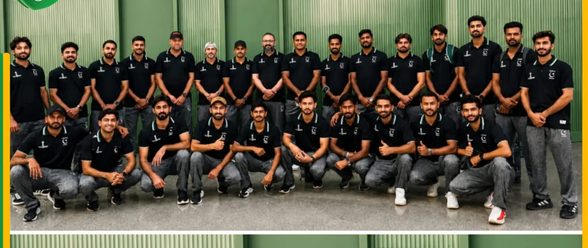
LAHORE — The Pakistan national hockey team has arrived in the Netherlands to participate in the FIH Men’s Hockey World Cup 2026, which will be co-hosted by the Netherlands and Belgium from August 15 to August 30. The team was warmly welcomed at the airport by representatives from the Pakistan embassy in the Netherlands. What Happened The Pakistan hockey team departed from Lahore’s Allama Iqbal International Airport on Sunday, marking the beginning of their journey to the Netherlands for the prestigious tournament. The team’s arrival was met with enthusiasm and support from the local Pakistani community and embassy officials, underscoring the significance of their participation on the global stage. In preparation for the World Cup, the Pakistan Hockey Federation (PHF) has ensured that all necessary arrangements are in place to facilitate the team’s focus on their performance. A total of PKR 20 million has been transferred to the bank accounts of the players and coaching staff as a foreign daily allowance, aiming to alleviate any financial concerns that could distract from their on-field efforts. “The federation’s objective is to free the players from financial concerns and provide them with the opportunity to focus their full attention on their performance on the field,” stated a press release by the PHF. The federation has also confirmed the completion of logistical arrangements, including travel, accommodation, meals, local transportation, and the transportation of sports equipment. PHF President Mohyuddin Ahmed Wani emphasized the federation’s commitment to the welfare of the players and coaches, stating, “Welfare of the players and coaches is our top priority. All necessary financial and administrative matters have been settled transparently before departure so that the team can represent the country and nation on the global stage without any hesitation.” Background The FIH Men’s Hockey World Cup is one of the most prestigious tournaments in the sport, attracting teams from across the globe to compete for the title. Pakistan, with a rich history in hockey, has been a formidable force in the past, having won the World Cup on multiple occasions. However, in recent years, the team has faced challenges in maintaining its dominance on the international stage. The Pakistan Hockey Federation has been actively working to revitalize the sport in the country, focusing on player development, infrastructure improvements, and international exposure. The participation in the 2026 World Cup is seen as a crucial step in re-establishing Pakistan’s presence in the world of hockey. Why It Matters The participation of Pakistan in the FIH Men’s Hockey World Cup 2026 holds significant importance for several reasons. Economically, the event provides a platform for the players to gain international exposure, potentially leading to opportunities for sponsorships and endorsements, which can contribute to the financial stability of the sport in Pakistan. Socially, the team’s participation serves as a source of national pride and unity, rallying support from fans across the country. It also inspires young athletes to pursue hockey as a career, contributing to the development of future talent. Politically, successful participation in international sports events can enhance Pakistan’s image on the global stage, showcasing the country’s ability to compete at high levels despite domestic challenges. This can lead to improved diplomatic relations and increased interest from international investors in various sectors. Key Takeaways Pakistan’s hockey team has arrived in the Netherlands for the 2026 World Cup. The PHF has provided PKR 20 million as a foreign daily allowance to players and staff. All logistical arrangements for the team’s participation have been completed. The tournament is co-hosted by the Netherlands and Belgium from August 15 to 30. The event is crucial for Pakistan’s international sports presence and national pride. Source Attribution This article is based on official government statements, press releases, and public communications from relevant authorities. Author: NEN Editorial Desk | Editor: NEN Newsroom | Fact Checked By: NEN Editorial Team Author: NEN Editorial Desk  |  Editor: NEN Newsroom  |  Last Updated: August 09, 2026  |  Source: Press Release from Government of Pakistan This article was produced by the NEN Editorial Desk in accordance with NEN Agency’s Editorial Policy and Fact-Checking Policy.
Bank Of Punjab CEO Advocates Shift To Welfare GDP Amid Economic Challenges
Pakistan

Bank Of Punjab CEO Advocates Shift To Welfare GDP Amid Economic Challenges

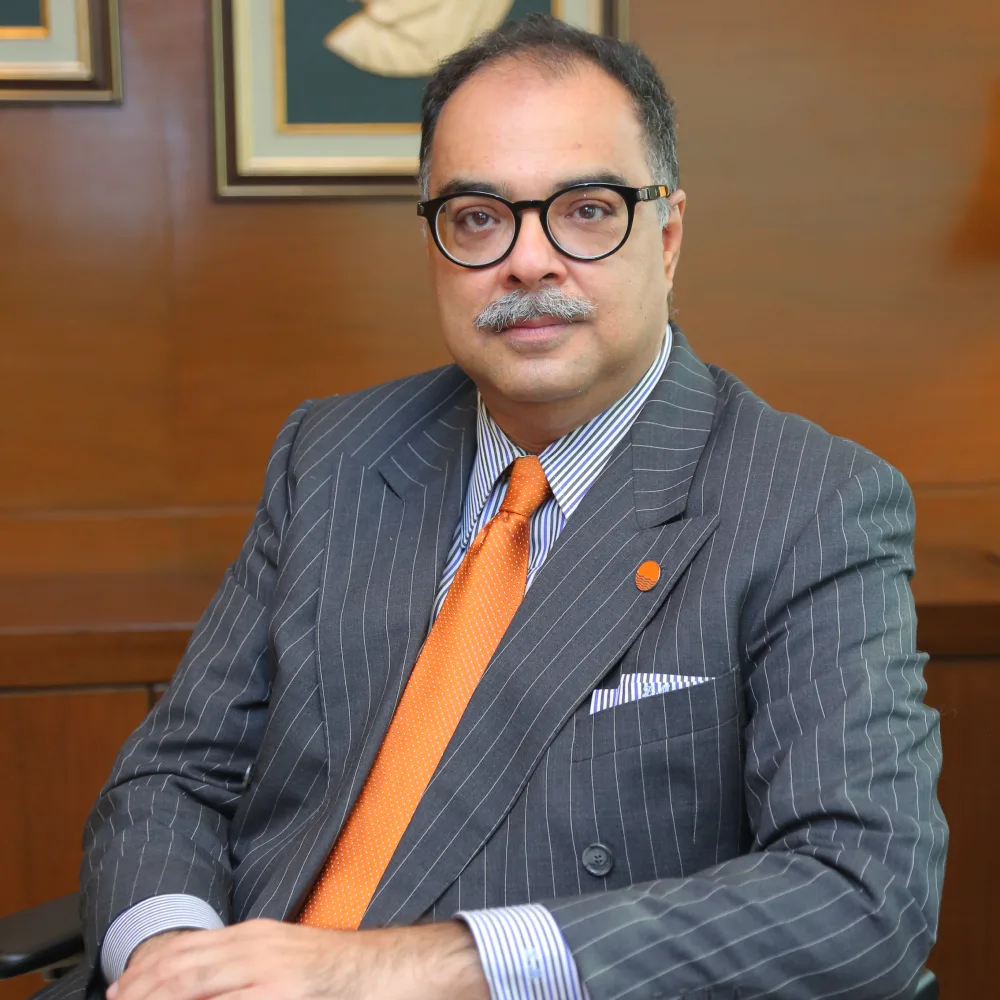
ISLAMABAD — The President and CEO of the Bank of Punjab, Zafar Masud, has advocated for a transition from a conventional GDP model to a ‘welfare GDP’ framework as a strategy to alleviate the economic challenges faced by Pakistani citizens. Addressing the Islamabad Policy Research Institute (IPRI) on August 9, Masud emphasized the need for a holistic approach to economic measurement that prioritizes citizen welfare. What Happened During his address at the IPRI event titled ‘Measuring Welfare-GDP Beyond Arithmetic’, Zafar Masud highlighted the limitations of traditional GDP metrics in capturing the true economic well-being of the population. He noted that while Pakistan’s headline GDP experienced an 18.8% growth over the past five fiscal years, this figure drops significantly to 9.6% when adjusted for population growth. This discrepancy underscores the need for a more nuanced approach to economic measurement. Masud identified several structural weaknesses in Pakistan’s economy, particularly in the labor market. He pointed out that approximately four individuals rely on a single income earner, and the labor force participation rate remains at a low 45%. These factors contribute to the economic strain faced by many households. Drawing comparisons with countries like Argentina, Greece, and Sri Lanka, Masud suggested that Pakistan could find cautious optimism in their experiences. These nations have endured severe economic crises yet managed to gradually reduce inflation and stabilize their economies. He emphasized the importance of learning from their strategies to achieve sustainable economic growth. Masud also referenced successful economic models from the UK, US, and Sweden, where long-term prosperity was achieved through a framework of credible rules that lower capital costs and enhance living standards. He proposed a set of five broad reforms aimed at steering Pakistan towards a welfare-oriented GDP model. These reforms include moving beyond the stabilization trap with transparent fiscal accounting, channeling capital into high-return sectors like agriculture and SMEs, enhancing productivity for global competitiveness, ensuring policy predictability, and fostering inclusive growth through job creation and fair wages. Background The concept of GDP, or Gross Domestic Product, has long been the standard measure of a country’s economic performance. However, it primarily focuses on economic output without adequately accounting for the distribution of wealth and the overall well-being of citizens. In recent years, there has been a growing recognition of the need to incorporate welfare indicators into economic assessments to provide a more comprehensive picture of national prosperity. Pakistan’s economy has faced numerous challenges, including high inflation, a large fiscal deficit, and a low tax-to-GDP ratio. These issues have been compounded by political instability and external economic pressures. The government has been working on various economic reforms to address these challenges, but progress has been slow. Why It Matters The call for a shift to a welfare GDP model is significant as it highlights the need for economic policies that prioritize the well-being of citizens rather than solely focusing on economic output. By adopting a welfare-oriented approach, Pakistan can aim to address the socio-economic disparities that have long plagued the nation. Economically, this shift could lead to more equitable growth, where the benefits of economic development are more evenly distributed across different segments of society. This approach could also help in reducing poverty levels and improving the quality of life for the average citizen. Politically, embracing a welfare GDP model could enhance the government’s credibility and public trust, as it demonstrates a commitment to addressing the needs of the population. It could also attract international support and investment by showcasing a stable and inclusive economic environment. On an international level, Pakistan’s move towards a welfare GDP model could position it as a leader in the region, advocating for economic policies that balance growth with social welfare. This could strengthen its diplomatic ties and enhance its standing in global economic forums. Key Takeaways Zafar Masud, CEO of the Bank of Punjab, calls for a shift to a welfare GDP model. Pakistan’s GDP growth of 18.8% over five years drops to 9.6% when adjusted for population growth. Structural weaknesses in the labor market include low participation and high dependency ratios. Masud proposes five reforms to enhance economic stability and citizen welfare. The shift to welfare GDP could improve socio-economic equity and international standing. Source Attribution This article is based on official statements and public communications from the Islamabad Policy Research Institute and the Bank of Punjab. Author: NEN Editorial Desk | Editor: NEN Newsroom | Fact Checked By: NEN Editorial Team Author: NEN Editorial Desk  |  Editor: NEN Newsroom  |  Last Updated: August 09, 2026  |  Source: NEN Reporter This article was produced by the NEN Editorial Desk in accordance with NEN Agency’s Editorial Policy and Fact-Checking Policy.

Flags Raised in Lahore to Celebrate Mecca Defence Agreement
Pakistan

Flags Raised in Lahore to Celebrate Mecca Defence Agreement

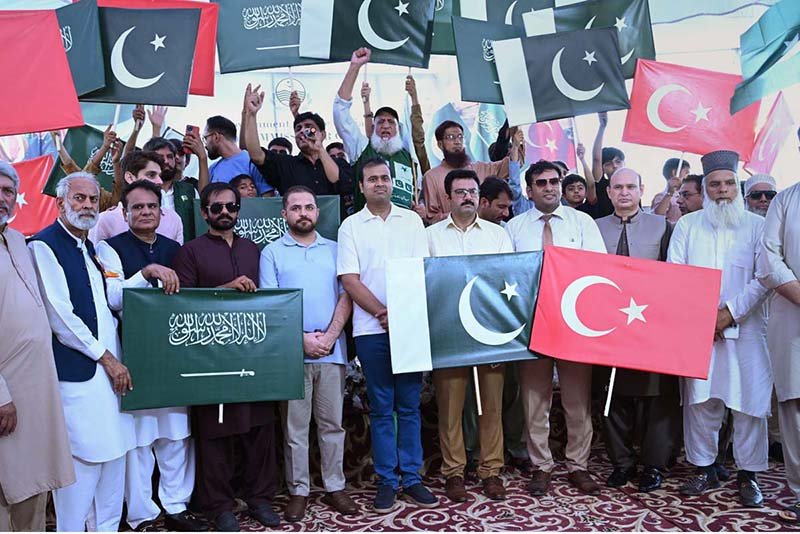
LAHORE — Civil society representatives and citizens gathered at Gulshan-e-Iqbal Park to raise the flags of Pakistan, Saudi Arabia, and Türkiye, marking a ceremony organized by the district administration to celebrate the Mecca Defence Agreement among the three nations. What Happened The event at Gulshan-e-Iqbal Park saw a diverse group of attendees, including civil society members and local citizens, who participated in the flag-raising ceremony. The district administration orchestrated this event to commemorate the Mecca Defence Agreement, a significant trilateral pact between Pakistan, Saudi Arabia, and Türkiye. The ceremony aimed to highlight the unity and cooperation among these countries in the realm of defense and security. The Mecca Defence Agreement, signed recently, is a strategic alliance focusing on mutual defense and security cooperation. It underscores the commitment of the three nations to work together in addressing regional security challenges. The agreement is seen as a pivotal step in enhancing military collaboration and intelligence sharing among the signatories. During the ceremony, participants expressed their support for the agreement, emphasizing its importance in fostering regional stability. The event featured speeches from local officials who highlighted the historical ties and shared interests of Pakistan, Saudi Arabia, and Türkiye. “This agreement is a testament to our enduring friendship and shared goals,” said a district administration spokesperson. Background The Mecca Defence Agreement comes against a backdrop of evolving geopolitical dynamics in the Middle East and South Asia. Historically, Pakistan has maintained strong bilateral relations with both Saudi Arabia and Türkiye, rooted in cultural, religious, and strategic ties. Over the years, these relationships have been bolstered by economic cooperation and defense collaborations. Saudi Arabia and Türkiye have been key allies for Pakistan, providing support in various international forums. The trilateral agreement is a continuation of these longstanding partnerships, aiming to address common security concerns such as terrorism, regional conflicts, and military threats. Previous defense agreements and joint military exercises among these countries have laid the groundwork for the Mecca Defence Agreement. This new pact is expected to further solidify their military cooperation and enhance their collective security posture. Why It Matters The Mecca Defence Agreement holds significant implications for regional security and international relations. For Pakistan, aligning with Saudi Arabia and Türkiye in a formal defense pact strengthens its strategic position in the region. It also provides an opportunity to enhance its military capabilities through joint exercises and technology sharing. Economically, the agreement could lead to increased defense trade and investment among the three countries, fostering economic growth and creating job opportunities. The collaboration may also extend to other sectors, such as energy and infrastructure, benefiting the economies of the participating nations. Politically, the agreement sends a strong message of unity and cooperation to other regional actors. It demonstrates a collective resolve to address security challenges and maintain stability in a volatile region. This unity could deter potential threats and contribute to peace efforts in the Middle East and South Asia. For citizens, the agreement represents a commitment to national security and regional peace. It reassures the public of their government’s proactive approach to safeguarding national interests and promoting international cooperation. Key Takeaways The Mecca Defence Agreement is a trilateral pact between Pakistan, Saudi Arabia, and Türkiye focusing on defense and security cooperation. A flag-raising ceremony in Lahore celebrated the agreement, highlighting the unity among the three nations. The agreement strengthens Pakistan’s strategic position and enhances military collaboration. It has economic implications, potentially boosting defense trade and investment among the signatories. The pact underscores a collective commitment to regional stability and security. Source Attribution This article is based on official government statements, press releases, and public communications from relevant authorities. Author: NEN Editorial Desk | Editor: NEN Newsroom | Fact Checked By: NEN Editorial Team Author: NEN Editorial Desk  |  Editor: NEN Newsroom  |  Last Updated: August 09, 2026  |  Source: NEN Reporter This article was produced by the NEN Editorial Desk in accordance with NEN Agency’s Editorial Policy and Fact-Checking Policy.
PHF Introduces National Women’s Hockey Development Initiative
Pakistan

PHF Introduces National Women’s Hockey Development Initiative

ISLAMABAD — The Pakistan Hockey Federation (PHF) has unveiled the ‘National Women’s Hockey High-Performance and Coaching Development Program’. This initiative, announced on Monday, aims to rejuvenate and advance women’s hockey across the nation, addressing both player development and coaching standards. What Happened The PHF’s launch of the ‘National Women’s Hockey High-Performance and Coaching Development Program’ signifies a concerted effort to revitalize women’s hockey in Pakistan. The program is designed to enhance the skills and capabilities of female hockey players and coaches, providing them with the necessary resources and training to compete at higher levels. According to the PHF, this initiative will include workshops, training camps, and competitive events specifically tailored for women in hockey. PHF President Brigadier (Retd) Khalid Sajjad Khokhar emphasized the importance of this program in a statement, saying, “This initiative is a crucial step in ensuring that women’s hockey in Pakistan receives the attention and support it deserves. Our aim is to create a sustainable environment where female athletes can thrive and excel.” The program is expected to roll out in phases, with initial activities scheduled to begin in major cities across Pakistan. The launch event also highlighted the federation’s commitment to gender equality in sports, with PHF Secretary General Asif Bajwa stating, “Empowering women in sports is not just about providing opportunities but also about creating a platform for them to showcase their talent and achieve their dreams.” The PHF plans to collaborate with international hockey bodies to bring in expertise and best practices from around the world. Background Women’s hockey in Pakistan has historically been overshadowed by the men’s game, which has enjoyed more visibility and support. The PHF has faced criticism in the past for not doing enough to promote women’s participation in the sport. However, there have been efforts over the years to address these disparities. The introduction of this new program is part of a broader strategy to rectify past neglect and foster a more inclusive environment for female athletes. In recent years, there has been a growing recognition of the need to support women’s sports in Pakistan, with various governmental and non-governmental organizations advocating for increased funding and resources. The PHF’s initiative aligns with these efforts, aiming to build a robust infrastructure for women’s hockey from the grassroots to the national level. Why It Matters The launch of the ‘National Women’s Hockey High-Performance and Coaching Development Program’ holds significant implications for the future of sports in Pakistan. By focusing on women’s hockey, the PHF is addressing a long-standing gap in the sports ecosystem, which can lead to broader social change. Empowering women through sports can have a ripple effect, promoting gender equality and encouraging more women to participate in various fields. Economically, the development of women’s hockey can open new avenues for sponsorships and partnerships, potentially boosting the sports industry in Pakistan. Internationally, a stronger women’s hockey team can enhance Pakistan’s reputation in global sports arenas, providing opportunities for international competitions and collaborations. Socially, the program can inspire young girls across the country to pursue sports, breaking cultural barriers and challenging stereotypes about women’s roles in society. By creating role models in the field of hockey, the PHF can contribute to a more progressive narrative around women’s capabilities and achievements. Key Takeaways The PHF has launched a new program to develop women’s hockey in Pakistan. The initiative aims to improve player and coach skills through targeted training. It addresses historical gender disparities in Pakistan’s sports landscape. The program is expected to have economic, social, and international benefits. PHF is collaborating with international bodies to enhance program effectiveness. Source Attribution This article is based on official statements and public communications from the Pakistan Hockey Federation. Author: NEN Editorial Desk | Editor: NEN Newsroom | Fact Checked By: NEN Editorial Team Author: NEN Editorial Desk  |  Editor: NEN Newsroom  |  Last Updated: August 09, 2026  |  Source: NEN Reporter This article was produced by the NEN Editorial Desk in accordance with NEN Agency’s Editorial Policy and Fact-Checking Policy.
ICCI President Advocates Embracing AI and Biotechnology for Future Growth
Pakistan

ICCI President Advocates Embracing AI and Biotechnology for Future Growth

ISLAMABAD — The President of the Islamabad Chamber of Commerce and Industry (ICCI), Sardar Tahir Mehmood, has emphasized the need for a transformative shift in Pakistan’s entrepreneurial approach. On August 9, he urged the nation’s youth and business community to transcend traditional business models and gear up for the ‘Fifth Age,’ characterized by advancements in Artificial Intelligence (AI), biotechnology, genetic engineering, healthcare, information technology, and robotics. What Happened During a recent address, Sardar Tahir Mehmood highlighted the critical importance of adopting cutting-edge technologies to remain competitive in the global market. He stated, “The future belongs to those who are ready to embrace AI and biotechnology.” Mehmood’s remarks come at a time when the global economy is increasingly driven by technological innovation and digital transformation. He stressed that Pakistan’s economic growth hinges on the ability of its entrepreneurs to innovate and integrate these technologies into their business strategies. Mehmood pointed out that the rapid advancements in AI and biotechnology are reshaping industries worldwide, creating new opportunities and challenges. He urged Pakistani businesses to invest in research and development, and to foster a culture of innovation to harness these opportunities. Furthermore, Mehmood called for educational institutions to update their curricula to include these emerging technologies, ensuring that the future workforce is equipped with the necessary skills. He emphasized the role of government and industry leaders in creating an ecosystem that supports technological adoption and innovation. Background Pakistan’s economy has traditionally relied on agriculture and textiles, with a significant portion of its GDP coming from these sectors. However, in recent years, there has been a growing recognition of the need to diversify the economy and invest in technology-driven sectors. The government has initiated several programs to boost the tech industry, including the establishment of technology parks and incentives for startups. Globally, AI and biotechnology are at the forefront of technological advancements. AI is being used to improve efficiencies across various sectors, from manufacturing to healthcare, while biotechnology is revolutionizing fields such as medicine and agriculture. Countries that have embraced these technologies have seen significant economic benefits, leading to increased competitiveness and innovation. Why It Matters The call to embrace AI and biotechnology is significant for Pakistan’s economic future. As global competition intensifies, nations that fail to adopt new technologies risk being left behind. For Pakistan, integrating these technologies could lead to increased productivity, job creation, and economic diversification. Economically, the adoption of AI and biotechnology could enhance Pakistan’s export potential by enabling the production of high-value goods and services. This shift could reduce the country’s reliance on traditional sectors and open up new markets. Socially, the integration of these technologies could improve quality of life by advancing healthcare solutions and creating more efficient public services. Politically, it could position Pakistan as a leader in technological innovation within the region, attracting foreign investment and fostering international collaborations. However, the transition to a technology-driven economy requires significant investment in education and infrastructure. It also necessitates policy reforms to support innovation and protect intellectual property rights. The government’s role in facilitating this transition is crucial, as is the collaboration between the public and private sectors. Key Takeaways Sardar Tahir Mehmood urges Pakistani entrepreneurs to embrace AI and biotechnology for future growth. Adoption of these technologies is essential for remaining competitive in the global market. Educational reforms and government support are critical to fostering a tech-driven economy. Integration of AI and biotechnology could lead to economic diversification and job creation in Pakistan. Significant investment in infrastructure and policy reforms is necessary for successful technological adoption. Source Attribution This article is based on official statements and public communications from the Islamabad Chamber of Commerce and Industry. Author: NEN Editorial Desk | Editor: NEN Newsroom | Fact Checked By: NEN Editorial Team Author: NEN Editorial Desk  |  Editor: NEN Newsroom  |  Last Updated: August 09, 2026  |  Source: Press Release from Government of Pakistan This article was produced by the NEN Editorial Desk in accordance with NEN Agency’s Editorial Policy and Fact-Checking Policy.

Sri Lanka and Pakistan Seek Enhanced Tourism and Cultural Ties
Pakistan

Sri Lanka and Pakistan Seek Enhanced Tourism and Cultural Ties

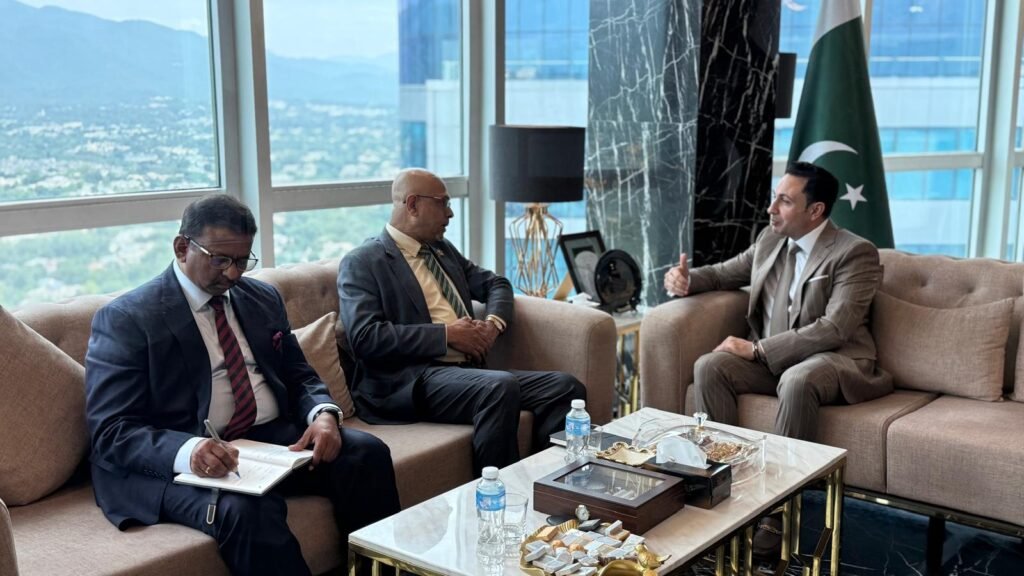
ISLAMABAD — Sri Lanka and Pakistan are exploring new opportunities to enhance cooperation in tourism and cultural exchanges, following a meeting between Sri Lankan High Commissioner to Pakistan Fred Senevirathne and Sardar Yasir Ilyas Khan, Advisor to the Prime Minister of Pakistan on Tourism. The discussions, held in Islamabad, focused on strengthening bilateral ties in tourism, culture, education, and people-to-people exchanges. What Happened During the meeting, High Commissioner Fred Senevirathne and Sardar Yasir Ilyas Khan deliberated on various strategies to boost tourism and cultural cooperation between Sri Lanka and Pakistan. The discussions emphasized the potential for increased collaboration in tourism, which is a significant sector for both countries. Senevirathne highlighted Sri Lanka’s interest in attracting Pakistani tourists and promoting cultural exchanges that could foster deeper understanding and friendship between the two nations. Sardar Yasir Ilyas Khan, who also serves as CEO of Centaurus Group and Mövenpick Hotel, expressed Pakistan’s eagerness to enhance tourism ties with Sri Lanka. He noted that such cooperation could lead to mutual benefits, including economic growth and strengthened cultural relations. Khan underscored the importance of facilitating easier travel and promoting joint ventures in the tourism industry. The meeting also touched upon educational exchanges and the potential for collaborative projects in the cultural sector. Both officials agreed on the need to create more opportunities for people-to-people interactions, which could serve as a foundation for long-term bilateral cooperation. Background Pakistan and Sri Lanka have historically enjoyed friendly relations, marked by cooperation in various sectors including trade, defense, and culture. Tourism has been identified as a key area for potential growth, given the rich cultural heritage and natural beauty of both countries. In recent years, both nations have been working to enhance their tourism sectors, recognizing the economic benefits and opportunities for cultural diplomacy. Pakistan’s tourism industry has been gaining momentum, with the government implementing policies to attract more international visitors. Similarly, Sri Lanka has been focusing on rebuilding its tourism sector, which was significantly impacted by the COVID-19 pandemic. The recent discussions are part of broader efforts to revitalize tourism and foster cultural ties. Why It Matters The discussions between Sri Lanka and Pakistan hold significant implications for both countries, particularly in terms of economic growth and cultural diplomacy. Tourism is a vital sector that can contribute to economic development by creating jobs, generating foreign exchange, and promoting regional integration. Enhanced tourism cooperation can also lead to increased cultural understanding and stronger diplomatic relations. For Pakistan, boosting tourism ties with Sri Lanka could help diversify its tourism offerings and attract more visitors from the South Asian region. This aligns with Pakistan’s broader strategy to position itself as a key tourist destination, leveraging its historical sites, diverse landscapes, and cultural heritage. For Sri Lanka, attracting Pakistani tourists could provide a much-needed boost to its tourism industry, which is recovering from the pandemic’s effects. Increased cultural exchanges can also pave the way for educational collaborations and joint cultural projects, enriching both societies and fostering a sense of shared heritage. Key Takeaways Sri Lanka and Pakistan are exploring ways to enhance cooperation in tourism and cultural exchanges. The meeting focused on strategies to attract tourists and promote people-to-people interactions. Both countries recognize the economic and cultural benefits of strengthened tourism ties. Educational exchanges and joint cultural projects were also discussed as potential areas of collaboration. The discussions align with broader efforts to revitalize tourism sectors in both nations. Source Attribution This article is based on official government statements, press releases, and public communications from relevant authorities. Author: NEN Editorial Desk | Editor: NEN Newsroom | Fact Checked By: NEN Editorial Team Author: NEN Editorial Desk  |  Editor: NEN Newsroom  |  Last Updated: August 09, 2026  |  Source: NEN Reporter This article was produced by the NEN Editorial Desk in accordance with NEN Agency’s Editorial Policy and Fact-Checking Policy.

Scroll to Top